

Experiencing a dental emergency can be incredibly unsettling, especially when it involves a dental implant—a significant investment in your oral health and quality of life. The sudden onset of pain, swelling, or a dislodged implant can cause immense stress and discomfort. If you find yourself in such a predicament in 2026, understanding how to navigate emergency dental implant care in Dallas is paramount. This comprehensive guide is designed to empower you with the knowledge and steps needed to address urgent dental implant issues effectively and promptly, ensuring your long-term oral health is protected.
Dental implants are durable and designed to last many years, but like any medical device, unforeseen complications can arise. Whether it’s an accident, an infection, or a component issue, knowing where to turn for expert care can make all the difference. In Dallas, a city known for its advanced medical and dental facilities, you have access to specialized care that can address these urgent needs.
Key Takeaways
- Act Immediately: Don’t delay seeking professional help for any dental implant emergency; prompt action can prevent further complications and preserve your implant.
- Identify Symptoms: Be aware of common signs of an implant emergency, such as severe pain, swelling, loose components, or difficulty chewing, to describe accurately to your dentist.
- Find a Specialized Dentist: In Dallas, seek dentists or oral surgeons with specific expertise in dental implantology and emergency care for the best outcome.
- Temporary Relief at Home: While waiting for professional care, apply cold compresses for swelling, take over-the-counter pain relievers, and avoid disturbing the affected area.
- Preventative Measures: Regular check-ups, meticulous oral hygiene, and avoiding habits like chewing ice are crucial for preventing implant complications in the long run.
Understanding Dental Implant Emergencies in Dallas
Dental implants are sophisticated restorations designed to replace missing teeth, providing a stable foundation for artificial teeth that look, feel, and function like natural ones. However, even with the best care, emergencies can occur. Recognizing these issues early and understanding their potential causes is the first step in effective emergency dental implant care in Dallas. In 2026, dental technology continues to advance, yet the fundamental principles of emergency response remain crucial.
Common Types of Dental Implant Emergencies
Dental implant emergencies can manifest in various ways, from mild discomfort to severe pain and visible damage. Here are some of the most common scenarios:
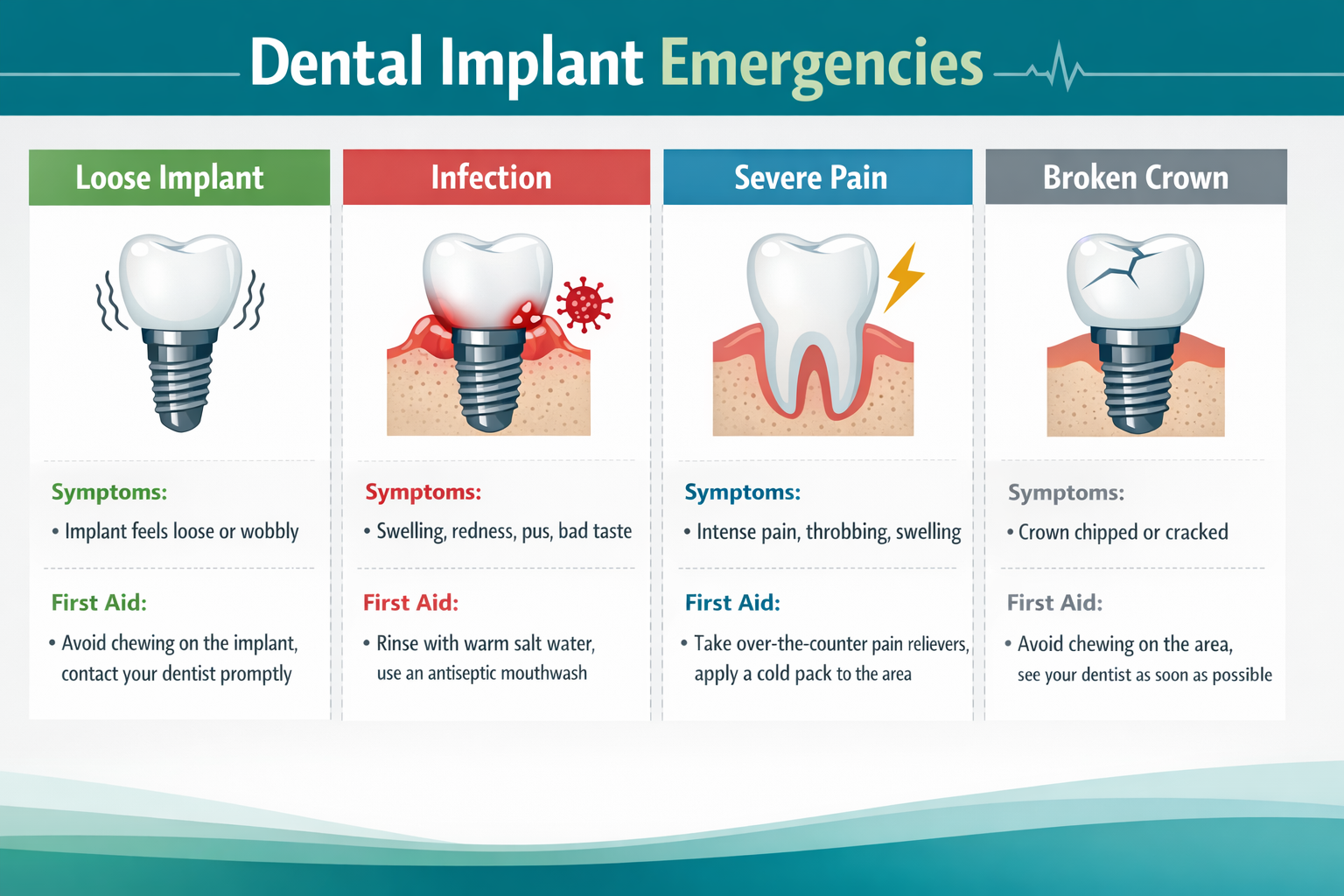
- Peri-implantitis: This is an inflammatory condition affecting the soft and hard tissues surrounding a dental implant, often leading to bone loss. It’s akin to periodontal disease around natural teeth and can cause redness, swelling, bleeding, pus formation, and eventually, implant mobility [1]. If left untreated, it can lead to implant failure.
- Loose or Damaged Crown/Abutment: The crown (the visible tooth part) or the abutment (the connector between the implant and the crown) can become loose, cracked, or dislodged. This might happen due to trauma, grinding, or simply wear and tear over time. A loose crown can be alarming and affect your ability to chew and speak.
- Implant Mobility: If the actual dental implant (the titanium screw embedded in the bone) feels loose, this is a serious emergency. It could indicate a failure of osseointegration (the fusion of the implant with the jawbone), severe infection, or significant bone loss around the implant. This requires immediate professional intervention.
- Fractured Implant: While rare, a dental implant itself can fracture due to excessive force or faulty placement. This is a severe complication that almost always requires implant removal and replacement.
- Persistent Pain or Swelling: While some discomfort and swelling are normal immediately after implant surgery, persistent or worsening pain and swelling, especially after the initial healing period, can signal an infection, nerve damage, or other complications.
- Allergic Reaction: Though extremely rare with titanium implants, some individuals may experience an allergic reaction to the implant material, manifesting as inflammation or skin reactions.
“Timely intervention is key when it comes to dental implant emergencies. Ignoring symptoms can lead to more complex and costly treatments down the road. Always prioritize immediate professional assessment.”
What Causes Dental Implant Emergencies?
Several factors can contribute to dental implant complications requiring urgent care:
- Poor Oral Hygiene: Inadequate brushing and flossing can lead to plaque buildup, fostering bacterial growth that causes peri-implantitis.
- Smoking: Smoking significantly increases the risk of implant failure and peri-implantitis by impairing blood flow and hindering healing processes [2].
- Medical Conditions: Certain systemic diseases like uncontrolled diabetes, autoimmune disorders, and osteoporosis can affect bone healing and increase implant complication rates.
- Excessive Bite Force/Bruxism: Clenching or grinding teeth (bruxism) can put excessive stress on implants, leading to component loosening or even fractures.
- Trauma or Injury: Accidents, falls, or direct blows to the mouth can damage implants and their restorations.
- Failed Osseointegration: In some cases, the implant may not properly fuse with the jawbone, leading to early failure. This can be due to poor bone quality, surgical complications, or early loading of the implant.
- Implant Overload: Placing too much chewing force on an implant too soon after placement, or an improperly designed prosthetic, can lead to complications.
- Poor Implant Placement: Incorrect positioning of the implant by the surgeon can lead to issues with bite, aesthetics, or even nerve damage.
Understanding these causes can help patients take preventative measures and understand the urgency when symptoms arise. For comprehensive care and information on various dental implant solutions, you can always visit dentalimplantsdallastx.com.
Immediate Steps for Emergency Dental Implant Care in Dallas
When a dental implant emergency strikes, knowing what to do immediately can alleviate pain, prevent further damage, and prepare you for professional treatment. Remember, these are temporary measures; professional help is essential for definitive care.
First Aid for Dental Implant Emergencies
Here’s what you can do at home while waiting to see an emergency dentist in Dallas:
- Control Bleeding: If there’s any bleeding, gently bite down on a clean piece of gauze or a tea bag for 15-20 minutes. The tannic acid in tea can aid in clotting.
- Manage Pain: Over-the-counter pain relievers like ibuprofen (Advil, Motrin) or acetaminophen (Tylenol) can help manage discomfort. Avoid aspirin as it can increase bleeding. Always follow dosage instructions.
- Reduce Swelling: Apply a cold compress or ice pack to the outside of your cheek near the affected area for 20 minutes on, 20 minutes off. This can help reduce swelling and numb the area.
- Retrieve Dislodged Components: If a crown, abutment, or even a temporary restoration comes loose, carefully retrieve it if possible. Store it in a clean container and bring it with you to your dental appointment. Do not attempt to reattach it yourself unless specifically instructed by a dental professional.
- Rinse Your Mouth: Gently rinse your mouth with warm salt water (1/2 teaspoon of salt in 8 ounces of warm water) to help clean the area and reduce bacterial load. This is especially helpful if there’s an open wound or suspected infection.
- Avoid the Area: Try to avoid chewing on the side of your mouth where the implant emergency has occurred. Stick to soft foods that don’t require much chewing. For ideas on what to eat, consider exploring 50 soft foods after dental implant.
- Don’t Probe: Avoid touching the implant site with your fingers or tongue, as this can introduce bacteria or worsen the situation.
When to Seek Immediate Professional Help
It’s crucial to understand that not all discomfort warrants an emergency visit, but certain symptoms demand immediate attention. Contact an emergency dental implant care provider in Dallas if you experience any of the following:
- Severe, Unbearable Pain: Pain that doesn’t subside with over-the-counter medication or worsens dramatically.
- Significant Swelling: Swelling that spreads to your face, neck, or jaw, especially if accompanied by difficulty breathing or swallowing.
- High Fever: A fever alongside dental pain or swelling could indicate a serious infection.
- Visible Looseness of the Implant Itself: If the entire implant feels wobbly.
- Fractured Implant or Bone: If you suspect the implant or surrounding bone has fractured.
- Uncontrolled Bleeding: Bleeding that doesn’t stop after applying pressure.
- Inability to Close Your Mouth: If a loose or dislodged component prevents you from closing your mouth properly.
- Numbness or Tingling: Persistent numbness or tingling in your lip, chin, or tongue could indicate nerve damage.
For any of these severe symptoms, do not hesitate. Call an emergency dental clinic in Dallas immediately. When looking for a provider, review their “about us” page (like our about us page) to understand their expertise and emergency protocols.
| Symptom Category | Signs to Watch For | Recommended Action |
|---|---|---|
| Pain | Severe, throbbing, persistent, unresponsive to OTC pain meds | Call emergency dentist immediately. Take prescribed medication if available. |
| Swelling | Spreading swelling, facial swelling, difficulty swallowing/breathing | Seek immediate medical attention. Apply cold compress. |
| Bleeding | Excessive, uncontrolled, bright red blood | Apply firm pressure with sterile gauze. If bleeding doesn’t stop after 20 mins, seek emergency care. |
| Implant/Crown | Implant feels loose, crown/abutment dislodged or fractured | Carefully retrieve parts. Contact dentist. Avoid chewing on affected side. |
| Infection | Pus, fever, foul taste, severe redness | Urgent dental visit required. Rinse with warm salt water. |
| Nerve Issues | Numbness, tingling, altered sensation (lip, chin, tongue) | Contact dentist immediately. This can indicate nerve impingement. |
Table 1: Quick Reference for Dental Implant Emergency Symptoms and Actions
Finding Emergency Dental Implant Care in Dallas 2026
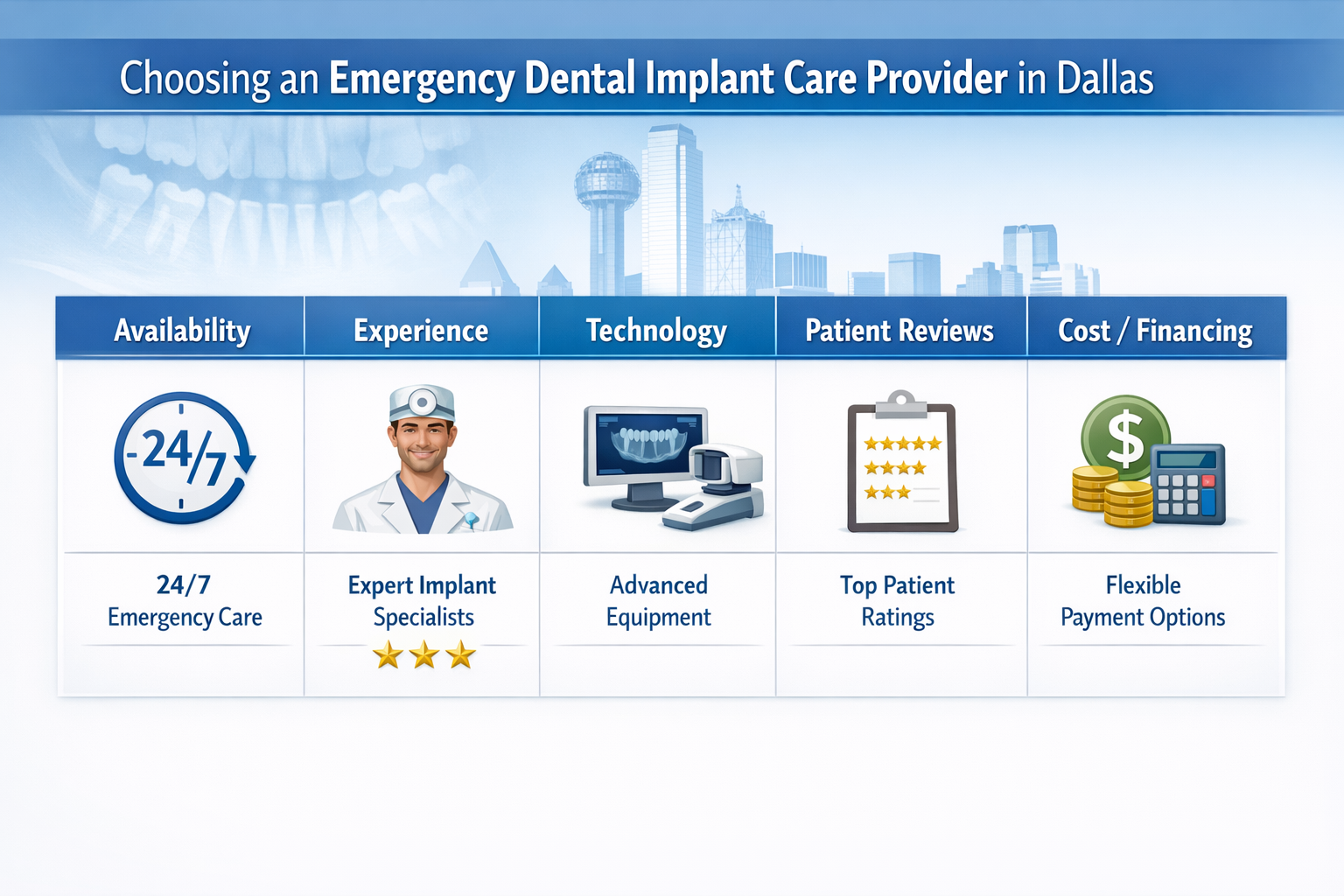
When facing a dental implant emergency, time is often of the essence. Locating a qualified and available dental professional in Dallas who specializes in implantology and emergency care is critical. The Dallas metropolitan area offers numerous options, but knowing how to find the right one ensures you receive the best possible treatment in 2026.
How to Locate an Emergency Dental Implant Specialist
- Contact Your Primary Dentist/Oral Surgeon: Your regular dentist or the oral surgeon who placed your implants should always be your first point of contact. They know your dental history and can provide the most informed advice. Many practices have an emergency line or after-hours instructions.
- Search Online for “Emergency Dental Implant Care Dallas”: A quick online search will yield a list of local emergency dental clinics. Look for practices that specifically mention dental implants in their services. Check their websites for emergency hours and contact information.
- Check Professional Organizations: The American Academy of Implant Dentistry (AAID) or the Texas Dental Association websites might have directories of implant specialists in the Dallas area.
- Read Reviews and Testimonials: Online reviews can provide insight into a clinic’s responsiveness and quality of emergency care. Look for mentions of timely appointments and effective treatment.
- Utilize Hospital Emergency Rooms (Last Resort): While ERs can address severe pain, bleeding, or infection, they typically do not have dental specialists on staff to treat the underlying dental implant issue. They can stabilize your condition and provide pain relief, but you will still need to see a dentist.
What to Expect During an Emergency Visit
When you arrive for emergency dental implant care in Dallas, the dental team will prioritize stabilizing your condition and alleviating pain. Here’s a general overview of what you can expect:
- Initial Assessment: The dentist will perform an examination, which may include X-rays or a CT scan, to accurately diagnose the problem. They will ask about your symptoms, when they started, and your medical history. This is a critical step, especially if there’s suspected bone loss, which can be further investigated by understanding topics like 90 percent bone loss in teeth.
- Pain Management: Your comfort is a priority. Local anesthesia will be administered to numb the affected area.
- Immediate Treatment:
- Infection: If an infection (like peri-implantitis) is detected, the area will be cleaned, and antibiotics may be prescribed. You might also receive instructions on antibiotics after dental implant surgery.
- Loose Crown/Abutment: The dentist will attempt to reattach or replace the loose component. If damaged, a temporary solution might be provided, and a new custom crown or abutment ordered. Understanding the abutment placement procedure can offer context.
- Implant Mobility/Fracture: If the implant itself is loose or fractured, the dentist will discuss options, which may include removal of the implant and planning for future replacement. This is a more complex situation requiring careful consideration.
- Bone Grafting Considerations: In cases of severe bone loss due to infection or trauma, the dentist might discuss the need for a bone graft as part of a longer-term solution. Learn more about bone grafts for dental implants.
- Temporary Solutions: Sometimes, a complete, permanent fix cannot be done immediately. The dentist will provide a temporary solution to protect the site, manage pain, and stabilize your condition until a definitive treatment plan can be executed.
- Follow-Up Plan: You will receive instructions for post-emergency care and a schedule for follow-up appointments to monitor healing and complete any necessary further treatments. This might include a detailed plan for complete dental implants in Dallas.
Cost and Insurance Considerations
Emergency dental care can be costly, especially for complex implant issues. It’s important to:
- Check Your Insurance: Contact your dental insurance provider before or during your visit to understand your coverage for emergency procedures and dental implants. Some plans cover emergencies differently than elective procedures.
- Discuss Payment Options: Most dental offices offer various payment plans, financing options, or accept dental credit cards. Don’t hesitate to discuss costs and financial arrangements with the front office staff. Many clinics understand the unexpected nature of emergencies and are willing to work with patients. You can also explore options for affordable dental implants Dallas TX for long-term solutions.
Preventing Future Dental Implant Emergencies
While emergencies can happen, many dental implant complications are preventable. Adopting good habits and regular professional care significantly reduces your risk of needing emergency dental implant care in Dallas in the future.
Best Practices for Long-Term Implant Health
- Maintain Excellent Oral Hygiene:
- Brush Twice Daily: Use a soft-bristled toothbrush and non-abrasive toothpaste. Pay special attention to the areas around your implants. Some practices recommend best toothpaste for implants.
- Floss Daily: Use dental floss, interdental brushes, or a water flosser specifically designed for implants. A water flosser can be particularly effective for cleaning around implant posts. Find out about the best water flosser for dental implants.
- Use an Antimicrobial Mouthwash: Your dentist might recommend a specific mouthwash to help control bacteria, such as the best mouthwash for dental implants.
- Regular Dental Check-ups and Cleanings:
- Visit your dentist and dental hygienist every six months, or as recommended. These appointments are crucial for monitoring the health of your implants, detecting early signs of complications like peri-implantitis, and performing professional cleanings that remove plaque and calculus inaccessible through home care.
- These check-ups often include specialized tools for cleaning around implants, which differ from cleaning natural teeth.
- Address Bruxism (Teeth Grinding): If you grind or clench your teeth, especially at night, talk to your dentist. They can recommend a night guard or splint to protect your implants and natural teeth from excessive force, which can prevent loose crowns or even implant fractures.
- Avoid Harmful Habits:
- Stop Smoking: Smoking is a major risk factor for implant complications and failure. Quitting is one of the best things you can do for your overall and oral health.
- Avoid Chewing Hard Objects: Don’t chew on ice, hard candies, pen caps, or other non-food items that can damage your implant crowns or even the implant itself.
- Limit Alcohol: Excessive alcohol consumption can impair healing and affect overall oral health, potentially contributing to complications.
- Follow Post-Surgical Instructions Diligently: After implant surgery, adhere strictly to all aftercare instructions provided by your oral surgeon. This includes dietary restrictions, medication regimens, and activity limitations. Proper initial healing is foundational for long-term implant success. Find more information on dental implant aftercare instructions.
- Manage Underlying Health Conditions: If you have conditions like diabetes or osteoporosis, work closely with your medical doctor to keep them well-controlled. These conditions can impact bone health and healing, directly affecting implant longevity. For instance, understanding how can osteoporosis affect teeth is important.
By proactively taking these steps, you can significantly reduce the likelihood of experiencing a dental implant emergency and ensure your implants continue to function beautifully for many years in Dallas.
Advanced Treatments and Technology in Dallas for Implant Emergencies 2026
The field of implant dentistry is continuously evolving, and Dallas is at the forefront of adopting advanced technologies and treatment modalities. In 2026, patients seeking emergency dental implant care in Dallas can benefit from cutting-edge approaches that enhance diagnosis, treatment precision, and overall outcomes.
Diagnostic Innovations
- 3D Cone Beam Computed Tomography (CBCT): This advanced imaging technology provides highly detailed 3D views of the jawbone, nerves, and surrounding structures. In an emergency, CBCT scans allow dentists to precisely identify the extent of bone loss, locate infections, and assess implant positioning with unparalleled accuracy, which is crucial for conditions such as those described in ct scan and dental implants.
- Intraoral Scanners: Digital impressions using intraoral scanners are faster, more comfortable, and more accurate than traditional molds. In an emergency involving a damaged crown, these scanners can quickly capture the necessary data to design a temporary or replacement restoration.
- Digital Radiography: Providing immediate, high-resolution images with less radiation exposure than traditional X-rays, digital radiography aids in rapid diagnosis during urgent situations.
Treatment Advancements
- Laser Therapy for Peri-implantitis: Lasers are increasingly used to treat peri-implantitis. They can effectively decontaminate the implant surface, remove infected tissue, and promote healing with minimal invasiveness and discomfort.
- Guided Bone Regeneration (GBR): If an emergency leads to significant bone loss around an implant, advanced bone grafting techniques, often using growth factors or specific membranes, can regenerate lost bone to save an existing implant or prepare the site for a new one. This is an enhancement to traditional dental implant and bone graft procedures.
- Immediate Load Implants (When Appropriate): In select emergency situations where an implant needs to be removed, and conditions are ideal, it might be possible to place a new implant and even a temporary crown during the same visit. This approach, known as immediate load, significantly reduces treatment time and maintains aesthetics. However, it’s not suitable for all cases.
- Custom Abutments and Crowns with CAD/CAM: Computer-aided design (CAD) and computer-aided manufacturing (CAM) allow for the creation of highly precise and custom-fit abutments and crowns, sometimes even on-site. This technology streamlines the process of replacing damaged restorations, ensuring optimal fit and aesthetics, particularly for a abutment supported porcelain ceramic crown.
- Sedation Dentistry Options: For patients experiencing severe pain or anxiety during an emergency, Dallas dental practices offer various sedation options, from nitrous oxide to IV sedation, ensuring a comfortable and stress-free treatment experience.
These advancements mean that if you require emergency dental implant care in Dallas in 2026, you can expect sophisticated diagnostic tools, precise treatment options, and a focus on minimizing discomfort and maximizing successful outcomes. Choosing a clinic that invests in these technologies, like those offering complete dental implants Dallas, ensures you receive the highest standard of care.
Interactive Emergency Contact Selector Tool
Below is an interactive tool to help you quickly identify what type of dental emergency you might be experiencing and guide you on the next immediate steps. This is a simplified tool and is not a substitute for professional medical advice. Always contact a qualified dental professional for any dental concerns.
Dental Implant Emergency Assistant 🦷
Experiencing an issue with your dental implant? Select the symptom that best describes your situation to get immediate guidance. This tool offers general advice; always consult a dental professional for diagnosis and treatment.
Conclusion
Experiencing a dental implant emergency can be a distressing event, but with the right knowledge and prompt action, you can navigate the situation effectively. In 2026, residents of Dallas are fortunate to have access to highly skilled dental professionals and advanced technologies capable of addressing a wide range of implant-related urgent issues. From understanding the common types of emergencies and their causes to knowing immediate first aid steps and how to find expert care, this guide aims to equip you with the essential information.
Remember, dental implants are a valuable investment in your oral health, and proactive care is key to their longevity. Maintaining excellent oral hygiene, attending regular check-ups, and avoiding harmful habits are your best defense against complications. However, should an emergency arise, do not hesitate to seek immediate professional emergency dental implant care in Dallas. Early intervention can prevent minor issues from becoming major problems, preserving your implant and your smile.
Always prioritize your health and well-being. If you are in doubt about any symptom or discomfort related to your dental implants, contact a trusted dental professional in Dallas without delay. They are your best resource for expert advice and compassionate care.
References
[1] Mombelli, A., & Decaillet, F. (2011). The characteristics of biofilms on dental implants. European Journal of Oral Implantology, 4(Suppl 1), S15-S20.
[2] Bain, C. A. (1996). Smoking and implant failure—benefits of a smoking cessation protocol. International Journal of Oral and Maxillofacial Implants, 11(6), 756-759.
Leave a Reply
Share your thoughts or ask a question about dental implants. Your email address will not be published.