

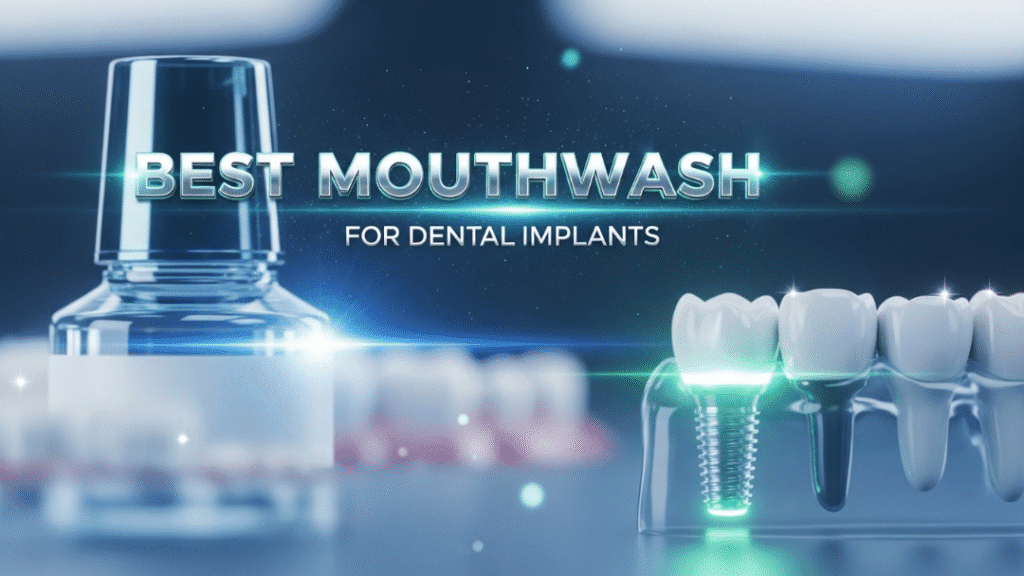
Quick Answer: The best mouthwash for dental implants is alcohol-free, gentle on titanium and porcelain, and targets bacteria around the gum line without disrupting healing tissue. Top picks include CloSYS Ultra Sensitive Rinse, Colgate Peroxyl Mouth Sore Rinse, and TheraBreath Fresh Breath Oral Rinse — all of which avoid alcohol, which can dry out tissue and irritate implant sites.
Key Takeaways
- Always choose alcohol-free mouthwash for dental implants. Alcohol dries out oral tissue, slows healing, and can irritate the sensitive gum tissue surrounding an implant.
- Chlorhexidine rinses are effective short-term (usually prescribed after surgery) but shouldn’t be used long-term because they can stain teeth and disrupt the oral microbiome.
- Cetylpyridinium chloride (CPC) and chlorine dioxide are two of the best active ingredients for implant-safe antibacterial protection.
- Fluoride mouthwash helps protect any remaining natural teeth alongside your implants, but it’s not directly beneficial to the implant itself.
- Avoid rinses with high alcohol content, harsh abrasives, or strong whitening agents near implant crowns — they can dull the surface over time.
- Peri-implantitis (gum disease around implants) is a real risk. A good antibacterial rinse is one of the simplest defenses against it.
- Price doesn’t always equal quality. Several drugstore options perform just as well as premium brands for daily maintenance.
- Your dentist or oral surgeon may recommend a specific rinse post-surgery — always follow that guidance before switching to a daily maintenance product.
Understanding Dental Implants and Oral Care Needs
Dental implants are sophisticated titanium posts that replace tooth roots, requiring specialized care to ensure long-term success. Unlike natural teeth, implants don’t have the same protective mechanisms, making them more vulnerable to certain oral care products.
The tissues surrounding your implants need gentle yet effective cleaning to prevent peri-implantitis – a condition similar to gum disease that can lead to implant failure. This is where choosing the right mouthwash becomes crucial for your oral health investment.
Many patients who undergo permanent teeth in a day procedures don’t realize that their aftercare routine will significantly impact their results. The wrong mouthwash choice can undo thousands of dollars in dental work.

Quick Comparison Table
| Product | Alcohol-Free | Key Active Ingredient | Best For | Approx. Price |
|---|---|---|---|---|
| CloSYS Ultra Sensitive Rinse | Yes | Chlorine dioxide | Post-surgery sensitivity | ~$12–$15 |
| Colgate Peroxyl Mouth Sore Rinse | Yes | Hydrogen peroxide (1.5%) | Early healing / sore tissue | ~$7–$10 |
| TheraBreath Fresh Breath Oral Rinse | Yes | OXYD-8 (stabilized chlorine dioxide) | Bad breath + daily maintenance | ~$10–$14 |
| Listerine Zero Alcohol Clean Mint | Yes | Eucalyptol, menthol, thymol | Daily antibacterial maintenance | ~$6–$9 |
| Colgate Total Gum Health Mouthwash | Yes | CPC (cetylpyridinium chloride) | Gum health + implant protection | ~$6–$8 |
| Corsodyl Daily Gum Care | Yes | CPC | Long-term gum disease prevention | ~$8–$11 |
| Peridex (Chlorhexidine 0.12%) | Yes | Chlorhexidine gluconate | Short-term post-surgical use | ~$10–$18 (Rx) |
| ACT Anticavity Fluoride Rinse | Yes | Sodium fluoride | Protecting natural teeth alongside implants | ~$6–$9 |
| Biotène Dry Mouth Oral Rinse | Yes | Enzymes (lactoferrin, lysozyme) | Dry mouth sufferers with implants | ~$9–$12 |
Prices are approximate retail estimates based on common U.S. drugstore and online pricing as of early 2026. Actual prices vary by retailer.
The 9 Best Mouthwashes for Dental Implants: Full Reviews
1. CloSYS Ultra Sensitive Rinse

Best for: Post-surgery sensitivity and patients with reactive gum tissue
CloSYS Ultra Sensitive is one of the most dentist-recommended rinses for patients who’ve recently had implant surgery or who have chronically sensitive gum tissue. It’s completely alcohol-free, unflavored (or available in a mild mint version), and uses stabilized chlorine dioxide as its active ingredient — a compound that neutralizes sulfur-producing bacteria without the harshness of alcohol or chlorhexidine.
What makes this rinse stand out is its pH-balanced formula. Most mouthwashes are slightly acidic, which can irritate healing tissue. CloSYS sits at a neutral pH, making it genuinely gentle. Patients who’ve experienced burning or discomfort with other rinses often find this one tolerable from day one.
It doesn’t have the strongest flavor, which some people see as a drawback. If you’re used to the intense mint burn of traditional Listerine, CloSYS will feel underwhelming at first. But for implant care, that mildness is actually a feature, not a bug.
✅ Pros:
- Alcohol-free and pH-balanced
- Chlorine dioxide effectively targets odor-causing and harmful bacteria
- Available unflavored — ideal for those with taste sensitivities
- Gentle enough for daily use immediately post-surgery (check with your surgeon)
- No staining (unlike chlorhexidine)
❌ Cons:
- Mild flavor may feel less “clean” to users accustomed to strong mint rinses
- Slightly more expensive than basic drugstore options
- Chlorine dioxide is less studied long-term than chlorhexidine for peri-implant disease specifically
Who it’s best for: Anyone in the first weeks after implant placement, patients with sensitive gums, or anyone who’s had reactions to alcohol-based rinses in the past.
2. Colgate Peroxyl Mouth Sore Rinse

Best for: Active healing after implant surgery or tissue irritation
Colgate Peroxyl uses a 1.5% hydrogen peroxide formula to cleanse and debride irritated tissue. It’s specifically designed for mouth sores, surgical sites, and irritated gum tissue — which makes it a natural fit for the first few weeks after implant placement or abutment surgery.
The hydrogen peroxide creates a mild foaming action that helps flush debris and bacteria from around the implant site. It’s not meant for long-term daily use as your only rinse, but it’s excellent as a short-term therapeutic option during healing.
One thing to be aware of: hydrogen peroxide rinses can slightly bleach soft tissue with extended use, and overuse can disrupt the balance of beneficial bacteria in your mouth. Stick to the recommended usage (typically twice daily for a limited period) and transition to a maintenance rinse once healing is complete.
✅ Pros:
- Specifically formulated for post-surgical oral care
- Alcohol-free
- Affordable and widely available
- The foaming action helps clean around abutments and implant crowns
- Good for managing minor tissue inflammation
❌ Cons:
- Not intended for long-term daily use
- Hydrogen peroxide can bleach soft tissue if overused
- Doesn’t provide the same long-term antibacterial protection as CPC-based rinses
- Taste can be slightly medicinal
Who it’s best for: Patients in the active healing phase (first 2–6 weeks post-surgery), or anyone dealing with irritated or inflamed tissue around an implant site.
3. TheraBreath Fresh Breath Oral Rinse

Best for: Daily maintenance and persistent bad breath related to implants
Bad breath from dental implants is more common than most people expect, and it’s usually caused by bacteria accumulating around the implant collar or under the crown. TheraBreath targets exactly that problem. Its active ingredient, OXYD-8 (a proprietary stabilized chlorine dioxide compound), neutralizes volatile sulfur compounds — the primary cause of bad breath — rather than just masking them with mint flavor.
TheraBreath is alcohol-free, has a mild flavor, and is gentle enough for twice-daily use indefinitely. It’s not a prescription product and doesn’t require a dentist visit to start using it. For patients who’ve noticed that their implant area tends to produce more odor than the rest of their mouth, this is often the most targeted solution available over the counter.
If you’re dealing with bad breath specifically linked to your implants, this deeper look at the causes and solutions for implant-related bad breath is worth reading alongside this review.
✅ Pros:
- Directly targets sulfur compounds causing bad breath
- Alcohol-free and gentle for daily use
- No artificial colors or SLS (sodium lauryl sulfate)
- Available in multiple flavors
- Well-tolerated by patients with sensitive tissue
❌ Cons:
- Primarily addresses bad breath rather than comprehensive antibacterial protection
- Not the strongest option if your main concern is gum disease prevention
- Slightly higher price point than basic rinses
Who it’s best for: Implant patients who’ve noticed persistent bad breath, or anyone who wants a gentle, daily-use rinse that goes beyond just masking odor.
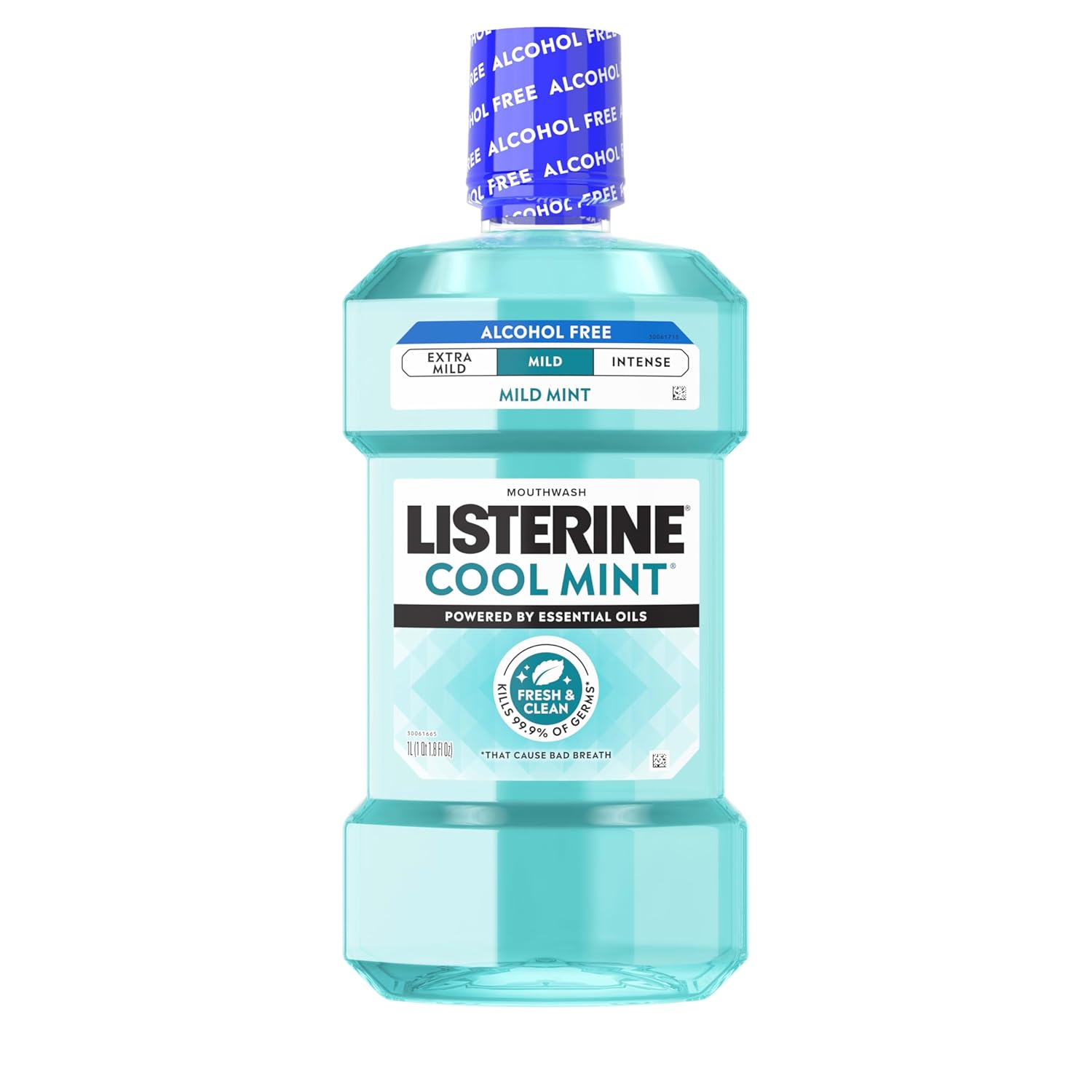
4. Listerine Zero Alcohol Clean Mint
Best for: Patients who want Listerine-level antibacterial protection without the alcohol burn
Classic Listerine is one of the most clinically studied mouthwashes on the market, but the original formula contains about 21.6% alcohol — far too harsh for implant tissue. Listerine Zero keeps the same essential oil formula (eucalyptol, menthol, thymol, and methyl salicylate) while eliminating the alcohol entirely.
The essential oil blend has solid evidence behind it for reducing plaque and gingivitis. It’s not as targeted as chlorine dioxide for bad breath, and it’s not as strong as chlorhexidine for post-surgical use, but for everyday maintenance in a healthy implant patient, it’s a reliable, affordable choice.
The mint flavor is noticeably milder than original Listerine, which some users appreciate and others find less satisfying. Either way, it does the job without the drying effect of alcohol.
✅ Pros:
- Well-researched essential oil formula
- Alcohol-free version of a trusted brand
- Widely available and affordable
- Effective against plaque and gingivitis bacteria
- Good flavor for daily compliance
❌ Cons:
- Essential oils can occasionally irritate very sensitive tissue
- Not specifically formulated for implants
- Less effective than CPC or chlorhexidine for targeting peri-implant bacteria specifically
Who it’s best for: Implant patients who are fully healed and want a simple, proven daily rinse without switching to an unfamiliar product category.
5. Colgate Total Gum Health Mouthwash

Best for: Long-term gum health maintenance around implants
Colgate Total Gum Health uses cetylpyridinium chloride (CPC) as its active ingredient. CPC is a quaternary ammonium compound that disrupts bacterial cell membranes — it’s effective, alcohol-free, and well-tolerated for daily long-term use. This makes it one of the better choices for patients who are fully healed and focused on preventing peri-implantitis over the long haul.
The formula also includes fluoride, which won’t directly benefit the implant itself but will protect any remaining natural teeth. The flavor is mild and pleasant, and the rinse doesn’t cause the staining that chlorhexidine is known for.
For patients who’ve had implants for several years and want a simple, no-fuss daily rinse that genuinely protects gum tissue, this is one of the most practical options at a drugstore price point.
✅ Pros:
- CPC is effective and well-studied for gum health
- Alcohol-free
- Includes fluoride for natural tooth protection
- Affordable and easy to find
- No staining side effects
❌ Cons:
- Not specifically marketed for implants (though it works well for them)
- CPC can cause minor taste alteration in some users
- Not the best choice for acute post-surgical healing
Who it’s best for: Fully healed implant patients who want an affordable, daily-use rinse focused on preventing gum disease around the implant site.
6. Corsodyl Daily Gum Care

Best for: Patients with a history of gum disease who have implants
Corsodyl Daily (not to be confused with Corsodyl Treatment, which contains high-dose chlorhexidine) uses CPC as its active ingredient in a daily-use formulation. It’s specifically designed for patients who are at elevated risk for gum disease — which includes many implant patients, since a history of periodontitis is one of the risk factors for peri-implantitis.
The formula is alcohol-free, and the CPC concentration is calibrated for daily use without the staining or taste disruption associated with chlorhexidine. It’s a solid choice for patients who know they’re prone to gum issues and want a rinse that does more than freshen breath.
✅ Pros:
- CPC-based formula targeted at gum disease prevention
- Alcohol-free and suitable for daily long-term use
- Good option for patients with a history of periodontitis
- No chlorhexidine staining
- Clinically positioned for gum health (not just cosmetic freshness)
❌ Cons:
- Less widely available in the U.S. than some competitors (more common in UK/European markets)
- Similar to Colgate Total Gum Health in formulation — not dramatically different
- Not the strongest option for acute bacterial control
Who it’s best for: Implant patients with a personal or family history of gum disease who want a daily rinse specifically designed for gum protection.
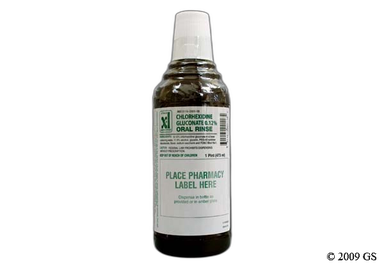
7. Peridex (Chlorhexidine Gluconate 0.12%)
Best for: Short-term post-surgical use under dentist supervision
Peridex is a prescription chlorhexidine rinse, and it’s the gold standard for post-implant surgery care. Many oral surgeons prescribe it for the first 1–2 weeks after implant placement or abutment surgery because chlorhexidine is one of the most effective antibacterial agents available for oral use. It significantly reduces the bacterial load at the surgical site and has been shown to support healing in the critical early window.
That said, chlorhexidine is not a long-term solution. Extended use causes brown staining on teeth and the tongue, can disrupt the natural oral microbiome, and may affect taste perception. Most dentists recommend using it only for the prescribed period and then transitioning to a gentler daily maintenance rinse.
If your dentist or oral surgeon prescribes Peridex, use it as directed. If they haven’t mentioned it and you’re in the first week post-surgery, it’s worth asking about.
✅ Pros:
- The most effective antibacterial rinse available for post-surgical oral care
- Prescription-grade protection during the critical healing window
- Widely prescribed and well-studied
- Reduces risk of post-surgical infection significantly
❌ Cons:
- Causes brown staining on teeth with extended use
- Requires a prescription
- Not suitable for long-term daily use
- Can alter taste perception
- Disrupts the oral microbiome if used too long
Who it’s best for: Anyone in the immediate post-surgical period following implant placement, abutment surgery, or bone grafting — but only as directed by a dental professional.
8. ACT Anticavity Fluoride Rinse

Best for: Implant patients who also have natural teeth they want to protect
ACT Anticavity is primarily a fluoride rinse designed to prevent cavities in natural teeth. It doesn’t offer significant antibacterial protection for implant tissue, and it won’t do much to prevent peri-implantitis on its own. So why is it on this list?
Because most implant patients still have some natural teeth, and those teeth still need protection. ACT is a gentle, alcohol-free, fluoride-based rinse that pairs well with a dedicated antibacterial rinse. Use ACT at a different time of day (say, at night) alongside a CPC-based rinse in the morning, and you’re covering both bases.
It’s also one of the most affordable options on this list, widely available, and comes in multiple flavors. For patients who’ve had partial implants and want a simple, complete oral care routine, ACT fills a real gap.
✅ Pros:
- Alcohol-free
- Excellent fluoride protection for remaining natural teeth
- Very affordable
- Gentle enough for daily use
- Good flavor options
❌ Cons:
- Does not provide meaningful antibacterial protection for implant tissue
- Not a standalone solution for implant care
- Should be used alongside (not instead of) an antibacterial rinse
Who it’s best for: Implant patients who have natural teeth alongside their implants and want a simple, affordable way to protect both — used in combination with an antibacterial rinse.
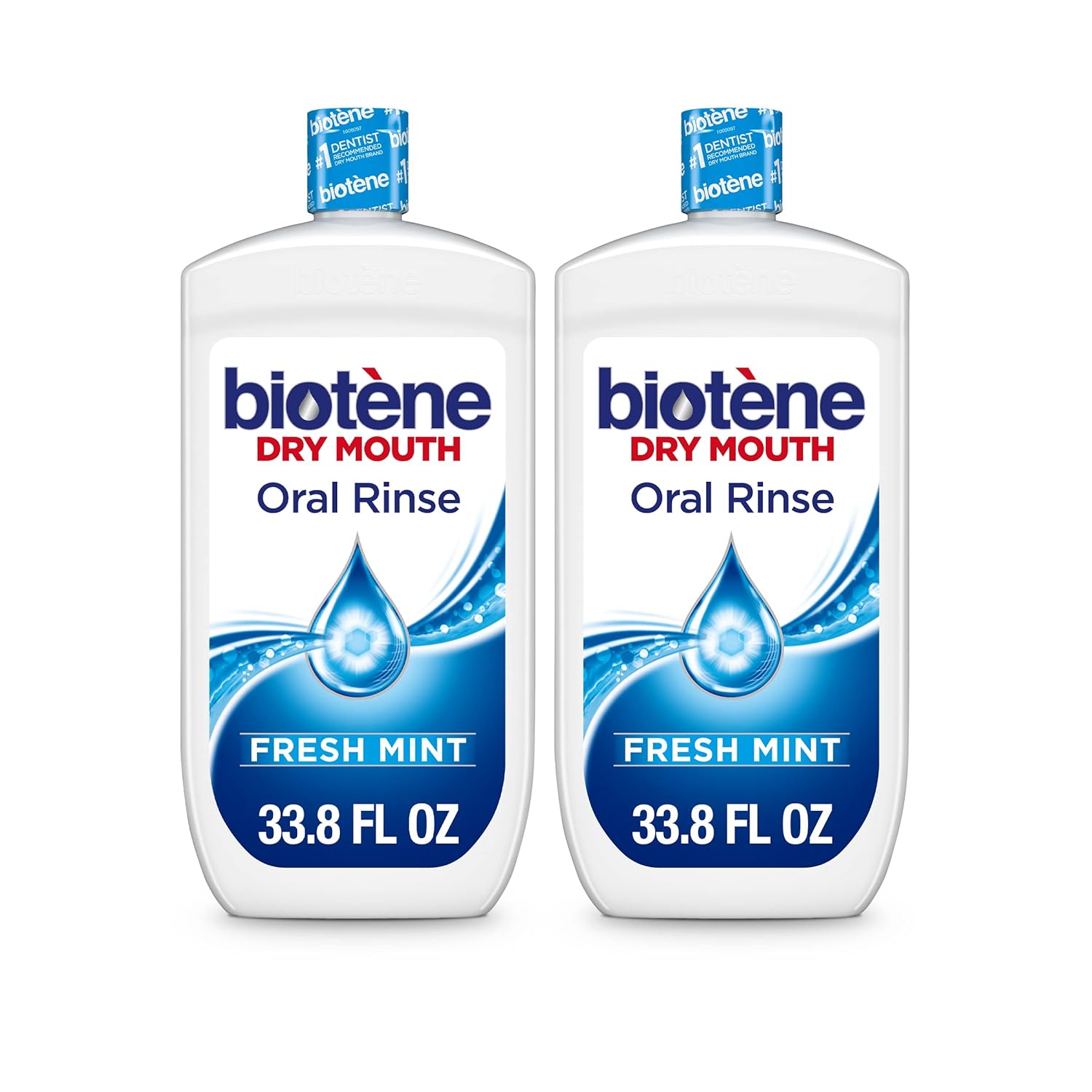
9. Biotène Dry Mouth Oral Rinse
Best for: Implant patients who also suffer from dry mouth (xerostomia)
Dry mouth is more common than most people realize, and it’s a significant risk factor for oral health problems — including peri-implantitis. Saliva is your mouth’s natural defense system: it buffers acids, washes away bacteria, and keeps tissue healthy. When saliva production drops (due to medications, medical conditions, or aging), bacteria accumulate faster around implant sites.
Biotène is specifically formulated for dry mouth sufferers. It uses an enzyme system (including lactoferrin and lysozyme) that mimics some of the protective properties of natural saliva. It’s alcohol-free, gentle, and provides meaningful relief for patients whose dry mouth is contributing to oral health problems.
It’s not a substitute for an antibacterial rinse if your primary concern is peri-implantitis prevention — but if dry mouth is part of your picture, Biotène addresses a root cause that other rinses ignore entirely.
✅ Pros:
- Specifically designed for dry mouth relief
- Enzyme system supports the natural oral environment
- Alcohol-free and very gentle
- Good for patients on medications that cause dry mouth
- Helps reduce bacterial accumulation caused by low saliva flow
❌ Cons:
- Not primarily an antibacterial rinse
- Doesn’t replace a dedicated gum-health rinse for implant care
- More expensive than basic options for what it delivers
- Limited availability in some areas
Who it’s best for: Implant patients who experience dry mouth due to medications (antihistamines, antidepressants, blood pressure drugs), medical conditions, or age-related changes in saliva production.
When to Start Using Mouthwash After Implant Surgery ⏰
The Critical First 48 Hours
Never use mouthwash during the first 24 to 48 hours following dental implant surgery. Your gums and surrounding tissues are extremely sensitive during this period, and even gentle mouthwashes can:
- Disrupt blood clot formation
- Cause unnecessary irritation
- Delay the healing process
- Increase risk of infection
The One-Week Mark
Most patients can begin using a gentle, prescribed mouthwash approximately one week after their procedure. However, this timeline varies based on:
- Individual healing patterns
- Complexity of the surgery
- Overall oral health status
- Specific dentist recommendations
“Following your dentist’s guidance ensures a smooth recovery and minimizes the risk of complications that could jeopardize your implant investment.”
Top Types of Mouthwash for Dental Implants
1. Chlorhexidine-Based Antiseptic Mouthwashes 🥇
Why they’re recommended:
- Potent antibacterial properties
- Reduces plaque buildup around implant sites
- Proven effective against peri-implant mucositis
- Gold standard for post-surgical care
Potential drawbacks:
- Can cause staining on teeth and restorations
- May lead to dry mouth with extended use
- Can alter taste sensation
- Should be used for limited periods only
Best for: Short-term post-surgical care (typically 2-4 weeks)
2. Alcohol-Free Formulations ✅
Benefits:
- Prevents mouth dryness
- Reduces tissue irritation
- Gentle on healing tissues
- Suitable for long-term use
Key features to look for:
- Antimicrobial ingredients without alcohol
- pH-balanced formulations
- Anti-inflammatory properties
- Fluoride content for cavity prevention
3. Fluoride-Enriched Options
Advantages:
- Prevents tooth decay around implants
- Protects remaining natural teeth
- Gentle on implant surfaces
- Suitable for daily use
Considerations:
- Choose alcohol-free fluoride rinses
- Look for ADA-approved products
- Avoid high-concentration formulas initially
4. Natural and Herbal Alternatives 🌿
Popular ingredients:
- Aloe vera: Soothes inflamed tissues
- Chamomile: Anti-inflammatory properties
- Tea tree oil: Natural antimicrobial
- Essential oils: Freshen breath naturally
Benefits:
- Minimal side effects
- Gentle on sensitive mouths
- No synthetic chemicals
- Suitable for long-term use
Ingredients to Avoid in Mouthwash for Dental Implants ❌
Harmful Ingredients
| Ingredient | Why to Avoid | Potential Problems |
|---|---|---|
| High Alcohol Content | Dries out mouth and irritates tissues | Delayed healing, increased sensitivity |
| Hydrogen Peroxide (Whitening) | Too abrasive for implant surfaces | Surface damage, tissue irritation |
| Sodium Lauryl Sulfate | Can cause tissue irritation | Mouth sores, delayed healing |
| Artificial Colors | Unnecessary chemicals | Potential allergic reactions |
| Strong Menthol | Can be too harsh during healing | Tissue irritation, discomfort |
Red Flag Products
- Whitening mouthwashes
- High-alcohol content rinses
- Products with microbeads
- Extremely minty or “burning” sensations
- Generic store brands without ingredient lists
Proper Usage Techniques for Maximum Benefits
Step-by-Step Guide
- Measure the correct amount (usually 15-20ml or as directed)
- Dilute if necessary – if the mouthwash feels too strong, mix with equal parts water
- Swish gently for 30 seconds maximum
- Avoid vigorous rinsing to prevent dislodging blood clots
- Spit out completely but don’t rinse with water immediately
- Wait 30 minutes before eating or drinking
Timing Recommendations
- Morning: After brushing and flossing
- Evening: Before bed for overnight protection
- Post-meals: Only if recommended by your dentist
- Never: On an empty stomach or immediately after surgery
The Science Behind Mouthwash and Implant Success
Recent research has revealed fascinating insights about mouthwash effectiveness for dental implants:
Clinical Evidence
Studies show that chlorhexidine combined with mechanical cleaning reduces inflammation associated with peri-implant mucositis by up to 60% [1]. This combination approach is significantly more effective than either method alone.
Emerging Research
New studies on myrrh-based mouthwashes have shown promising results for wound healing after implant placement [2]. While research is still limited, natural alternatives are gaining scientific support.
Long-term Success Factors
Patients who follow proper mouthwash protocols show:
- 85% lower rates of peri-implantitis
- Faster healing times by an average of 3-5 days
- Better long-term implant stability
- Reduced need for additional treatments
Comprehensive Care Beyond Mouthwash
While choosing the right mouthwash is crucial, it’s just one part of successful implant care. Patients considering full mouth dental implants need to understand the complete care picture.
Daily Care Routine
Morning:
- Brush with soft-bristled toothbrush
- Use appropriate mouthwash
- Floss or use interdental cleaners
Evening:
- Thorough brushing and flossing
- Mouthwash application
- Consider water flosser use
Lifestyle Factors
Smoking cessation is critical – smoking can increase implant failure rates by up to 300%. Patients investing in full mouth implant packages should prioritize quitting smoking for optimal results.
🦷 Find Your Perfect Mouthwash for Dental Implants
Your Personalized Recommendation:
Cost Considerations and Insurance Coverage
Understanding the financial aspects of implant care helps patients make informed decisions. While full mouth teeth replacement costs can be significant, proper maintenance products like quality mouthwash are a small investment in protecting your larger investment.
Budget-Friendly Options
Generic alcohol-free mouthwashes can be effective for long-term maintenance, typically costing $3-8 per bottle. However, during the critical healing phase, investing in higher-quality products recommended by your dentist is worth the extra cost.
Prescription mouthwashes may cost $15-30 but are often covered by dental insurance when prescribed for post-surgical care.
Common Mistakes to Avoid
Timing Errors
- Using mouthwash too soon after surgery
- Stopping prescribed mouthwash too early
- Switching products without consulting your dentist
Product Selection Mistakes
- Choosing whitening mouthwashes
- Using high-alcohol content products
- Selecting products based on price alone
Usage Errors
- Rinsing too vigorously
- Using for longer than 30 seconds
- Immediately rinsing with water after use
Professional Recommendations and Follow-up Care
Regular dental visits are essential for monitoring implant health and adjusting your oral care routine. Patients who have undergone full mouth reconstruction need particularly careful monitoring during the first year.
What to Expect at Follow-up Visits
- Implant stability assessment
- Tissue health evaluation
- Oral hygiene routine review
- Product recommendation updates
- Early problem detection
Your dentist may recommend different mouthwashes at different stages of healing, so staying flexible and following professional guidance is crucial for success.
Special Considerations for Different Implant Types
Single Tooth Implants
Care focuses on the specific implant site while maintaining overall oral health. Standard alcohol-free mouthwashes are usually sufficient after initial healing.
Multiple Implants
Require more comprehensive care routines. Patients may benefit from specialized antimicrobial rinses for longer periods.
Full Mouth Implants
Need the most intensive care protocols. These patients often require prescription-strength mouthwashes initially, then transition to comprehensive daily care products.
Understanding payment plans for full mouth dental implants can help patients budget for both the procedure and ongoing care products.
International Considerations
For patients considering dental implants abroad, understanding post-operative care requirements is crucial. Different countries may have varying product availability and standards.
Key considerations:
- Product availability in your home country
- Prescription transfer requirements
- Follow-up care coordination
- Emergency contact protocols
Future Trends in Implant Care
Emerging Technologies
- Probiotic mouthwashes designed to promote beneficial oral bacteria
- Smart mouthwashes that change color to indicate infection risk
- Personalized formulations based on individual oral microbiome analysis
Natural Product Development
Research into natural antimicrobials continues to expand options for patients preferring chemical-free alternatives.
Conclusion
Choosing the right mouthwash for dental implants is a critical decision that can significantly impact your long-term oral health success. The key is understanding that different stages of healing require different approaches, and what works for natural teeth may not be appropriate for implants.
Your action plan:
- Wait 24-48 hours after surgery before using any mouthwash
- Follow your dentist’s prescription during the initial healing phase
- Transition to alcohol-free, gentle formulations for long-term care
- Avoid whitening and high-alcohol products permanently
- Schedule regular follow-ups to monitor your progress and adjust your routine
Remember, your dental implants represent a significant investment in your health and quality of life. Whether you’re considering replacing all teeth with implants or maintaining existing implants, proper mouthwash selection and usage is a small but crucial part of ensuring your investment lasts a lifetime.
Don’t leave your implant success to chance. Consult with your dental implant specialist to develop a personalized oral care routine that includes the right mouthwash for your specific situation. Your future self will thank you for taking these preventive steps today.
The difference between implant success and failure often comes down to the daily choices we make in our oral care routines. Make the right choice – your smile depends on it! 🌟
Leave a Reply
Share your thoughts or ask a question about dental implants. Your email address will not be published.