

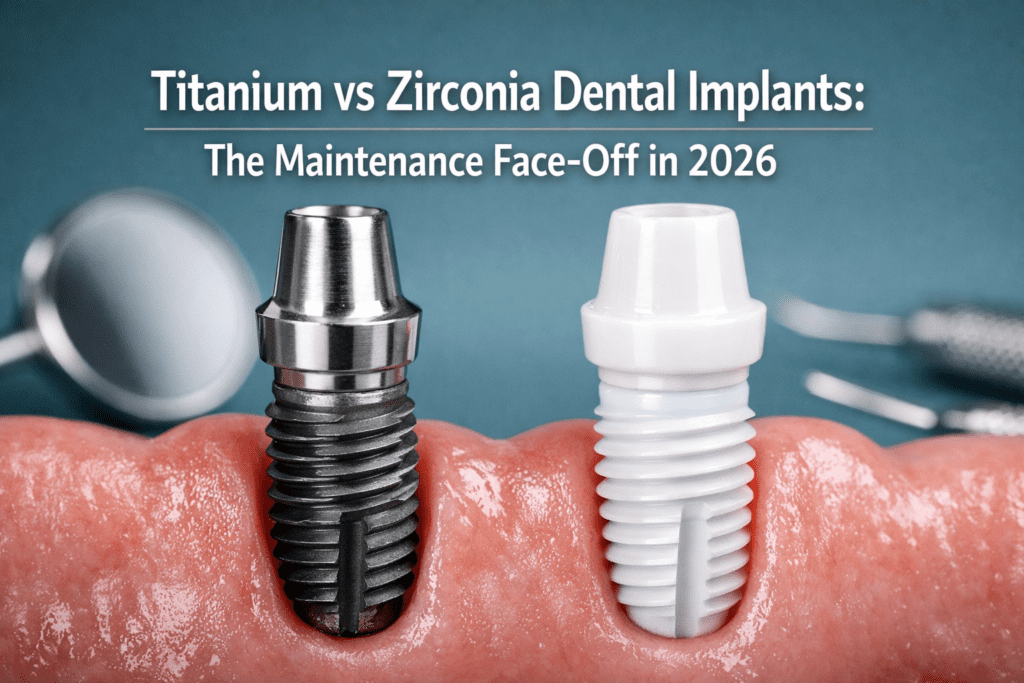
Imagine regaining the confidence to smile, speak, and eat your favorite foods without a second thought. That’s the life-changing promise of dental implants. As we move through 2026, dental implant technology continues to advance, offering increasingly sophisticated solutions for tooth replacement. However, choosing the right material – titanium or zirconia – is just the first step. Understanding the critical differences in titanium vs zirconia implant maintenance is paramount to ensuring the long-term health and success of your investment. This comprehensive guide will delve deep into the nuances of caring for these modern marvels, helping you make informed decisions for a lasting, healthy smile.
Key Takeaways
- Material Matters for Maintenance: Titanium and zirconia implants have distinct surface characteristics that influence plaque accumulation and require tailored cleaning approaches.
- Preventing Peri-Implantitis is Crucial: Both types of implants are susceptible to peri-implantitis, an inflammatory condition similar to gum disease, but zirconia may show a lower tendency due to its smoother, less porous surface.
- Professional Cleanings are Non-Negotiable: Regular visits to your dentist or hygienist for specialized implant cleaning are essential, regardless of the implant material, to remove hardened plaque and assess tissue health.
- Home Care Adapts to Material: While brushing and flossing are universal, the types of tools (e.g., non-abrasive options for zirconia) and techniques might vary slightly to protect the implant and surrounding soft tissues.
- Long-Term Success Hinges on Diligence: Consistent, proper maintenance, both at home and professionally, is the single most important factor in the longevity and stability of both titanium and zirconia dental implants.
Understanding the Materials: Titanium and Zirconia Implants
Before we dive into maintenance, it’s vital to grasp what sets titanium and zirconia implants apart. Both are excellent choices for tooth replacement, but their fundamental properties dictate specific care strategies.
Titanium Dental Implants
Titanium has been the gold standard for dental implants for decades, and for good reason. It’s renowned for its strength, biocompatibility, and ability to osseointegrate, meaning it can fuse directly with the jawbone [1]. This process creates a stable, long-lasting foundation for the prosthetic tooth.
- Properties: Titanium is a metal, usually an alloy, that is incredibly strong and resistant to corrosion. Its surface can be treated to enhance osseointegration, often resulting in a slightly rough or porous texture.
- Appearance: The grayish color of titanium is generally not an issue for implants placed in the back of the mouth. However, in cases of thin gum tissue or a low smile line, the underlying grey can sometimes show through, leading to aesthetic concerns.
- Track Record: Titanium implants boast an extensive track record, with decades of clinical success and extensive research supporting their efficacy and durability.
Zirconia Dental Implants
Zirconia, a ceramic material, has gained significant traction as an alternative to titanium, particularly for patients seeking metal-free options or those with specific aesthetic demands.
- Properties: Zirconia is a high-strength ceramic, specifically yttrium-stabilized tetragonal zirconia polycrystals (Y-TZP). It’s known for its exceptional hardness, fracture toughness, and superior aesthetics.
- Appearance: Zirconia is tooth-colored (white), which makes it an excellent choice for patients with thin gum tissue or a high smile line where the natural appearance is paramount. It eliminates the risk of a grey shadow.
- Biocompatibility: Like titanium, zirconia is highly biocompatible, meaning it is well-tolerated by the body and poses minimal risk of allergic reactions. Its smooth surface is often cited as a benefit regarding plaque accumulation.
- Innovation: Zirconia implants typically come as a one-piece system, where the implant and abutment are integrated, though two-piece systems are also available. This design can sometimes simplify the surgical process and reduce the number of potential microbial niches.
“Choosing between titanium and zirconia often comes down to individual patient needs, aesthetic priorities, and biological considerations. Both offer excellent long-term solutions, but their ongoing care pathways diverge in subtle yet significant ways.”
The Core of Titanium vs Zirconia Implant Maintenance: Why It Matters
Regardless of the material, the success and longevity of any dental implant depend heavily on diligent oral hygiene. Neglecting maintenance can lead to peri-implant diseases, which are inflammatory conditions affecting the tissues around dental implants. These conditions, similar to gum disease around natural teeth, can range from peri-implant mucositis (reversible inflammation of the soft tissues) to peri-implantitis (inflammation involving bone loss, which can ultimately lead to implant failure) [2].
Here’s why proper maintenance for both titanium and zirconia implants is non-negotiable:
- Preventing Peri-Implantitis: This is the primary goal of all implant maintenance. Bacteria can colonize the implant surface, leading to inflammation that can destroy the bone supporting the implant.
- Ensuring Longevity: Well-maintained implants can last a lifetime. Poor maintenance can drastically shorten their lifespan, leading to costly and complex procedures to address failure.
- Preserving Oral Health: Implants are part of your entire oral system. Maintaining them correctly helps protect your remaining natural teeth and overall oral health.
- Protecting Your Investment: Dental implants are a significant investment. Proper care ensures you get the most value and benefit from them for years to come. If you’re considering the cost of full dental implants, you’ll want to protect that investment.
Daily Home Care: Tailoring Your Routine for Titanium and Zirconia
Your daily commitment to oral hygiene is the cornerstone of successful implant maintenance. While the general principles are similar to caring for natural teeth, there are specific considerations for titanium vs zirconia implant maintenance.
Home Care for Titanium Implants
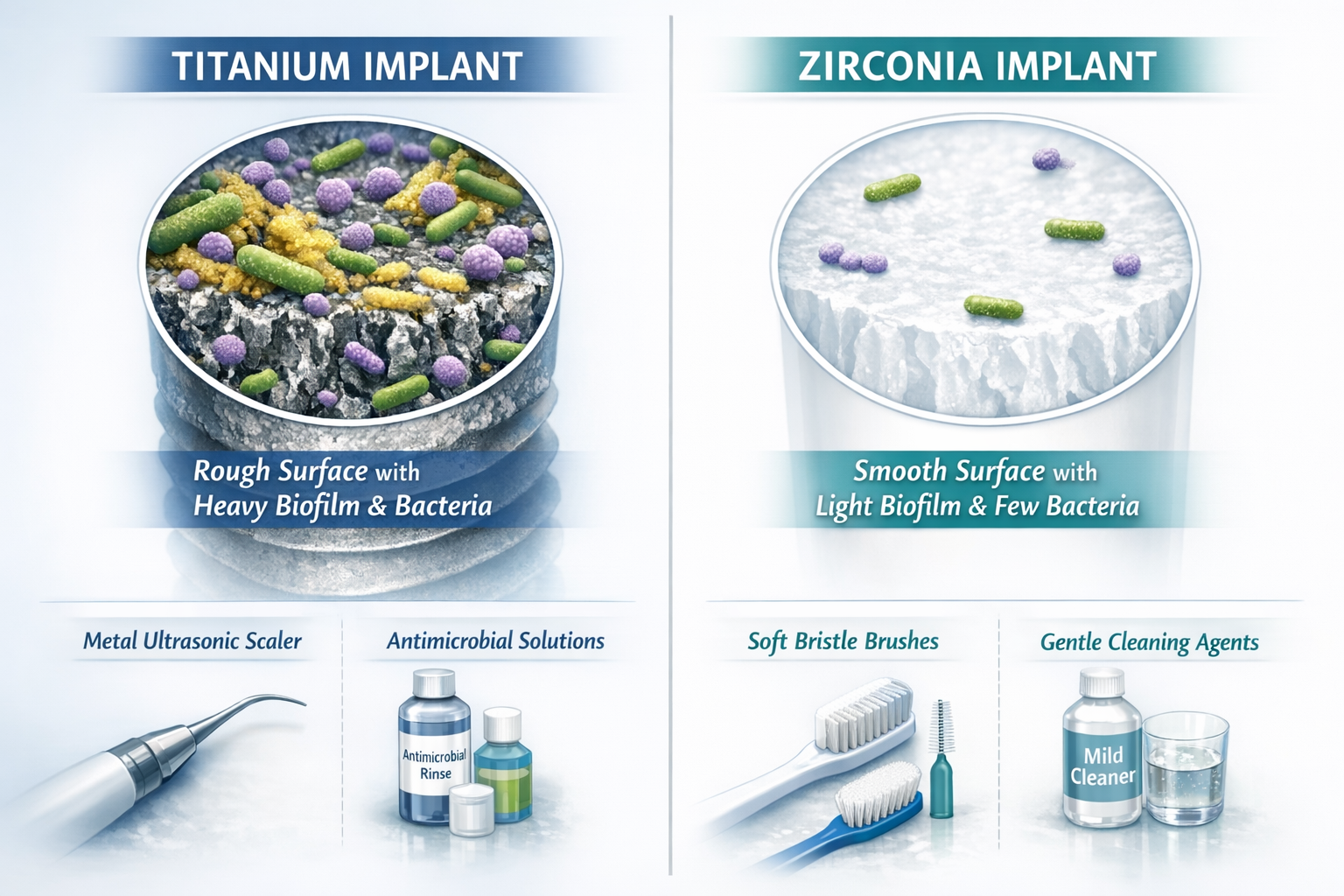
Titanium implants, particularly those with a roughened surface designed for enhanced osseointegration, can sometimes present more areas for bacteria to adhere. Therefore, thorough mechanical cleaning is crucial.
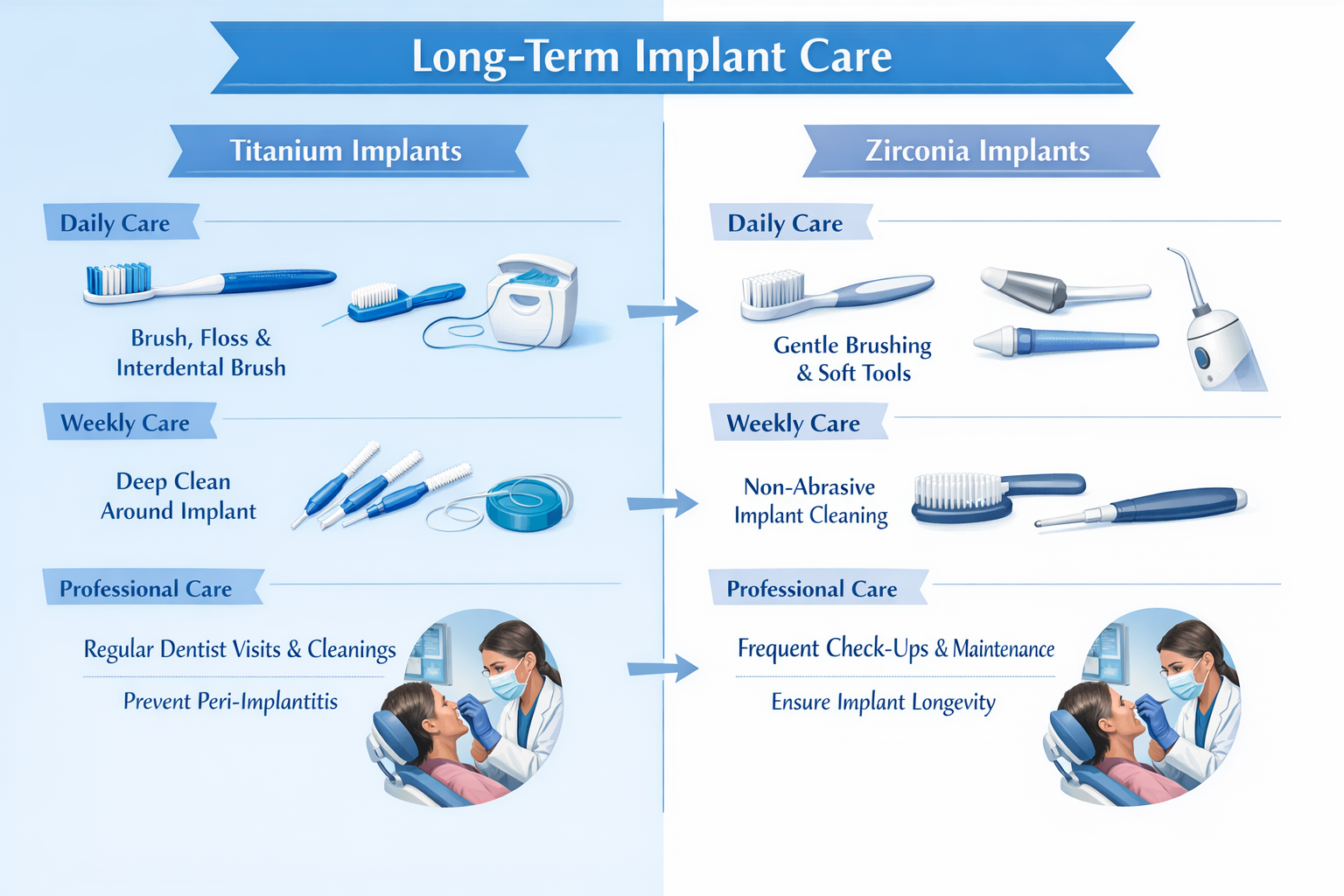
- Brushing: Use a soft-bristled toothbrush or an electric toothbrush with soft brush heads. Brush twice daily, paying close attention to the gum line around the implant. Angle the brush at 45 degrees towards the gum to dislodge plaque effectively.
- Flossing: Regular dental floss can be used, but it’s important to use it gently. For areas where the implant crown meets the gum, specialized implant floss, water flossers, or interdental brushes can be highly effective. Some brands offer floss specifically designed not to shed fibers that could irritate the gum tissue.
- Interdental Brushes/Picks: These small brushes are excellent for cleaning around the abutment and under the crown where regular floss might struggle. Choose sizes appropriate for the gaps.
- Water Flossers: A water flosser can be a game-changer for titanium implant cleaning, as it can reach areas inaccessible to traditional brushing and flossing, effectively flushing out food debris and loose plaque.
- Mouthwash: An antimicrobial mouthwash, recommended by your dentist, can help reduce bacterial load. Avoid alcohol-based mouthwashes, which can dry out oral tissues and potentially irritate the gums. Check out our guide on the best mouthwash for dental implants for more specific recommendations.
- Avoid Abrasive Products: Do not use abrasive toothpastes or cleaning tools that could scratch the implant or crown surface.
Home Care for Zirconia Implants
Zirconia’s smooth, dense surface is often cited as being less prone to plaque adhesion compared to roughened titanium surfaces [3]. However, this doesn’t mean maintenance can be neglected. The primary difference lies in avoiding any tools or products that could scratch or damage the zirconia.
- Brushing: A soft-bristled toothbrush or an electric toothbrush with soft heads is still the best choice. Brush gently but thoroughly twice a day, focusing on the gum line around the zirconia implant.
- Flossing & Interdental Cleaning: Similar to titanium, gentle flossing and the use of interdental brushes or picks are important. However, it’s even more crucial to be gentle with zirconia to avoid scratching the surface.
- Water Flossers: Water flossers are highly recommended for zirconia implants. They offer effective cleaning without any direct abrasive contact, making them ideal for maintaining the pristine surface of the ceramic.
- Non-Abrasive Products: This is particularly critical for zirconia. Avoid any cleaning paste or powder that contains abrasive particles. Only use non-abrasive toothpastes.
- Specialized Tools: Your dentist might recommend specific non-metallic tools for interdental cleaning if traditional options pose a risk of scratching.
- Mouthwash: As with titanium, a non-alcoholic, antimicrobial mouthwash can be beneficial.
“The subtle differences in surface characteristics between titanium and zirconia demand a personalized approach to daily home care. What works well for one may not be ideal for the other.”
Professional Maintenance: The Unsung Hero of Implant Longevity
While home care is essential, it’s not enough on its own. Regular professional dental cleanings and check-ups are critical components of both titanium and zirconia implant maintenance. These appointments allow dental professionals to assess the health of your implants, remove hardened plaque (calculus) that home care cannot, and identify any potential issues early.
Professional Cleanings for Titanium Implants
- Frequency: Typically every 3-6 months, or as recommended by your dentist based on your individual needs and risk factors.
- Tools: Dental hygienists will use specialized non-metallic scalers (e.g., plastic, graphite, or titanium alloy instruments) to clean around titanium implants. Traditional metal scalers can scratch the implant surface, creating microscopic niches for bacteria.
- Polishing: Low-abrasive polishing pastes and rubber cups are used to clean and smooth the implant crown and abutment without damaging the titanium surface.
- Assessment: The dentist or hygienist will check for signs of inflammation, bleeding, bone loss, or any mechanical issues with the implant or prosthetic. X-rays may be taken periodically to monitor bone levels. You can learn more about what to expect during a dental implant consultation.
Professional Cleanings for Zirconia Implants
The professional cleaning protocols for zirconia implants share many similarities with titanium, but with an even greater emphasis on gentle, non-abrasive techniques to preserve the ceramic’s smooth surface.
- Frequency: Similar to titanium, regular check-ups every 3-6 months are recommended.
- Tools: Only non-metallic instruments (e.g., plastic or carbon fiber scalers) should be used on zirconia implants. Metal instruments can easily scratch the ceramic, compromising its smooth, plaque-resistant properties. Air-polishing systems with low-abrasive powders (like glycine powder) are often preferred for effective yet gentle cleaning.
- Polishing: As with home care, professional polishing agents for zirconia must be non-abrasive. The goal is to maintain the highly polished surface which naturally resists bacterial adhesion.
- Assessment: Comprehensive evaluation for peri-implant health, structural integrity of the zirconia, and surrounding tissue health is performed. Early detection of issues is key.
Potential Complications and How Maintenance Helps
Understanding potential problems can reinforce the importance of meticulous implant maintenance.
Peri-Implant Mucositis
This is a reversible inflammatory lesion in the soft tissues surrounding a dental implant, similar to gingivitis around natural teeth. It’s characterized by redness, swelling, and bleeding upon probing. Good oral hygiene, both at home and professionally, can usually resolve peri-implant mucositis.
Peri-Implantitis
This is a more severe, irreversible inflammatory condition affecting the soft tissues and leading to progressive bone loss around a dental implant. It’s analogous to periodontitis. If left untreated, peri-implantitis can lead to implant mobility and eventual failure. Signs include deep pockets, pus, persistent bleeding, and radiographic evidence of bone loss. Effective titanium vs zirconia implant maintenance is your best defense against this serious condition.
Mechanical Complications
Less common but possible are mechanical issues such as screw loosening, fracture of the crown or abutment, or even the implant itself (though rare, especially with high-quality materials). Regular check-ups help identify and address these issues before they become more significant problems.
Factors Influencing Implant Longevity
Beyond daily and professional maintenance, several other factors contribute to the long-term success of your dental implants, whether titanium or zirconia:
- Oral Hygiene Compliance: As discussed, this is paramount.
- Smoking: Smoking significantly increases the risk of peri-implantitis and implant failure [4]. Quitting smoking is one of the best things you can do for your implants and overall health.
- Systemic Health: Conditions like uncontrolled diabetes can impair healing and increase the risk of infection, impacting implant success.
- Bruxism (Teeth Grinding): Chronic grinding or clenching can place excessive stress on implants, leading to mechanical complications. A nightguard may be recommended.
- Regular Dental Check-ups: These are crucial for early detection and intervention.
- Quality of Implant Placement: The initial surgical placement and adequate bone support are foundational for long-term success. If you’ve experienced significant 90 percent bone loss in teeth, bone grafting may have been necessary prior to implant placement.
- Diet: While implants allow you to eat a wide range of foods, maintaining a balanced diet supports overall oral health. After surgery, sticking to soft foods after dental implant is essential for healing.
The Role of Your Dental Team
Your dentist and hygienist are your partners in maintaining your dental implants. They provide the professional care you can’t achieve at home and offer invaluable guidance. Don’t hesitate to ask questions about your specific implant type and its maintenance needs. If you’re looking for affordable dental implants in Dallas, TX, ensure you also inquire about long-term care plans.
Your dental team can:
- Demonstrate proper brushing and flossing techniques tailored to your implants.
- Recommend specific cleaning tools (e.g., water flossers, interdental brushes, specialized mouthwashes).
- Perform thorough professional cleanings using appropriate instruments.
- Monitor your implant health through visual examination and X-rays.
- Address any concerns or complications promptly.
Interactive Tool: Dental Implant Maintenance Selector
Below is an interactive tool to help you select the appropriate home care tools based on your dental implant material.
Dental Implant Home Care Tool Selector
Select your implant type to get personalized home care recommendations.
Conclusion
Both titanium and zirconia dental implants offer fantastic solutions for restoring your smile and oral function. As we navigate 2026 and beyond, the choice between these materials will increasingly factor in aesthetic preferences and specific biological considerations. However, the ultimate success and longevity of either type of implant hinge critically on consistent, proper maintenance.
Understanding the nuances of titanium vs zirconia implant maintenance empowers you to be an active participant in your oral health. While titanium implants may tolerate a slightly wider range of cleaning tools, zirconia demands a more delicate, non-abrasive approach to preserve its smooth, plaque-resistant surface. Regular, diligent home care, combined with non-negotiable professional cleanings using specialized instruments, will protect your investment, prevent peri-implant diseases, and ensure your implants remain a healthy, functional part of your smile for many years.
Actionable Next Steps:
- Consult Your Dentist: Always discuss your specific implant type and receive personalized maintenance instructions from your dental professional.
- Commit to Daily Care: Establish a consistent routine of brushing, flossing, and interdental cleaning tailored to your implant material.
- Schedule Regular Professional Cleanings: Do not skip your hygiene appointments. These are vital for long-term implant health.
- Invest in the Right Tools: Use a soft-bristled toothbrush, a water flosser, and appropriate interdental cleaners. For zirconia, ensure all products are non-abrasive.
- Monitor for Changes: Be vigilant for any signs of inflammation, bleeding, or discomfort around your implants and report them to your dentist immediately.
By following these guidelines, you can ensure that your dental implants continue to provide the confidence and functionality you deserve.
References
[1] Albrektsson, T., & Johansson, B. (2001). Osteointegration of implants. Periodontology 2000, 17(1), 1-17.
[2] Renvert, S., & Quirynen, M. (2019). Risk indicators for peri-implantitis. Periodontology 2000, 81(1), 93-100.
[3] Scarano, A., et al. (2010). Zirconium oxide dental implants: a clinical and histological study in humans. Journal of Oral Implantology, 36(6), 461-468.
[4] De Bruyn, H., et al. (2018). The impact of smoking on the long-term success of dental implants: A systematic review. Journal of Clinical Periodontology, 45(10), 1279-1290.
Leave a Reply
Share your thoughts or ask a question about dental implants. Your email address will not be published.