

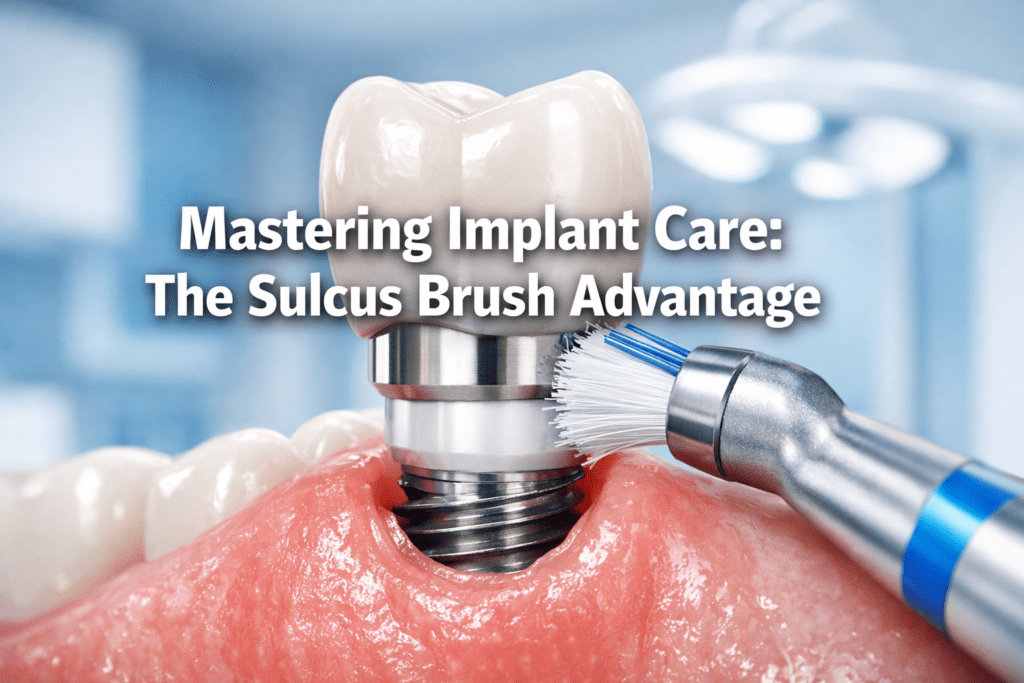
Imagine investing in a groundbreaking solution to restore your smile and oral function, only to find that maintaining its pristine condition requires specific, targeted care. This is precisely where the sulcus brush for implants becomes an indispensable tool. For individuals with dental implants, conventional brushing methods often fall short in adequately cleaning the critical areas around the implant, known as the peri-implant sulcus. In 2026, as dental implant technology continues to advance, so too does our understanding of the meticulous home care required to ensure their longevity and prevent complications like peri-implantitis. This comprehensive guide will delve into why a specialized sulcus brush is not just an accessory, but a cornerstone of effective implant maintenance, empowering you to protect your investment and maintain a healthy, radiant smile for years to come.
Key Takeaways
- Targeted Cleaning: A sulcus brush is specifically designed to clean the delicate and often hard-to-reach peri-implant sulcus, preventing plaque accumulation that traditional toothbrushes can miss.
- Peri-implantitis Prevention: Regular and proper use of a sulcus brush is crucial in mitigating the risk of peri-implantitis, a serious inflammatory condition that can lead to implant failure.
- Enhanced Longevity: By maintaining optimal hygiene around dental implants, patients significantly contribute to the long-term success and stability of their restorations.
- Specialized Design: These brushes feature small, angled, and often softer bristles tailored to gently yet effectively clean the implant abutment and gum line without causing trauma.
- Integral to Home Care: Incorporating a sulcus brush into your daily oral hygiene routine is as vital as regular brushing and flossing for anyone with dental implants.
Understanding the Unique Challenges of Implant Care with a Sulcus Brush for Implants
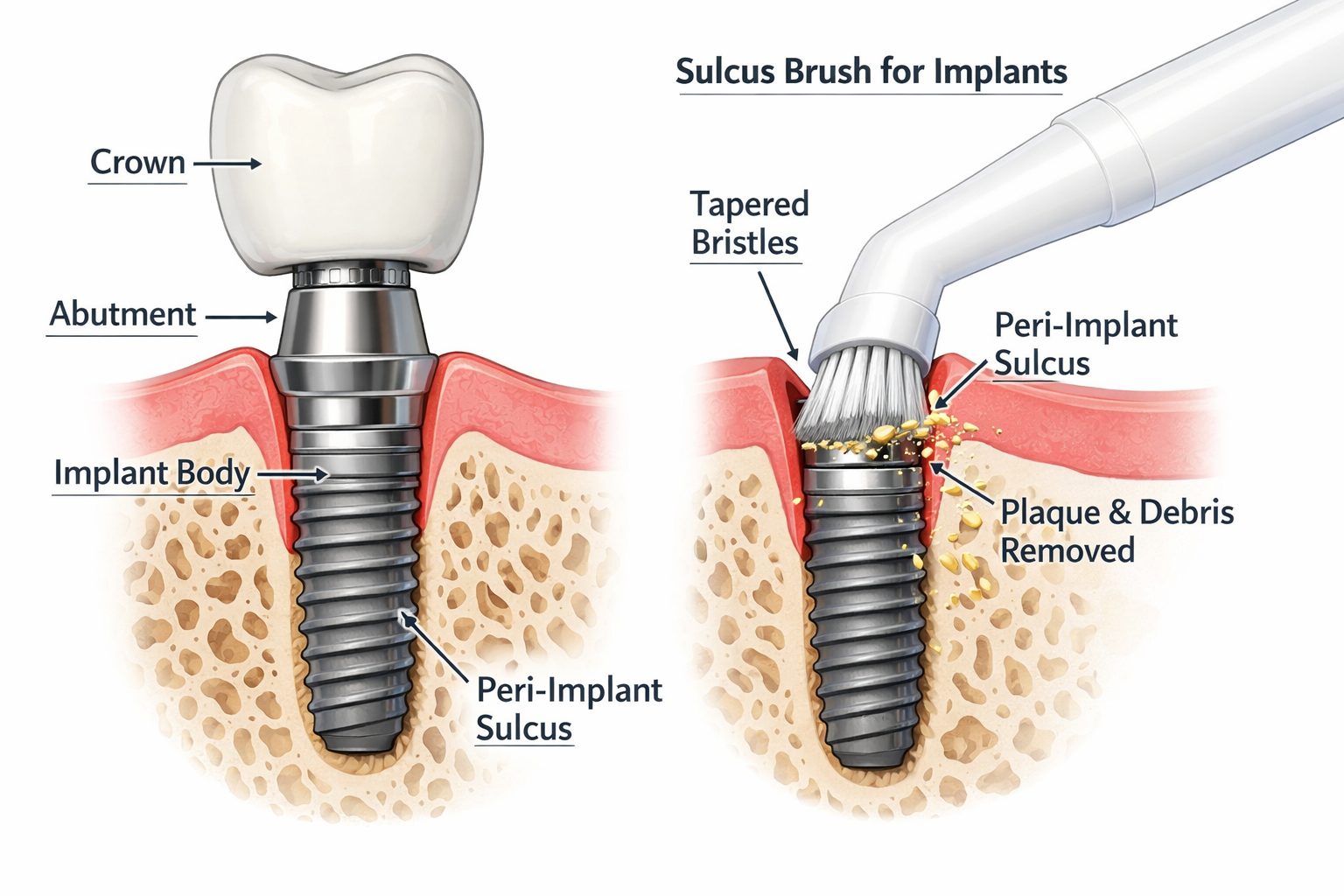
Dental implants offer a remarkable solution for tooth replacement, providing stability, aesthetics, and functionality that closely mimic natural teeth. However, the anatomy surrounding a dental implant differs significantly from a natural tooth, presenting unique challenges for oral hygiene. Unlike natural teeth, which have a periodontal ligament that provides a protective barrier and some degree of resilience against bacterial invasion, dental implants are anchored directly into the bone. The area where the implant crown meets the gum tissue is called the peri-implant sulcus. This shallow groove is a prime location for plaque and bacterial biofilm accumulation, and if not meticulously cleaned, it can lead to serious complications.
The Peri-Implant Sulcus: A Critical Zone
The peri-implant sulcus is a narrow space between the dental implant restoration (crown or bridge) and the surrounding gum tissue. Its characteristics make it particularly susceptible to plaque buildup:
- Tight Space: The crevice is often very tight, making it difficult for standard toothbrush bristles to penetrate effectively.
- Lack of Ligament: The absence of a periodontal ligament means there’s less natural defense against bacteria, and inflammation can progress more rapidly.
- Rougher Surfaces: The surface of an implant abutment, while smooth, may still harbor bacteria more readily than natural tooth enamel in certain micro-environments.
When plaque is allowed to accumulate in the peri-implant sulcus, it can lead to inflammation of the surrounding soft tissues, a condition known as peri-mucositis. If left untreated, peri-mucositis can progress to peri-implantitis, a more severe inflammatory disease that affects both the soft tissues and the supporting bone around the implant. Peri-implantitis is a significant concern because it can lead to bone loss, implant mobility, and ultimately, implant failure [1]. This is precisely why the selection of appropriate oral hygiene tools, such as a sulcus brush for implants, is paramount.
For those considering dental implants or those who already have them, understanding these nuances is crucial for long-term success. You can learn more about the complete dental implant recovery timeline and what to expect at every stage by visiting our detailed guide here.
Why Standard Brushes Aren’t Enough
Many patients assume their regular toothbrush is sufficient for cleaning around implants. While a standard toothbrush is essential for cleaning the broader surfaces of teeth and implants, its design is not optimized for the peri-implant sulcus.
- Bristle Size and Shape: The larger head and broader bristles of a typical toothbrush cannot effectively reach into the narrow sulcus.
- Angle of Attack: It’s challenging to position a standard brush at the precise angle needed to clean beneath the gum line of an implant without causing trauma.
- Risk of Abrasions: Aggressive brushing with a standard brush, especially if the bristles are too firm, can irritate the delicate gum tissue around an implant, potentially exacerbating inflammation rather than preventing it.
This is where specialized tools come into play. A sulcus brush for implants is specifically engineered to address these challenges, providing a targeted and gentle cleaning action that regular brushes simply cannot replicate.
The Design and Benefits of a Sulcus Brush for Implants
A sulcus brush for implants is a specially designed oral hygiene tool crafted to meticulously clean the delicate areas around dental implants, particularly the peri-implant sulcus. Its unique features set it apart from conventional toothbrushes and make it an indispensable part of an implant patient’s daily routine.
Distinctive Design Features
What makes a sulcus brush so effective? It’s all in the design:
- Small, Compact Head: The brush head is significantly smaller than a standard toothbrush, often resembling a single tuft or a very narrow strip of bristles. This allows it to access tight spaces around individual implants, abutments, and even between multiple implants.
- Angled or Tapered Bristles: Many sulcus brushes feature bristles that are precisely angled or tapered to facilitate insertion into the sulcus without requiring excessive force. This design ensures that the bristles can effectively disrupt and remove plaque biofilm from beneath the gum line.
- Soft, Gentle Filaments: The bristles are typically made from very soft, fine filaments, such as Tynex or similar synthetic materials. This softness is crucial to prevent scratching the implant surface (which can harbor bacteria) or traumatizing the delicate peri-implant tissues.
- Ergonomic Handle: The handle is often designed for a comfortable grip, allowing for precise control and maneuverability in difficult-to-reach areas. Some brushes have a flexible neck to further aid in access.
How a Sulcus Brush Works to Protect Your Implants
The primary function of a sulcus brush for implants is to provide targeted mechanical plaque removal where other tools might fail. Here’s how it works its magic:
- Reaches the Peri-Implant Sulcus: The small head and angled bristles allow you to gently place the brush into the narrow groove around the implant.
- Disrupts Biofilm: With gentle, controlled strokes, the soft bristles disrupt and dislodge the bacterial biofilm (plaque) that accumulates on the implant surface and within the sulcus.
- Prevents Inflammation: By regularly removing plaque, the brush helps prevent the initiation and progression of peri-mucositis and, crucially, peri-implantitis.
- Minimizes Trauma: The soft bristles and precise design ensure that cleaning is effective without causing irritation, bleeding, or recession of the gum tissue, which can compromise implant health.
“The correct application of a sulcus brush is not merely about cleaning; it’s about safeguarding the very foundation of your implant’s stability and longevity.”
The Benefits of Incorporating a Sulcus Brush
Integrating a sulcus brush into your daily oral care routine offers a multitude of benefits for implant patients:
- Superior Plaque Control: Provides targeted plaque removal in areas inaccessible to regular brushes.
- Reduced Risk of Complications: Significantly lowers the likelihood of developing peri-implantitis, a leading cause of implant failure.
- Enhanced Implant Longevity: Meticulous cleaning helps extend the lifespan of your dental implants, protecting your investment.
- Improved Gum Health: Promotes healthy, firm gum tissue around the implants, contributing to overall oral wellness.
- Fresh Breath: By removing bacterial buildup, it also helps combat bad breath associated with poor oral hygiene.
- Peace of Mind: Knowing you’re using the right tools and techniques provides confidence in your oral care regimen.
It’s important to note that while a sulcus brush is incredibly effective, it complements, rather than replaces, other essential oral hygiene tools. This includes your regular soft-bristled toothbrush, dental floss, and potentially a water flosser specifically designed for implants. For guidance on the best dental implant aftercare products, including sulcus brushes, check out our recommendations here.
How to Effectively Use a Sulcus Brush for Implants in 2026
Mastering the technique for using a sulcus brush for implants is crucial for maximizing its benefits and ensuring gentle, effective cleaning. It’s not just about having the right tool; it’s about using it correctly. This section will walk you through the proper steps, provide important tips, and discuss when and how often to use this specialized brush in 2026.
Step-by-Step Guide to Using Your Sulcus Brush
Using a sulcus brush requires a gentle touch and focused attention. Here’s a step-by-step guide:
- Choose the Right Brush: Consult with your dentist or dental hygienist to select the appropriate sulcus brush for your specific implant type and oral anatomy. There are various designs, and a professional can recommend the best fit.
- Apply a Small Amount of Toothpaste: While not always necessary, a small dot of non-abrasive, implant-friendly toothpaste can enhance cleaning and provide fluoride benefits. Avoid abrasive toothpastes that can scratch implant surfaces. You can find recommendations for the best toothpaste for implants here.
- Position the Brush: Gently place the bristles of the sulcus brush at a 45-degree angle towards the gum line, aiming for the peri-implant sulcus where the implant crown meets the gum. The small head should allow you to target this specific area around each individual implant.
- Gentle Circular or Back-and-Forth Motion: With very light pressure, use small circular motions or short, gentle back-and-forth strokes to sweep away plaque and debris from the sulcus. Focus on cleaning all surfaces around the implant (front, back, and sides).
- Clean All Sides: Ensure you meticulously clean all visible surfaces of the implant crown and the gum line surrounding it. Pay extra attention to the areas where food might tend to accumulate.
- Rinse Thoroughly: After brushing, rinse your mouth with water or an antimicrobial mouthwash recommended by your dental professional. For advice on the best mouthwash for dental implants, refer to our guide here.
Remember, the goal is gentle and thorough cleaning, not aggressive scrubbing. Excessive force can damage the gum tissue.
Tips for Optimal Use
- Consistency is Key: Integrate the sulcus brush into your daily oral hygiene routine. Most dental professionals recommend using it at least once a day, preferably before bed, when plaque accumulation is highest.
- Mirror, Mirror: Use a mirror, especially when first learning, to ensure you are reaching all areas effectively.
- Don’t Rush: Take your time with each implant. Quality over speed is paramount when it comes to delicate implant care.
- Replace Regularly: Just like your regular toothbrush, replace your sulcus brush every 3-4 months, or sooner if the bristles appear frayed or worn. Worn bristles are less effective and can be abrasive.
- Consult Your Dentist: Your dental professional can demonstrate the correct technique for your specific implants and provide personalized recommendations. Don’t hesitate to ask questions during your regular check-ups. Our team at Dental Implants Dallas TX is always ready to guide you through optimal implant care. Find out more about us here.
The Full Oral Hygiene Regimen for Implants
While the sulcus brush plays a specialized role, it’s part of a broader strategy for implant care:
| Oral Hygiene Tool | Primary Function | Frequency | Key Considerations |
|---|---|---|---|
| Regular Soft Toothbrush | Cleaning broad surfaces of crowns, natural teeth, and gum lines. | Twice daily | Use soft bristles; electric toothbrushes can be effective. |
| Sulcus Brush | Targeted cleaning of the peri-implant sulcus. | At least once daily (e.g., before bed) | Gentle pressure, precise angle. |
| Dental Floss/Tape | Cleaning interproximal spaces (between teeth/implants). | Once daily | Use unwaxed, implant-specific floss or tape. |
| Interdental Brushes | Cleaning larger gaps between implants/teeth where floss may not be enough. | Once daily, as needed | Choose appropriate size; never force. |
| Water Flosser | Irrigating around implants and beneath the gum line to remove loose debris. | Once daily, as needed | Use low-pressure settings; specialized tips for implants. |
| Antimicrobial Mouthwash | Reducing bacterial load, especially for patients with gum inflammation concerns. | As recommended by dentist | Alcohol-free formulations are often preferred. |
By combining the power of a sulcus brush for implants with these other tools and regular professional cleanings, you create a robust defense against potential complications, ensuring the long-term health and aesthetics of your dental implants in 2026 and beyond.
Maintaining Your Investment: Professional Cleanings and the Sulcus Brush
The long-term success of dental implants relies on a harmonious balance between diligent home care and regular professional maintenance. While the sulcus brush for implants is a powerful tool in your daily arsenal, it complements, rather than replaces, the critical role of your dental professional. In 2026, the emphasis on integrated care for implant patients is stronger than ever, ensuring that both you and your dental team are working together to protect your investment.
The Importance of Regular Professional Cleanings for Implants
Even with the most meticulous home care, some plaque and calculus (hardened plaque) can accumulate in areas that are difficult to reach. Dental implants require specialized professional cleanings that differ from those for natural teeth.
- Specialized Instruments: Dental hygienists use specific plastic or titanium instruments to clean around implants to avoid scratching the implant surface. Metal instruments can create microscopic scratches where bacteria can more easily adhere, increasing the risk of peri-implantitis.
- Thorough Assessment: During these appointments, your dentist or hygienist will perform a comprehensive evaluation of your implants, checking for signs of inflammation, bone loss, or any other issues. This includes probing the peri-implant sulcus and taking X-rays periodically [2].
- Personalized Oral Hygiene Instructions: Your dental team can provide tailored advice and demonstrations on how to use your sulcus brush for implants and other tools most effectively, adjusting techniques as needed.
- Early Detection: Regular check-ups allow for the early detection and intervention of potential problems like peri-mucositis, preventing them from escalating into more serious conditions like peri-implantitis.
Think of professional cleanings as a crucial line of defense, catching anything your daily routine might miss and providing an expert assessment of your implant health. Understanding the cost of dental implant cleaning in Dallas can also help you plan for this essential part of your care here.
When Professional Care Meets Home Care
The sulcus brush for implants acts as an extension of professional care into your daily routine. It’s the tool that empowers you to maintain the pristine condition achieved during your dental visits between appointments.
Consider the synergy:
- Your dental professional thoroughly cleans, polishes, and assesses your implants.
- You leave with a clean slate, and the sulcus brush helps you keep that slate clean by targeting the critical sulcus area every day.
- This continuous, proactive approach significantly reduces the bacterial load around your implants, minimizing the risk of inflammation and complications.
Many dental practices, like our own at Dental Implants Dallas TX, emphasize patient education on proper home care techniques because we understand that patient compliance is a major factor in implant success. We often include detailed instructions and demonstrations on using specialized tools, including the sulcus brush, during initial consultations and follow-up appointments.
Recognizing the Signs of Trouble
Despite diligent use of a sulcus brush for implants and regular professional care, it’s important to be aware of the signs that might indicate a problem. Early detection can prevent significant issues. Contact your dentist if you notice any of the following:
- Bleeding Gums: Gums that bleed easily when brushing or flossing around your implant.
- Redness or Swelling: Inflamed, red, or swollen gum tissue around the implant.
- Pain or Tenderness: Discomfort when touching the implant area.
- Pus: Any discharge or pus around the implant.
- Receding Gums: Gums pulling away from the implant, making it appear longer.
- Loose or Wobbly Implant: Any sensation of movement in the implant. This is a serious sign and requires immediate attention.
- Bad Breath (Halitosis): Persistent bad breath originating from the implant site.
If you experience any of these symptoms, schedule an appointment with your dentist immediately. Prompt action can often save an implant that is experiencing early stages of peri-mucositis or peri-implantitis. Our team is always ready to provide comprehensive care and support for your dental implants. You can book a consultation to discuss your implant health and hygiene here.
By taking an active role in your implant care with tools like the sulcus brush for implants and adhering to your dental professional’s recommendations, you are ensuring the best possible outcome for your dental investment in 2026 and for many years to come.
Choosing the Right Sulcus Brush for Implants: A 2026 Perspective
With the increasing popularity of dental implants, the market for specialized oral hygiene tools has expanded significantly in 2026. Choosing the right sulcus brush for implants can feel overwhelming given the variety of options. This section will guide you through the factors to consider when selecting a brush and highlight some common types available.
Factors to Consider When Selecting a Sulcus Brush
The “best” sulcus brush isn’t a one-size-fits-all solution; it depends on your individual needs, the type of implant you have, and your personal preferences.
Bristle Material and Softness:
- Softness: Always opt for extra-soft or soft bristles. Hard bristles can abrade the delicate gum tissue and potentially scratch the implant or abutment surface, creating micro-grooves where bacteria can thrive.
- Material: Synthetic filaments like Tynex are common, known for their durability and ability to retain shape.
Head Size and Shape:
- Small and Compact: The head should be small enough to easily maneuver around individual implants and reach into the peri-implant sulcus.
- Angled or Tapered: Brushes with a slight angle or tapered bristles can offer better access and more effective cleaning of the sulcus. Some designs feature a single tuft of bristles for pinpoint accuracy.
Handle Ergonomics:
- Comfort and Grip: A comfortable, non-slip handle is essential for precise control, especially when navigating hard-to-reach areas in the back of the mouth.
- Flexibility: Some brushes have a flexible neck, which can further aid in reaching challenging angles without excessive wrist movement.
Brand Reputation and Dental Professional Recommendations:
- Trusted Brands: Look for reputable oral hygiene brands known for quality dental products.
- Dentist’s Advice: This is perhaps the most critical factor. Your dental professional understands your specific oral anatomy, the type of implants you have (e.g., individual crowns, all-on-4 dental implants, abutment-supported porcelain ceramic crowns), and any particular challenges you might face. They can recommend a specific sulcus brush for implants that is best suited for you. For instance, if you have an abutment-supported porcelain ceramic crown, they might suggest a brush that is gentle on both the implant and the crown material.
Common Types of Sulcus Brushes Available in 2026
While designs vary, most sulcus brushes fall into a few general categories:
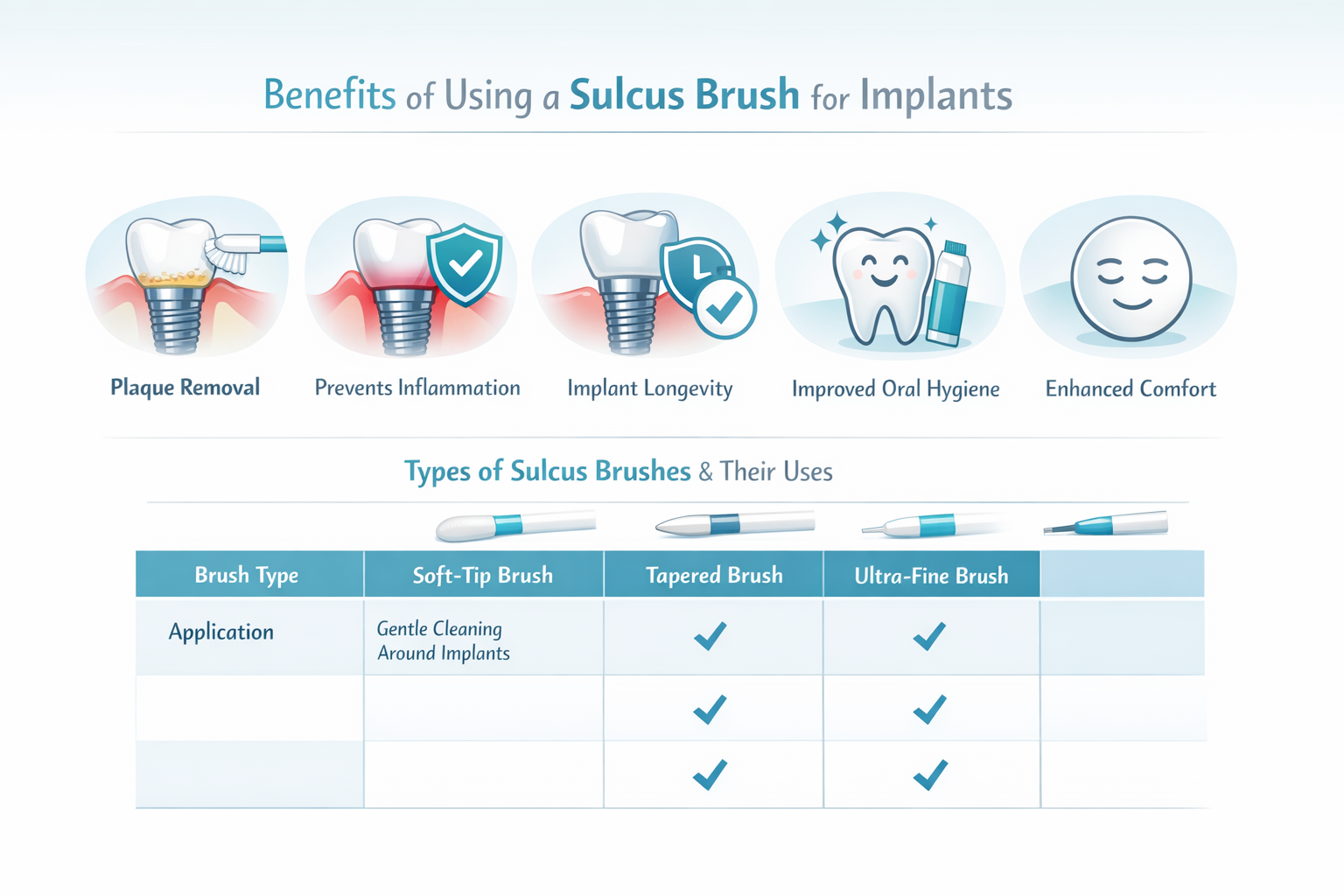
- Single-Tuft Brushes (End-Tuft Brushes): These brushes feature a small, concentrated cluster of bristles at the very tip, ideal for cleaning around individual implants, fixed bridges supported by implants, and in difficult-to-reach areas. They are excellent for targeting the sulcus with precision.
- Interdental Brushes with Very Fine Bristles: While not exclusively “sulcus brushes,” some very fine, small-sized interdental brushes can be used to clean the peri-implant area, especially in cases where there are slight gaps between the implant crown and the adjacent tooth or tissue. However, caution is needed to ensure they are not too large and do not cause trauma.
- Specialized Implant Brushes: Some manufacturers specifically market brushes as “implant brushes,” which often have a slightly different head shape or bristle configuration optimized for the unique contours of implant restorations. These often combine features of single-tuft and narrow-head brushes.
Table: Comparison of Common Sulcus Brush Types
| Brush Type | Key Features | Best For | Considerations |
|---|---|---|---|
| Single-Tuft Brush | Small, concentrated tuft of soft bristles. | Individual implants, abutment bases, hard-to-reach areas. | Excellent precision, requires careful technique. |
| Narrow-Head Sulcus Brush | Very thin brush head with soft, angled bristles. | General peri-implant cleaning, slightly wider sulcus. | Broader coverage than single-tuft, still precise. |
| Implant-Specific Brush | Varies by brand, often combines features. | Optimized for various implant restoration types. | Consult manufacturer’s guidelines, dentist’s advice. |
When in doubt, always defer to the professional advice of your dentist or dental hygienist. They can not only recommend a specific sulcus brush for implants but also demonstrate the correct technique during your dental visits, ensuring you are equipped with the knowledge and tools to maintain your oral health effectively in 2026. This personalized guidance is invaluable for the longevity and success of your dental implants.
Interactive Tool: Implant Care Schedule & Product Selector
Your Personalized Implant Care & Product Selector
1. Tell Us About Your Implants
2. Your Current Oral Hygiene Habits
Conclusion
The journey of maintaining dental implants is a testament to the adage that prevention is better than cure. As we navigate 2026, the critical role of the sulcus brush for implants stands out as an indispensable tool in this preventative strategy. It’s more than just a toothbrush; it’s a precisely engineered instrument designed to safeguard your investment by targeting the delicate and often neglected peri-implant sulcus. Neglecting this crucial area can lead to plaque accumulation, inflammation, and ultimately, the debilitating condition of peri-implantitis, jeopardizing the very foundation of your restored smile.
By incorporating a specialized sulcus brush into your daily oral hygiene regimen, you are actively participating in the long-term success and stability of your dental implants. This targeted cleaning, coupled with a comprehensive routine that includes soft-bristled brushing, appropriate flossing, and regular professional cleanings, forms an impenetrable defense against potential complications. Your dental implants represent a significant commitment to your oral health and quality of life; protecting them requires an equally significant commitment to their care.
Actionable Next Steps:
- Consult Your Dentist: If you have dental implants and are not currently using a sulcus brush, make an appointment with your dentist or dental hygienist immediately. They can recommend the best sulcus brush for implants for your specific needs and demonstrate the correct technique.
- Integrate into Routine: Make the sulcus brush a non-negotiable part of your daily oral hygiene routine, ideally before bedtime.
- Review All Tools: Ensure you are using other implant-friendly tools correctly, such as a soft-bristled toothbrush, implant-specific floss, and potentially a water flosser.
- Schedule Regular Check-ups: Adhere to your recommended schedule for professional cleanings and implant evaluations to catch any issues early.
- Stay Informed: Continue to educate yourself on best practices for implant care, as recommendations and products evolve.
Your radiant smile and the health of your dental implants are worth the extra effort. Embrace the power of the sulcus brush for implants and enjoy the confidence that comes with optimal oral health in 2026 and for many years to come.
References
[1] Renvert, S., & Polyzois, I. (2018). Clinical approaches to peri-implant mucositis and peri-implantitis. Clinical Oral Implants Research, 29(Suppl 18), 304-311.
[2] American Academy of Periodontology. (2020). Clinical Practice Guideline for the Treatment of Peri-implantitis: A Report from the American Academy of Periodontology. Journal of Periodontology, 91(2), 226-250.
Leave a Reply
Share your thoughts or ask a question about dental implants. Your email address will not be published.