

Embarking on the journey to restore your smile with dental implants is a significant decision, especially for seniors seeking a durable and aesthetically pleasing solution for missing teeth. Understanding the senior dental implant healing time is crucial for managing expectations and ensuring a successful outcome. While the fundamental principles of dental implant healing remain consistent across all age groups, certain physiological and lifestyle factors unique to seniors can influence the timeline. This comprehensive guide, updated for 2026, will explore everything you need to know about dental implant recovery for older adults, from the initial surgery to complete osseointegration and beyond, empowering you with the knowledge to navigate this transformative process with confidence.
Key Takeaways
- Average Healing Time: For seniors, the complete healing process for dental implants, including osseointegration, typically ranges from 3 to 6 months, though individual variations are common.
- Factors Influencing Healing: Age alone isn’t a deterrent, but general health, bone density, and lifestyle habits (like smoking) significantly impact the senior dental implant healing time.
- Importance of Osseointegration: This critical process, where the implant fuses with the jawbone, is the foundation of implant stability and determines long-term success.
- Post-Operative Care is Crucial: Adhering strictly to a dentist’s aftercare instructions, including diet modifications and oral hygiene, is vital for optimal healing and preventing complications.
- Follow-Up Appointments: Regular check-ups are essential to monitor healing progress, address any concerns, and ensure the longevity of the dental implants.
Understanding the Dental Implant Process for Seniors
Dental implants offer a revolutionary solution for replacing missing teeth, providing stability, functionality, and a natural appearance that often surpasses traditional dentures or bridges. For seniors, the benefits are particularly impactful, enhancing chewing ability, speech clarity, and overall quality of life. The process generally involves several stages, each with its own healing considerations.
Initial Consultation and Planning
The journey begins with a thorough evaluation by a qualified dental professional. This includes a comprehensive examination of your oral health, jawbone density, and overall medical history. X-rays, 3D scans, and sometimes even models of your teeth are used to create a precise treatment plan. For seniors, particular attention is paid to existing medical conditions, medications, and bone quality, which can all influence the senior dental implant healing time [1]. During this phase, discussions about bone grafting, if needed, and the type of implant (e.g., single implant, All-on-4 dental implants, or All-on-6 dental implants) will take place.
The Surgical Procedure
The surgical placement of the dental implant involves embedding a small, screw-shaped titanium post into the jawbone. This procedure is typically performed under local anesthesia, sometimes with sedation. After the implant is placed, the gum tissue is usually sutured over it. The immediate post-operative period is crucial for initial healing and managing discomfort.
The Healing Stages: Senior Dental Implant Healing Time Breakdown
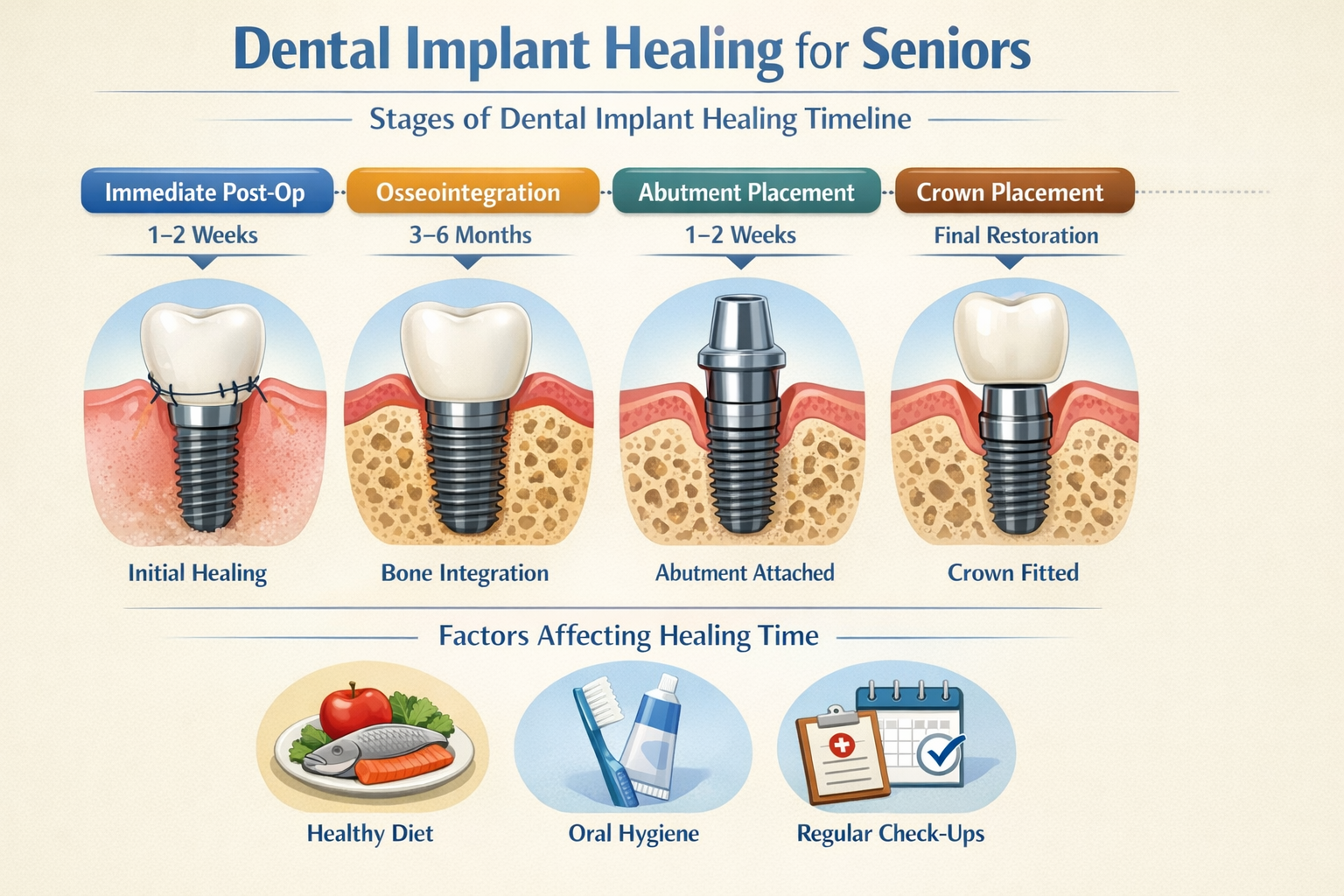
The total senior dental implant healing time is not a single, fixed period but rather a series of stages that collectively lead to the implant’s successful integration with the jawbone.
Stage 1: Initial Post-Operative Healing (First 1-2 Weeks)
Immediately after surgery, the focus is on managing discomfort, swelling, and preventing infection. This phase involves:
- Pain and Swelling Management: Minor discomfort, swelling, and bruising are normal. Pain medication and cold compresses are typically recommended.
- Diet Restrictions: A soft-food diet is crucial to avoid disturbing the surgical site. Check out our list of 50 soft foods after dental implant surgery.
- Oral Hygiene: Gentle cleaning around the surgical site is advised, often with a special mouthwash.
- Activity Restrictions: Strenuous activities should be avoided to prevent complications.
Most initial swelling and discomfort subside within the first week. Stitches, if non-dissolvable, are usually removed around 7-10 days after surgery.
Stage 2: Osseointegration (3-6 Months)
This is the most critical and time-consuming phase of the senior dental implant healing time. Osseointegration is the biological process where the jawbone grows around and fuses with the titanium implant surface, creating a strong, stable anchor for the future prosthetic tooth.
💬 The success of a dental implant hinges on osseointegration. This remarkable biological process makes titanium implants so effective, as they essentially become part of your body’s bone structure.
Factors influencing osseointegration in seniors include:
- Bone Density and Quality: Adequate bone is essential. Seniors with lower bone density might require bone grafts for dental implants before or during implant placement, which can extend the overall healing time. Learn more about dental bone graft healing.
- Overall Health: Systemic conditions like diabetes or autoimmune disorders can affect bone healing and potentially prolong osseointegration.
- Medications: Certain medications, such as bisphosphonates, can impact bone metabolism and implant success.
- Lifestyle: Smoking is a significant risk factor that can severely impair healing and lead to implant failure [2].
During this period, the implant remains submerged under the gum or, in some cases, a small healing abutment might protrude. The goal is to avoid any pressure on the implant to allow undisturbed integration.
Stage 3: Abutment Placement (Optional, 1-2 Weeks Healing)
Once osseointegration is complete, a minor surgical procedure may be required to uncover the implant and attach an abutment. The abutment is a small connector piece that will eventually hold the crown. This procedure typically involves a short recovery period, usually 1-2 weeks, for the gum tissue around the abutment to heal. For more details, explore the complete guide to the dental implant abutment procedure.
Stage 4: Crown Placement (Final Stage)
After the gum tissue around the abutment has fully healed, impressions are taken to create your custom crown, bridge, or denture. This final restoration is then permanently attached to the abutment. While the implant itself has healed, the period following crown placement allows for adjustment to the new bite and ensures comfort.
| Healing Stage | Typical Duration for Seniors | Key Activities/Considerations |
|---|---|---|
| Initial Post-Op | 1-2 Weeks | Pain/swelling management, soft diet, gentle oral hygiene |
| Osseointegration | 3-6 Months | Bone fusion, avoid pressure, regular check-ups |
| Abutment Placement | 1-2 Weeks (if separate procedure) | Gum tissue healing around abutment |
| Crown/Prosthetic Fit | 1-2 Weeks | Impression taking, custom crown creation, final attachment, bite adjustment |
Factors Affecting Senior Dental Implant Healing Time
While the general timeline for dental implant healing is well-established, several factors specific to seniors can influence how quickly and effectively their bodies integrate the implants. Understanding these can help set realistic expectations and guide preventive measures.
Bone Density and Quality
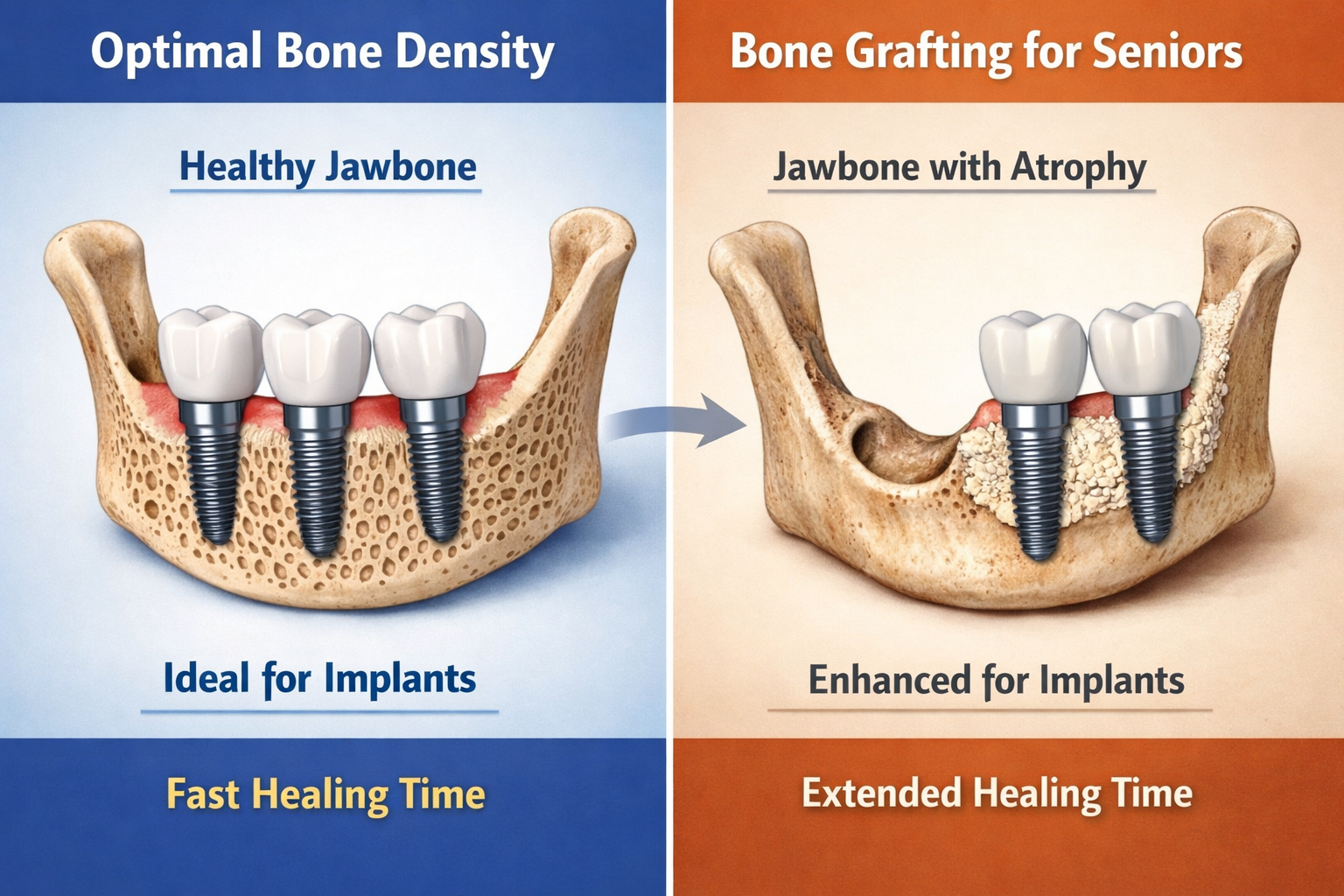
Bone quality is perhaps the most significant factor. As people age, bone density can naturally decrease, a condition known as osteoporosis. While osteoporosis itself doesn’t automatically disqualify someone for implants, it can affect the bone’s ability to fuse with the implant.
- Impact: Lower bone density can slow down osseointegration and, in some cases, necessitate bone grafting procedures before implant placement. This process, often called bone augmentation, involves adding bone material to the jaw to create a more robust foundation for the implant. The bone graft recovery dental implant itself adds several months to the overall healing timeline.
- Solutions: Modern dentistry offers solutions like bone grafting and sinus lifts to enhance bone volume. Advanced imaging techniques like CT scans help dentists precisely assess bone quality and plan accordingly.
General Health and Systemic Conditions
A senior’s overall health plays a pivotal role in the healing process.
- Diabetes: Uncontrolled diabetes can impair the body’s ability to heal and increase the risk of infection, potentially prolonging senior dental implant healing time [3]. Careful management of blood sugar levels before and after surgery is crucial.
- Autoimmune Diseases: Conditions that affect the immune system can sometimes impact healing and osseointegration.
- Cardiovascular Health: While less directly impactful on bone healing, stable cardiovascular health is important for tolerating surgery and anesthesia.
- Medications: Certain medications, especially those affecting bone metabolism (like bisphosphonates for osteoporosis) or blood clotting (anticoagulants), need to be disclosed to the dental team. Adjustments might be necessary.
Lifestyle Choices
Patient habits can significantly sway the healing trajectory.
- Smoking: Smoking is a well-documented deterrent to healing. Nicotine constricts blood vessels, reducing blood flow to the surgical site, which is vital for bone regeneration and infection control. Smokers experience significantly higher rates of implant failure and prolonged healing times [4]. It’s strongly advised to cease smoking several weeks before surgery and throughout the healing period.
- Alcohol Consumption: Excessive alcohol intake can also interfere with healing and the effectiveness of medications. Limiting or avoiding alcohol, especially in the initial post-operative period, is recommended. For more information, see our guide on alcohol after dental implant surgery.
- Nutrition: A well-balanced diet rich in vitamins and minerals (especially calcium and Vitamin D) supports overall health and bone healing. Good nutrition is especially important for seniors whose dietary intake might be less diverse.
Oral Hygiene Practices
Diligent oral hygiene is non-negotiable for successful implant healing and long-term success.
- Infection Prevention: Poor oral hygiene can lead to bacterial infection at the implant site, which can compromise osseointegration and lead to implant failure.
- Specific Care: Following the dentist’s instructions for cleaning the surgical area, including specific mouthwashes and gentle brushing, is critical. Discover the best dental implant aftercare products.
By proactively addressing these factors, seniors can significantly improve their chances of a smooth healing process and successful long-term outcomes for their dental implants.
The Science Behind Healing: Osseointegration in Detail
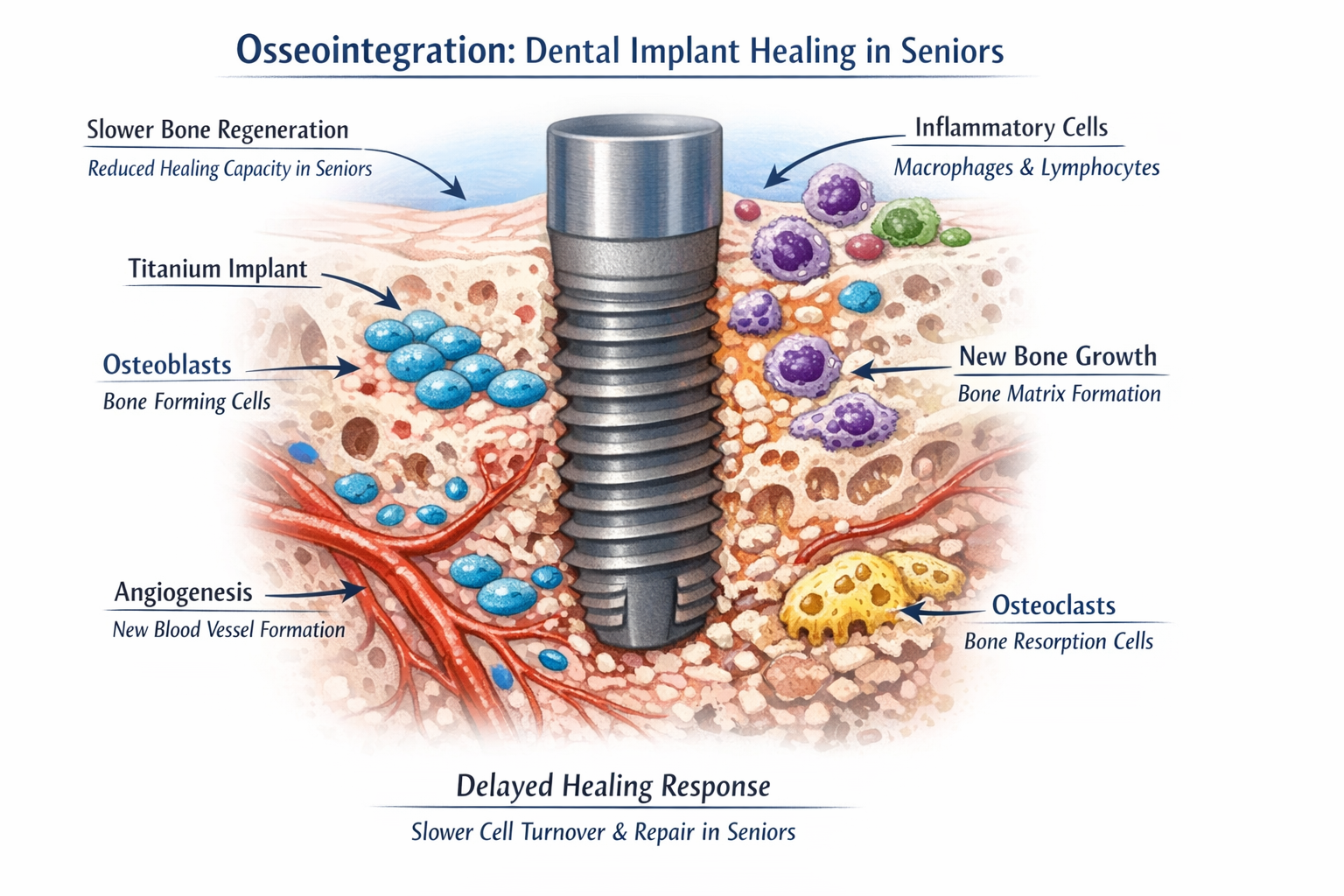
The concept of osseointegration is the cornerstone of modern dental implantology. It describes the direct structural and functional connection between living bone and the surface of a load-bearing artificial implant [5]. For seniors, understanding this biological marvel provides insight into why the senior dental implant healing time is measured in months, not weeks.
How Osseointegration Works
When a titanium dental implant is surgically placed into the jawbone, the body recognizes it as a compatible material. Titanium is biocompatible, meaning it’s not rejected by the body and can integrate with human tissue.
- Initial Contact: Immediately after placement, blood clots form around the implant, bringing healing cells to the site.
- Inflammatory Phase: White blood cells clear debris and initiate the healing cascade.
- Proliferation Phase: Cells called osteoblasts (bone-forming cells) migrate to the implant surface.
- Remodeling Phase: Over several months, these osteoblasts lay down new bone tissue directly onto the titanium surface. This new bone gradually matures and integrates with the implant, creating a strong, stable bond. The rough surface of modern implants is designed to maximize the surface area for bone growth, further enhancing this process.
Why Titanium?
Titanium’s unique properties make it ideal for dental implants:
- Biocompatibility: As mentioned, it’s well-tolerated by the body.
- Strength: It’s strong enough to withstand the forces of chewing.
- Osseointegration Properties: Its surface characteristics promote bone growth and fusion.
The Role of Bone Quality
The success and speed of osseointegration are highly dependent on the quality and quantity of the surrounding bone.
- Dense Bone: Denser bone, often found in the anterior (front) jaw, typically allows for quicker and stronger osseointegration.
- Porous Bone: More porous bone, common in the posterior (back) jaw or in areas of bone loss, may require a longer healing period or additional procedures like bone grafting. If there has been significant bone loss, such as 90 percent bone loss in teeth, extensive grafting may be necessary.
Primary vs. Secondary Stability
- Primary Stability: This refers to the mechanical stability of the implant immediately after placement, achieved through surgical compression of the bone. It’s crucial for the initial healing phase.
- Secondary Stability: This is the biological stability gained through osseointegration. As new bone forms, it replaces the mechanical stability with a biological bond, which is much stronger and more durable. The transition from primary to secondary stability is when the senior dental implant healing time truly progresses.
During the entire osseointegration period, it is vital to avoid any excessive force or movement on the implant, as this can disrupt the delicate bone-forming process and lead to fibrous tissue encapsulation instead of bone fusion, resulting in implant failure. This is why a temporary restoration, if placed, must be carefully managed, and a soft diet strictly adhered to.
Maximizing Healing: Tips for Seniors
While factors like bone density and general health are influential, seniors can take proactive steps to significantly improve their dental implant healing journey. Adhering to professional guidance and maintaining good habits are paramount to reducing senior dental implant healing time and ensuring long-term success.
Pre-Operative Preparation
- Manage Systemic Health: Before surgery, ensure any chronic conditions like diabetes or high blood pressure are well-controlled. Consult with your physician to optimize your health.
- Medication Review: Provide a complete list of all medications, supplements, and vitamins to your dental surgeon. Some might need to be adjusted or temporarily discontinued.
- Quit Smoking: If you smoke, commit to quitting several weeks before surgery and continue throughout the healing process. This is perhaps the most impactful step you can take.
- Nutritional Support: Ensure you have a balanced diet. Your dentist might recommend specific supplements, such as calcium and Vitamin D, if you have deficiencies.
- Plan for Recovery: Arrange for transportation home after the procedure and stock up on soft foods.
Post-Operative Care Essentials
Strict adherence to your dentist’s post-operative instructions is the most important factor within your control for a smooth senior dental implant healing time.
- Pain and Swelling Management:
- Medication: Take prescribed pain relievers and antibiotics as directed. Do not wait for pain to become severe before taking medication.
- Cold Compress: Apply ice packs to the outside of your face for 15-20 minutes on, 15-20 minutes off, for the first 24-48 hours to reduce swelling.
- Dietary Modifications:
- Soft Foods: Stick to a diet of soft, non-chewy foods for the initial weeks. Avoid hot liquids, spicy foods, and anything that requires significant chewing. Examples include smoothies, mashed potatoes, yogurt, and soft-cooked vegetables.
- Hydration: Drink plenty of water but avoid straws, as the suction can dislodge the blood clot (dry socket).
- Oral Hygiene:
- Gentle Rinsing: Use a prescribed antimicrobial mouthwash (like chlorhexidine) starting 24 hours after surgery. Rinse gently. Avoid vigorous spitting or swishing.
- Careful Brushing: For the first few days, avoid brushing the surgical site directly. Gradually introduce gentle brushing with a soft-bristled toothbrush around the area as instructed by your dentist. Learn more about best mouthwash for dental implants and best toothpaste for implants.
- Activity Restrictions:
- Rest: Get plenty of rest in the days following surgery. Elevate your head while sleeping to minimize swelling.
- Avoid Strenuous Activity: Refrain from heavy lifting, vigorous exercise, or any activities that could increase blood pressure or dislodge the blood clot for at least a week.
- Avoid Irritants:
- Smoking/Alcohol: Absolutely avoid smoking and alcohol during the initial healing phase and ideally throughout the entire osseointegration period.
- Touching the Site: Do not poke or prod the surgical area with your fingers or tongue.
Long-Term Maintenance for Implant Longevity
Even after the initial senior dental implant healing time, ongoing care is vital for the longevity of your implants.
- Regular Dental Check-ups: Continue with routine dental examinations and cleanings. Your dentist will monitor the health of your implants and surrounding tissues.
- Excellent Oral Hygiene: Maintain meticulous daily brushing and flossing around your implants and natural teeth. Special brushes or water flossers may be recommended. For effective cleaning, check out the best water flosser for dental implants.
- Address Issues Promptly: If you experience any pain, swelling, or notice anything unusual around your implant, contact your dentist immediately. Early intervention can prevent serious complications.
By diligently following these guidelines, seniors can significantly contribute to a faster, smoother, and more successful dental implant healing experience.
Potential Complications and When to Seek Help

While dental implant procedures have a high success rate, especially when performed by experienced professionals, it’s essential for seniors to be aware of potential complications, however rare. Recognizing the signs and knowing when to contact your dentist can significantly impact the outcome and the overall senior dental implant healing time.
Common Minor Issues (Normal During Healing)
- Mild Swelling and Bruising: Expect some swelling and bruising in the first few days. This should gradually subside.
- Minor Bleeding: Oozing or slight bleeding is normal for the first 24-48 hours. Use gauze to apply gentle pressure. Persistent or heavy bleeding, however, is not normal and requires attention. More details can be found on dental implant bleeding.
- Discomfort/Pain: Some discomfort is expected and manageable with prescribed pain medication.
Signs of Potential Complications (Seek Immediate Attention)
- Severe or Worsening Pain: If pain is intense, throbbing, or worsens significantly after the initial few days, it could indicate an issue.
- Persistent or Increasing Swelling: While some swelling is normal, if it increases dramatically after 2-3 days, or if swelling spreads to your eye or neck, contact your dentist.
- Fever: A fever, especially accompanied by other symptoms like pain or swelling, is a strong indicator of infection.
- Pus or Discharge: Any yellow or green discharge from the surgical site is a clear sign of infection.
- Numbness or Tingling: Prolonged numbness in the lip, chin, or tongue could indicate nerve damage, though this is rare.
- Unusual Bleeding: If bleeding is heavy, continuous, and cannot be controlled with gentle pressure from gauze, seek emergency dental care.
- Implant Mobility: If the implant feels loose or moves, it’s a critical sign of potential implant failure and requires immediate evaluation.
- Signs of Allergic Reaction: Although rare, symptoms like rash, itching, or difficulty breathing warrant immediate medical attention.
What Causes Complications?
- Infection: This is one of the most common complications and can arise from poor oral hygiene, compromised immune systems, or surgical contamination.
- Implant Failure (Lack of Osseointegration): This occurs when the bone does not fuse properly with the implant. Factors like poor bone quality, excessive force on the implant during healing, smoking, or uncontrolled systemic diseases can contribute.
- Nerve Damage: Though rare, it can happen if the implant is placed too close to a nerve.
- Sinus Issues: If implants are placed in the upper jaw, they can sometimes penetrate the sinus cavity, leading to complications.
- Peri-implantitis: This is an inflammatory condition affecting the tissues surrounding a dental implant, leading to progressive bone loss. It’s similar to periodontal disease around natural teeth and is often caused by poor oral hygiene.
The Importance of Follow-Up Appointments
Regular follow-up appointments with your dentist are critical throughout the senior dental implant healing time and beyond. These appointments allow the dental team to:
- Monitor the healing process.
- Check for any signs of infection or complications.
- Ensure proper osseointegration.
- Provide guidance on oral hygiene specific to your implants.
For comprehensive information on post-operative care and what to expect during healing, you can refer to resources like the complete dental implant recovery timeline. Don’t hesitate to reach out to your dental professional if you have any concerns during your recovery.
Conclusion
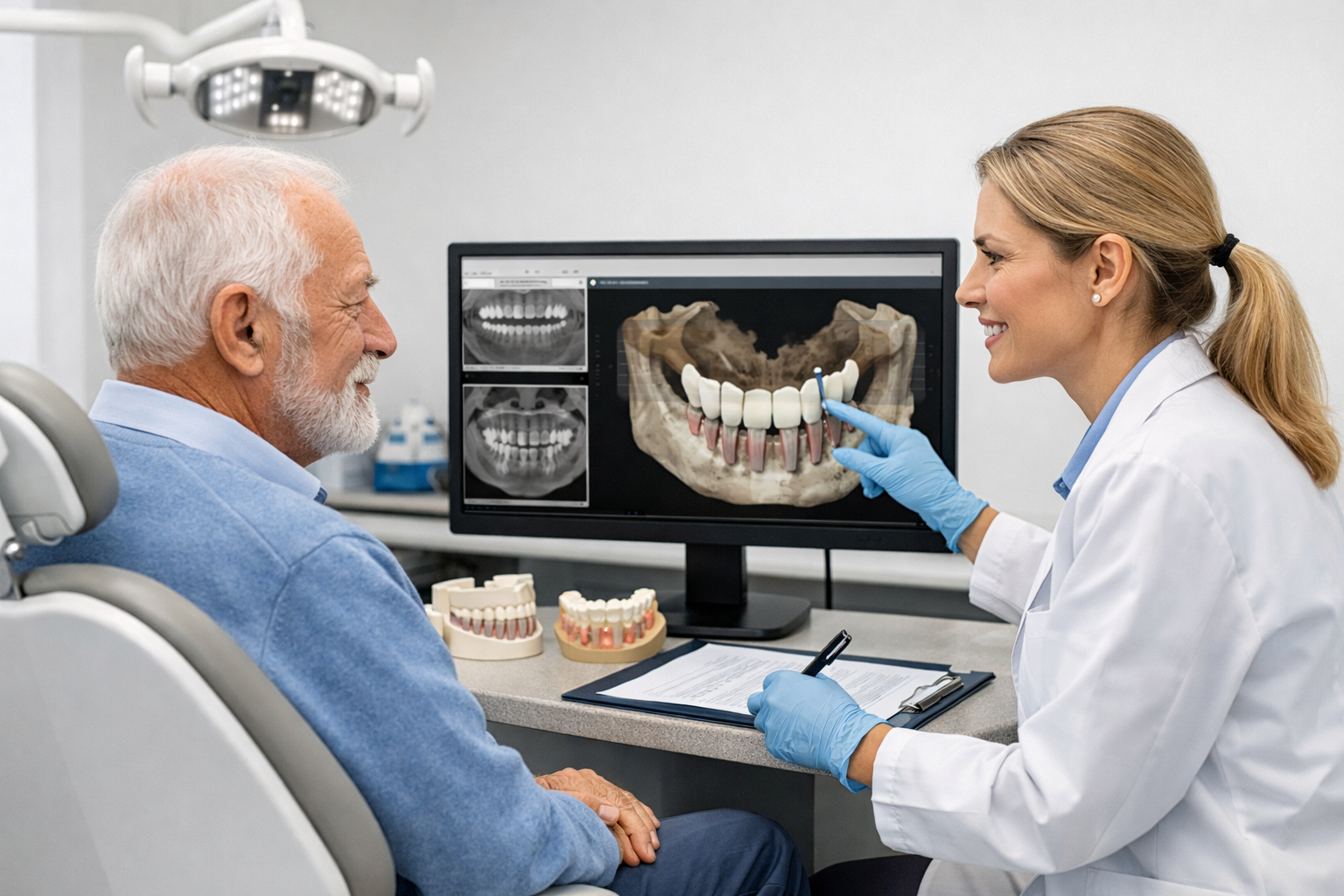
The decision to undergo dental implant surgery as a senior is an investment in your oral health, overall well-being, and quality of life. While the senior dental implant healing time may require patience, the rewards of a restored, functional, and aesthetically pleasing smile are immeasurable. Typically spanning 3 to 6 months for complete osseointegration, this timeline can be influenced by individual factors such as bone density, general health, lifestyle choices, and diligent post-operative care.
It is clear that age is not a barrier to successful dental implants. Instead, proactive engagement in your health, strict adherence to your dentist’s instructions, and open communication with your dental team are the true determinants of a smooth and efficient healing journey. By understanding the intricate process of osseointegration, preparing adequately before surgery, and committing to meticulous aftercare, seniors can optimize their recovery and look forward to enjoying the lasting benefits of their new teeth.
Actionable Next Steps:
- Consult a Specialist: If you are considering dental implants, schedule a thorough consultation with an experienced implant dentist to assess your suitability and discuss a personalized treatment plan. A great place to start is by exploring clinics specializing in dental implants Dallas, TX.
- Prioritize Health: Work with your medical doctor to ensure any underlying health conditions are well-managed before your procedure.
- Commit to Aftercare: Once your surgery is complete, meticulously follow all post-operative instructions regarding diet, oral hygiene, and activity restrictions.
- Attend Follow-Ups: Do not miss any scheduled follow-up appointments. These are crucial for monitoring your healing progress and addressing any concerns.
- Maintain Oral Hygiene: Commit to excellent long-term oral hygiene to protect your implants and natural teeth for years to come.
With the right approach and professional guidance, seniors can confidently achieve a strong, beautiful, and healthy smile with dental implants in 2026 and beyond.
References
[1] Alsaadi, G., et al. (2020). Impact of systemic diseases on dental implant success rate: A systematic review. Journal of Oral Biology and Craniofacial Research, 10(4), 513-520.
[2] Chrcanovic, B. R., et al. (2015). Smoking and dental implants: a systematic review and meta-analysis. Journal of the American Dental Association, 146(12), 920-929.
[3] Ata-Ali, J., et al. (2014). Clinical and radiographic success of dental implants in patients with diabetes mellitus: A systematic review. Medicina Oral, Patología Oral y Cirugía Bucal, 19(5), e447-e452.
[4] Meijer, H. J. A., et al. (2014). The effect of smoking on dental implant longevity. Clinical Oral Implants Research, 25(1), 1-13.
[5] Brånemark, P. I., et al. (1977). Osseointegrated implants in the treatment of the edentulous jaw. Experience from a 10-year period. Scandinavian Journal of Plastic and Reconstructive Surgery. Supplementum, 16, 1-132.
Senior Dental Implant Healing Time Calculator (2026)
Estimate your dental implant healing time based on key factors. Remember, this is an estimate; consult your dental professional for precise information.
Estimated Senior Dental Implant Healing Time:
*This calculator provides an estimate. Your actual healing time may vary. Always follow your dental professional’s advice.
Leave a Reply
Share your thoughts or ask a question about dental implants. Your email address will not be published.