

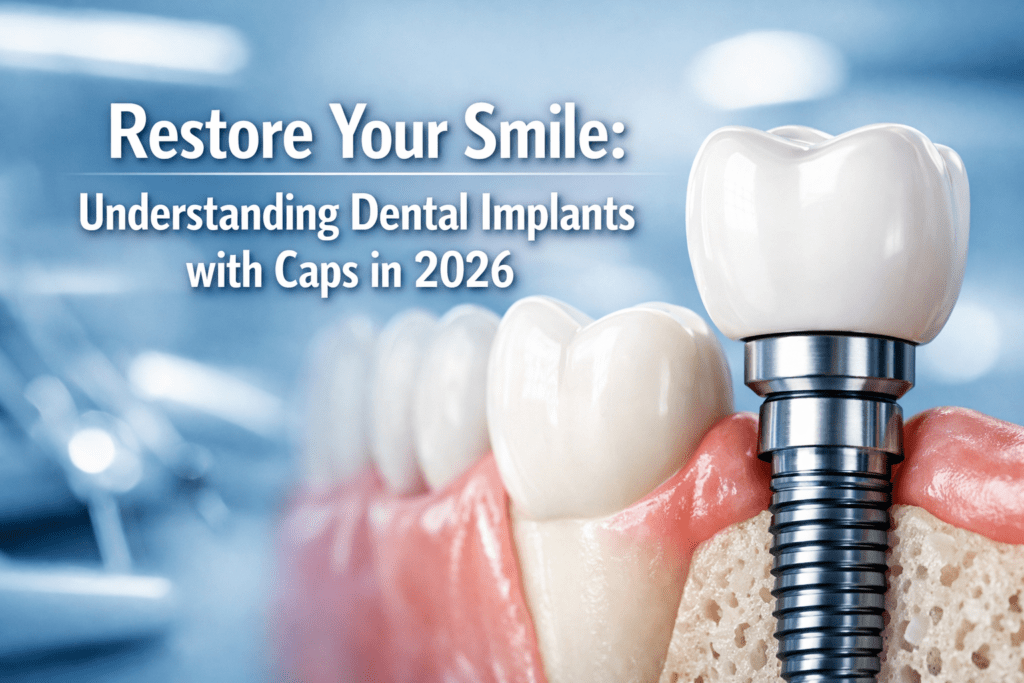
Losing a tooth can be a profoundly disruptive experience, impacting everything from your ability to chew comfortably to your self-confidence when smiling. For many, this challenge often leads to a search for the most effective and durable tooth replacement solutions. In 2026, one of the most advanced and highly recommended options available is the dental implant with cap, often referred to as a dental implant crown. This innovative solution offers a permanent and aesthetically pleasing way to restore missing teeth, providing both functional stability and a natural appearance. But what exactly does this procedure entail, and why has it become the gold standard for tooth replacement? Join me as we explore every facet of this remarkable dental technology.
Key Takeaways
- Permanent Solution: A dental implant with cap provides a long-lasting, durable replacement for missing teeth, designed to function and look like natural teeth.
- Three Key Components: The system consists of an implant post (titanium screw), an abutment (connector), and a dental crown or cap (the visible tooth).
- Osseointegration is Crucial: The success of the implant relies on osseointegration, where the titanium post fuses directly with the jawbone.
- Excellent Aesthetics & Function: Modern caps are custom-made to match existing teeth, offering superior chewing ability and a natural smile.
- Requires Good Oral Hygiene: Long-term success of a dental implant with cap depends on consistent and thorough oral care, much like natural teeth.
Understanding the Anatomy of a Dental Implant with Cap
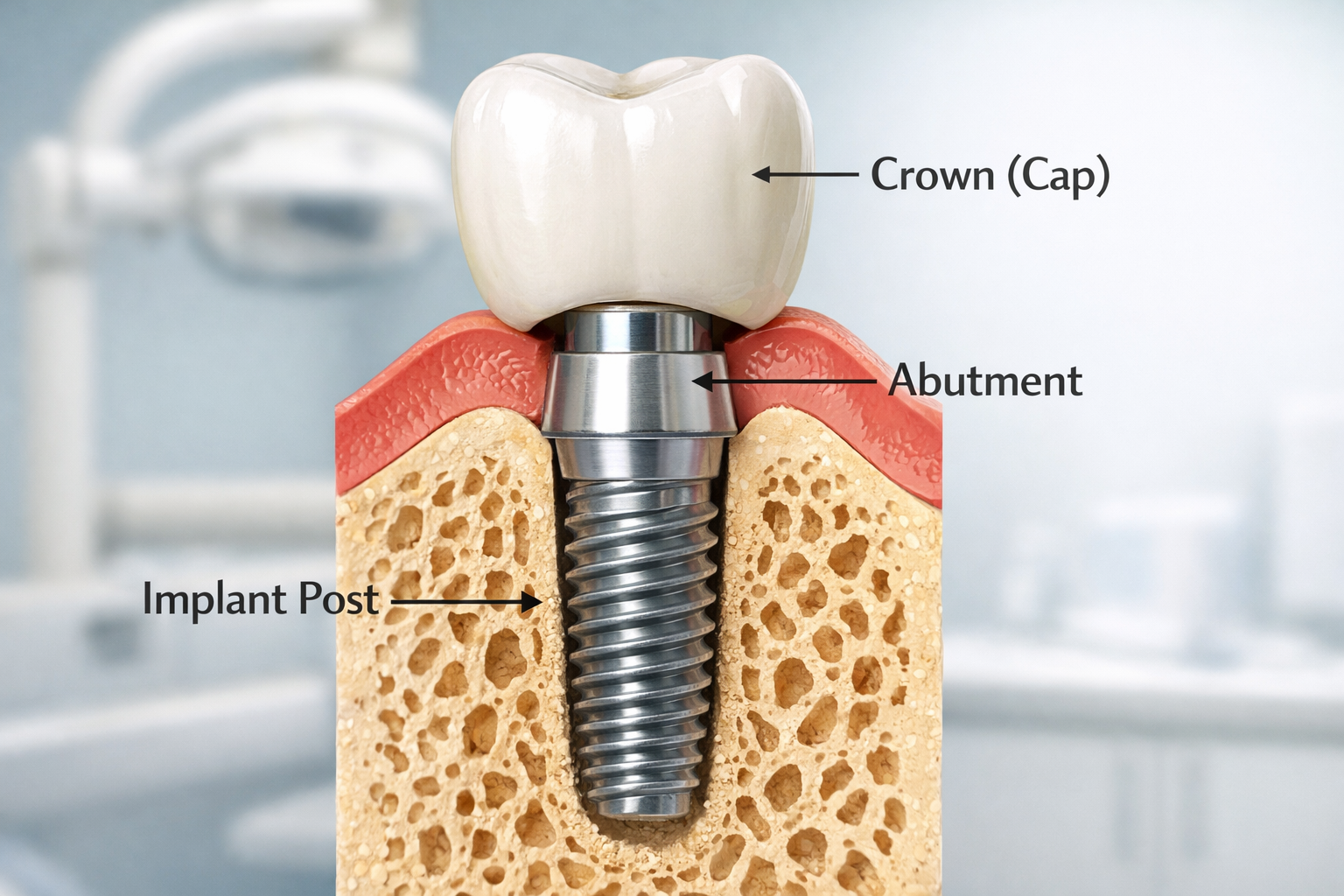
At its core, a dental implant with cap is a sophisticated three-part system designed to replicate the entire structure of a natural tooth, from root to crown. Understanding each component is key to appreciating its effectiveness.
The Implant Post (The Root)
The journey begins with the implant post. This small, screw-shaped device, typically made of biocompatible titanium, is surgically placed into the jawbone where the tooth is missing. Titanium is chosen for its remarkable ability to fuse directly with bone tissue in a process called osseointegration [1]. This fusion creates a strong, stable foundation, much like a natural tooth root.
The Abutment (The Connector)
Once the implant post has successfully integrated with the jawbone (which can take several months), a small connector piece called an abutment is attached to it. The abutment extends above the gum line and serves as the bridge between the implant post and the final restoration – the cap or crown. The selection and placement of the abutment are crucial for the proper fit and aesthetic outcome of the dental implant with cap. You can learn more about this vital step here: complete guide to the dental implant abutment procedure.
The Dental Crown (The Cap)
The “cap” in a dental implant with cap is the visible part of the tooth replacement, also known as a dental crown. This custom-made prosthetic tooth is designed to perfectly match the color, size, and shape of your natural teeth, ensuring a seamless blend with your smile. Crowns can be crafted from various materials, including porcelain, ceramic, or zirconia, each offering distinct advantages in terms of aesthetics and durability. This crown is securely cemented or screwed onto the abutment, completing the restoration. Explore more about implant crowns in our complete guide to dental implant crowns.
Did You Know? 🤔 Dental implants are the only tooth replacement option that stimulates the jawbone, preventing bone loss that often occurs after losing a tooth. This is a significant advantage over dentures or bridges.
The Dental Implant with Cap Procedure: What to Expect
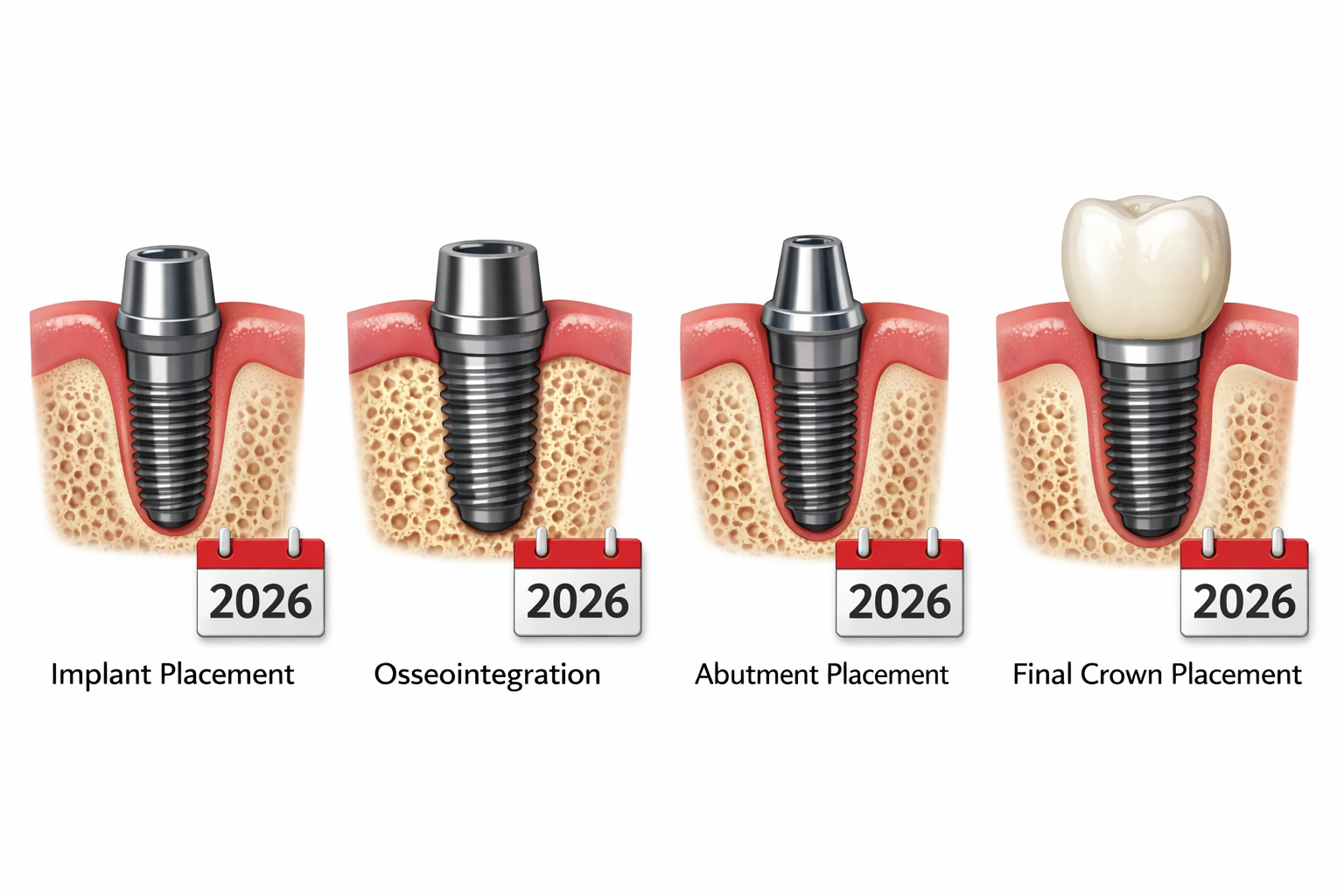
The process of getting a dental implant with cap is a multi-stage journey that requires careful planning and patience. While the exact timeline can vary for each individual, here’s a general overview of what to expect in 2026.
Stage 1: Initial Consultation and Planning 📅
The first step is a thorough dental examination and consultation. Your dentist or oral surgeon will assess your overall oral health, review your medical history, and determine if you are a suitable candidate for dental implants. This stage often involves:
- X-rays and 3D CT Scans: To evaluate bone density and structure.
- Impressions: To create models of your teeth and jaw.
- Treatment Plan Discussion: Outlining the procedure, timeline, and associated costs.
If you have experienced significant bone loss, a bone graft might be necessary before implant placement to ensure sufficient bone to support the implant [2]. Learn more about bone grafts for dental implants.
Stage 2: Implant Placement Surgery 🦷
During this surgical procedure, the titanium implant post is carefully placed into the jawbone beneath the gum tissue. This is typically performed under local anesthesia, though sedation options are available for patient comfort. After the implant is placed, the gum tissue is usually closed over it, and a healing cap may be placed.
“The precision involved in placing a dental implant is paramount. It’s a foundational step that sets the stage for a lifetime of stable, comfortable chewing and a confident smile.”
Stage 3: Osseointegration and Healing ⏳
This is the most critical stage, where the implant post integrates with your jawbone. This natural biological process can take anywhere from 3 to 6 months. During this time, the bone grows around and fuses with the implant surface, providing exceptional stability. While you wait, your dentist might provide a temporary restoration to maintain aesthetics and function. For a detailed timeline of recovery, see our complete dental implant recovery timeline.
Stage 4: Abutment Placement and Crown Fabrication ✨
Once osseointegration is complete, a second minor surgical procedure may be performed to expose the top of the implant and attach the abutment. After the abutment is in place, impressions are taken of your mouth. These impressions are sent to a dental lab where your custom-made dental cap (crown) is meticulously fabricated to match your natural teeth.
Stage 5: Final Crown Placement 🎉
Finally, once your custom cap is ready, your dentist will attach it to the abutment. This usually involves cementing or screwing the crown into place. The dentist will ensure the fit is comfortable, your bite is correct, and the aesthetics are flawless. With your new dental implant with cap, you’re ready to show off your restored smile!
Choosing the Right Cap Material for Your Dental Implant
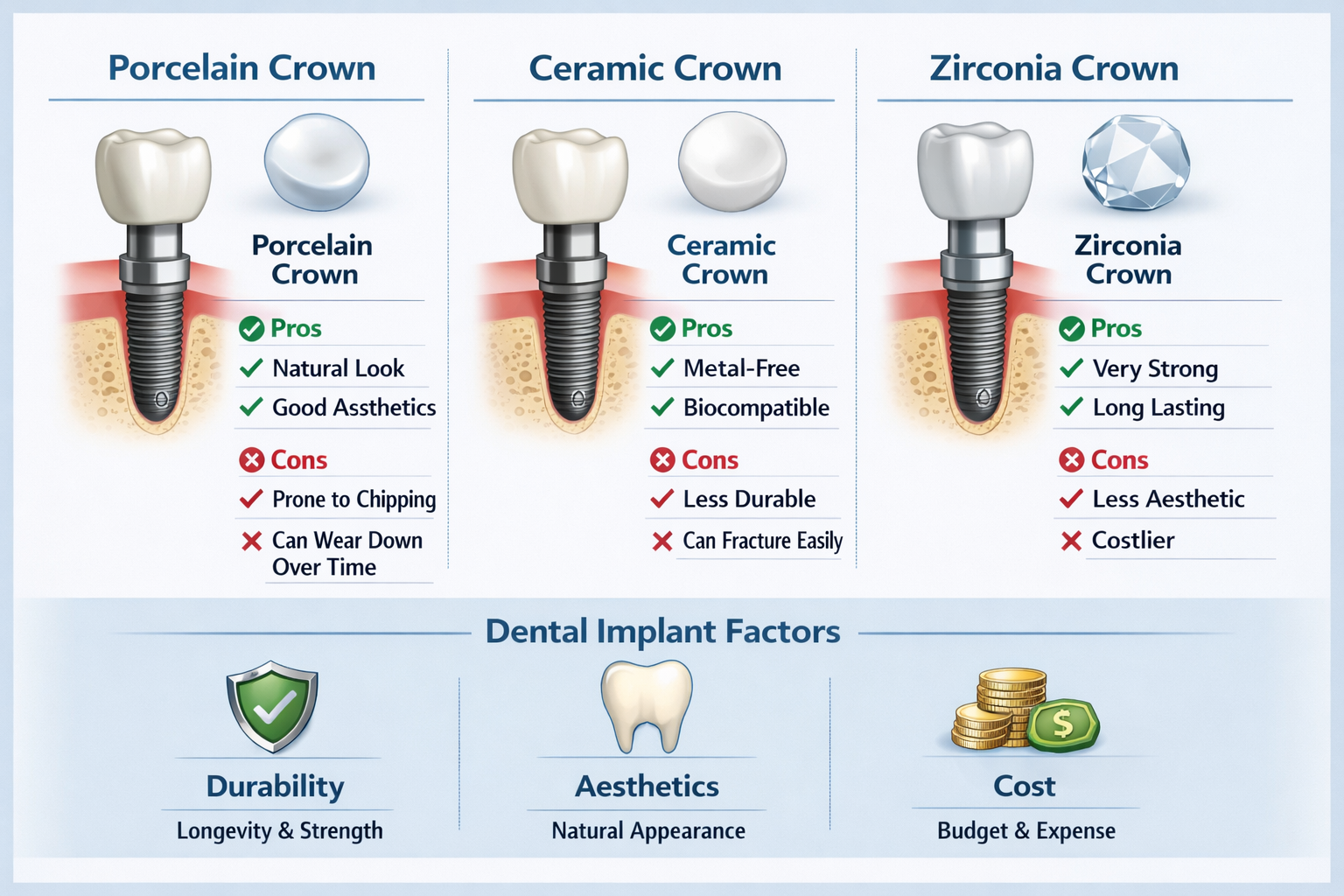
The “cap” or crown is the visible part of your dental implant, and its material choice significantly impacts both aesthetics and durability. When considering a dental implant with cap, your dentist will discuss the best material options for your specific needs.
| Material Type | Pros | Cons | Ideal Use Cases |
|---|---|---|---|
| Porcelain | Excellent aesthetics, highly customizable, natural translucency | Can be prone to chipping or cracking under heavy bite forces, may show wear over time | Front teeth where aesthetics are primary concern |
| Ceramic | Very natural appearance, metal-free, good for allergy sufferers | Slightly less durable than zirconia, can be more expensive than porcelain | Aesthetic zones, patients with metal sensitivities |
| Zirconia | Exceptional strength and durability, highly resistant to wear and fracture, good aesthetics | Can be harder to adjust, may be more opaque than pure porcelain, potentially abrasive to opposing teeth | Back teeth (molars), patients with strong bite forces |
| Porcelain Fused to Metal (PFM) | Strong and durable, good aesthetics, cost-effective | Metal base can sometimes show as a dark line at the gum line, less natural translucency than all-ceramic | Anywhere, especially where strength and cost are balanced |
In 2026, advancements in dental materials continue to expand options, with increasing emphasis on biocompatibility and natural aesthetics. Your dentist will guide you based on the implant’s location, your biting forces, and your aesthetic preferences. For example, an abutment-supported porcelain ceramic crown offers a blend of strength and beauty.
Caring for Your Dental Implant with Cap: Longevity and Maintenance
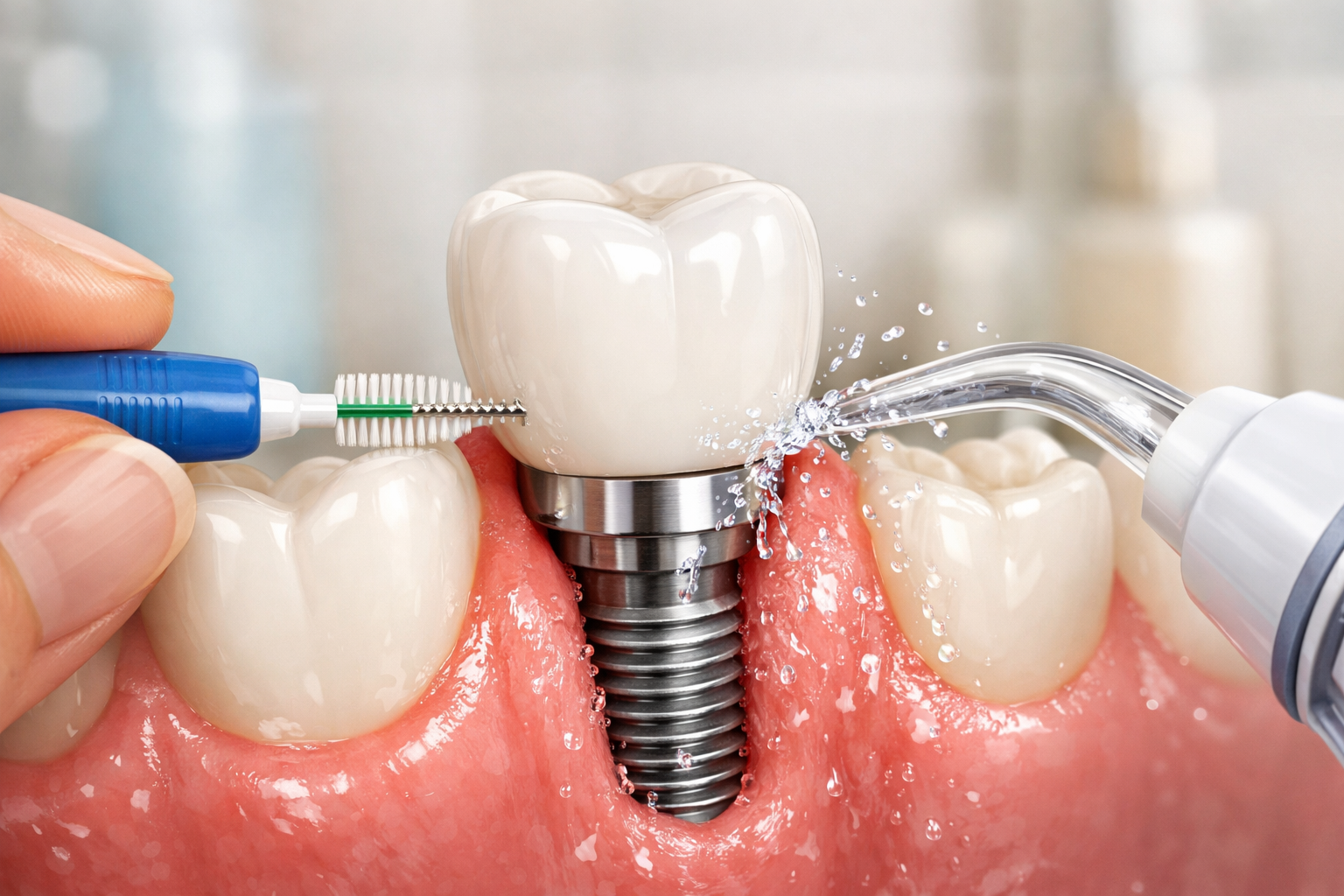
A dental implant with cap is a significant investment in your oral health and smile, and with proper care, it can last for many decades, even a lifetime. Maintaining your implant is similar to caring for your natural teeth, but with a few crucial distinctions.
Daily Oral Hygiene 🧼
- Brushing: Brush your teeth and implant twice daily using a soft-bristled toothbrush and non-abrasive toothpaste. Pay close attention to the area around the gum line of your implant.
- Flossing: Regular flossing is vital to remove plaque and food particles from around your implant. Special implant-specific floss or a water flosser can be highly effective. A water flosser for dental implants is often recommended.
- Mouthwash: Use an antimicrobial mouthwash daily, especially one recommended for dental implants. See our guide on the best mouthwash for dental implants.
Regular Dental Check-ups and Professional Cleanings 🗓️
Even with diligent home care, professional dental cleanings are essential. Your dental hygienist has specialized tools and techniques to clean around implants effectively without damaging them. Regular check-ups, typically every six months, allow your dentist to monitor the health of your implant, surrounding gums, and overall oral health. Early detection of any issues, such as peri-implantitis (gum disease around an implant), is crucial for long-term success.
Lifestyle Factors to Consider 🚭🍎
- Avoid Smoking: Smoking significantly increases the risk of implant failure and complications [3]. Quitting smoking is one of the best things you can do for your implant’s longevity.
- Limit Hard and Sticky Foods: While implants are strong, excessive force on extremely hard foods (like ice, hard candies) or sticky foods can potentially damage the cap or surrounding structures. For insights on diet post-surgery, refer to soft foods after dental implant.
- Manage Bruxism (Teeth Grinding): If you grind or clench your teeth, especially at night, your dentist might recommend a nightguard to protect your implant and natural teeth from excessive forces.
Remember: A well-maintained dental implant with cap can provide superior function and aesthetics for many years. Neglecting oral hygiene can lead to complications similar to those affecting natural teeth.
Investment in Your Smile: Cost and Financing for a Dental Implant with Cap
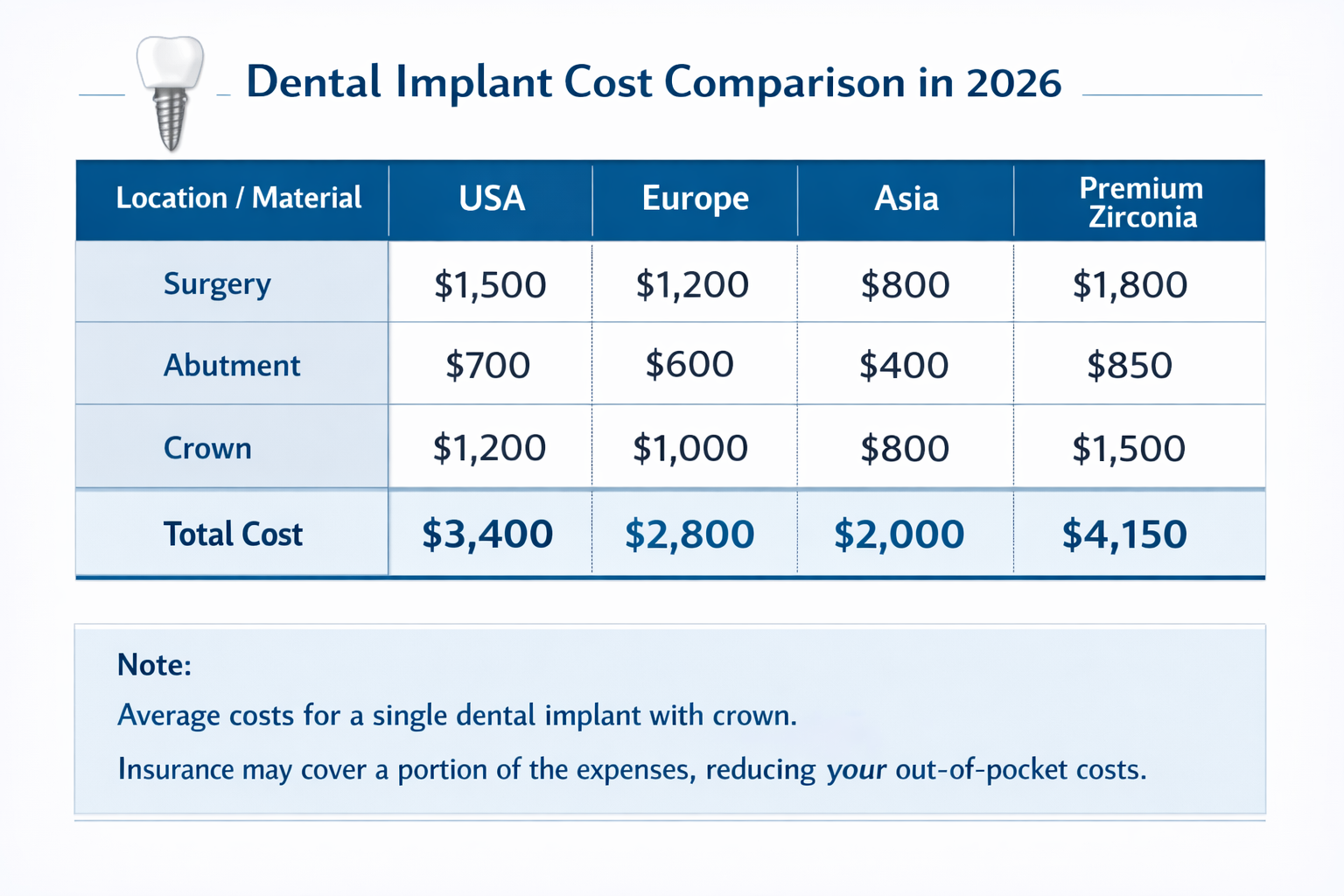
Understanding the financial aspect of a dental implant with cap is a crucial part of the decision-making process. The cost can vary significantly based on several factors, but it’s important to view this as a long-term investment in your health and quality of life.
Factors Influencing Cost 💰
- Number of Implants: A single implant will cost less than multiple implants or full-arch solutions like all-on-4 dental implants.
- Location of the Missing Tooth: Front teeth may require more aesthetic considerations, potentially influencing material choices and cost.
- Material of the Crown (Cap): As discussed, porcelain, ceramic, zirconia, or PFM crowns have different price points.
- Additional Procedures: Bone grafting, sinus lifts, or tooth extractions performed prior to implant placement will add to the overall cost. For instance, the cost of 2 dental implants with bone grafting will be higher.
- Dentist’s Experience and Location: Highly experienced specialists and practices in major metropolitan areas (like Dallas, TX, where you can find affordable dental implants Dallas TX) may have different fee structures.
- Diagnostic Imaging: X-rays and 3D CT scans are necessary for planning and are typically part of the overall cost.
Average Cost Ranges (as of 2026) 📊
While it’s difficult to give exact figures without a personalized consultation, a single dental implant with cap in 2026 typically ranges from $3,000 to $6,000. This often includes the implant post, abutment, and crown. Additional procedures like bone grafts can add $500 to $2,500 per site.
Cost Breakdown Example for a Single Dental Implant with Cap (2026 Estimate):
| Component/Procedure | Estimated Cost Range |
|---|---|
| Implant Post Placement | $1,500 – $3,000 |
| Abutment | $500 – $1,000 |
| Dental Crown (Cap) | $1,000 – $2,000 |
| Total (excluding grafts) | $3,000 – $6,000 |
| Optional: Bone Grafting | $500 – $2,500 |
| Optional: Extraction | $75 – $300 |
Financing and Insurance Options 💳
Many dental insurance plans offer some coverage for dental implants, although the extent varies widely. It’s crucial to check with your insurance provider to understand your specific benefits. Many dental practices also offer:
- Payment Plans: In-house financing options to spread the cost over several months.
- Third-Party Financing: Healthcare-specific credit cards or loans (e.g., CareCredit).
- Dental Savings Plans: Membership programs that offer discounts on various dental procedures.
Don’t let the initial cost deter you. Discuss all financial options with your dental office. They can help you navigate insurance claims and explore financing to make your new dental implant with cap affordable. For more on financing, check out best dental implant financing.
Conclusion
A dental implant with cap represents the pinnacle of modern dentistry for replacing missing teeth. By replicating the entire structure of a natural tooth, it offers unparalleled stability, functionality, and aesthetic appeal. In 2026, with continuous advancements in materials and techniques, getting a dental implant is a safer, more predictable, and more comfortable experience than ever before. From the initial implant placement to the final placement of your custom-made crown, each stage is meticulously planned and executed to ensure a durable and natural-looking result.
Choosing a dental implant with cap is an investment in your oral health, overall well-being, and confidence. While the process requires patience and commitment to oral hygiene, the long-term benefits – a restored ability to chew, speak, and smile without hesitation – are truly life-changing. If you are considering this transformative solution, I encourage you to seek a comprehensive consultation with an experienced dental professional. They can assess your individual needs, discuss your options, and help you embark on the path to a fully restored and vibrant smile.
Actionable Next Steps:
- Schedule a Consultation: Contact a qualified dental implant specialist or oral surgeon to discuss if a dental implant with cap is right for you.
- Ask Questions: Prepare a list of questions regarding the procedure, timeline, materials, and maintenance.
- Review Financing Options: Discuss insurance coverage and financing plans with your dental practice.
- Commit to Oral Hygiene: Understand that excellent daily oral hygiene is crucial for the long-term success of your implant.
References
[1] Branemark, P. I., et al. “Osseointegrated implants in the treatment of the edentulous jaw. Experience from a 10-year period.” Scandinavian Journal of Plastic and Reconstructive Surgery. Supplementum, 1977, 16(Suppl), 1-132.
[2] Nkenke, E., & Neukam, F. W. “Autogenous bone harvesting and grafting in oral and maxillofacial surgery: a systematic review of the literature.” International Journal of Oral and Maxillofacial Surgery, 2004, 33(3), 220-229.
[3] Moy, P. K., et al. “Factors affecting the survival of dental implants: the effect of bone grafting in the sinus lift procedure.” International Journal of Oral & Maxillofacial Implants, 1998, 13(4), 496-505.
Leave a Reply
Share your thoughts or ask a question about dental implants. Your email address will not be published.