

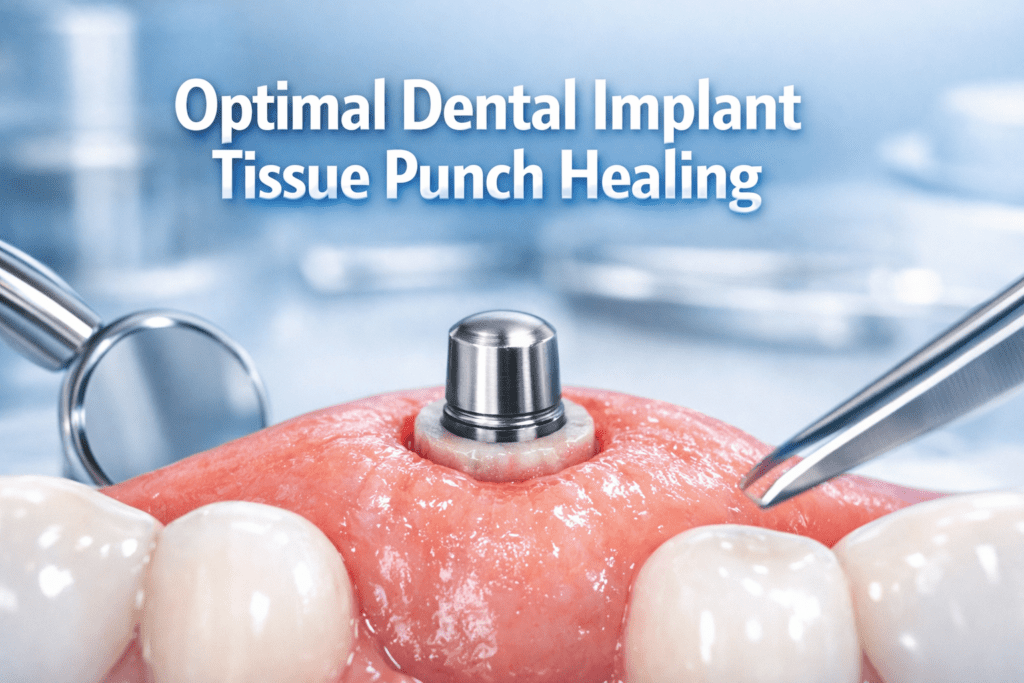
Embarking on the journey of dental implant placement is a significant step towards restoring oral health and confidence. While the surgical placement of the implant itself is crucial, the subsequent healing phases, particularly concerning the soft tissues, are equally vital for long-term success. Among the various techniques used, the dental implant tissue punch technique stands out for its minimally invasive nature. Understanding the nuances of dental implant tissue punch healing is paramount for both patients and clinicians to ensure a smooth recovery and optimal aesthetic and functional outcomes. This article delves deep into the biological processes, practical considerations, and expert advice surrounding this critical healing phase.
Key Takeaways
- The dental implant tissue punch technique offers a minimally invasive approach for uncovering implants, leading to faster initial healing.
- Understanding the stages of soft tissue healing—inflammation, proliferation, and maturation—is crucial for predicting recovery.
- Proper post-operative care, including oral hygiene, dietary modifications, and avoiding harmful habits, significantly impacts healing outcomes.
- Potential complications, though rare, can arise and require prompt professional intervention.
- Following your dentist’s specific instructions and attending follow-up appointments are essential for successful dental implant tissue punch healing.
Understanding the Dental Implant Tissue Punch Technique
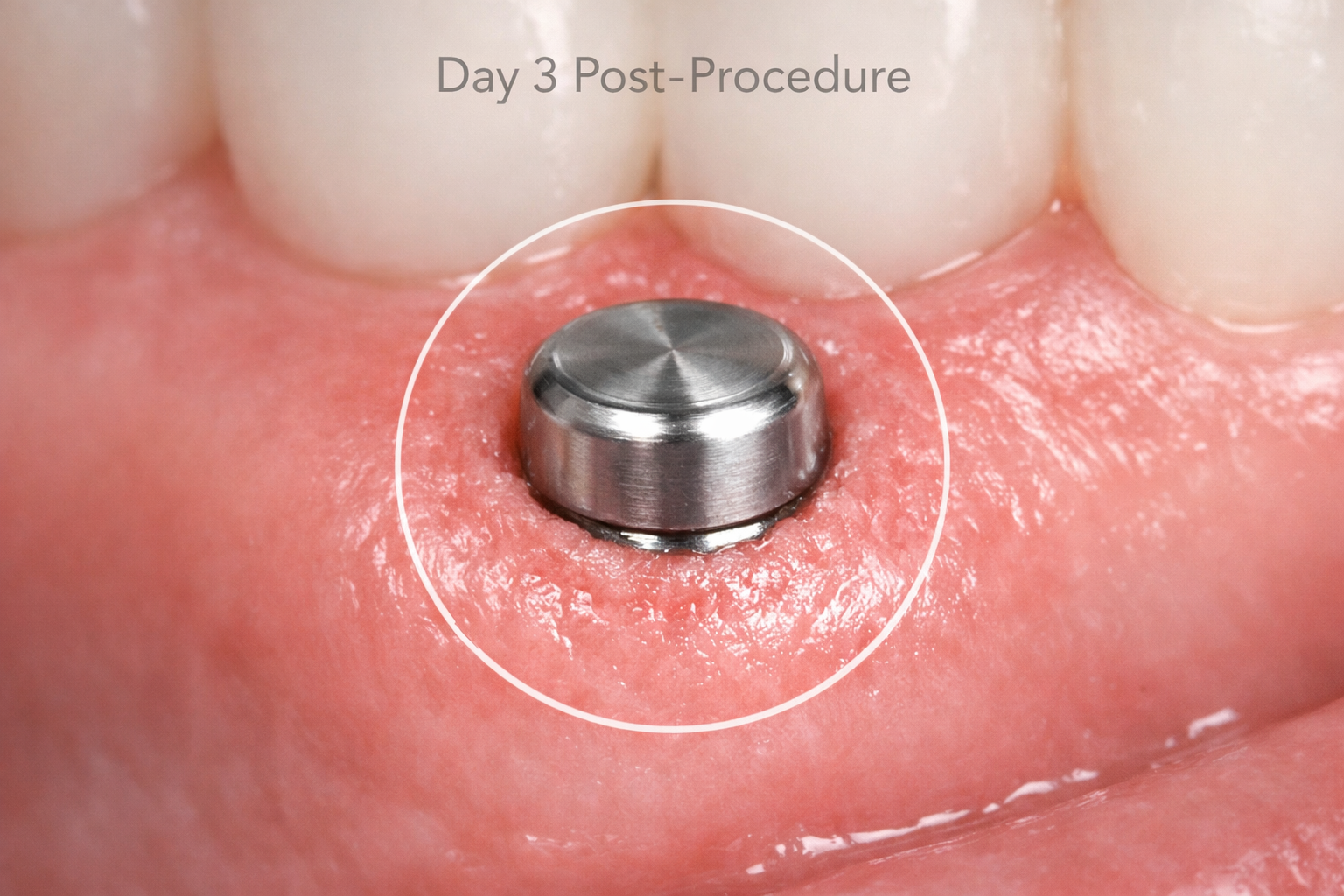
The dental implant tissue punch procedure is typically performed during the second stage of dental implant surgery, or in a single-stage protocol where the implant is left to heal submerged initially. After the dental implant has integrated with the bone (osseointegration), it needs to be uncovered to attach a healing abutment or definitive crown. Traditionally, this involved making an incision with a scalpel and sometimes reflecting a flap of gum tissue. However, the tissue punch method offers a less invasive alternative.
With a tissue punch, a small, circular instrument is used to remove a precise disc of gum tissue directly over the buried implant. This creates a clean opening through which the implant’s cover screw can be removed and a healing abutment attached. This method is often preferred when there is sufficient attached gingiva and good keratinized tissue quality, as it minimizes surgical trauma, reduces bleeding, and often results in a faster and more comfortable recovery compared to flap surgery.
Why Choose the Tissue Punch Method?
The advantages of the tissue punch technique are notable:
- Minimally Invasive: Less tissue manipulation means less post-operative swelling and discomfort.
- Reduced Bleeding: The precise cut often leads to less bleeding during and after the procedure.
- Faster Initial Healing: With less trauma, the soft tissues can recover more quickly.
- Preservation of Keratinized Tissue: This technique can often preserve valuable keratinized gingiva around the implant, which is beneficial for long-term gum health and aesthetics [1].
- Predictable Aesthetics: When executed properly, it can contribute to a natural-looking gum contour around the final restoration.
The Role of the Healing Abutment
Once the tissue punch is performed, a healing abutment is typically placed. This component extends through the gum tissue, allowing the surrounding soft tissue to heal and contour naturally around it. It acts as a guide, shaping the gum tissue to create an emergence profile that will ideally match the eventual dental crown. The proper placement and selection of the healing abutment are critical for optimal dental implant tissue punch healing and the subsequent aesthetic outcome. You can learn more about this crucial step in the overall process by visiting our detailed guide on abutment placement.
The Biological Process of Dental Implant Tissue Punch Healing
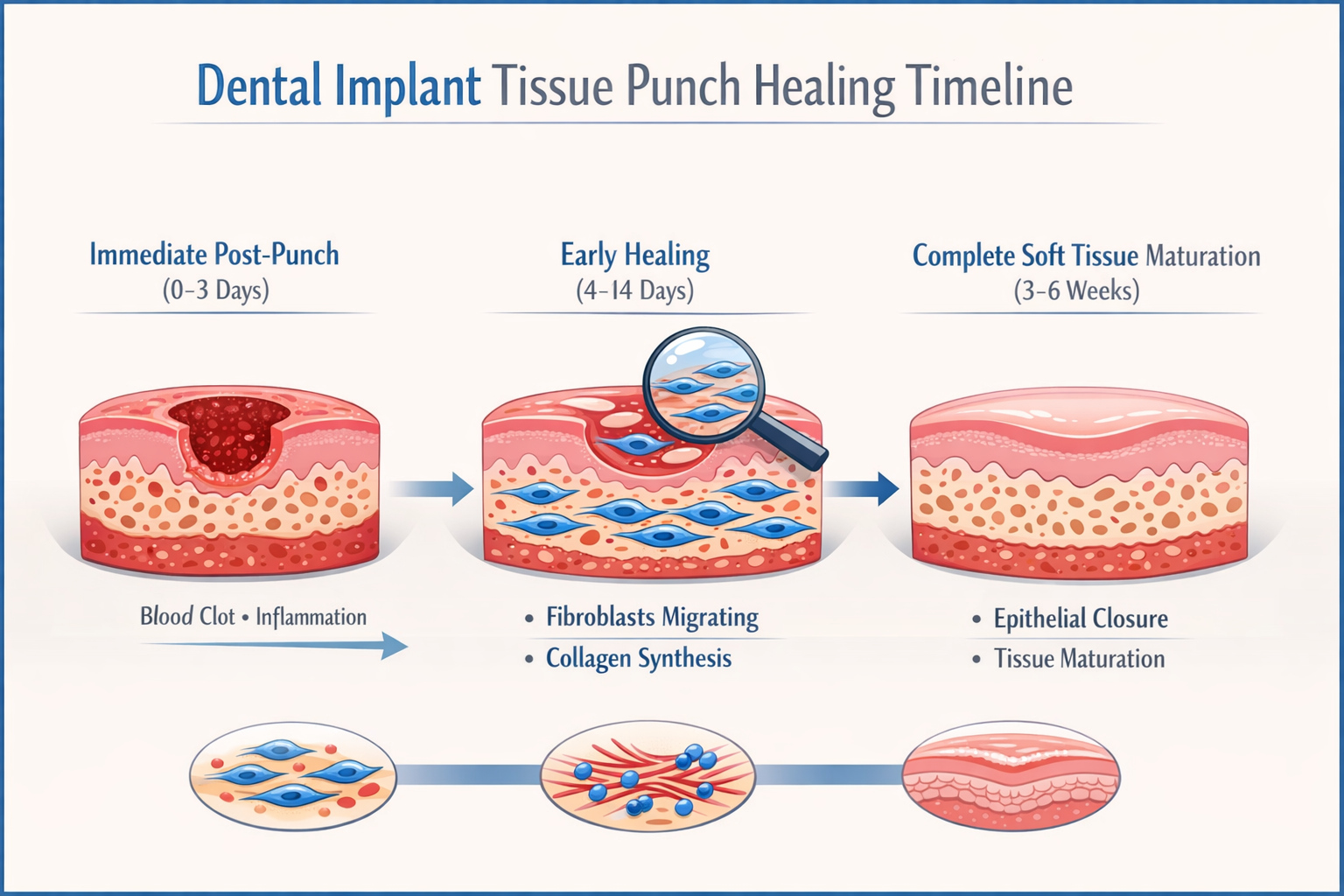
Understanding how the body heals after a tissue punch is key to appreciating the post-operative care instructions. The healing process is a complex, coordinated series of biological events designed to repair and regenerate damaged tissues. For soft tissues around a dental implant, this generally follows three overlapping phases [2]:
Inflammatory Phase (Days 0-3):
- What happens: Immediately after the punch, blood clots form, sealing the wound. Immune cells (neutrophils, macrophages) migrate to the site to clean up debris and fight potential infection. There might be slight swelling, redness, and mild discomfort, which are normal inflammatory responses.
- Patient experience: This is when pain relief might be needed, and careful oral hygiene is crucial.
Proliferative Phase (Days 3-21):
- What happens: Fibroblasts start producing collagen, which is the building block of new connective tissue. Epithelial cells (the cells forming the surface of the gum) begin to migrate and cover the wound site, effectively closing the opening created by the punch. Granulation tissue, a reddish, moist tissue, forms at the wound bed.
- Patient experience: Swelling typically subsides, and discomfort lessens considerably. The tissue around the healing abutment will start to look more intact.
Maturation/Remodeling Phase (Weeks 3-6 and beyond):
- What happens: The newly formed collagen fibers reorganize and strengthen. The granulation tissue matures into denser connective tissue. The epithelium fully closes and thickens, adapting to the contours of the healing abutment. This phase continues for several weeks to months, leading to a stable, healthy gum margin around the implant.
- Patient experience: The tissue will appear healthy and pink, firmly adhering to the healing abutment. At this stage, the area is typically ready for the impression-taking process for the final crown.
“Achieving excellent soft tissue integration and contour around a dental implant through careful tissue punch and healing abutment management is just as important as the implant’s osseointegration. It’s the key to a natural-looking and healthy smile.”
Post-Operative Care for Optimal Dental Implant Tissue Punch Healing
Successful dental implant tissue punch healing relies heavily on diligent post-operative care. Your dental professional will provide specific instructions, and adhering to them is crucial. Here are general guidelines:
Immediate Care (First 24-48 Hours)
- Bleeding Control: Minor oozing is normal. Avoid rinsing vigorously, as this can dislodge the blood clot. If bleeding persists, apply gentle pressure with a sterile gauze pad for 20-30 minutes.
- Pain Management: Take prescribed pain medication as directed. Over-the-counter pain relievers like ibuprofen can also be effective.
- Swelling Reduction: Apply an ice pack to the outside of your face in 20-minute intervals (20 minutes on, 20 minutes off) for the first 24-48 hours to minimize swelling.
- Rest: Avoid strenuous activities. Elevate your head when sleeping.
- Diet: Stick to soft foods that don’t require much chewing. Cold foods can be soothing. We have a comprehensive list of 50 soft foods after dental implant surgery that can be very helpful.
Ongoing Care (First Few Weeks)
- Oral Hygiene:
- Gentle Brushing: Carefully brush around the healing abutment with a soft-bristled toothbrush, avoiding direct trauma to the healing tissue.
- Rinsing: After 24 hours, gentle rinsing with a warm salt-water solution (1/2 teaspoon salt in 8 ounces of warm water) 2-3 times a day can aid healing. Your dentist might also prescribe an antimicrobial mouthwash. Ensure you choose the best mouthwash for dental implants if recommended.
- Dietary Restrictions: Continue with a soft or liquid diet for a few days, gradually reintroducing firmer foods as comfort allows. Avoid chewing directly on the implant site.
- Avoid Smoking and Alcohol: Both smoking and alcohol can significantly impair healing and increase the risk of complications. Abstinence is strongly recommended during the healing period. You can find more information about alcohol after dental implant surgery here.
- Avoid Disturbing the Site: Do not poke or prod the healing abutment or surrounding tissue with your tongue or fingers.
- Medication Adherence: Take any prescribed antibiotics or anti-inflammatory medications as directed.
Long-Term Care
Once the soft tissues have healed, maintaining excellent oral hygiene is vital for the long-term success of your dental implant. This includes regular brushing, flossing (or using interdental brushes/water flosser specifically designed for implants), and routine dental check-ups and cleanings. For more in-depth information on comprehensive care, our guide to dental implant aftercare instructions offers valuable advice.
Potential Complications and When to Seek Help
While dental implant tissue punch healing is generally straightforward, it’s important to be aware of potential complications. Prompt identification and treatment can prevent more serious issues.
| Symptom | Possible Complication | When to Seek Help |
|---|---|---|
| Excessive Bleeding | Dislodged blood clot, vessel damage | If bleeding is heavy and continuous, soaking through multiple gauze pads. |
| Severe or Worsening Pain | Infection, nerve irritation, trauma | If pain is not controlled by medication or worsens after a few days. |
| Persistent Swelling/Redness | Infection, inflammatory reaction | If swelling increases after 48 hours or is accompanied by pus. |
| Pus Discharge | Infection (peri-implantitis) | Immediately. This is a clear sign of infection. |
| Fever | Systemic infection | If accompanied by other signs of infection. |
| Loose Healing Abutment | Abutment detachment | Contact your dentist; it needs to be re-tightened or replaced. |
| Unusual Odor/Taste | Infection | If persistent, could indicate an issue at the implant site. |
If you experience any of these symptoms or have concerns about your healing, do not hesitate to contact your dental professional at https://dentalimplantsdallastx.com/contact-us/ immediately. Early intervention is crucial for managing complications and ensuring the overall success of your dental implant.
Factors Influencing Dental Implant Tissue Punch Healing
Several factors can impact the speed and quality of dental implant tissue punch healing:
- Overall Health: Systemic conditions like uncontrolled diabetes or autoimmune diseases can impair wound healing.
- Smoking: Tobacco significantly reduces blood flow, impairs immune function, and delays healing.
- Oral Hygiene: Poor oral hygiene allows bacteria to proliferate, increasing the risk of infection.
- Nutrition: A diet rich in vitamins (especially C and K), minerals (zinc), and protein supports tissue repair.
- Medications: Certain medications (e.g., corticosteroids, some bisphosphonates) can affect healing. Always inform your dentist about all medications you are taking.
- Quality of Soft Tissue: The presence of adequate keratinized gingiva around the implant site contributes to more robust healing and long-term stability.
- Surgical Technique: A gentle and precise tissue punch technique minimizes trauma and promotes faster healing.
By understanding and managing these factors, patients and clinicians can work together to optimize the healing environment and achieve the best possible outcomes for dental implants.
The Journey from Healing to Restoration
Once the soft tissue around the healing abutment has matured, typically after 3-6 weeks, the next phase begins: preparing for the final restoration. This usually involves:
- Healing Abutment Removal: The healing abutment is carefully removed.
- Impression Taking: An impression (either traditional or digital) is taken of the implant and the surrounding gum tissue. This impression guides the dental lab in fabricating a custom abutment and crown.
- Custom Abutment and Crown Fabrication: The dental lab meticulously crafts a custom abutment that perfectly fits the implant and supports the final crown, ensuring optimal aesthetics and function.
- Final Crown Placement: Once the custom abutment and crown are ready, they are placed and secured onto the implant.
This journey, from initial implant placement to the final crown, is a testament to modern dentistry’s ability to restore not just teeth, but quality of life. Detailed information about the complete process can be found in our article on the complete dental implant recovery timeline.
Conclusion
The process of dental implant tissue punch healing is a critical, yet often overlooked, phase in the overall success of dental implant treatment. By employing a minimally invasive technique and understanding the biological stages of soft tissue regeneration, both patients and dental professionals can work collaboratively to ensure optimal recovery. Adhering to meticulous post-operative care instructions, maintaining excellent oral hygiene, and promptly addressing any concerns are paramount for achieving healthy, stable, and aesthetically pleasing results that will last for years to come. Your commitment to proper care is the final, essential ingredient for a successful outcome. Always remember to follow your dental professional’s tailored advice, as every individual’s healing journey is unique.
Actionable Next Steps
- Review Post-Operative Instructions: Ensure you have a clear understanding of your specific post-operative care plan.
- Schedule Follow-Up Appointments: Attend all scheduled follow-up visits with your dentist to monitor healing progress.
- Maintain Exemplary Oral Hygiene: Continue gentle brushing and recommended rinsing to keep the surgical site clean.
- Avoid Risk Factors: Refrain from smoking and excessive alcohol consumption during the healing period.
- Communicate with Your Dentist: If you experience any unusual symptoms or discomfort, contact your dental team promptly at https://dentalimplantsdallastx.com/.
Dental Implant Tissue Punch Healing Tracker
Enter the date of your dental implant tissue punch procedure below. This tool will help you understand your estimated healing stage and provide relevant post-operative tips for optimal **dental implant tissue punch healing**.
Please enter your procedure date to see your healing progress.
Leave a Reply
Share your thoughts or ask a question about dental implants. Your email address will not be published.