

Imagine walking into a dental office feeling anxious about your upcoming implant surgery, only to wake up hours later with your new tooth in place and no memory of discomfort. This isn’t a fantasy—it’s the reality of dental implant with sedation twilight sleep, a revolutionary approach that’s transforming how patients experience tooth replacement procedures.
As someone who has witnessed countless patients transform from dental-phobic individuals to confident smile-wearers, I can tell you that twilight sedation has been a game-changer in modern dentistry. This advanced sedation technique allows patients to receive life-changing dental implants while remaining in a deeply relaxed, semi-conscious state throughout the entire procedure.
Key Takeaways
• Twilight sedation provides deep relaxation during dental implant surgery while maintaining patient safety through continuous monitoring
• Recovery is faster compared to general anesthesia, with most patients returning to normal activities within 24-48 hours
• Anxiety elimination makes complex procedures like All-on-4 dental implants accessible to previously fearful patients
• Memory suppression means patients typically have little to no recollection of the procedure itself
• Professional oversight by trained anesthesiologists ensures optimal safety and comfort throughout treatment
Understanding Dental Implant with Sedation Twilight Sleep
What is Twilight Sedation? 🌙
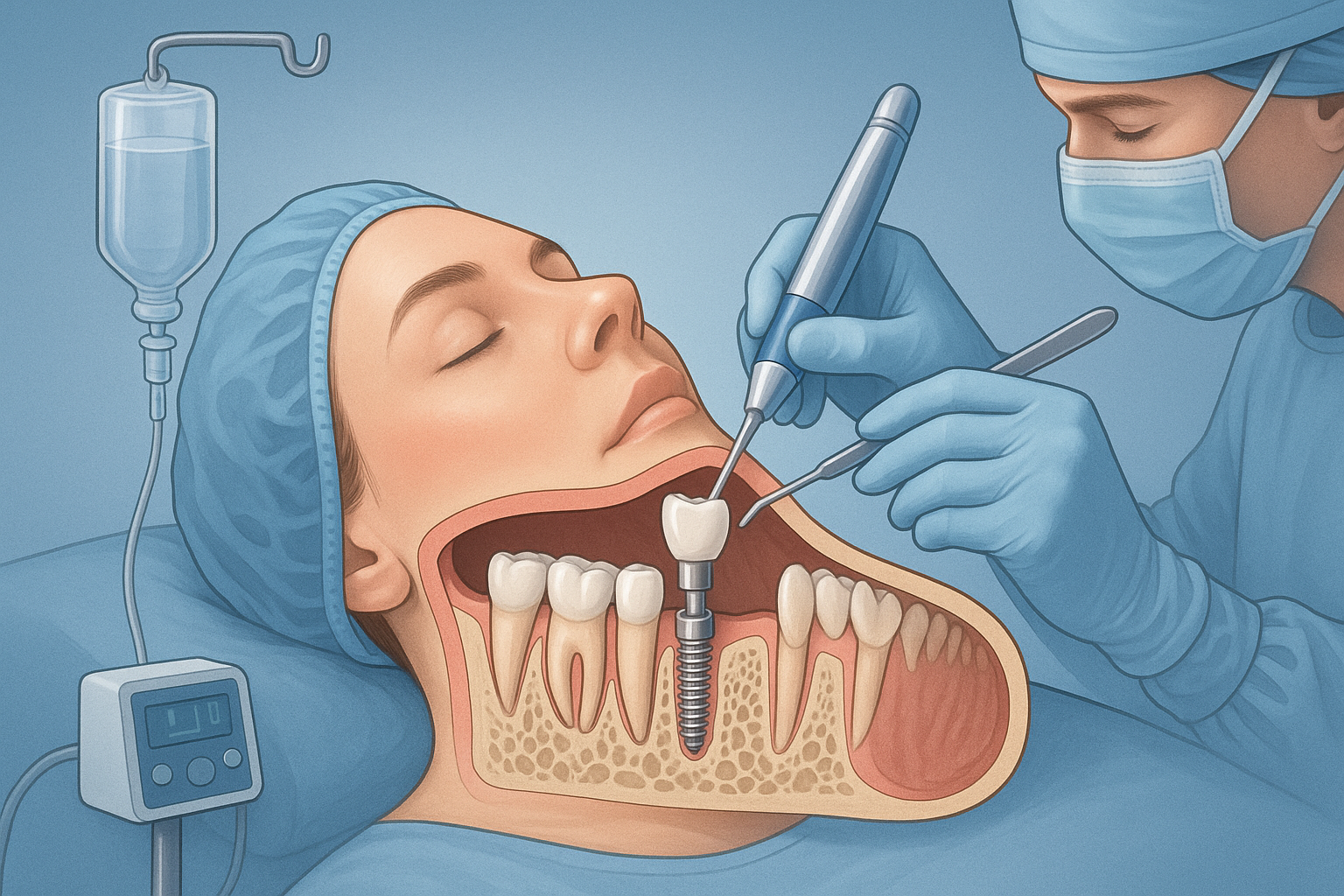
Twilight sedation, medically known as conscious sedation or IV moderate sedation, represents the perfect middle ground between being fully awake and completely unconscious. During a dental implant with sedation twilight sleep, patients receive carefully monitored intravenous medications that induce a state of deep relaxation and drowsiness.
Unlike general anesthesia where patients are completely unconscious, twilight sedation allows you to:
- Respond to verbal commands from your dental team
- Maintain your natural breathing without mechanical assistance
- Experience minimal to no discomfort during the procedure
- Have little memory of the treatment itself
The medications used typically include a combination of:
- Midazolam (for anxiety relief and amnesia)
- Propofol (for deeper sedation)
- Fentanyl (for pain management)
The Science Behind Comfortable Implant Surgery
When we combine dental implant surgery with twilight sedation, we’re addressing both the physical and psychological aspects of treatment. The sedation works on your central nervous system to:
- Reduce anxiety signals in your brain
- Block pain perception at the neurological level
- Create anterograde amnesia (inability to form new memories during the procedure)
- Maintain protective reflexes while suppressing stress responses
This scientific approach means that even complex procedures like bone grafts for dental implants can be performed with maximum patient comfort.
Benefits of Choosing Dental Implant with Sedation Twilight Sleep
Anxiety and Fear Elimination 😌
Dental anxiety affects up to 75% of adults in varying degrees, with many avoiding necessary treatment for years. Twilight sedation breaks this cycle by:
- Eliminating pre-procedure nervousness
- Removing the fear of pain or discomfort
- Creating a positive association with dental care
- Allowing patients to receive comprehensive treatment in fewer visits
“I had been putting off my implant surgery for three years because of fear. With twilight sedation, I woke up feeling like I had just taken a peaceful nap, and my new tooth was already in place. It was life-changing.” – Sarah M., Dallas patient
Enhanced Surgical Precision
When patients are completely relaxed during their dental implant with sedation twilight sleep, surgeons can work with greater precision because:
- Patient movement is minimized or eliminated
- Muscle tension is reduced, improving surgical access
- Longer procedures can be completed without patient fatigue
- Multiple implants can be placed in a single session
This enhanced precision often leads to better outcomes and faster healing times, especially important for procedures like abutment placement.
Faster Recovery and Healing
Contrary to what many patients expect, twilight sedation often promotes faster recovery because:
- Reduced stress hormones during surgery promote better healing
- Less trauma to tissues due to patient cooperation
- Improved post-operative comfort from residual pain management
- Better compliance with post-operative instructions
Most patients find they can resume normal activities within 24-48 hours, much faster than with general anesthesia.
The Complete Procedure: What to Expect
Pre-Procedure Preparation 📋
Preparing for your dental implant with sedation twilight sleep begins several days before your appointment:
One Week Before:
- Complete medical history review
- Pre-operative instructions provided
- Medication adjustments if necessary
- Arrangement for post-procedure transportation
24 Hours Before:
- Stop eating solid foods 8 hours before procedure
- Clear liquids only up to 2 hours before
- Take any prescribed pre-medications
- Confirm transportation arrangements
Day of Procedure:
- Arrive 30 minutes early for preparation
- Change into comfortable clothing
- Remove jewelry, contact lenses, dentures
- Final medical review with anesthesia team
During Your Twilight Sedation Experience
The actual dental implant with sedation twilight sleep procedure follows a carefully orchestrated protocol:
Initial Setup (15-20 minutes):
- IV line placement in your arm or hand
- Monitoring equipment attachment (heart rate, blood pressure, oxygen levels)
- Baseline vital signs recording
- Communication check with patient
Sedation Induction (5-10 minutes):
- Gradual medication administration
- Continuous monitoring of sedation depth
- Patient comfort assessment
- Surgical site preparation
Implant Placement (30-90 minutes depending on complexity):
- Local anesthetic injection (you won’t feel this)
- Precise implant site preparation
- Implant placement and positioning
- Healing cap or temporary restoration if appropriate
Recovery Initiation (10-15 minutes):
- Gradual reduction of sedation medications
- Continued monitoring as you wake up
- Initial post-operative instructions
- Preparation for discharge
Post-Procedure Recovery and Care
Recovery from dental implant with sedation twilight sleep is typically smooth and manageable:
First 2-4 Hours:
- Remain in recovery area under supervision
- Gradual return to full consciousness
- Initial pain management if needed
- Discharge when fully alert and stable
First 24 Hours:
- Rest at home with responsible adult supervision
- Follow soft food diet recommendations
- Take prescribed medications as directed
- Apply ice packs to reduce swelling
Days 2-7:
- Gradually increase activity levels
- Continue soft diet and proper oral hygiene
- Attend follow-up appointments as scheduled
- Monitor for any signs of complications
Safety Considerations and Candidacy
Who is a Good Candidate?
Most patients seeking dental implants can safely receive twilight sedation, but ideal candidates typically:
- Are in good general health
- Have realistic expectations about the procedure
- Experience dental anxiety or fear
- Require multiple implants or complex procedures
- Prefer minimal memory of the treatment
Medical Conditions That May Affect Candidacy
Certain medical conditions require special consideration:
Relative Contraindications:
- Severe heart disease
- Uncontrolled diabetes
- Sleep apnea (may require special protocols)
- Pregnancy
- Certain medications that interact with sedatives
Absolute Contraindications:
- Allergy to sedation medications
- Severe respiratory compromise
- Inability to maintain airway independently
- Certain psychiatric conditions
Your dental team will conduct a thorough medical evaluation to ensure twilight sedation is safe for your specific situation.
Monitoring and Safety Protocols
During your dental implant with sedation twilight sleep, continuous monitoring includes:
| Parameter | Monitoring Method | Normal Range |
|---|---|---|
| Heart Rate | ECG monitoring | 60-100 bpm |
| Blood Pressure | Automated cuff | <140/90 mmHg |
| Oxygen Saturation | Pulse oximetry | >95% |
| Respiratory Rate | Visual/capnography | 12-20 breaths/min |
| Consciousness Level | Verbal response | Appropriate sedation depth |
Cost Considerations and Insurance Coverage
Understanding the Investment
The cost of dental implant with sedation twilight sleep varies based on several factors:
Sedation-Related Costs:
- Anesthesiologist fees: $300-$600
- Monitoring equipment: $100-$200
- Extended procedure time: $200-$400
- Recovery facility use: $100-$300
Total Procedure Costs:
- Single implant with sedation: $3,500-$5,500
- Multiple implants: $8,000-$15,000
- All-on-4 with sedation: $15,000-$25,000
Insurance and Financing Options
Many patients are surprised to learn about available financial assistance:
Insurance Coverage:
- Medical insurance may cover sedation for anxiety disorders
- Dental insurance typically covers portion of implant costs
- FSA/HSA accounts can be used for both implant and sedation costs
Financing Solutions:
- In-house payment plans
- Third-party financing (CareCredit, Lending Club)
- Extended payment terms with low or no interest
- Package deals for multiple procedures
For the most current pricing information, visit our affordable dental implants page.
Comparing Sedation Options for Dental Implants
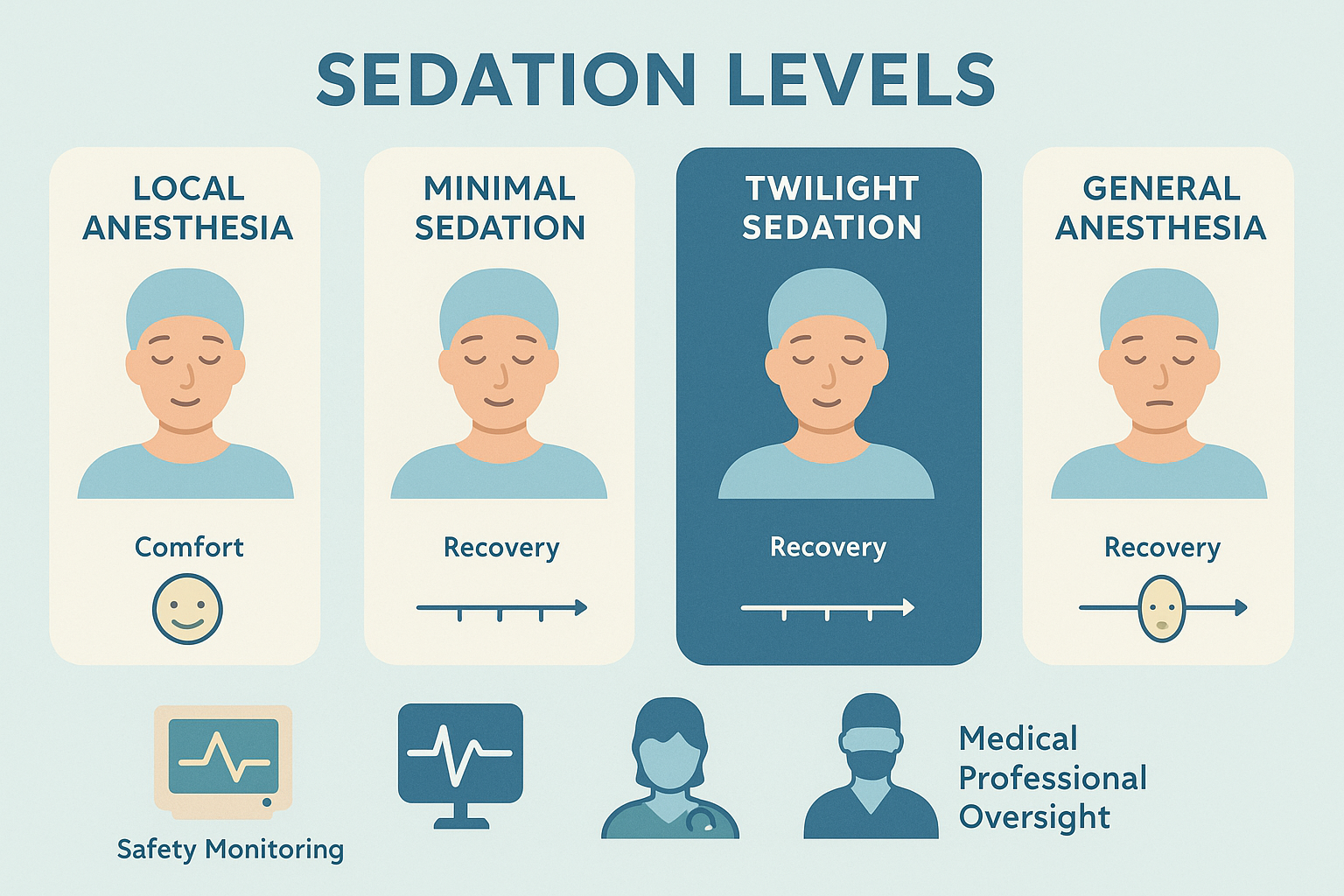
Compare Dental Sedation Options
Local Anesthesia Only
Traditional numbing injection with no additional sedation. Patient remains fully conscious and aware.
Pros
- Most affordable option
- No recovery time needed
- Can drive yourself home
- Minimal side effects
Cons
- Full awareness of procedure
- May cause anxiety
- Not suitable for dental phobia
- Limited for complex procedures
Nitrous Oxide (Laughing Gas)
Mild sedation through inhaled gas that creates relaxation while maintaining consciousness.
Pros
- Quick recovery
- Adjustable sedation level
- Safe for most patients
- Can drive after recovery
Cons
- Mild sedation only
- May not work for severe anxiety
- Some patients feel nauseous
- Not suitable for nasal congestion
Twilight Sedation (IV Conscious Sedation)
Deep relaxation through IV medications while maintaining breathing and protective reflexes.
Pros
- Eliminates anxiety and fear
- No memory of procedure
- Maintains natural breathing
- Perfect for complex procedures
Cons
- Requires escort home
- More expensive
- Longer recovery time
- Requires medical clearance
General Anesthesia
Complete unconsciousness with mechanical breathing support for extensive surgical procedures.
Pros
- Complete unconsciousness
- No awareness whatsoever
- Suitable for extensive surgery
- Maximum patient comfort
Cons
- Highest risk level
- Most expensive option
- Longest recovery time
- Requires hospital setting
Choosing the Right Provider for Your Dental Implant with Sedation Twilight Sleep
Essential Qualifications to Look For
When selecting a provider for your dental implant with sedation twilight sleep, ensure they have:
Dental Surgeon Qualifications:
- Board certification in oral surgery or periodontics
- Extensive implant placement experience (500+ procedures)
- Advanced training in complex cases
- Hospital privileges for emergency situations
Anesthesia Team Credentials:
- Licensed anesthesiologist or CRNA
- ACLS (Advanced Cardiac Life Support) certification
- Sedation-specific continuing education
- Emergency response training
Facility Requirements:
- Accredited surgical facility
- Advanced monitoring equipment
- Emergency protocols and medications
- Recovery area with trained staff
Questions to Ask Your Provider
Before committing to treatment, ask these important questions:
- How many dental implant with sedation twilight sleep procedures do you perform monthly?
- What is your complication rate for both implants and sedation?
- Who will be administering my sedation, and what are their qualifications?
- What emergency protocols do you have in place?
- Can you provide references from recent patients?
For more information about our qualifications and experience, visit our about us page.
Long-term Success and Maintenance
Implant Success Rates with Twilight Sedation
Research shows that dental implant success rates remain consistently high (95-98%) regardless of sedation method used. However, twilight sedation may actually improve outcomes by:
- Reducing surgical stress and inflammation
- Allowing for more precise implant placement
- Improving patient compliance with post-operative care
- Enabling completion of complex procedures in single visits
Caring for Your New Implants
Proper maintenance of your dental implants is crucial for long-term success:
Daily Care Routine:
- Brush twice daily with soft-bristled toothbrush
- Use implant-specific toothpaste
- Floss daily with implant-safe floss
- Rinse with antimicrobial mouthwash
Professional Maintenance:
- Regular dental cleanings every 3-6 months
- Annual implant-specific examinations
- Professional monitoring of healing stages
- Prompt attention to any concerns
Lifestyle Considerations:
- Avoid smoking (significantly impacts implant success)
- Limit alcohol consumption during healing
- Maintain good overall health
- Protect implants from trauma (sports guards if needed)
Addressing Common Concerns and Myths
Myth: “Twilight Sedation is Dangerous”
Reality: When administered by qualified professionals with proper monitoring, twilight sedation has an excellent safety record. The risk of serious complications is less than 0.1% when appropriate protocols are followed.
Myth: “I’ll Be Completely Unconscious”
Reality: Unlike general anesthesia, you maintain your natural breathing and protective reflexes during dental implant with sedation twilight sleep. You can respond to verbal commands but will have little memory of the procedure.
Myth: “Recovery Takes Days”
Reality: Most patients feel normal within 24 hours. While you shouldn’t drive or make important decisions for the remainder of the day, you can typically return to work the next day.
Myth: “It’s Only for Anxious Patients”
Reality: While twilight sedation is excellent for anxious patients, many choose it simply for comfort during longer procedures or when receiving multiple implants.
Conclusion
Dental implant with sedation twilight sleep represents the perfect fusion of advanced surgical techniques and patient comfort technology. This approach has revolutionized implant dentistry by making life-changing treatments accessible to patients who might otherwise avoid necessary care due to anxiety or fear.
The combination of precise implant placement with deep, comfortable sedation offers numerous advantages: elimination of anxiety, no memory of the procedure, faster recovery than general anesthesia, and the ability to complete complex treatments in single visits. With proper patient selection, qualified providers, and appropriate monitoring, twilight sedation provides an exceptionally safe and comfortable experience.
Your Next Steps:
- Schedule a consultation to discuss your specific needs and medical history
- Explore financing options to make treatment affordable
- Review your sedation options with qualified professionals
- Plan your procedure with adequate time for recovery
- Prepare for your new smile and improved quality of life
Don’t let anxiety or fear prevent you from achieving the healthy, beautiful smile you deserve. Modern dental implant with sedation twilight sleep makes comfortable, stress-free tooth replacement a reality for virtually every patient.
Ready to take the first step? Contact our experienced team today to learn how twilight sedation can make your dental implant journey comfortable and successful. Your new smile is waiting, and with twilight sedation, getting there can be as peaceful as a gentle nap.
Leave a Reply
Share your thoughts or ask a question about dental implants. Your email address will not be published.