

Embarking on the journey to a restored smile with dental implants is an exciting step towards improved oral health and confidence. However, the success of your dental implant procedure doesn’t end when you leave the dental chair. The crucial phase of recovery, guided by diligent adherence to dental implant post-operative instructions, plays an unparalleled role in ensuring optimal healing and long-term success. As your trusted guide, I will walk you through every essential step, from managing initial discomfort to maintaining proper oral hygiene, empowering you to navigate your recovery with confidence and achieve the best possible outcome in 2026.
Dental implants are a significant investment in your health and well-being, and understanding the proper aftercare is paramount. These instructions are designed to minimize complications, promote swift healing, and integrate the implant successfully with your jawbone. Let’s delve into the details that will make your recovery as smooth and comfortable as possible.
Key Takeaways
- Follow Medications Strictly: Take all prescribed antibiotics and pain medication as directed to prevent infection and manage discomfort effectively.
- Manage Swelling & Bleeding: Utilize cold compresses and gentle pressure on gauze pads to control initial swelling and bleeding, crucial in the first 24-48 hours.
- Adhere to Soft Food Diet: For the initial days and weeks, stick to soft, non-chewy foods to protect the surgical site and promote undisturbed healing.
- Practice Gentle Oral Hygiene: Maintain cleanliness around the implant site with gentle brushing and prescribed rinses, avoiding aggressive techniques.
- Avoid Disruptive Habits: Refrain from smoking, drinking alcohol, using straws, and engaging in strenuous physical activity to prevent complications and support healing.
Understanding the Immediate Post-Operative Period: First 24-48 Hours
The first 24 to 48 hours following your dental implant surgery are critical. Your immediate actions during this time significantly impact your healing process. It’s a period focused on managing pain, swelling, and bleeding, and strictly adhering to your dental implant post-operative instructions is vital.
Managing Bleeding
It is normal to experience some light bleeding or oozing for the first 24 hours after surgery. Here’s how to manage it:
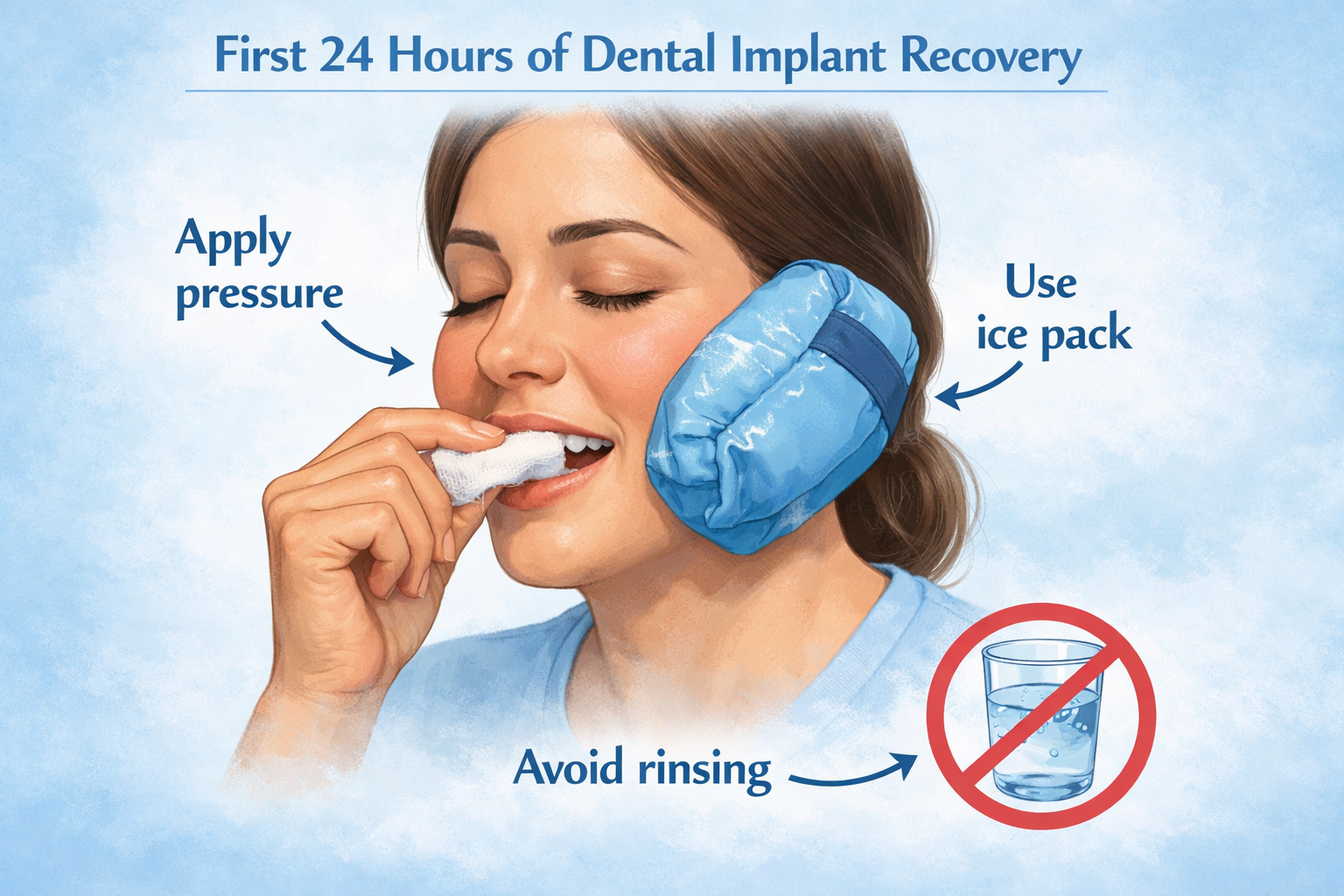
- Apply Pressure: If active bleeding occurs, place a sterile gauze pad directly over the surgical site and bite down firmly for at least 30-60 minutes. Apply continuous pressure. If the gauze becomes saturated, replace it with a fresh one. Repeat if necessary.
- Avoid Rinsing: Do NOT rinse your mouth vigorously during the first 24 hours, as this can dislodge the blood clot that is forming, leading to prolonged bleeding or a painful condition called “dry socket.”
- Minimize Activity: Avoid strenuous activities that can increase blood pressure, which might exacerbate bleeding.
- Elevate Your Head: When resting or sleeping, keep your head elevated with extra pillows to help reduce bleeding and swelling.
If bleeding remains heavy and uncontrollable despite applying pressure for several hours, please contact your dentist immediately.
Controlling Swelling
Swelling is a natural part of the healing process and typically peaks 2-3 days after surgery. While it can be uncomfortable, it’s a sign your body is healing.
- Cold Compress Application: Apply an ice pack or a bag of frozen peas wrapped in a thin cloth to the outside of your face, over the surgical area. Apply for 20 minutes on, 20 minutes off, for the first 24-48 hours. This helps to constrict blood vessels and reduce swelling.
- Consistent Application: The sooner and more consistently you apply cold compresses, the more effective they will be in minimizing swelling.
- After 48 Hours: After 48 hours, cold compresses are less effective. You can switch to moist heat (a warm, damp cloth) if swelling persists, as this can promote blood flow and help disperse accumulated fluids.
Pain Management
Discomfort is expected after dental implant surgery. Your dentist will likely prescribe pain medication or recommend over-the-counter options.
- Take Prescribed Medications: Follow your dentist’s instructions precisely regarding pain medication. Take it as prescribed, even if you feel okay, to stay ahead of the pain.
- Over-the-Counter Options: For mild to moderate pain, ibuprofen (Advil, Motrin) or acetaminophen (Tylenol) can be effective. Consult your dentist regarding appropriate dosages and combinations.
- Do Not Drive Under Influence: If you are prescribed strong pain medication, do not drive or operate heavy machinery.
- Antibiotics: If antibiotics are prescribed, take them exactly as directed until the entire course is finished, even if you feel better. This is crucial for preventing infection. Learn more about antibiotics after dental implant surgery to understand their importance.
Dietary Guidelines: What You Can and Cannot Eat
Your diet after dental implant surgery is incredibly important for protecting the surgical site and promoting successful healing. Adhering to specific dental implant post-operative instructions regarding food intake will prevent complications and ensure your new implant has the best chance to integrate with your bone.
Soft Foods for the First Few Weeks
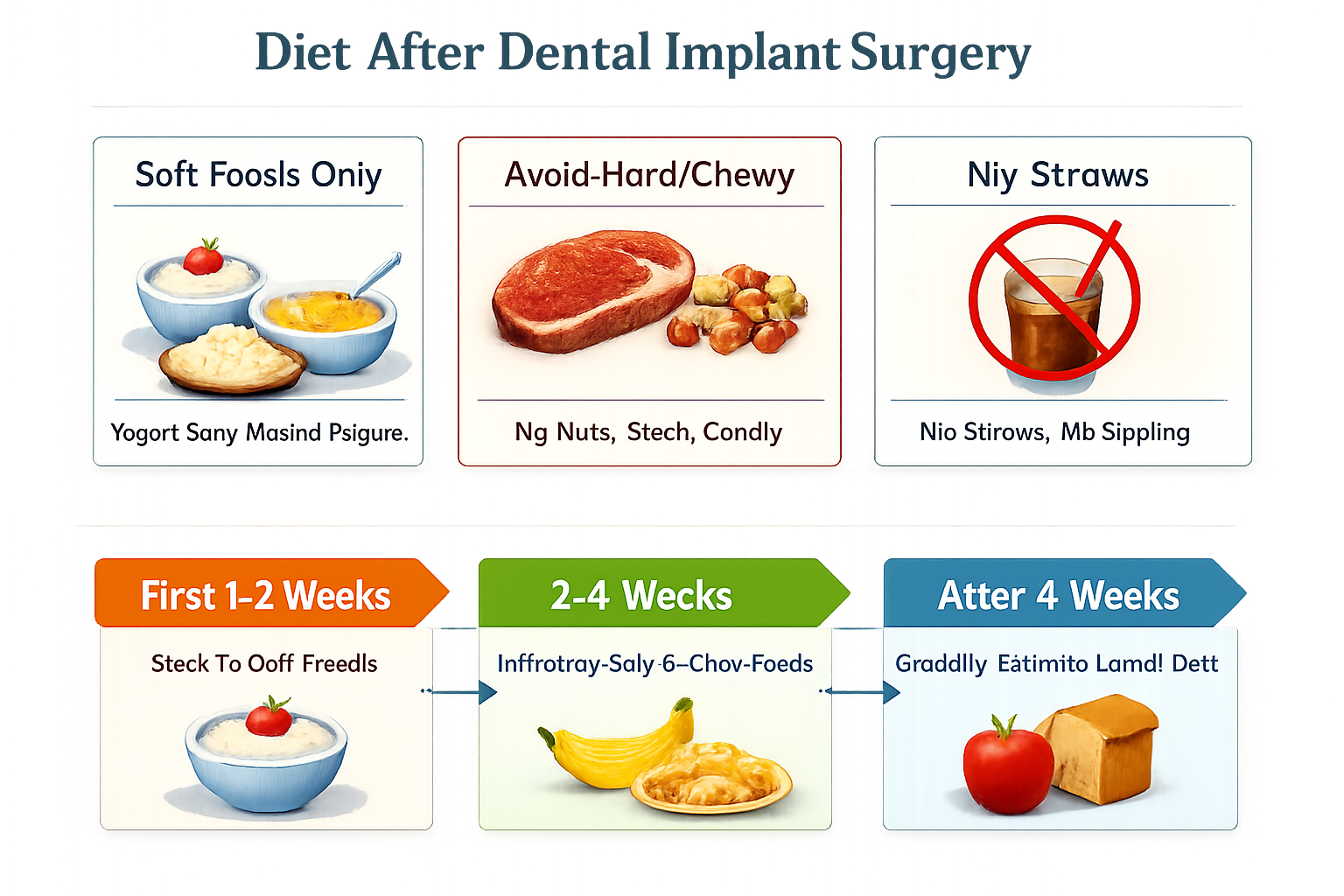
For the first few days to a week (or longer, as advised by your dentist), a soft food diet is absolutely essential. This means foods that require minimal chewing.
| Recommended Soft Foods 😋 | Foods to Avoid 🚫 |
|---|---|
| Soups (lukewarm, blended) | Crunchy foods (chips, nuts, popcorn) |
| Yogurt (plain, unsweetened) | Hard foods (raw vegetables, hard candies) |
| Mashed potatoes or sweet potatoes | Chewy foods (steak, bagels, gummy candies) |
| Scrambled eggs | Spicy foods (can irritate the surgical site) |
| Smoothies (without seeds or nuts) | Acidic foods/drinks (citrus, soda) |
| Pudding, applesauce | Extremely hot or cold foods/drinks |
| Cooked pasta (macaroni and cheese) | Sticky foods (caramel, taffy) |
| Soft cheeses, cottage cheese | Foods with small seeds (berries, sesame seeds) |
| Fish (flaked, soft) | Alcohol (interferes with healing, risk of bleeding) |
| Well-cooked vegetables (steamed/mashed) | Using straws (creates suction, dislodges blood clot) |
It’s crucial to avoid chewing directly on the surgical site. If you had implants placed on both sides of your mouth, you might need to adjust your diet to an even softer consistency. For more ideas, explore our comprehensive list of 50 soft foods after dental implant.
Hydration is Key
Drink plenty of fluids to stay hydrated, but avoid very hot or very cold beverages initially. Water, diluted juices, and caffeine-free teas are good choices.
Absolutely NO straws! The suction created by using a straw can dislodge the blood clot, leading to a painful dry socket. Sip your beverages directly from a glass.
Gradual Reintroduction of Foods
As healing progresses and discomfort subsides (usually after the first week), you can gradually start reintroducing more solid foods into your diet. Always listen to your body and your dentist’s recommendations. Avoid placing excessive pressure on the implant site until your dentist confirms it’s safe. The complete dental implant recovery timeline provides further details on this progression.
Oral Hygiene and Care for Your New Implant
Maintaining excellent oral hygiene is not just about keeping your mouth clean; it’s a critical component of successful dental implant integration and preventing infection. Your dental implant post-operative instructions will emphasize specific cleaning routines to ensure the surgical site heals properly.
First 24 Hours: Gentle Approach
- Avoid Rinsing: As mentioned, do not rinse your mouth vigorously during the first 24 hours. This includes spitting forcefully.
- Gentle Brushing (Other Areas): You can gently brush your teeth in other areas of your mouth, but be very careful to avoid the surgical site.
- No Toothpaste on Surgical Site: Avoid applying toothpaste directly to the surgical area.
After 24 Hours: Introducing Rinses and Gentle Cleaning
- Salt Water Rinses: Starting 24 hours after surgery, gently rinse your mouth with warm salt water (1/2 teaspoon of salt in 8 ounces of warm water) 2-3 times a day, especially after meals. Swish gently and allow the water to trickle out, rather than spitting forcefully. This helps to clean the area and reduce inflammation.
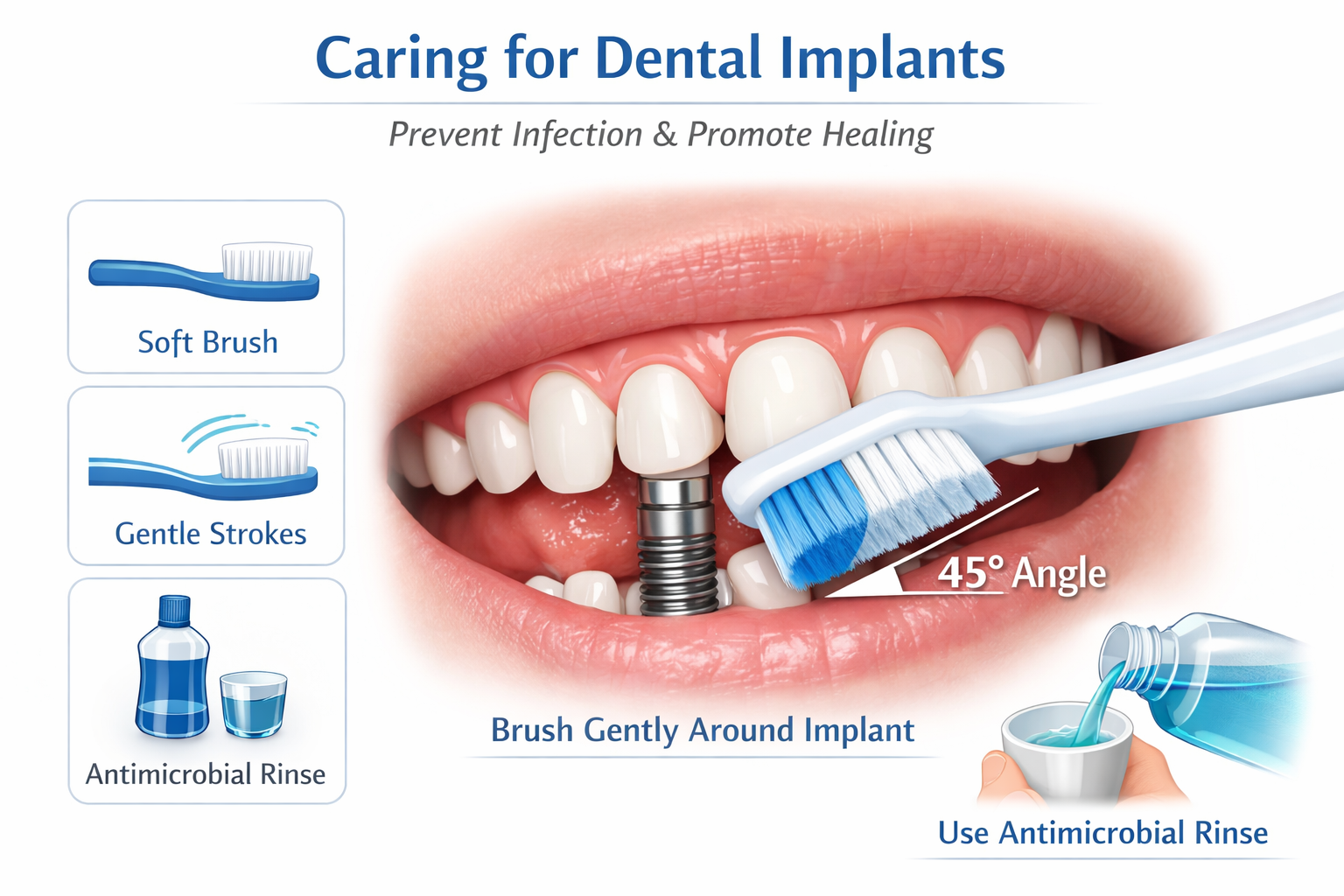
- Prescribed Mouthwash: Your dentist may prescribe an antimicrobial mouthwash, such as Chlorhexidine. If so, use it as directed. This mouthwash is highly effective in reducing bacteria and preventing infection. Do not use over-the-counter mouthwashes that contain alcohol, as they can irritate the healing tissues. Learn more about best mouthwash for dental implants.
- Gentle Brushing: Continue brushing your other teeth as usual. For the surgical site, use a soft-bristled toothbrush and brush very gently around the area. Avoid direct contact with the implant site for the first few days, gradually increasing proximity as comfort allows.
- Avoid Irritation: Be careful not to pick or probe the surgical site with your tongue or fingers.
- Interdental Cleaning: Once approved by your dentist, you may gradually introduce interdental brushes or a water flosser on a very low setting, being extremely cautious around the implant. Many patients find a best water flosser for dental implants beneficial once healing has progressed.
Long-Term Oral Hygiene
Once your implant has fully healed and the permanent crown is placed (which might be after the abutment placement), your oral hygiene routine will be similar to caring for your natural teeth, but with a few important considerations:
- Regular Brushing and Flossing: Brush twice a day with a soft-bristled toothbrush and non-abrasive toothpaste. Floss daily, ensuring you clean around the implant crown.
- Specialized Tools: Consider using an interdental brush or floss specifically designed for implants to clean beneath and around the crown.
- Regular Dental Check-ups: Continue with your regular dental check-ups and professional cleanings. Your dentist or hygienist has specialized tools and knowledge to clean around implants effectively and monitor their health.
- Avoid Abrasive Products: Do not use abrasive toothpastes or brushes that could scratch the implant surface or surrounding gum tissue.
Lifestyle Adjustments During Recovery
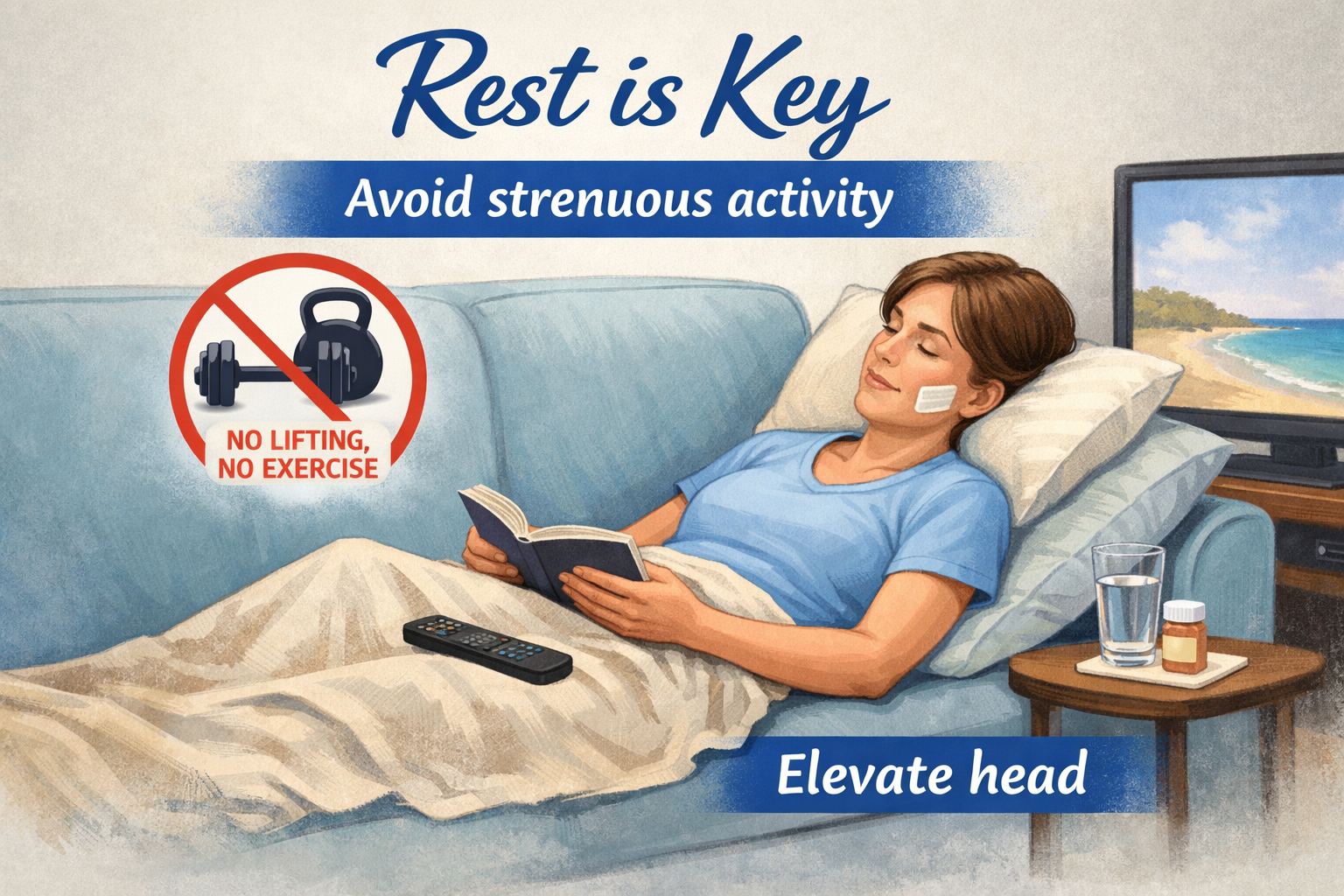
Beyond diet and oral hygiene, several lifestyle adjustments are crucial for ensuring a smooth recovery and successful integration of your dental implant. These dental implant post-operative instructions address activities that could potentially disrupt the healing process.
Rest and Activity Restrictions
- Prioritize Rest: The first 24-48 hours should be dedicated to rest. Avoid strenuous physical activity, including heavy lifting, intense exercise, and even excessive bending or stooping. Physical exertion can increase blood pressure, potentially leading to more bleeding or discomfort.
- Gradual Return to Activity: You can gradually return to light activities after a few days, but continue to avoid anything that causes strain or significant physical effort for at least a week, or as advised by your dentist.
- Avoid Touching the Site: Refrain from touching the surgical area with your fingers or tongue, as this can introduce bacteria or disturb the healing tissues.
Smoking and Alcohol Consumption
- Smoking Cessation is Critical: Smoking is one of the most significant risk factors for dental implant failure. It constricts blood vessels, reducing blood flow to the surgical site, which impedes healing and increases the risk of infection. We strongly advise refraining from smoking for at least 2 weeks before surgery and for as long as possible post-operatively (ideally permanently). Even after a root canal, smoking is detrimental, and for implants, it’s even more so.
- Avoid Alcohol: Do not consume alcohol for at least 7-10 days after surgery. Alcohol can interfere with blood clotting, interact negatively with prescribed medications, and dehydrate your body, all of which hinder the healing process. Learn more about alcohol after dental implant surgery.
Other Important Considerations
- Sun Exposure: Limit prolonged exposure to direct sunlight, especially during the first few days, as it can increase swelling.
- Sleeping Position: Sleep with your head slightly elevated to help reduce swelling.
- Driving: Avoid driving or operating machinery while taking narcotic pain medication.
- Follow-Up Appointments: Attend all scheduled follow-up appointments with your dentist. These appointments are essential for monitoring your healing progress and ensuring the implant is integrating properly.
Recognizing and Addressing Potential Complications
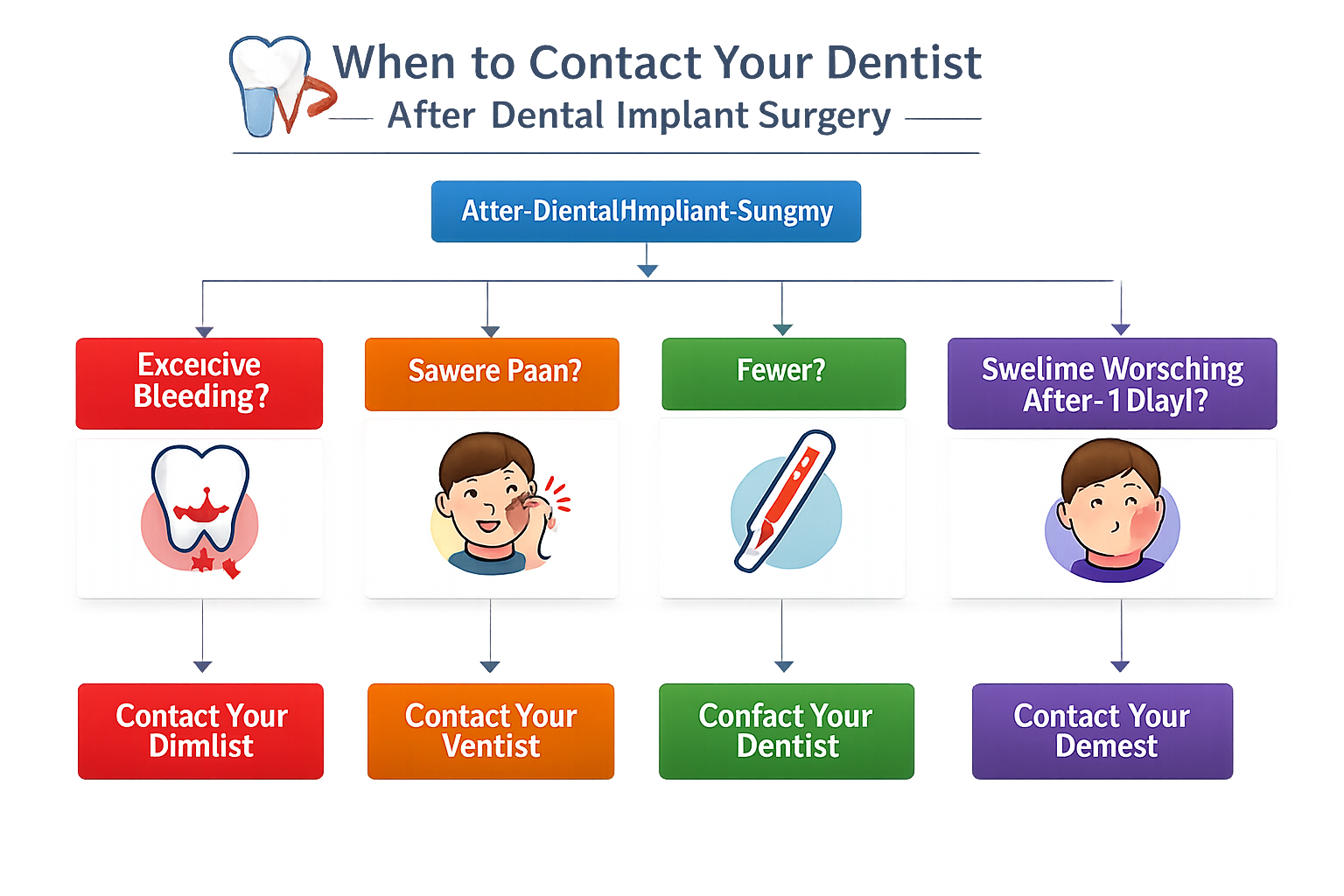
While complications are relatively rare with dental implants, it’s important to be aware of potential issues and when to seek professional help. Your adherence to dental implant post-operative instructions is your best defense against these problems, but knowing the signs is crucial.
When to Contact Your Dentist
Always err on the side of caution. If you experience any of the following, contact your dental office immediately:
- Excessive Bleeding: If bleeding is heavy and continuous, soaking through multiple gauze pads within an hour, and doesn’t subside after applying firm, continuous pressure for 60 minutes.
- Severe or Worsening Pain: If pain is extreme and not managed by prescribed pain medication, or if it suddenly worsens after a few days of improvement.
- Persistent Swelling: If swelling continues to increase after 2-3 days, or if it extends to other areas of the face or neck, especially if accompanied by difficulty swallowing or breathing.
- Fever: A persistent fever (above 100°F or 38°C) could indicate an infection.
- Pus or Discharge: Any yellow or green discharge from the surgical site is a sign of infection.
- Numbness or Tingling: While some temporary numbness is normal after local anesthesia, persistent numbness in the lip, chin, or tongue beyond the anesthetic wearing off could indicate nerve irritation.
- Allergic Reaction: Signs of an allergic reaction to medication (e.g., rash, hives, severe itching, difficulty breathing).
- Loose Implant: If you feel the implant itself moving or becoming loose.
What to Expect During Healing
It’s helpful to differentiate between normal healing symptoms and potential complications.
| Normal Healing Symptoms ✅ | Potential Complications ❌ |
|---|---|
| Mild to moderate discomfort (managed with meds) | Severe, unmanageable pain |
| Swelling (peaks at 2-3 days, then decreases) | Swelling worsening after 3 days, spreading |
| Light oozing/bleeding (first 24 hours) | Heavy, uncontrollable bleeding |
| Bruising around the surgical site | Pus or foul taste/smell |
| Slight temperature elevation | High fever (above 100°F / 38°C) |
| Difficulty opening mouth (jaw stiffness) | Numbness persisting for days/weeks |
| Sore throat (from swelling/breathing) | Visible movement or looseness of the implant |
- Dry Socket: While more common after tooth extractions, it can occur if the blood clot is dislodged from the implant site. It causes severe pain that radiates to the ear, and a foul taste/smell.
- Infection: Signs include persistent pain, swelling, redness, pus, and fever.
Remember: Your dental team is there to support you throughout your recovery. Don’t hesitate to contact our office, for instance, at Dental Implants Dallas TX, if you have any concerns or questions. It’s always better to call and ask than to worry or let a potential issue escalate.
Conclusion
Successfully navigating your recovery after dental implant surgery is a team effort, with your active participation being the most critical factor. By diligently following these dental implant post-operative instructions in 2026, you are not just ensuring comfort; you are actively contributing to the long-term health and stability of your new smile. From managing the initial bleeding and swelling to carefully selecting your diet and maintaining meticulous oral hygiene, each step is designed to optimize the healing environment for your dental implant.
Remember that patience is a virtue during this process. Healing takes time, and while some days may feel more challenging than others, consistency in your aftercare will yield the best results. Rest, proper nutrition, and meticulous hygiene are your greatest allies.
Should you encounter any unexpected symptoms or have questions at any point during your recovery, do not hesitate to contact your dental professional. They are your primary resource and are equipped to provide the guidance and support you need. Your journey to a complete and confident smile is well underway, and with careful attention to these post-operative instructions, you’ll be enjoying the full benefits of your dental implants for years to come.
References
[1] American Academy of Periodontology. “Dental Implants: Post-Operative Care.” Available at: https://www.perio.org/consumer/dental-implants-post-op-care/
[2] National Institute of Dental and Craniofacial Research. “Dental Implant Surgery.” Available at: https://www.nidcr.nih.gov/health-info/dental-implants/what-to-expect
Dental Implant Recovery Tracker & Guide (2026)
Use this tool to get personalized reminders and critical information for your dental implant post-operative instructions based on your surgery date.
Your Personalized Recovery Timeline:
Please enter your surgery date and implant type to generate your personalized recovery plan.
This tool is for informational purposes only and does not replace professional medical advice. The current year is 2026.
Leave a Reply
Share your thoughts or ask a question about dental implants. Your email address will not be published.