

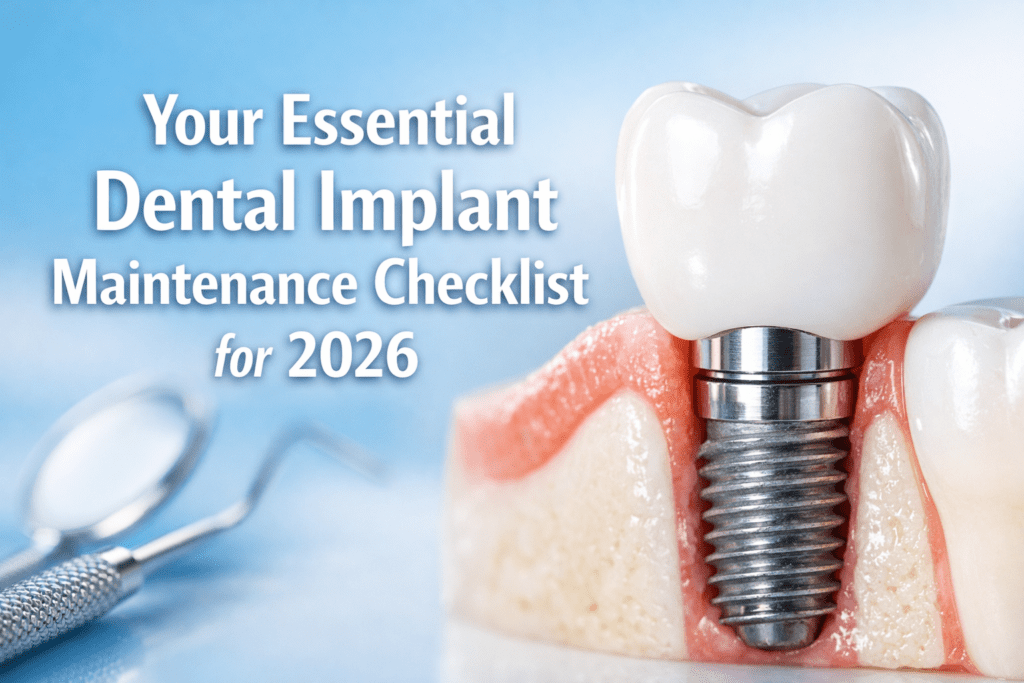
Maintaining dental implants effectively is paramount to their longevity and the health of your entire mouth. You’ve made a significant investment in your smile and oral function, and just like a luxury car, these sophisticated replacements require consistent, diligent care to perform optimally for years to come. Neglecting proper hygiene can lead to serious complications, undermining the very benefits dental implants are designed to provide. This comprehensive dental implant maintenance checklist will guide you through the essential steps, from daily routines to professional appointments, ensuring your implants remain a secure and healthy foundation for your radiant smile in 2026 and beyond.
Key Takeaways
- Daily Home Care is Crucial: Regular brushing and specialized flossing are non-negotiable for preventing plaque buildup around implants.
- Specialized Tools are Your Allies: Water flossers, interdental brushes, and implant-specific toothbrushes are designed to clean areas traditional tools miss.
- Professional Check-ups are Essential: Regular visits to your dentist or periodontist are vital for early detection and prevention of complications.
- Lifestyle Choices Impact Implant Health: Smoking cessation and a balanced diet play a significant role in the long-term success of your dental implants.
- Awareness of Complications: Knowing the signs of peri-implantitis and mechanical issues can prompt timely intervention and save your implant.
The Foundation of Longevity: Your Daily Dental Implant Maintenance Checklist
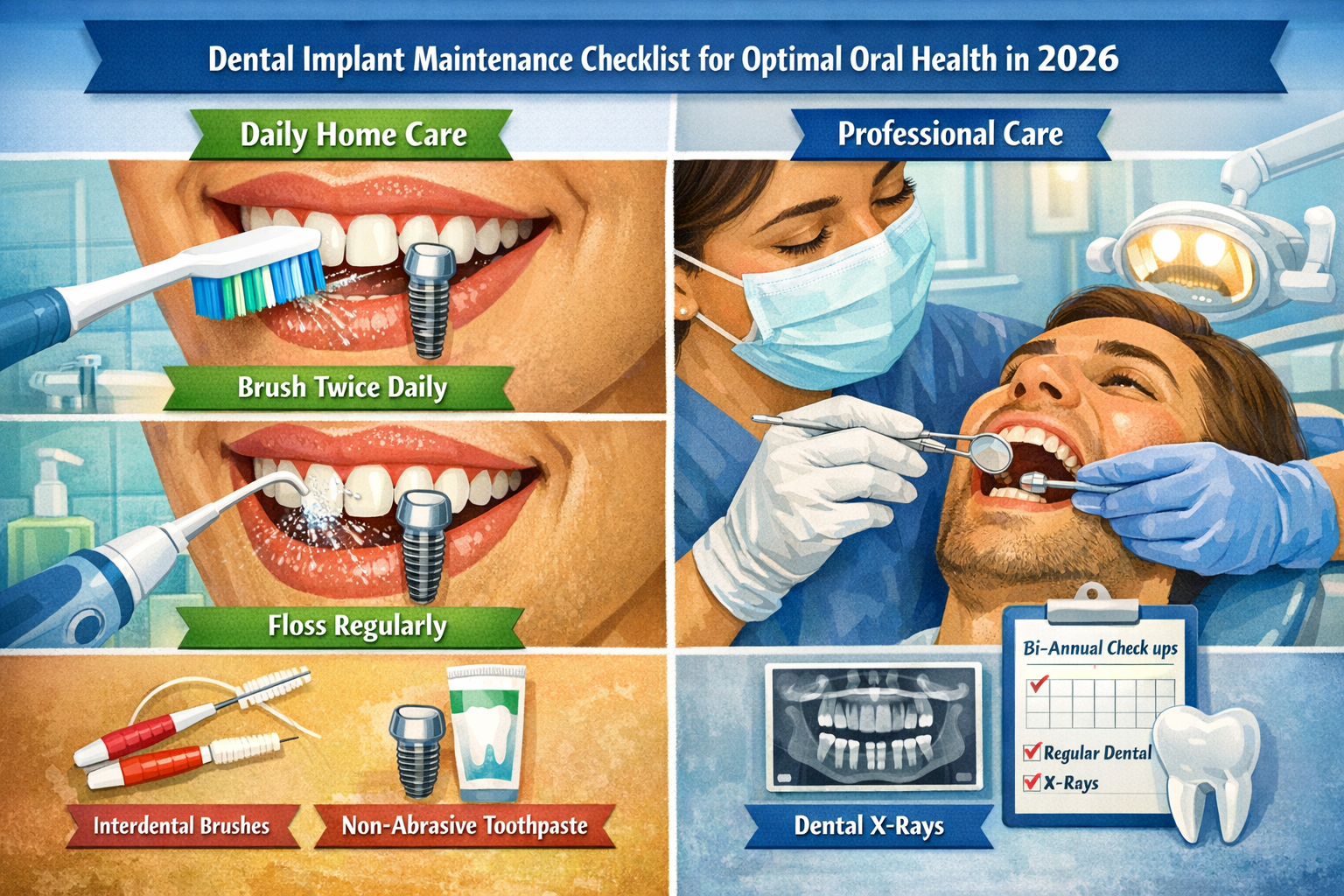
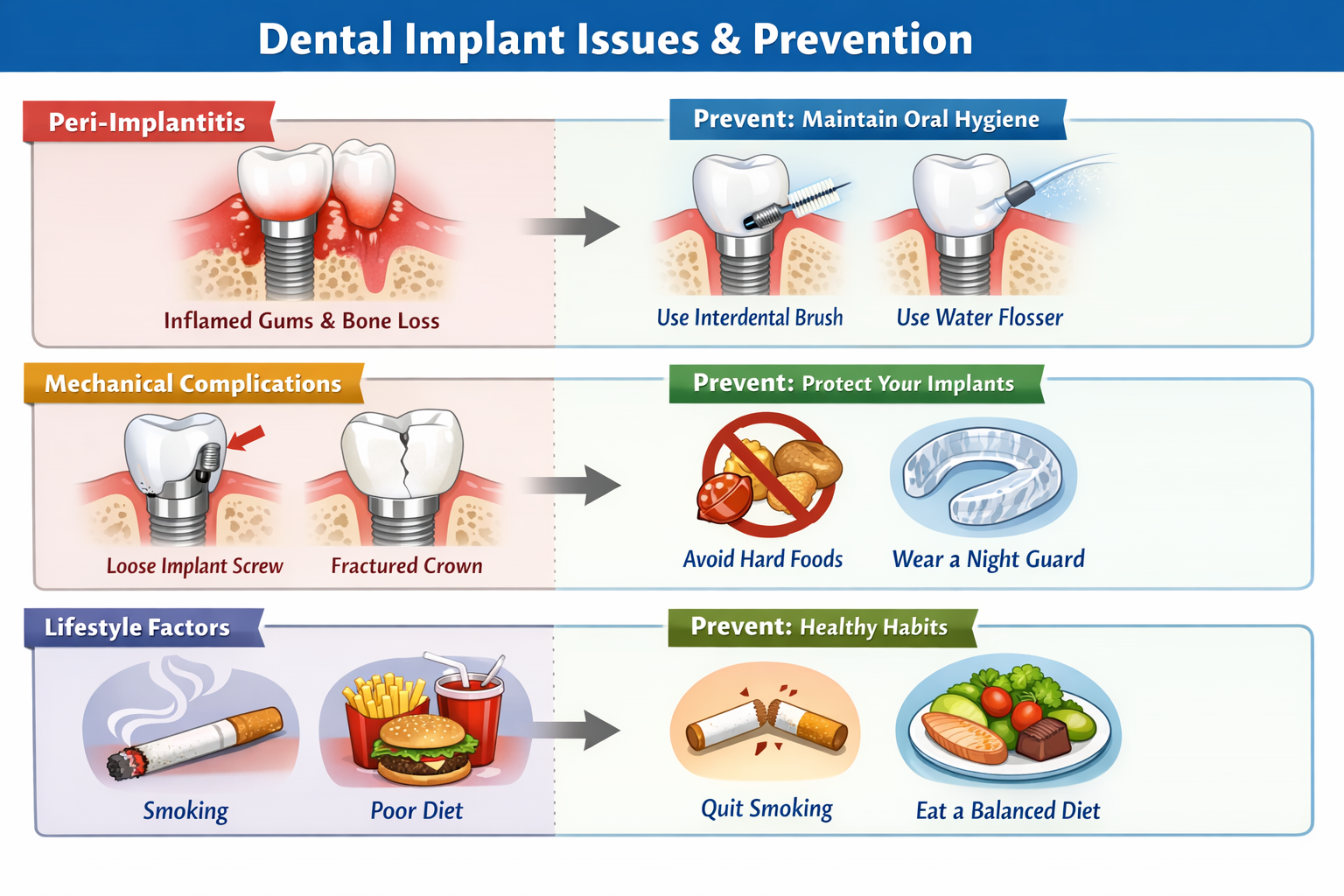
Your dental implants, while not susceptible to cavities like natural teeth, are vulnerable to peri-implantitis, a condition similar to gum disease that affects the tissues surrounding the implant. This inflammatory process, if left unchecked, can lead to bone loss and, ultimately, implant failure. The good news is that the vast majority of peri-implantitis cases are preventable through diligent daily oral hygiene. Think of your daily dental implant maintenance checklist as your first line of defense.
Brushing: The Cornerstone of Cleanliness
Brushing around your dental implants requires a gentle yet thorough approach. While the implant crown itself is resistant to decay, the gum tissue and the junction between the implant and your gum line are critical areas to keep clean.
- Soft-Bristled Toothbrush: Always opt for a soft-bristled toothbrush, or even an extra-soft one. Hard bristles can irritate the delicate gum tissue around the implant and potentially scratch the implant surface or crown.
- Electric Toothbrush (with caution): Many dentists recommend electric toothbrushes for their superior cleaning power. If using an electric toothbrush, choose one with a gentle mode and ensure the brush head is designed for sensitive gums or implants. Ultrasonic toothbrushes are generally safe and effective.
- Technique: Angle the bristles towards the gum line at a 45-degree angle, gently brushing in small circular motions. Pay extra attention to the areas where the implant crown meets the gum. Brush all surfaces of the implant crown, just as you would a natural tooth, ensuring you clean the front, back, and chewing surfaces.
- Frequency: Brush at least twice a day, ideally after every meal, for a minimum of two minutes each time.
Flossing and Interdental Cleaning: Reaching the Unseen
Brushing alone isn’t enough to remove plaque and food debris from between your teeth and around the implant posts. This is where specialized flossing and interdental cleaning tools become indispensable components of your dental implant maintenance checklist.
- Unwaxed Dental Tape or Implant-Specific Floss: Regular dental floss can sometimes shred or be too thin to effectively clean the wider spaces often present around implants. Unwaxed dental tape is thicker and stronger, making it ideal for cleaning around implant posts without fraying. There are also specialized implant flosses available, often thicker and softer.
- Water Flossers (Oral Irrigators): This is arguably one of the most important tools for dental implant care. Water flossers use a stream of pulsating water to remove plaque, food particles, and bacteria from around the implant, under the gum line, and between teeth. They are particularly effective for cleaning hard-to-reach areas and are gentle on the gums.
- Technique: Fill the reservoir with lukewarm water (you can add a dentist-recommended mouthwash if desired). Direct the stream at the gum line, tracing around each implant and tooth, pausing briefly between each. Start with a lower pressure setting and gradually increase as tolerated.
- Frequency: Use your water flosser at least once a day, preferably before brushing or as part of your evening routine. Discover the best water flosser for dental implants for more guidance.
- Interdental Brushes (Proxabrushes): These tiny brushes, available in various sizes, are excellent for cleaning the spaces between implant crowns and natural teeth, or between multiple implants. Ask your dentist or hygienist to recommend the correct sizes for your unique oral anatomy.
- Technique: Gently insert the brush into the space and move it back and forth a few times. Never force a brush into a space that’s too tight.
- Super Floss or Bridge Threaders: If you have implant-supported bridges, super floss or floss threaders can help you clean underneath the prosthetic. Super floss has a stiff end that can be threaded under the bridge, a spongy section for cleaning, and a regular floss section for cleaning natural teeth.
Mouthwash: The Finishing Touch
While not a substitute for mechanical cleaning, an appropriate mouthwash can complement your daily routine.
- Alcohol-Free, Non-Abrasive Mouthwash: Choose a therapeutic, alcohol-free mouthwash to avoid drying out oral tissues and to prevent irritation around your implants. Products containing chlorhexidine (CHX) might be recommended by your dentist for short-term use, especially if you have signs of inflammation, but should generally be used under professional guidance due to potential staining and taste alteration.
- Frequency: Use once or twice daily after brushing and flossing. You might also want to check out the best mouthwash for dental implants for specific recommendations.
💡 Pro Tip: Develop a consistent evening routine where you dedicate extra time to thoroughly clean around your implants. This is often when plaque has had the most time to accumulate throughout the day.
Beyond Daily Care: Professional Oversight and Lifestyle Factors
While your diligent home care is critical, professional oversight is equally important for the long-term success of your dental implants. Your dentist or periodontist possesses specialized tools and expertise to assess the health of your implants, detect early signs of trouble, and perform thorough cleanings that aren’t possible at home. This is where the next part of your dental implant maintenance checklist comes into play.
Regular Dental Check-ups and Cleanings
Think of your implants needing a regular “tune-up.” These appointments are essential.
- Frequency: Most dental professionals recommend check-ups and cleanings every 3-6 months. The exact frequency will depend on your individual oral health, number of implants, and risk factors for peri-implantitis. Your dental team will advise you on the optimal schedule. You can learn more about general dental implant care at dental implants Dallas TX.
- Specialized Cleaning Tools: Dental hygienists use non-metal instruments (like plastic or graphite curettes) designed specifically for cleaning around implants. Metal instruments can scratch the titanium surface of the implant, creating microscopic grooves where bacteria can adhere more easily.
- Comprehensive Examination: During these appointments, your dentist will:
- Visually inspect the gum tissue around each implant for signs of inflammation, redness, or swelling.
- Probe gently around the implant to measure pocket depths, similar to how they check gum health around natural teeth. Increased pocket depths can indicate bone loss.
- Check for mobility of the implant crown or the implant itself (though a healthy implant should have no mobility).
- Assess the occlusion (bite) to ensure even pressure distribution, as excessive forces can stress the implant.
- Take X-rays periodically to monitor bone levels around the implants. Any significant bone loss could be a red flag.
- Review your home care routine and provide personalized advice or demonstrate proper techniques with your specific tools.
- Addressing Complications: If any issues are detected, such as early signs of peri-implantitis or mechanical problems (like a loose crown or abutment), prompt intervention can prevent more serious complications. For example, if you hear a dental implant clicking noise, it’s crucial to get it checked immediately.
Lifestyle Factors: Supporting Implant Health from Within
Your overall health and daily habits significantly influence the success and longevity of your dental implants. Incorporating these considerations into your dental implant maintenance checklist is vital.
- Smoking Cessation: This is perhaps the single most important lifestyle change for implant success. Smoking dramatically increases the risk of implant failure and peri-implantitis by impairing blood flow to the gums and hindering the healing process. If you smoke, speak to your doctor or dentist about cessation programs. The benefits for your implants and overall health are immense.
- Balanced Diet: A nutritious diet supports overall oral and systemic health. Ensure you’re getting adequate vitamins and minerals, especially Vitamin C and calcium, which are important for gum and bone health. While implants allow you to eat a wider variety of foods, it’s wise to avoid excessively hard or sticky foods that could potentially damage crowns or put undue stress on the implants. You can find a list of 50 soft foods after dental implant options during the initial healing phase, but even long-term, moderation with very hard foods is wise.
- Managing Systemic Conditions: Certain health conditions, such as uncontrolled diabetes, can affect your body’s ability to heal and fight infection, increasing the risk of peri-implantitis. Work closely with your medical doctor to manage any chronic health issues effectively. Conditions like osteoporosis can affect teeth and jawbone density, potentially impacting implant stability over time.
- Avoiding Bruxism (Teeth Grinding): If you grind or clench your teeth (bruxism), the excessive forces can stress your dental implants and lead to complications like fractured crowns or bone loss around the implant. Your dentist may recommend a custom nightguard to protect your implants and natural teeth.
- Alcohol Consumption: While moderate alcohol intake is generally not an issue, heavy alcohol consumption can impair healing and weaken the immune system, potentially affecting implant health. It’s also important to note restrictions on alcohol after dental implant surgery.
“The success of a dental implant isn’t just about the surgery; it’s about the patient’s long-term commitment to a meticulous maintenance routine, both at home and with their dental professional.”
Recognizing Potential Issues: When to Seek Help
Part of your dental implant maintenance checklist should include knowing what’s normal and what’s not. Early detection of problems is key to successful intervention.
| Symptom | Potential Issue | Action |
|---|---|---|
| Persistent redness or swelling | Peri-implant mucositis or peri-implantitis | Contact your dentist immediately. |
| Bleeding when brushing/flossing | Inflammation, early peri-implantitis | Re-evaluate hygiene; if persistent, seek professional advice. Bleeding after initial surgery, however, can be normal for a period, as detailed in dental implant bleeding. |
| Pus or discharge from gum | Infection (peri-implantitis) | Urgent dental visit required. |
| Pain or tenderness around implant | Infection, excessive biting force, nerve issue | Contact your dentist for evaluation. While implants themselves shouldn’t hurt, surrounding tissues can. Learn more about are dental implants painful. |
| Loose or fractured crown | Mechanical complication | Schedule an appointment to have it re-cemented or replaced. |
| Wobbly or moving implant | Implant failure (rare but serious) | Immediate dental consultation. |
| Difficulty chewing | Occlusal issue, implant problem | Have your bite checked by your dentist. |
Remember, your dental implant is a sophisticated medical device. Any concerns should always be addressed promptly by your dental professional. They are your partners in ensuring your implants last a lifetime. For more details on what to expect during recovery and beyond, a complete dental implant recovery timeline can be highly beneficial.
The Role of Nutrition and Supplements
While not strictly part of a daily cleaning routine, nutrition plays an undeniable role in overall oral health, which, in turn, impacts the success of your implants. Your body needs adequate nutrients to maintain healthy bone and gum tissue.
- Vitamin D and Calcium: These are essential for bone health. If you have concerns about bone density, especially if facing issues like 90 percent bone loss in teeth, discuss appropriate supplementation with your doctor.
- Vitamin C: Important for gum tissue health and wound healing.
- Protein: Crucial for tissue repair and regeneration.
A balanced diet rich in fruits, vegetables, lean proteins, and whole grains generally provides the necessary nutrients. If you have specific dietary restrictions or concerns, consult with a healthcare professional.
Conclusion
Your dental implants represent a significant investment in your oral health and quality of life. By adhering to a comprehensive dental implant maintenance checklist, encompassing both rigorous home care and consistent professional oversight, you can protect this investment and enjoy the full benefits of your new smile for decades to come.
From the daily ritual of gentle brushing and specialized flossing to bi-annual dental check-ups with your trusted dental team, every step is a safeguard against potential complications. Remember, dental implants are not “set it and forget it” solutions; they require your active participation and commitment. By prioritizing your implant care, you’re not just maintaining your implants; you’re maintaining your confidence, your comfort, and your ability to live life to the fullest. Make 2026 the year you fully embrace an impeccable dental implant maintenance routine!
Actionable Next Steps:
- Review Your Tools: Check if you have a soft-bristled toothbrush, unwaxed dental tape, interdental brushes, and an alcohol-free mouthwash. Consider investing in a water flosser if you don’t already have one.
- Schedule Your Next Appointment: If you haven’t seen your dentist or periodontist for your implant check-up in the last six months, call them today to schedule an appointment.
- Assess Your Habits: Reflect on your smoking and alcohol consumption habits, and discuss any concerns about teeth grinding with your dentist.
- Stay Informed: Continue to educate yourself about optimal oral hygiene and dental implant care. Your dental team is always your best resource for personalized advice.
References
[1] Renvert S, Persson GR. The epidemiology of peri‐implantitis. Clinical Oral Implants Research. 2009;20(Suppl 4):143-145.
[2] Mombelli A. Peri-implantitis. Current Oral Health Reports. 2017;4(1):21-26.
Personalized Dental Implant Maintenance Planner ✨
Your Implant Details
Your Oral Health Profile
Your Personalized Dental Implant Maintenance Checklist (2026)
This plan is a general guide. Always consult with your dental professional for personalized recommendations tailored to your specific needs.
Leave a Reply
Share your thoughts or ask a question about dental implants. Your email address will not be published.