

If you’re considering dental implants to replace missing teeth but also experience teeth grinding, known as bruxism, you likely have questions about your eligibility and the potential impact on your new smile. The good news is that you can often get dental implants if you grind your teeth (bruxism), but it requires careful evaluation, specific treatment planning, and consistent management of the condition to ensure long-term success. Understanding the relationship between bruxism and dental implants is crucial for anyone in Dallas seeking this advanced tooth replacement option.
Key Takeaways
- Bruxism doesn’t automatically disqualify you from getting dental implants, but it requires a thorough assessment by a dental professional.
- Untreated bruxism poses significant risks to dental implants, potentially leading to complications like implant failure or peri-implantitis.
- Effective management strategies, including custom night guards and, in some cases, Botulinum toxin (Botox) injections, are essential.
- Proper oral hygiene and regular dental checkups are vital for monitoring implant health in patients with bruxism.
- Treatment plans may involve strategic implant placement or bone grafting to enhance stability and longevity.
- A consultation with a dentist specializing in dental implants in Dallas is the first step to determine personalized solutions.
Quick Answer
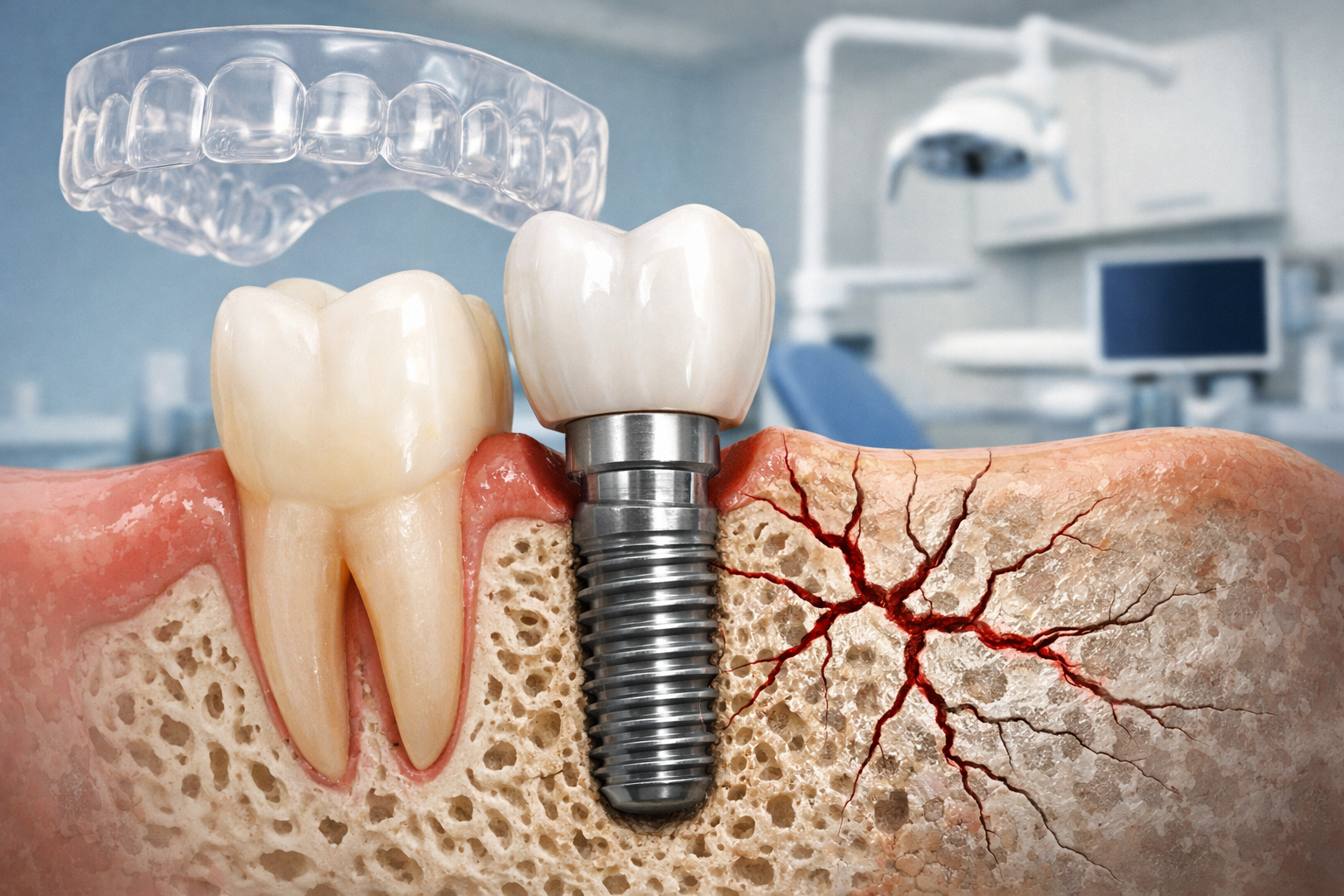
Yes, you can often get dental implants if you grind your teeth (bruxism), but it is a complex situation that demands careful planning and ongoing management. A dental professional will need to assess the severity of your bruxism and your overall oral health to create a tailored treatment plan that protects your dental implant investment and ensures long-term success [1].
What is Bruxism and How Does It Affect Dental Health?
Bruxism is the involuntary clenching or grinding of teeth, typically during sleep, though it can also occur while awake. This condition can exert immense pressure on natural teeth, leading to various dental problems such as chipped or fractured teeth, worn-down enamel, increased tooth sensitivity, jaw pain (TMJ disorders), and headaches. When considering can you get dental implants if you grind your teeth (bruxism), it’s important to understand that these powerful forces can also impact dental implants significantly.
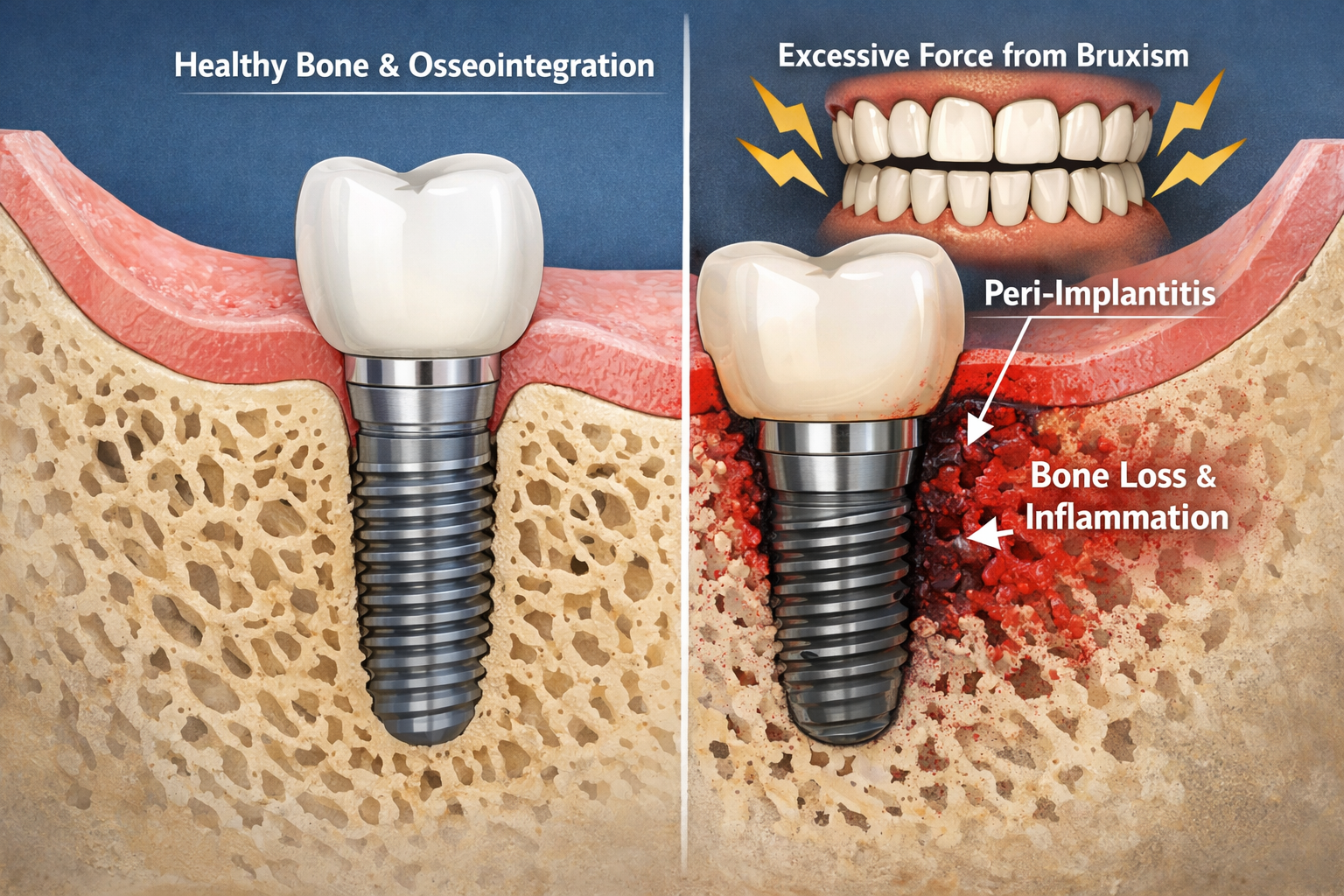
The continuous, excessive forces generated by bruxism can prevent the crucial process of osseointegration, where the dental implant fuses with the jawbone [2]. If osseointegration is compromised, the implant may fail to integrate properly, leading to instability or even implant loss. Furthermore, bruxism can place undue stress on the implant and its surrounding bone, potentially causing complications even after successful integration.
Can You Get Dental Implants If You Grind Your Teeth (Bruxism)?
Yes, you can generally get dental implants even if you experience bruxism, but candidacy is determined by a thorough evaluation of your individual case by a qualified dental professional. The key is to manage the bruxism effectively to mitigate risks to the dental implants [1]. Without proper management, the success rate of dental implants can be significantly reduced for bruxism patients.
Factors a Dentist Considers:
- Severity of Bruxism: The intensity and frequency of grinding or clenching are major determinants. Mild, occasional bruxism may pose less risk than severe, chronic bruxism.
- Bone Density and Quality: Adequate bone support is critical for dental implant success. If bruxism has already contributed to bone loss in natural teeth, additional bone grafting may be necessary before implant placement to ensure sufficient support for the implant [3]. For more on this, see our guide on Bone Graft Costs for Dental Implants in Dallas.
- Overall Oral Health: The presence of gum disease, existing dental damage, or other oral health issues will influence the treatment plan.
- Patient Compliance: A patient’s willingness to follow post-operative instructions and consistently use protective appliances is crucial for success.
A dentist will conduct a comprehensive examination, which may include X-rays and 3D scans, to assess your jawbone structure, bite alignment, and the extent of any existing damage from bruxism. This assessment helps them determine if dental implants are a viable tooth replacement option for your specific situation and what precautionary measures will be necessary.
What Are the Risks of Bruxism for Dental Implants?
Untreated bruxism poses several significant risks to the longevity and stability of dental implants, making effective management crucial for patients in Dallas seeking this restorative solution. The continuous, excessive forces generated by grinding and clenching can compromise the implant at various stages, from initial healing to long-term function [2].
Primary Risks:
- Osseointegration Failure: During the crucial healing phase, if the implant is subjected to excessive forces from bruxism, it can disrupt the delicate process of osseointegration, preventing the implant from properly fusing with the jawbone. This can lead to early implant failure, requiring removal and potential re-treatment [2].
- Peri-implantitis: This is a serious inflammatory condition affecting the tissues surrounding a dental implant, leading to bone loss. Bruxism can contribute to peri-implantitis by creating micro-trauma around the implant, making it more susceptible to bacterial infection and subsequent inflammation and bone resorption [2].
- Fracture of Prosthetic Components: The extreme forces of bruxism can cause the porcelain crown, bridge, or denture attached to the implant to chip, crack, or even fracture. In some cases, the abutment (the connector between the implant and the restoration) or even the implant screw itself can break, necessitating costly repairs or replacement [6].
- Implant Overload and Loosening: Even after successful osseointegration, chronic bruxism can lead to excessive mechanical stress on the implant, which can overload the bone surrounding it. Over time, this constant stress can cause the implant to loosen or fail, especially if the bone quality is compromised or the implant is not strategically placed.
- Wear on Natural Teeth and Opposing Restorations: Even with implants, severe bruxism can continue to wear down opposing natural teeth or other dental restorations.
Understanding these risks underscores why managing bruxism is not optional but essential for anyone considering dental implants. A dental professional will prioritize risk mitigation to protect your long-term oral health and investment in dental implants.
How Can Bruxism Be Managed for Dental Implant Patients?
Managing bruxism is paramount for dental implant patients to protect their investment and ensure the long-term success of their restorations. A multi-faceted approach, tailored to the individual’s needs, is typically employed to reduce the forces of grinding and clenching [4].
Key Management Strategies:
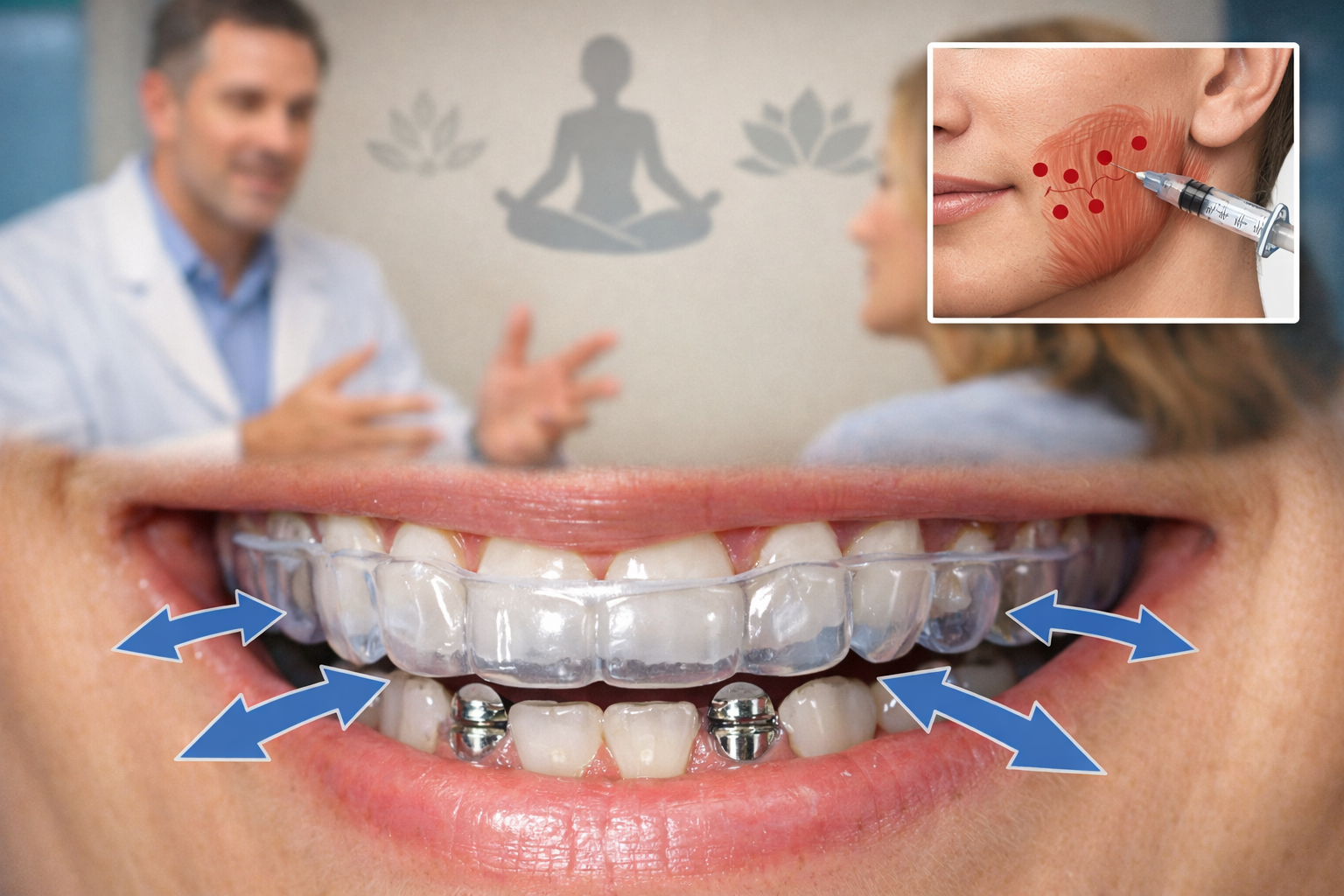
- Custom Night Guards (Occlusal Splints): This is the primary and most common method for managing bruxism in dental implant patients. A custom-fabricated night guard is worn while sleeping, acting as a protective barrier that absorbs and distributes the grinding forces, preventing direct impact on the implants and natural teeth [2]. Regular adjustments to the night guard may be necessary due to ongoing jaw stress from bruxism [2]. Our article, “Protect Your Dental Implants: The Essential 2026 Night Guard”, provides more in-depth information.
- Botulinum Toxin (Botox) Injections: A modern advancement in bruxism management, Botox injections into the jaw muscles (masseter and temporalis) can effectively reduce the intensity of grinding and clenching. By temporarily relaxing these muscles, Botox can alleviate muscle tension and prevent damage to teeth and dental implants, with effects typically lasting several months [3].
- Bite Adjustment (Occlusal Equilibration): If the patient’s bite is misaligned, this can contribute to bruxism by creating uneven pressure points. A dentist may perform minor adjustments to the chewing surfaces of the teeth or existing restorations to achieve a more balanced bite, reducing stress on specific teeth or implants [5].
- Stress Reduction Techniques: Since stress and anxiety are common triggers for bruxism, incorporating stress management techniques can be beneficial. These may include yoga, meditation, deep breathing exercises, biofeedback, or counseling. Improving sleep hygiene can also reduce nocturnal grinding [5].
- Medication: In some cases, a doctor may prescribe muscle relaxants for short-term use to alleviate severe bruxism symptoms, especially if accompanied by jaw pain.
- Strategic Implant Placement: For patients with a history of bruxism, the dental surgeon may choose to place more implants than typically required for a specific restoration. This strategy helps to distribute chewing forces more evenly across a wider area, reducing stress on individual implants [1].
Effective management of bruxism is an ongoing commitment. Regular follow-up appointments with your dentist are crucial to monitor the condition, assess the integrity of your implants, and make any necessary adjustments to your management plan.
The Dental Implant Procedure for Bruxism Patients in Dallas, TX
For individuals in Dallas with bruxism considering dental implants, the procedure involves careful planning and additional considerations to ensure the long-term success of their tooth replacement options. The overall dental implant procedure remains similar but with heightened attention to mitigating the effects of grinding and clenching.
Steps in the Procedure:
- Comprehensive Consultation and Evaluation: The journey begins with a detailed consultation with a Dallas dentist specializing in dental implants. This involves a thorough oral examination, review of medical history, and advanced imaging (X-rays, 3D CT scans) to assess bone density, jaw structure, and the extent of bruxism-related damage. The dentist will discuss your individual needs, determine if you are a suitable candidate, and outline a personalized treatment plan [3].
- Bruxism Management Pre-Treatment: Before implant surgery, your dentist will recommend strategies to manage your bruxism. This often includes being fitted for a custom night guard. In some cases, Botox injections may be considered to reduce muscle activity prior to surgery, allowing for better healing and reduced stress during the initial osseointegration phase.
- Preparatory Procedures (if needed): If bone loss from bruxism or other factors has occurred, a bone graft may be necessary to build up sufficient bone volume for implant placement. This ensures a strong foundation for the implant.
- Dental Implant Placement: During this surgical phase, the titanium implant post is precisely placed into the jawbone. This step is performed under local anesthesia, often with sedation options available to ensure patient comfort. After placement, a healing period of several months is required for osseointegration—where the implant fuses with the bone.
- Abutment Placement: Once osseointegration is complete, a small connector piece called an abutment is attached to the implant. This typically involves a minor surgical procedure.
- Restoration Placement: After the gum tissue heals around the abutment, your custom-made crown, bridge, or denture is fabricated and securely attached. These restorations are often made from durable materials to withstand normal chewing forces.
- Post-Procedure Care and Ongoing Bruxism Management: Following the placement of your final restoration, consistent use of your custom night guard is crucial. Regular dental checkups in Dallas are essential to monitor the implants, assess your bite, and ensure your bruxism remains well-managed. Your dentist will also advise on enhanced oral hygiene practices to prevent peri-implantitis [2].
Throughout this process, open communication with your dental team is vital. They will guide you through each stage, addressing any concerns and adapting the plan as needed to optimize your long-term oral health and the success of your dental implants.
Long-Term Care and Success Rates for Implants with Bruxism
Achieving long-term success with dental implants in the presence of bruxism hinges on vigilant care and consistent management. While bruxism can introduce challenges, a well-managed approach can lead to excellent outcomes for patients in Dallas. The key is understanding that your commitment to protective measures and follow-up care directly impacts longevity.
Factors for Long-Term Success:
- Consistent Night Guard Use: This cannot be overemphasized. Wearing your custom night guard every night is the most effective way to absorb grinding forces and protect your implants from premature wear, loosening, or fracture [2].
- Regular Dental Checkups: Patients with bruxism need more frequent checkups than average. These appointments allow your dentist to:
- Monitor the health of your implants and surrounding tissues.
- Check for signs of wear on your night guard, natural teeth, or implant restorations.
- Assess your bite and make minor adjustments if necessary [5].
- Detect early signs of peri-implantitis or other complications before they become severe [1].
- Excellent Oral Hygiene: Meticulous daily oral hygiene, including brushing with a soft-bristled toothbrush and flossing, is critical to prevent plaque buildup and reduce the risk of infection around the implants, especially given that bruxism can contribute to inflammation [2].
- Addressing Bruxism Triggers: Continuously working to manage stress, improve sleep patterns, and avoid stimulants can help reduce the overall intensity of bruxism, further protecting your dental implant investment.
- Prompt Attention to Issues: If you notice any changes, discomfort, or damage to your night guard or implants, contact your dentist immediately. Early intervention can prevent minor issues from escalating into major complications. For urgent situations, consult our guide on Emergency Dental Implant Care Dallas 2026.
With proper care and diligent management, dental implants can achieve high success rates even in patients with bruxism. The estimated success rates for dental implants typically range from 95% to 98% over 10 years in the general population. While bruxism introduces an additional risk factor, consistent adherence to protective strategies, such as using a night guard, can help maintain these favorable outcomes. Neglecting bruxism, however, can significantly increase the risk of complications, potentially leading to implant failure.
Alternatives to Dental Implants for Bruxism Sufferers
While dental implants are often the preferred solution for missing teeth due to their stability and natural feel, they may not always be the first choice or the only option for individuals with severe, unmanaged bruxism. For those in Dallas still exploring tooth replacement options, it’s beneficial to understand alternatives and why they might be considered, especially if you can get dental implants if you grind your teeth (bruxism) is a primary concern.
Alternative Tooth Replacement Options:
- Dental Bridges: A traditional dental bridge can replace one or more missing teeth by crowning the adjacent natural teeth and attaching a prosthetic tooth (pontic) in between.
- Pros: Non-surgical, faster treatment time than implants.
- Cons: Requires altering healthy adjacent teeth, can still be vulnerable to bruxism if the supporting teeth are overstressed, and does not stimulate the jawbone, potentially leading to bone loss over time.
- Bruxism Consideration: Bridges can also be damaged by bruxism, with crowns potentially cracking or fracturing, similar to implant crowns. A night guard would still be recommended to protect the bridge.
- Removable Partial Dentures: These appliances replace missing teeth and are removable for cleaning. They consist of prosthetic teeth attached to a gum-colored base, often with metal clasps that attach to existing natural teeth.
- Pros: Less invasive, generally lower initial cost.
- Cons: Can be less stable and comfortable than fixed options, may not provide the same chewing efficiency, and do not prevent bone loss.
- Bruxism Consideration: Removable partial dentures are less likely to be directly impacted by bruxism in the same way fixed restorations are, but severe grinding can still wear down the prosthetic teeth or cause strain on the supporting natural teeth.
- Full Dentures (for multiple missing teeth): For individuals missing all their teeth, complete dentures are a common solution.
- Pros: Replaces all teeth, non-surgical.
- Cons: Can be unstable, may slip, require adhesives, and do not prevent jawbone deterioration.
- Bruxism Consideration: While full dentures can protect the gums from direct grinding, the forces from bruxism can still contribute to accelerated bone loss beneath the denture and wear down the denture teeth faster.
- No Treatment: Choosing not to replace missing teeth can lead to adjacent teeth shifting, bite collapse, difficulty chewing, speech impediments, and further bone loss.
Ultimately, the best tooth replacement option depends on a comprehensive assessment of your oral health, the severity of your bruxism, your preferences, and your budget. Consulting with a dental professional specializing in dental implants in Dallas will provide clarity on which solution is most appropriate and safest for your long-term oral health, even if you grind your teeth.
Conclusion
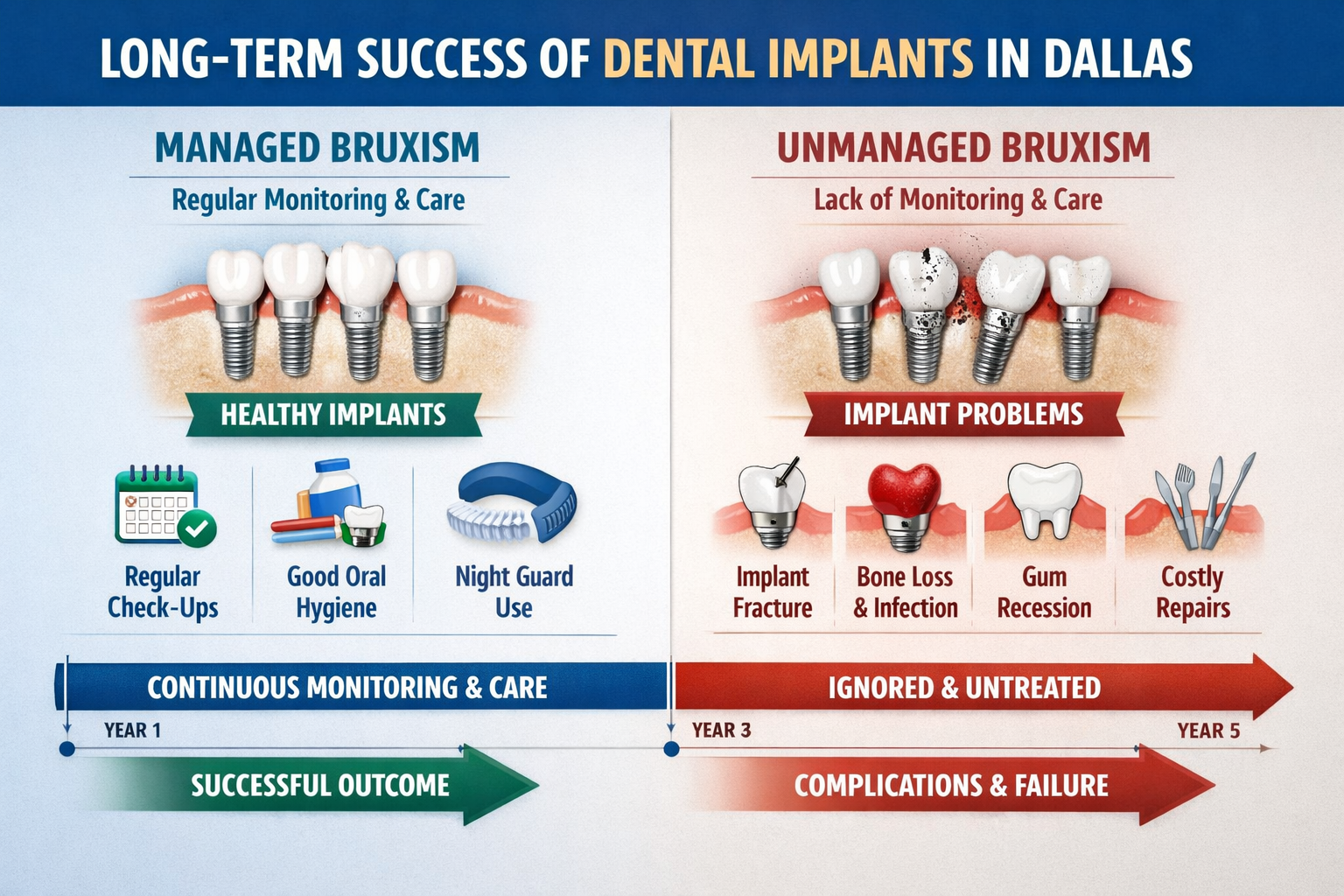
The question, “Can you get dental implants if you grind your teeth (bruxism)?” is a common and important one for many patients seeking lasting tooth replacement options in Dallas. The answer is generally yes, but it comes with a critical caveat: effective management of bruxism is absolutely essential for the long-term success and health of your dental implants. Untreated bruxism poses significant risks, from compromising osseointegration to causing damage to the implant components and surrounding bone.
However, with a personalized approach involving thorough evaluation, strategic planning, and consistent use of protective measures like custom night guards—and sometimes advanced treatments such as Botox injections—dental implants can be a highly successful solution even for those who grind their teeth. Regular dental checkups and meticulous oral hygiene are also paramount to monitor your implants and mitigate any potential complications.
If you are missing teeth and experience bruxism, the most important step is to schedule a consultation with a qualified dental professional specializing in dental implants in Dallas, TX. They can accurately assess your specific situation, discuss your tooth replacement options, and develop a comprehensive plan that addresses both your missing teeth and your bruxism, guiding you towards a healthy, functional, and confident smile in 2026 and beyond.
FAQ
Q: Can bruxism cause dental implants to fail?
A: Yes, severe or unmanaged bruxism can cause dental implants to fail by disrupting osseointegration, leading to peri-implantitis, or fracturing prosthetic components due to excessive forces [2, 6].
Q: How do dentists protect implants from bruxism?
A: Dentists primarily protect implants from bruxism using custom-made night guards, which absorb and distribute grinding forces. Other strategies include bite adjustments, stress reduction techniques, and sometimes Botox injections [2, 3].
Q: Is a night guard always necessary with dental implants if I have bruxism?
A: Yes, a custom night guard is almost always recommended and often mandatory for dental implant patients with bruxism to protect the implants and ensure their longevity [2].
Q: Can I get dental implants if my bruxism is severe?
A: You may still be able to get dental implants with severe bruxism, but it will require more aggressive and consistent management strategies, potentially including Botox injections, and very careful monitoring by your dentist [3, 4].
Q: What are the signs that bruxism is affecting my dental implants?
A: Signs that bruxism is affecting your dental implants include discomfort, loosening of the implant or crown, chipping or cracking of the restoration, or tenderness around the implant site [1, 6].
Q: Does bruxism increase the cost of dental implants?
A: While bruxism itself doesn’t directly increase the base cost of dental implants, the necessary management strategies (like custom night guards or potentially Botox) and more frequent follow-up appointments can add to the overall investment in your long-term oral health. For more on cost, see Full Mouth Dental Implants Cost Dallas 2025.
Q: Can dental implants fix bruxism?
A: No, dental implants replace missing teeth but do not cure bruxism. While a well-aligned bite with implants might reduce some grinding triggers, the underlying cause of bruxism must still be addressed and managed separately.
References
[1] Teeth Grinding And Implants – https://www.clearchoice.com/dental-implant-resources/teeth-grinding-and-implants/
[2] Dental Implants And Bruxism What You Need To Know – https://newteethchicagodentalimplants.com/dental-implants-and-bruxism-what-you-need-to-know/
[3] Busting Bruxism Myths Teeth Grinding Advanced Solutions 2026 En – https://www.dentalcare.tv/articles/busting-bruxism-myths-teeth-grinding-advanced-solutions-2026-en
[4] Implant Tips Patients With Bruxism – https://drmattbynum.com/implant-tips-patients-with-bruxism/
[5] How Sleep Bruxism Impacts Dental Implant Longevity – https://www.smiletexas.com/blog/dental-implant-2/how-sleep-bruxism-impacts-dental-implant-longevity/
[6] Can Grinding Or Clenching Teeth Damage Dental Implants – https://www.perioco.com/can-grinding-or-clenching-teeth-damage-dental-implants/
Leave a Reply
Share your thoughts or ask a question about dental implants. Your email address will not be published.