

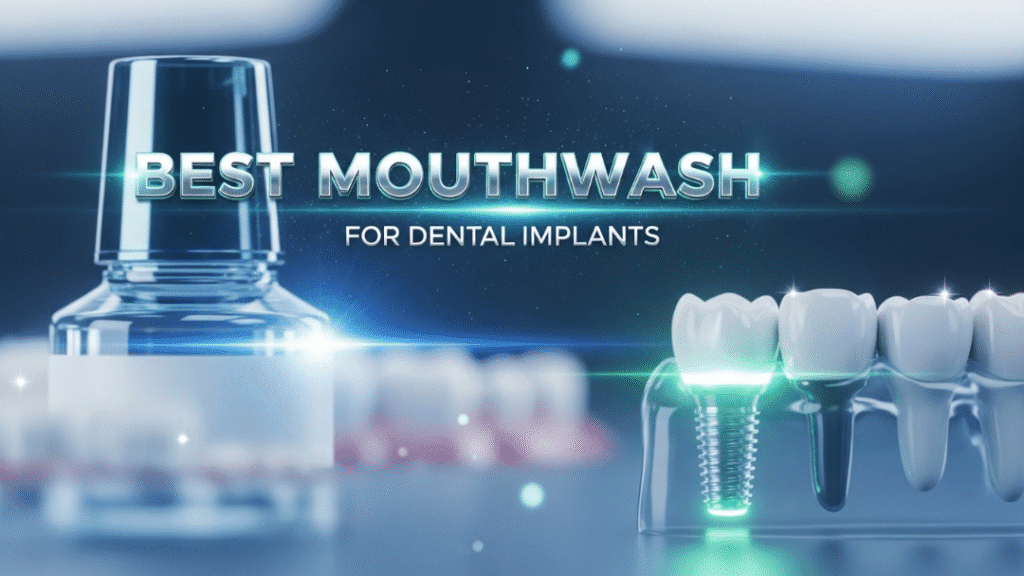
When I first got my dental implants, I was shocked to learn that the wrong mouthwash could actually damage my $20,000 investment. 🦷 Like many patients, I assumed all mouthwashes were created equal – but that assumption nearly cost me my implant success. The truth is, choosing the right mouthwash for dental implants can mean the difference between a lifetime of healthy smiles and costly complications that could have been easily prevented.
Key Takeaways
- Wait 24-48 hours after implant surgery before using any mouthwash to avoid disrupting the healing process
- Choose alcohol-free, gentle formulations to prevent tissue irritation and promote proper healing
- Chlorhexidine-based mouthwashes are the gold standard for post-surgical care but should be used for limited periods
- Avoid whitening and high-alcohol mouthwashes as they can damage implant surfaces and irritate tissues
- Proper technique matters – gentle swishing for 30 seconds maximum prevents complications
Understanding Dental Implants and Oral Care Needs
Dental implants are sophisticated titanium posts that replace tooth roots, requiring specialized care to ensure long-term success. Unlike natural teeth, implants don’t have the same protective mechanisms, making them more vulnerable to certain oral care products.
The tissues surrounding your implants need gentle yet effective cleaning to prevent peri-implantitis – a condition similar to gum disease that can lead to implant failure. This is where choosing the right mouthwash becomes crucial for your oral health investment.
Many patients who undergo permanent teeth in a day procedures don’t realize that their aftercare routine will significantly impact their results. The wrong mouthwash choice can undo thousands of dollars in dental work.

When to Start Using Mouthwash After Implant Surgery ⏰
The Critical First 48 Hours
Never use mouthwash during the first 24 to 48 hours following dental implant surgery. Your gums and surrounding tissues are extremely sensitive during this period, and even gentle mouthwashes can:
- Disrupt blood clot formation
- Cause unnecessary irritation
- Delay the healing process
- Increase risk of infection
The One-Week Mark
Most patients can begin using a gentle, prescribed mouthwash approximately one week after their procedure. However, this timeline varies based on:
- Individual healing patterns
- Complexity of the surgery
- Overall oral health status
- Specific dentist recommendations
“Following your dentist’s guidance ensures a smooth recovery and minimizes the risk of complications that could jeopardize your implant investment.”
Top Types of Mouthwash for Dental Implants
1. Chlorhexidine-Based Antiseptic Mouthwashes 🥇
Why they’re recommended:
- Potent antibacterial properties
- Reduces plaque buildup around implant sites
- Proven effective against peri-implant mucositis
- Gold standard for post-surgical care
Potential drawbacks:
- Can cause staining on teeth and restorations
- May lead to dry mouth with extended use
- Can alter taste sensation
- Should be used for limited periods only
Best for: Short-term post-surgical care (typically 2-4 weeks)
2. Alcohol-Free Formulations ✅
Benefits:
- Prevents mouth dryness
- Reduces tissue irritation
- Gentle on healing tissues
- Suitable for long-term use
Key features to look for:
- Antimicrobial ingredients without alcohol
- pH-balanced formulations
- Anti-inflammatory properties
- Fluoride content for cavity prevention
3. Fluoride-Enriched Options
Advantages:
- Prevents tooth decay around implants
- Protects remaining natural teeth
- Gentle on implant surfaces
- Suitable for daily use
Considerations:
- Choose alcohol-free fluoride rinses
- Look for ADA-approved products
- Avoid high-concentration formulas initially
4. Natural and Herbal Alternatives 🌿
Popular ingredients:
- Aloe vera: Soothes inflamed tissues
- Chamomile: Anti-inflammatory properties
- Tea tree oil: Natural antimicrobial
- Essential oils: Freshen breath naturally
Benefits:
- Minimal side effects
- Gentle on sensitive mouths
- No synthetic chemicals
- Suitable for long-term use
Ingredients to Avoid in Mouthwash for Dental Implants ❌
Harmful Ingredients
| Ingredient | Why to Avoid | Potential Problems |
|---|---|---|
| High Alcohol Content | Dries out mouth and irritates tissues | Delayed healing, increased sensitivity |
| Hydrogen Peroxide (Whitening) | Too abrasive for implant surfaces | Surface damage, tissue irritation |
| Sodium Lauryl Sulfate | Can cause tissue irritation | Mouth sores, delayed healing |
| Artificial Colors | Unnecessary chemicals | Potential allergic reactions |
| Strong Menthol | Can be too harsh during healing | Tissue irritation, discomfort |
Red Flag Products
- Whitening mouthwashes
- High-alcohol content rinses
- Products with microbeads
- Extremely minty or “burning” sensations
- Generic store brands without ingredient lists
Proper Usage Techniques for Maximum Benefits
Step-by-Step Guide
- Measure the correct amount (usually 15-20ml or as directed)
- Dilute if necessary – if the mouthwash feels too strong, mix with equal parts water
- Swish gently for 30 seconds maximum
- Avoid vigorous rinsing to prevent dislodging blood clots
- Spit out completely but don’t rinse with water immediately
- Wait 30 minutes before eating or drinking
Timing Recommendations
- Morning: After brushing and flossing
- Evening: Before bed for overnight protection
- Post-meals: Only if recommended by your dentist
- Never: On an empty stomach or immediately after surgery
The Science Behind Mouthwash and Implant Success
Recent research has revealed fascinating insights about mouthwash effectiveness for dental implants:
Clinical Evidence
Studies show that chlorhexidine combined with mechanical cleaning reduces inflammation associated with peri-implant mucositis by up to 60% [1]. This combination approach is significantly more effective than either method alone.
Emerging Research
New studies on myrrh-based mouthwashes have shown promising results for wound healing after implant placement [2]. While research is still limited, natural alternatives are gaining scientific support.
Long-term Success Factors
Patients who follow proper mouthwash protocols show:
- 85% lower rates of peri-implantitis
- Faster healing times by an average of 3-5 days
- Better long-term implant stability
- Reduced need for additional treatments
Comprehensive Care Beyond Mouthwash
While choosing the right mouthwash is crucial, it’s just one part of successful implant care. Patients considering full mouth dental implants need to understand the complete care picture.
Daily Care Routine
Morning:
- Brush with soft-bristled toothbrush
- Use appropriate mouthwash
- Floss or use interdental cleaners
Evening:
- Thorough brushing and flossing
- Mouthwash application
- Consider water flosser use
Lifestyle Factors
Smoking cessation is critical – smoking can increase implant failure rates by up to 300%. Patients investing in full mouth implant packages should prioritize quitting smoking for optimal results.
🦷 Find Your Perfect Mouthwash for Dental Implants
Your Personalized Recommendation:
Cost Considerations and Insurance Coverage
Understanding the financial aspects of implant care helps patients make informed decisions. While full mouth teeth replacement costs can be significant, proper maintenance products like quality mouthwash are a small investment in protecting your larger investment.
Budget-Friendly Options
Generic alcohol-free mouthwashes can be effective for long-term maintenance, typically costing $3-8 per bottle. However, during the critical healing phase, investing in higher-quality products recommended by your dentist is worth the extra cost.
Prescription mouthwashes may cost $15-30 but are often covered by dental insurance when prescribed for post-surgical care.
Common Mistakes to Avoid
Timing Errors
- Using mouthwash too soon after surgery
- Stopping prescribed mouthwash too early
- Switching products without consulting your dentist
Product Selection Mistakes
- Choosing whitening mouthwashes
- Using high-alcohol content products
- Selecting products based on price alone
Usage Errors
- Rinsing too vigorously
- Using for longer than 30 seconds
- Immediately rinsing with water after use
Professional Recommendations and Follow-up Care
Regular dental visits are essential for monitoring implant health and adjusting your oral care routine. Patients who have undergone full mouth reconstruction need particularly careful monitoring during the first year.
What to Expect at Follow-up Visits
- Implant stability assessment
- Tissue health evaluation
- Oral hygiene routine review
- Product recommendation updates
- Early problem detection
Your dentist may recommend different mouthwashes at different stages of healing, so staying flexible and following professional guidance is crucial for success.
Special Considerations for Different Implant Types
Single Tooth Implants
Care focuses on the specific implant site while maintaining overall oral health. Standard alcohol-free mouthwashes are usually sufficient after initial healing.
Multiple Implants
Require more comprehensive care routines. Patients may benefit from specialized antimicrobial rinses for longer periods.
Full Mouth Implants
Need the most intensive care protocols. These patients often require prescription-strength mouthwashes initially, then transition to comprehensive daily care products.
Understanding payment plans for full mouth dental implants can help patients budget for both the procedure and ongoing care products.
International Considerations
For patients considering dental implants abroad, understanding post-operative care requirements is crucial. Different countries may have varying product availability and standards.
Key considerations:
- Product availability in your home country
- Prescription transfer requirements
- Follow-up care coordination
- Emergency contact protocols
Future Trends in Implant Care
Emerging Technologies
- Probiotic mouthwashes designed to promote beneficial oral bacteria
- Smart mouthwashes that change color to indicate infection risk
- Personalized formulations based on individual oral microbiome analysis
Natural Product Development
Research into natural antimicrobials continues to expand options for patients preferring chemical-free alternatives.
Conclusion
Choosing the right mouthwash for dental implants is a critical decision that can significantly impact your long-term oral health success. The key is understanding that different stages of healing require different approaches, and what works for natural teeth may not be appropriate for implants.
Your action plan:
- Wait 24-48 hours after surgery before using any mouthwash
- Follow your dentist’s prescription during the initial healing phase
- Transition to alcohol-free, gentle formulations for long-term care
- Avoid whitening and high-alcohol products permanently
- Schedule regular follow-ups to monitor your progress and adjust your routine
Remember, your dental implants represent a significant investment in your health and quality of life. Whether you’re considering replacing all teeth with implants or maintaining existing implants, proper mouthwash selection and usage is a small but crucial part of ensuring your investment lasts a lifetime.
Don’t leave your implant success to chance. Consult with your dental implant specialist to develop a personalized oral care routine that includes the right mouthwash for your specific situation. Your future self will thank you for taking these preventive steps today.
The difference between implant success and failure often comes down to the daily choices we make in our oral care routines. Make the right choice – your smile depends on it! 🌟
Leave a Reply
Share your thoughts or ask a question about dental implants. Your email address will not be published.