

Waking up with bad breath is never pleasant, but for individuals with dental implants, persistent halitosis can be particularly concerning. While dental implants are a revolutionary solution for missing teeth, offering stability and a natural look, they are not immune to issues that can lead to an unwelcome odor. If you’re experiencing bad breath from dental implants, it’s crucial to understand that this isn’t a normal or acceptable side effect. It’s a sign that something is amiss, often pointing to an underlying oral health concern that requires attention. In this comprehensive guide, we’ll delve into the various reasons why bad breath might develop around your dental implants, what steps you can take to prevent it, and effective solutions to restore your fresh breath and oral health in 2026.
Key Takeaways
- Bad breath from dental implants is not normal: It signals an underlying issue, often related to oral hygiene or implant health.
- Peri-implantitis is a primary culprit: This infection around the implant can lead to bone loss and severe halitosis.
- Diligent oral hygiene is crucial: Regular and proper cleaning of implants and surrounding tissues is paramount for prevention.
- Professional care is essential: Routine dental check-ups and cleanings are vital for early detection and treatment of problems.
- Early intervention is key: Addressing issues promptly can prevent more serious complications and preserve your implant’s longevity.
Understanding the Roots of Bad Breath from Dental Implants
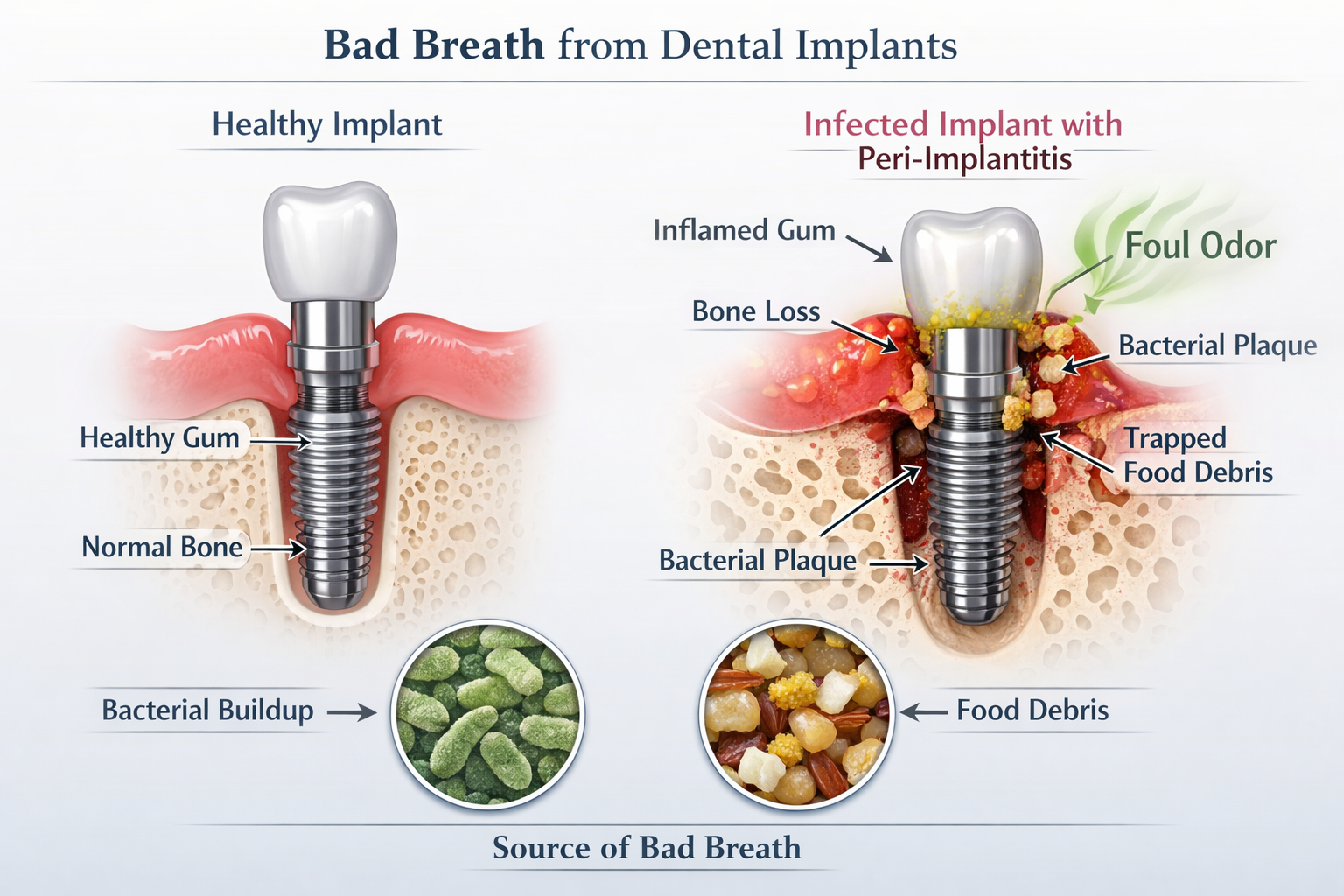
When we talk about bad breath, or halitosis, from dental implants, we’re essentially looking at a symptom rather than a standalone condition. The presence of a dental implant itself doesn’t cause bad breath. Instead, it’s often the environment around the implant, or how the implant interacts with your oral ecosystem, that leads to the problem. Let’s explore the common culprits behind this unwelcome odor.
Poor Oral Hygiene and Bacterial Buildup
The most common reason for any type of bad breath, including that associated with dental implants, is inadequate oral hygiene. Just like natural teeth, dental implants and the prosthetic crowns or bridges they support can accumulate plaque and food debris. If not properly cleaned, these particles become a breeding ground for bacteria.
Bacteria, particularly anaerobic bacteria, feast on food particles and produce volatile sulfur compounds (VSCs), which are the primary cause of halitosis [1]. These VSCs have a distinct, unpleasant smell that can range from rotten eggs to sour milk. Around implants, bacteria can accumulate in several key areas:
- Around the gum line: The junction where the crown meets the gum is a prime spot for plaque accumulation.
- Underneath fixed bridges: If your implants support a bridge, food particles can get trapped underneath the prosthetic.
- Rough surfaces: While implant crowns are typically smooth, microscopic irregularities can harbor bacteria if not meticulously cleaned.
Neglecting daily brushing and flossing specific to implants allows these bacterial colonies to flourish, leading directly to bad breath. This is why following your dentist’s aftercare instructions is so important, especially regarding cleaning techniques for your specific implant type.
Peri-Implantitis: The Silent Threat
Perhaps the most serious cause of bad breath from dental implants is peri-implantitis. This is an inflammatory condition affecting the soft and hard tissues surrounding a dental implant, characterized by progressive bone loss after the initial healing phase [2]. It’s essentially the implant equivalent of periodontitis (gum disease) in natural teeth.
How does peri-implantitis cause bad breath?
- Bacterial Infection: Peri-implantitis is primarily caused by a bacterial infection. As bacteria proliferate around the implant, they produce VSCs, leading to chronic bad breath.
- Pus Formation: In advanced stages, peri-implantitis can lead to the formation of pus (suppuration) around the implant, which is a clear indicator of infection and a major source of foul odor.
- Tissue Breakdown: The inflammation and bone loss associated with peri-implantitis create deeper pockets around the implant where more bacteria can hide, making cleaning difficult and exacerbating the bad breath.
If you suspect peri-implantitis, it’s critical to seek professional dental care immediately. Signs of peri-implantitis include bleeding gums around the implant, redness, swelling, tenderness, and potentially a loose implant [3]. Addressing this early can prevent further bone loss and save your implant. If you’re looking for guidance on dental implant recovery, you might find valuable information on complete dental implant recovery timeline.
Food Impaction Around Implants
Sometimes, the issue isn’t a widespread infection but localized food impaction. Gaps between the implant crown and adjacent teeth, or between multiple implant-supported crowns, can become traps for food particles. These trapped particles decompose, attracting bacteria and releasing foul odors. This can be more common if the implant crown isn’t perfectly contoured or if there are open contacts.
Ill-fitting or Poorly Designed Restorations
A well-designed and properly fitted implant crown or bridge is crucial for both function and hygiene. If the restoration (the visible part of the implant) doesn’t fit snugly against the gum line or against neighboring teeth, it can create ledges or open margins. These areas are notoriously difficult to clean, allowing plaque and bacteria to accumulate undisturbed, leading to bad breath. In some cases, issues can arise during the abutment placement phase if not precisely managed.
Similarly, if the material of the crown is porous or has microscopic flaws, it can harbor bacteria. While rare with modern materials like porcelain and zirconia, it’s a possibility to consider.
Other Oral Health Issues Unrelated to Implants
It’s important to remember that dental implants exist within your entire oral cavity. Other oral health problems can independently cause bad breath and might be mistakenly attributed to your implants. These include:
- Gum Disease (Gingivitis or Periodontitis): Even if your implants are healthy, gum disease around your natural teeth can produce significant bad breath.
- Cavities: Untreated tooth decay creates pockets where food and bacteria collect and fester.
- Oral Thrush or Fungal Infections: These can cause a distinct, often unpleasant, odor.
- Dry Mouth (Xerostomia): Saliva helps wash away food particles and bacteria. A lack of saliva allows bacteria to multiply unchecked.
- Tonsil Stones (Tonsilloliths): Small calcifications in the tonsils can harbor bacteria and release foul smells.
Systemic Health Conditions
Less commonly, bad breath can stem from systemic health issues. While not directly caused by dental implants, these conditions can impact overall oral health and mask symptoms, making it seem like the implants are the cause. Conditions like:
- Sinus infections or post-nasal drip: Mucus can accumulate and lead to bad breath.
- Diabetes: Poorly controlled diabetes can lead to a fruity or acetone-like breath odor.
- Kidney or liver disease: Can cause distinct, unpleasant breath.
- Gastroesophageal reflux disease (GERD): Stomach acid and contents can cause sour breath.
It’s always a good idea to inform your dentist about any health conditions or medications you are taking, as they can sometimes contribute to bad breath.
Preventing and Addressing Bad Breath from Dental Implants
Understanding the causes is the first step; the next is implementing effective prevention and treatment strategies. Maintaining fresh breath and ensuring the long-term success of your dental implants hinges on diligent care and professional oversight.
Impeccable Oral Hygiene Routines
This cannot be stressed enough: daily, meticulous oral hygiene is the cornerstone of preventing bad breath from dental implants. Your routine should be even more rigorous than for natural teeth, as implants lack the natural protective mechanisms (like ligaments) that natural teeth possess.
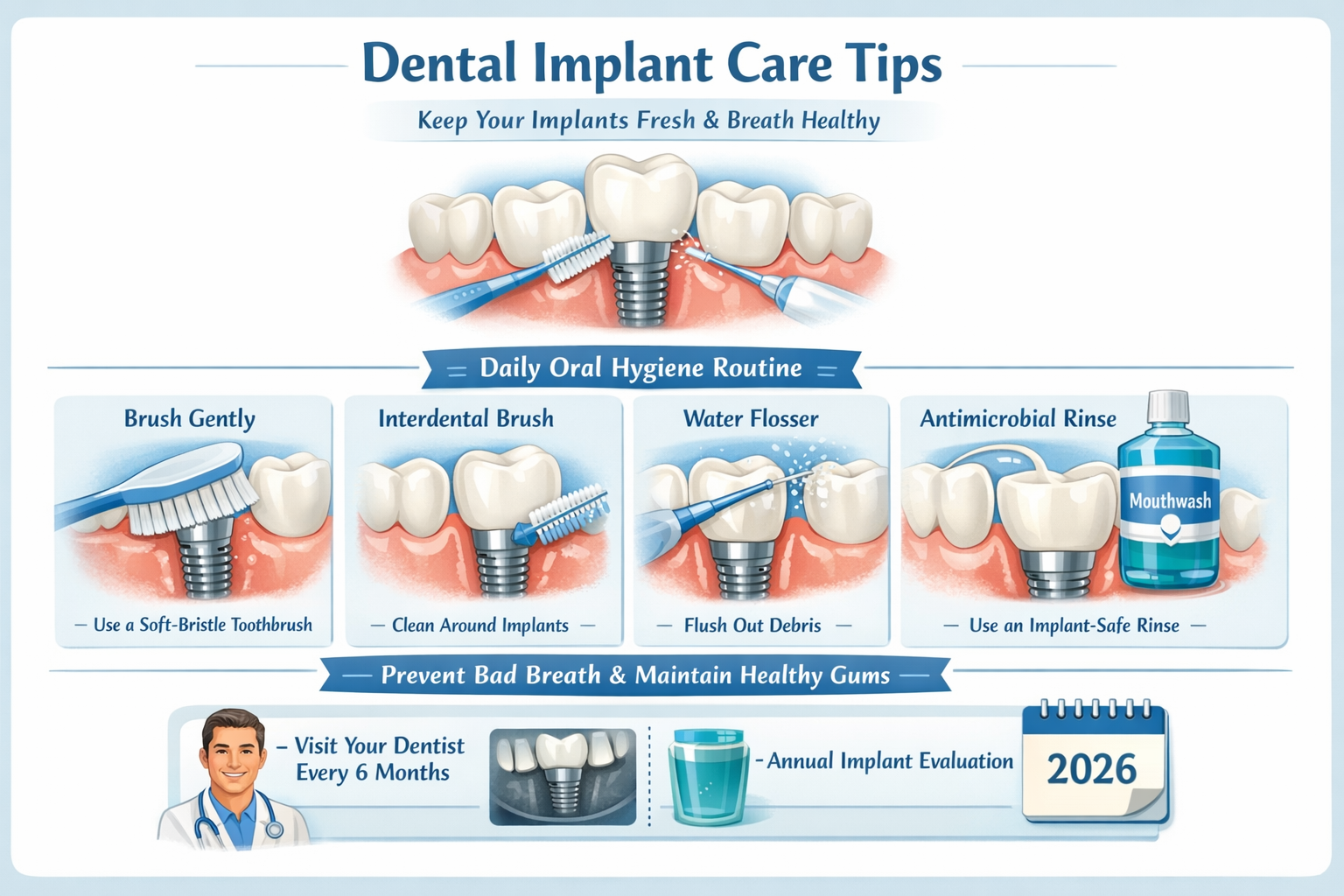
- Brushing: Use a soft-bristled toothbrush or an electric toothbrush twice a day. Focus on the gum line around your implants. Angle the bristles at 45 degrees towards the gum and use gentle, circular motions. Specific brushes designed for implants can be beneficial. Many patients find that using the best toothpaste for implants makes a difference.
- Interdental Cleaning: This is critical.
- Flossing: Use implant-specific floss, which is often wider and softer, or a tufted floss. Thread it carefully around the implant and under the gum line, gently cleaning the sides of the implant.
- Interdental Brushes: These tiny brushes come in various sizes and are excellent for cleaning between implants and natural teeth, and around the abutment.
- Water Flosser (Oral Irrigator): A water flosser is highly recommended for dental implants. It effectively dislodges food particles and plaque from hard-to-reach areas around implants and under bridges, and helps flush out bacteria. Consider investing in the best water flosser for dental implants for optimal results.
- Mouthwash: Your dentist might recommend a non-alcoholic, antimicrobial mouthwash to reduce bacteria. Avoid mouthwashes containing alcohol, as they can dry out the mouth and irritate tissues. There are specific products considered the best mouthwash for dental implants that can be very helpful.
- Tongue Scraper: Don’t forget to clean your tongue! A significant portion of odor-causing bacteria resides on the tongue. Use a tongue scraper daily to remove this bacterial film.
Regular Professional Dental Check-ups and Cleanings
Even with excellent home care, professional cleanings are indispensable. Your dental team has specialized tools and expertise to clean areas you can’t reach and to spot problems early.
- Frequency: Aim for check-ups and cleanings every six months, or more frequently if recommended by your dentist due to specific risk factors.
- Specialized Tools: Dental hygienists use special plastic or graphite instruments to clean around implants, as metal instruments can scratch the implant surface, creating new areas for bacterial attachment.
- Early Detection: Your dentist will thoroughly examine your implants for any signs of peri-implantitis, bone loss, or issues with the restoration. X-rays are crucial for monitoring bone levels around the implants. Catching issues like 90 percent bone loss in teeth early, even if around natural teeth, can inform future implant care.
If you are experiencing bad breath from dental implants, your dentist will be able to perform a thorough examination, including:
- Visual Inspection: Looking for redness, swelling, or pus.
- Probing: Gently measuring pocket depths around the implant.
- Radiographs (X-rays): To assess bone levels around the implant.
- Bacterial Testing: In some cases, samples may be taken to identify specific bacteria.
Addressing Peri-Implantitis and Other Issues
If peri-implantitis is diagnosed, treatment will depend on its severity.
- Non-Surgical Treatment: For mild cases (peri-implant mucositis), intensive cleaning, antimicrobial rinses, and sometimes localized antibiotic therapy can be effective.
- Surgical Treatment: More advanced peri-implantitis often requires surgical intervention to clean the infected area, remove diseased tissue, and potentially reshape or graft bone if significant loss has occurred. This could involve procedures to regenerate lost bone or improve gum tissue contours. Understanding dental bone graft healing is vital if a bone graft is part of your treatment plan.
- Restoration Adjustment/Replacement: If an ill-fitting crown is the cause, your dentist may need to adjust, repair, or even replace the restoration to ensure a proper fit and eliminate bacterial traps.
Lifestyle and Dietary Considerations
What you put into your body can also impact your breath.
- Hydration: Drink plenty of water throughout the day to keep your mouth moist and help wash away bacteria and food particles.
- Diet: Limit sugary foods and drinks, as sugar feeds odor-producing bacteria. Opt for a balanced diet rich in fruits and vegetables. Crunchy fruits and vegetables like apples and carrots can naturally help clean your teeth and stimulate saliva flow.
- Avoid Tobacco: Smoking significantly increases the risk of gum disease and peri-implantitis, both major causes of bad breath. It also inhibits healing and reduces saliva production [4].
- Moderate Alcohol Consumption: Alcohol can dry out your mouth, contributing to bad breath.
Consulting Your Dentist or Periodontist
Do not try to self-diagnose or self-treat persistent bad breath from dental implants. If you notice any unusual odor, pain, swelling, bleeding, or looseness around your implant, contact your dental professional immediately. They are best equipped to diagnose the exact cause and recommend the most appropriate treatment plan. For specialized care, particularly concerning gum health and implant issues, a periodontist (a gum disease specialist) or an oral surgeon who placed your implants would be excellent resources. If you’re in the Dallas area, considering a visit to Dallas periodontics and dental implants could be a beneficial next step.
The Long-Term Outlook: Maintaining a Healthy Smile in 2026
With proper care and timely intervention, dental implants can last for decades, providing a strong, functional, and aesthetically pleasing smile. The key to ensuring their longevity and preventing issues like bad breath lies in a proactive approach to oral health. Think of your implants as an investment that requires ongoing maintenance.
Regular follow-ups allow your dental team to monitor the health of your implants and surrounding tissues, ensuring that any potential problems are identified and addressed before they escalate. This includes checking for signs of infection, assessing the fit of your prosthetic, and reviewing your at-home cleaning techniques.
Remember, a fresh breath is not just about social confidence; it’s a strong indicator of overall oral health. If you’re experiencing bad breath from dental implants, view it as an important signal from your body that requires professional attention. By partnering with your dental care provider and committing to excellent oral hygiene, you can enjoy the full benefits of your dental implants for many years to come, with a smile that’s both healthy and fresh. Learn more about comprehensive dental care at dentalimplantsdallastx.com.
Conclusion
Bad breath from dental implants is a problem that demands attention, not just for social comfort, but as a critical indicator of potential oral health issues. While dental implants are a robust and long-lasting solution for missing teeth, they require consistent and specialized care to prevent complications like peri-implantitis, which is often the root cause of persistent halitosis.
The journey to resolving and preventing bad breath involves a multi-faceted approach. It begins with an unwavering commitment to impeccable daily oral hygiene, including thorough brushing, flossing, and the strategic use of interdental cleaners and water flossers. Coupled with this, regular professional check-ups and cleanings with a dentist or periodontist are paramount. These visits allow for early detection of issues, specialized cleaning, and timely intervention, preventing minor concerns from escalating into serious threats to your implant’s health.
If you’re currently experiencing bad breath, don’t delay. Schedule an appointment with your dental professional. They can accurately diagnose the underlying cause, which could range from simple plaque buildup to more complex peri-implantitis or an ill-fitting restoration. With the right diagnosis and treatment plan, you can effectively eliminate the bad breath and ensure the long-term health and stability of your dental implants. Your implants are an investment in your health and confidence; protect that investment with diligent care and professional guidance in 2026 and beyond.
Dental Implant Bad Breath Self-Assessment
Use this tool to help identify potential reasons for bad breath around your dental implants. Please answer honestly.
Assessment Results
Disclaimer: This self-assessment is for informational purposes only and is not a substitute for professional dental advice. Always consult with your dentist or a specialist for an accurate diagnosis and treatment plan.
References
[1] R. G. van der Sluijs, J. C. W. R. de Josselin de Jong, M. F. C. M. de Roon, E. A. W. C. Vissink, A. P. E. van Winkelhoff, A. P. E. van Winkelhoff, J. B. de Vree, B. L. C. van de Velde. (2020). Volatile Sulfur Compounds and Halitosis: A Literature Review. Journal of Breath Research, 14(1), 011002.
[2] American Academy of Periodontology. (n.d.). Periodontal (Gum) Disease. Retrieved from https://www.perio.org/consumer/gum-disease.htm (Note: This is a general resource on periodontal disease, relevant to peri-implantitis as an analogous condition).
[3] J. J. S. P. K. J. K. V. (2014). Peri-implantitis: A Systematic Review of Treatment Modalities. Journal of Clinical & Diagnostic Research, 8(8), ZE01-ZE05.
[4] J. M. M. R. V. (2012). The Effects of Tobacco on Periodontal Health: A Review. Periodontology 2000, 59(1), 163-181.
Leave a Reply
Share your thoughts or ask a question about dental implants. Your email address will not be published.