

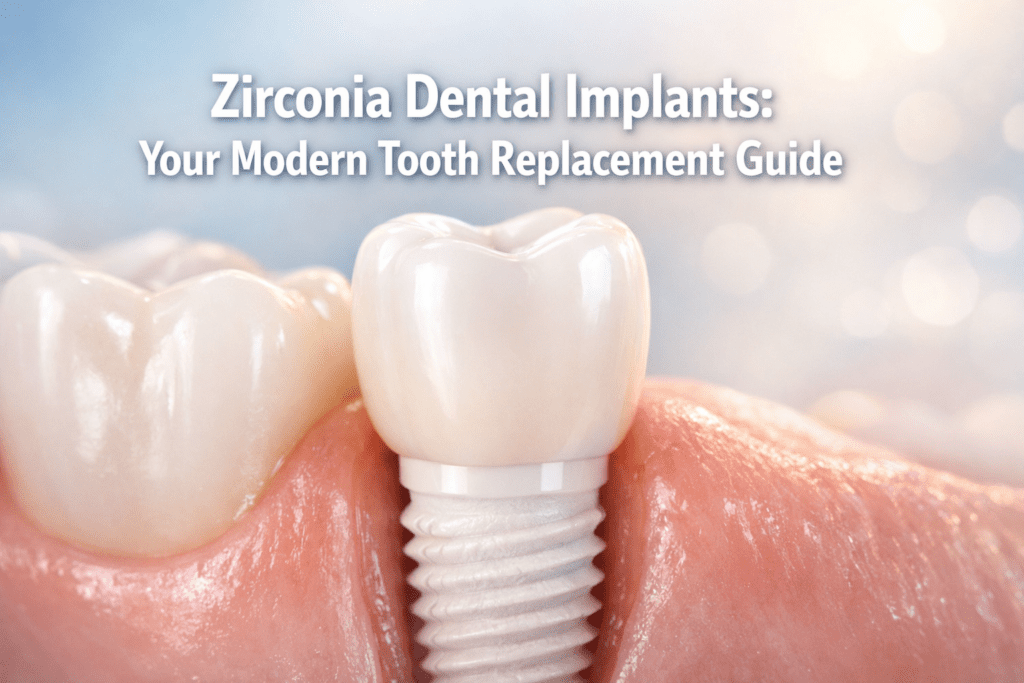
Zirconia dental implants offer a metal-free, highly aesthetic, and biocompatible solution for replacing missing teeth, providing an excellent alternative to traditional titanium implants. These implants are made from a strong ceramic material, zirconium dioxide, which is known for its natural white color and ability to integrate well with bone tissue. Patients in Dallas considering tooth replacement options will find zirconia implants a compelling choice for long-term oral health.
Key Takeaways
- Zirconia dental implants are a metal-free alternative to titanium, offering superior aesthetics and biocompatibility.
- They integrate effectively with the jawbone, a process known as osseointegration, providing a stable foundation for prosthetic teeth.
- Zirconia is highly resistant to corrosion and plaque accumulation, contributing to better gum health.
- The natural white color of zirconia makes it an ideal choice for visible areas, such as missing front teeth.
- Advanced technologies like CAD/CAM and 3D-guided surgery enhance the precision and success of zirconia implant placement.
- While offering many benefits, zirconia implants may have a higher initial cost compared to titanium, particularly in Dallas.
- Patient satisfaction with zirconia implants is consistently high, with reported improvements in chewing, speaking, and confidence.
- A thorough consultation with a qualified dental professional in Dallas is essential to determine if zirconia implants are the right solution for your specific needs.
What Are Zirconia Dental Implants and How Do They Work?
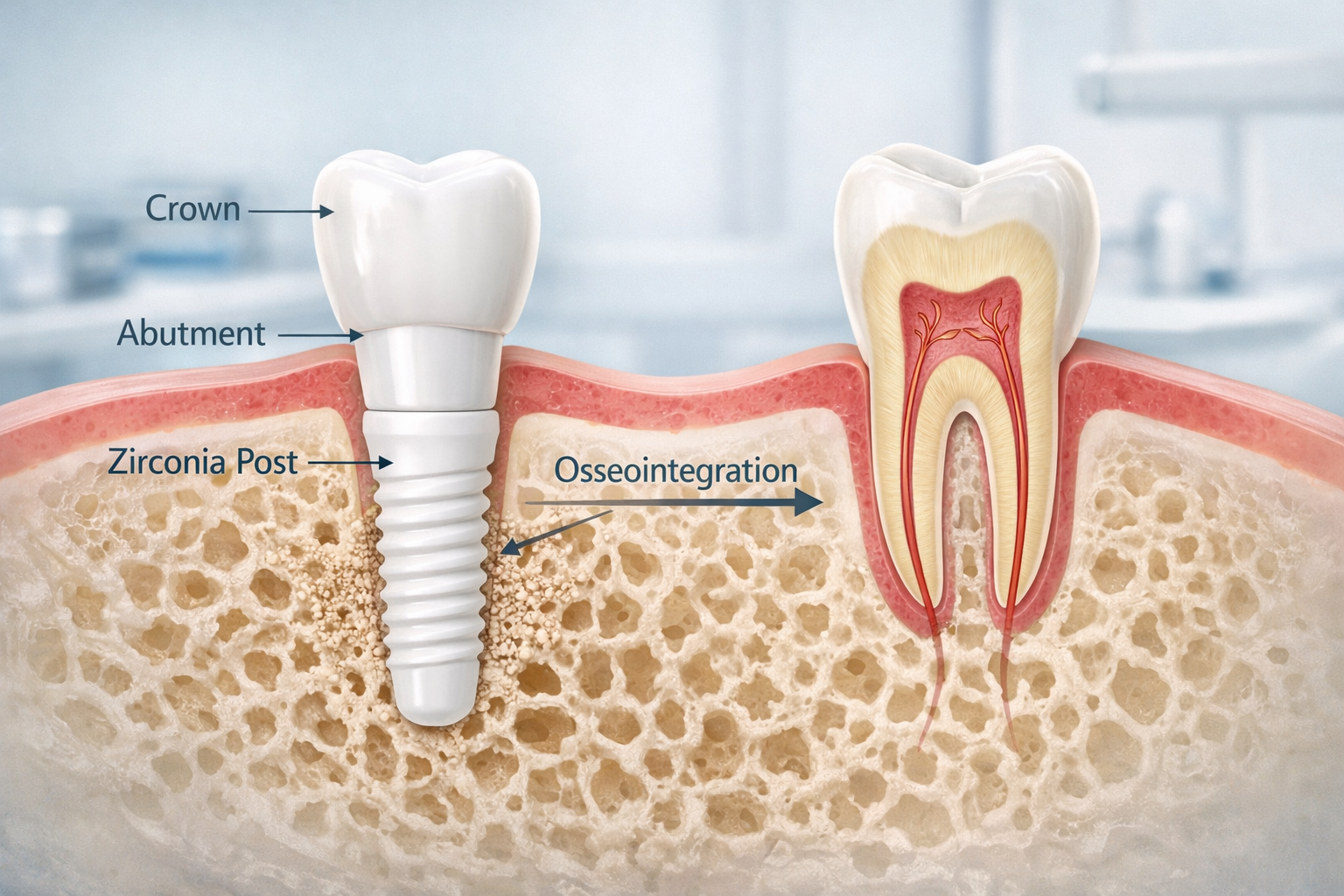
Zirconia dental implants are advanced, ceramic-based tooth root replacements that serve as a strong, non-metallic foundation for a prosthetic tooth or bridge. Made from zirconium dioxide (ZrO2), a high-performance ceramic, these implants are surgically placed into the jawbone, where they naturally fuse with the bone in a process called osseointegration. This creates a stable anchor for the dental crown, effectively restoring chewing function and aesthetic appearance.
Unlike traditional titanium implants, zirconia offers a white, tooth-colored structure, making it a highly aesthetic option, especially for visible areas of the mouth [4]. Its excellent biocompatibility means it is well-tolerated by the body and less likely to cause allergic reactions or sensitivity. Zirconia also exhibits superior resistance to corrosion and plaque accumulation, which can contribute to healthier gum tissue around the implant [2]. Companies are continually investing in research and development to enhance the osseointegration properties of zirconia through surface modifications and new material explorations, ensuring greater implant strength and longevity [1].
What Are the Benefits of Choosing Zirconia Dental Implants?
Choosing zirconia dental implants offers several distinct advantages, particularly concerning aesthetics, biocompatibility, and overall oral health. These benefits make zirconia an increasingly popular option for patients seeking high-quality, long-lasting tooth replacement solutions.
Aesthetic Appeal
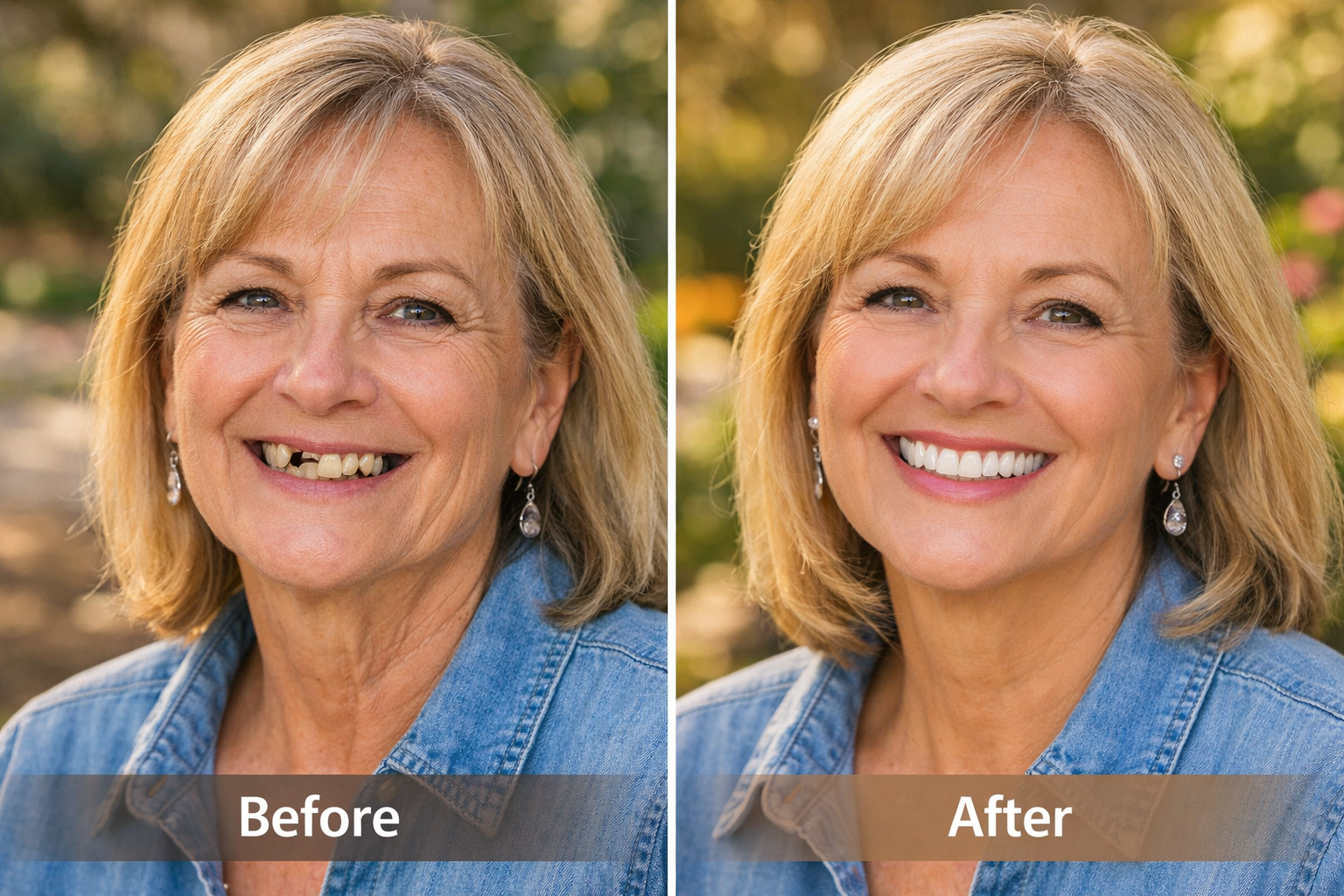
One of the most significant advantages of zirconia dental implants is their natural white color. Unlike titanium, which can sometimes show through thin gum tissue as a gray shadow, zirconia blends seamlessly with existing teeth and gum lines [4]. This makes them an excellent choice for replacing missing front teeth or for individuals with a high smile line, ensuring a truly natural-looking restoration [4]. The cosmetic benefits contribute significantly to patient confidence and satisfaction [3].
Biocompatibility and Allergy-Friendly
Zirconia is a ceramic material, making it entirely metal-free. This is crucial for patients with metal sensitivities or allergies, offering a safe and well-tolerated alternative [2]. Its excellent biocompatibility means it integrates effectively with bone and soft tissues, promoting healthy gum growth around the implant [2]. This minimizes the risk of inflammation or adverse reactions often associated with metallic implants.
Durability and Longevity
Zirconia is renowned for its strength and resistance to fracture, providing exceptional durability for chewing and biting forces [2]. It also exhibits superior resistance to corrosion compared to titanium, contributing to enhanced longevity and performance in the oral environment [2]. The robust nature of zirconia means these implants can serve as a long-term solution for missing teeth.
Reduced Plaque Accumulation
The smooth, dense surface of zirconia is less prone to plaque and bacterial accumulation compared to other materials. This characteristic supports better gum health and can help prevent peri-implantitis, an inflammatory condition that can affect dental implants. Reduced plaque buildup makes zirconia implants easier to clean and maintain, promoting long-term oral hygiene.
High Patient Satisfaction
A multicenter clinical study from January 2026 revealed that immediate zirconia implant placement achieved a 100% survival rate and 94.99% overall patient satisfaction over an 8.1-year mean follow-up period [3]. Patients consistently report improvements in their ability to chew, speak, overall comfort, and social confidence after receiving zirconia implants, highlighting a significant enhancement in their quality of life [3].
Choosing zirconia dental implants can dramatically improve not only oral function but also personal confidence and well-being. For those exploring their tooth replacement options in Dallas, the benefits of zirconia are worth considering.
Who Is a Good Candidate for Zirconia Dental Implants?
Good candidates for zirconia dental implants typically include individuals with missing teeth who are seeking a permanent, aesthetically pleasing, and biocompatible tooth replacement solution. Ideal candidates should possess adequate jawbone density, maintain good oral hygiene, and be in overall good health.
Zirconia implants are particularly suitable for:
- Patients with Metal Allergies or Sensitivities: Because zirconia is a metal-free ceramic, it is an excellent option for those who have allergies to titanium or other metals.
- Individuals Seeking Superior Aesthetics: If a natural-looking smile is a top priority, especially for visible teeth (like front teeth), zirconia’s white color makes it an ideal choice to avoid any graying effect that can sometimes occur with titanium implants [4].
- Patients Concerned About Biocompatibility: Those who prefer a more “natural” or holistic approach to dental care may favor zirconia due to its inert properties and excellent tissue integration.
- Those with Sufficient Bone Density: Like all dental implants, successful integration requires sufficient jawbone to support the implant. However, advancements in bone graft procedures can often make implants possible for those with some bone loss.
- Non-Smokers or Individuals Willing to Quit: While not an absolute contraindication, smoking significantly impacts implant success rates. Quitting smoking before and after the procedure greatly improves outcomes. We have more information for Dallas TX dental implants for smokers.
- Patients Committed to Oral Hygiene: Proper daily brushing and flossing, along with regular dental check-ups, are crucial for the long-term success of any dental implant.
A detailed consultation with an experienced dentist in Dallas is essential to assess your oral health, discuss your medical history, and determine if zirconia dental implants are the most appropriate treatment for your specific needs. This consultation will involve a comprehensive examination, including imaging like 3D guided scans, to evaluate bone quality and plan the dental implant procedure with precision.
The Zirconia Dental Implant Procedure: What to Expect
The process of receiving zirconia dental implants is similar to that of traditional titanium implants, involving several stages to ensure proper healing and successful integration. Modern advancements, including CAD/CAM technology and 3D-guided surgery, significantly enhance precision and efficiency throughout the procedure [1, 5].
Initial Consultation and Planning
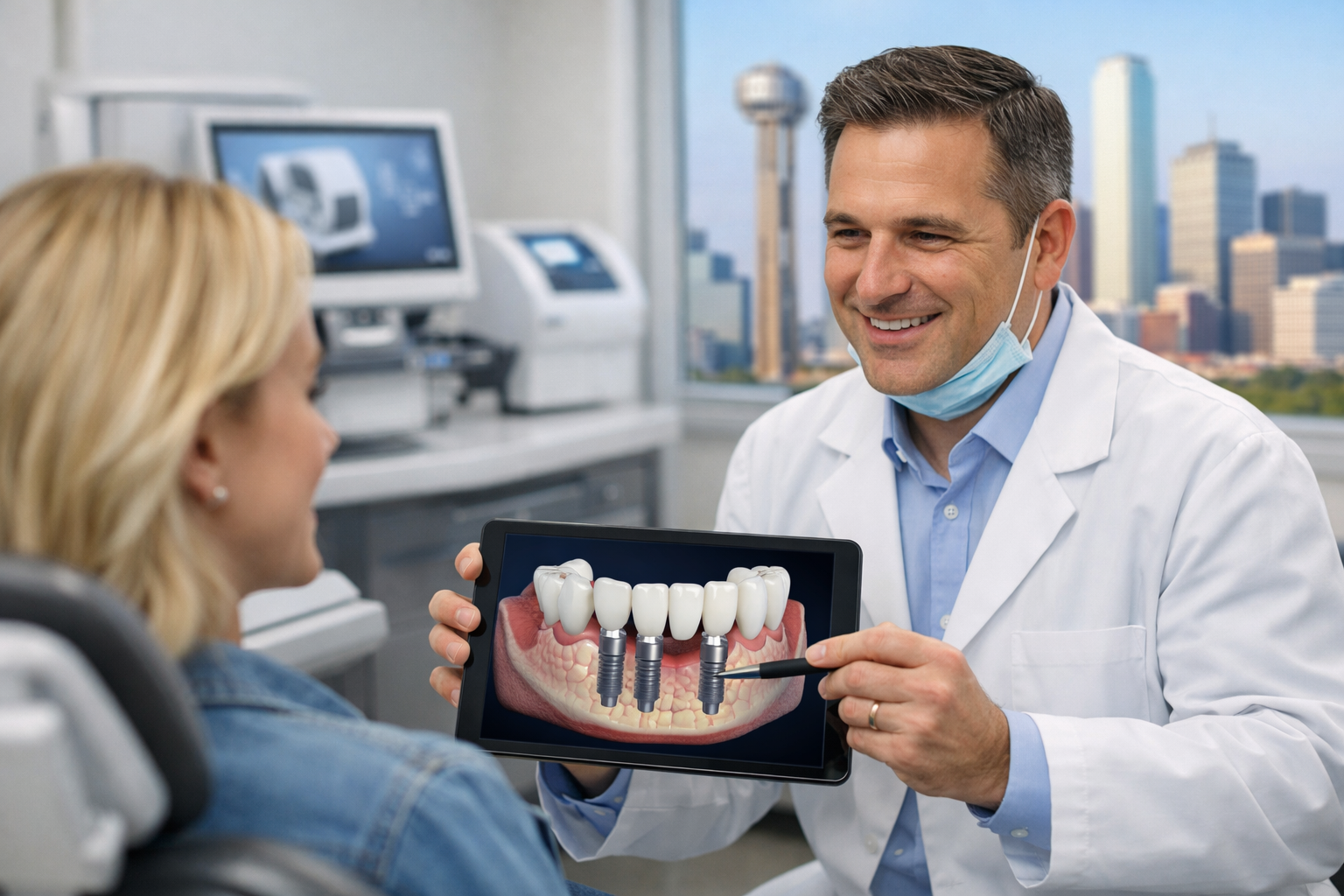
The first step involves a comprehensive evaluation by your Dallas dentist. This includes a thorough examination of your oral health, review of your medical history, and advanced imaging (like 3D cone-beam CT scans) to assess bone structure and density. This information is crucial for creating a personalized treatment plan, including digital planning for implant placement. Dentists in Dallas are increasingly using 3D Guided Dental Implant Surgery for enhanced precision.
Implant Placement Surgery
During this stage, the zirconia implant post is surgically placed into the jawbone. Local anesthesia is typically used, and sedation options are available for patient comfort. With minimally invasive techniques and 3D-guided surgery, the procedure is precise, often resulting in less discomfort and faster recovery times. The implant is strategically positioned to ensure optimal osseointegration and support for the future crown.
Osseointegration (Healing Period)
After placement, a healing period of several weeks to a few months is necessary. During this time, the zirconia implant naturally fuses with the surrounding jawbone. This biological process, called osseointegration, creates a strong, stable foundation for the replacement tooth. While healing, a temporary restoration might be placed, especially for visible areas, allowing you to maintain aesthetics and function.
Abutment and Crown Placement
Once osseointegration is complete and the implant is stable, an abutment (a connector piece) is attached to the implant. Then, a custom-designed zirconia crown is fabricated to match your natural teeth in shape, size, and color. This crown is then securely placed onto the abutment, completing your tooth replacement. Advanced digital workflows and materials, facilitated by CAD/CAM technology, contribute to the precise design and delivery of these prosthetics [1, 5].
Throughout the process, your dental team will provide detailed instructions for post-operative care and monitor your healing to ensure the best possible outcome for your long-term oral health.
Zirconia Dental Implant Cost in Dallas: What to Expect in 2026
The cost of zirconia dental implants in Dallas can vary based on several factors, including the number of implants needed, the complexity of the case, the specific dental clinic, and any additional procedures required like bone grafting. In 2026, zirconia implants generally represent a higher upfront investment compared to traditional titanium implants due to material costs and specialized fabrication processes.
Factors Influencing Cost
- Material and Manufacturing: Zirconia implants themselves are typically more expensive to manufacture than titanium. The advanced ceramic material and the precision required for milling contribute to this higher base cost.
- Number of Implants: A single zirconia implant will naturally cost less than multiple implants or full-arch solutions like All-on-4 dental implants in Dallas. Demand for full-arch restorations is fueling significant use of zirconia for complete-arch solutions [1].
- Ancillary Procedures: If you require procedures like bone grafting to build up jawbone density or tooth extractions prior to implant placement, these will add to the overall cost [dallasdentalimplantcost.com/bone-graft-costs-for-dental-implants-in-dallas-tx-necessity-pricing-and-alternatives/].
- Clinic Expertise and Technology: Clinics in Dallas that utilize advanced technologies like 3D guided surgery and in-house CAD/CAM systems may have different pricing structures reflective of their investment in state-of-the-art care. You can find out more about why zirconia implants cost more in Dallas.
- Geographic Location: While Dallas dental implant costs are often competitive, they can vary across the DFW metroplex and compared to national averages. Our article on Dallas Dental Implant Costs 2026 vs National Averages provides more insight.
Financing Options
Understanding that dental implants are a significant investment, many Dallas dental implant clinics offer various dental implant financing options. These may include:
- Payment Plans: In-house financing options that allow you to spread the cost over several months.
- Third-Party Financing: Services like CareCredit, which offer low-interest or interest-free payment plans for qualified applicants.
- Dental Insurance: While most dental insurance plans may not cover the full cost of implants, some may offer partial reimbursement for certain components of the procedure. For more information, see our guide on qualifying for dental implant insurance reimbursement in Dallas.
- HSA/FSA Accounts: Utilizing Health Savings Accounts (HSA) or Flexible Spending Accounts (FSA) can allow you to pay for implants with pre-tax dollars.
It’s crucial to have a detailed discussion with your dental provider about all costs involved and available payment options during your consultation. This ensures transparency and helps you make an informed decision about your oral health investment.
Zirconia vs. Titanium Dental Implants: A Comparison for Dallas Patients
When considering dental implants in Dallas, patients typically choose between zirconia and titanium options. Both materials are highly successful for tooth replacement, but they offer distinct characteristics in terms of aesthetics, biocompatibility, and mechanical properties.
| Feature | Zirconia Dental Implants | Titanium Dental Implants |
|---|---|---|
| Material | Zirconium Dioxide (Ceramic) | Titanium Alloy (Metal) |
| Color | Opaque white, tooth-colored | Gray, metallic |
| Aesthetics | Excellent, blends seamlessly with natural teeth, no graying through gums [4] | Good, but can sometimes show a gray tint through thin gum tissue |
| Biocompatibility | Excellent, hypoallergenic, metal-free, well-tolerated by soft tissues [2] | Excellent, widely used, very biocompatible, rare allergic reactions |
| Corrosion | Highly resistant to corrosion [2] | Highly resistant to corrosion, but is a metal |
| Osseointegration | Excellent, bonds effectively with bone [3] | Excellent, established track record, strong bone fusion |
| Plaque Accumulation | Lower affinity for plaque and bacteria, supports healthier gums | Low affinity for plaque, good gum health |
| Design | Often one-piece (implant and abutment combined), but two-piece available | Typically two-piece (implant and separate abutment) |
| Cost (typically) | Generally higher in Dallas | Generally lower in Dallas |
| Flexibility | Less flexible than titanium, more brittle under extreme stress | More flexible, can absorb more stress |
For a more in-depth comparison, especially regarding local pricing and maintenance, explore our article on [Titanium vs Zirconia Dental Implants in Dallas 2026](https://dallasdentalimplantcost.com/titanium-vs-zirconia-dental-implants-in-dallas-2026-cost-dura bility-allergy-benefits/). Both options provide durable and effective solutions for missing teeth, and the choice often comes down to individual preferences, specific clinical needs, and budget. A comprehensive consultation with your Dallas dentist will help determine which material is best suited for your long-term oral health goals.
Maintaining Your Zirconia Dental Implants: A 2026 Guide
Proper care and maintenance are crucial for ensuring the longevity and success of your zirconia dental implants. Just like natural teeth, implants require diligent oral hygiene and regular professional check-ups to remain healthy and functional.
Daily Oral Hygiene
- Brush Regularly: Brush your implants and surrounding gum tissue at least twice a day using a soft-bristled toothbrush. Consider using an electric toothbrush for enhanced cleaning.
- Floss Daily: Use dental floss or an interdental brush specifically designed for implants to clean around the abutment and beneath the crown, removing plaque and food debris.
- Rinse with Mouthwash: An antimicrobial mouthwash can help reduce bacteria in the mouth and maintain overall oral hygiene. Consult your dentist for recommendations.
Professional Care
- Regular Dental Check-ups: Schedule routine check-ups and professional cleanings with your Dallas dentist every six months, or as recommended. Your dentist will monitor the health of your implants, gums, and remaining natural teeth.
- Specialized Cleaning Tools: Dental hygienists use special tools designed for cleaning around implants to avoid damaging the implant surface or surrounding tissues.
- X-rays: Periodic X-rays are important to monitor the bone level around your implants and detect any potential issues early. For more details, refer to our guide on Optimal Dental Implant X-Ray Frequency.
Lifestyle Considerations
- Avoid Hard Foods: While zirconia implants are very strong, avoid biting down on excessively hard foods or non-food items (like ice or pens) that could damage the crown or implant.
- Quit Smoking: Smoking significantly increases the risk of implant failure and gum disease. If you smoke, quitting is one of the best ways to protect your investment in dental implants.
- Address Bruxism (Teeth Grinding): If you grind or clench your teeth, your dentist may recommend a dental implant night guard to protect your implants and natural teeth from excessive force.
Adhering to these maintenance practices will help ensure your zirconia dental implants remain a comfortable, aesthetic, and functional part of your smile for many years to come. For more specific guidance on caring for your implants, especially in comparison to titanium, our Titanium vs Zirconia Implant Maintenance: 2026 Guide offers further insights.
Conclusion
Zirconia dental implants represent a significant advancement in modern dentistry, offering patients in Dallas a high-quality, metal-free, and aesthetically superior solution for replacing missing teeth. Their natural appearance, excellent biocompatibility, and durability make them an attractive choice for those prioritizing long-term oral health and a confident smile. While the initial investment might be higher than traditional options, the benefits of zirconia, including reduced plaque accumulation and high patient satisfaction, often outweigh the cost for many individuals.
As you explore your options for dental implants in Dallas, understanding the unique advantages of zirconia is crucial. We encourage you to schedule a consultation with a dentist who specializes in implant dentistry to discuss your specific needs, review your oral health, and determine if zirconia dental implants are the right path for you. An informed decision is the first step towards restoring your smile and enhancing your overall quality of life in 2026 and beyond.
FAQ
Q1: Are zirconia dental implants as strong as titanium implants?
A1: Yes, zirconia dental implants are remarkably strong and durable, offering excellent resistance to fracture and corrosion, making them comparable in strength to titanium for supporting prosthetic teeth.
Q2: Do zirconia implants look more natural than titanium implants?
A2: Yes, zirconia implants typically look more natural because of their opaque white, tooth-colored material, which prevents any gray metallic shadow from showing through the gums, especially in visible areas of the mouth [4].
Q3: Are zirconia implants suitable for people with metal allergies?
A3: Absolutely. Zirconia is a metal-free ceramic, making it an excellent and hypoallergenic option for patients who have sensitivities or allergies to titanium or other metals [2].
Q4: How long do zirconia dental implants last?
A4: With proper oral hygiene and regular dental check-ups, zirconia dental implants can last for many years, often a lifetime, similar to titanium implants. A January 2026 study showed a 100% survival rate over an 8.1-year follow-up [3].
Q5: What is the typical recovery time for zirconia dental implants?
A5: The initial healing period for osseointegration (bone fusion) typically ranges from a few weeks to several months. However, advancements and minimally invasive techniques can contribute to faster recovery experiences.
Q6: Can zirconia implants be used for full mouth restorations?
A6: Yes, zirconia implants are increasingly used for full mouth restorations, including solutions like All-on-4 or All-on-6, providing a stable and aesthetic foundation for complete arches of prosthetic teeth [1].
Q7: Are zirconia dental implants more expensive than titanium?
A7: Generally, zirconia dental implants can have a higher initial cost compared to titanium implants due to the material and specialized manufacturing processes involved.
Q8: Does insurance cover zirconia dental implants in Dallas?
A8: Dental insurance coverage for implants varies widely. While many plans may not cover the full cost, some may offer partial reimbursement. It’s best to check with your insurance provider and dental clinic for details.
References
[1] Zirconium Dental Implants 1199197 – https://www.datainsightsmarket.com/reports/zirconium-dental-implants-1199197
[2] Clinical Study January 2026 Patient Perspectives On Immediate Zirconia Implant Therapy – https://www.swissdentalsolutions.com/us/blog/clinical-study-january-2026-patient-perspectives-on-immediate-zirconia-implant-therapy
[3] Zirconia Implants Aesthetic Durable For 2026 – https://hackensackdental.com/2026/02/17/zirconia-implants-aesthetic-durable-for-2026/
[4] Whats New In Dental Implants For 2025 – https://www.coastaldental.com.au/whats-new-in-dental-implants-for-2025/
[5] Where Dental Prosthetics Are Headed In 2026 – https://stomadentlab.com/where-dental-prosthetics-are-headed-in-2026
Leave a Reply
Share your thoughts or ask a question about dental implants. Your email address will not be published.