

Traveling through airport security can often bring questions about personal items and medical devices. One common concern for individuals with tooth replacement options like dental implants is whether these small, metal components will trigger a metal detector alarm. The good news is that most individuals with dental implants in Dallas, and around the world, can pass through airport security without concern. In this comprehensive guide for 2026, we’ll thoroughly explore why dental implants typically won’t set off metal detectors at the airport and what steps you can take to ensure a smooth travel experience.
Key Takeaways
- Dental implants are almost universally made of titanium, a non-ferrous, non-magnetic metal.
- Titanium’s properties and the small size of dental implants mean they rarely trigger airport metal detectors.
- The jawbone insulates the implant, further reducing the likelihood of detection.
- Orthopedic implants (like hip replacements) use significantly more metal and are more likely to set off alarms than dental implants.
- In the rare event an alarm sounds, TSA agents are familiar with dental implants and will conduct a quick, respectful secondary screening.
- You do not typically need to carry a doctor’s note for dental implants, but having one can offer peace of mind.
- Always inform a TSA agent if you have concerns or if additional screening is required.
Quick Answer
No, dental implants almost never set off metal detectors at the airport. This is because dental implants are primarily made of titanium, a material with properties that generally do not trigger airport security systems, and the small size of the implant itself is often insufficient to create a detectable electromagnetic signature [1, 3].
Why Don’t Dental Implants Typically Trigger Metal Detectors?
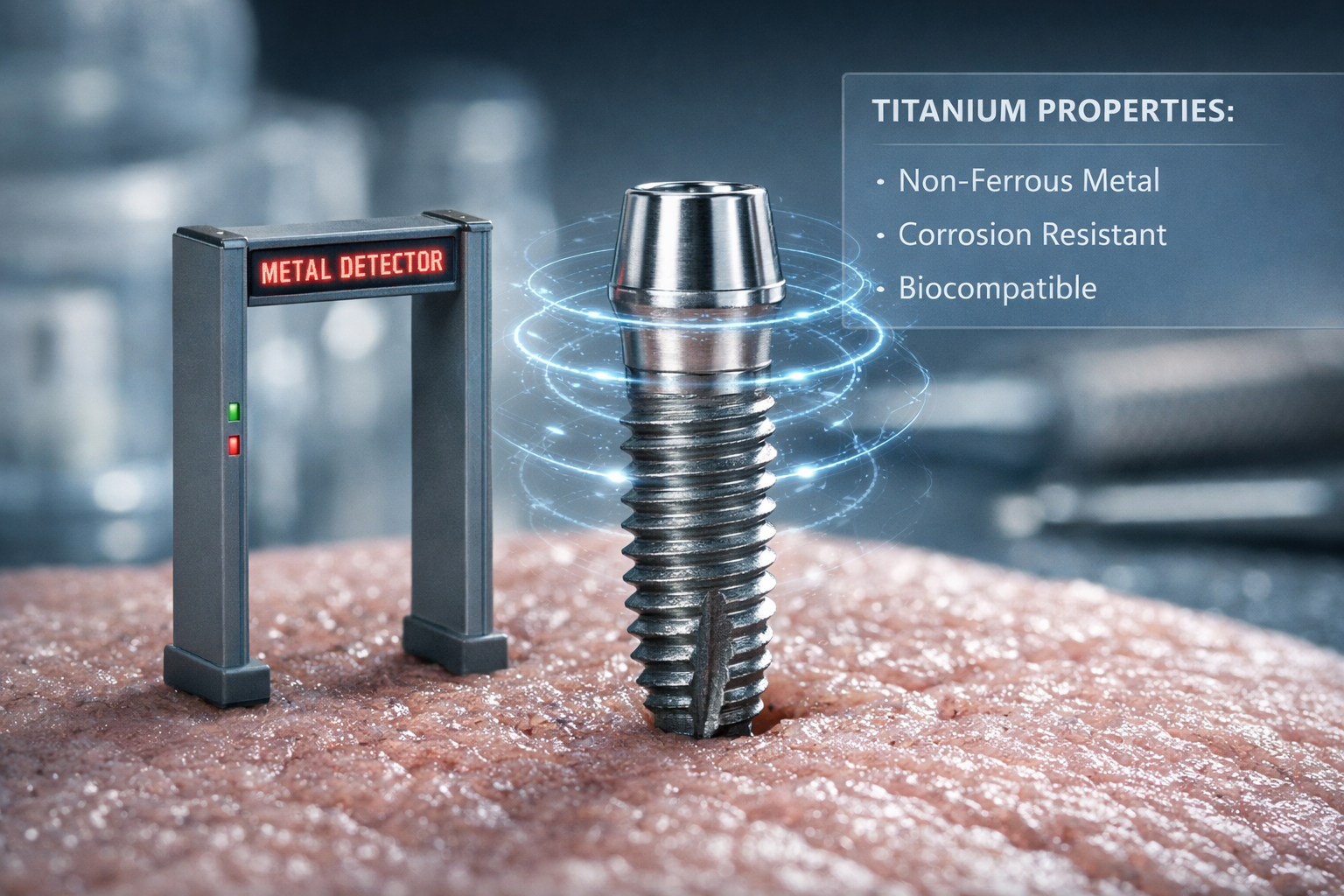
Dental implants rarely trigger airport metal detectors due to the unique properties of the material they are made from, their small size, and their integration within the jawbone. These factors combine to make them virtually undetectable by standard security equipment.
Dental implants are crafted from titanium, a dense, biocompatible metal widely used in medical devices because of its ability to integrate with bone tissue [4]. Titanium is non-magnetic and has low electrical conductivity, meaning it doesn’t generate the strong electromagnetic response that readily activates metal detector alarms, unlike ferrous metals such as iron or steel [3, 4].
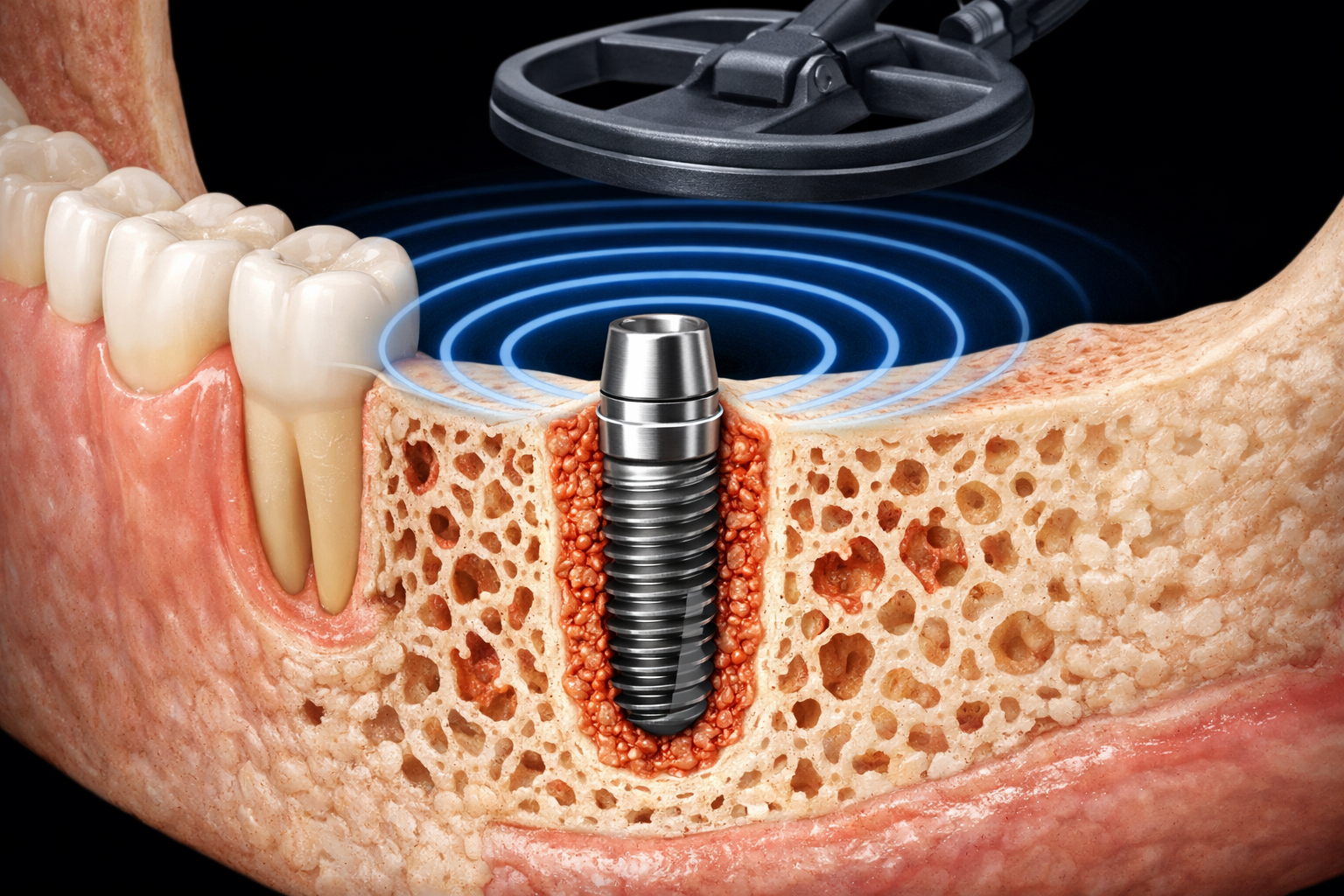
Furthermore, the actual amount of titanium used in a dental implant post is quite minimal—just enough to create a sturdy anchor for the artificial tooth [1]. This small mass is often insufficient to disrupt the electromagnetic field generated by airport metal detectors [2]. The implant posts fuse directly with the jawbone, and the dense bone tissue surrounding them acts as a natural insulator, further protecting the titanium from being sensed by metal detectors [1, 5].
Understanding Airport Metal Detectors and Implant Detection
Airport metal detectors operate by emitting electromagnetic pulses that create a magnetic field [6]. When a metallic object passes through this field, it causes a disruption in the returning vibrations, which then triggers an alarm [6]. The likelihood of an alarm being triggered depends on several factors, including:
- Metal Type: Ferrous metals (containing iron) are more easily detected due to their magnetic properties. Titanium, being non-ferrous and non-magnetic, is less likely to interact with these fields in a significant way [4].
- Metal Mass: Larger metallic objects present a greater disruption to the electromagnetic field, increasing the chance of detection. Dental implants are very small compared to other medical implants or common personal items [1, 2].
- Detector Sensitivity: While airport detectors are highly sensitive, they are calibrated to identify larger, potentially threatening metallic objects, rather than minute medical implants [2].
For instance, hip and knee replacements, which involve significantly larger amounts of metal, commonly trigger airport security alarms [1, 4]. In contrast, the minimal titanium and placement within the jawbone make dental implants an exception to this rule. Patients considering tooth replacement options in Dallas, Texas, should feel reassured that their daily routines, including travel, will not be significantly impacted by a dental implant procedure.
What If My Dental Implants Set Off a Metal Detector?
While highly unlikely, if your dental implants were to unexpectedly trigger an airport metal detector, there’s no need for alarm or concern. Airport security personnel, particularly those with the Transportation Security Administration (TSA) in the United States, are well-versed in handling situations involving medical implants [2].
Here’s what you can expect and how to handle the situation:
- Remain Calm: The most important step is to stay relaxed and follow the instructions of the TSA agent.
- Inform the Agent: Politely inform the TSA officer that you have dental implants. You can simply state, “I have dental implants,” if asked about the source of the alarm [2].
- Cooperate with Secondary Screening: You may be asked to undergo a brief secondary screening, which typically involves a manual pat-down or the use of a handheld metal detector [2]. This process is quick and respectful.
- No Specific Documentation Required (Generally): While not strictly necessary, some individuals find peace of mind by carrying a letter from their dentist or an implant identification card. However, TSA policy generally states that you are not required to provide documentation for medical devices [7]. If you’ve recently had an implant surgery process, your Dallas dentist can provide such a note if desired.
- Be Patient: Allow a few extra minutes for this process. Security staff are trained to verify the source of any alarm and ensure patient safety while maintaining security protocols.
It’s important to remember that such an occurrence is rare. Focusing on the long-term oral health benefits and confidence that dental implants provide, rather than travel anxieties, is often the most productive approach. For questions about your specific dental implant procedure, a consultation with a dentist in Dallas is always recommended.
Preparing for Travel with Dental Implants in 2026
Preparing for travel when you have dental implants is straightforward, as they generally don’t require special considerations for airport security. However, a few simple steps can enhance your peace of mind.
- Understand the Science: Knowing that titanium’s properties (non-magnetic, low conductivity) and the small size of the implant are why they seldom trigger detectors can reduce any anxiety [3, 4].
- Consider a Dentist’s Note (Optional): While not required by TSA, some patients choose to carry a letter from their dental implant specialist in Dallas, confirming their dental implants. This can be helpful if you prefer to have official documentation, though it’s rarely needed.
- Allocate Extra Time: Always allow ample time for airport security, regardless of whether you have implants. This prevents rushing and stress if any unexpected screening occurs.
- Maintain Good Oral Hygiene: Regardless of travel, consistent oral hygiene is crucial for the longevity of your dental implants. Ensure you pack your usual dental care items. Poor oral hygiene can lead to issues like bad breath from dental implants.
- Stay Informed: There have been no recent TSA policy changes specifically regarding dental implants that would alter this guidance in 2026 [7].
If you’re considering dental implants as a solution for missing teeth, discussing potential travel concerns with your Dallas implant provider can be part of your informed decision-making process. They can explain the nuances of the dental implant procedure and assure you about aspects like airport security. Exploring topics like dental implant financing options in Dallas or the implant cost in Dallas are also important considerations.
Other Medical Implants and Metal Detectors
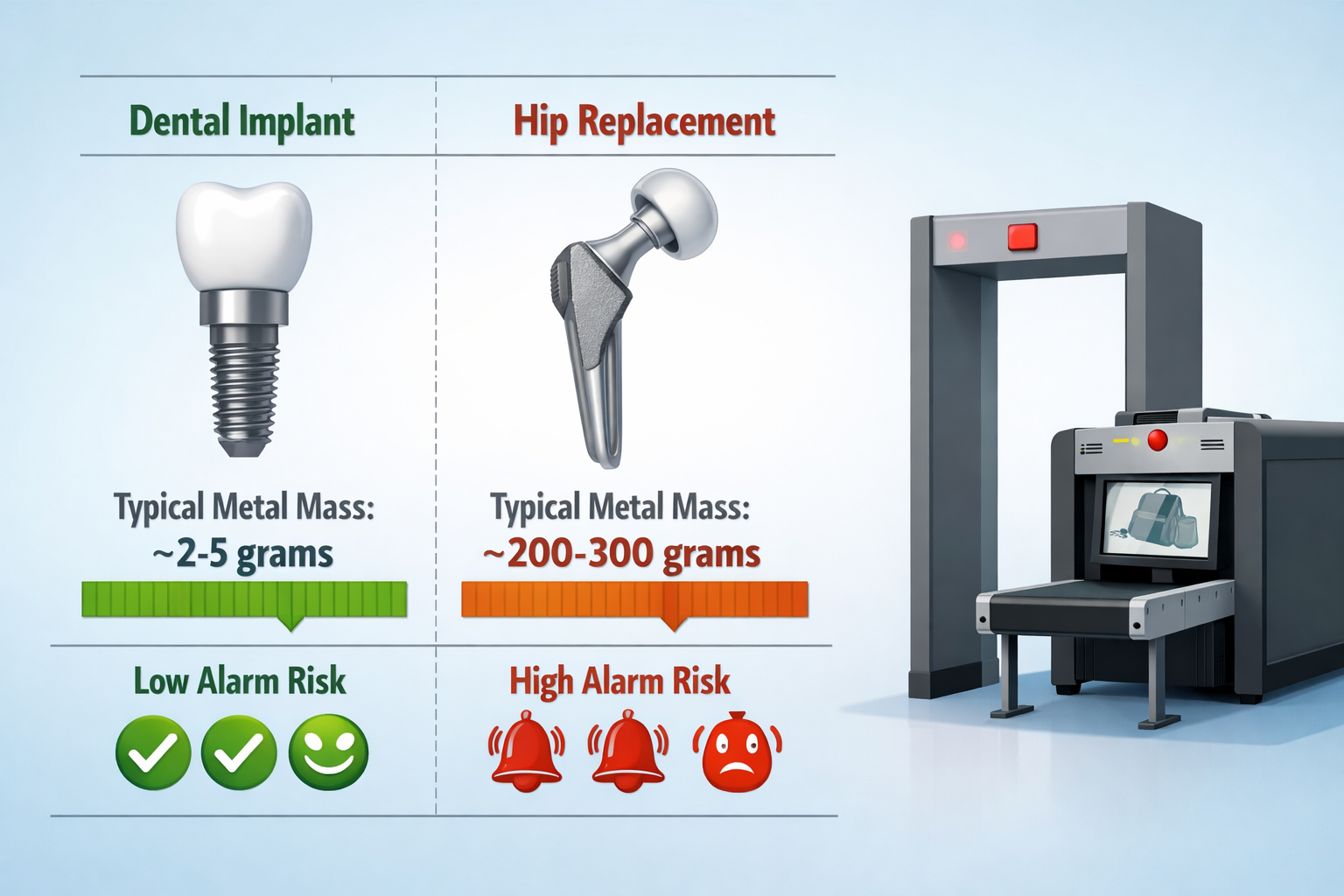
It’s important to differentiate between dental implants and other types of medical implants, as their impact on metal detectors can vary significantly. While dental implants are generally uneventful at security checkpoints, larger orthopedic implants are a different story.
| Implant Type | Typical Material | Size/Mass | Likelihood of Triggering Detector | Notes |
|---|---|---|---|---|
| Dental Implants | Titanium | Very small | Very Low (Rare) | Embedded in bone, minimal metal. |
| Hip/Knee Replacements | Titanium, Cobalt-Chrome, Stainless Steel | Large | High (Common) | Significant metal mass and proximity to body surface. |
| Pacemakers/Defibrillators | Titanium casing, electronics | Medium | Low (Often not metal detector issue) | Primary concern is electromagnetic interference with device, often requires specific screening. |
| Spinal Rods/Fusion Hardware | Titanium, Stainless Steel | Medium to Large | Medium to High | Depends on mass and location. |
| Plates/Screws (Fracture Repair) | Titanium, Stainless Steel | Small to Medium | Low to Medium | Varies based on size, location, and number of implants. |
This table highlights why the specific characteristics of dental implants make them unique in terms of airport security. The minimal use of titanium, combined with their integration into the dense jawbone, typically allows them to pass undetected. This information is part of comprehensive oral health education and helps patients understand the practical aspects of living with dental implants.
Frequently Asked Questions (FAQs)
Q1: Is a doctor’s note necessary for dental implants at the airport?
No, a doctor’s note is generally not necessary for dental implants. TSA policy does not require medical documentation for individuals with implants [7].
Q2: What are dental implants made of that makes them undetectable?
Dental implants are typically made of titanium, which is a non-magnetic metal with low electrical conductivity, making it less likely to trigger metal detectors [3, 4].
Q3: Can full mouth dental implants trigger a metal detector?
Even with full mouth dental implants, the individual posts are small, and the cumulative titanium mass is usually insufficient to trigger airport metal detectors [1, 2].
Q4: Are newer dental implants more likely to set off detectors?
No, the material composition and principles of detection haven’t changed in a way that would make newer dental implants more likely to trigger alarms. The core titanium material remains consistent.
Q5: What should I do if the metal detector goes off and I have dental implants?
If the alarm sounds, calmly inform the TSA agent that you have dental implants and cooperate with any secondary screening, such as a pat-down or handheld wand check [2].
Q6: Can my dental crowns or fillings trigger an alarm?
No, dental crowns and fillings (even metal amalgam) contain negligible amounts of metal, or non-metallic materials, and will not trigger airport metal detectors.
Q7: Will metal detectors harm my dental implants?
No, airport metal detectors use electromagnetic fields that are harmless to dental implants and other medical devices. They will not cause any damage or malfunction.
Q8: Is there a special pass or card for people with dental implants for airport security?
No, there is no special pass or card specifically for dental implants. Standard security procedures apply, with manual screening if an alarm is triggered.
Conclusion
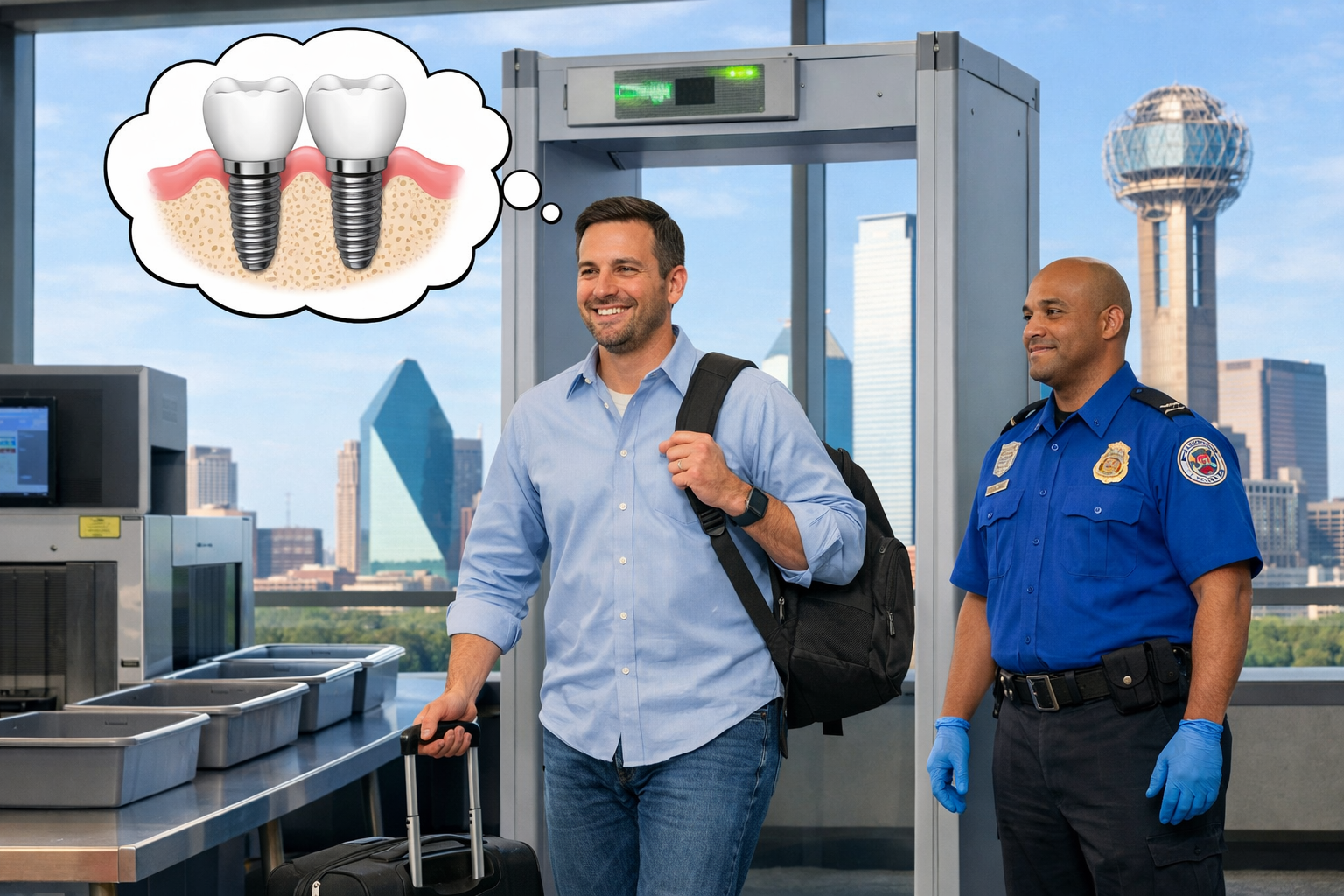
The prospect of undergoing a dental implant procedure to address missing teeth brings many questions, and concerns about daily life, including travel, are natural. We can confidently say that if you have dental implants, the likelihood of them setting off metal detectors at the airport in 2026 is extremely low. The scientific properties of titanium and the small, bone-integrated nature of dental implants ensure that you can travel with peace of mind.
For those in Dallas considering dental implants as a long-term oral health solution, rest assured that this advanced tooth replacement option is designed for seamless integration into your life, including your travel plans. If you have further questions about the dental implant procedure, implant cost in Dallas, or other aspects of patient safety and long-term oral health, we encourage you to schedule a consultation with a dentist specializing in dental implants in Dallas. Informed decision-making is key to achieving a confident, healthy smile.
References
[1] Titanium Triggers Will Dental Implants Set Off Metal Detectors – https://www.dentistindallastx.com/blog/2025/10/12/titanium-triggers-will-dental-implants-set-off-metal-detectors/ [2] Airports Dental Implants Will My Teeth Alert Security – https://www.downtownpittsburghdentist.com/blog/2025/11/29/airports-dental-implants-will-my-teeth-alert-security/ [3] Do Dental Implants Set Off Metal Detectors Debunking The Myths – https://www.moderndaysmiles.com/do-dental-implants-set-off-metal-detectors-debunking-the-myths [4] Will My Dental Implants Trigger Airport Security – https://www.drbc.com/blog/2023/08/11/will-my-dental-implants-trigger-airport-security/ [5] Blog – https://www.myparksfamilydental.com/blog/?p=125 [6] Metal Mouth Will Dental Implants Alert Airport Security – https://www.drvason.com/blog/metal-mouth-will-dental-implants-alert-airport-security/ [7] Navigating Airport Security With Metal Implants In Pennsylvania – https://www.fsorthoperio.com/navigating-airport-security-with-metal-implants-in-pennsylvania/
Leave a Reply
Share your thoughts or ask a question about dental implants. Your email address will not be published.