

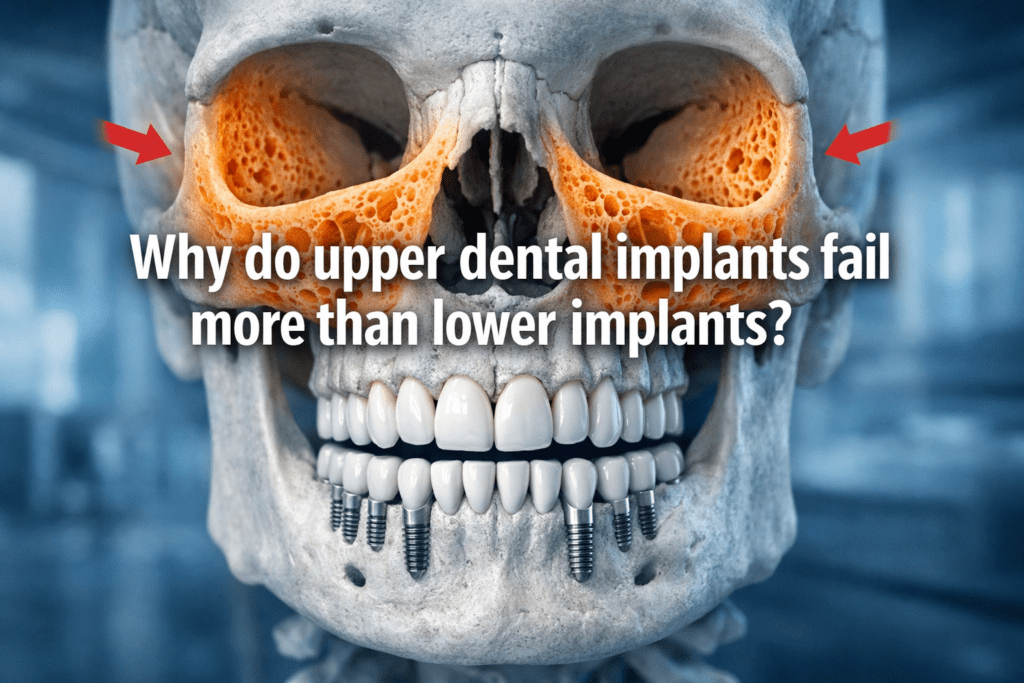
Quick Answer: Upper dental implants tend to fail more often than lower implants primarily due to the anatomical differences between the jaws, specifically the quality and density of the bone, as well as the proximity of the maxillary sinuses. The upper jaw (maxilla) naturally has softer, less dense bone and often less bone volume, which can lead to challenges in achieving stable osseointegration—the crucial fusion of the implant with the jawbone [2, 8].
Key Takeaways
- The upper jaw (maxilla) typically has softer, less dense bone compared to the lower jaw (mandible), which is a primary factor in higher failure rates for upper dental implants [2, 8].
- Proximity to the maxillary sinuses in the upper jaw often results in reduced bone volume, necessitating additional procedures like sinus lifts, which can introduce further complexities [2, 4].
- Achieving successful osseointegration—the fusion of the implant with the bone—is more challenging in softer maxillary bone, increasing the risk of early implant failure [8].
- Despite a higher relative failure rate, upper dental implants still boast strong overall success rates, generally above 90%, demonstrating their reliability as a tooth replacement option [1].
- Factors such as surgeon experience, meticulous pre-operative planning using 3D imaging, and the use of bone grafting techniques can significantly mitigate the risks associated with upper jaw implants [1].
- Patient-specific risk factors, including smoking, poor oral hygiene, and certain systemic health conditions, can further increase the likelihood of implant failure in either jaw, but especially in the more challenging upper jaw [3, 6].
- Understanding these differences is crucial for patients considering dental implants in Dallas, emphasizing the importance of a thorough consultation with a qualified dental implant specialist.
What Are the Anatomical Differences Between the Upper and Lower Jaw?
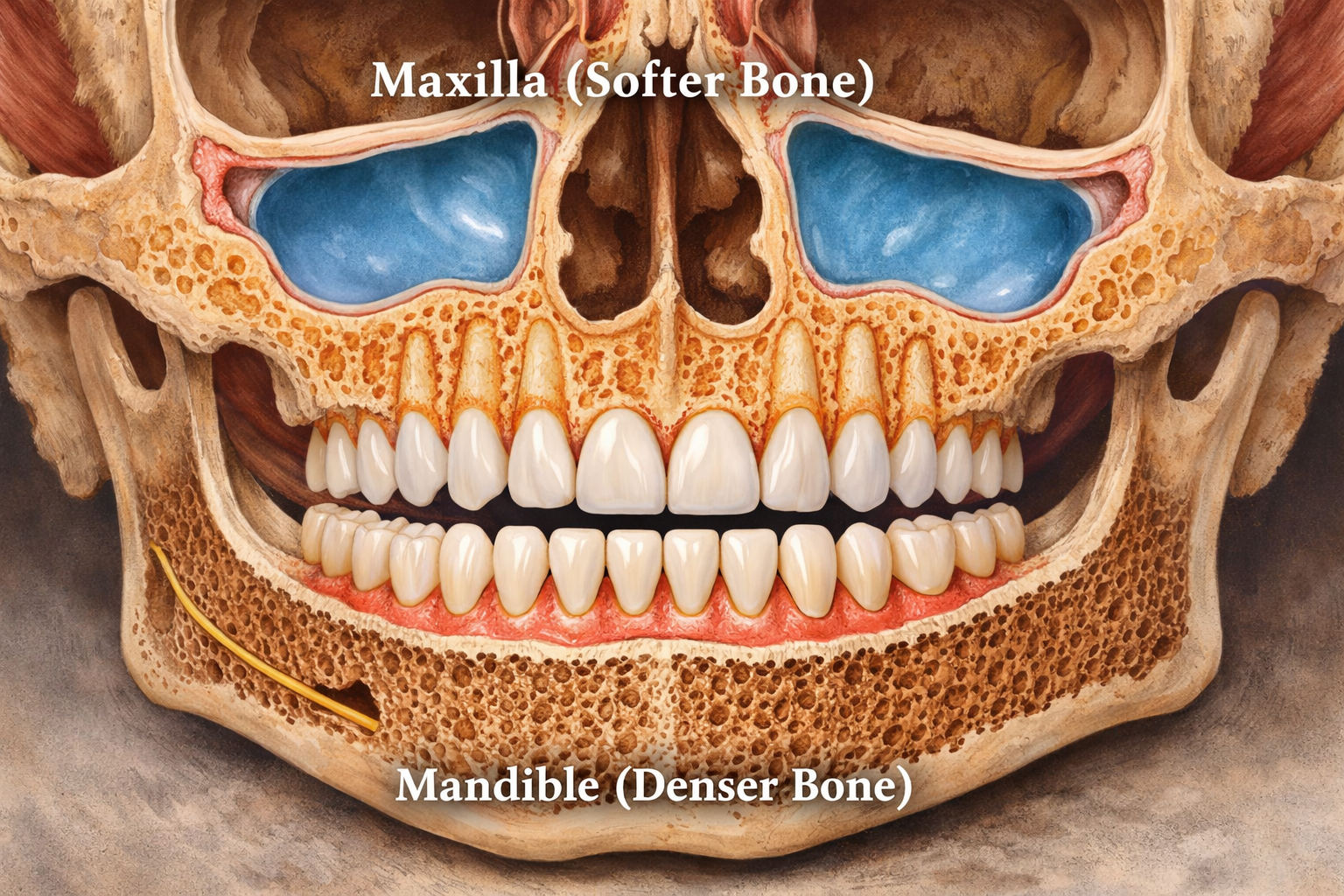
The anatomical differences between the upper and lower jaws play a crucial role in why upper dental implants fail more than lower implants. The upper jaw, or maxilla, is characterized by naturally softer and less dense bone (often categorized as Type III or IV bone), which provides a less stable foundation for dental implants compared to the lower jaw [2, 8]. In contrast, the lower jaw (mandible) typically possesses denser, more compact bone (Type I or II), offering superior initial stability and a more favorable environment for osseointegration [8]. This fundamental distinction in bone quality directly impacts the success rates of dental implant procedures.

- Bone Density: Maxillary bone is significantly less dense and of poorer quality than mandibular bone [8]. This means the initial grip of the implant in the bone (primary stability) can be weaker in the upper jaw.
- Bone Volume: The presence of the maxillary sinuses above the upper molars often limits the available bone height for implant placement. This can necessitate additional surgical procedures like a sinus lift to create adequate bone volume [2, 4].
- Vascularity: The lower jaw generally has a richer blood supply, which is vital for healing and bone regeneration, contributing to more predictable osseointegration.
- Healing Capability: While both jaws heal, the denser bone and better blood supply in the mandible often lead to a more robust and predictable healing process.
Patients considering dental implants in Dallas should discuss these anatomical considerations with their dentist during a consultation. Understanding the unique challenges of each jaw can help set realistic expectations for the dental implant procedure and recovery.
How Does Bone Quality and Density Affect Upper Implant Success?
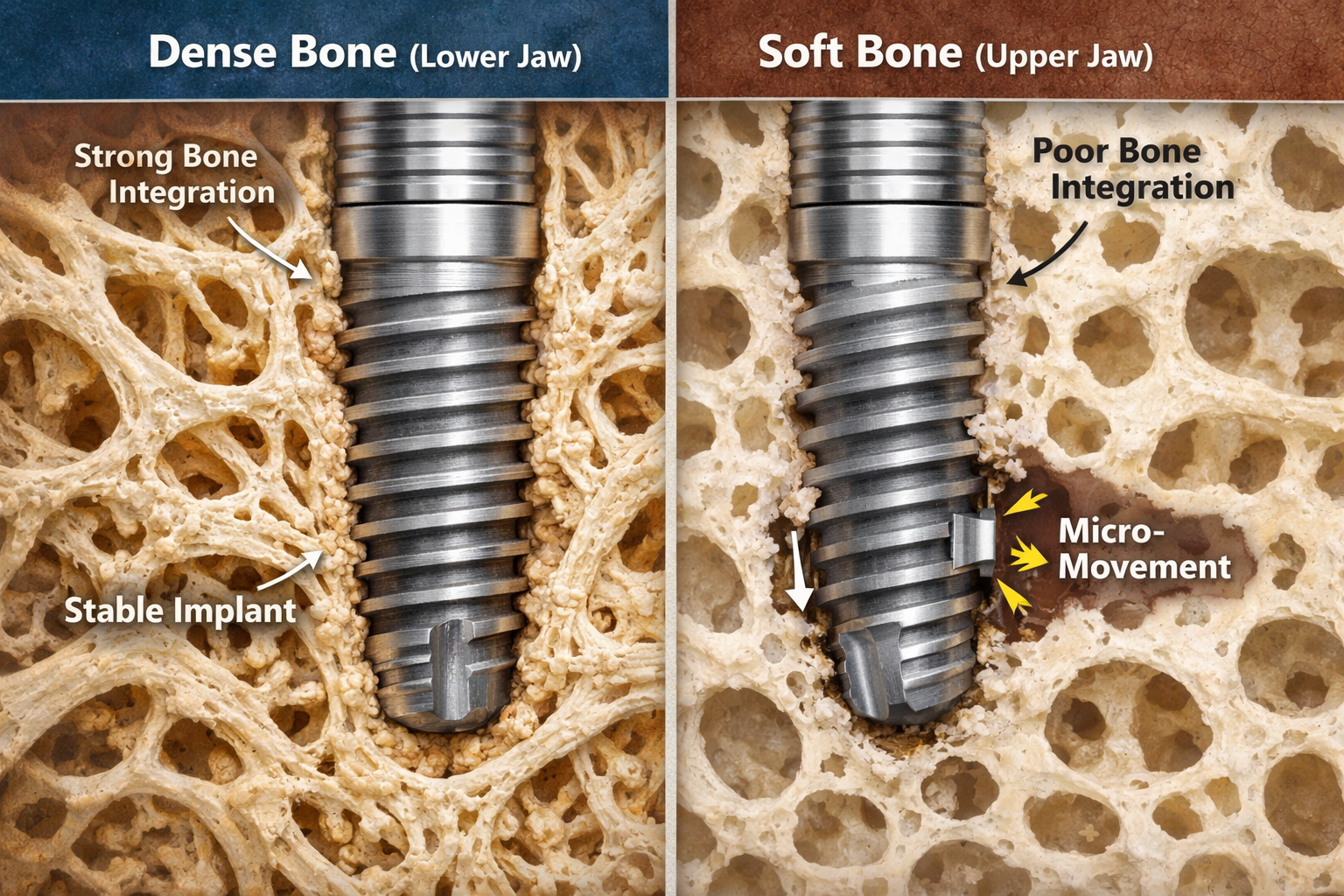
Bone quality and density directly influence the success of dental implants, making it a primary reason why upper dental implants fail more than lower implants. Softer, less dense bone, which is more prevalent in the upper jaw, offers less resistance during implant placement and can compromise the initial stability of the implant [2]. This weaker initial stability is critical because it is essential for successful osseointegration, the biological process where the implant fuses with the surrounding bone [8]. When osseointegration is not fully achieved, the implant may loosen or fail.

- Osseointegration Challenges: Achieving firm osseointegration is more difficult in softer, porous bone. The implant needs to be mechanically stable enough to allow bone cells to grow onto its surface without disruption.
- Primary Stability: Initial implant stability, achieved at the time of surgery, is directly correlated with bone density. Low primary stability in softer upper jaw bone is a significant risk factor for early implant failure [8].
- Bone Classification Impact: Research indicates that Type IV bone, the softest category, which is more common in the maxilla, has a higher failure rate (around 20.6%) compared to denser bone types [2].
- Loading Protocols: In areas of poor bone quality, dentists might opt for delayed loading protocols, waiting longer before attaching the final crown, to allow for more complete healing and integration. Immediate load dental implants, while appealing, may be less suitable in compromised bone [https://dallasdentalimplantcost.com/immediate-load-dental-implants-dallas-2026-same-day-teeth-costs-beyond-basic-procedures/].
For patients in Dallas with less dense bone, advanced techniques like bone grafting or choosing specific implant designs can help improve the odds of success. A thorough assessment, often involving 3D imaging, is crucial to evaluate bone quality before any implant surgery [https://dallasdentalimplantcost.com/the-role-of-3d-imaging-and-digital-planning-in-dallas-dental-implant-costs-and-success-rates/].
What Unique Complications Affect Upper Jaw Implants?
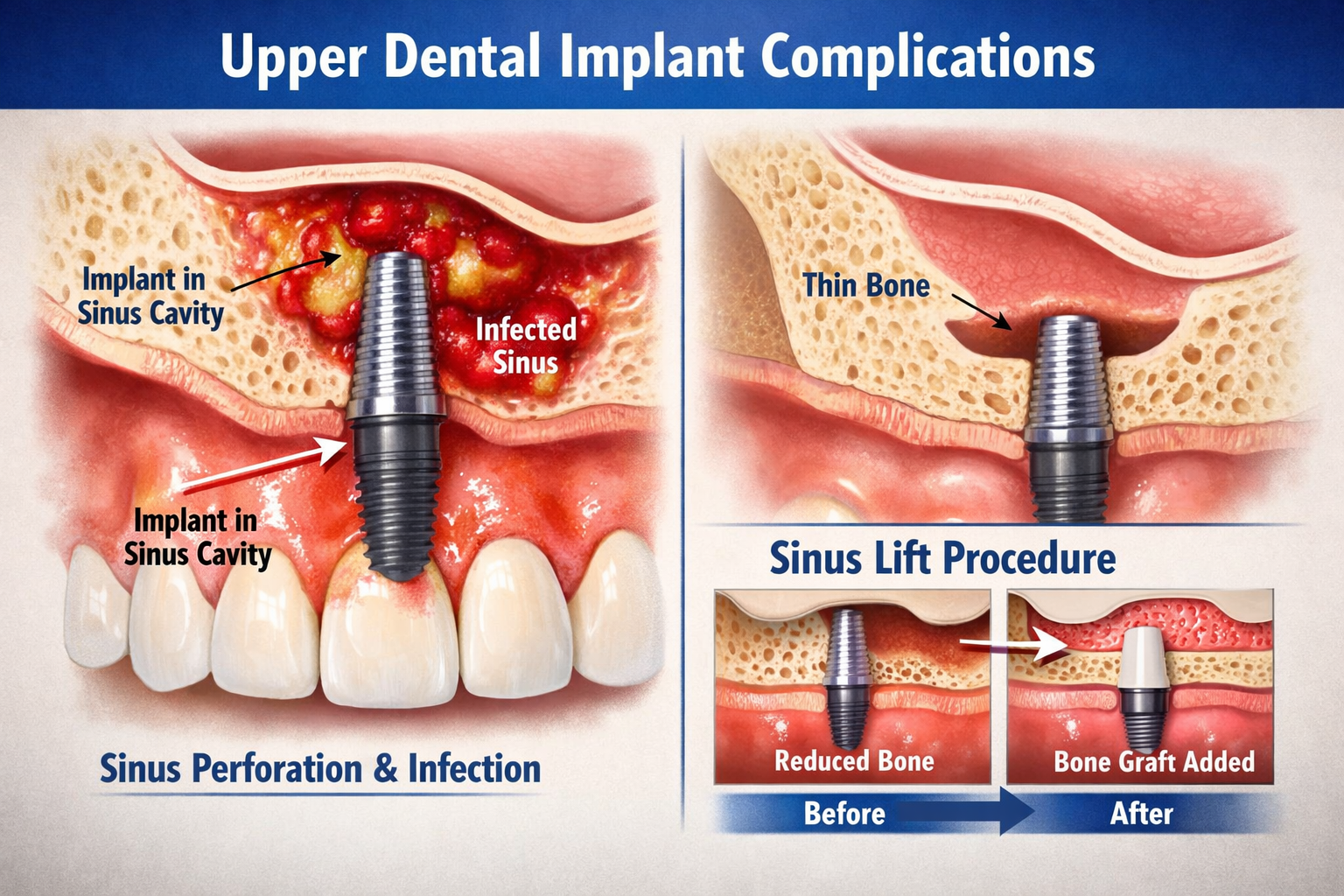
Upper jaw implants face unique complications that contribute to their relatively higher failure rate compared to lower jaw implants. Beyond bone density, the close proximity of the maxillary sinuses and the differing anatomical structures present distinct challenges during and after the dental implant procedure [2, 4]. These complications require careful planning and often specialized surgical techniques to manage effectively.

- Maxillary Sinus Involvement: The maxillary sinuses are air-filled cavities located directly above the upper back teeth. When implants are placed in this region, there’s a risk of perforating the sinus membrane or not having enough bone height between the oral cavity and the sinus floor [2, 4].
- Sinus Lift Procedure: Often, a sinus lift (or sinus augmentation) is required to add bone to this area, which is an additional surgical step that increases complexity and recovery time. While effective, it adds a variable to the overall success.
- Insufficient Bone Volume: Even without direct sinus involvement, the posterior maxilla (back part of the upper jaw) frequently has less bone volume due to tooth loss over time, making it challenging to place implants of adequate length and width without grafting.
- Aesthetic Considerations: In the aesthetic zone (front upper teeth), precise implant placement is critical for natural-looking results. Any minor complication can significantly impact appearance.
- Infection Risks: While infection is a risk with any surgery, the complex anatomy of the upper jaw, combined with other factors, might present unique challenges in managing post-operative infections if they arise.
Careful diagnostic imaging, such as CBCT scans, is essential for identifying these anatomical limitations and planning appropriate interventions in Dallas patients. This detailed planning helps mitigate risks and improve the long-term oral health outcomes for missing teeth solutions.
What Other Factors Influence Why Upper Dental Implants Fail More Than Lower Implants?
Beyond bone density and anatomical challenges, several other factors contribute to why upper dental implants fail more than lower implants. These factors often relate to patient health, surgical technique, and post-operative care, highlighting the multi-faceted nature of implant success and failure [3, 6]. Addressing these elements proactively is crucial for improving outcomes, particularly in the more challenging upper jaw.
- Patient Health Conditions:
- Systemic Diseases: Conditions like uncontrolled diabetes, autoimmune disorders, and osteoporosis can impair healing and osseointegration, increasing failure rates in both jaws, but potentially more so in the maxilla [3, 6].
- Smoking: Tobacco use significantly compromises blood flow and healing, raising the risk of implant failure. Smokers often experience lower success rates, especially in the upper jaw where bone quality is already a factor [https://dallasdentalimplantcost.com/the-impact-of-smoking-and-vaping-on-dental-implant-success-rates-in-dallas-risks-and-recommendations/].
- Medications: Certain medications, such as bisphosphonates (used for osteoporosis), can affect bone metabolism and healing, impacting implant success.
- Surgical Expertise and Planning:
- Surgeon Experience: The skill and experience of the implant surgeon are paramount. A highly experienced professional can better navigate complex anatomies, perform precise placements, and manage potential complications, especially when dealing with the nuances of the upper jaw [1].
- 3D Guided Surgery: Utilizing advanced technologies like 3D imaging and computer-guided implant surgery significantly enhances precision, ensuring optimal implant position and reducing risks in the upper jaw [https://dallasdentalimplantcost.com/3d-guided-dental-implants-dallas-2026-precision-benefits-cost-premium-accuracy-rates/].
- Bone Grafting: When bone volume is insufficient, bone grafting procedures are often necessary. The success of these grafts is critical for subsequent implant stability.
- Post-Operative Care and Oral Hygiene:
- Oral Hygiene: Poor oral hygiene after implant surgery can lead to peri-implantitis (gum disease around the implant), which is a leading cause of late implant failure [6].
- Biting Forces: Excessive or premature loading of implants, especially in the upper jaw with softer bone, can prevent proper osseointegration and lead to failure. Careful management of occlusal (biting) forces is essential.
For patients exploring tooth replacement options, a comprehensive consultation with a dentist in Dallas that includes a thorough medical history and advanced diagnostics is critical to identify and manage these influential factors.
What Are the Overall Success Rates for Dental Implants, Despite these Differences?
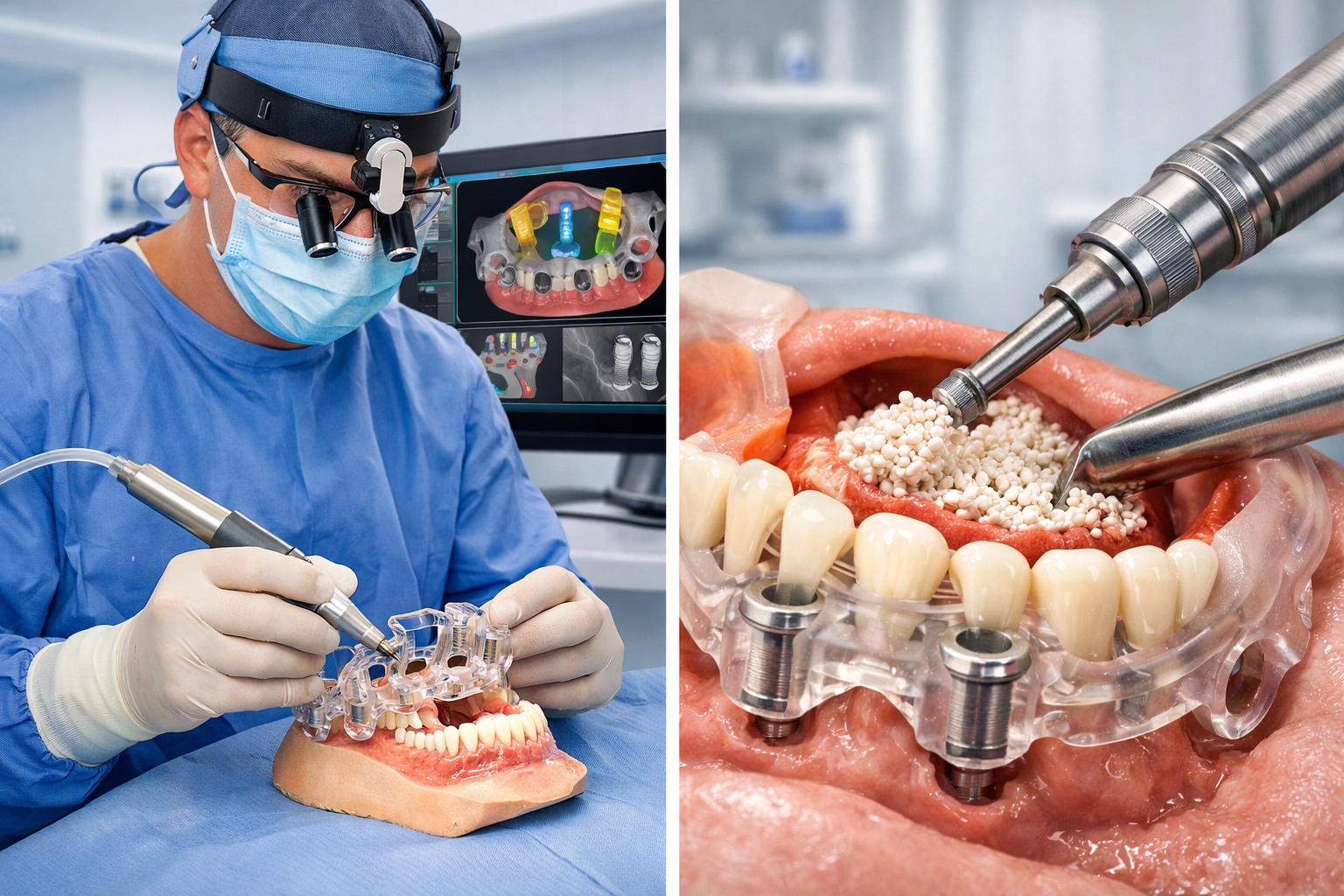
Despite the fact that upper dental implants fail more than lower implants, it is important to emphasize that dental implants maintain very strong overall success rates, typically above 90% [1]. This high success rate underscores their reliability and effectiveness as a long-term solution for missing teeth. While the upper jaw presents more challenges, advancements in surgical techniques, materials, and diagnostic tools have significantly improved outcomes for dental implants in Dallas and elsewhere [1, 4].

- High General Success Rates: While there’s a relative difference between upper and lower jaw success rates, both are remarkably high. Overall, dental implant success rates can be as high as 98% [1, 7].
- Relative vs. Absolute Failure: The term “fail more” is relative. If lower implants have a 1-2% failure rate, upper implants might have a 5-7% rate. Both are excellent outcomes for a surgical procedure [1, 2].
- Impact of Early vs. Late Failures: The majority of implant failures (around 83%) are considered early failures, occurring within the first year, often due to issues with osseointegration. Late failures (around 16%) are usually linked to factors like peri-implantitis or excessive loading [8]. The challenges in the upper jaw can contribute to a higher incidence of these early integration failures.
- Mitigation through Planning and Expertise: Through careful patient selection, advanced planning (including 3D imaging), and experienced surgeons, the success rates for upper jaw implants can be significantly improved, often reaching statistical comparability with non-grafted sites when procedures like bone grafting are successful [1].
- Longevity of Implants: Once successfully integrated, dental implants are designed to be a long-lasting tooth replacement option, often lasting decades with proper care [https://dallasdentalimplantcost.com/the-longevity-of-dental-implants-in-dallas-what-factors-influence-how-long-your-investment-lasts/].
Patients considering dental implants in Dallas should focus on finding a reputable clinic with experienced professionals who prioritize patient safety and long-term oral health. A comprehensive understanding of the dental implant procedure, potential risks, and the commitment to post-operative care will contribute significantly to successful outcomes in both the upper and lower jaw.
Conclusion

Understanding why upper dental implants fail more than lower implants is crucial for anyone considering this life-changing tooth replacement option. The primary reasons stem from the anatomical differences, specifically the softer, less dense bone quality and the proximity of the maxillary sinuses in the upper jaw. These factors can make achieving stable osseointegration more challenging, contributing to a slightly higher relative failure rate compared to the more robust lower jaw.
However, it’s vital to remember that dental implants, whether placed in the upper or lower jaw, boast incredibly high overall success rates, often exceeding 90%. Advances in diagnostic tools like 3D imaging, sophisticated surgical techniques such as guided implant surgery and bone grafting, and the expertise of skilled dental professionals significantly mitigate these challenges.
For those in Dallas researching missing teeth solutions, the takeaway is clear: while the upper jaw presents unique considerations, a successful outcome is highly achievable. The key lies in a thorough pre-operative assessment, personalized treatment planning, and choosing an experienced implant specialist. Don’t let the nuances of upper jaw implant success deter you from exploring this durable and effective option for long-term oral health.
Actionable Next Steps for Dallas Patients:
- Schedule a Comprehensive Consultation: Begin by meeting with a qualified dental implant specialist in Dallas. This initial step is critical for evaluating your specific oral health, bone density, and discussing your individual needs.
- Ask Key Questions: Prepare a list of questions about the dental implant procedure, success rates for your specific case, potential need for bone grafting, and the experience of the dental team. Our guide on Navigating the Dental Implant Consultation can help.
- Review Treatment Plans Thoroughly: Ensure you understand the proposed treatment plan, including any necessary preparatory procedures like sinus lifts or bone grafts, and the expected timeline.
- Prioritize Oral Hygiene: Commit to excellent oral hygiene before and after your procedure to support healing and ensure the long-term success of your dental implants.
By taking these steps, you can make an informed decision and embark on your journey toward a restored smile and improved quality of life.
References
[1] Success Rate Of Dental Implant – https://omegadentists.com/blog/success-rate-of-dental-implant/
[2] Dental Implant Failure Rates What The Research Actually Says And What It Means For You – https://biteclubchi.com/dental-implant-failure-rates-what-the-research-actually-says-and-what-it-means-for-you/
[3] What Are The Real Risks Of Dental Implant Surgery In 2026 – https://bajarsdental.com/what-are-the-real-risks-of-dental-implant-surgery-in-2026/
[4] Dental Implant Statistics – https://www.dsmcosmeticdentist.com/dental-implant-statistics/
[5] Pmc11416373 – https://pmc.ncbi.nlm.nih.gov/articles/PMC11416373/
[6] Dental Implant Risks Complications In 2026 – https://www.oceanicdental.com/resource/dental-implant-risks-complications-in-2026
[7] Dental Implant Statistics 2025 – https://drjohnpatterson.com/dental-implant-statistics-2025/
[8] Dental Implant Failure Rate – https://int.livhospital.com/dental-implant-failure-rate/
[9] Watch – https://www.youtube.com/watch?v=PDcX1P6JIDE
Leave a Reply
Share your thoughts or ask a question about dental implants. Your email address will not be published.