

Considering dental implants is a significant step towards restoring your smile and oral health. For individuals in Dallas, TX, and beyond, understanding all factors that influence success is crucial. A common question that arises for many patients is: What is the success rate of dental implants for smokers? While dental implants boast a high overall success rate, smoking introduces unique challenges that can significantly impact their longevity and integration. This comprehensive guide will explore the specific success rates for smokers, the risks involved, and the steps you can take to improve your outcome.
Key Takeaways
- Dental implants have an impressive overall success rate of around 95% for non-smokers.
- For smokers, the success rate generally ranges from 85% to 90%, a decrease compared to non-smokers [3].
- Smokers face a 140.2% higher risk of implant failure than non-smokers [1].
- The primary risks include impaired healing, reduced blood flow, increased infection, and greater bone loss around the implant [2].
- Quitting smoking, even temporarily, significantly improves the chances of successful implant integration and long-term health.
- A “dose-response” relationship exists, meaning heavier smokers face higher risks of early implant failure [1].
- Comprehensive consultation with a qualified dental implant specialist in Dallas is essential to assess individual risk and create a tailored treatment plan.
Quick Answer
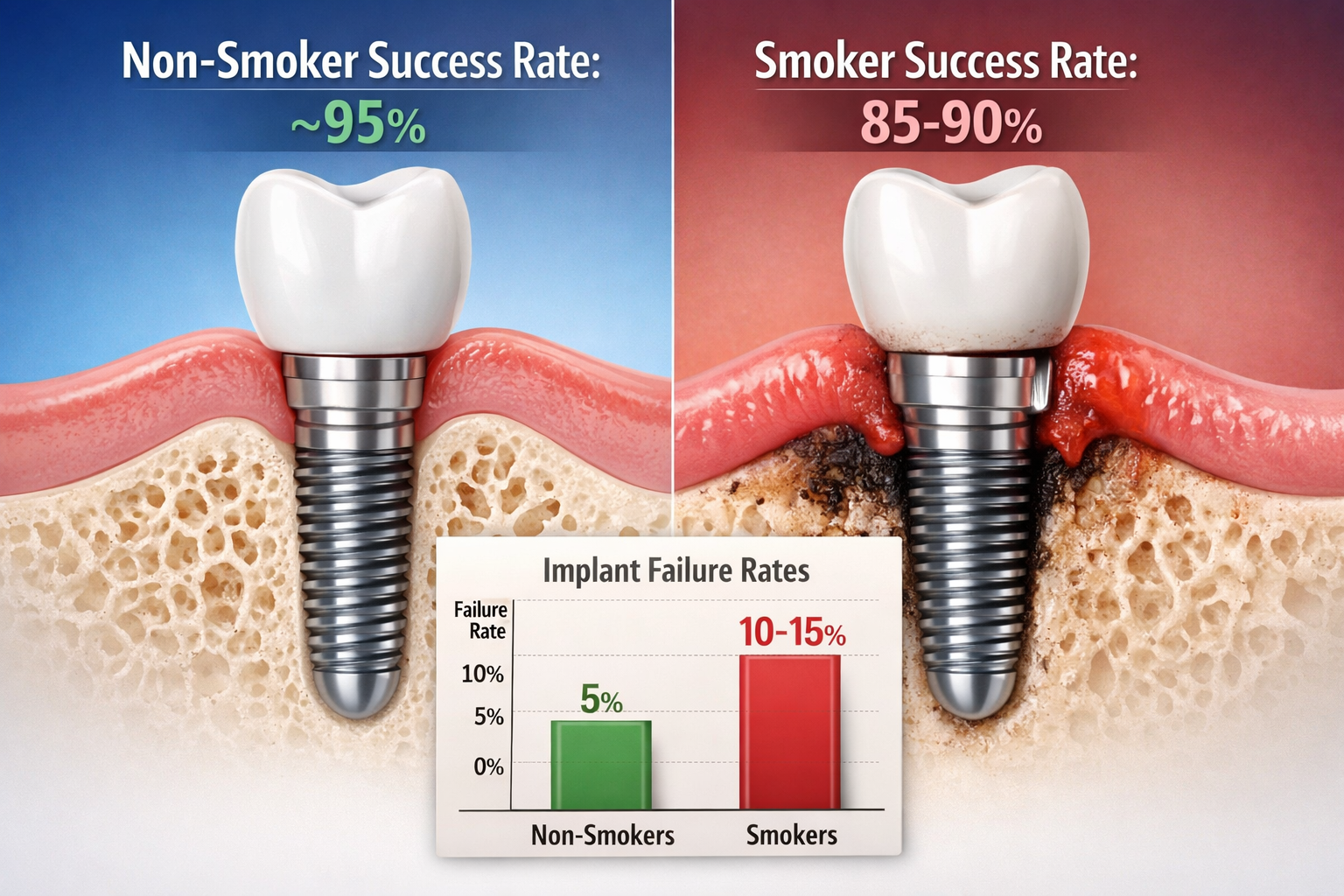
The success rate of dental implants for smokers is generally lower than for non-smokers, typically ranging from 85% to 90% compared to approximately 95% in non-smokers [3]. This reduced success rate is primarily due to smoking’s detrimental effects on blood flow, healing, and bone health, which are critical for the implant’s integration with the jawbone.
What is the Success Rate of Dental Implants for Smokers Compared to Non-Smokers?
The success rate of dental implants for smokers is notably lower than for non-smokers due to the adverse physiological effects of tobacco use on oral tissues and bone healing. While the overall dental implant survival rate can be as high as 97% over 10 years in the general population, this figure decreases substantially for individuals who smoke [4].
Specifically, smokers experience implant failure rates of 15.8% compared to just 1.4% in non-smokers, representing more than a tenfold difference in failure risk [1]. This means smokers have a 140.2% higher risk of implant failure [1]. At 12 months post-surgery, the survival rate for implants in smokers is about 84.6%, whereas for non-smokers, it stands at 94.4% [2]. This 10-percentage-point difference highlights the significant impact smoking has on the initial healing and integration phase. Heavy smokers, defined as those consuming over 20 cigarettes daily, demonstrate similar survival rates of 84.6% in peer-reviewed research [2]. These statistics underscore the importance of discussing smoking habits during your initial consultation with a dentist when considering tooth replacement options like dental implants in Dallas.
Why Do Dental Implants Have a Lower Success Rate for Smokers?
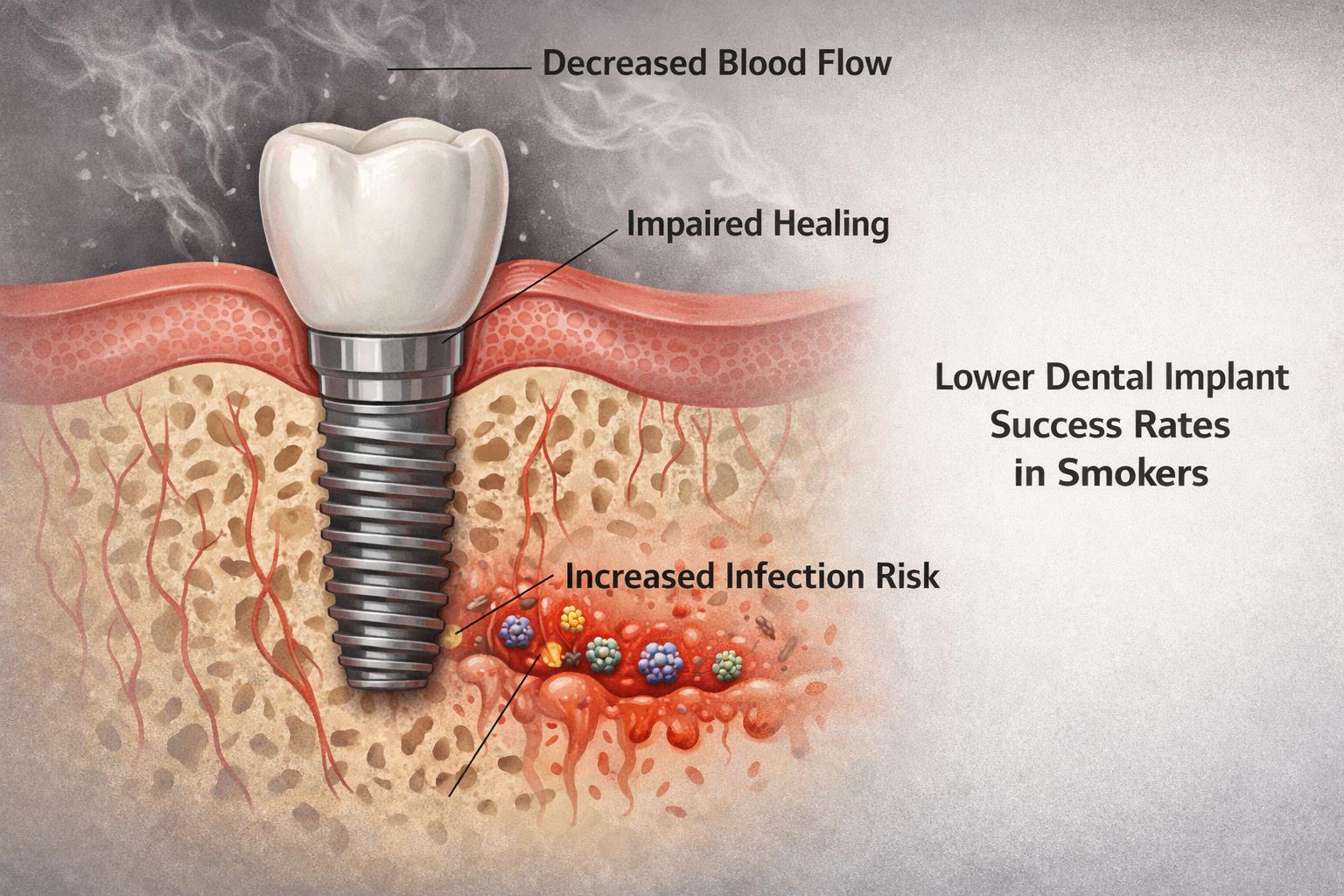
Dental implants have a lower success rate for smokers primarily because smoking severely compromises the body’s natural healing processes and the health of oral tissues. The chemicals in tobacco constrict blood vessels, reducing essential blood flow to the gums and bone, which is vital for osseointegration—the process where the implant fuses with the jawbone.
Here are the key reasons for reduced success rates in smokers:
- Impaired Blood Flow: Nicotine and other toxins in tobacco smoke constrict blood vessels, leading to reduced oxygen and nutrient delivery to the surgical site. This impaired circulation hinders the healing process and bone regeneration necessary for the implant to integrate [3].
- Reduced Osseointegration: The lack of adequate blood flow directly affects the ability of bone cells to grow and bond with the implant surface. This can lead to a weaker connection, making the implant more prone to failure.
- Increased Risk of Infection: Smoking weakens the immune system, making smokers more susceptible to bacterial infections around the implant site. Infections can disrupt healing and lead to implant loss [3].
- Delayed Healing: The healing period post-implant surgery is often longer and more complicated for smokers due to the compromised physiological environment in the mouth [3].
- Greater Bone Loss: Smokers experience approximately twice as much marginal bone loss (1.5mm) around dental implants compared to non-smokers (0.7mm) at 12 months post-restoration [2]. This bone loss can compromise the long-term stability and survival of the implant.
- Higher Risk of Peri-implantitis: This is an inflammatory condition affecting the tissues surrounding a dental implant, leading to progressive bone loss and eventual implant failure. Smokers are at a significantly elevated risk for developing peri-implantitis [3].
Smoking was associated with 37% of all implant failures in a 10-year retrospective study, identifying it as the largest controllable risk factor [4]. Furthermore, a dose-response relationship exists, where each additional pack-year of smoking increases the odds of early implant failure by 1.049, meaning heavier smokers face progressively higher risks [1]. This detailed understanding of the risks emphasizes why a thorough assessment of lifestyle factors is part of any dental implant procedure plan.
What are the Specific Risks for Smokers Undergoing Dental Implant Surgery?
Smokers face several specific risks that can lead to complications and ultimately a lower success rate for their dental implants, ranging from immediate post-surgical issues to long-term implant stability problems. These risks are directly related to the physiological effects of tobacco on oral health and the body’s healing capabilities.
The specific risks include:
- Early Implant Failure: Smokers are 2.14 times more likely to experience early implant failure (within 3-12 months of placement) than non-smokers [1]. This often occurs before the implant has fully integrated with the jawbone.
- Late Implant Loss: Even after initial integration, smokers face 1.48 times higher odds of late implant loss compared to those who never smoked [1]. This can occur years after placement, often due to conditions like peri-implantitis.
- Dry Socket: While more common after tooth extractions, smoking increases the risk of dry socket after implant surgery, a painful condition where the blood clot dislodges from the surgical site, exposing the bone.
- Poor Soft Tissue Healing: Gums around the implant may not heal properly, leading to recession, inflammation, or an unesthetic outcome.
- Increased Risk of Complications with Bone Grafts: If a bone graft is needed to support the implant, smoking can compromise the success of the graft, as it relies heavily on healthy blood supply for integration. For more information on bone graft costs for dental implants in Dallas, you can refer to our Bone Graft Costs for Dental Implants in Dallas TX article.
- Exacerbation of Existing Oral Health Issues: Smoking can worsen conditions like gum disease, which can then negatively impact the peri-implant tissues, leading to inflammation and bone loss around the implant.
Patients with missing teeth considering dental implants in Dallas should be fully aware of these amplified risks if they smoke. A frank discussion with your implant specialist about your smoking habits is critical for patient safety and to develop a realistic long-term oral health strategy.
How Can Smokers Improve Their Dental Implant Success Rate?
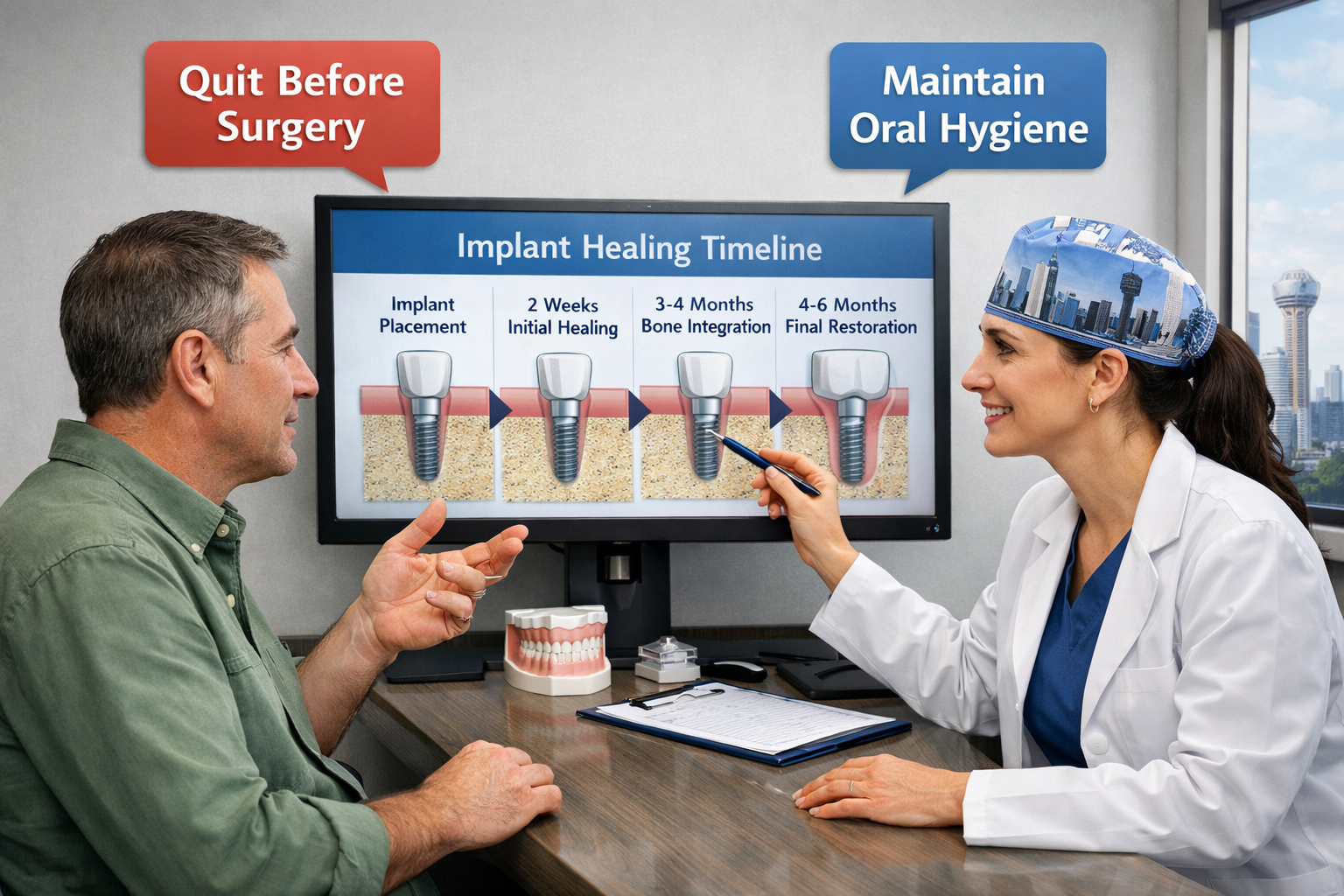
While smoking undeniably increases the risks associated with dental implants, smokers can significantly improve their success rate by taking proactive steps before, during, and after the dental implant procedure. These steps focus on mitigating the negative effects of tobacco on healing and oral health.
Here’s how smokers can improve their success rate:
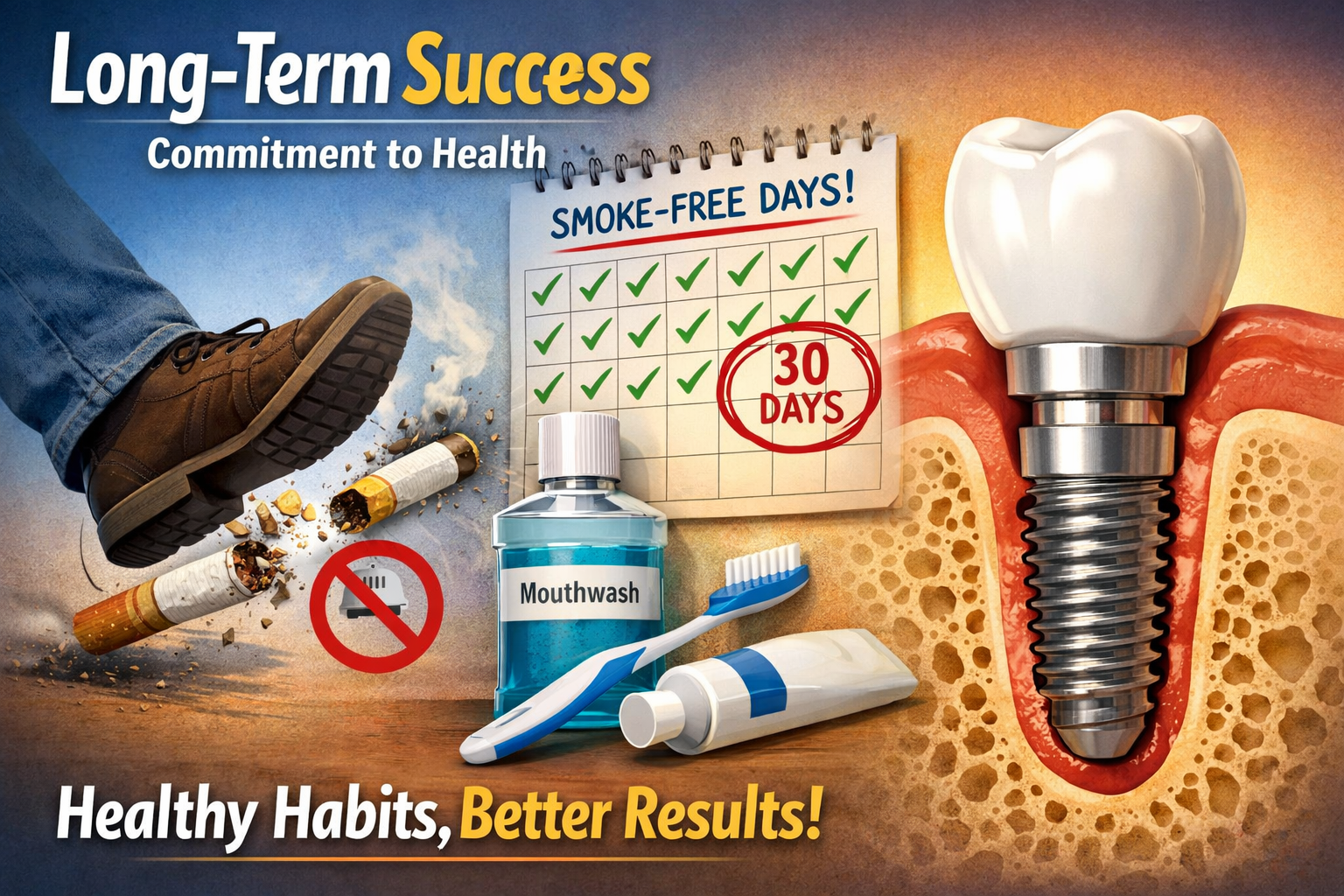
- Quit Smoking (Even Temporarily): The most impactful action is to quit smoking. Quitting 1-2 weeks before surgery improves healing conditions by restoring better blood flow, and extending abstinence for 2-3 months after surgery helps minimize complications [3]. Longer abstinence periods yield even better results.
- Strict Oral Hygiene: Maintain impeccable oral hygiene before and after surgery. Brushing, flossing, and using antimicrobial mouthwash as advised by your dentist can reduce bacteria and lower the risk of infection.
- Adhere to Post-Operative Instructions: Follow all post-dental implant instructions meticulously. This includes dietary restrictions, medication regimens, and activity limitations. For comprehensive recovery guidance, see our Post Dental Implant Instructions: Essential Recovery Guide 2026.
- Regular Dental Check-ups: Attend all scheduled follow-up appointments with your dental implant specialist in Dallas. These visits are crucial for monitoring healing, assessing implant stability, and addressing any potential issues early. Regular follow-ups are key to long-term oral health and successful outcomes.
- Healthy Lifestyle Choices: Beyond quitting smoking, adopting a healthy diet and managing chronic conditions (like diabetes, which can also affect healing) can further support your body’s ability to heal and integrate the implant.
- Open Communication with Your Dentist: Be transparent with your dental professional about your smoking habits, and any difficulties you face in quitting. This allows your dental implant specialist to tailor the treatment plan and provide appropriate support.
| Action | Impact on Success Rate |
|---|---|
| Quit Smoking (1-2 weeks before, 2-3 months after) | Dramatically improves blood flow, healing capacity, and reduces infection risk. |
| Maintain Excellent Oral Hygiene | Minimizes bacterial load, reducing risk of peri-implantitis and infection. |
| Follow Post-Op Instructions | Ensures proper healing environment and prevents complications. |
| Regular Follow-Up Appointments | Allows early detection and management of issues, crucial for long-term implant stability. |
| Healthy Diet & Systemic Health Management | Supports overall healing, immune function, and bone health. |
By committing to these measures, smokers can significantly enhance their chances of successful osseointegration and enjoy the long-term benefits of dental implants. A consultation with a dentist is the first step to discuss these strategies and determine if dental implants are the right missing teeth solution for you.
Conclusion
Understanding “What is the success rate of dental implants for smokers?” reveals that while dental implants are a highly effective solution for missing teeth, smoking introduces significant challenges to their success. Non-smokers typically enjoy a success rate of around 95%, whereas smokers often see this drop to 85-90%, with a substantially higher risk of implant failure [3, 1]. The primary reasons for this disparity stem from smoking’s adverse effects on blood flow, healing, and bone health, all of which are critical for the implant to integrate with the jawbone.
However, the good news is that these risks are largely manageable. By committing to quitting smoking, even temporarily, and diligently adhering to pre- and post-operative instructions, smokers can markedly improve their chances of a successful outcome. Maintaining excellent oral hygiene and attending regular follow-up appointments with a dental implant specialist are also crucial steps.
If you are a smoker considering dental implants in Dallas, TX, it is essential to have an open and honest conversation with a qualified professional. They can provide a personalized assessment, discuss the specific risks involved, and guide you through strategies to optimize your long-term oral health and the success of your dental implant procedure.
FAQ
Is it possible for a smoker to get dental implants?
Yes, it is possible for a smoker to get dental implants, but they should be aware of the increased risks and reduced success rates compared to non-smokers. A thorough consultation with a dental implant specialist is essential to assess individual suitability and discuss strategies to mitigate risks.
What is the primary reason smoking affects implant success?
The primary reason smoking affects implant success is due to its negative impact on blood flow, which reduces the oxygen and nutrients vital for proper healing and osseointegration—the process where the implant fuses with the jawbone [3].
How long should I stop smoking before dental implant surgery?
It is generally recommended to stop smoking at least 1-2 weeks before dental implant surgery to improve immediate healing conditions. Extending abstinence for 2-3 months after surgery is highly advised to minimize complications and enhance long-term success [3].
Do dental implants fail more often in heavy smokers?
Yes, dental implants fail more often in heavy smokers. Research indicates a dose-response relationship, meaning that heavier smoking (more pack-years) increases the odds of early implant failure [1].
What is peri-implantitis, and are smokers at higher risk?
Peri-implantitis is an inflammatory condition affecting the gum tissue and bone around a dental implant, leading to bone loss and potential implant failure. Smokers are at a significantly higher risk for developing this condition [3].
Can quitting smoking improve my dental implant success rate after surgery?
Yes, quitting smoking after dental implant surgery can significantly improve the success rate by allowing better healing, reducing the risk of infection, and enhancing the long-term stability of the implant [3].
What are the long-term implications of smoking on dental implants?
Long-term implications of smoking on dental implants include increased marginal bone loss, higher risk of peri-implantitis, and a greater chance of eventual implant failure, even years after placement [2, 1].
What role does oral hygiene play for smokers with dental implants?
Excellent oral hygiene is critical for smokers with dental implants, as it helps counteract the increased risk of infection and inflammation caused by smoking, contributing to better long-term health and stability of the implant.
Should I tell my dentist that I smoke before getting implants?
Yes, you should always inform your dentist about your smoking habits. This allows your dental implant specialist to accurately assess your risk, plan your treatment, and provide appropriate guidance to maximize the success of your dental implants.
Are there any alternatives to dental implants for smokers with missing teeth?
Yes, alternatives to dental implants for missing teeth include dental bridges or removable dentures. However, each option has its own benefits and drawbacks, and the best choice depends on your individual oral health, preferences, and lifestyle. Your dentist can help you explore all available tooth replacement options. For more information, you can read about Dental Implant Versus Bridge Cost.
References
[1] Smoking And Implant Success – https://www.renaissancedentalimplant.com/blog/smoking-and-implant-success/ [2] Pmc12902707 – https://pmc.ncbi.nlm.nih.gov/articles/PMC12902707/ [3] Smoking And Dental Implants – https://www.rankmydentist.com/blog/prosthodontics/smoking-and-dental-implants [4] Dental Implant Failure Rates What The Research Actually Says And What It Means For You – https://biteclubchi.com/dental-implant-failure-rates-what-the-research-actually-says-and-what-it-means-for-you/
Related Reading
- What Happens If You Wait Too Long for Dental Implants?
- Dental Implant Specialist Follow Up Dallas 2026 | Guide & Plan
- Unpacking the Price: What is the Cost of a Dental Implant Tooth in 2025? Your Complete Guide
- Demystifying Dental Implant Pain: Your 2025 Guide to a Confident Smile
- Diabetic Dental Implant Recovery: Guide for 2026
Leave a Reply
Share your thoughts or ask a question about dental implants. Your email address will not be published.