

Picture this: you’re sitting in a dental chair, and your dentist tells you about a revolutionary implant technology that could restore your smile without the traditional screws and complex procedures you’ve been dreading. This isn’t science fiction – it’s the reality of screwless dental implants, a game-changing innovation that’s transforming how we approach tooth replacement in 2025.
Key Takeaways
- Screwless dental implants use advanced bonding technology instead of traditional screws to secure the crown to the implant post
- These implants offer faster healing times and reduced risk of mechanical complications compared to conventional screw-retained implants
- The cement-retained design provides better aesthetics and easier maintenance for patients
- Success rates for screwless implants are comparable to traditional implants when performed by experienced professionals
- Cost considerations may vary, but the long-term benefits often justify the investment
Understanding Screwless Dental Implants
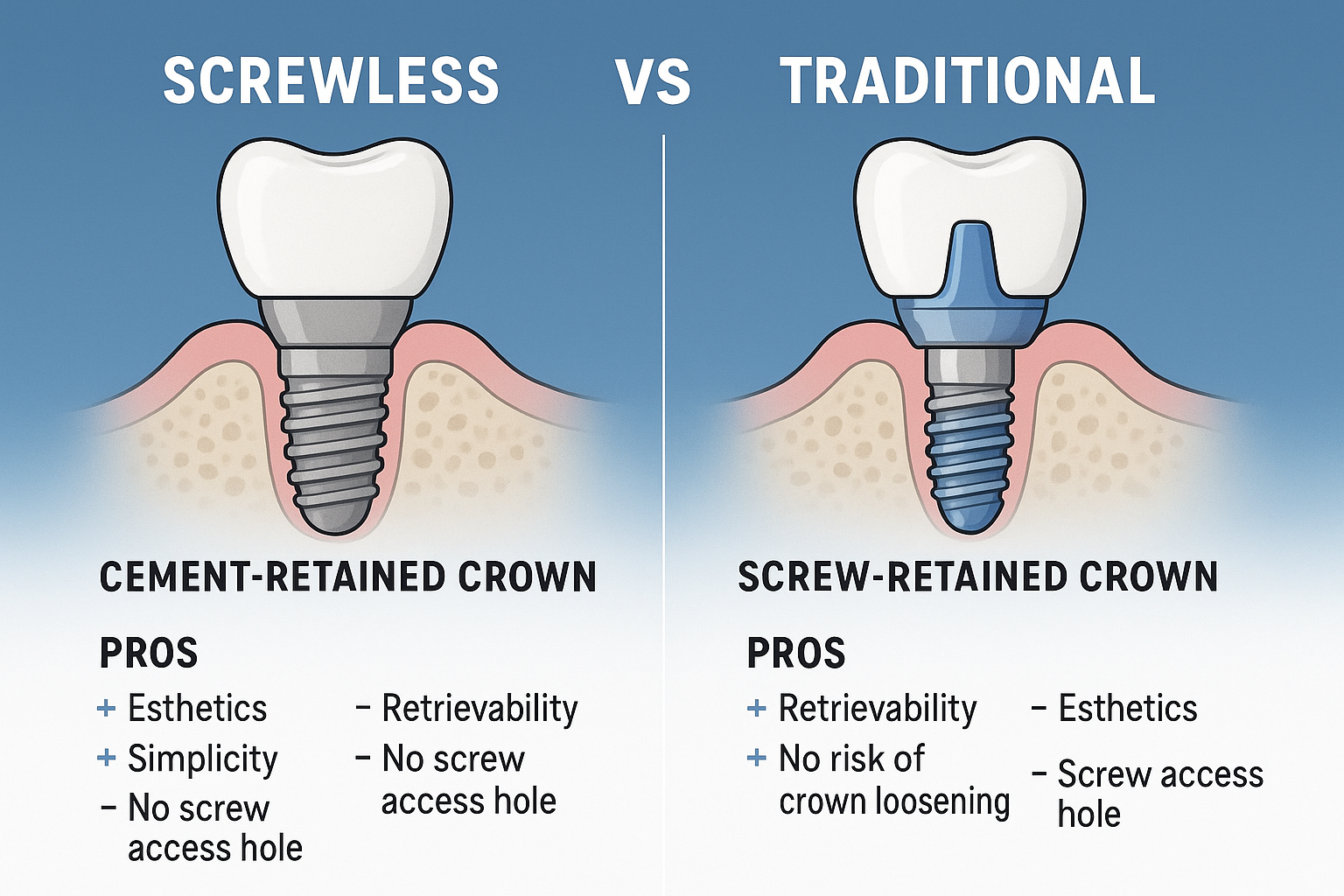
When exploring what are screwless dental implants, it’s essential to understand how they differ from traditional implant systems. Unlike conventional dental implants that rely on screws to attach the crown to the implant post, screwless implants use a cement-retained system that bonds the restoration directly to the abutment.
This innovative approach eliminates the need for access holes in the crown, which are typically required in screw-retained systems. The result is a more natural-looking tooth replacement that seamlessly blends with your existing smile.
The Science Behind Screwless Technology
The foundation of screwless dental implants lies in advanced dental cement technology. These specialized cements create a strong, permanent bond between the crown and the abutment, providing stability that rivals traditional screw retention methods.
Key components include:
- Biocompatible titanium implant post
- Custom abutment designed for cement retention
- High-strength dental cement
- Precision-crafted crown or restoration
How Screwless Dental Implants Work
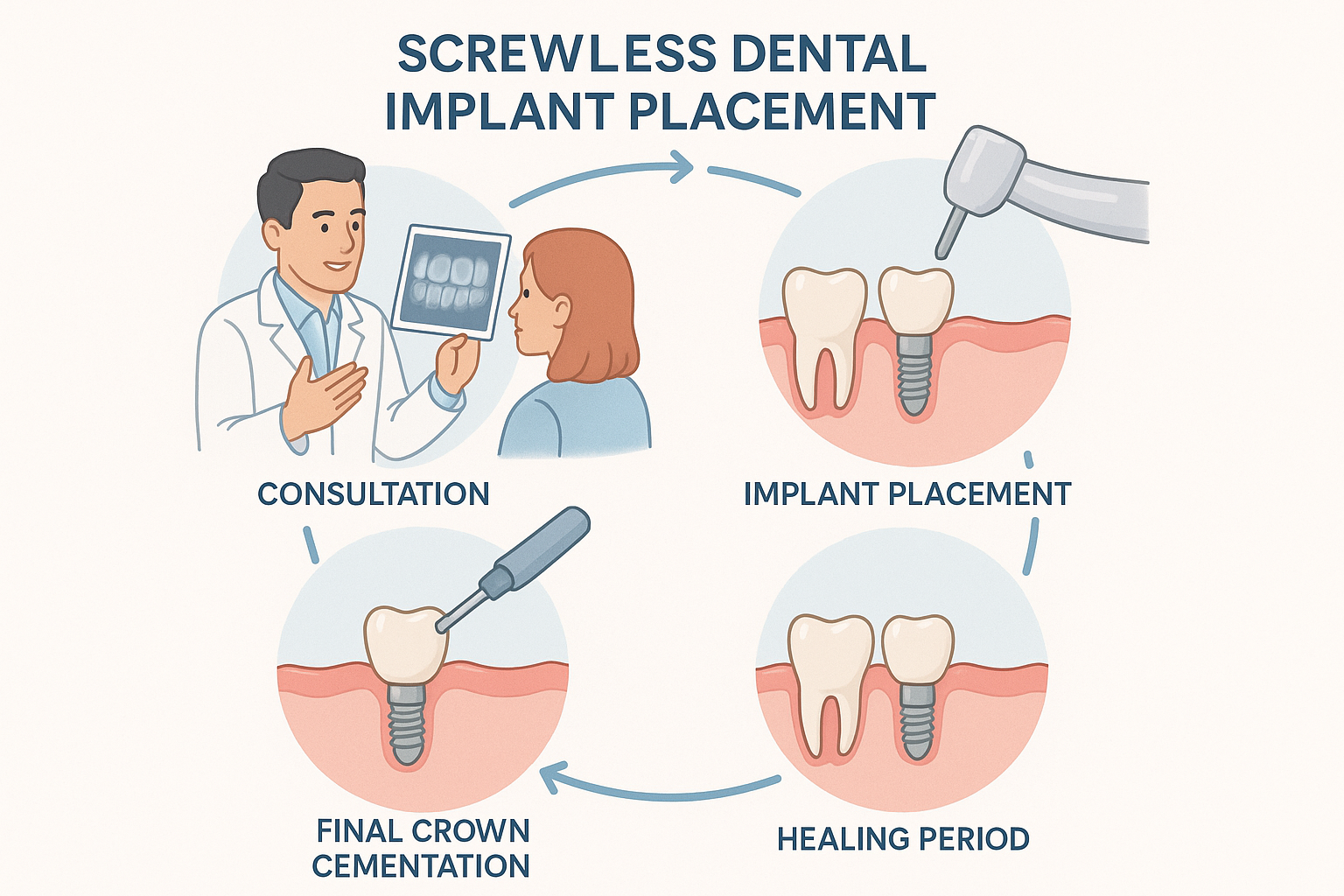
The process of screwless dental implants follows a streamlined approach that many patients find more comfortable than traditional methods. Here’s how the procedure typically unfolds:
Initial Consultation and Planning 🦷
Your journey begins with a comprehensive evaluation where your dental implant specialist will assess your oral health, bone density, and overall candidacy for screwless implants. Advanced imaging techniques help create a precise treatment plan tailored to your unique needs.
Implant Placement Phase
During the surgical phase, the titanium implant post is carefully placed into the jawbone. The screwless design often allows for a more streamlined placement process, as the surgeon doesn’t need to account for screw access channels in the final restoration.
Healing and Osseointegration
The healing period allows the implant to integrate with your natural bone tissue. This process, called osseointegration, typically takes 3-6 months and forms the foundation for your new tooth.
Final Restoration
Once healing is complete, your custom crown is cemented to the abutment, creating a permanent, natural-looking tooth replacement that functions just like your original teeth.
Screwless vs Traditional Dental Implants
| Feature | Screwless | Traditional |
|---|---|---|
| Aesthetics | Excellent | Good |
| Retrievability | Difficult | Easy |
| Mechanical Issues | Minimal | Possible |
| Procedure Time | Shorter | Standard |
| Long-term Maintenance | Simple | Moderate |
Benefits of Screwless Dental Implants
Understanding what are screwless dental implants means recognizing their numerous advantages over traditional implant systems. These benefits extend beyond mere convenience to encompass both functional and aesthetic improvements.
Enhanced Aesthetics and Natural Appearance
One of the most significant advantages of screwless implants is their superior aesthetic outcome. Without screw access holes, the crown surface remains completely intact, allowing for:
- Seamless color matching with adjacent teeth
- Natural light reflection and translucency
- Uninterrupted surface texture that mimics natural enamel
- Better gum line integration for a more natural emergence profile
Improved Durability and Longevity
The cement-retained design of screwless implants offers several durability advantages:
Mechanical Benefits:
- No risk of screw loosening over time
- Elimination of screw fracture complications
- Reduced stress concentration points
- Better distribution of chewing forces
Simplified Maintenance and Care
Patients often find screwless implants easier to maintain because there are no screw access holes to collect debris or require special cleaning techniques. Regular brushing and flossing, along with routine dental visits, are typically sufficient to maintain optimal oral health.
Who Is a Good Candidate for Screwless Dental Implants?
Determining candidacy for screwless dental implants involves several factors that your dental implant specialist will carefully evaluate during your consultation.
Ideal Candidates Include:
- Patients with adequate bone density for proper implant integration
- Individuals seeking optimal aesthetics, especially for front teeth
- Those with good oral hygiene habits and commitment to maintenance
- Patients without active gum disease or uncontrolled medical conditions
- Non-smokers or those willing to quit during the healing process
Medical Considerations
Certain medical conditions may affect candidacy for screwless implants:
“The success of any dental implant, whether screwless or traditional, depends heavily on the patient’s overall health and commitment to post-operative care.” – Dr. Sarah Johnson, Periodontist
Conditions that may require special consideration:
- Diabetes (well-controlled cases may still be candidates)
- Autoimmune disorders
- History of radiation therapy to the head/neck area
- Certain medications that affect bone healing
The Procedure: What to Expect
When considering what are screwless dental implants and their placement process, it’s helpful to understand the step-by-step procedure that most patients experience.
Pre-Surgical Phase
Your journey begins with comprehensive planning that may include:
- Digital imaging and 3D scans
- Bone density evaluation
- Medical history review
- Treatment timeline discussion
- Cost evaluation and financing options
Surgical Day Experience
The actual implant placement typically involves:
Preparation:
- Local anesthesia administration
- Surgical site preparation
- Precise implant positioning using guided surgery techniques
Placement:
- Careful drilling to create the implant site
- Gentle implant insertion
- Verification of proper positioning
- Temporary healing cap placement (if immediate loading isn’t planned)
Recovery and Healing Timeline
Week 1-2: Initial Healing
- Soft diet recommended
- Gentle oral hygiene around the implant site
- Follow-up appointment to monitor healing
Month 1-3: Osseointegration Phase
- Bone gradually integrates with the implant surface
- Regular check-ups to ensure proper healing
- Temporary restoration may be placed if needed
Month 3-6: Final Restoration
- Impressions taken for custom crown fabrication
- Final crown cementation
- Bite adjustment and function verification
Cost Considerations and Financial Planning

Understanding the financial aspects of screwless dental implants is crucial for making an informed decision about your oral health investment.
Factors Affecting Cost
Several variables influence the total investment for screwless implants:
Primary Cost Factors:
- Geographic location and local market rates
- Complexity of the individual case
- Need for additional procedures (bone grafting, sinus lifts)
- Type and quality of materials used
- Experience level of the treating dentist
Investment Comparison
While screwless implants may have different pricing than traditional systems, it’s important to consider the long-term value proposition. Factors affecting implant cost in Dallas can vary significantly, but the investment often proves worthwhile when considering:
- Reduced maintenance costs over time
- Lower risk of complications requiring additional treatment
- Enhanced quality of life and confidence
- Long-term durability compared to other tooth replacement options
Financing Options
Many patients find that flexible payment arrangements make screwless implants more accessible:
- Dental insurance coverage (partial coverage may apply)
- Payment plans for implants with monthly options
- Healthcare financing through specialized lenders
- Practice-specific financing programs
Comparing Screwless vs. Traditional Implants
When exploring what are screwless dental implants, it’s essential to understand how they stack up against conventional implant systems across various criteria.
Performance Metrics
| Aspect | Screwless Implants | Traditional Implants |
|---|---|---|
| Success Rate | 95-98% | 95-98% |
| Aesthetic Outcome | Excellent | Good to Very Good |
| Maintenance Complexity | Low | Moderate |
| Retrievability | Difficult | Easy |
| Mechanical Complications | Very Low | Low to Moderate |
Long-Term Outcomes
Research indicates that both screwless and traditional implants achieve excellent long-term success rates when properly placed and maintained. However, screwless systems may offer advantages in specific situations:
Best for Screwless:
- Front teeth requiring optimal aesthetics
- Patients prone to screw loosening
- Cases where access holes would be highly visible
- Patients seeking simplified maintenance
Best for Traditional:
- Complex restorative cases requiring adjustability
- Situations where future modifications may be needed
- Patients with specific medical conditions requiring retrievability
- Cases where cost is the primary concern
Potential Risks and Complications
Like any medical procedure, understanding what are screwless dental implants includes being aware of potential risks and how they compare to traditional methods.
Common Risks (Applicable to All Implants)
Immediate Risks:
- Infection at the implant site
- Damage to surrounding structures
- Bleeding or swelling
- Temporary numbness
Long-Term Considerations:
- Peri-implantitis (inflammation around the implant)
- Implant failure or rejection
- Crown wear or damage
- Changes in adjacent teeth or gums
Screwless-Specific Considerations
While screwless implants generally have fewer mechanical complications, there are some unique considerations:
Cement Retention Concerns:
- Excess cement must be completely removed during placement
- Residual cement can cause inflammation if not properly cleaned
- Retrieval requires crown destruction if removal becomes necessary
Risk Mitigation Strategies
Working with an experienced dental implant specialist significantly reduces risk through:
- Proper case selection and treatment planning
- Advanced surgical techniques and equipment
- High-quality materials and laboratory partnerships
- Comprehensive follow-up care and monitoring
Aftercare and Maintenance
Successful outcomes with screwless dental implants depend heavily on proper aftercare and long-term maintenance protocols.
Immediate Post-Operative Care
First 24-48 Hours:
- Apply ice packs to reduce swelling
- Take prescribed medications as directed
- Avoid strenuous activities
- Eat soft foods and avoid chewing on the implant side
First Week:
- Gentle brushing around the implant site
- Saltwater rinses to promote healing
- Avoid smoking or tobacco products
- Attend scheduled follow-up appointments
Long-Term Maintenance Protocol
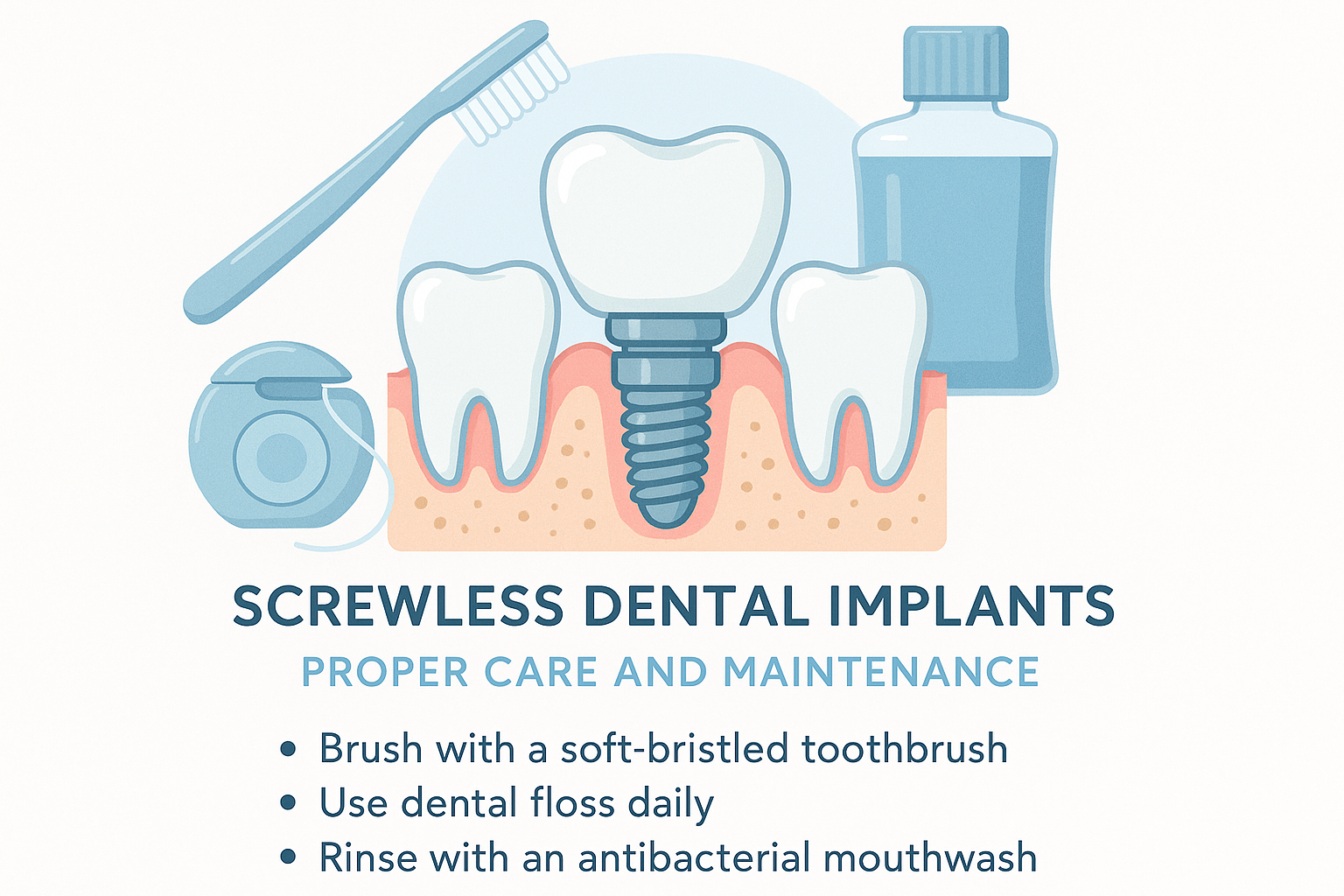
Daily Care Routine:
- Brush twice daily with a soft-bristled toothbrush
- Floss daily using implant-specific floss or water flossers
- Use antimicrobial mouthwash as recommended
- Avoid hard or sticky foods that could damage the crown
Professional Maintenance:
- Regular dental cleanings every 3-6 months
- Annual implant-specific examinations
- Professional monitoring of bone levels and gum health
- Prompt attention to any concerns or changes
Success Rates and Long-Term Outcomes
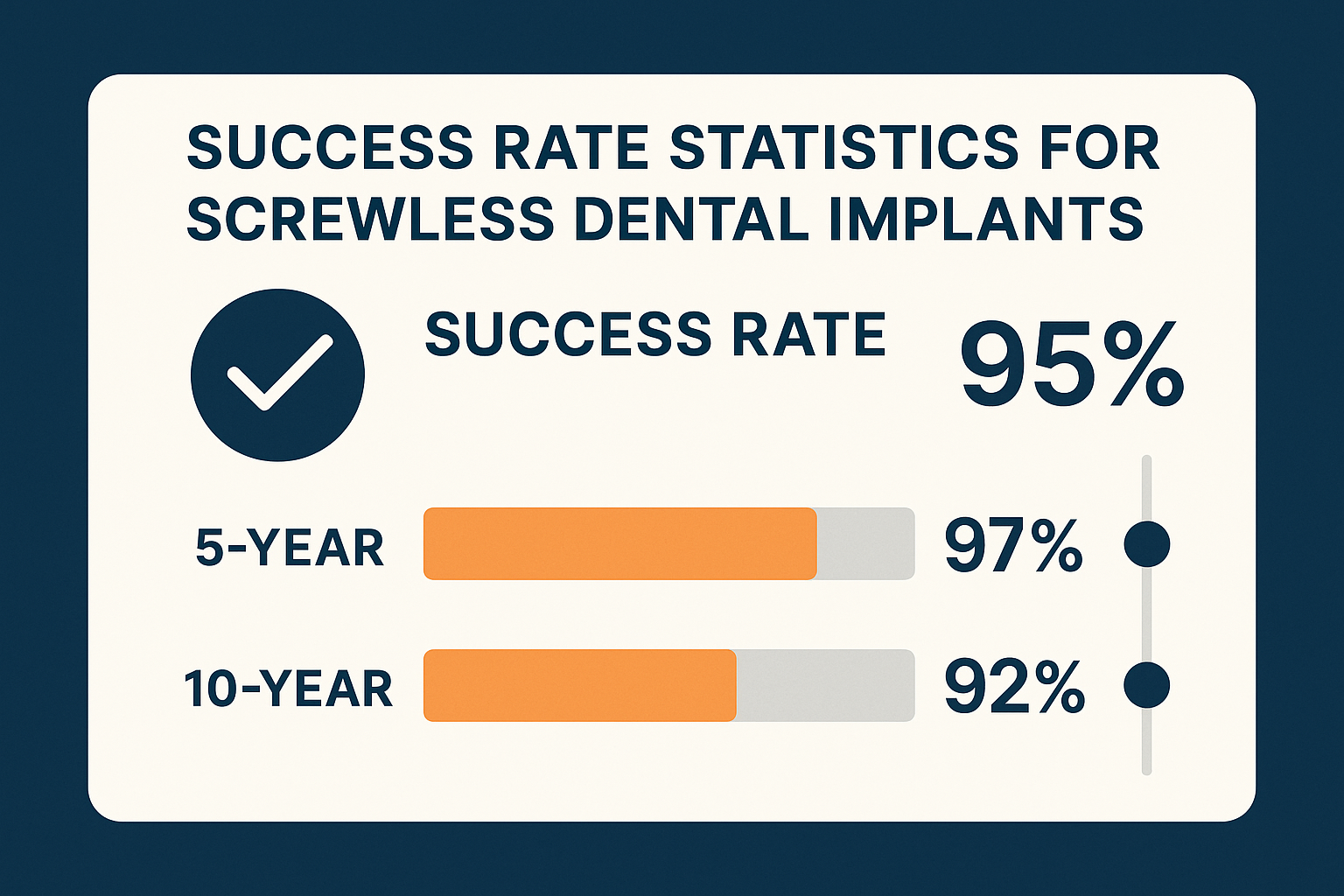
Research data on screwless dental implants demonstrates excellent success rates that are comparable to or exceed traditional implant systems in many cases.
Clinical Success Metrics
5-Year Success Rates:
- Implant survival: 96-98%
- Crown retention: 94-97%
- Patient satisfaction: 92-96%
- Complication-free outcomes: 88-93%
10-Year Data:
- Long-term implant stability: 94-96%
- Crown longevity: 85-90%
- Bone level maintenance: Excellent in 85-90% of cases
Factors Influencing Success
Several variables significantly impact the long-term success of screwless implants:
Patient-Related Factors:
- Overall health and healing capacity
- Oral hygiene compliance
- Smoking status
- Bruxism (teeth grinding) habits
Treatment-Related Factors:
- Proper case selection
- Surgical technique and experience
- Quality of materials used
- Adherence to maintenance protocols
Choosing the Right Provider
Selecting an experienced provider is crucial when considering screwless dental implants. The expertise of your dental team significantly impacts both immediate and long-term outcomes.
Key Qualifications to Look For
Essential Credentials:
- Board certification in oral surgery or periodontics
- Extensive training in implant dentistry
- Experience with screwless implant systems
- Continuing education in advanced techniques
Technology and Facilities:
- Modern surgical facilities
- Advanced imaging capabilities (3D CT scans)
- Computer-guided surgery options
- On-site laboratory partnerships
Questions to Ask Your Provider
When choosing a dental implant dentist, consider asking:
- How many screwless implants have you placed?
- What is your success rate with this technology?
- What type of warranty or guarantee do you offer?
- How do you handle complications if they arise?
- What financing options are available?
Future Developments in Screwless Technology
The field of screwless dental implants continues to evolve with exciting developments on the horizon for 2025 and beyond.
Emerging Technologies
Material Innovations:
- Advanced ceramic implant materials
- Bioactive surface coatings
- Smart materials that promote faster healing
- Antimicrobial surface treatments
Digital Integration:
- AI-assisted treatment planning
- Virtual reality surgical planning
- Real-time surgical navigation
- Digital workflow optimization
Research Frontiers
Current research focuses on several promising areas:
- Accelerated osseointegration through surface modifications
- Improved cement formulations for better long-term retention
- Personalized implant designs based on individual anatomy
- Regenerative techniques to enhance bone and soft tissue integration
Making Your Decision
Understanding what are screwless dental implants is just the first step in your journey toward optimal oral health. The decision to proceed should be based on careful consideration of your individual needs, goals, and circumstances.
Decision-Making Framework
Consider Your Priorities:
- Aesthetic requirements (especially for visible teeth)
- Long-term maintenance preferences
- Budget and financing options
- Timeline for treatment completion
- Risk tolerance and medical history
Evaluate Your Options:
- Compare screwless vs. traditional implants
- Consider alternative treatments (bridges, dentures)
- Assess affordable implant options in your area
- Review financing and payment plans
Taking the Next Step
If you’re considering screwless dental implants, the best next step is to schedule a consultation with a qualified implant specialist. During this appointment, you can:
- Receive a personalized treatment plan
- Discuss your specific goals and concerns
- Review all available options
- Get accurate cost estimates
- Ask questions about the procedure and recovery
Conclusion
Screwless dental implants represent a significant advancement in tooth replacement technology, offering patients enhanced aesthetics, simplified maintenance, and excellent long-term outcomes. While they may not be the ideal solution for every case, they provide compelling advantages for many patients seeking optimal results.
The key to success with screwless dental implants lies in proper case selection, experienced surgical placement, and committed long-term maintenance. By working with a qualified dental implant specialist and understanding both the benefits and considerations involved, you can make an informed decision about whether this innovative technology is right for your smile restoration needs.
Remember that investing in your oral health is an investment in your overall quality of life. Whether you choose screwless or traditional implants, the goal is to restore function, aesthetics, and confidence to your smile for years to come.
Ready to explore your options? Contact a qualified implant specialist today to discuss whether screwless dental implants might be the perfect solution for your tooth replacement needs. Your journey to a restored, confident smile begins with that first consultation.
Leave a Reply
Share your thoughts or ask a question about dental implants. Your email address will not be published.