

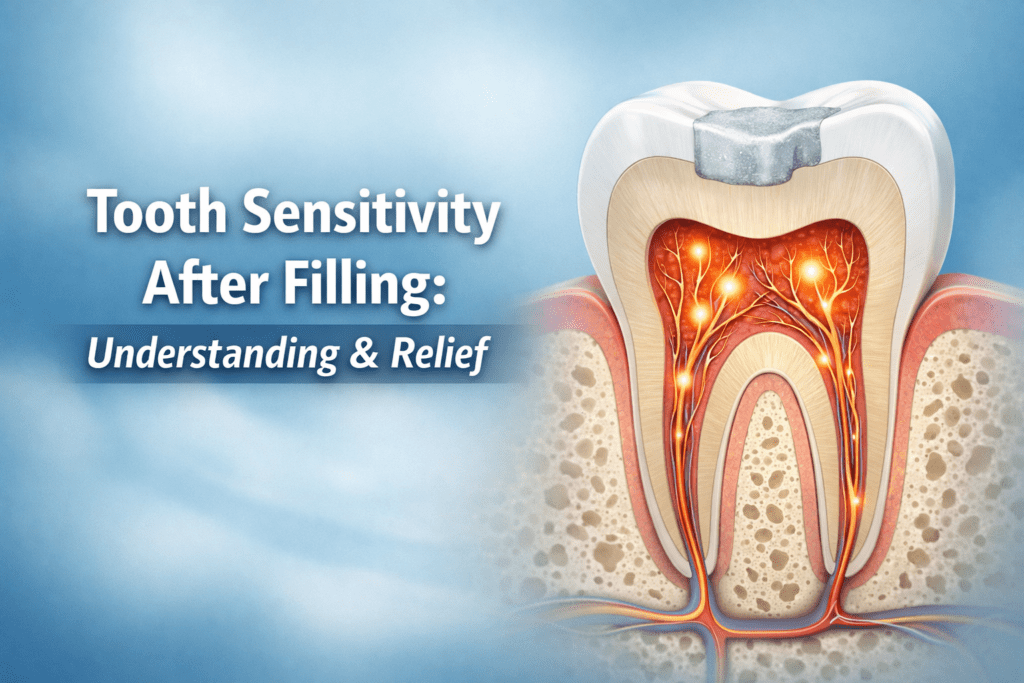
Experiencing tooth sensitivity after a filling is a common occurrence, typically manifesting as sharp pain when exposed to hot, cold, sweet, or pressure. This discomfort often subsides within a few days or weeks as the tooth adjusts to the new filling, but persistent or severe sensitivity can indicate an underlying issue requiring further dental evaluation. Understanding the reasons behind this sensitivity is crucial for effective management and long-term oral health.
Key Takeaways
- Common but Usually Temporary: Tooth sensitivity after a filling is normal and often resolves within a few days to weeks.
- Causes Vary: It can stem from inflammation, pulp irritation, bite issues, different filling materials, or even tooth grinding.
- Identify Triggers: Pay attention to what causes the sensitivity (hot, cold, sweet, pressure) to help your dentist diagnose the problem.
- Home Care Helps: Using desensitizing toothpaste and avoiding extreme temperatures can provide temporary relief.
- When to See a Dentist: Persistent, severe, or worsening pain, especially if accompanied by swelling or fever, warrants immediate professional consultation.
- Prevention is Key: Regular dental check-ups and good oral hygiene are vital for preventing cavities and minimizing the need for fillings.
- Dental Implants as an Alternative: For severely damaged teeth that cannot be saved, dental implants in Dallas offer a durable and effective tooth replacement option.
Why Do Teeth Become Sensitive After a Filling?
Tooth sensitivity after a filling typically occurs because the dental procedure can irritate the nerve within the tooth, or the tooth structure itself might be temporarily affected by the drilling and filling process. The removal of decayed material and the placement of a new filling, especially deep ones, can lead to transient inflammation of the pulp, the soft tissue containing nerves and blood vessels inside the tooth.
During a filling procedure, various factors contribute to the potential for post-operative sensitivity:
- Pulp Inflammation (Pulpitis): The most common reason is inflammation of the dental pulp. The drilling and preparation of the tooth, even when done carefully, can cause irritation to the nerve. If the cavity was deep, the pulp might have been closer to the surface, making it more susceptible to this irritation.
- Dentin Exposure: The dentin, the layer beneath the enamel, contains microscopic tubules that lead directly to the pulp. During the cavity preparation, some dentin might be exposed or become more permeable, allowing sensations of hot, cold, or pressure to reach the nerve more easily.
- Bite Adjustment Issues: If the new filling is slightly too high, it can cause excessive pressure when you bite down, leading to pain and sensitivity. This imbalance can stress the tooth and jaw, and it’s a common cause that your dentist can easily adjust.
- Filling Material Contraction: Composite resin fillings, often chosen for their aesthetic appeal, harden through a process called polymerization. During this process, the material can shrink slightly, potentially pulling away from the tooth structure and creating microscopic gaps where sensitivity can occur.
- Galvanic Shock (Rare): If a new metal filling is placed next to an existing metal filling of a different type, an electrical current can sometimes be generated when certain foods or liquids are consumed, leading to a sharp, metallic pain. This is rare with modern dental practices.
- Allergic Reaction: Though uncommon, some individuals may have a mild allergic reaction to the materials used in the filling, which can manifest as sensitivity or discomfort.
- New Decay or Leakage: In some cases, sensitivity might indicate that the filling isn’t perfectly sealed, allowing bacteria or food particles to reach the tooth’s interior, or that new decay has formed around the filling. This would typically cause sensitivity that worsens over time.
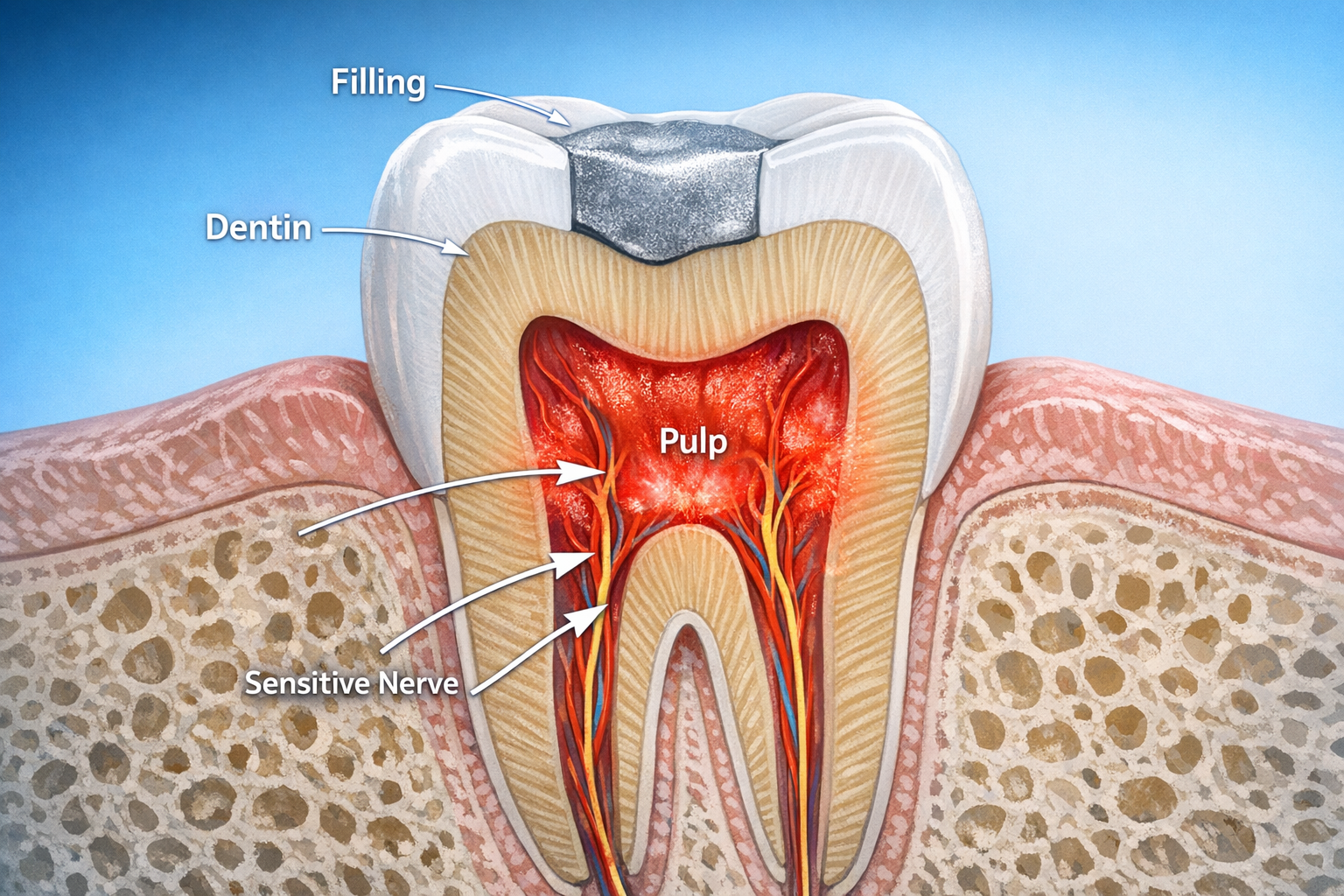
A deeper understanding of what happens inside your tooth can help you feel more at ease. The pulp’s reaction is a protective mechanism, and most often, it calms down as the tooth heals. However, if the irritation is severe, it could lead to more serious conditions, necessitating further treatment. When considering tooth replacement options for a tooth that cannot be saved, it’s wise to have a detailed discussion with your dental professional.
What Are the Common Symptoms of Tooth Sensitivity After Filling?
The most common symptoms of tooth sensitivity after a filling include sharp, temporary pain when the tooth is exposed to hot or cold temperatures, sweet foods, or pressure from biting. This discomfort typically arises immediately after the procedure and can range from a mild ache to a more intense, fleeting pain.
Here’s a breakdown of the typical symptoms you might experience:
- Temperature Sensitivity: This is perhaps the most frequent complaint. You might feel a sharp, sudden pain when consuming:
- Cold foods or drinks: Ice cream, cold water, refrigerated items.
- Hot foods or drinks: Coffee, tea, hot soup.
- This pain usually subsides almost immediately once the hot or cold stimulus is removed.
- Sweet Sensitivity: Sugary foods and drinks can sometimes trigger sensitivity in a newly filled tooth. This is similar to temperature sensitivity, where the pain is acute but short-lived.
- Pressure Sensitivity: Discomfort or pain when biting down or chewing, especially on harder foods, can indicate that the filling is slightly too high or that the tooth is still recovering from the procedure. This type of sensitivity often resolves once the bite is adjusted by your dentist.
- Air Sensitivity: In some cases, a blast of cold air, such as from breathing deeply through your mouth in cold weather, can cause a jolt of pain.
- Persistent Aching: While sensitivity is usually fleeting, a dull, persistent ache that lingers for more than a few minutes after exposure to a trigger, or without any apparent trigger, could signal a deeper issue requiring professional attention.
It’s important to distinguish between normal post-filling sensitivity and symptoms that might indicate a more serious problem. Normal sensitivity after a filling is typically sharp, short-lived, and directly related to a specific stimulus. If the pain becomes severe, throbbing, constant, or awakens you at night, it could be a sign of irreversible pulpitis or an infection, and you should contact your dentist in Dallas immediately.
How Do Different Filling Materials Affect Tooth Sensitivity?
Different dental filling materials can influence the likelihood and type of tooth sensitivity after a filling due to their unique physical properties and how they interact with the tooth structure. The choice of material—amalgam, composite resin, or glass ionomer—can play a role in post-operative discomfort.
Here’s how various filling materials can affect sensitivity:
- Amalgam (Silver) Fillings:
- Thermal Conductivity: Metal amalgam is highly conductive, meaning it transmits temperature changes (hot and cold) to the tooth’s nerve more readily than other materials. This can cause increased sensitivity to temperature extremes, especially shortly after placement.
- Expansion/Contraction: Amalgam expands and contracts with temperature changes, which can, over time, create micro-gaps or even crack the tooth, leading to sensitivity.
- Placement: The preparation for amalgam fillings often requires more healthy tooth structure removal, which can bring the filling closer to the pulp.
- Composite Resin (Tooth-Colored) Fillings:
- Polymerization Shrinkage: As composite resin hardens, it undergoes a process called polymerization shrinkage. This slight reduction in volume can pull the filling away from the tooth wall, creating tiny gaps where bacteria or fluids can enter, leading to sensitivity. Modern techniques and materials have significantly reduced this issue.
- Bonding Process: Composite fillings require a bonding agent to adhere to the tooth. If the bonding process is not executed perfectly, or if moisture contamination occurs, the bond can fail, resulting in sensitivity.
- Reduced Thermal Conductivity: Unlike amalgam, composite resin is a poor thermal conductor, which typically means less sensitivity to hot and cold once the initial post-operative period passes.
- Glass Ionomer and Resin-Modified Glass Ionomer (RMGI) Fillings:
- Fluoride Release: These materials release fluoride, which can help strengthen the tooth and reduce sensitivity over time.
- Biocompatibility: Glass ionomers are very biocompatible and bond chemically to the tooth structure, potentially causing less irritation to the pulp than other materials.
- Less Durable: While excellent for smaller, non-load-bearing areas, they are generally less durable than amalgam or composite for larger restorations, which could lead to wear or leakage over time if placed in high-stress areas.
- Less Initial Sensitivity: Often associated with less initial post-operative sensitivity compared to composite or amalgam, making them a good option for certain cases, especially in children or as temporary restorations.
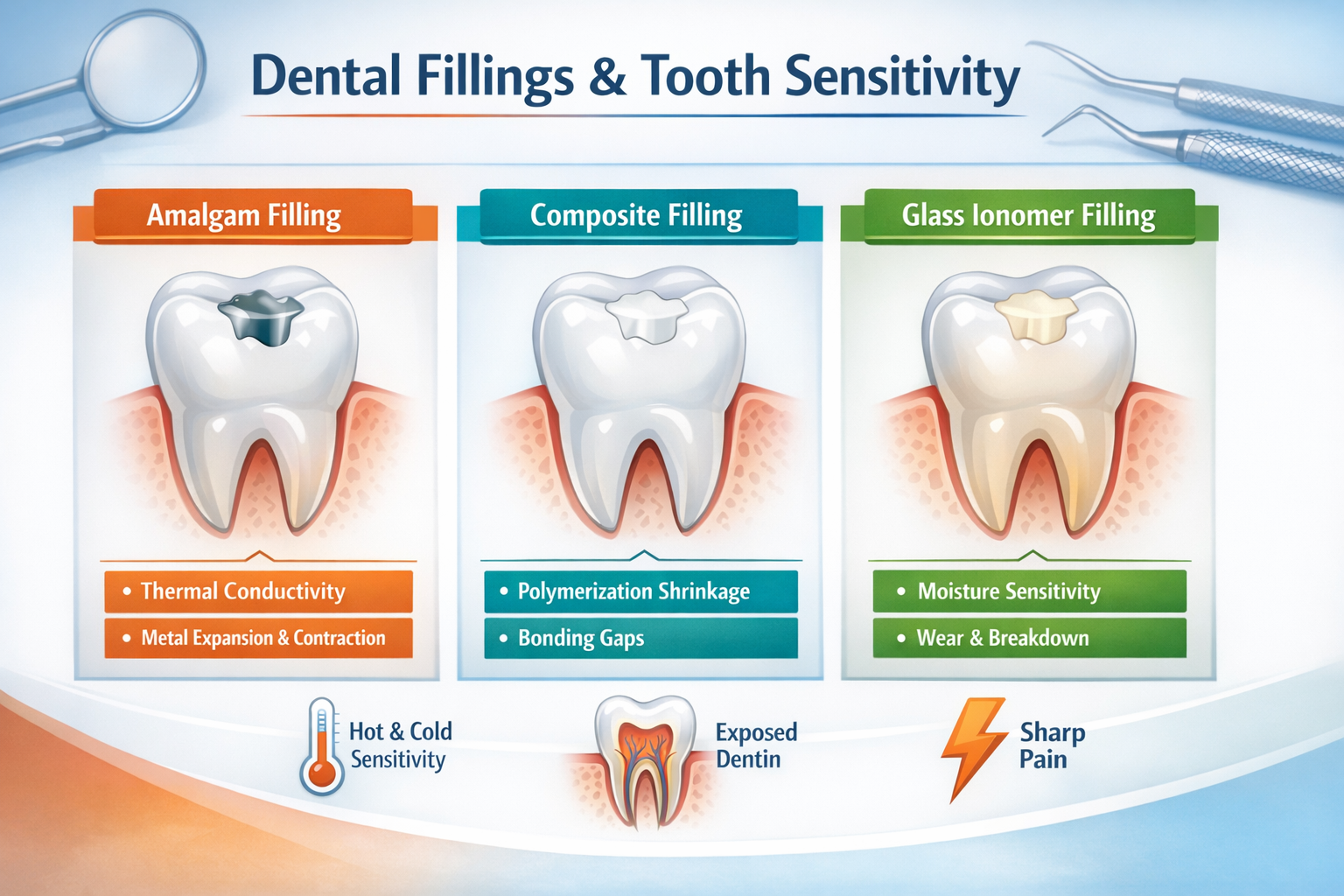
When discussing dental implant costs in Dallas for severely damaged teeth, your dentist will consider factors like filling material history, which can impact the long-term prognosis of natural teeth versus the long-term oral health benefits of an implant. For existing fillings, understanding the material helps the dentist diagnose persistent sensitivity issues effectively.
When Should You Seek Dental Advice for Tooth Sensitivity After Filling?
You should seek dental advice for tooth sensitivity after a filling if the pain is severe, persistent beyond a few weeks, worsens over time, or is accompanied by other concerning symptoms like swelling or a constant, throbbing ache. While some initial sensitivity is normal, lingering discomfort or new, intense pain warrants a professional evaluation.
Consider consulting your dentist in Dallas if you experience any of the following:
- Persistent Sensitivity: If the sensitivity does not improve or subsides within two to four weeks, or if it suddenly worsens after an initial period of improvement.
- Severe or Throbbing Pain: If the pain is intense, constant, or has a throbbing quality, especially if it wakes you up at night, it could indicate irreversible pulp inflammation (pulpitis) or an infection.
- Sensitivity to Pressure: If biting or chewing continues to cause significant pain even after a few days, your filling might be too high and needs to be adjusted.
- Swelling or Redness: Any swelling around the affected tooth or in the gums could indicate an infection, which requires immediate attention.
- Fever: A fever combined with tooth pain is a strong sign of infection.
- Visible Crack or Damage: If you notice a visible crack in the filling or the surrounding tooth structure, this could be contributing to sensitivity.
- Pain Spreading: If the pain begins to radiate to other areas of your face or jaw.
During your visit, your dentist will examine the filling and the tooth, checking your bite and possibly taking X-rays to look for deeper issues like recurrent decay or cracks. They might also perform vitality tests on the tooth to assess the health of the pulp.
Here’s a table summarizing when to be concerned:
| Symptom | When to Be Concerned | Action |
|---|---|---|
| Mild Sensitivity to Hot/Cold/Sweet | Lingers beyond 2-4 weeks; worsens over time. | Schedule a non-urgent dental check-up. |
| Sharp Pain on Biting | Does not resolve within a few days; is severe or debilitating. | Contact dentist for bite adjustment. |
| Severe, Throbbing, or Constant Pain | Wakes you at night; is unrelieved by over-the-counter pain medication. | Urgent dental visit. |
| Swelling, Redness, or Fever | Any presence of these symptoms with tooth pain. | Immediate dental attention. |
| Visible Damage to Filling/Tooth | If you can see a crack or chipping. | Schedule a dental evaluation. |
For patients in Dallas, early consultation with a dentist is key to preventing minor issues from escalating into more complex problems that might eventually require more extensive treatments like root canals or even tooth extraction followed by dental implants.
What Treatments and Home Remedies Can Alleviate Tooth Sensitivity After Filling?
To alleviate tooth sensitivity after a filling, you can initially try home remedies such as using desensitizing toothpaste and avoiding extreme temperatures, but persistent or severe sensitivity may require professional treatments like fluoride varnishes, bonding agents, or bite adjustments from your dentist. The best approach depends on the underlying cause of the sensitivity.
Here are various strategies for managing and treating sensitivity:
Home Remedies:
- Desensitizing Toothpaste: These toothpastes contain compounds like potassium nitrate or strontium chloride that help block the tiny tubules in the dentin, reducing the transmission of sensations to the nerve. Use it consistently for several weeks for best results.
- Soft-Bristled Toothbrush: Brushing too hard can abrade enamel and expose dentin, worsening sensitivity. A soft-bristled brush and gentle technique are recommended.
- Avoid Trigger Foods and Drinks: For a temporary period, minimize consumption of very hot, cold, sweet, or acidic foods and beverages that exacerbate your sensitivity.
- Saltwater Rinse: Rinsing with warm salt water can help reduce inflammation and promote healing in the gum tissue around the treated tooth. Mix half a teaspoon of salt in 8 ounces of warm water and swish for 30 seconds a few times a day.
- Over-the-Counter Pain Relievers: Medications like ibuprofen or acetaminophen can help manage discomfort if needed, but they do not address the root cause of the sensitivity.
Professional Treatments:
- Bite Adjustment: If the filling is too high, your dentist can easily reshape and polish it to ensure a proper bite. This often provides immediate relief from pressure sensitivity.
- Fluoride Varnish or Gel: Applied directly to the sensitive tooth, fluoride can help strengthen enamel and block dentin tubules, reducing sensitivity.
- Desensitizing Agents/Bonding Agents: Your dentist can apply special solutions or bonding agents to the sensitive areas of the tooth to seal the dentinal tubules.
- Crown Placement: If the filling is very large or if cracks are developing in the tooth, a dental crown might be recommended to cover and protect the tooth, providing long-term relief from sensitivity.
- Root Canal Treatment: In cases where the pulp inflammation is irreversible, or if the tooth nerve is infected, a root canal may be necessary to remove the damaged pulp and save the tooth. This is typically considered a last resort to preserve the tooth.
- Filling Replacement: If the sensitivity is due to a faulty filling (e.g., poor bond, leakage, or recurrent decay), replacing the filling might be required.
- Nightguard: If teeth grinding (bruxism) is contributing to your sensitivity and putting pressure on your new filling, a custom-fitted nightguard can protect your teeth.
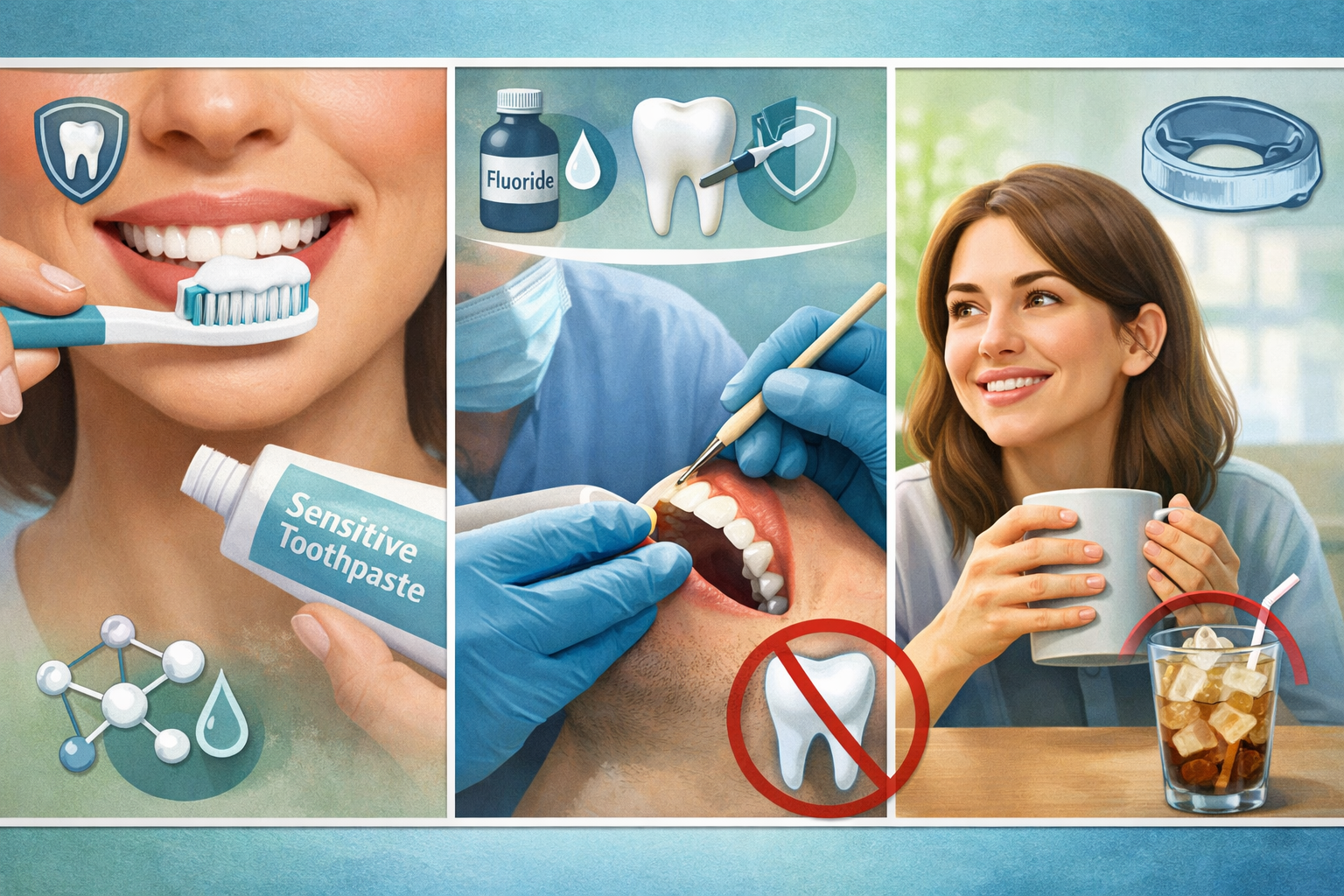
Always discuss your symptoms with your dentist in Dallas to determine the most appropriate course of action. They can accurately diagnose the cause of your sensitivity and recommend a tailored treatment plan to ensure your long-term oral health. Regular oral hygiene and check-ups are also crucial to prevent future issues and maintain the health of your existing dental work. If you’re exploring long-term oral health solutions, discuss all options with your dental professional.
What is the Prognosis for Tooth Sensitivity After Filling?
The prognosis for tooth sensitivity after a filling is generally excellent, with most patients experiencing a full resolution of symptoms within a few days to a few weeks as the tooth heals and adjusts to the new restoration. However, the outlook can vary depending on the initial cause of the sensitivity and the specific treatment provided.
Here’s what to expect regarding the prognosis:
- Short-Term Sensitivity (Days to Weeks): For the vast majority of patients, mild to moderate sensitivity to hot, cold, or sweet stimuli following a routine filling procedure is temporary. The dental pulp, which was slightly irritated during the procedure, recovers over this period, and the symptoms resolve spontaneously.
- Bite-Related Sensitivity (Immediate to Days): If sensitivity is due to a high filling causing uneven bite pressure, the prognosis is excellent with immediate relief once the dentist adjusts the filling. This is a common and easily fixable issue.
- Material-Related Sensitivity (Weeks to Months): While modern filling materials are designed to minimize sensitivity, some individuals might experience sensitivity for a slightly longer period due to factors like polymerization shrinkage with composite fillings or thermal conductivity with amalgam. This usually lessens over time.
- Long-Term or Worsening Sensitivity (Poor Prognosis if Untreated): If sensitivity persists beyond a month, worsens, or is accompanied by constant, severe pain, swelling, or signs of infection, the prognosis for spontaneous resolution diminishes significantly. In such cases, the sensitivity indicates a more serious underlying problem, such as:
- Irreversible Pulpitis: Severe and persistent inflammation of the pulp that won’t heal on its own, often requiring a root canal to save the tooth.
- Recurrent Decay: New decay forming around or under the filling, which needs to be addressed by replacing the filling or performing a more extensive restoration.
- Cracked Tooth Syndrome: A crack in the tooth structure that may have developed during or after the filling, leading to sharp pain, especially when biting. This may require a crown to prevent the crack from worsening or even extraction if the crack extends too far.
- Leaking Filling: A filling that isn’t perfectly sealed can allow bacteria to enter the tooth, leading to sensitivity and potential decay.
When considering options for severely compromised teeth, such as missing teeth solutions like dental implants, your dentist will evaluate the long-term prognosis of the natural tooth. A favorable prognosis for sensitivity means the tooth can be maintained with minimal intervention. However, if the sensitivity indicates a severe, untreatable issue with the tooth’s structure or nerve, then tooth replacement options like single tooth implants in Dallas may be discussed as a more predictable and durable solution.
FAQ: Tooth Sensitivity After Filling
Q1: Is it normal to have tooth sensitivity after a new filling?
A1: Yes, it is very common and generally normal to experience some degree of tooth sensitivity after a new filling, especially to hot, cold, or sweet stimuli. This sensitivity is usually temporary and resolves within a few days or weeks as your tooth adjusts.
Q2: How long does tooth sensitivity after a filling typically last?
A2: Most tooth sensitivity after a filling lasts from a few days to two to four weeks. If sensitivity persists beyond this period or worsens, it’s advisable to contact your dentist.
Q3: What causes prolonged sensitivity after a filling?
A3: Prolonged sensitivity can be caused by various factors, including deep cavities leading to significant pulp irritation, an uneven bite (high filling), recurrent decay, a cracked tooth, or a faulty bond with composite fillings.
Q4: Can I use desensitizing toothpaste for sensitivity after a filling?
A4: Yes, using a desensitizing toothpaste can be very helpful for managing temporary sensitivity after a filling. Apply it regularly as directed to help block the sensation to the nerve.
Q5: When should I be concerned about tooth sensitivity after a filling?
A5: You should be concerned and contact your dentist if the sensitivity is severe, constant, throbbing, worsens over time, is accompanied by swelling or fever, or if it disrupts your sleep.
Q6: Can a filling be too high and cause sensitivity?
A6: Yes, if a new filling is slightly too high, it can create excessive pressure when you bite down, leading to pain and sensitivity. Your dentist can easily adjust and polish the filling to correct this.
Q7: What if my tooth sensitivity after filling doesn’t go away?
A7: If your tooth sensitivity after a filling does not go away after several weeks, your dentist will need to re-evaluate the tooth. This may involve examining your bite, taking X-rays, checking the filling’s integrity, or assessing the pulp’s health.
Q8: Can composite (white) fillings cause more sensitivity than amalgam (silver) fillings?
A8: Both types of fillings can cause sensitivity. Composite fillings might lead to sensitivity due to polymerization shrinkage or bonding issues, while amalgam fillings can cause sensitivity due to their thermal conductivity. Modern techniques aim to minimize sensitivity for both.
Q9: What are my options if the sensitivity is severe and persistent?
A9: If sensitivity is severe and persistent, treatment options range from bite adjustments, fluoride applications, and desensitizing agents to more extensive procedures like a root canal or, in severe cases of irreparable damage, considering dental implant surgery process for tooth replacement.
Q10: How can I prevent tooth sensitivity after fillings?
A10: While some initial sensitivity can’t always be prevented, maintaining good oral hygiene, regular dental check-ups, avoiding very hard foods immediately after a filling, and promptly addressing any bite issues with your dentist can help minimize post-filling discomfort.
Conclusion
Experiencing tooth sensitivity after a filling is a very common and often temporary side effect of the dental procedure. Understanding that this discomfort usually stems from the tooth’s natural reaction to treatment can provide reassurance. Most mild cases of tooth sensitivity after filling resolve on their own within a few days or weeks with good oral hygiene and careful avoidance of triggers. However, it is crucial to remain vigilant and recognize when the sensitivity signals a more significant issue.
If your sensitivity is severe, persistent, worsening, or accompanied by other concerning symptoms like swelling or constant pain, prompt consultation with your dentist in Dallas is essential. Early diagnosis and intervention can prevent minor issues from escalating into more complex problems, ensuring your long-term oral health. Whether it’s a simple bite adjustment, a specific treatment for sensitivity, or exploring more comprehensive missing teeth solutions like dental implants in Dallas for a severely compromised tooth, your dental professional is your best resource for expert guidance and personalized care. Prioritizing your oral health education and consulting with a dentist are key steps toward maintaining a comfortable and healthy smile.
Leave a Reply
Share your thoughts or ask a question about dental implants. Your email address will not be published.