

Achieving a radiant, fully functional smile through dental implants is a significant investment in both your oral health and overall quality of life. As we navigate 2026, the technology behind dental implants continues to advance, offering unparalleled durability and aesthetics. However, the long-term success and longevity of these remarkable replacements hinge not only on expert placement and diligent daily oral hygiene but also on a often-overlooked yet critical protective device: the dental implant night guard. For individuals prone to teeth grinding (bruxism) or clenching, this simple appliance acts as a silent sentinel, safeguarding your implants against potentially damaging forces while you sleep. Understanding its importance, how it works, and how to choose the right one is paramount for anyone with dental implants.
Key Takeaways
- Essential Protection: A dental implant night guard is crucial for protecting dental implants from the destructive forces of bruxism and clenching, preventing complications like implant loosening, bone loss, and prosthesis damage.
- Customization is Key: Off-the-shelf night guards offer minimal protection; custom-fitted night guards made by a dentist provide optimal fit, comfort, and effective force distribution for superior implant protection.
- Variety of Types: Different night guard materials (soft, hard, hybrid) cater to varying degrees of bruxism severity, ensuring tailored protection for individual needs.
- Long-Term Investment: Regular use and proper maintenance of a night guard significantly extend the lifespan of dental implants and their restorations, safeguarding your investment.
- Professional Consultation: Always consult with your dental professional to determine if a dental implant night guard is necessary for your specific situation and to ensure you receive the most appropriate type and fit.
Understanding Dental Implants and Their Vulnerabilities
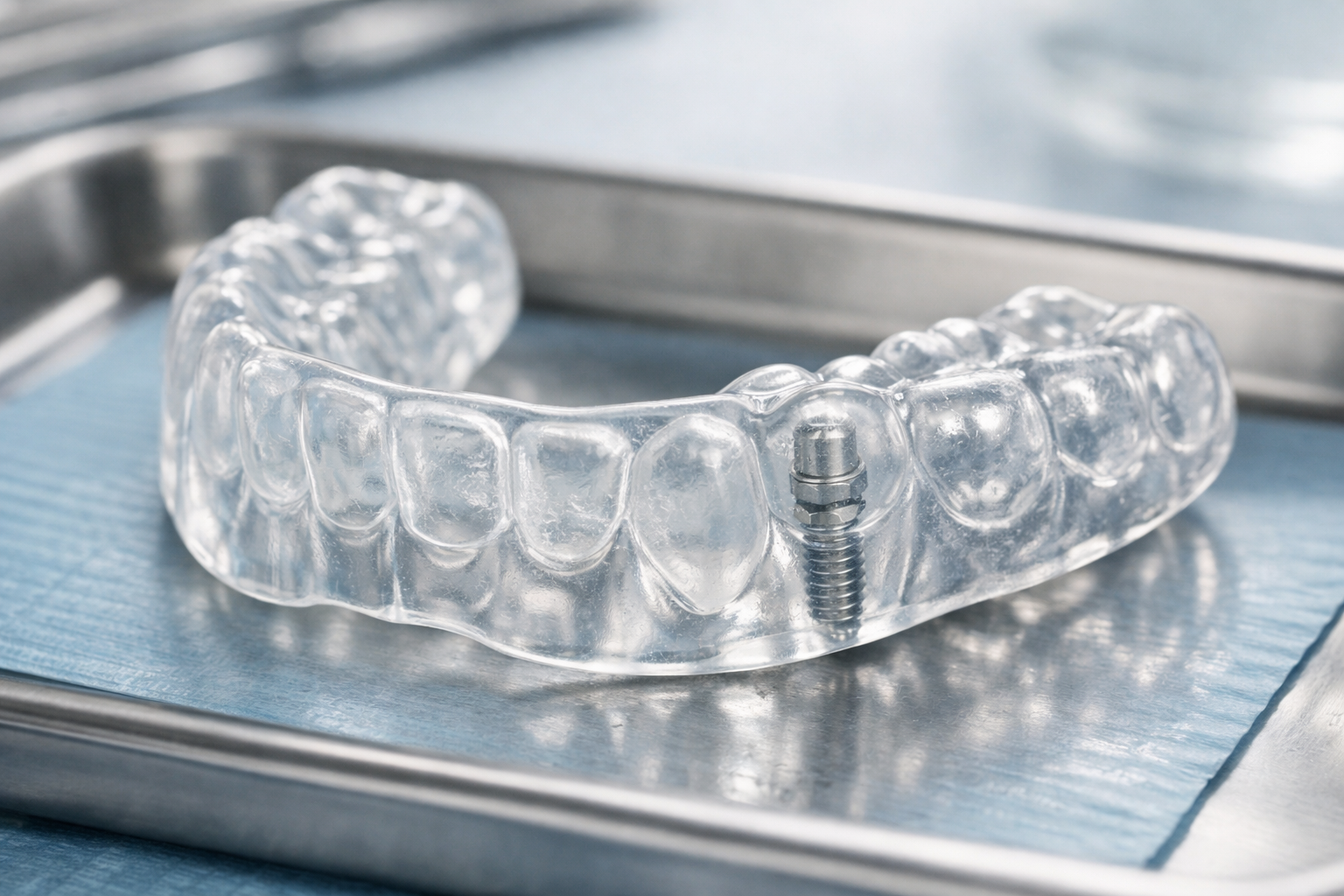
Dental implants have revolutionized tooth replacement, offering a permanent solution that looks, feels, and functions like natural teeth. They consist of a titanium post surgically placed into the jawbone, an abutment that connects the post to the visible restoration, and a crown, bridge, or denture that replaces the missing teeth. The process of osseointegration, where the implant fuses with the bone, creates an incredibly strong and stable foundation [1].
Despite their robust nature, dental implants are not impervious to all forces. One of the most significant threats to their long-term stability and health comes from parafunctional habits, primarily bruxism (teeth grinding) and clenching. These habits, often unconscious and occurring during sleep, can exert immense and repetitive forces on the dental system, far exceeding those generated during normal chewing.
The Silent Threat: Bruxism and Clenching
Bruxism is characterized by grinding, gnashing, or clenching the teeth, often without conscious awareness. It can be caused by stress, anxiety, sleep disorders, an abnormal bite, or even certain medications. When a person grinds or clenches, the forces generated can be several times stronger than normal chewing forces.
For natural teeth, these forces can lead to:
- Enamel wear and tooth sensitivity
- Fractured teeth or fillings
- Jaw pain (TMJ disorders)
- Headaches and facial pain
- Gum recession
When dental implants are present, the risks escalate. Unlike natural teeth, which have a periodontal ligament that provides some shock absorption and sensory feedback, dental implants are rigidly integrated into the bone. This means they transmit forces directly to the surrounding bone and the prosthetic components.
Why a Dental Implant Night Guard is Indispensable
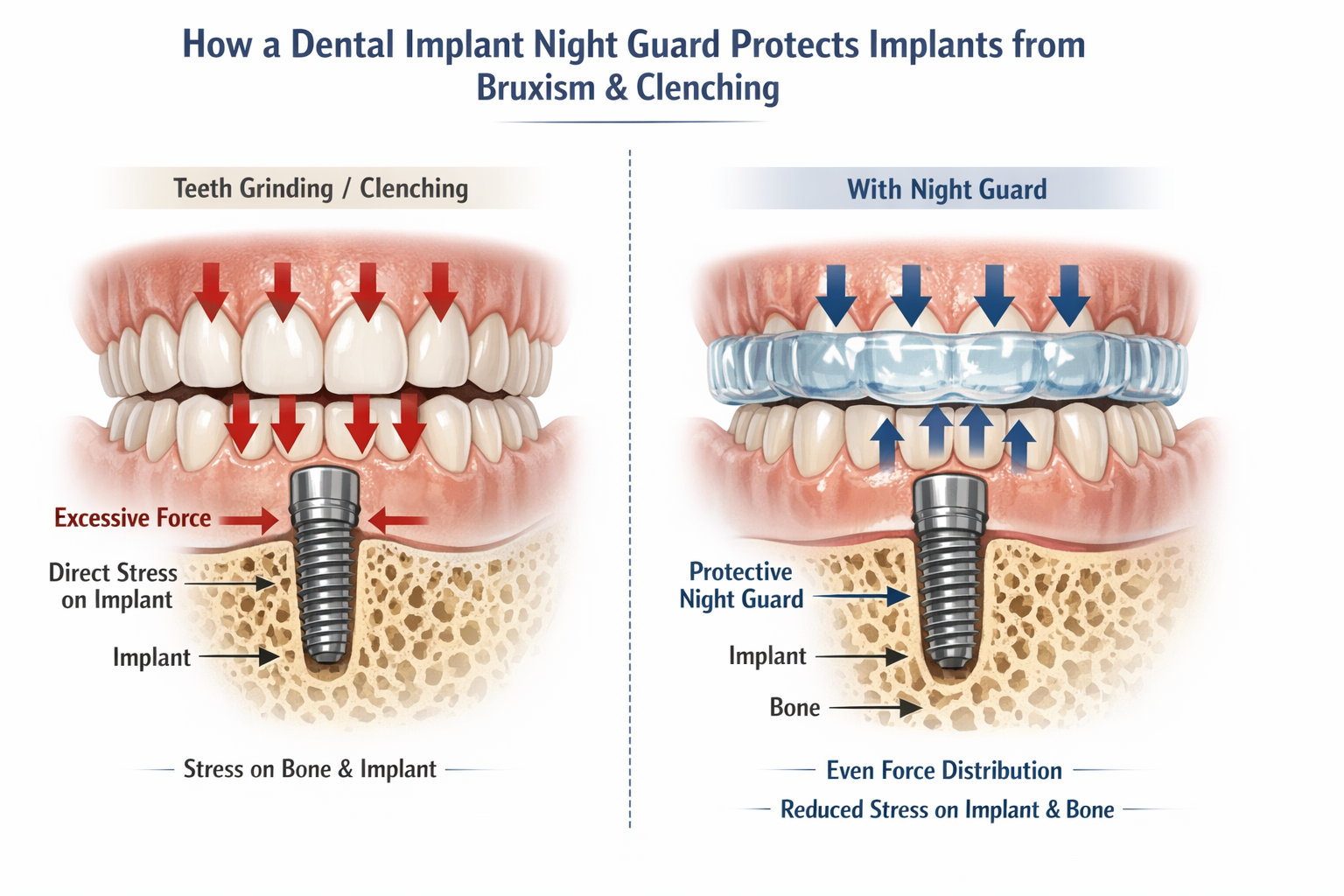
The primary purpose of a dental implant night guard is to create a protective barrier between your upper and lower teeth, distributing the forces of grinding and clenching evenly across the dental arches instead of concentrating them on individual teeth or implants. This significantly reduces the stress on your implants and their restorations, preventing a cascade of potential complications.
“A custom-fitted dental implant night guard acts as a critical shock absorber, safeguarding your significant investment in dental implants from the destructive forces of nocturnal grinding and clenching.”
Protecting Against Mechanical Stress
Without a night guard, the intense, repetitive forces from bruxism can lead to several severe problems for dental implants:
- Implant Overload and Failure: Excessive forces can overload the implant itself, leading to microfractures in the surrounding bone or even the implant fixture. This can compromise osseointegration, potentially leading to implant loosening or failure [2].
- Peri-implantitis: This is an inflammatory condition affecting the tissues surrounding a dental implant, leading to progressive bone loss around the implant. While bacterial infection is a primary cause, excessive mechanical stress from bruxism can contribute to or accelerate peri-implantitis by compromising the bone-implant interface and increasing susceptibility to infection. Learn more about preventing issues like bone loss in teeth by understanding the importance of proper implant care [https://dentalimplantsdallastx.com/90-percent-bone-loss-in-teeth/].
- Prosthesis Damage: The crowns, bridges, or dentures attached to the implants are also vulnerable. Grinding can cause chips, cracks, or fractures in the porcelain or composite materials. In some cases, it can even loosen or break the screws connecting the crown to the abutment, or the abutment itself.
- Component Wear: Repeated friction and force can lead to wear and tear on the prosthetic components, necessitating costly repairs or replacements sooner than expected.
- TMJ Issues: While a night guard protects implants, it also helps alleviate the strain on your temporomandibular joints (TMJ), which connect your jawbone to your skull. Reducing clenching can mitigate jaw pain, headaches, and other symptoms associated with TMJ disorders.
By wearing a dental implant night guard, these forces are absorbed and distributed, mitigating their destructive potential and ensuring the long-term success and integrity of your dental implants.
Types of Dental Implant Night Guards in 2026
When considering a dental implant night guard, it’s important to understand that not all guards are created equal. The most effective option for protecting your implants will always be a custom-fitted device made by your dental professional. Over-the-counter (OTC) options, while cheaper, rarely offer the precision fit, comfort, or adequate protection required for dental implants.
Here’s a breakdown of the main types of night guards:
1. Custom-Fitted Night Guards (Professional Grade)
These are fabricated by a dental lab based on impressions or digital scans of your teeth. They offer the best fit, comfort, and protection, essential for individuals with dental implants.
| Feature | Description | Benefits for Implants |
|---|---|---|
| Material | High-quality acrylic, dual laminate (hard exterior, soft interior), or specialized polymers. | Durable, biocompatible, and specifically chosen for its ability to absorb and distribute forces effectively. |
| Fit | Precisely molded to your unique dental arch, fitting snugly without shifting. | Ensures even force distribution, prevents irritation to gums and tissues around implants, and maximizes comfort. |
| Comfort | Designed for long-term wear, minimal bulk, and smooth edges to avoid discomfort. | Promotes consistent use, which is key to protecting implants every night. |
| Effectiveness | Superior protection against grinding and clenching forces, significantly reducing stress on implants. | Minimizes the risk of implant failure, peri-implantitis, and damage to prosthetic components. |
| Cost | Higher initial cost (typically $300-$800, potentially covered by insurance). | A worthwhile investment that safeguards much more expensive dental implants and prevents future repair costs. |
Custom night guards come in different material compositions:
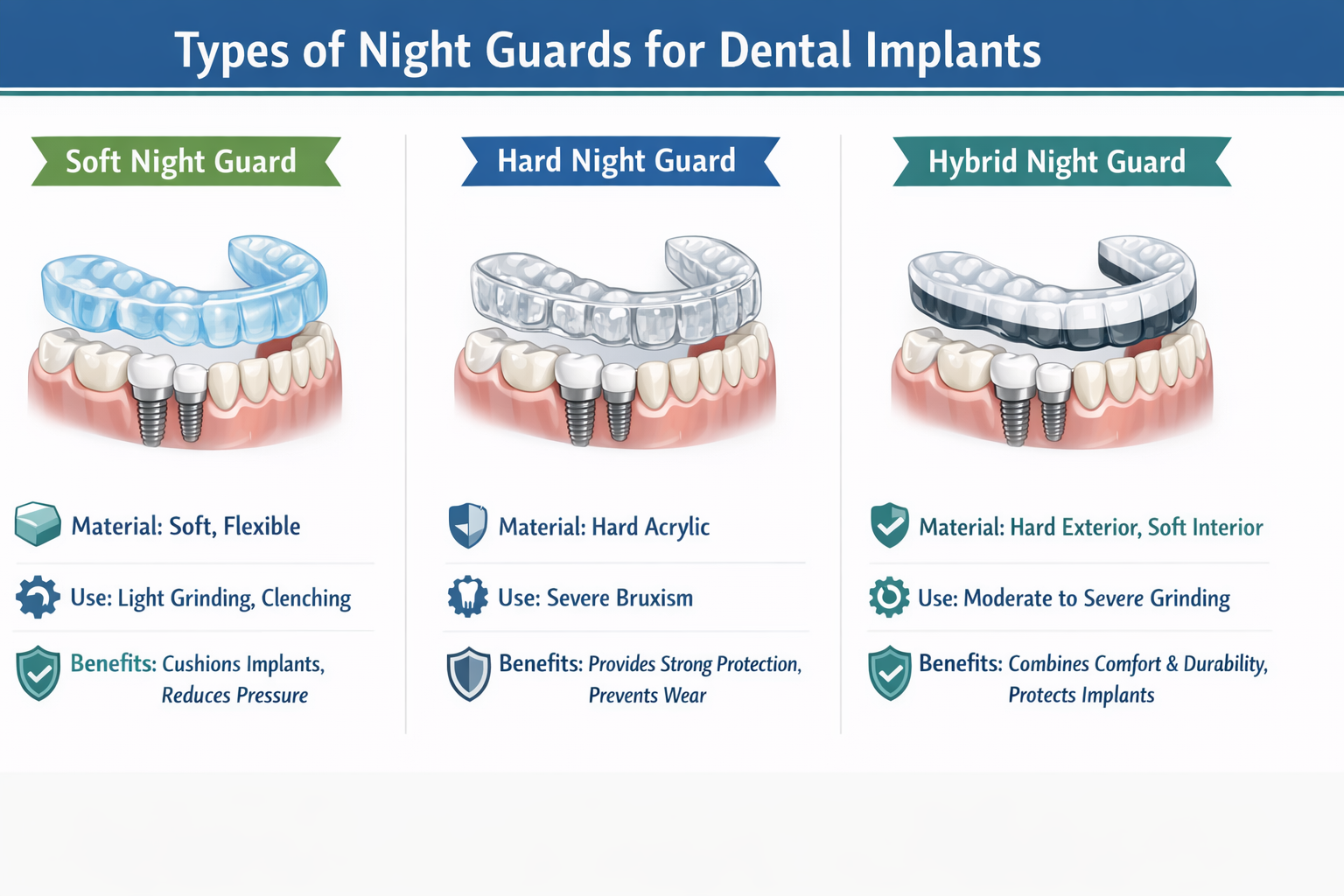
- Soft Night Guards: Made from a pliable, rubbery material. Best for light clenching or as a temporary solution. They offer comfort but may wear down quickly with severe grinding. Generally not the first choice for robust implant protection.
- Hard Night Guards: Made from durable acrylic. These are robust and designed for moderate to severe bruxism. They provide excellent force distribution and are highly durable, making them ideal for long-term protection of dental implants.
- Hybrid (Dual Laminate) Night Guards: Combine a soft inner layer for comfort with a hard outer layer for durability and protection. This offers the best of both worlds, providing comfort during wear while resisting grinding forces effectively. Many dental professionals recommend hybrid guards for patients with implants who experience moderate to severe bruxism.
2. Boil-and-Bite Night Guards (Over-the-Counter)
Available at drugstores, these are made from thermoplastic material that softens in hot water and can be molded to your teeth by biting down.
- Pros: Inexpensive, readily available.
- Cons: Less precise fit, often bulky, can become ill-fitting over time, may not provide adequate protection for implants, and can even exacerbate TMJ issues if poorly fitted. Not recommended for dental implant patients due to the high stakes involved.
3. Stock Night Guards (Over-the-Counter)
These are pre-formed and come in limited sizes.
- Pros: Very inexpensive.
- Cons: Poor fit, extremely bulky, uncomfortable, minimal protection. Definitely not suitable for dental implant patients.
When you’re looking for the best way to safeguard your investment, always lean towards professional, custom-made solutions. For more information on dental implant care and procedures, visiting a reputable clinic can provide invaluable guidance. https://dentalimplantsdallastx.com/
The Process of Getting a Custom Dental Implant Night Guard
Obtaining a custom-fitted dental implant night guard is a straightforward process that typically involves two appointments with your dentist.
Step 1: Initial Consultation and Impressions
- Examination: Your dentist will first conduct a thorough examination of your mouth, including your teeth, gums, implants, and jaw joints, to assess the extent of your bruxism or clenching and determine the most appropriate type of night guard. They will also check the health of your existing dental implants.
- Impressions/Scans: Detailed impressions of your upper and lower arches are taken. This can be done using traditional putty impressions or increasingly, with digital intraoral scanners. Digital scans are highly accurate and eliminate the discomfort of traditional impressions.
- Bite Registration: A bite registration helps the lab understand how your upper and lower teeth meet, ensuring the night guard is designed to properly distribute forces and prevent harmful contact points.
- Material Selection: Based on your individual needs and the severity of your bruxism, your dentist will select the ideal material (hard, soft, or hybrid) for your night guard.
These impressions and specifications are then sent to a dental laboratory, where skilled technicians craft your custom appliance.
Step 2: Fitting and Adjustments
- Try-In: Once the night guard is fabricated (usually within 1-2 weeks), you will return for a fitting appointment. Your dentist will ensure the guard fits snugly and comfortably over your teeth and implants.
- Adjustments: Minor adjustments are often necessary to ensure a perfect fit and a balanced bite. The dentist will check for any high spots or areas that might cause discomfort or uneven pressure. This meticulous adjustment process is critical to the night guard’s effectiveness and your comfort.
- Instructions: You will receive detailed instructions on how to properly insert, remove, clean, and store your dental implant night guard.
The goal is a night guard that is so comfortable, you barely notice it’s there, encouraging consistent wear. Proper abutment placement is crucial for the long-term success of dental implants and the fit of a night guard; learn more about it here: https://dentalimplantsdallastx.com/abutment-placement/
Living with Your Dental Implant Night Guard: Care and Maintenance
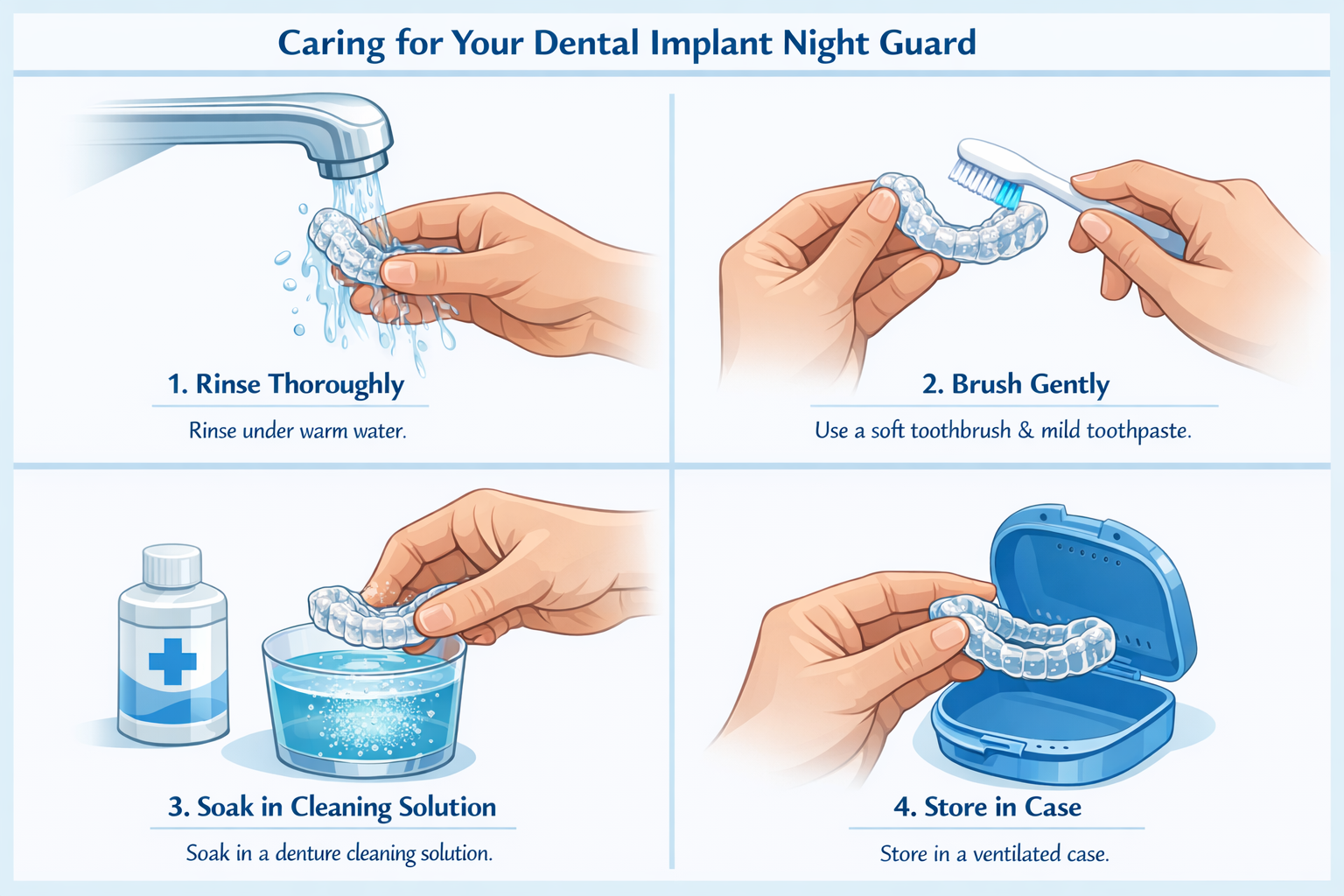
Getting a dental implant night guard is only the first step; maintaining it properly ensures its longevity and effectiveness. Consistent wear and meticulous cleaning are essential for safeguarding your implants and preserving your oral health.
Daily Cleaning Routine
Your night guard, like your teeth, can accumulate plaque, bacteria, and food particles. A proper cleaning routine prevents odors, discoloration, and the buildup of harmful microorganisms that could affect your oral health or the health of your implants.
- Rinse Immediately After Removal: As soon as you remove your night guard in the morning, rinse it thoroughly under cool (never hot) running water. This helps remove saliva and loose debris before they can dry and stick.
- Brush Gently: Use a soft-bristled toothbrush and non-abrasive soap (like hand soap) or a specialized night guard cleaning solution. Gently brush all surfaces of the guard, paying attention to grooves and crevices. Avoid using toothpaste, as many contain abrasive particles that can scratch the guard’s surface, creating microscopic etches where bacteria can thrive.
- Rinse Again: Rinse the guard thoroughly under cool water to remove all soap or cleaning solution residue.
Weekly Deep Clean
In addition to daily brushing, a weekly deep clean is recommended to keep your night guard fresh and hygienic:
- Soak in a Cleaning Solution: Use denture or retainer cleaning tablets (follow product instructions carefully). Dissolve a tablet in a glass of cool water and soak your night guard for the recommended time, usually 10-20 minutes.
- Brush and Rinse: After soaking, brush the guard again with a soft toothbrush and rinse thoroughly to remove any remaining cleaner.
Storage
Proper storage is crucial:
- Keep it Dry (After Cleaning): Ensure your night guard is completely dry before storing it to prevent bacterial growth.
- Use a Vented Case: Store your clean, dry night guard in its protective, vented case when not in use. This protects it from damage and exposure to airborne bacteria while allowing air circulation.
- Avoid Extreme Temperatures: Do not leave your night guard in direct sunlight, in a hot car, or near heat sources, as high temperatures can warp the material.
Important Considerations
- Regular Dental Check-ups: Bring your night guard to your regular dental check-ups (typically every six months). Your dentist can inspect it for wear and tear, cleanliness, and fit, making any necessary adjustments. This is also an excellent opportunity to discuss any concerns you might have about your dental implants or oral health. Learn more about optimal dental implant aftercare products here: https://dentalimplantsdallastx.com/best-dental-implant-aftercare-products/.
- Replace When Worn: A night guard typically lasts anywhere from 1 to 5 years, depending on the severity of your grinding and the material. If you notice cracks, holes, or if it feels loose, it’s time for a replacement. A worn-out guard won’t provide adequate protection for your implants.
- Never Share: Your night guard is custom-made for your mouth and should never be shared with anyone else.
By adhering to these care and maintenance guidelines, your dental implant night guard will continue to effectively protect your valuable dental implants for years to come, ensuring your smile remains healthy and beautiful in 2026 and beyond.
The Long-Term Benefits of a Dental Implant Night Guard
The decision to invest in a dental implant night guard is an investment in the longevity and success of your dental implants. While the immediate benefit is protection from grinding and clenching, the long-term advantages extend far beyond simply preventing damage.
Enhanced Implant Lifespan
Dental implants are designed to last a lifetime, but this longevity is heavily reliant on proper care and protection. Without a night guard, the relentless forces of bruxism can significantly shorten the lifespan of your implants and their restorations. By consistently wearing a night guard, you are actively minimizing the stresses that contribute to:
- Premature wear: Of crowns, bridges, and other prosthetic components.
- Bone loss: Around the implant, which can lead to implant mobility and failure.
- Fixture damage: Though rare, extreme forces can stress the implant body itself.
A well-maintained night guard can help ensure your implants remain stable and functional for decades, justifying the initial investment in your smile. For a comprehensive guide on what to expect after your implants, check out the complete dental implant recovery timeline.
Prevention of Costly Repairs and Replacements
The cost of dental implant procedures, while offering exceptional value, can be substantial. Replacing a damaged crown, repairing a loosened abutment screw, or even replacing a failed implant due to bruxism can incur significant additional expenses and require further dental procedures.
A dental implant night guard acts as a preventative measure, dramatically reducing the likelihood of these costly complications. Think of it as an insurance policy for your implants: a relatively small ongoing expense (for the guard and its occasional replacement) that protects against much larger potential expenditures down the line.
Improved Comfort and Quality of Life
Beyond physical protection, a night guard can significantly improve your daily comfort and overall quality of life by addressing the symptoms of bruxism:
- Reduced Jaw Pain: By preventing clenching and grinding, the night guard alleviates strain on your jaw muscles and temporomandibular joints, leading to a noticeable reduction in morning jaw soreness, stiffness, and pain.
- Fewer Headaches: Many bruxism sufferers experience tension headaches, especially upon waking. The night guard helps relax jaw muscles, often leading to a decrease in headache frequency and intensity.
- Better Sleep Quality: While not directly treating sleep disorders, reducing the physical strain of bruxism can contribute to more restful sleep by minimizing discomfort that might otherwise disrupt your slumber.
- Peace of Mind: Knowing your dental implants are protected while you sleep offers a significant sense of relief and confidence in your oral health.
In the rapidly evolving landscape of dentistry in 2026, where dental implants are a cornerstone of restorative care, integrating a custom-fitted night guard into your routine is not merely an option but a vital component of a successful, long-lasting dental implant journey. It’s a proactive step that ensures your smile remains strong, healthy, and beautiful for years to come.
Dental Implant Night Guard Selector
Find the best night guard type to protect your dental implants based on your needs.
1. Your Bruxism/Clenching Severity
2. Priority Considerations
3. Presence of Dental Implants
Your Night Guard Recommendation:
Please select your options above to get a tailored recommendation.
Note: This tool provides general guidance. Always consult with your dental professional for a personalized recommendation and custom fitting, especially if you have dental implants.
Conclusion: Safeguarding Your Smile with a Dental Implant Night Guard
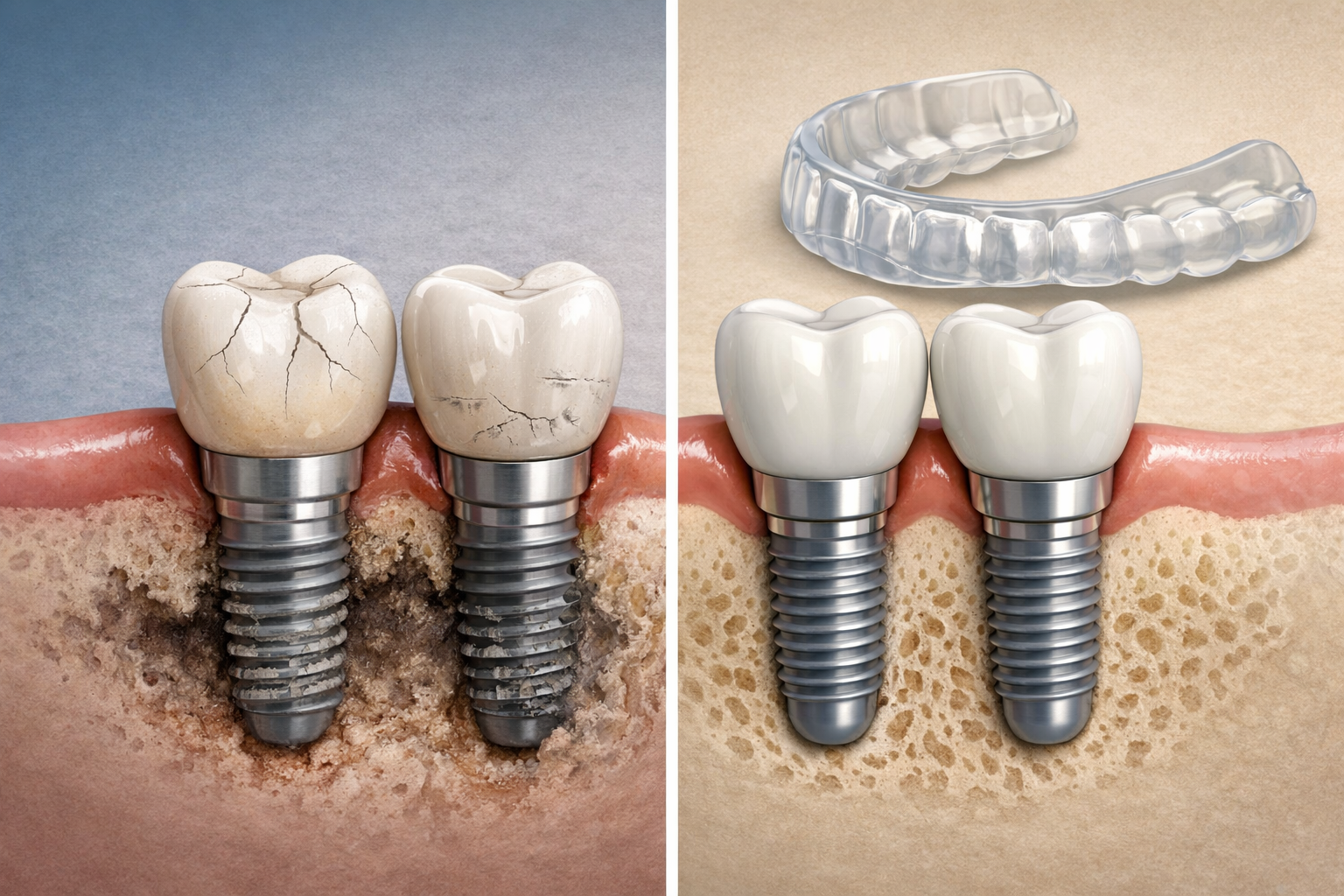
In 2026, dental implants continue to stand as a pinnacle of restorative dentistry, offering solutions that dramatically enhance quality of life. However, the advanced engineering and biological integration of these implants necessitate a proactive approach to their long-term care. For individuals experiencing bruxism or clenching, the dental implant night guard emerges as an indispensable tool, acting as the first line of defense against forces that could otherwise jeopardize your investment.
Choosing and consistently using a custom-fitted night guard is not merely a recommendation; it is a critical component of comprehensive dental implant aftercare. It protects the integrity of the implant-bone interface, preserves the prosthetic restorations from wear and fracture, and contributes significantly to overall oral comfort and well-being. By mitigating the destructive forces of nocturnal grinding, you are actively extending the functional lifespan of your implants and preventing potentially costly and time-consuming repairs.
Actionable Next Steps:
- Assess Your Risk: If you suspect you grind or clench your teeth, or if you experience symptoms like morning jaw pain, headaches, or tooth sensitivity, discuss this immediately with your dental professional.
- Consult Your Dentist: Schedule an appointment with your dentist or an oral surgeon to determine if a dental implant night guard is appropriate for your specific needs, especially if you have existing implants or are considering them. They can properly diagnose bruxism and recommend the optimal type of custom guard.
- Invest in Customization: Always opt for a custom-fitted night guard made by your dental professional. Over-the-counter options lack the precision and protection necessary for safeguarding dental implants.
- Commit to Consistent Use: Once you have your custom night guard, make its use a non-negotiable part of your nightly routine. Consistency is key to long-term protection.
- Maintain Diligently: Follow all cleaning and storage instructions provided by your dental team to ensure your night guard remains hygienic and effective.
By taking these steps, you are not just caring for a dental appliance; you are safeguarding your radiant, functional smile for many years to come, ensuring that your dental implants continue to serve you well throughout 2026 and beyond.
References
[1] Adell, R., Lekholm, U., Branemark, P. I., & Lindhe, J. (1986). Intraosseous implants in oral and maxillofacial surgery. International Journal of Oral & Maxillofacial Implants, 1(2), 79-85.
[2] Misch, C. E. (2008). Contemporary implant dentistry (3rd ed.). Mosby Elsevier.
Leave a Reply
Share your thoughts or ask a question about dental implants. Your email address will not be published.