

Are you among the many who feel a knot in their stomach at the mere thought of a dental procedure, especially one as seemingly significant as a dental implant? If you’re terrified of getting a dental implant, you are not alone. This anxiety, often rooted in past experiences, misinformation, or a general fear of the unknown, can prevent individuals from seeking essential treatment that could dramatically improve their oral health and quality of life. In 2026, dental implant technology and patient care have advanced to a point where the procedure is safer, more comfortable, and more predictable than ever before. This comprehensive guide aims to address your deepest concerns, demystify the process, and empower you to make informed decisions about your dental health.
Key Takeaways
- Dental implant anxiety is common, but modern dentistry offers numerous solutions for comfort and pain management.
- Understanding the procedure, its benefits, and the minimal discomfort involved can significantly alleviate fears.
- Choosing an experienced dental implant specialist and a supportive clinic is crucial for a positive experience.
- The long-term benefits of dental implants — improved oral health, aesthetics, and confidence — far outweigh initial anxieties.
- Sedation options are readily available to ensure a relaxed and pain-free procedure for even the most anxious patients.
Understanding Your Fear: Why Many Are Terrified of Getting a Dental Implant

The apprehension surrounding dental implants is a widespread phenomenon. For many, it’s not just a minor nervousness; it’s a profound fear that can lead to delaying or avoiding necessary treatment, exacerbating existing dental problems. Let’s delve into the common reasons why people might be terrified of getting a dental implant.
Common Sources of Dental Anxiety
Several factors contribute to dental phobia, which can be heightened when considering a surgical procedure like an implant:
- Fear of Pain: This is arguably the most significant concern. People often imagine the procedure to be excruciating, associating it with drilling into bone.
- Fear of Needles/Injections: The thought of local anesthetic injections can be a major deterrent for some, leading to avoidance of the entire process.
- Loss of Control: Lying in a dental chair with your mouth open, feeling vulnerable, can trigger feelings of helplessness and anxiety.
- Past Traumatic Experiences: A painful or unpleasant dental visit in the past can create a lasting negative association with dentistry.
- Embarrassment: Some individuals might feel self-conscious about the condition of their teeth or their oral hygiene, leading to reluctance in seeking professional help.
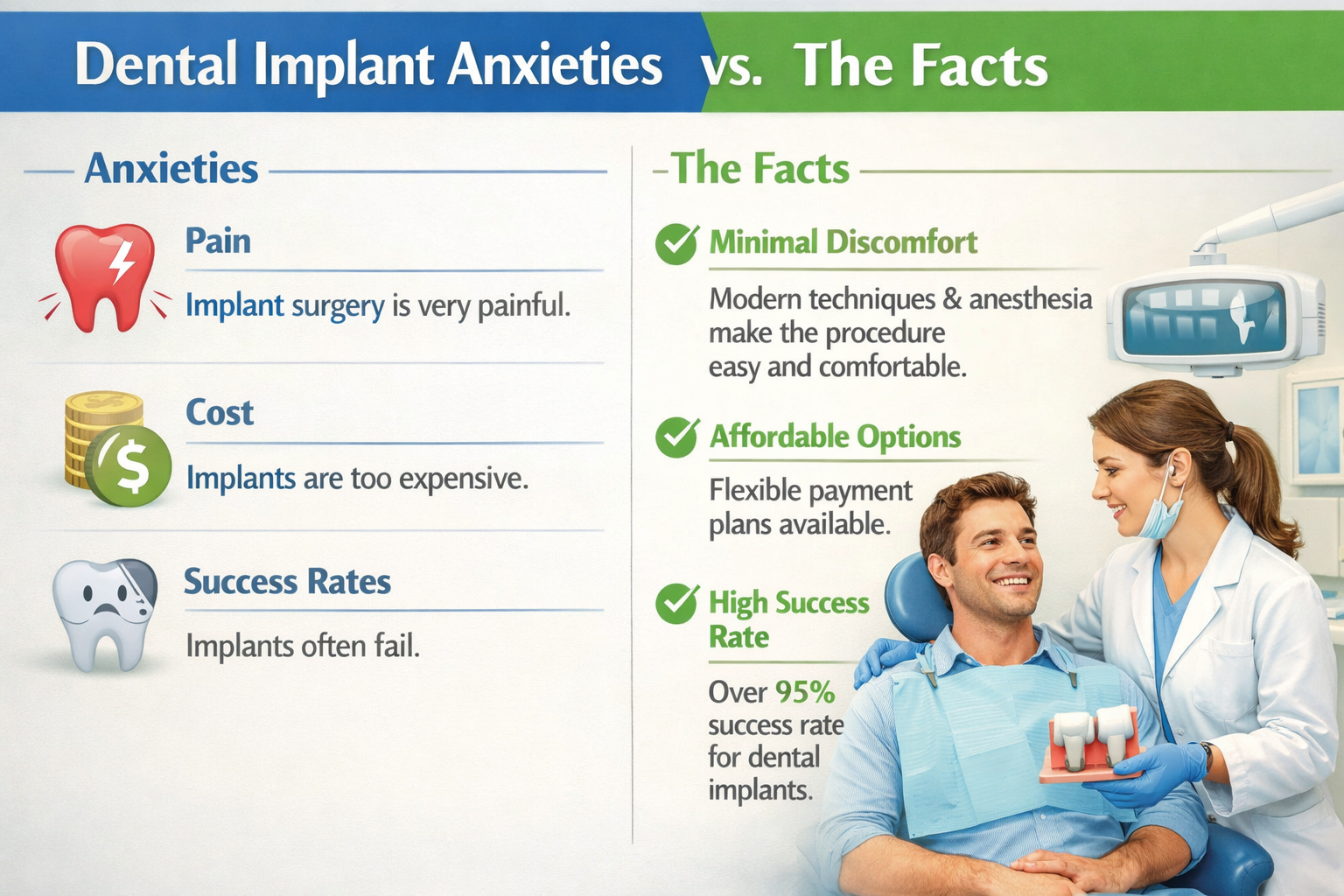
- Cost Concerns: The financial investment in dental implants can be a source of stress, especially if insurance coverage is unclear.
- Uncertainty about the Procedure: Not knowing what to expect during and after the surgery can fuel anxiety. Myths and misinformation circulating online can further amplify these fears.
The Reality of Dental Implant Procedures in 2026
It’s vital to separate myth from reality. Modern dental implant procedures are drastically different from past dental experiences that may have contributed to your fear.
- Advanced Anesthesia and Pain Management: In 2026, pain management is paramount. Local anesthetics are incredibly effective, numbing the surgical area completely. Many practices also offer various levels of sedation, from nitrous oxide (laughing gas) to oral conscious sedation or even IV sedation, ensuring you feel relaxed, comfortable, and often remember little to nothing of the procedure itself. You can learn more about how dental implants are designed to be comfortable by exploring questions like Are Dental Implants Painful?.
- Minimally Invasive Techniques: Surgical techniques have evolved significantly. Dentists often use 3D imaging and computer-guided surgery to precisely place implants, leading to less trauma, quicker recovery, and reduced post-operative discomfort.
- Highly Skilled Specialists: Dental implantology is a specialized field. Oral surgeons, periodontists, and prosthodontists undergo extensive training specifically for these procedures, ensuring expertise and precision.
- Patient-Centered Care: Reputable dental practices prioritize patient comfort and communication. They take the time to explain every step, answer questions, and address concerns, fostering a sense of trust and control.
“Fear is a natural human emotion, but when it prevents you from achieving optimal health, it’s time to confront it with knowledge and professional support. Modern dental implantology is designed with your comfort and well-being at its core.” – Dr. Sarah Chen, Leading Implantologist.
Demystifying the Dental Implant Process to Ease Your Mind
One of the most effective ways to combat anxiety is through knowledge. Understanding exactly what happens during a dental implant procedure can transform the unknown into a manageable series of steps. If you are terrified of getting a dental implant, knowing the journey ahead can significantly reduce your apprehension.
The Steps Involved in Getting a Dental Implant
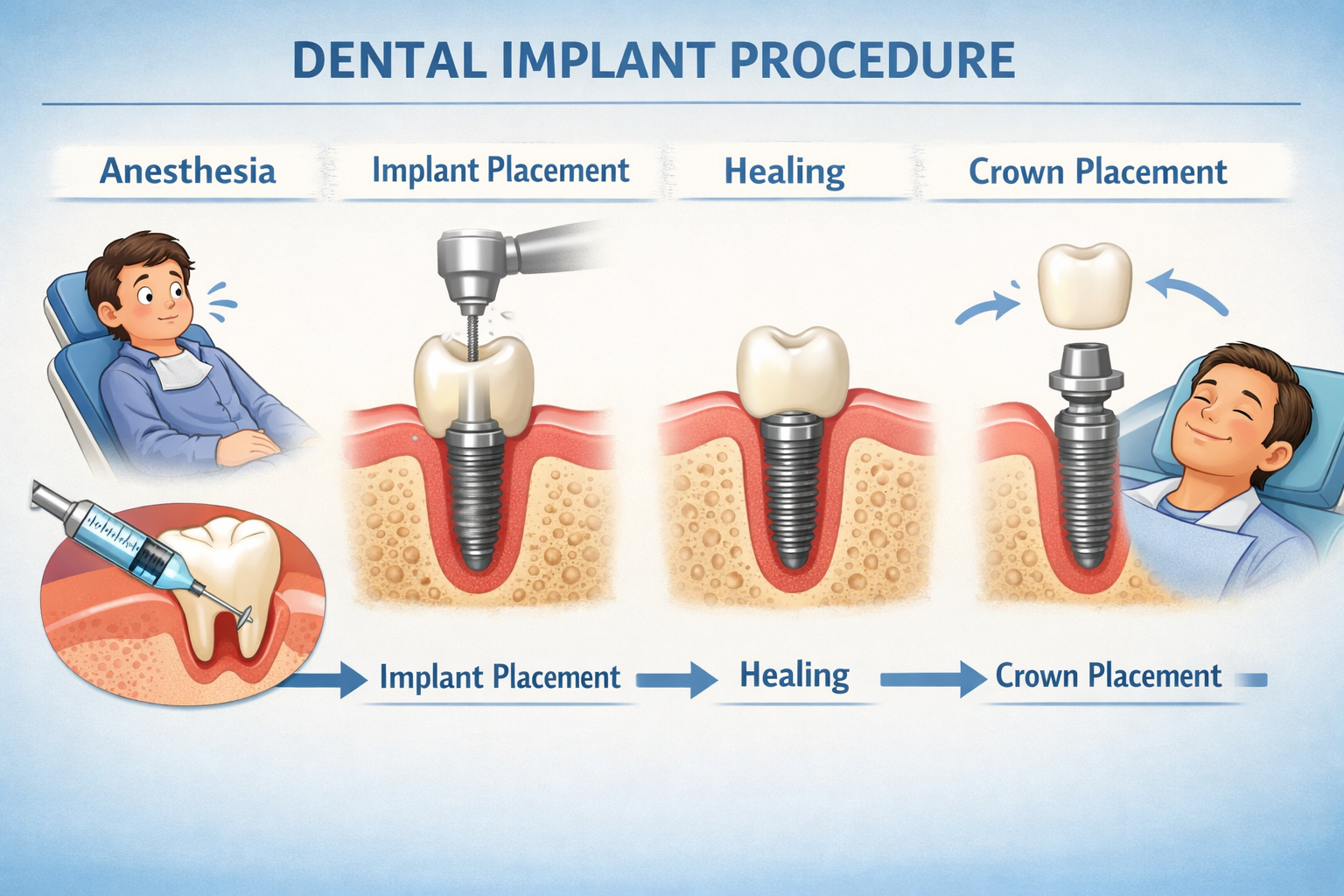
While each case is unique, the general process for a single dental implant typically involves several stages:
- Initial Consultation and Assessment: This crucial first step involves a thorough examination of your oral health. Your dentist will take X-rays, 3D CT scans, and discuss your medical history. This helps determine if you are a suitable candidate for implants and identifies any potential issues, such as the need for bone grafting. This is also your opportunity to voice all your concerns and fears.
- Bone Grafting (If Needed): If your jawbone isn’t thick enough or is too soft to support an implant, a bone graft may be necessary. This procedure augments the bone, creating a strong foundation for the implant. Recovery from a bone graft takes several months, allowing the new bone to integrate. You can find more information about this at Bone Grafts for Dental Implants.
- Dental Implant Placement: This is the surgical step. Under local anesthesia (and often sedation if requested), a small incision is made in your gum to expose the jawbone. A tiny hole is precisely drilled into the bone where the implant post (a small, screw-like titanium cylinder) is carefully placed. The gum tissue is then closed over the implant. Most patients report feeling pressure, not pain, during this stage.
- Osseointegration (Healing Period): After implant placement, there’s a healing period of several months (typically 3-6 months). During this time, the implant fuses with your jawbone through a process called osseointegration, creating a strong, stable anchor. This is a critical stage for the long-term success of the implant.
- Abutment Placement: Once osseointegration is complete, a minor surgical procedure is performed to attach a small connector post called an abutment to the implant. The abutment will eventually hold the crown. Sometimes, the abutment is placed at the same time as the implant, depending on the case. Learn more about this stage at Complete Guide to the Dental Implant Abutment Procedure.
- Crown Placement: After your gums heal around the abutment (usually a few weeks), impressions of your mouth are taken to create your custom crown. This artificial tooth is then securely attached to the abutment, completing your new smile. The crown is designed to match your natural teeth in color, shape, and size.
What to Expect During and After the Procedure
Understanding the sensations and recovery process can significantly reduce anxiety for those terrified of getting a dental implant.
| Stage | What You’ll Feel During | What to Expect After |
|---|---|---|
| Implant Placement | No pain due to local anesthetic; may feel pressure/vibration. With sedation, you’ll be very relaxed or asleep. | Mild discomfort, swelling, bruising for a few days. Managed with over-the-counter pain relievers or prescribed medication. |
| Osseointegration | Nothing. This is a silent healing process beneath the gums. | No specific discomfort. Important to follow aftercare instructions, especially regarding diet. |
| Abutment Placement | Minimal discomfort with local anesthetic; a quick procedure. | Mild gum soreness for a day or two. |
| Crown Placement | No pain. Simply attaching the custom-made crown. | You’ll immediately feel the presence of your new tooth. It may take a day or two to fully adjust to the feel of it. |
Post-operative care is crucial for successful healing. This often includes sticking to a soft diet, avoiding strenuous activity, and maintaining good oral hygiene. For specific dietary recommendations, check out 50 Soft Foods After Dental Implant.
Strategies to Overcome Being Terrified of Getting a Dental Implant
If you find yourself terrified of getting a dental implant, rest assured that there are numerous effective strategies and resources available to help you navigate this fear.
Communication is Key
Your dental professional is your most important ally.
- Be Open About Your Fears: Don’t hesitate to tell your dentist and their team about your anxiety. The more they know, the better they can tailor your treatment plan and support you. Many practices specialize in treating anxious patients.
- Ask Questions: Write down all your questions before your consultation. Understanding the procedure, the expected sensations, and the recovery process can reduce anxiety. No question is too small or silly.
- Discuss Pain Management Options: Talk about the different types of anesthesia and sedation available. Knowing you have choices can give you a sense of control.
Sedation Options for a Comfortable Experience
Modern dentistry offers various ways to make your implant procedure comfortable and stress-free.
- Local Anesthesia: This is standard for all dental implant procedures, numbing the specific area being worked on so you feel no pain.
- Nitrous Oxide (Laughing Gas): Inhaled through a mask, nitrous oxide induces a state of relaxation and well-being. It wears off quickly after the procedure, allowing you to drive yourself home.
- Oral Conscious Sedation: You take a prescribed pill about an hour before your appointment. This makes you feel deeply relaxed, drowsy, and often induces a state where you have little memory of the procedure. You will need someone to drive you home.
- IV Sedation (Intravenous Sedation): Administered directly into your bloodstream, IV sedation allows for deeper relaxation and a greater detachment from the procedure. A trained anesthesiologist or dentist monitors you throughout. You will need someone to drive you home.
- General Anesthesia: In rare, complex cases, or for patients with extreme phobia, general anesthesia (where you are completely unconscious) may be an option, typically performed in a hospital setting.
Choosing the Right Dental Professional and Clinic
This decision is paramount when you’re terrified of getting a dental implant.
- Seek an Experienced Specialist: Look for an oral surgeon, periodontist, or prosthodontist who has extensive experience in dental implantology. Their expertise translates to more predictable outcomes and a smoother procedure.
- Read Reviews and Testimonials: Patient reviews often highlight a practice’s approach to nervous patients, their communication style, and the overall comfort level experienced by others.
- Schedule a Consultation: Use the initial consultation to gauge the office environment and the team’s demeanor. Do they listen to your concerns? Do they explain things clearly? A good fit is crucial. You can begin your journey with a dental implant consultation.
- Look for a Patient-Centered Approach: A clinic that prioritizes patient comfort, offers amenities like blankets or music, and has a compassionate staff can make a significant difference. Explore what makes a practice suitable for your needs by visiting pages like About Us to understand their philosophy.
Practical Tips for Managing Anxiety
Beyond professional help, there are things you can do to calm your nerves:
- Bring a Companion: Having a trusted friend or family member accompany you to the appointment can provide moral support.
- Distraction Techniques: Bring headphones to listen to music or an audiobook. Some clinics offer TVs on the ceiling or virtual reality headsets.
- Mindfulness and Deep Breathing: Practice deep breathing exercises before and during the appointment. Focusing on your breath can help calm your nervous system.
- Schedule Appropriately: Try to book your appointment at a time when you’re not rushed or stressed. Early morning appointments can be beneficial to avoid prolonged anticipation.
- Maintain Good Oral Hygiene: Knowing your mouth is as healthy as possible can reduce feelings of embarrassment or self-consciousness.
By combining these strategies with open communication with your dental team, you can transform your experience from one of dread to one of calm and confidence.
The Life-Changing Benefits of Dental Implants
While the initial thought of the procedure can make you terrified of getting a dental implant, it’s essential to focus on the remarkable, long-term benefits that these restorations provide. Dental implants are widely considered the gold standard for tooth replacement in 2026, offering advantages that far surpass other options.
Restored Functionality and Comfort
One of the most significant benefits is the return to normal oral function.
- Eat What You Love: Unlike dentures that can slip or cause discomfort, implants are firmly anchored in your jawbone, allowing you to chew and bite with the same force as natural teeth. This means enjoying your favorite foods without restriction.
- Speak Clearly: Missing teeth or ill-fitting dentures can affect speech. Implants restore proper dental structure, eliminating speech impediments caused by gaps or shifting prosthetics.
- Unmatched Comfort: Because they integrate with your bone, implants feel and function just like your natural teeth. There’s no irritation of gums or the need for adhesives.
Enhanced Aesthetics and Self-Confidence
Dental implants offer a complete aesthetic transformation.
- Natural Appearance: Implant-supported crowns are custom-made to match the color, shape, and size of your existing teeth. They blend seamlessly, making it virtually impossible to distinguish them from natural teeth.
- Preserve Facial Structure: When a tooth is lost, the jawbone underneath begins to resorb (deteriorate) due to lack of stimulation. This can lead to a sunken appearance and premature aging of the face. Implants act like natural tooth roots, stimulating the bone and preventing this bone loss. For those dealing with issues like 90 percent bone loss in teeth, implants can be a vital solution.
- Boosted Self-Esteem: A complete, healthy smile can dramatically improve your confidence in social and professional settings. You’ll no longer feel the need to hide your smile or feel embarrassed about missing teeth.
Long-Term Health and Durability
Dental implants are an investment in your long-term oral health.
- Durability and Longevity: With proper care, dental implants can last a lifetime. They are incredibly durable and resistant to decay, making them a long-term solution.
- Protect Healthy Teeth: Unlike traditional bridges, implants do not require grinding down adjacent healthy teeth for support. This preserves more of your natural tooth structure.
- Improved Oral Health: By filling gaps, implants prevent surrounding teeth from shifting out of alignment, which can lead to bite problems and increased risk of decay or gum disease. They also make it easier to maintain good oral hygiene compared to partial dentures.
- High Success Rate: Dental implant procedures boast an impressive success rate, often exceeding 95%, making them a highly reliable tooth replacement option.
Considering these profound benefits, many patients find that the initial apprehension, even if they were terrified of getting a dental implant, quickly dissipates once they experience the positive impact on their lives. It’s not just about replacing a tooth; it’s about restoring health, function, and confidence.
Finding the Right Support: Your Journey to a New Smile

Overcoming the fear of dental implants requires a partnership with the right dental team. For anyone terrified of getting a dental implant, the clinic’s environment, the staff’s empathy, and the dentist’s expertise are just as important as the procedure itself.
What to Look for in a Dental Implant Specialist
When selecting your dental provider, keep these points in mind:
- Specialized Training and Experience: Ensure your dentist or surgeon has specific training and extensive experience in implant dentistry. They should be able to provide case studies, before-and-after photos, and discuss their success rates.
- Advanced Technology: A modern clinic will utilize state-of-the-art technology such as 3D CT scans (Cone Beam Computed Tomography) for precise treatment planning, digital impressions, and potentially computer-guided surgery. This technology leads to safer, more efficient, and more predictable outcomes.
- Comprehensive Consultation: A good specialist will offer a thorough initial consultation, including a detailed examination and a discussion of all your treatment options, costs, and financing. They should listen attentively to your concerns and answer all your questions.
- Patient-Centered Approach: Look for a practice that emphasizes patient comfort and education. The team should be empathetic, understanding your anxieties, and willing to go the extra mile to make you feel at ease.
- Clear Communication: The dental team should communicate clearly and transparently about every aspect of your treatment, including risks, benefits, and what to expect during each stage.
- Sedation Options: Confirm that the practice offers various sedation options to suit your comfort level, demonstrating their commitment to pain and anxiety management.
The Importance of a Supportive Environment
The atmosphere of the dental office plays a huge role in alleviating anxiety.
- Warm and Welcoming: A clean, calm, and friendly environment can significantly reduce stress upon arrival.
- Empathetic Staff: From the receptionists to the dental assistants, every team member should be kind, understanding, and responsive to your needs.
- Post-Procedure Support: A good clinic will provide clear aftercare instructions and be available to answer questions or address concerns during your recovery period. They should also schedule follow-up appointments to monitor your healing and implant integration. For details on what to expect during recovery, see Complete Dental Implant Recovery Timeline.
Choosing the right dental implant center, such as Dental Implants Dallas TX, means choosing a team that understands your fears and is equipped to help you overcome them, ensuring your journey to a restored smile is as smooth and comfortable as possible. Remember, in 2026, you have more options and support than ever before to conquer your fear of dental implants.
Are You Terrified of Getting a Dental Implant?
Take this quick quiz to understand your level of anxiety and how to approach it.
Conclusion: Embracing a Confident Future with Dental Implants

It’s entirely natural to feel terrified of getting a dental implant, especially given the sensitive nature of oral procedures. However, in 2026, the landscape of dental implantology has been utterly transformed by advanced technology, sophisticated pain management techniques, and a profound commitment to patient comfort. The days of agonizing dental visits are largely behind us, replaced by a patient-centered approach designed to alleviate anxiety and ensure a smooth, comfortable experience.
By understanding the procedure, acknowledging your fears, and actively seeking out a compassionate and highly skilled dental team, you can transform your apprehension into empowerment. The long-term benefits of dental implants — a restored ability to eat and speak normally, a preserved facial structure, and a significantly boosted self-confidence — are truly life-changing. These benefits far outweigh the temporary discomforts or initial anxieties associated with the process.
Your actionable next steps:
- Acknowledge Your Fear: Recognize that your feelings are valid, but don’t let them dictate your health decisions.
- Educate Yourself: Continue to learn about dental implants from reliable sources.
- Seek a Consultation: Schedule an appointment with a reputable dental implant specialist. Use this opportunity to discuss all your fears and concerns openly.
- Explore Sedation Options: Talk to your chosen dentist about the various sedation methods available to ensure a comfortable experience.
- Choose Your Team Wisely: Select a dental practice that prioritizes patient comfort, communication, and has extensive experience with dental implants and anxious patients.
Don’t let fear prevent you from achieving the healthy, beautiful smile you deserve. With the right support and information, you can overcome being terrified of getting a dental implant and embark on a journey to a more confident and comfortable future.
References
[1] American Academy of Implant Dentistry. (2023). Dental Implant Success Rates. Retrieved from https://www.aaid.com/about/Press_Room/Dental_Implants_FAQs.html (Note: Specific link may vary, intended to be illustrative).
[2] British Dental Association. (2024). Sedation in Dentistry. Retrieved from https://bda.org/dentists/advice/dental-treatment/sedation (Note: Specific link may vary, intended to be illustrative).
Leave a Reply
Share your thoughts or ask a question about dental implants. Your email address will not be published.