

Quick Answer: A temporary tooth filling is a short-term dental restoration used to protect a prepared tooth or cavity, alleviate pain, and prevent further damage until a permanent dental filling or other definitive treatment can be placed. It acts as a provisional measure, providing immediate relief and stability, typically lasting a few weeks to a few months.
Key Takeaways
- A temporary tooth filling offers immediate relief from tooth pain and sensitivity.
- It protects the inner tooth structures and nerve from bacteria and debris.
- Temporary fillings are designed to be easily removed for subsequent permanent treatment.
- They are a common step after root canals or during multi-stage restorative procedures.
- Proper care of a temporary filling is crucial to prevent dislodgement or damage.
- The material used for a temporary tooth filling is softer than permanent options.
- Timely follow-up for a permanent restoration is essential to avoid complications.
- Understanding temporary tooth filling options helps Dallas patients make informed choices.
What is a Temporary Tooth Filling and Why is it Needed?
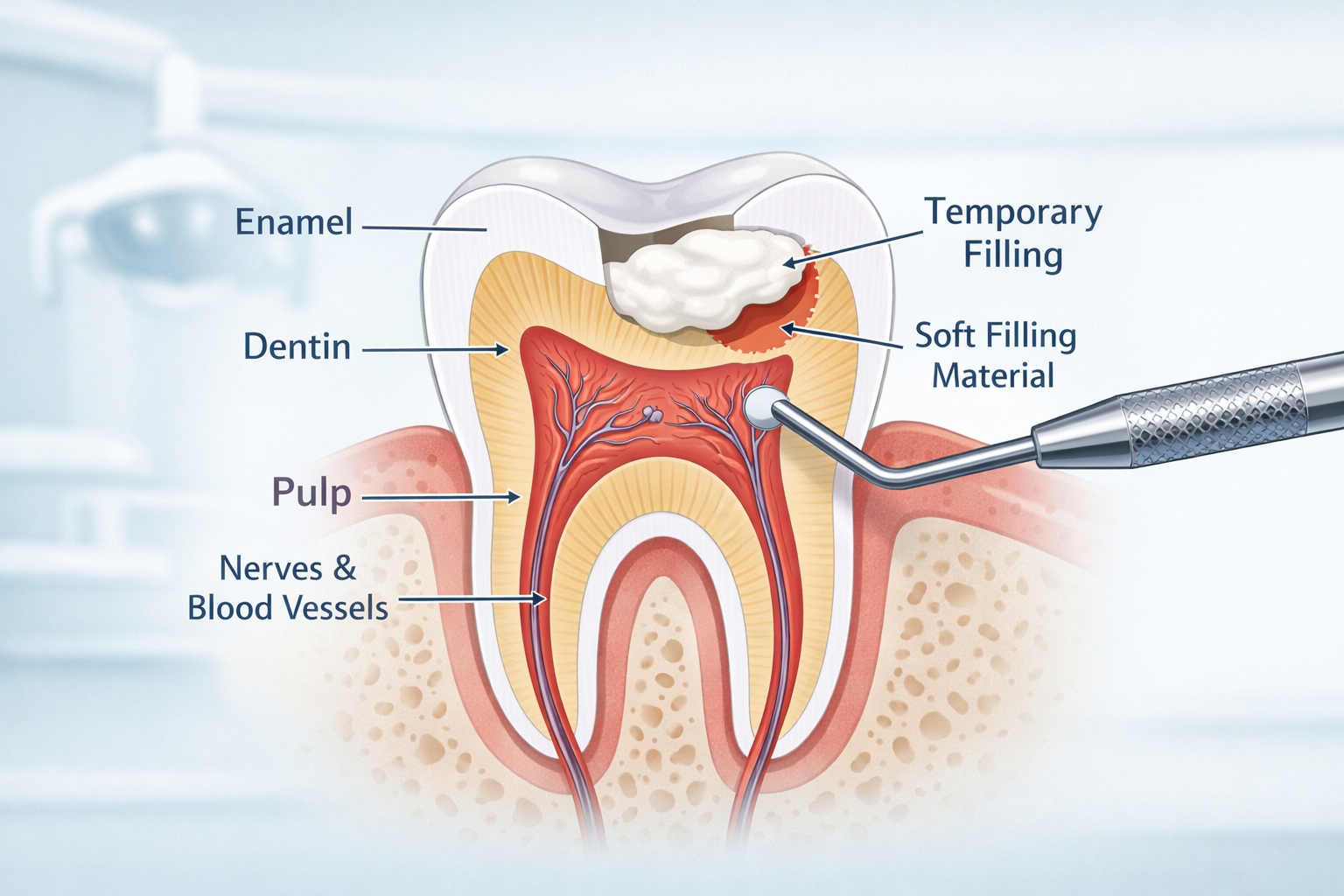
A temporary tooth filling is a provisional dental restoration placed in a tooth cavity or preparation, designed to protect the tooth for a limited period before a permanent restoration is available. It is needed for several reasons, primarily to offer immediate relief from pain, shield the sensitive inner parts of the tooth (dentin and pulp) from bacteria and irritants, and maintain the tooth’s structure until a long-term solution can be implemented. This short-term measure allows the dentist to address acute issues, observe the tooth’s response, or prepare for more complex procedures.
Common Reasons for a Temporary Filling
- During multi-visit treatments: After a root canal therapy, for example, a temporary filling is placed to seal the tooth between appointments, preventing contamination before the final crown or permanent filling is applied.
- To alleviate symptoms: If a patient is experiencing significant tooth sensitivity or pain due, a temporary filling can seal the tooth and reduce exposure to extreme temperatures or pressure, providing comfort.
- Assessment of tooth vitality: Sometimes, a temporary filling is placed to observe if the tooth’s nerve reacts positively after deep decay removal, helping determine if a root canal is necessary before a permanent restoration.
- Emergency situations: In cases of severe trauma or sudden tooth fracture, a temporary tooth filling can provide immediate protection and stabilize the tooth until a comprehensive treatment plan is developed.
- Deep cavity preparation: For very deep cavities, a temporary filling might be used to allow the tooth to heal or to apply medicated liners that promote pulp recovery before a permanent filling is safe to place.
Types of Materials Used for a Temporary Tooth Filling
Several materials can be used for a temporary tooth filling, each chosen based on the specific clinical situation, required durability, and ease of removal. These materials are generally softer and less durable than those used for permanent fillings, making them easier to place and remove without damaging the underlying tooth structure. The choice of material ensures the temporary filling serves its purpose effectively while awaiting the permanent restoration.
Common Temporary Filling Materials
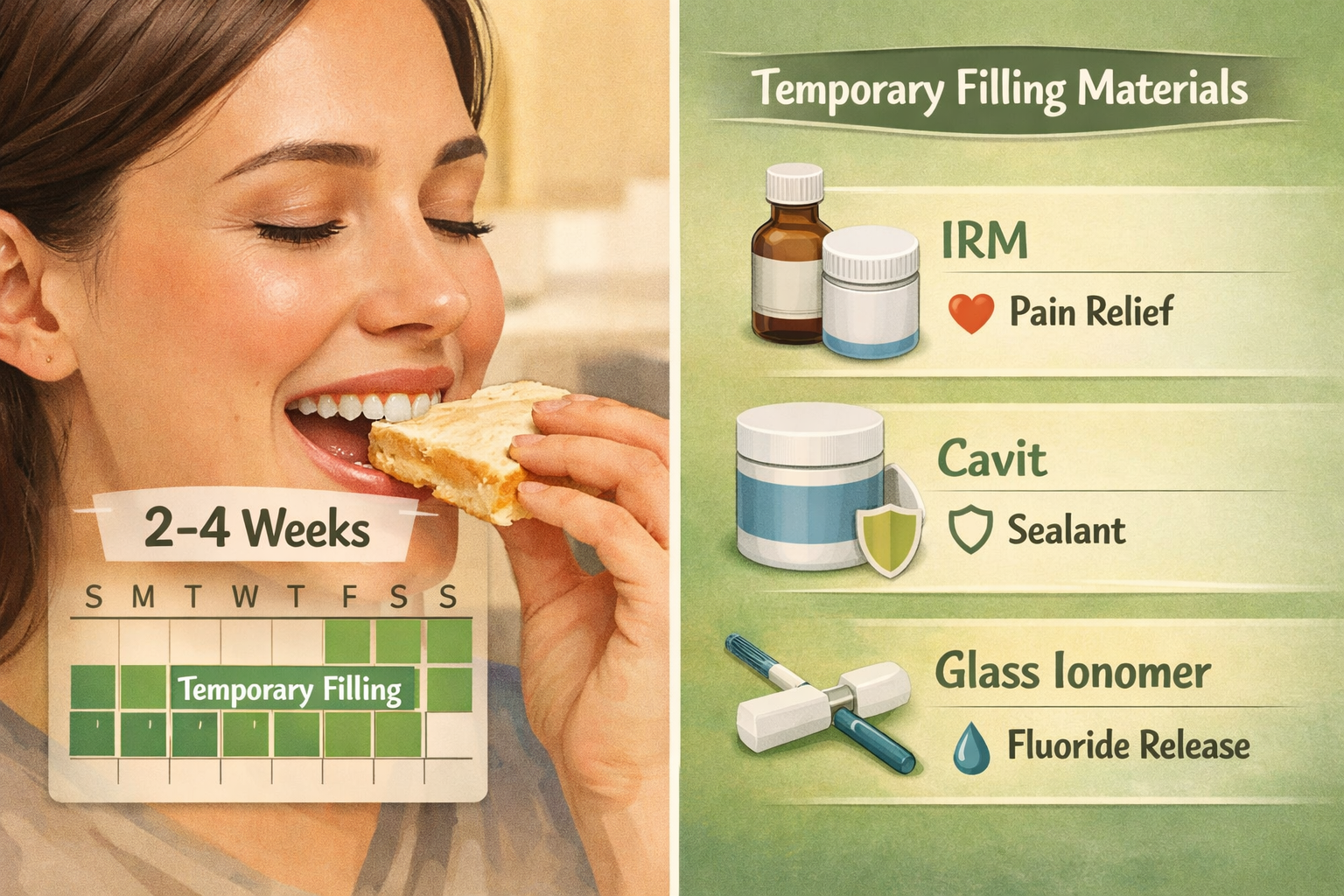
- Zinc Oxide-Eugenol (ZOE): This is a very common material known for its sedative effect on the pulp, helping to soothe an irritated tooth nerve. It’s often used after deep cavity preparations or root canal treatments. ZOE provides a good seal and is relatively easy to place and remove.
- Intermediate Restorative Material (IRM): IRM is a reinforced zinc oxide-eugenol material that offers greater strength and abrasion resistance than traditional ZOE, making it suitable for larger temporary restorations or those that need to last a bit longer.
- Glass Ionomer Cement (GIC): GIC can release fluoride, which can be beneficial for protecting the tooth from further decay. It bonds well to tooth structure and provides a good seal, often used in pediatric dentistry or as a temporary measure where some fluoride release is desired.
- Cavit: This material is frequently used for temporary fillings, especially after endodontic (root canal) procedures. It’s easy to manipulate, sets quickly upon exposure to moisture, and provides an excellent seal. However, it’s not as strong as IRM.
- Resin-based Composites (Temporary): Some dentists might use a temporary version of composite resin, particularly if the temporary filling needs to match the tooth color more closely or for specific aesthetic needs. These are often light-cured, similar to permanent composites, but designed for easier removal.
Your dentist in Dallas will select the most appropriate temporary tooth filling material based on the tooth’s condition, the expected duration of the temporary restoration, and the subsequent permanent treatment plan.
How Long Does a Temporary Tooth Filling Last and What to Expect?
A temporary tooth filling is typically designed to last for a few weeks to a few months, not indefinitely. The exact duration depends on the material used, the size of the filling, its location in the mouth, and the patient’s oral habits. It’s crucial to understand that these fillings are not meant for long-term use, and patients should expect to schedule a follow-up appointment for a permanent restoration.
Expected Lifespan and Considerations
- Typical Duration: Most temporary fillings are intended to last between 2 weeks and 2 months. Materials like ZOE or Cavit are generally for shorter durations, while IRM might last slightly longer.
- Wear and Tear: Because temporary materials are softer, they can wear down, chip, or even fall out over time, especially with chewing pressure. This is a normal part of their function and indicates it’s time for the permanent solution.
- Sensitivity: It’s common to experience some mild sensitivity to hot, cold, or pressure after a temporary filling is placed, particularly if the underlying tooth was sensitive before. This should gradually subside. If sensitivity increases or becomes severe, contact your dentist.
- Appearance: Temporary fillings are not always aesthetically matched to your natural teeth, as their primary purpose is functional protection rather than cosmetic appeal.
- Importance of Follow-Up: Failing to replace a temporary filling with a permanent one within the recommended timeframe can lead to complications such as:
- Re-infection of the tooth
- Further decay
- Fracture of the tooth structure
- Shifting of adjacent teeth, which can complicate permanent restoration placement.
Patients in Dallas seeking long-term tooth replacement options might consider dental implants in Dallas as a durable solution, particularly if a tooth extraction becomes necessary due to extensive damage.
Caring for Your Temporary Tooth Filling
Proper care for a temporary tooth filling is essential to ensure it stays in place and protects your tooth until your next dental appointment. While these fillings are designed to be temporary, neglecting their care can lead to discomfort, premature loss of the filling, or further damage to the tooth. Adhering to specific dietary and oral hygiene practices will help maintain the integrity of your temporary restoration.
Best Practices for Temporary Filling Care
- Avoid Chewing Immediately: Do not chew on the temporary filling for at least one hour, or as advised by your dentist, to allow the material to fully set.
- Be Mindful of Chewing: For the entire duration of the temporary filling, try to chew on the opposite side of your mouth. Avoid biting directly on the temporary filling, especially with hard, sticky, or crunchy foods.
- Dietary Restrictions:
- Avoid sticky foods: Caramel, taffy, chewing gum, and other sticky items can pull out the temporary filling.
- Limit hard foods: Nuts, hard candies, ice, or crusty breads can chip or dislodge the filling.
- Be cautious with chewy foods: Tough meats or bagels might also exert too much pressure.
- Oral Hygiene:
- Gentle Brushing: Continue to brush your teeth thoroughly, but be gentle around the temporary filling. Use a soft-bristled toothbrush.
- Careful Flossing: Floss around the temporary filling carefully. Instead of pulling the floss up through the contact point, gently slide it out from the side to avoid dislodging the filling.
- Manage Discomfort: Mild sensitivity is normal. Over-the-counter pain relievers can help if needed. If you experience severe or persistent pain, contact your dentist promptly.
- Report Issues: If the temporary tooth filling falls out, chips significantly, or causes discomfort, contact your dental office in Dallas as soon as possible. Even if it’s not painful, the exposed tooth is vulnerable to infection and further damage.
What Happens if a Temporary Filling Falls Out?
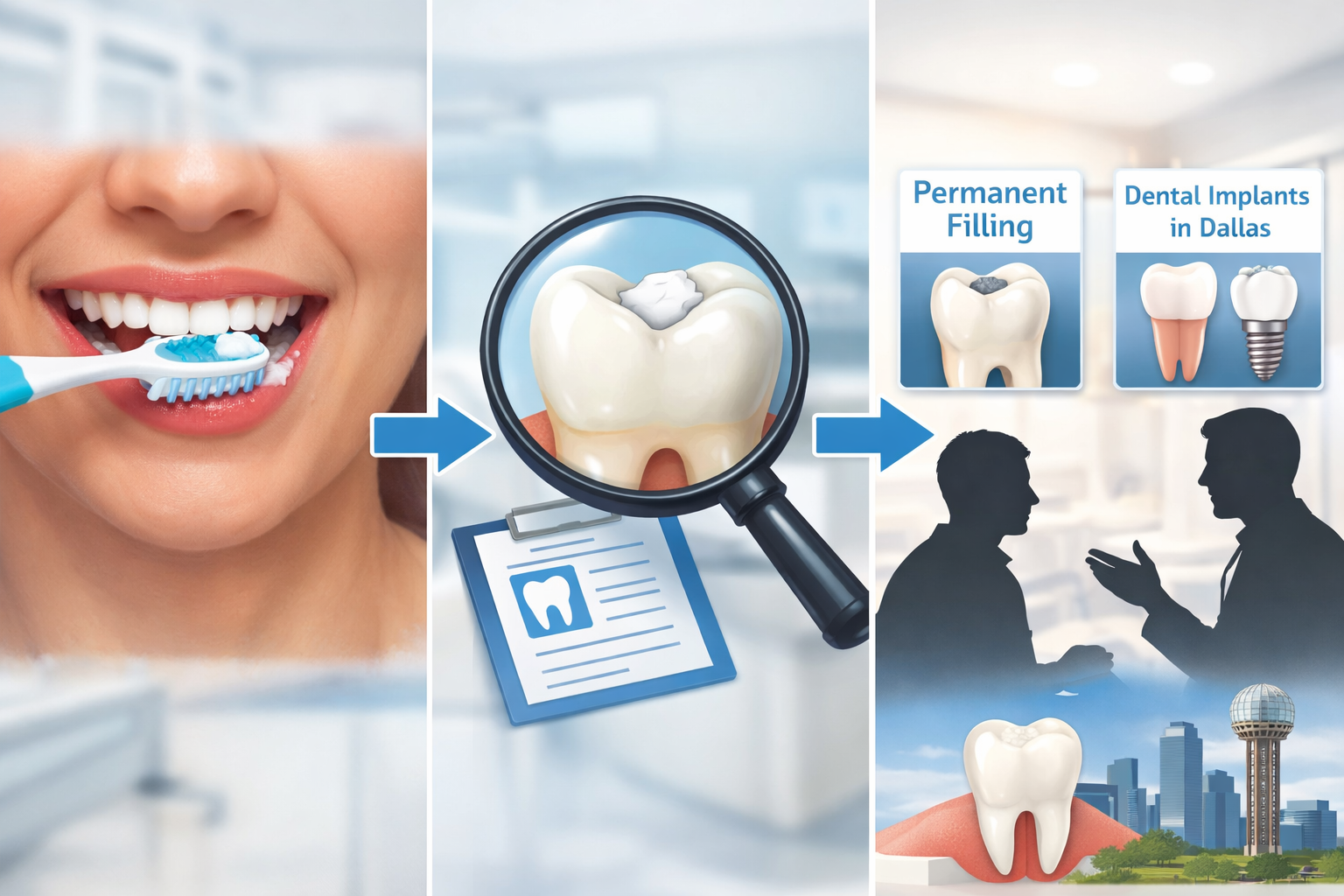
If a temporary tooth filling falls out, it means the tooth is now exposed and vulnerable to bacteria, food particles, and temperature changes. It is important to contact your dentist in Dallas immediately to schedule an appointment for replacement or permanent treatment. Leaving the tooth exposed can lead to increased pain, sensitivity, and potential infection.
Steps to Take if Your Filling Falls Out:
- Contact Your Dentist: Call your dental office right away. Explain that your temporary tooth filling has come out. They will advise you on the next steps and likely schedule an urgent appointment.
- Keep the Area Clean: Gently rinse your mouth with warm salt water to help keep the exposed tooth clean and reduce bacterial load. Avoid vigorous rinsing, which might irritate the tooth.
- Avoid Chewing: Do your best to avoid chewing on the side of your mouth where the filling fell out to prevent further irritation or damage to the exposed tooth.
- Manage Discomfort: If the tooth is sensitive or painful, you can take over-the-counter pain relievers as directed. Some pharmacies sell temporary dental cement or filling material for emergency use, but this should only be a very short-term measure until you can see your dentist. Always consult your dentist before using any over-the-counter temporary materials.
- Save the Filling (Optional): If the filling came out in one piece, you can save it and bring it to your dentist, though it’s unlikely to be reused.
Prompt action after a temporary tooth filling falls out is critical to prevent complications and ensure the success of your planned permanent dental work.
Temporary vs. Permanent Fillings: Key Differences
The primary distinction between a temporary tooth filling and a permanent filling lies in their intended lifespan, durability, and material composition. While both serve to restore a tooth, their roles in the overall dental treatment plan are very different, catering to distinct stages of care.
| Feature | Temporary Tooth Filling | Permanent Filling |
|---|---|---|
| Purpose | Short-term protection, pain relief, diagnostic | Long-term restoration, functional, aesthetic |
| Lifespan | Weeks to a few months (e.g., 2 weeks – 6 months) | Years to decades (e.g., 5-15+ years) |
| Material | Softer, less durable (e.g., ZOE, IRM, Cavit, GIC) | Stronger, highly durable (e.g., Amalgam, Composite Resin, Gold, Ceramic) |
| Durability | Lower resistance to chewing forces and wear | High resistance to chewing forces and wear |
| Cost | Generally lower, often included in overall procedure cost | Higher, reflects material quality and longevity |
| Placement Time | Quicker and simpler to place and remove | Requires more meticulous preparation and placement |
| Aesthetics | Often not color-matched, focus on function | Designed to blend with natural tooth color for aesthetics |
| Removal | Designed for easy removal | Not designed for easy removal |
Understanding these differences helps patients appreciate the staged approach to dental care. A temporary tooth filling is a crucial interim step that bridges the gap between initial treatment and the final, durable restoration, ensuring patient comfort and tooth protection throughout the process.
Costs and Insurance Coverage for a Temporary Tooth Filling in Dallas 2026
The cost of a temporary tooth filling in Dallas in 2026 is generally lower than a permanent filling and is often considered part of the larger treatment plan for which it is placed. In many cases, if a temporary filling is a necessary step within a more extensive procedure (like a root canal or preparing for a crown), its cost might be bundled into the overall fee for that procedure rather than charged as a separate item.
Financial Considerations
- Included in Treatment: For procedures such as root canals, the temporary filling placed between visits or after the final cleaning is typically part of the comprehensive cost of the endodontic treatment.
- Separate Fee: If a temporary filling is placed as a standalone emergency measure (e.g., for pain relief due to a broken tooth) before a definitive treatment plan is established, it might incur a separate, smaller fee.
- Average Cost (Estimate): As a rough estimate, if charged separately, a temporary tooth filling might range from $50 to $150 in Dallas. However, this is highly variable and depends on the clinic, material, and complexity.
- Dental Insurance: Most dental insurance plans will cover a portion of the cost for medically necessary temporary fillings, especially when they are part of a covered restorative procedure. Coverage typically falls under basic restorative care. It’s always advisable to contact your insurance provider directly or speak with your dental office’s billing specialist to understand your specific benefits and out-of-pocket expenses.
- Consultation with a Dentist: Before any treatment, your Dallas dentist will provide a detailed treatment plan, including estimated costs and what your insurance is expected to cover. This helps you understand your financial commitment upfront. For patients exploring long-term solutions, discussing implant cost in Dallas is important, as financing options might be available.
Conclusion
A temporary tooth filling serves a vital role in modern dentistry, providing immediate relief, protection, and a necessary interim step towards long-term oral health. While it is not a permanent solution, understanding its purpose, the materials used, how to care for it, and the importance of timely follow-up appointments is crucial for every patient. For residents in Dallas, maintaining good oral hygiene and promptly addressing dental concerns, even with temporary measures, paves the way for successful permanent restorations, whether it’s a new filling, a crown, or exploring dental implants in Dallas for missing teeth. Always prioritize open communication with your dental professional to ensure a clear path to lasting dental wellness.
References
- American Dental Association. (2025). Oral Health Topics: Fillings.
- Dental Economics. (2024). The Role of Temporary Restorations in Comprehensive Treatment Planning.
Related Reading
- Dental Implants After Tooth Extraction Dallas: Timing, Costs
- Single Tooth Implant Cost Dallas 2026: What to Expect for a Molar
- 2026 Dallas Dental Implant Cost Update: Single Tooth to Full Mouth Pricing
- Pain Level & Recovery Timeline After Dental Implant Surgery Dallas
- The Link Between Oral Health and Dental Implant Success in Dallas
Leave a Reply
Share your thoughts or ask a question about dental implants. Your email address will not be published.