

Undergoing dental implant surgery is a significant step towards restoring your smile and oral health. As you anticipate the benefits of a complete, functional set of teeth, questions about the immediate aftermath naturally arise. One common concern among patients is the ability to communicate effectively: how soon can you resume normal conversation? Will your speech be affected? And what steps can you take to ensure a smooth transition back to talking after dental implant surgery? This comprehensive guide for 2026 aims to answer all these questions, providing clear, professional advice to help you navigate your recovery with confidence.
Key Takeaways
- You can usually talk immediately after dental implant surgery, but expect some temporary changes due to swelling and numbness [1].
- It’s generally recommended to limit talking for the first 24-48 hours to minimize swelling and support initial healing [3, 8].
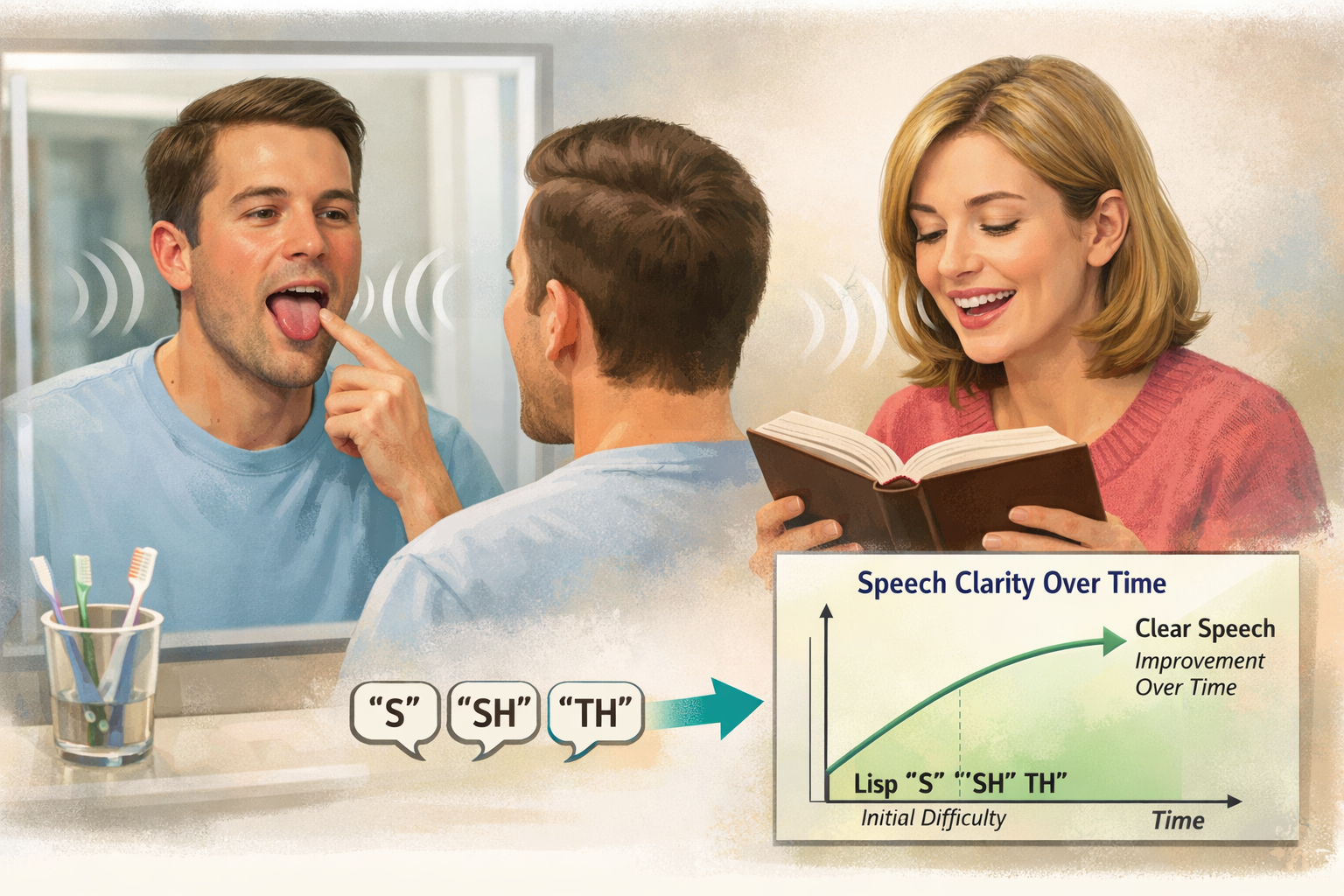
- Temporary speech difficulties like lisping or trouble with certain sounds (e.g., “s,” “sh,” “th”) are common and usually resolve within a few days to a couple of weeks [1, 2, 3, 5].
- Factors like the number of implants, surgical complexity, and individual healing rates can influence your adjustment period [2].
- Speech exercises, staying hydrated, and mirror practice can significantly aid in regaining normal speech [1, 2, 3, 5].
Understanding the Initial Impact on Your Speech After Dental Implant Surgery

Immediately following dental implant surgery, it’s natural to feel a bit apprehensive about speaking. The good news is that you can talk right after your procedure. However, it’s important to understand that your speech might not sound or feel entirely normal due to the immediate effects of surgery [1, 2].
The First 24-48 Hours: A Period of Gentle Recovery
The initial hours and days are crucial for healing. You’ll likely experience some degree of numbness from the anesthesia, which can make it challenging to form words clearly. Swelling in the surgical area is also common, and this can affect the movement of your lips, tongue, and cheeks, leading to altered speech patterns [2, 3].
To promote optimal healing and minimize discomfort, dentists typically advise limiting extensive talking for the first 24 to 48 hours [3, 8]. Think of it as giving your mouth a mini-vacation. This period of reduced activity helps to:
- Decrease swelling: Less jaw movement means less irritation to the surgical site, which can reduce inflammation.
- Prevent strain: Speaking uses muscles in your mouth and jaw. Limiting this can prevent unnecessary strain on the healing tissues.
- Aid blood clot formation: A stable blood clot is vital for proper healing. Excessive talking could potentially dislodge this clot, leading to complications like dry socket. (For more on related recovery concerns, check out our guide on Spitting Blood After Dental Implant: Guide & When to Worry).
While you can still communicate for essential needs, try to keep conversations brief and speak softly during this initial recovery phase.
Common Temporary Speech Changes
Many patients report temporary changes in their speech immediately after dental implant placement. These are usually short-lived and resolve as your mouth heals and adjusts to the new implants. Some of the most frequently reported issues include:
- Lisping: This is perhaps the most common speech alteration. New implants can temporarily change the space inside your mouth, affecting how your tongue interacts with your teeth to form certain sounds [2, 3, 5].
- Difficulty with specific sounds: Sounds like “s,” “sh,” and “th” are often the most challenging because they require precise tongue placement against the teeth or palate [2, 3, 5].
- Altered voice resonance: You might notice your voice sounds slightly different, possibly more muffled, due to the presence of the new implants and any residual swelling.
- Feeling of fullness: The surgical site might feel full or foreign, which can unconsciously alter how you move your mouth to speak.
“It’s completely normal for your voice to sound a little different or for you to have a slight lisp right after implant surgery. This is a temporary phase as your mouth adapts to its new residents.”
Factors Influencing Your Speech Adjustment Period
The time it takes to regain normal speech can vary from person to person. Several factors play a role in this adjustment:
- Number of Implants: If you’ve had a single implant, your adjustment period might be shorter than someone who received multiple implants or a full-mouth restoration [2]. More extensive changes to your oral structure naturally require more adaptation.
- Location of Implants: Implants in the front of your mouth (anterior region) are more likely to affect speech initially compared to those placed in the back (posterior region) because the front teeth are crucial for forming many speech sounds.
- Surgical Complexity: Procedures that involve bone grafting or other complex techniques can lead to more swelling and a longer initial healing time, which in turn can extend the period before your speech feels completely normal [2].
- Individual Healing Rate: Everyone heals at their own pace. Factors like overall health, age, and adherence to post-operative instructions can influence how quickly you recover [2]. (For senior patients, our guide on Senior Dental Implant Healing Time: Your 2026 Guide offers specific insights.)
- Type of Restoration: Whether you receive a temporary crown immediately or wait for a permanent one can also impact how quickly you adapt to speaking.
Most patients find that their temporary speech difficulties improve significantly within a few days to a week. While some may regain normal speech within one to two weeks, complete adjustment to the new implants, where speech feels entirely natural and effortless, can take up to three months [1, 5]. This longer timeframe accounts for the full integration of the implants and your mouth’s complete adaptation.
| Timeframe | Expected Speech Experience | Recommendations |
|---|---|---|
| 0-48 Hours | Numbness, significant swelling, potential lisp, muffled voice. | Limit talking, speak softly for essential communication. Rest your mouth. |
| 3-7 Days | Swelling begins to subside, speech gradually improves, minor lisp may persist. | Start gentle speech practice. Focus on hydration. |
| 1-2 Weeks | Most temporary speech issues significantly diminish. Speech feels more natural. | Continue practice. Observe any lingering difficulties. |
| Up to 3 Months | Full adaptation. Speech feels completely normal and comfortable. | Maintain good oral hygiene. Consider professional help if issues persist. |
It’s important to remember that these changes are temporary. Your brain and mouth are incredibly adaptive, and with time and a little effort, your speech will return to its normal clarity and fluency [3].
Strategies for Restoring Normal Speech After Dental Implant Surgery
While some changes to your speech are normal and expected after dental implant surgery, there are proactive steps you can take to help your mouth adjust more quickly and effectively. These strategies focus on gentle rehabilitation and encouraging your oral structures to adapt to the presence of your new dental implants.
Gentle Practice and Exercises
Just like any other muscle, your mouth and tongue muscles benefit from gentle exercise and practice to regain their optimal function.
- Start with Short, Gentle Conversations: Once the initial 24-48 hour rest period is over and swelling has started to subside, gradually increase your talking time. Begin with short, soft conversations. Avoid shouting or excessive jaw movements [3, 8].
- Read Aloud: Reading a book, newspaper, or even your favorite article aloud can be a fantastic way to practice. Start slowly, focusing on clear pronunciation. You can gradually increase your pace as you feel more comfortable [1, 3, 5].
- Tongue Twisters: These fun exercises are excellent for articulating difficult sounds. Start with simple ones and work your way up. For example, “She sells seashells by the seashore” can help with “s” and “sh” sounds, which are often challenging initially [1, 5].
- Tongue Placement Exercises: Pay attention to where your tongue rests when you make certain sounds. If you find sounds like “s” or “th” difficult, practice placing your tongue in the correct position for these sounds without speaking, then gradually introduce vocalization [2]. A mirror can be very helpful here.
The Role of Hydration and Oral Care
Maintaining good oral hygiene and staying hydrated are not just for overall healing; they also directly impact your speech comfort and clarity.
- Stay Hydrated: Drinking plenty of water is crucial. A dry mouth can make speaking uncomfortable and can even affect pronunciation by increasing friction [1, 2, 3]. Water helps keep your oral tissues moist and reduces the likelihood of irritation during speech.
- Follow Post-Operative Instructions Carefully: Your dentist will provide detailed Post Dental Implant Instructions: Essential Recovery Guide 2. Adhering to these, especially regarding gentle brushing and rinsing, is vital. Good oral hygiene prevents infection and helps maintain a healthy environment for healing, which in turn supports comfortable speech.
- Avoid Irritants: Steer clear of extremely hot or cold beverages, spicy foods, or anything that could irritate the surgical site, especially during the first few days. Also, for those who enjoy a warm beverage, please refer to our guide on Coffee After Dental Implant Surgery: Guide for 2026 for safe consumption tips.
Visual Feedback and Professional Guidance
Sometimes, simply hearing yourself isn’t enough. Visual cues can make a big difference.
- Practice in Front of a Mirror: Observing your mouth movements in a mirror can help you identify any awkward tongue or lip positions. This visual feedback allows you to consciously adjust and improve your articulation [2, 3]. You can also record yourself speaking and play it back to identify areas for improvement.
- Patience and Persistence: Remember that adaptation takes time. Be patient with yourself and persistent with your practice. Every little bit of effort contributes to a quicker and more comfortable return to normal speech.
- When to Consider Speech Therapy: While most people fully adapt to talking after dental implant surgery on their own, some might find persistent difficulties. If lisping or other speech problems continue beyond a few weeks or months, despite consistent practice, it might be beneficial to consult with your dentist or a speech therapist [2, 5]. They can offer specialized exercises and techniques tailored to your specific needs, helping you overcome any lingering challenges. Your dental care provider can assess your progress and recommend if professional speech therapy is appropriate.
What if I experience discomfort while talking?
It’s normal to experience some mild discomfort or soreness in the initial days after surgery, which might make extensive talking undesirable. However, sharp pain while speaking is not typical. If you experience significant or worsening pain, especially accompanied by swelling or unusual spitting blood after dental implant, contact your dentist immediately. They can assess the situation and provide appropriate guidance or pain relief measures. For general pain management, our Dental Implant Pain Relief Guide: Manage Discomfort in 2026 offers valuable information.
Ultimately, your ability to talk normally after dental implant surgery is a journey that requires a bit of time, patience, and mindful practice. By following these strategies and listening to your body, you’ll soon be speaking with the clarity and confidence that your new smile deserves.
Conclusion
The journey to regaining your full speaking confidence after dental implant surgery is a progressive one, but rest assured, it is a journey with a successful destination. While you can technically begin talking immediately after the procedure, the initial 24-48 hours call for gentle communication to support optimal healing and reduce swelling. Temporary changes in speech, such as lisping or difficulty with certain sounds, are common and a normal part of your mouth adjusting to the new implants.
Most patients experience significant improvement in their speech within one to two weeks, with complete adaptation often taking up to three months. This adjustment period is influenced by factors like the number of implants, the complexity of your surgery, and your individual healing capacity.
By proactively engaging in gentle speech exercises, maintaining excellent oral hygiene, staying hydrated, and utilizing visual feedback like mirror practice, you can significantly accelerate your recovery and comfort. Should any speech difficulties persist beyond a reasonable timeframe, consulting with your dental professional or a speech therapist can provide targeted support.
Embrace this recovery phase with patience and diligence. Your new dental implants are an investment in your long-term oral health and quality of life, including your ability to speak, eat, and smile with renewed confidence. By following these guidelines for talking after dental implant surgery in 2026, you’ll soon be enjoying the full benefits of your restored smile, communicating clearly and comfortably in every conversation.
Actionable Next Steps
- Prioritize Initial Rest: For the first 24-48 hours post-surgery, keep talking to a minimum and speak softly.
- Stay Hydrated: Drink plenty of water to keep your mouth moist and aid comfortable speech.
- Practice Gently: Once comfortable, begin with gentle reading aloud and tongue exercises, gradually increasing intensity.
- Use a Mirror: Observe your mouth and tongue movements to refine your pronunciation.
- Follow All Post-Op Instructions: Adhere strictly to your dentist’s guidelines for pain management, oral hygiene, and dietary restrictions to ensure proper healing.
- Contact Your Dentist if Concerned: If you experience persistent pain, excessive swelling, or speech difficulties beyond a few weeks, do not hesitate to reach out to your dental care provider for advice and potential further assessment.
References
[1] How Soon Can You Speak Normally After Dental Implants – https://www.drbrianfann.com/how-soon-can-you-speak-normally-after-dental-implants/
[2] When Can You Speak Normally After Dental Implants – https://bluebirdfamilydentistry.com/when-can-you-speak-normally-after-dental-implants/
[3] How Soon Can You Talk After Getting Dental Implants – https://northscottsdaledentistry.com/how-soon-can-you-talk-after-getting-dental-implants/
[5] How Long After Dental Implants Can I Talk Normally – https://www.dentistryofoldtownscottsdale.com/dental-blog/how-long-after-dental-implants-can-i-talk-normally/
[8] How Long After Dental Implants Can I Talk Normally – https://www.drpalluck.com/how-long-after-dental-implants-can-i-talk-normally/
Leave a Reply
Share your thoughts or ask a question about dental implants. Your email address will not be published.