

The thought of undergoing a dental implant procedure can naturally bring about feelings of apprehension, but there are effective strategies to help you stop worrying about dental implants and approach your treatment with confidence. Many individuals experience dental fear, with a significant percentage reporting moderate to severe anxiety about dental procedures [3]. Understanding the process, speaking openly with your dentist, and being aware of modern advancements can transform your perspective from apprehension to assurance. This comprehensive guide is designed to empower you with knowledge, addressing common concerns about dental implants in Dallas, TX, and outlining actionable steps to reduce your stress.
Key Takeaways
- Dental fear is common, affecting over 70% of U.S. adults, but anxiety about dental implants can be effectively managed with the right approach [3].
- Understanding the dental implant procedure through clear, detailed explanations from your dentist is a primary way to reduce fear of the unknown [2].
- Modern sedation dentistry significantly reduces discomfort and anxiety during implant surgery, making the process much more manageable [2].
- Dental implants have high success rates, up to 98%, which can alleviate worries about potential complications [2].
- Open communication with your dental professional about concerns, costs, and expectations is crucial for building confidence [2].
- Considering financing options and understanding the full cost helps mitigate financial stress, a common barrier for many [1].
- Focusing on the long-term oral health benefits and improved quality of life can shift your perspective from fear to motivation [4, 6].
- Choosing an experienced dental implant specialist in Dallas and researching their credentials can build trust and peace of mind.
- Self-efficacy, or confidence in your ability to undergo the procedure, is a strong predictor of treatment acceptance [1].
- Digital treatment interventions and educational resources can play a key role in addressing dental anxiety [3].
Quick Answer
To stop worrying about dental implants, focus on gaining a clear understanding of the procedure, discussing all your concerns with a trusted dental professional, and exploring modern comfort options like sedation. Educating yourself about the high success rates and long-term benefits of dental implants, especially from experienced providers in Dallas, can significantly alleviate anxiety and build confidence in your tooth replacement options.
How Can Understanding the Dental Implant Procedure Help Reduce Worry?
Understanding the dental implant procedure thoroughly helps reduce worry by demystifying the process and replacing unknown fears with factual knowledge. When you know what to expect at each stage, from initial consultation to final restoration, the perceived severity of the procedure decreases, and your confidence in managing it increases [1, 2].
Many fears surrounding dental procedures stem from a fear of the unknown. When considering dental implants in Dallas, it’s common to feel anxious about the surgery itself, potential pain, or the recovery period. A clear, step-by-step explanation from your dentist can address these concerns directly. For instance, knowing that modern techniques and sedation dentistry options are available can significantly ease fears about discomfort.
Steps to Gaining Procedure Clarity:
- Detailed Consultation: Schedule an in-depth consultation with a qualified dental implant specialist. During this visit, your dentist should walk you through every phase of the dental implant procedure, from initial imaging and planning to implant placement and crown attachment. Ask specific questions about what happens during each visit.
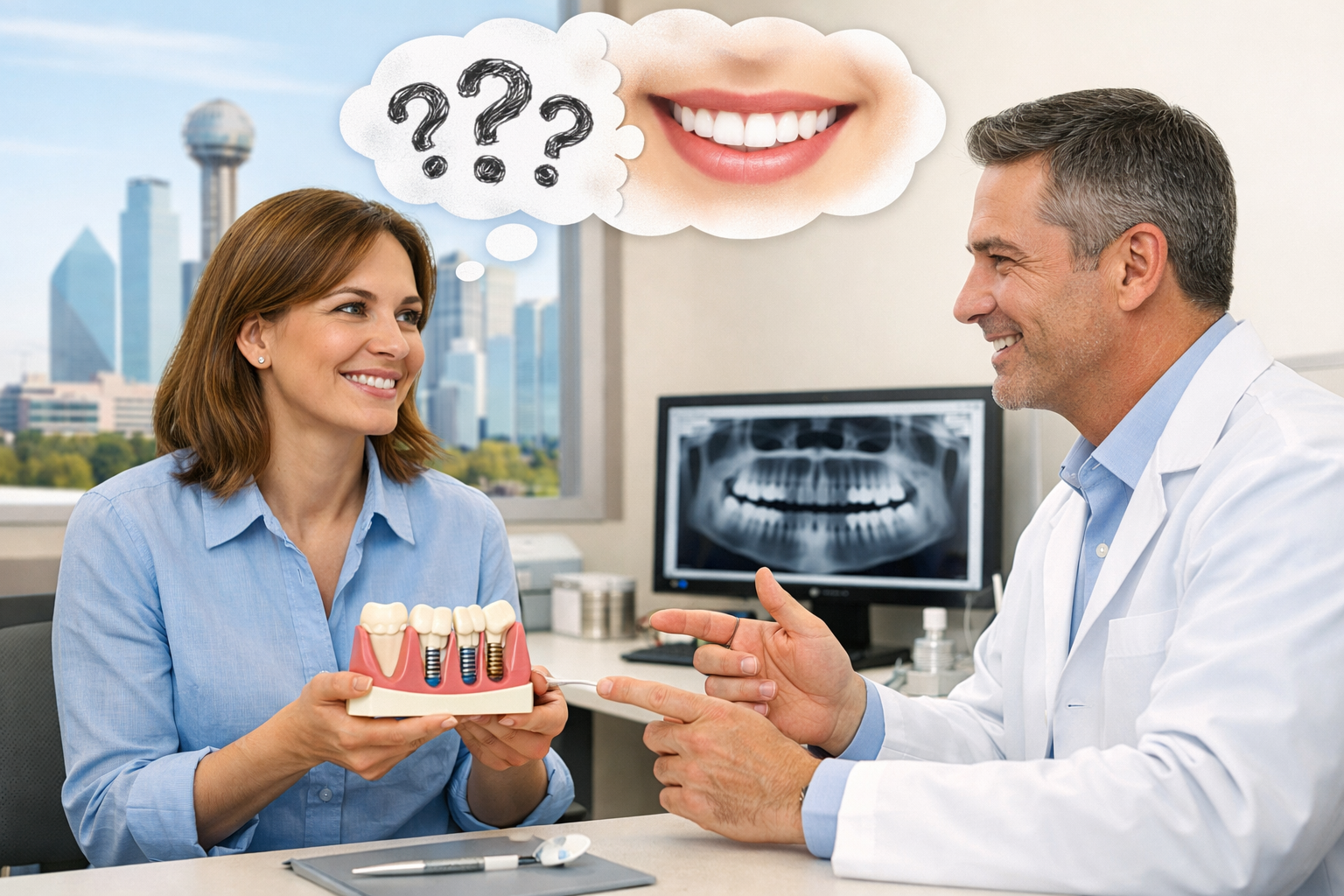
- Visual Aids and Models: Many dentists use 3D imaging, digital scans, and anatomical models to illustrate the procedure. Seeing how an implant integrates with your jawbone and supports a new tooth can make the concept less abstract and more understandable.
- Realistic Timelines: Understanding the typical dental implant healing time, including bone graft healing if needed, helps manage expectations and avoids frustration. This knowledge can also prepare you for the temporary tooth solutions available while waiting for your implant to heal.
- Discussing Potential Risks: While dental implant success rates are remarkably high (up to 98%), understanding the rare potential risks and how they are managed can prevent undue alarm. Your dentist should discuss how they minimize complications and what to do if an issue arises.
- Post-Operative Instructions: Knowing what to expect during recovery, including pain management, diet restrictions, and oral hygiene practices, allows you to prepare adequately and feel more in control. Our guide on Post-Op Dental Implant Instructions: 2026 Recovery Guide offers comprehensive details.
Decision Rule: Choose a dentist who prioritizes patient education and takes the time to answer all your questions comprehensively. If a dentist seems rushed or unwilling to explain the process in detail, it might be worth seeking a second opinion, especially when considering a significant decision like tooth replacement options.
How Can Open Communication with Your Dentist Relieve Dental Implant Anxiety?
Open communication with your dentist is one of the most effective strategies to relieve dental implant anxiety because it allows you to voice concerns, receive personalized reassurance, and build a trusting relationship. This direct dialogue directly addresses the “fear of the unknown” that contributes significantly to worry [2].
Many patients hesitate to express their anxieties, fearing they might sound irrational or take up too much of the dentist’s time. However, a patient-focused dental team understands that fear is a valid emotion, especially when considering an investment in long-term oral health like dental implants. When you freely communicate your worries, your dentist can tailor their explanations and treatment approach to your specific needs. This might include recommending sedation options, scheduling longer appointments, or simply providing more frequent check-ins during the healing process.
Strategies for Effective Communication:
- Prepare a List of Questions: Before your consultation, write down all your concerns, no matter how small they seem. This ensures you cover everything from the implant surgery process to implant cost in Dallas and potential recovery details. Our article on Questions to Ask Dentist About Implants: 30 Essential Queries 2025 can help you prepare.
- Be Honest About Your Anxiety Levels: Clearly express your level of dental anxiety. Dentists are trained to manage anxious patients and can offer solutions like local anesthesia, nitrous oxide, oral sedation, or even IV sedation (also known as twilight sleep) to ensure your comfort during the dental implant procedure [2]. You can learn more about comfort options in our guide, Dental Implant with Sedation: Comfort & New Smile.
- Discuss Past Negative Experiences: If you’ve had a traumatic dental experience in the past, sharing this with your dentist can help them understand your triggers and adapt their approach to prevent similar situations.
- Clarify Financial Concerns: Cost is a significant barrier for many. Discussing dental implant financing options Dallas, insurance coverage, and the overall cost of dental implants in Dallas TX upfront can alleviate financial stress [1]. A clear understanding of payment plans or the total investment helps you make informed decisions without added financial worry.
- Seek Reassurance: It’s okay to ask for reassurance. A good dentist will understand and provide comforting explanations about the safety, predictability, and high success rates of dental implants.
Common Mistake: A common mistake is assuming your dentist knows you’re anxious without you explicitly stating it. While signs of nervousness might be apparent, direct communication allows for the most effective intervention and personalized care. Remember, a consultation with a dentist is a two-way conversation.
What Role Does Sedation Dentistry Play in Overcoming Fear of Dental Implant Surgery?
Sedation dentistry plays a crucial role in overcoming fear of dental implant surgery by providing a comfortable, anxiety-free experience for patients. Modern sedation techniques significantly reduce the discomfort and stress associated with the procedure, addressing one of the most common reasons for dental anxiety [2].
For many individuals, the fear of pain or the sounds and sensations of dental work can be overwhelming. Sedation dentistry offers a spectrum of options, from mild relaxation to deeper states of consciousness, allowing patients to undergo implant surgery feeling calm and at ease. This is particularly beneficial for those with moderate to severe dental fear, enabling them to receive necessary missing teeth solutions without distress.
Types of Sedation Dentistry Available:
- Nitrous Oxide (Laughing Gas): This is a mild sedative inhaled through a mask. It helps you relax quickly and wears off rapidly after the procedure, allowing you to drive yourself home. It’s excellent for mild anxiety.
- Oral Sedation: Administered as a pill taken before the appointment, oral sedation makes you feel drowsy and relaxed. You’ll remain conscious but often have little memory of the procedure afterward. This option requires someone to drive you to and from your appointment.
- IV Sedation (Intravenous Sedation): Delivered directly into your bloodstream, IV sedation provides a deeper level of relaxation than oral sedation. Your dentist can adjust the level of sedation throughout the procedure. You’ll be conscious but in a deeply relaxed state, often called “twilight sleep.” This also requires a driver.
- General Anesthesia: In rare cases, especially for complex surgeries or highly phobic patients, general anesthesia may be administered by an anesthesiologist, rendering you completely unconscious.
Choose X if… You should choose IV sedation if your anxiety is significant or if you are undergoing a longer or more complex implant surgery process. For those with milder apprehension, nitrous oxide or oral sedation might be sufficient to help you stop worrying about dental implants. Always discuss the best sedation option for your individual needs and medical history with your dentist.
How Do High Success Rates of Dental Implants Alleviate Worry?
The consistently high success rates of dental implants significantly alleviate worry by providing strong evidence of their reliability and effectiveness as a tooth replacement option. Knowing that the vast majority of implant procedures are successful can ease concerns about potential failure or complications, fostering greater patient safety and confidence [2].
Dental implants boast a success rate of up to 98%, making them one of the most predictable and durable dental treatments available [2]. This impressive track record is a testament to advancements in dental technology, surgical techniques, and biomaterials. When patients understand this high probability of a positive outcome, their anxiety about investing time, effort, and money in the procedure naturally diminishes. It shifts the focus from “what if it goes wrong?” to “this is a stable, long-term solution.”
Factors Contributing to High Success Rates:
- Osseointegration: The unique process where the titanium implant post fuses directly with the jawbone. This biological bond provides unparalleled stability, mimicking the natural tooth root.
- Advanced Imaging and Planning: Modern dentistry utilizes 3D CT scans and digital planning software to precisely map out implant placement, avoiding critical structures and ensuring optimal bone integration.
- Biocompatible Materials: Dental implants are typically made from titanium or zirconia, materials that are highly compatible with the human body and rarely cause adverse reactions.
- Skilled Professionals: When performed by experienced dental implant specialists, the procedure is carried out with meticulous care and precision, further enhancing success.
- Patient Compliance: Following post-operative instructions carefully, maintaining excellent oral hygiene, and attending regular check-ups are crucial for long-term implant success. Learn more about post-op care in our Post-Op Dental Implant Instructions: 2026 Recovery Guide.
Edge Case: While success rates are high, factors like uncontrolled diabetes, heavy smoking, or certain medications can slightly impact healing. A thorough consultation with a dentist will assess your individual risk factors and discuss how to mitigate them to maintain the highest possible success rate for your missing teeth solutions.
How Does Understanding Dental Implant Costs and Financing Ease Financial Worry?

Understanding dental implant costs and exploring available financing options can significantly ease financial worry by providing a clear financial roadmap and making the treatment more accessible. Cost is often the primary barrier for many considering dental implants, and having transparent information empowers patients to make informed decisions [1].
Many patients express concern about the implant cost in Dallas, fearing it might be out of reach. However, a detailed discussion with your dental office about the full cost breakdown, including all components of the dental implant (implant post, abutment, crown), and exploring various payment solutions can transform this apprehension into a sense of control. Recognizing that dental implants are an investment in long-term oral health can also help frame the cost more positively, as they often last a lifetime with proper care, potentially avoiding future, more costly dental issues [5].
Strategies to Address Financial Concerns:
- Comprehensive Cost Breakdown: Request a detailed quote that outlines all costs associated with your specific dental implant procedure, including any necessary preparatory treatments like bone grafting. Understanding the full scope of expenses helps avoid surprises. For detailed cost breakdowns in Dallas, refer to our 2026 Dallas Dental Implant Cost Update: Single Tooth to Full.
- Insurance Verification: Work with your dental office to understand what your dental insurance plan might cover. While traditional insurance often has limitations, some plans may offer partial coverage for certain aspects of the implant or related procedures. Explore our guides on Dental Implant Insurance Dallas: Complete Coverage Guide 2025 and Does Medicare Cover Dental Implants in Dallas TX? 2026 Cover.
- Flexible Payment Plans: Many dental offices offer in-house payment plans that allow you to spread the cost over several months or years. This can make the investment much more manageable.
- Third-Party Financing: Options like CareCredit, LendingClub, or other medical credit cards can provide low or no-interest payment plans for qualified applicants. Our article on Dental Implant Financing Options Dallas: 0% Plans, CareCredi provides more information.
- Health Savings Accounts (HSAs) and Flexible Spending Accounts (FSAs): If you have an HSA or FSA, you can use these tax-advantaged accounts to pay for dental implant costs.
- Comparing Value, Not Just Price: While cost is important, consider the long-term value, quality of materials, and experience of the dental team. Sometimes a slightly higher initial investment can lead to greater longevity and fewer complications, ultimately saving money in the long run.
Quick Example: If a single dental implant costs $4,000, and your insurance covers 15% ($600), you might still have a balance of $3,400. A flexible payment plan could allow you to pay $200 per month for 17 months, making the procedure much more affordable than paying the lump sum upfront. This structured approach helps alleviate anxiety about the immediate financial burden, allowing you to focus on the benefits of your new smile.
How Can Focusing on Long-Term Benefits and Mental Health Help You Stop Worrying About Dental Implants?
Focusing on the significant long-term benefits and positive impact on mental health can help you stop worrying about dental implants by shifting your perspective from immediate apprehension to future well-being and improved quality of life. Dental implants offer more than just tooth replacement; they can profoundly enhance confidence, social interaction, and overall psychological health [4, 6].
The anxiety surrounding a dental procedure can be consuming, but dwelling on the remarkable outcomes of dental implants can reframe your mindset. Beyond the obvious aesthetic improvement, dental implants restore chewing ability, prevent bone loss, and eliminate the inconveniences associated with other tooth replacement options like removable dentures. The psychological uplift from regaining a natural-looking and functional smile can be immense, directly addressing the emotional burdens of missing teeth.
Long-Term Benefits to Consider:
- Improved Chewing and Digestion: With implants, you can eat a wide variety of foods comfortably, leading to better nutrition and digestion. This eliminates the dietary restrictions often imposed by missing teeth or ill-fitting dentures.
- Preservation of Jawbone Health: Dental implants stimulate the jawbone, preventing the bone loss that typically occurs when a tooth is missing. This maintains your facial structure and prevents a sunken appearance [7].
- Enhanced Speech: Missing teeth can affect speech clarity. Implants provide stable anchors for new teeth, helping you speak more clearly and confidently.
- Boosted Self-Confidence and Social Life: A complete, confident smile can dramatically improve self-esteem. Many people with missing teeth feel self-conscious, leading to reduced social interaction. Implants can restore your willingness to smile, laugh, and engage in social activities without embarrassment [4, 6]. This positively impacts social identity and overall mental well-being [7].
- Durability and Longevity: Dental implants are designed to last many years, often a lifetime, with proper care. This makes them a highly cost-effective and reliable solution compared to options that may require more frequent replacement or repair.
- Convenience: Unlike dentures, implants are fixed in your mouth, feeling and functioning like natural teeth. There’s no need for adhesives, removal for cleaning, or worries about them slipping.
- Prevention of Shifting Teeth: When a tooth is lost, adjacent teeth can drift into the gap, causing misalignment. An implant fills this space, maintaining proper dental alignment and preventing future orthodontic issues.
Benefit Spotlight: According to recent research, awareness of tooth loss consequences and treatment benefits is a significant factor in a patient’s willingness to accept implant treatment [1]. By focusing on these tangible and intangible gains, you can actively reduce your apprehension and embrace the journey toward a healthier, happier smile.
How Do Digital Treatment and Educational Resources Aid in Reducing Anxiety About Dental Implants?
Digital treatment and educational resources significantly aid in reducing anxiety about dental implants by providing accessible, comprehensive, and interactive information that empowers patients with knowledge and visual clarity. For many, engaging with digital content allows them to learn at their own pace and address concerns privately before a formal consultation [3].
In 2026, the accessibility of online resources for oral health education is greater than ever. These tools can range from detailed explainer videos and interactive 3D models of the dental implant procedure to virtual consultations and patient testimonials. This digital engagement helps to mitigate the “fear of the unknown” by presenting complex medical information in an understandable and reassuring format. Moreover, research indicates that a high percentage of fearful patients are interested in digital interventions to address dental anxiety, preferring online tools to prepare for treatment [3].
Leveraging Digital Tools and Resources:
- Interactive Patient Portals: Many modern dental practices offer patient portals where you can access information about your proposed treatment plan, view educational videos, and review forms.
- 3D Treatment Simulations: Some dentists use advanced software to show you a virtual simulation of your implant placement and the final aesthetic outcome. Seeing this “before and after” can be incredibly reassuring.
- Reputable Dental Blogs and Websites: Platforms like Dental Implant Education – Dallas TX provide expert-vetted articles on missing teeth solutions, implant surgery process, and common concerns. Look for content that is factual, non-promotional, and medically responsible.
- Virtual Consultations: For initial inquiries, a virtual consultation can be a low-pressure way to speak with a dentist or treatment coordinator, ask preliminary questions, and get a general understanding of the process and implant cost in Dallas without having to visit the office in person.
- Online Support Groups and Testimonials: While individual experiences vary, reading about others’ positive journeys with dental implants can provide emotional support and reassurance. Look for testimonials that focus on overcoming initial fears.
Quick Example: Imagine you are researching dental implants. Instead of relying solely on word-of-mouth, you discover a detailed infographic online illustrating each step of the dental implant placement, from the initial incision to the attachment of the crown. This visual, coupled with a concise explanation of post-operative care and expected healing times, can significantly reduce your apprehension by demystifying the procedure and making it feel less intimidating. This type of digital content directly serves the interest of patients seeking to stop worrying about dental implants.
Comparison Table: Anxiety Triggers vs. Solutions for Dental Implants
| Common Anxiety Trigger | Effective Solution | How it Helps Stop Worrying |
|---|---|---|
| Fear of Pain/Discomfort | Modern Sedation Dentistry (Nitrous, Oral, IV), Local Anesthesia | Ensures a comfortable, pain-free experience during the dental implant procedure; many patients recall little of the treatment [2]. |
| Fear of the Unknown | Detailed Patient Education, Visual Aids, Open Communication with Dentist | Demystifies the implant surgery process, replacing uncertainty with clear expectations [2]. |
| Cost Concerns | Transparent Cost Breakdown, Insurance Verification, Flexible Payment Plans, Financing Options (e.g., CareCredit) | Provides a clear financial roadmap and makes dental implants in Dallas more accessible [1]. |
| Fear of Failure/Complications | Understanding High Success Rates (up to 98%), Choosing an Experienced Specialist | Reassures patients about the predictability and reliability of missing teeth solutions [2]. |
| Time Commitment | Realistic Timelines for Healing and Treatment Phases, Discussion of Temporary Solutions | Helps manage expectations and plan for the various stages of the tooth replacement options. |
| Past Traumatic Experiences | Empathetic Dental Team, Sedation Options, Customized Care Plans, Gradual Approach | Builds trust and allows for a positive new experience, overriding previous negative associations. |
| Feeling Loss of Control | Active Participation in Treatment Decisions, Opportunity to Ask Questions, Breaks during Procedure | Empowers the patient, making them an active partner in their oral health education and care. |
FAQ
Is it normal to feel anxious about dental implants?
Yes, it is completely normal to feel anxious about dental implants. A significant percentage of U.S. adults experience dental fear, and any surgical procedure can naturally cause worry [3].
What is the first step to overcome anxiety about dental implants?
The first step is to schedule a consultation with an experienced dental implant dentist in Dallas and openly discuss all your fears and questions. Understanding the procedure is key [2].
Can I be put to sleep for dental implant surgery in Dallas?
Yes, various sedation options are available in Dallas, including local anesthesia, nitrous oxide, oral sedation, and IV sedation (twilight sleep), to ensure your comfort and reduce anxiety during the procedure [2].
How successful are dental implants?
Dental implants have a very high success rate, often up to 98%, making them a reliable and long-lasting solution for missing teeth [2].
Will dental implants be painful?
With modern anesthesia and sedation techniques, dental implant surgery is typically not painful. Post-operative discomfort can be managed effectively with prescribed or over-the-counter pain medication.
How long does the dental implant process take?
The full dental implant process can take several months, including healing time for the implant to integrate with the bone. Your dentist will provide a personalized timeline during your consultation.
Are dental implants worth the cost if I’m worried about them?
Yes, for many, dental implants are a worthwhile investment in long-term oral health and quality of life. They restore function, aesthetics, and confidence, significantly impacting overall well-being [4, 6].
How do I choose a good dental implant dentist in Dallas?
Look for a dentist with specialized training and extensive experience in implant dentistry, positive patient reviews, and a commitment to patient education and comfort. Our guide on How to Choose a Dental Implant Dentist Near You | Expert Guide offers detailed advice.
What if I have financial concerns about dental implant cost in Dallas?
Discuss your financial concerns openly with your dental office. Many offer flexible payment plans, and third-party financing options like CareCredit are available to make treatment affordable [1].
Will I be without a tooth while waiting for my implant to heal?
Often, a temporary tooth replacement (such as a temporary crown, partial denture, or flipper) can be provided so you don’t have to live with a gap during the healing period. Refer to our guide on Temporary Tooth While Waiting for Implant: Your 2026 Guide for more details.
Conclusion
Worrying about dental implants is a natural response to any significant medical procedure, but it doesn’t have to prevent you from achieving a healthy, confident smile. By actively seeking comprehensive information, engaging in open and honest communication with your dental professional, exploring modern comfort options like sedation, and understanding the high success rates and profound long-term benefits, you can transform your apprehension into assurance.
For residents in Dallas, Texas, choosing a trusted dental implant specialist who prioritizes patient education and comfort is paramount. Take the actionable steps outlined in this guide—prepare your questions, discuss your anxieties, clarify financial aspects, and focus on the positive impact dental implants will have on your long-term oral health and overall quality of life. By doing so, you can confidently move forward with your tooth replacement options and stop worrying about dental implants, embracing the journey to a renewed smile.
References
[1] Pmc12909274 – https://pmc.ncbi.nlm.nih.gov/articles/PMC12909274/
[2] Managing And Overcoming Dental Implant Anxiety – https://www.aliadent.com/en/managing-and-overcoming-dental-implant-anxiety/
[3] September Jada Finds Dental Fear Still Prevalent In Us – https://adanews.ada.org/ada-news/2025/september/september-jada-finds-dental-fear-still-prevalent-in-us/
[4] Emotional Benefits Dental – https://dentalimplantsboyntonbeach.com/emotional-benefits-dental/
[5] The Implant Surge In 2026 And What It Means For Missing Tooth Solutions – https://trinitydentalcares.com/the-implant-surge-in-2026-and-what-it-means-for-missing-tooth-solutions/
[6] 7 Ways Dental Implants Support Mental Health – https://www.nuviasmiles.com/blog/7-ways-dental-implant-support-mental-health
[7] The Psychology Of A Smile How Dental Implants Transform Mental Health Social Identity – https://communities.springernature.com/posts/the-psychology-of-a-smile-how-dental-implants-transform-mental-health-social-identity
Leave a Reply
Share your thoughts or ask a question about dental implants. Your email address will not be published.