

Undergoing a dental implant procedure is a significant step towards restoring your smile and oral health. It’s a highly effective solution for missing teeth, offering stability and a natural appearance. However, as with any surgical procedure, some post-operative symptoms are to be expected. One common concern that often arises is spitting blood after dental implant surgery. While a certain degree of bleeding is entirely normal, distinguishing between what’s routine and what signals a potential complication is crucial for patient peace of mind and proper healing.
This comprehensive guide, written by an expert SEO content strategist and senior editor, aims to demystify the experience of spitting blood after dental implants. We’ll delve into the causes, what to expect, when to be concerned, and how to manage post-operative bleeding effectively. Our goal is to equip you with the knowledge needed to navigate your recovery confidently in 2025.
Key Takeaways
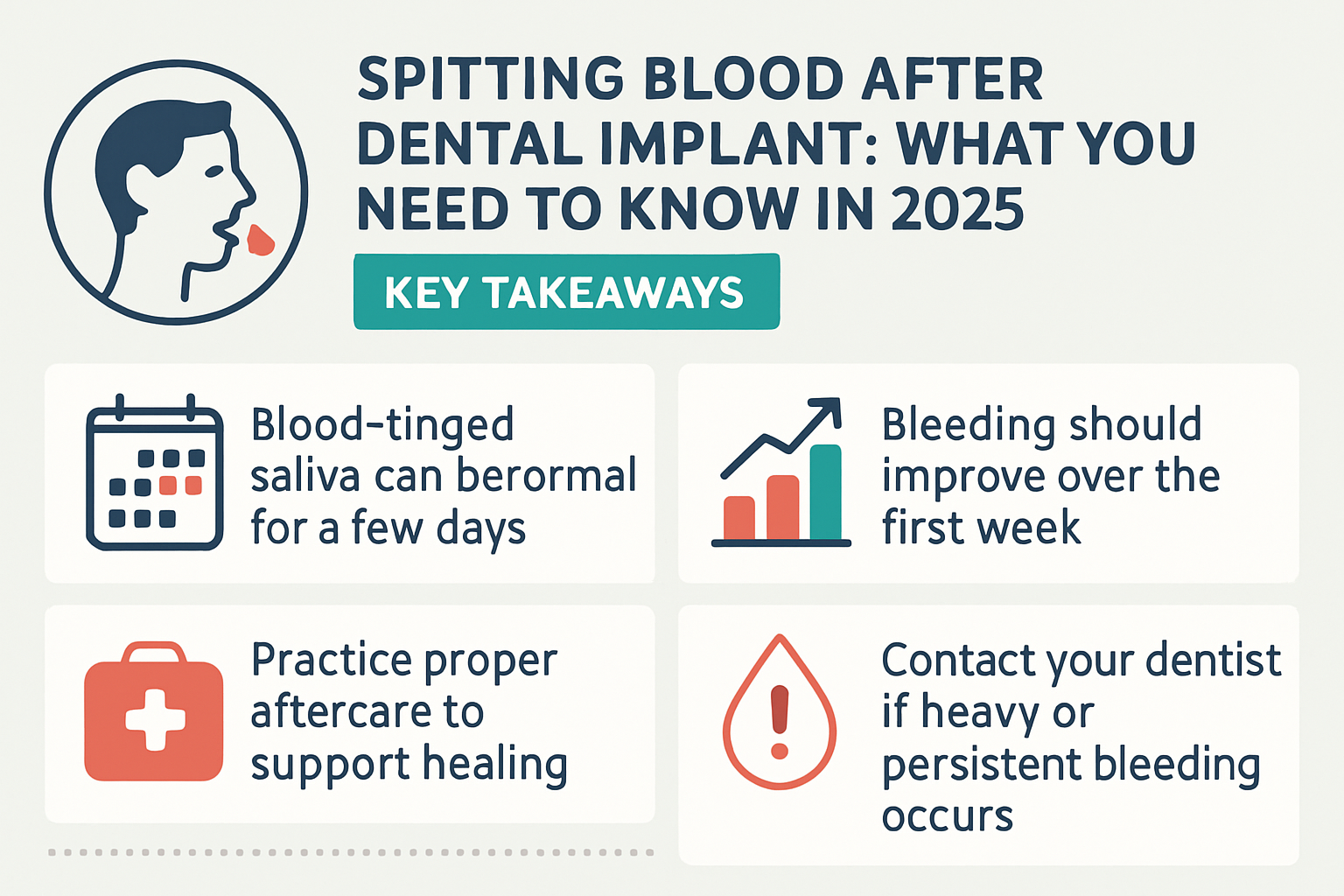
- Initial bleeding is normal: Expect some light bleeding or pink-tinged saliva for the first 24-48 hours after dental implant surgery.
- Apply pressure: For persistent bleeding, apply gentle, constant pressure with a sterile gauze pad for 30-60 minutes.
- Avoid disturbing the clot: Refrain from vigorous rinsing, spitting, or using straws, as these can dislodge the crucial blood clot.
- Monitor for excessive bleeding: Contact your oral surgeon immediately if bleeding is heavy, bright red, or doesn’t subside after applying pressure.
- Follow post-operative instructions diligently: Adherence to your dentist’s guidelines is paramount for proper healing and minimizing complications.
Understanding Post-Operative Bleeding: What’s Normal When Spitting Blood After Dental Implant?
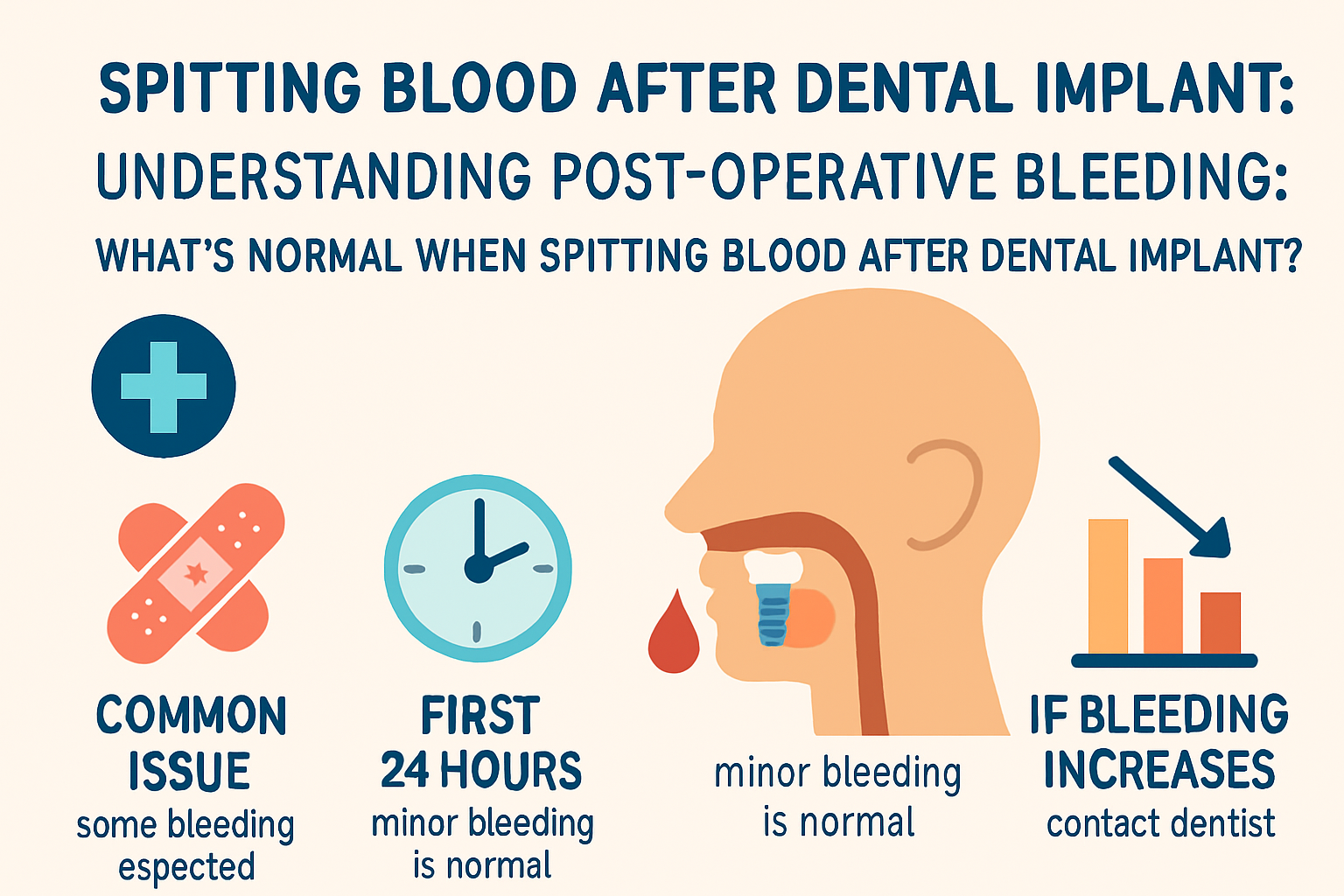
It’s important to set realistic expectations for your recovery. Dental implant surgery involves incisions and manipulation of gum tissue and bone, making some post-operative bleeding inevitable. This is a natural part of the healing process.
The First 24-48 Hours
Immediately following your dental implant procedure, you’ll likely experience some light bleeding or oozing from the surgical site. Your oral surgeon will typically place a gauze pad over the area before you leave the office and instruct you to bite down on it firmly for a certain period. This helps to form a protective blood clot, which is vital for healing.
What to expect:
- Pink or red-tinged saliva: Your saliva may appear pink or slightly red for the first day or two. This is usually not active bleeding but rather small amounts of blood mixing with your saliva.
- Minor oozing: You might notice slight oozing when you change your gauze pads.
- Small blood clots: Don’t be alarmed if you see small, jelly-like blood clots; these are part of the natural healing.
This initial phase of light bleeding and blood-tinged saliva is generally normal and indicates that your body is beginning the repair process. The key is to avoid disturbing the fragile blood clot that forms, as this acts as a natural bandage and scaffold for new tissue growth.
When Spitting Blood After Dental Implant Becomes a Concern
While some bleeding is normal, it’s equally important to recognize when the amount or persistence of bleeding suggests a problem. This is where patient vigilance becomes critical.
Signs that warrant concern:
- Heavy, continuous bleeding: If you are consistently spitting out mouthfuls of bright red blood, or if the bleeding doesn’t slow down after applying pressure for an hour, it’s a sign to seek professional advice.
- Large, frequent clots: While small clots are normal, very large or numerous clots that seem to be forming rapidly could indicate excessive bleeding.
- Bleeding that worsens over time: If the bleeding seems to be getting heavier instead of lighter as time passes, this is a red flag.
- Pain accompanied by excessive bleeding: Severe or worsening pain coupled with significant bleeding could indicate a complication.
- Fever or swelling: While some swelling is normal, fever combined with heavy bleeding could point to an infection.
“A small amount of blood mixed with saliva is normal after dental implant surgery. However, if you are experiencing heavy, continuous bleeding that soaks multiple gauze pads quickly, it’s crucial to contact your dental professional without delay.”
If you notice any of these more severe symptoms when spitting blood after dental implant, do not hesitate to contact your oral surgeon or dentist. They can assess your situation and provide appropriate guidance or treatment. For information on the financial aspects of dental implants, including potential costs associated with complications, you might find our guide on dental implant costs helpful.
Common Causes of Bleeding Post-Dental Implant Surgery
Understanding the reasons behind post-operative bleeding can help you manage your expectations and follow recovery instructions more diligently.
Surgical Trauma
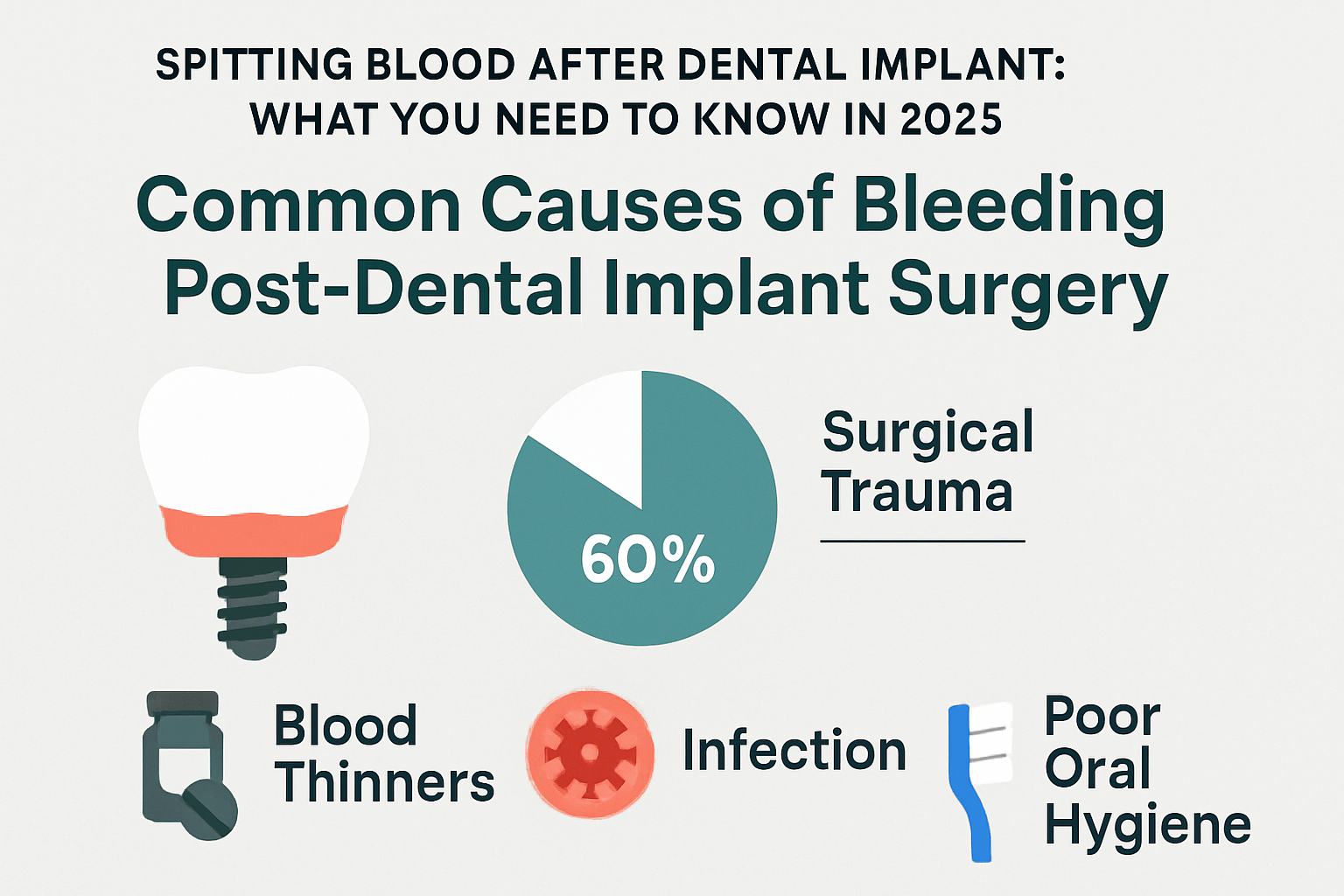
The very nature of dental implant surgery involves creating a site in the jawbone for the implant. This process naturally causes some trauma to the surrounding tissues, blood vessels, and bone. Bleeding is a direct result of this surgical intervention. The body’s natural response is to initiate the clotting process to stem the flow and begin healing.
Dislodged Blood Clot
The most common reason for persistent or renewed bleeding after the initial hours is a dislodged blood clot. This condition, often referred to as a “dry socket” in tooth extraction contexts (though less common with implants), happens when the crucial blood clot that forms at the surgical site is disturbed or falls out. This can expose the underlying bone and nerves, leading to increased bleeding and often significant pain.
Factors that can dislodge a blood clot:
- Vigorous rinsing or spitting: The suction created can pull the clot away.
- Using a straw: The sucking motion creates negative pressure in the mouth.
- Smoking: The act of inhaling creates suction and the chemicals can impair healing.
- Strenuous physical activity: Increased blood pressure can cause the clot to dislodge.
- Touching the surgical site: With fingers or the tongue.
Infection
Though less common in the immediate post-operative period, an infection at the implant site can lead to prolonged bleeding, pain, swelling, and sometimes a fever. This typically occurs a few days after the surgery if bacteria gain access to the wound. Proper hygiene and antibiotic prophylaxis (if prescribed) are crucial in preventing this.
Underlying Medical Conditions or Medications
Certain medical conditions or medications can affect blood clotting and increase the risk of post-operative bleeding.
Examples include:
- Blood thinners: Medications like Warfarin, Aspirin, or NSAIDs can thin the blood. Always inform your surgeon about all medications you are taking before surgery.
- Bleeding disorders: Conditions such as hemophilia can significantly impair clotting.
- Liver disease: Can affect the production of clotting factors.
Your dental professional should review your medical history thoroughly before your procedure to anticipate and mitigate any increased bleeding risks. If you’re considering multiple implants, you might also be interested in our guide on cost of 2 dental implants in 2025 or cost of 4 dental implants in 2025.
Surgical Complications
While rare, complications during the surgery itself could contribute to more significant bleeding. These might include damage to a larger blood vessel or unexpected tissue trauma. Your surgeon will take all necessary precautions to minimize such risks.
Managing Spitting Blood After Dental Implant: Actionable Steps
Effective management of post-operative bleeding is essential for a smooth recovery. Follow these steps carefully:
Immediate Post-Surgery Care
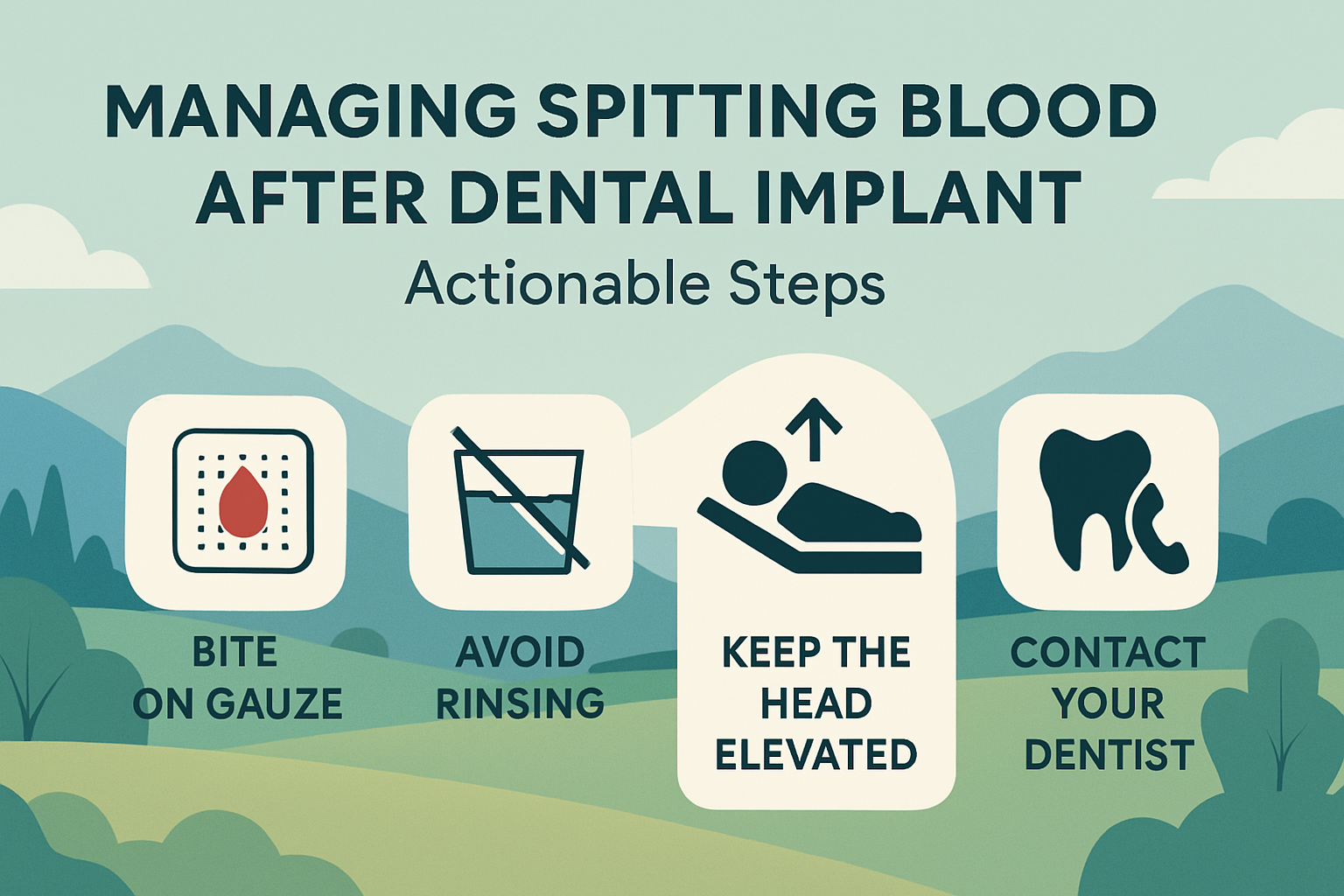
- Bite on Gauze: Your surgeon will place a gauze pad over the surgical site. Bite down firmly but gently for 30-60 minutes. This constant pressure helps form the initial blood clot. If bleeding persists, replace the gauze pad with a fresh one and bite down again.
- Keep Your Head Elevated: Sleeping or resting with your head elevated on pillows can help reduce blood pressure to the head and minimize bleeding and swelling.
- Apply Cold Compress: Applying an ice pack or a cold compress to the outside of your cheek, over the surgical area, for 15-20 minutes on and 15-20 minutes off, can help constrict blood vessels and reduce swelling and bleeding. This is most effective in the first 24-48 hours.
Preventing Further Bleeding
The most crucial aspect of preventing renewed or excessive bleeding is protecting the blood clot.
- Avoid Vigorous Rinsing or Spitting: Do not rinse your mouth vigorously or spit forcefully for at least 24-48 hours after surgery. If you need to rinse, do so very gently with warm salt water (1/2 teaspoon salt in 8 ounces of warm water) and let it passively dribble out, rather than spitting.
- No Straws: Avoid using straws for drinking, as the suction can dislodge the blood clot.
- No Smoking or Alcohol: Smoking can significantly impair healing, increase the risk of infection, and dislodge the blood clot. Alcohol can also interfere with clotting and healing. Avoid both for at least a week, or as advised by your surgeon.
- Soft Diet: Stick to soft foods that require minimal chewing. Avoid hot liquids, crunchy, or spicy foods that could irritate the surgical site.
- Limit Physical Activity: Strenuous exercise or heavy lifting can increase blood pressure, potentially leading to increased bleeding. Rest is crucial during the initial recovery period.
- Oral Hygiene: Maintain good oral hygiene, but be extremely gentle around the surgical site. You may be instructed to avoid brushing the immediate area for a day or two. Your surgeon will provide specific instructions for brushing and flossing.
| Activity | Do’s | Don’ts |
|---|---|---|
| Bleeding Control | ✅ Bite firmly on gauze | ❌ Rinse or spit vigorously |
| Head Position | ✅ Keep head elevated | ❌ Lie flat |
| Diet | ✅ Soft, cool foods | ❌ Hot, crunchy, spicy foods, straws |
| Physical Activity | ✅ Rest and relax | ❌ Strenuous exercise, heavy lifting |
| Oral Habits | ✅ Gentle oral hygiene | ❌ Smoking, alcohol, touching surgical site |
| Pain/Swelling Management | ✅ Cold compress, prescribed pain relievers | ❌ Over-the-counter blood thinners |
When to Contact Your Dental Professional
It’s paramount to know when to escalate your concerns. You should contact your oral surgeon or dentist immediately if:
- The bleeding is heavy and continuous, soaking multiple gauze pads within an hour, and does not subside after 30-60 minutes of firm pressure with a fresh gauze pad.
- You are spitting out large, bright red blood clots frequently.
- You experience severe pain that is not relieved by prescribed medication.
- You develop a fever above 101°F (38.3°C) or notice pus at the surgical site.
- Swelling becomes excessive, extends beyond the immediate surgical area, or interferes with breathing or swallowing.
Your dental team is your primary resource for post-operative care. Don’t hesitate to reach out if you have any doubts or concerns about spitting blood after dental implant surgery.
Long-Term Healing and Preventing Future Complications
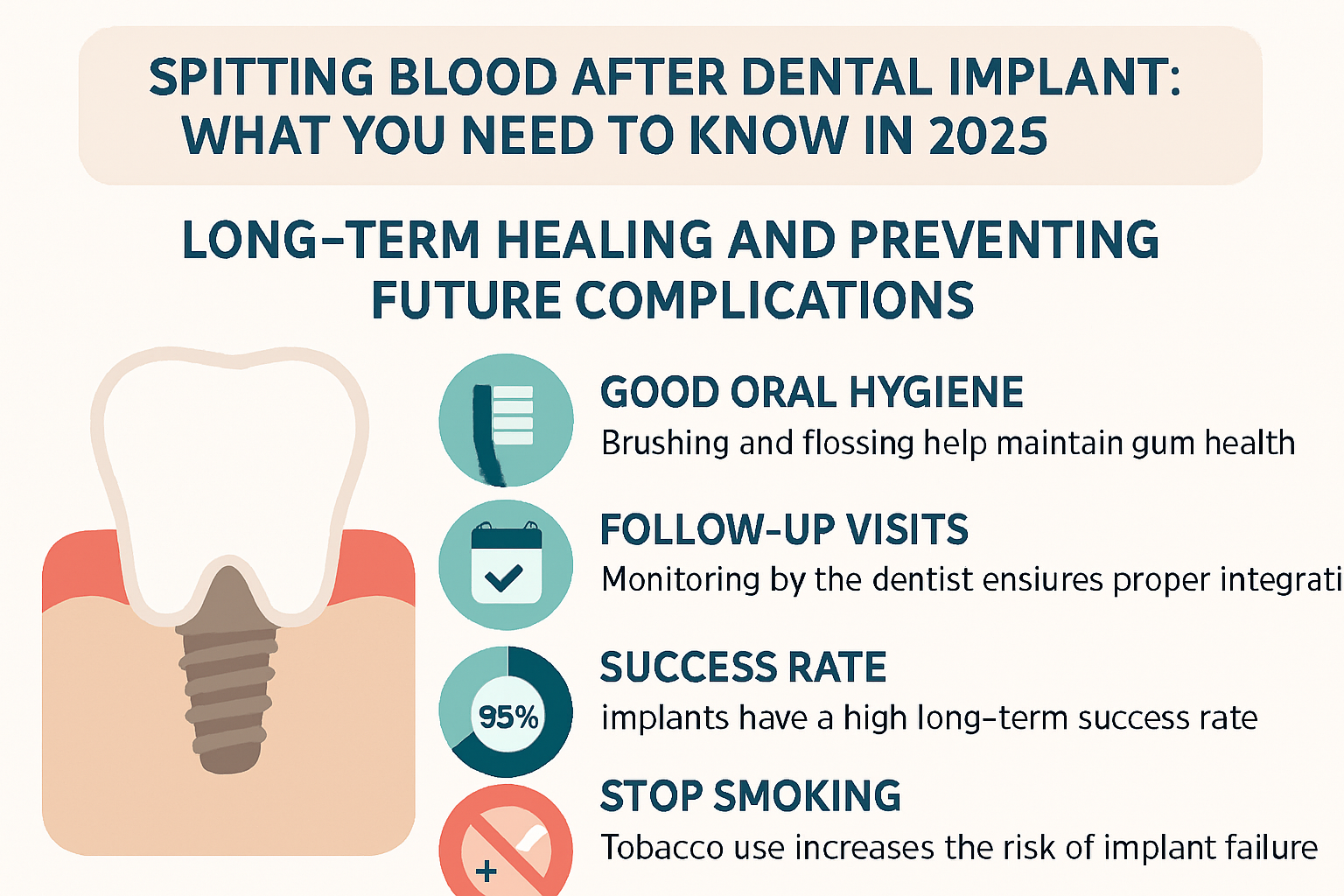
While initial bleeding management focuses on the immediate post-operative period, successful long-term implant integration and preventing future complications require continued diligence.
Adhering to Post-Operative Instructions
The instructions provided by your oral surgeon or dentist are tailored to your specific case and are critical for optimal healing. These instructions typically cover:
- Medication: Take all prescribed antibiotics and pain relievers as directed. Antibiotics help prevent infection, while pain relievers manage discomfort.
- Diet: Continue with a soft diet for the recommended period, gradually reintroducing other foods as instructed.
- Oral Hygiene: Follow specific brushing and rinsing recommendations. This often includes gentle brushing around the implant site and using an antiseptic mouthwash if prescribed.
- Follow-up Appointments: Attend all scheduled follow-up appointments. These visits allow your surgeon to monitor your healing progress and address any potential issues early.
Recognizing Signs of Infection or Implant Failure
Beyond the initial bleeding, it’s important to be aware of other signs that could indicate an issue with your dental implant as you heal.
- Persistent pain: Pain that worsens or doesn’t subside after the initial recovery period.
- Swelling or redness: Continued or increasing swelling and redness around the implant site.
- Pus or discharge: Any yellow, green, or white discharge from the implant area.
- Fever: A sustained elevated body temperature.
- Looseness of the implant: The implant feeling unstable or wobbly.
These symptoms can point to an infection, peri-implantitis (inflammation around the implant), or potential implant failure. Early detection and intervention are key to successful outcomes. Many dental implant cost guides, such as our article on dental implant procedure cost, emphasize that preventing complications through proper aftercare can save you from additional treatment expenses down the line.
Lifestyle Choices for Optimal Healing
Your general health and lifestyle choices significantly impact your body’s ability to heal and the long-term success of your dental implant.
- Quit Smoking: Smoking dramatically increases the risk of implant failure and slows healing. If you smoke, quitting is one of the best things you can do for your oral health.
- Manage Chronic Conditions: Conditions like diabetes can impair healing. Proper management of such conditions is vital.
- Maintain Good Oral Hygiene: Long-term success of your implant relies on excellent daily oral hygiene, including regular brushing, flossing, and professional cleanings.
- Regular Dental Check-ups: Regular visits to your dentist for check-ups and cleanings are crucial for monitoring the health of your implant and surrounding tissues.
By diligently following your post-operative instructions and adopting healthy lifestyle habits, you significantly improve your chances of a successful recovery and the longevity of your dental implant. Understanding the typical financial commitment for ongoing care can also be helpful; resources like Dallas dental implant cost guide often provide insights into post-procedure expenses.
Conclusion
Experiencing spitting blood after dental implant surgery is a common concern for many patients. While some light bleeding and pink-tinged saliva are normal in the first 24-48 hours, knowing the difference between normal healing and signs of complications is critical. Your proactive approach to post-operative care, including careful management of the surgical site, adherence to your surgeon’s instructions, and prompt communication of any concerns, will pave the way for a smooth and successful recovery.
Remember, your oral health team is your partner in this journey. If you are ever in doubt about the amount or persistence of bleeding, or if you experience any other worrying symptoms, do not hesitate to contact your dental professional. They are best equipped to provide the personalized advice and care you need to ensure your dental implant heals properly and serves you well for many years to come in 2025 and beyond.
Leave a Reply
Share your thoughts or ask a question about dental implants. Your email address will not be published.