

When I look in the mirror each morning, I’m grateful for my healthy smile. But I know that for millions of people, that simple daily ritual brings anxiety, embarrassment, or even pain. If you’ve been struggling with missing teeth, loose dentures, or chronic dental problems, you might be wondering if dental implants could be the answer you’ve been searching for.
Dental implants have revolutionized modern dentistry, offering a permanent solution that looks, feels, and functions just like natural teeth. But how do you know when it’s time to take that step? The signs that you need dental implants aren’t always obvious, and many people suffer unnecessarily because they don’t recognize the warning signals.
Key Takeaways
- Missing teeth affect more than just appearance – they can lead to bone loss, shifting teeth, and digestive issues
- Loose or ill-fitting dentures significantly impact quality of life and can cause ongoing oral health problems
- Chronic tooth pain and repeated dental infections often indicate teeth that are beyond saving
- Difficulty eating certain foods may signal the need for a more stable tooth replacement solution
- Early intervention with dental implants can prevent more serious complications and preserve your oral health long-term
Understanding Dental Implants: The Foundation of Modern Tooth Replacement
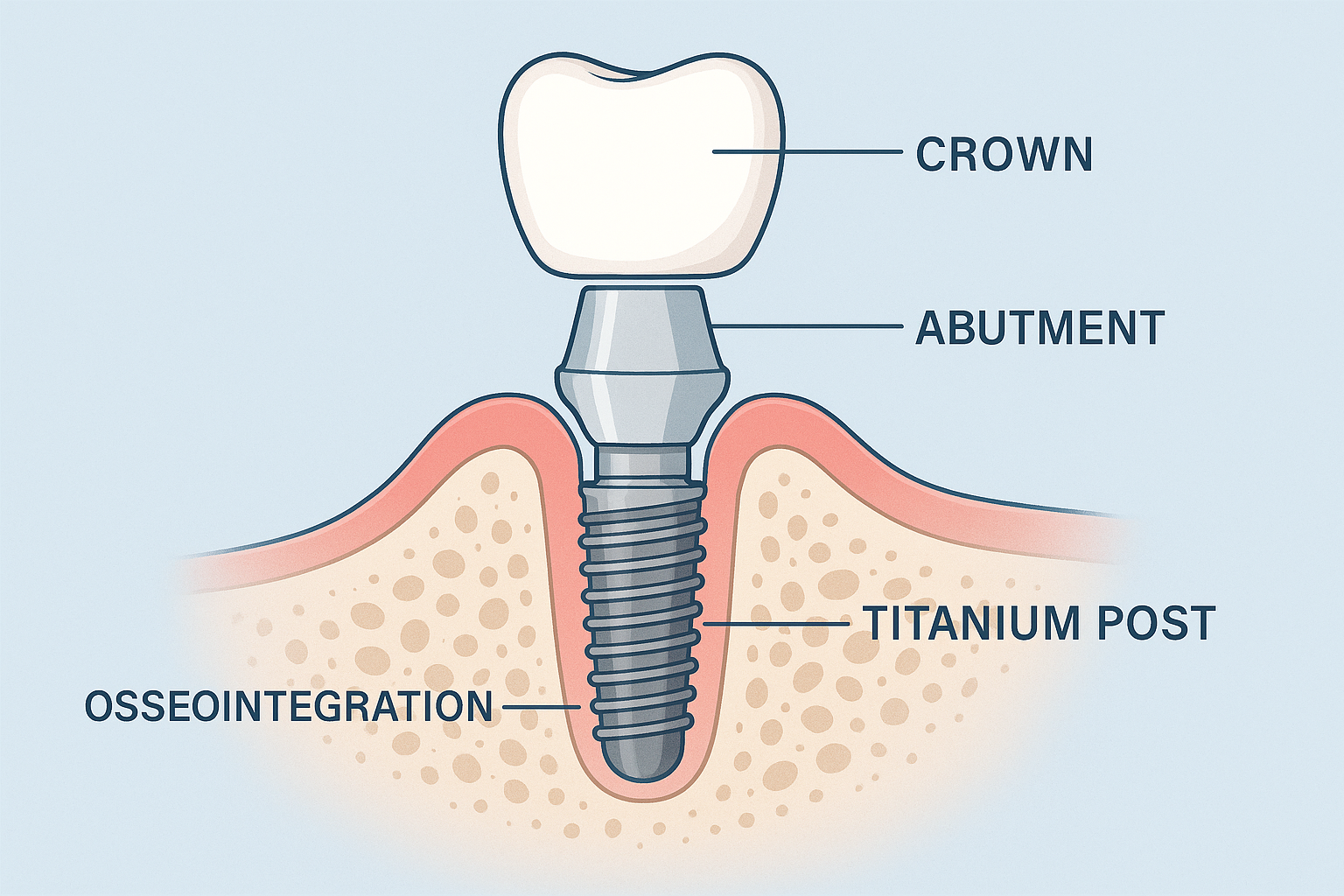
Before diving into the specific signs, it’s important to understand what dental implants are and why they’re considered the gold standard for tooth replacement. A dental implant consists of three main components:
- Titanium post: Acts as an artificial tooth root
- Abutment: Connects the post to the crown
- Crown: The visible tooth portion
This three-part system creates a permanent, stable foundation that integrates with your jawbone through a process called osseointegration. Unlike dentures or bridges, dental implants in Dallas, TX provide a solution that can last a lifetime with proper care.
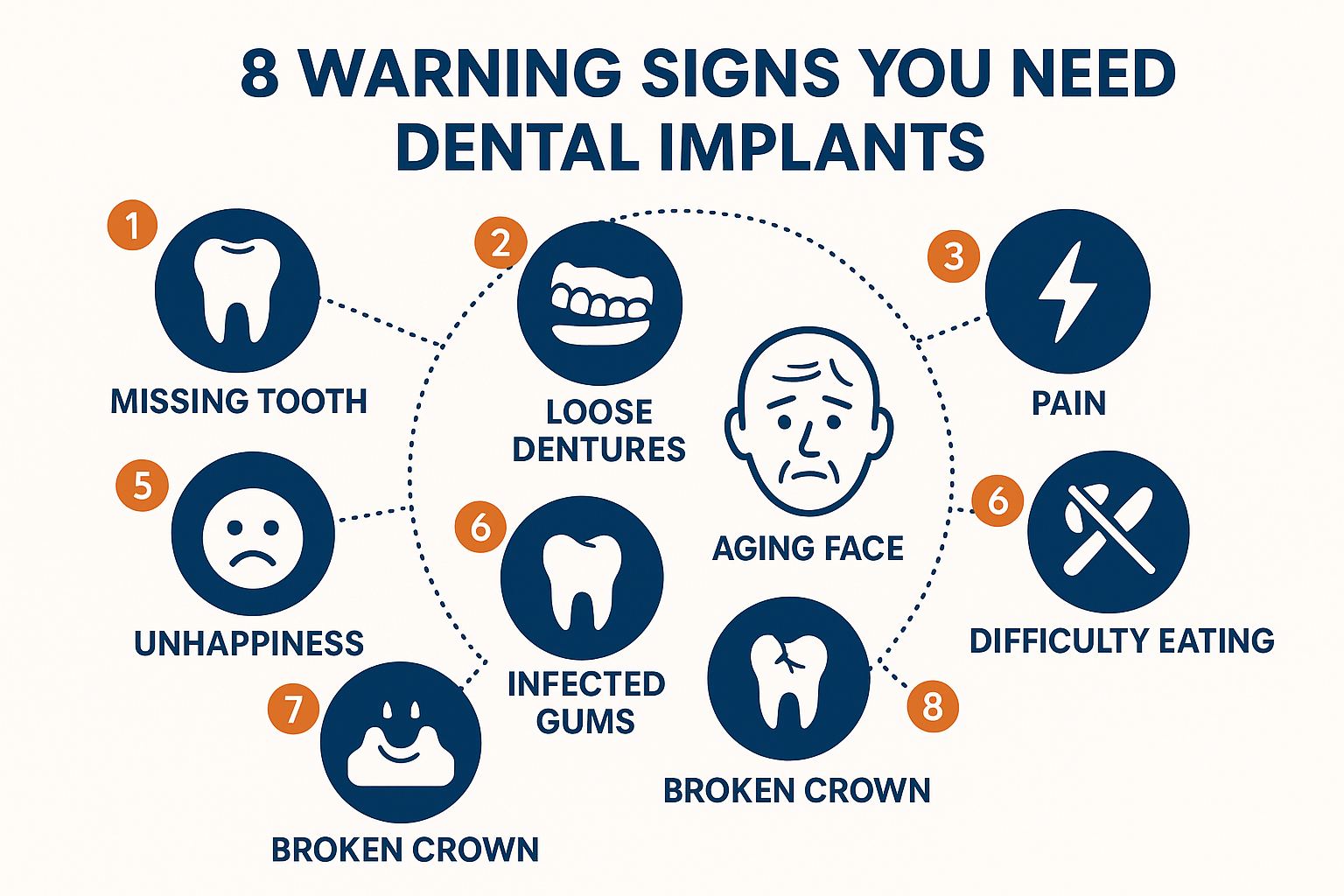
Sign #1: You Have One or More Missing Teeth 🦷
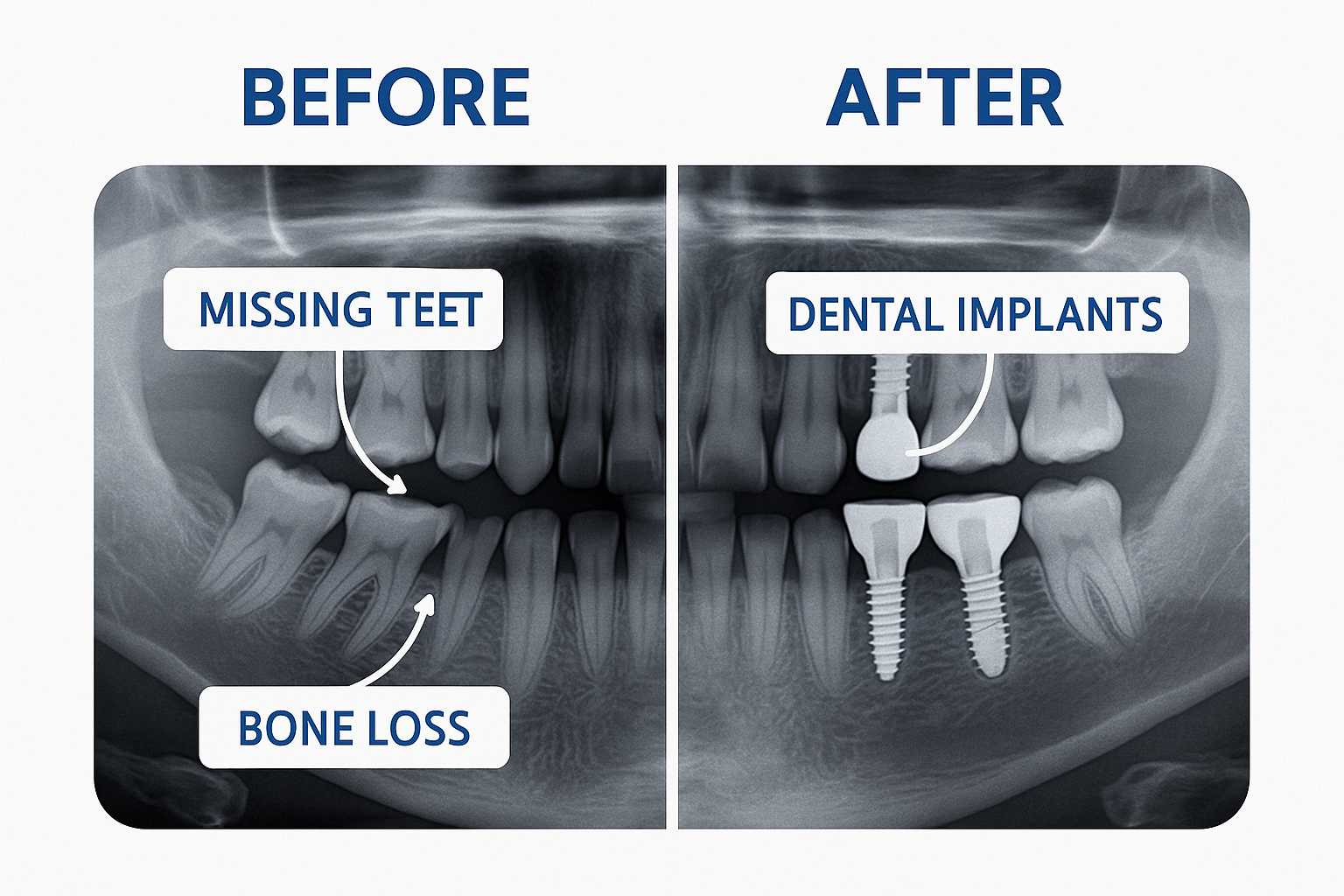
The most obvious sign that you might need dental implants is having missing teeth. Whether you’ve lost teeth due to injury, decay, or gum disease, each gap in your smile creates a cascade of problems:
Immediate Consequences of Missing Teeth
Aesthetic Impact: Missing teeth, especially in the front of your mouth, can significantly affect your confidence and willingness to smile or speak in social situations.
Functional Problems: Each tooth plays a crucial role in chewing. Missing even one tooth can force you to favor one side of your mouth, leading to uneven wear and potential jaw problems.
Speech Difficulties: Teeth help form many sounds. Missing teeth can cause lisping, whistling, or difficulty pronouncing certain words clearly.
Long-term Complications
The longer you wait to replace missing teeth, the more serious the consequences become:
- Bone loss in the jaw where teeth are missing
- Shifting of adjacent teeth into the empty space
- Changes in facial structure and premature aging
- Increased risk of gum disease and tooth decay in remaining teeth
“Every day you wait to replace a missing tooth, your jawbone continues to deteriorate. Dental implants are the only tooth replacement option that actually stimulates bone growth and prevents further bone loss.” – Dr. Sarah Chen, Oral Surgeon
Sign #2: Your Dentures Are Loose or Uncomfortable
If you currently wear dentures and find yourself constantly adjusting them, using excessive amounts of adhesive, or avoiding certain foods, these are clear signs that you need dental implants. Traditional dentures rest on your gums and rely on suction and adhesives to stay in place – a method that becomes less effective over time.
Common Denture Problems
| Problem | Impact on Daily Life | Implant Solution |
|---|---|---|
| Slipping while eating | Embarrassment, limited food choices | Secure attachment to implants |
| Sore spots and irritation | Pain, difficulty wearing dentures | No pressure on gums |
| Poor fit over time | Constant adjustments needed | Permanent, stable fit |
| Speech difficulties | Social anxiety, communication issues | Natural speech patterns |
Why Dentures Become Problematic
Traditional dentures become loose because they don’t address the underlying bone loss that occurs when teeth are missing. Without tooth roots to stimulate the jawbone, the bone gradually shrinks, causing dentures to fit poorly. This creates a frustrating cycle where dentures become increasingly uncomfortable and unreliable.
Implant-supported dentures solve this problem by anchoring to titanium posts placed in your jawbone, providing stability that traditional dentures simply cannot match.
Sign #3: You Experience Chronic Tooth Pain or Infections
Persistent tooth pain or recurring infections often indicate that a tooth is beyond saving. While dentists always try to preserve natural teeth when possible, there comes a point where extraction and replacement with an implant is the best long-term solution.
Warning Signs of Irreversible Tooth Damage
- Severe pain that doesn’t respond to treatment
- Recurring abscesses or infections
- Extensive decay that reaches the tooth’s pulp
- Fractures that extend below the gum line
- Failed root canal treatments
When Extraction and Implant Placement Make Sense
Sometimes, continuing to treat a severely damaged tooth becomes more expensive and less predictable than extraction and implant placement. Dental implant specialists can evaluate whether your tooth can be saved or if an implant would provide a better long-term outcome.
The advantage of choosing an implant over repeated treatments on a failing tooth is that you get a permanent solution that won’t require ongoing repairs or replacements.
Sign #4: Difficulty Eating Your Favorite Foods
One of the most frustrating aspects of tooth loss or poorly fitting dentures is the impact on your diet. If you find yourself avoiding foods you once enjoyed, this significantly affects both your nutrition and quality of life.
Foods That Become Challenging
Crunchy Foods: Apples, nuts, and raw vegetables require strong, stable teeth for proper chewing.
Chewy Foods: Steaks, bagels, and other tough foods become nearly impossible with loose dentures or missing teeth.
Small Foods: Seeds, nuts, and corn can get trapped under loose dentures, causing pain and embarrassment.
Temperature-Sensitive Foods: Dentures can insulate your palate, reducing your ability to taste and enjoy hot or cold foods.
Nutritional Consequences
When you can’t eat a varied diet, your overall health suffers. Many people with missing teeth or poor dentures develop nutritional deficiencies because they’re limited to soft, processed foods. This can lead to:
- Weight loss or malnutrition
- Digestive problems from inadequate chewing
- Reduced enjoyment of meals and social dining
- Impact on overall health and energy levels
Dental implants restore your full chewing capacity, allowing you to eat anything you want with confidence.
Sign #5: Your Facial Structure Is Changing

Missing teeth don’t just affect your mouth – they can change your entire facial appearance. This happens because your teeth provide crucial support for your facial muscles and skin.
How Tooth Loss Affects Your Face
When teeth are missing, several changes occur:
Jawbone Shrinkage: Without tooth roots to stimulate it, your jawbone begins to deteriorate. This process, called resorption, can reduce jaw height by up to 25% in the first year after tooth loss.
Muscle Changes: Facial muscles that once had support from your teeth begin to sag, creating a “sunken” appearance around your mouth.
Lip Support: Teeth help support your lips from the inside. Missing teeth can cause your lips to appear thinner and your mouth to look collapsed.
Premature Aging: The combination of bone loss and muscle changes can make you look significantly older than your actual age.
How Implants Preserve Facial Structure
Dental implants are the only tooth replacement option that actually prevents bone loss. The titanium posts stimulate your jawbone just like natural tooth roots, maintaining bone density and preserving your facial structure.
Sign #6: You’re Self-Conscious About Your Smile
The psychological impact of missing or damaged teeth extends far beyond physical discomfort. Many people with dental problems report:
- Avoiding social situations where they might need to eat or smile
- Covering their mouth when speaking or laughing
- Feeling older than their actual age
- Reduced confidence in professional and personal relationships
- Depression or anxiety related to their appearance
The Confidence Factor
Your smile is one of the first things people notice about you. When you’re self-conscious about your teeth, it affects how you interact with the world. You might:
- Speak less in meetings or social gatherings
- Avoid close-up photos
- Feel anxious about dating or intimate relationships
- Experience reduced job performance due to communication concerns
Dental implants can restore not just your teeth, but your confidence and willingness to engage fully in life.
Sign #7: You Have Gum Disease That’s Affecting Multiple Teeth
Advanced gum disease (periodontitis) is one of the leading causes of tooth loss in adults. If you have severe gum disease that’s affecting multiple teeth, your dentist might recommend extracting the affected teeth and replacing them with implants.
When Gum Disease Requires Extraction
Gum disease becomes a candidate for extraction and implant placement when:
- Bone loss around teeth is severe (more than 50%)
- Teeth are loose and cannot be stabilized
- Infections are recurring despite treatment
- Treatment costs for saving teeth exceed implant costs
- Long-term prognosis for natural teeth is poor
Advantages of Implants for Gum Disease Patients
Interestingly, people who have lost teeth to gum disease often do very well with dental implants because:
- Implants can’t develop cavities
- Proper oral hygiene is easier with implants than compromised natural teeth
- The implant process often motivates better oral care habits
- Modern implant surfaces are designed to resist bacterial adhesion
Sign #8: Your Current Dental Work Is Failing Repeatedly
If you have bridges, crowns, or other dental work that keeps failing, it might be time to consider implants as a more reliable long-term solution.
Common Problems with Traditional Dental Work
Bridge Failures: Dental bridges rely on adjacent teeth for support, which can put excessive stress on those teeth and lead to their eventual failure.
Crown Problems: Crowns on severely damaged teeth may fail repeatedly if the underlying tooth structure is compromised.
Partial Denture Issues: Removable partial dentures can put stress on the teeth they clip onto, potentially damaging those teeth over time.
Cost Considerations
While the upfront cost of dental implants might seem higher than other options, they often prove more economical in the long run. Consider the factors affecting implant cost in Dallas versus the ongoing costs of:
- Repeated repairs to failing dental work
- Replacement of bridges or crowns every 10-15 years
- Denture adjustments and relines
- Treatment of complications from failed dental work
🦷 Dental Implant Self-Assessment
Answer these questions to see if you might be a candidate for dental implants
Making the Decision: When to Move Forward with Dental Implants

If you recognize several of these signs that you need dental implants, the next step is to consult with a qualified dental professional. Choosing the right dental implant dentist is crucial for achieving the best possible outcome.
Questions to Ask During Your Consultation
When meeting with a potential implant dentist, consider asking:
- How many implant procedures do you perform annually?
- What is your success rate with dental implants?
- Can you show me before and after photos of similar cases?
- What are the total costs involved, including any potential complications?
- Do you offer payment plans for implants?
- How long will the entire process take?
- What are the risks and potential complications?
Understanding the Financial Investment
The cost of dental implants can seem significant initially, but it’s important to consider the long-term value. While you might find low-cost dental implants in Dallas, remember that quality should be your primary concern.
Consider these cost factors:
- Initial investment vs. lifetime value
- Insurance coverage and what’s included
- Financing options and payment plans
- Comparison costs of ongoing dental work on failing teeth
- Quality of life improvements that are difficult to quantify
Many dental offices now offer affordable implant options and financing to make treatment accessible to more patients.
The Implant Process: What to Expect
Understanding the dental implant process can help alleviate anxiety and help you prepare for treatment:
Phase 1: Consultation and Planning (1-2 weeks)
- Comprehensive examination
- X-rays and possibly CT scans
- Treatment plan development
- Cost estimates and financing discussions
Phase 2: Implant Placement (1 day, healing 3-6 months)
- Surgical placement of titanium posts
- Temporary restoration if needed
- Healing and osseointegration period
Phase 3: Final Restoration (2-4 weeks)
- Abutment placement
- Crown fabrication and fitting
- Final adjustments and care instructions
Timeline Considerations
The entire process typically takes 4-8 months, depending on:
- Number of implants needed
- Whether bone grafting is required
- Your individual healing rate
- Complexity of your case
Alternatives to Consider
While dental implants are often the best solution, it’s worth understanding your alternatives:
Traditional Dentures
- Pros: Lower initial cost, non-surgical
- Cons: Less stable, require ongoing adjustments, don’t prevent bone loss
Dental Bridges
- Pros: Faster treatment, good aesthetics
- Cons: Require altering healthy adjacent teeth, shorter lifespan than implants
Partial Dentures
- Pros: Removable, less expensive
- Cons: Less comfortable, can damage remaining teeth
Do Nothing
- Pros: No cost or treatment time
- Cons: Progressive bone loss, shifting teeth, continued problems
Taking Action: Your Next Steps
If you’ve identified with several of the signs that you need dental implants discussed in this article, don’t wait to seek professional evaluation. The longer you delay treatment, the more complex and expensive it may become.
Immediate Actions You Can Take
- Schedule a consultation with a qualified implant dentist
- Research your options for affordable dental implants in Dallas, TX
- Check your insurance coverage for implant procedures
- Gather your dental records from previous treatments
- Prepare questions for your consultation appointment
Long-term Benefits to Consider
Investing in dental implants isn’t just about fixing current problems – it’s about:
- Preventing future complications from missing teeth
- Maintaining your oral health for decades to come
- Preserving your facial structure and appearance
- Improving your quality of life and confidence
- Eliminating ongoing dental problems and repeated treatments
Conclusion
Recognizing the signs that you need dental implants is the first step toward reclaiming your oral health and quality of life. Whether you’re dealing with missing teeth, uncomfortable dentures, chronic dental problems, or simply want to prevent future complications, dental implants offer a permanent solution that can last a lifetime.
The eight signs we’ve discussed – missing teeth, loose dentures, chronic pain, difficulty eating, facial changes, self-consciousness, gum disease, and failing dental work – are all indicators that implant treatment could significantly improve your situation.
Remember, every day you wait to address these issues, the underlying problems continue to progress. Bone loss accelerates, remaining teeth may shift or become damaged, and your overall oral health can deteriorate. The good news is that modern dental implant technology has made treatment more predictable, comfortable, and accessible than ever before.
If you’re ready to explore whether dental implants are right for you, start by scheduling a consultation with a qualified implant specialist. Many offices offer free initial consultations and can help you understand your options, timeline, and investment required.
Don’t let dental problems continue to limit your life. With proper planning and the right dental team, you could be enjoying a healthy, confident smile sooner than you think. Take the first step today – your future self will thank you for making this important investment in your health and happiness.
Leave a Reply
Share your thoughts or ask a question about dental implants. Your email address will not be published.