

Embarking on the journey to restore your smile with dental implants is a significant decision, especially for seniors. As we age, our bodies undergo various changes, and these can influence medical procedures, including the intricate process of dental implant placement and subsequent healing. Understanding the expected senior dental implant healing time is crucial for proper preparation, realistic expectations, and ultimately, a successful outcome. In this comprehensive guide for 2026, we’ll delve into the factors that influence healing, what seniors can expect at each stage, and how to optimize recovery for a lasting, healthy smile.
Dental implants offer a durable and aesthetic solution for missing teeth, providing stability that surpasses traditional dentures and bridges. However, the success of these implants hinges on a biological process called osseointegration, where the implant fuses directly with the jawbone. This process requires time, patience, and meticulous care, with specific considerations often needed for our senior population.
Key Takeaways
- Individualized Healing: Senior dental implant healing time varies significantly based on individual health, bone density, and lifestyle factors.
- Osseointegration is Key: The primary phase involves osseointegration – the fusion of the implant with the jawbone – which typically takes 3-6 months but can extend for seniors.
- Pre-existing Conditions Matter: Systemic health conditions common in seniors (diabetes, osteoporosis) and certain medications can impact healing speed and success.
- Diligent Aftercare is Crucial: Strict adherence to post-operative instructions, including diet, oral hygiene, and avoiding adverse habits, is paramount for optimal recovery.
- Bone Grafting May Be Necessary: If bone density is insufficient, a bone graft may be needed, adding several months to the overall healing timeline.
Understanding the Senior Dental Implant Healing Time Framework
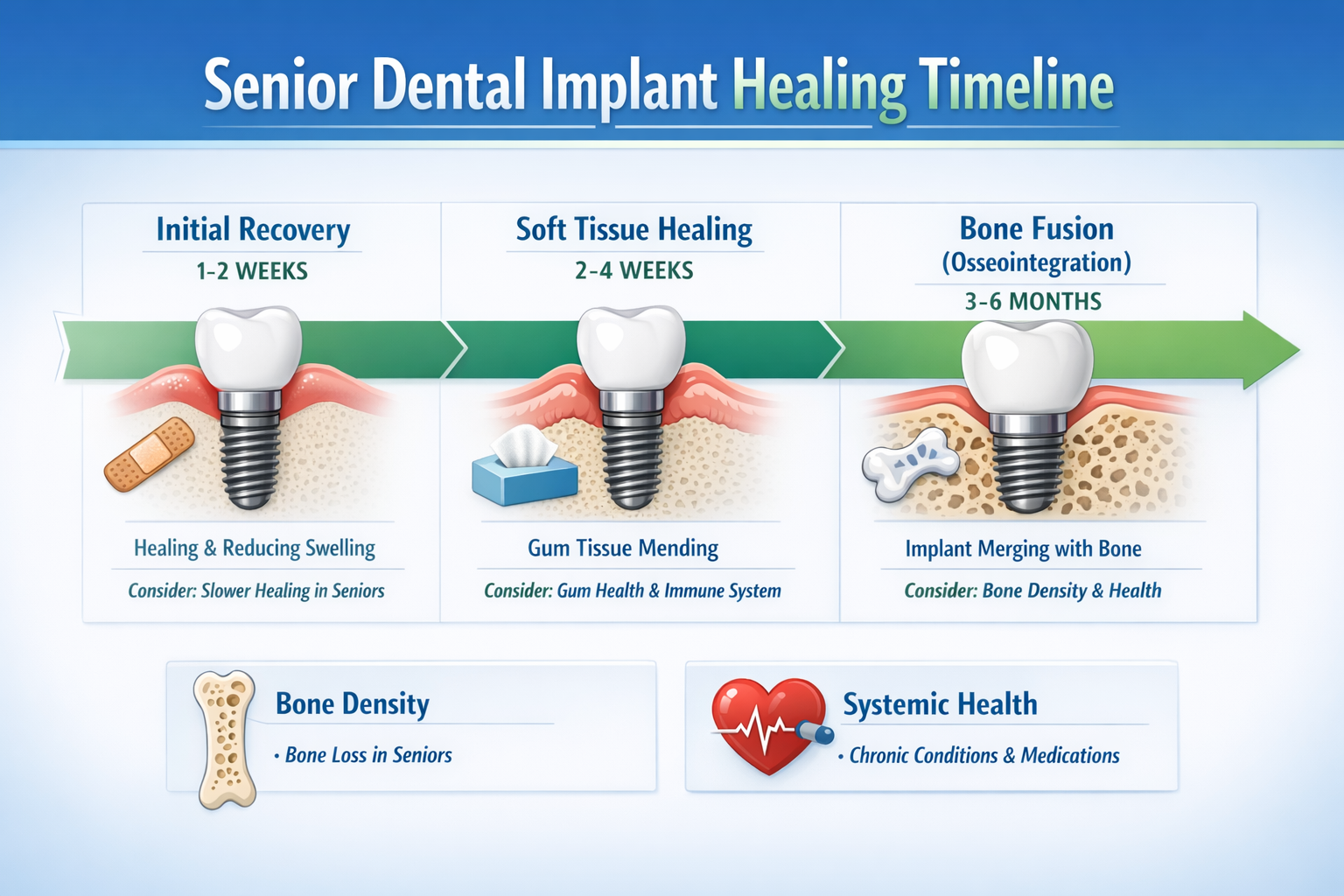
The timeline for dental implant healing is not a one-size-fits-all scenario, particularly for older adults. While the fundamental biological processes remain the same, factors unique to seniors can influence the pace and efficiency of healing. Generally, the complete senior dental implant healing time can range from 3 to 9 months, sometimes extending even longer, especially if preparatory procedures like bone grafting are required.
What is a Dental Implant?
Before diving into healing, let’s briefly define what a dental implant entails. A dental implant is essentially a small, screw-shaped post, typically made of titanium, that serves as a replacement for the root of a missing tooth. This post is surgically placed into the jawbone, where it gradually integrates with the surrounding bone [1]. Once stable, it provides a secure foundation for an artificial tooth (crown), bridge, or even a full arch of teeth, as seen with solutions like All-on-4 dental implants Dallas.
The Two Main Phases of Healing
The healing process can be broadly divided into two critical phases:
- Initial Healing (Soft Tissue Recovery): This phase focuses on the healing of the gums and surrounding soft tissues immediately after surgery.
- Osseointegration (Bone Fusion): This is the crucial biological process where the jawbone grows around and fuses with the titanium implant surface.
Let’s explore each phase in more detail, considering the specific context of senior patients.
Phase 1: Initial Healing and Post-Surgical Recovery (First 1-2 Weeks)
Immediately following dental implant surgery, the focus is on managing discomfort, preventing infection, and allowing the soft tissues to begin healing. For seniors, this initial period is particularly important, as their bodies may be more susceptible to bruising, swelling, and slower tissue regeneration compared to younger individuals.
What to Expect Immediately After Surgery:
- Swelling and Bruising: It’s common to experience swelling of the gums and face, along with some bruising. This usually peaks within 24-48 hours and gradually subsides over the first week.
- Mild Discomfort: Pain medication, often prescribed by your oral surgeon, will help manage any discomfort. Most seniors report that the pain is manageable and less severe than expected.
- Bleeding: Slight oozing or bleeding from the surgical site is normal for the first day or two. Your dentist will provide specific instructions on how to manage this with gauze.
- Dietary Restrictions: A soft-food diet is essential to avoid putting pressure on the surgical site. Think smoothies, yogurt, mashed potatoes, and soft scrambled eggs. You can find more ideas on 50 soft foods after dental implant.
Senior-Specific Considerations for Initial Healing:
- Medication Interactions: Many seniors take various medications for existing health conditions. It’s vital to discuss all medications, including over-the-counter drugs and supplements, with your dental team beforehand to avoid adverse interactions with pain relievers or antibiotics [2].
- Slower Metabolism: Older bodies generally have a slower metabolic rate, which can translate to slightly prolonged initial healing times for soft tissues.
- Immune Response: While the immune system remains robust, chronic conditions or certain medications (e.g., corticosteroids) can affect the body’s inflammatory and healing responses.
- Activity Levels: Rest is crucial. Seniors should avoid strenuous activities that could dislodge blood clots or increase swelling.
“The first two weeks after dental implant surgery are critical for seniors. Adherence to post-operative instructions, particularly regarding diet and hygiene, directly impacts the success of the longer-term osseointegration process.”
Phase 2: Osseointegration – The Foundation of Success (3-6 Months, Potentially Longer)
Osseointegration is the cornerstone of dental implant success. This is where the magic happens: your jawbone grows around and fuses with the titanium surface of the implant, making it a permanent part of your anatomy. This process is silent and unseen but vital for the stability required to support a dental prosthesis.
The Science Behind Osseointegration:
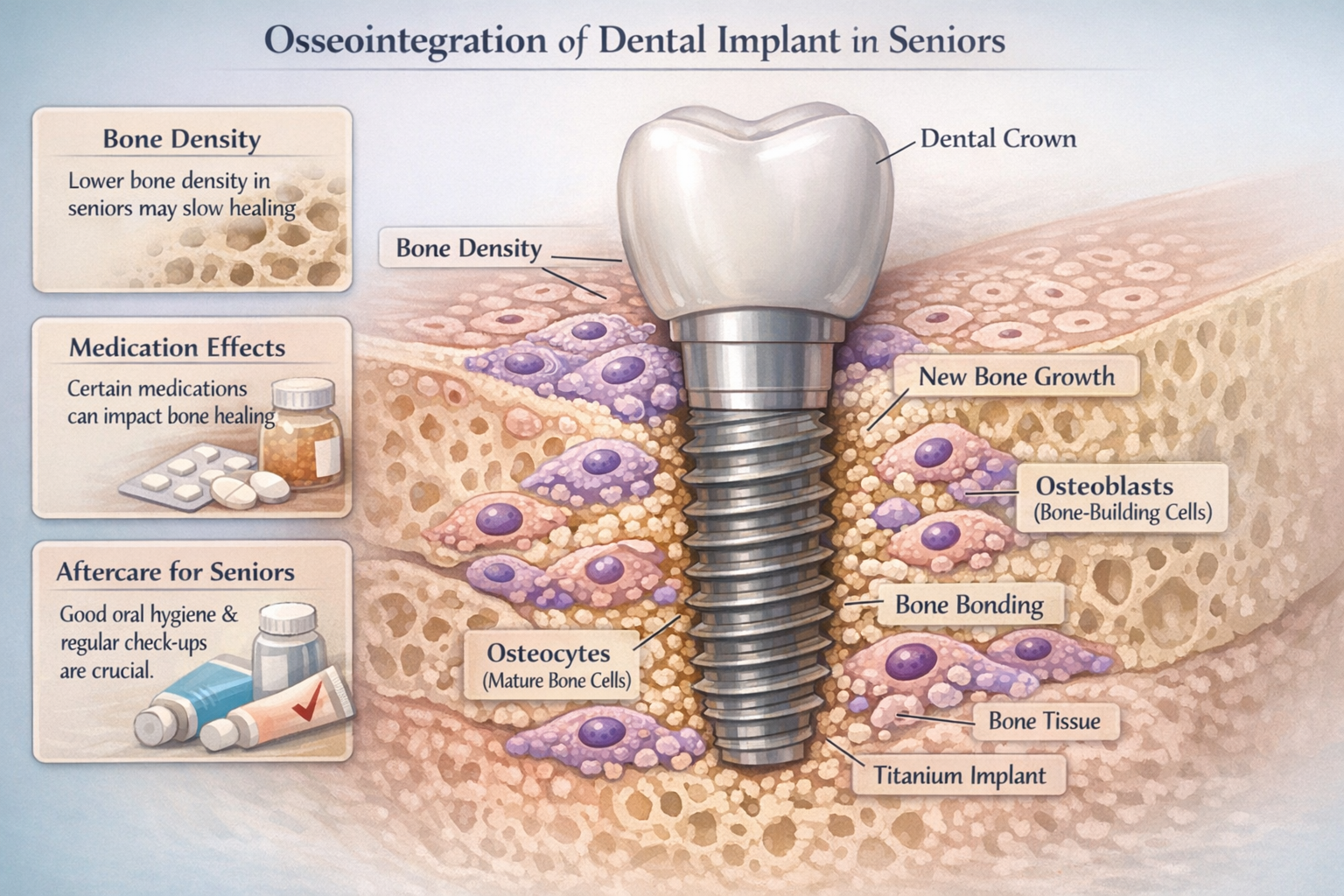
Titanium is a biocompatible material, meaning the body accepts it without rejection. After implant placement, osteoblasts (bone-forming cells) migrate to the implant surface and begin to lay down new bone tissue. Over several months, this new bone gradually integrates with the implant, creating a strong mechanical and biological bond.
Senior-Specific Factors Affecting Osseointegration:
- Bone Density and Quality: This is perhaps the most significant factor. Seniors may experience a natural decrease in bone density, often referred to as osteoporosis or osteopenia, which can affect the jawbone [3]. Adequate bone volume and density are crucial for successful osseointegration. If there’s insufficient bone, a bone graft recovery dental implant procedure might be necessary before implant placement, significantly extending the overall healing timeline by several months.
- Systemic Health Conditions:
- Diabetes: Uncontrolled diabetes can impair healing, increase infection risk, and reduce bone regeneration. Well-managed diabetes, however, usually does not preclude implant success [4].
- Osteoporosis: While osteoporosis can affect bone density, it doesn’t always prevent successful osseointegration, especially if the bone quality in the jaw is still adequate. Your dentist will assess this carefully.
- Autoimmune Diseases: Certain autoimmune conditions and the medications used to treat them can impact healing.
- Medications:
- Bisphosphonates: These medications, commonly prescribed for osteoporosis, can affect bone metabolism and may pose a risk for osteonecrosis of the jaw, though this is rare. Open communication with your doctor and dentist is paramount.
- Anticoagulants (Blood Thinners): While not directly affecting osseointegration, these medications require careful management around the time of surgery to minimize bleeding risks.
- Steroids: Long-term steroid use can slow healing.
- Lifestyle Habits:
- Smoking: Smoking significantly impedes blood flow and bone healing, dramatically increasing the risk of implant failure. Quitting smoking is strongly advised well before and after the procedure.
- Alcohol Consumption: Excessive alcohol intake can also affect healing and should be limited during recovery. Learn more about alcohol after dental implant surgery.
- Oral Hygiene: Maintaining impeccable oral hygiene throughout the healing process is non-negotiable. Poor hygiene can lead to peri-implantitis (inflammation around the implant), which can jeopardize osseointegration.
What Happens After Osseointegration?
Once osseointegration is complete, which can be confirmed by your dentist through X-rays and gentle testing, the implant is ready to receive the abutment and prosthetic crown. The abutment placement is a minor procedure where a small connector piece is attached to the implant, extending through the gum line. This also has a short healing period, usually 1-2 weeks, before the final crown is placed.
Extended Healing Time Scenarios for Seniors
Several scenarios can extend the typical senior dental implant healing time:
- Bone Grafting: If a bone graft is performed (e.g., for 90 percent bone loss in teeth), this procedure itself requires 4-9 months of healing before the implant can even be placed. This adds significantly to the overall timeline.
- Sinus Lifts: For implants in the upper jaw where the sinus cavity is too close, a sinus lift procedure may be needed. This also requires substantial healing time, often 4-6 months, before implant placement.
- Multiple Implants/Full Arch Procedures: While the individual implants heal similarly, complex cases like full-mouth dental implants might involve more extensive surgery, potentially requiring a slightly longer initial recovery phase. You can learn more about comprehensive solutions at dentalimplantsdallastx.com.
- Complications: Although rare, complications like infection or implant mobility can delay healing and may require additional interventions.
Optimizing Senior Dental Implant Healing Time: A Practical Guide
Successful implant integration and long-term stability depend heavily on how well seniors manage their healing process. Here are actionable steps to optimize your recovery:
Pre-Surgical Preparation
- Comprehensive Health Review: Provide your dental surgeon with a complete medical history, including all existing conditions and medications. This allows for tailored treatment planning and risk assessment.
- Quit Smoking: If you smoke, strongly consider quitting several weeks before surgery.
- Manage Chronic Conditions: Ensure conditions like diabetes or high blood pressure are well-controlled before your procedure.
- Nutritional Support: A balanced diet rich in vitamins, minerals, and protein can support overall healing. Discuss any nutritional deficiencies with your doctor.
Post-Surgical Care Essentials
- Follow Instructions Meticulously: Adhere strictly to all post-operative instructions provided by your dental team. This includes medication schedules (antibiotics after dental implant surgery are common), oral hygiene, and dietary restrictions.
- Pain Management: Take prescribed pain medication as directed. Don’t wait for the pain to become severe.
- Swelling Reduction: Apply ice packs to the outside of your face for the first 24-48 hours (15-20 minutes on, 15-20 minutes off) to minimize swelling. Elevate your head when sleeping.
- Dietary Adherence: Stick to soft foods for the initial weeks and gradually reintroduce harder foods as directed. Chewing on the opposite side of the surgical site can also help.
- Oral Hygiene:
- Avoid brushing directly on the surgical site for the first few days.
- Use a prescribed antimicrobial mouthwash or a warm saltwater rinse gently after 24 hours. Avoid vigorous rinsing or spitting.
- Once cleared, use a soft-bristled brush and carefully clean around the implant site. Specific tools like water flossers designed for implants can be beneficial after the initial healing. For more detailed guidance, see best dental implant aftercare products.
- Avoid Smoking and Alcohol: These habits severely impair healing and should be avoided entirely during the recovery period.
- Rest: Allow your body ample rest to dedicate energy to healing.
- Attend Follow-Up Appointments: These appointments are crucial for your dentist to monitor healing progress, remove sutures, and ensure no complications arise.
Table: General Healing Milestones for Seniors
| Timeframe | Expected Healing Stage | Senior Considerations |
|---|---|---|
| Day 1-3 | Initial bleeding subsides, swelling and discomfort peak. | More pronounced bruising/swelling possible. Strict soft diet. Prioritize rest. |
| Week 1-2 | Soft tissue (gums) begin to heal, discomfort lessens. | Continue soft diet. Gentle oral hygiene. Medication management is key. Avoid strenuous activity. |
| Month 1-3 | Early osseointegration begins. Implant is stable but fragile. | Bone density and systemic health influence pace. Gradual return to a more varied diet. Avoid chewing on implant side. |
| Month 3-6 | Significant osseointegration. Implant is firm and integrated. | Critical period for complete bone fusion. Regular check-ups. Preparation for abutment supported porcelain ceramic crown. |
| Month 6-9+ | Complete osseointegration. Abutment and crown placed. | Longer duration if bone grafting was needed. Final restoration. Lifelong maintenance begins. |
(Note: These are general guidelines; individual healing times may vary.)
Long-Term Care and Maintenance of Dental Implants
Once your implants have fully healed and your final restorations are in place, the journey doesn’t end. Long-term care is vital to ensure the longevity of your dental implants, especially for seniors.
- Excellent Oral Hygiene: Brush twice daily with a soft-bristled brush, floss daily (or use an interdental cleaner/water flosser), and use an antibacterial mouthwash. Regular and meticulous cleaning prevents plaque buildup around implants, which can lead to peri-implantitis, a gum disease specific to implants.
- Regular Dental Check-ups: Continue to visit your dentist for routine check-ups and professional cleanings, typically every six months. Your dentist will monitor the health of your implants, gums, and remaining teeth.
- Avoid Hard, Sticky Foods: While implants are strong, excessive force from chewing very hard candies, nuts, or ice can stress the implants or restorations.
- Address Issues Promptly: If you notice any discomfort, swelling, or changes around your implant, contact your dentist immediately. Early intervention can prevent minor issues from becoming major problems.
Choosing dental implants is an investment in your oral health and quality of life. For seniors, understanding and actively participating in the healing process is crucial. With proper care and adherence to professional guidance, your dental implants can provide decades of comfortable, confident smiles. To learn more about our practice and how we can support your dental implant journey, feel free to visit our About Us page.
Senior Dental Implant Healing Time Calculator
Estimate your potential dental implant healing time based on common factors.
Based on your selections, your estimated dental implant healing time is:
Please remember, this is an estimate. Your actual healing time will be determined by your dental professional.
Conclusion
Understanding the senior dental implant healing time is paramount for anyone considering this life-changing procedure in 2026. While the average healing period for osseointegration typically ranges from 3 to 6 months, factors specific to seniors—such as bone density, systemic health conditions like diabetes or osteoporosis, medication use, and lifestyle choices—can significantly influence this timeline, potentially extending it to 9 months or more, especially if preparatory procedures like bone grafting are necessary.
The success of your dental implants hinges on diligent adherence to pre- and post-operative instructions. This includes meticulously managing any existing health conditions, maintaining impeccable oral hygiene, strictly following dietary restrictions, avoiding smoking and excessive alcohol, and attending all scheduled follow-up appointments. Remember, dental implants are a significant investment in your long-term oral health and quality of life, offering a stable and aesthetic solution for missing teeth.
If you are a senior contemplating dental implants, the most crucial first step is a comprehensive consultation with an experienced dental implant specialist. They will conduct a thorough examination, assess your individual health profile, and create a personalized treatment plan that accounts for all factors influencing your potential senior dental implant healing time. Don’t hesitate to ask questions and express any concerns you may have. Your dental team is your partner in achieving a healthy, confident smile that lasts for years to come.
References
[1] Albrektsson, T., & Johansson, C. (2001). Osteoinduction, osteoconduction and osseointegration. European Spine Journal, 10(Suppl 2), S96-S101.
[2] Uckan, S., & Sanli, U. (2007). The effect of local and systemic factors on osseointegration. Journal of Oral Implantology, 33(4), 180-188.
[3] Moy, P. K., Medina, D., Shetty, V., & Aghaloo, T. L. (2005). Dental implant failure rates and associated risk factors. International Journal of Oral & Maxillofacial Implants, 20(4).
[4] Moraschini, V., de Freitas, R. R., & Coutinho, D. M. (2018). The effect of diabetes on the survival and success of dental implants: a systematic review and meta-analysis. International Journal of Oral & Maxillofacial Surgery, 47(5), 589-598.
Leave a Reply
Share your thoughts or ask a question about dental implants. Your email address will not be published.