

Has your dental implant journey taken an unexpected turn? While dental implants are an incredibly successful long-term solution for missing teeth, sometimes complications can arise, requiring further intervention. If you’re experiencing issues with a previously placed dental implant, you’re likely searching for expert care. This comprehensive guide explores the critical aspects of revision dental implant surgery Dallas, providing you with the knowledge and confidence to seek the right treatment in 2026. We understand that facing another dental procedure can be daunting, but with the right team and approach, regaining your oral health and beautiful smile is absolutely achievable.
“Revising a dental implant isn’t about fixing a mistake; it’s about perfecting a solution to give you the lasting comfort and aesthetics you deserve.”
– A Leading Dallas Implant Specialist
Key Takeaways
- Understanding Implant Failure: Dental implant failure, though rare, can occur due to various factors including infection (peri-implantitis), poor integration, nerve damage, or improper placement.
- Signs You Need Revision: Symptoms like persistent pain, swelling, mobility of the implant, or noticeable changes in bite could indicate a need for revision surgery.
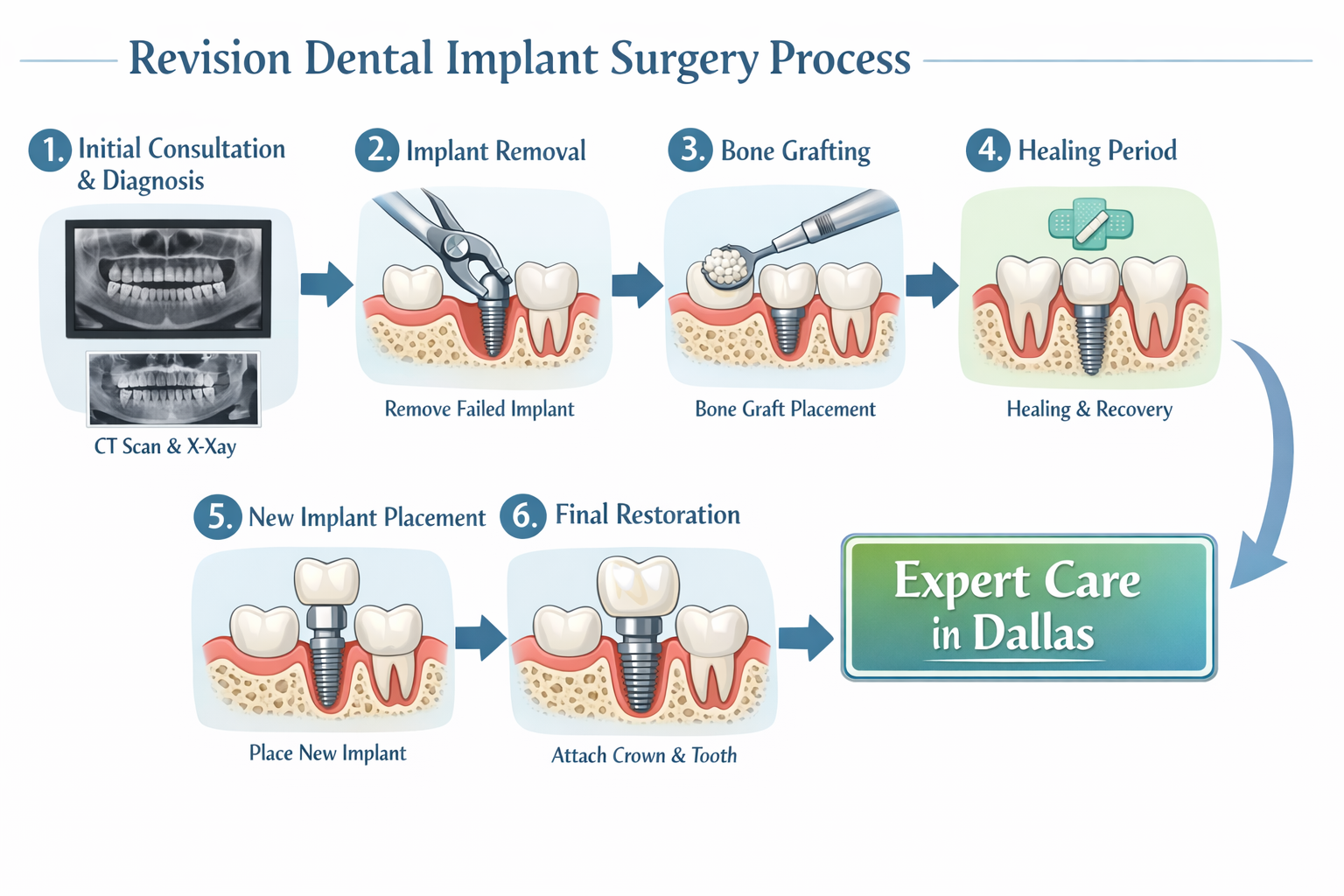
- The Revision Process: This often involves careful diagnosis, removal of the failing implant, bone grafting to rebuild bone structure, a healing period, and then placement of a new implant.
- Finding the Right Specialist in Dallas: Choosing an experienced oral surgeon or periodontist with expertise in complex revision cases is paramount for successful outcomes.
- Advanced Techniques in 2026: Modern diagnostic tools and surgical techniques minimize discomfort and improve predictability for patients undergoing revision dental implant surgery in Dallas.
Understanding the Need for Revision Dental Implant Surgery in Dallas
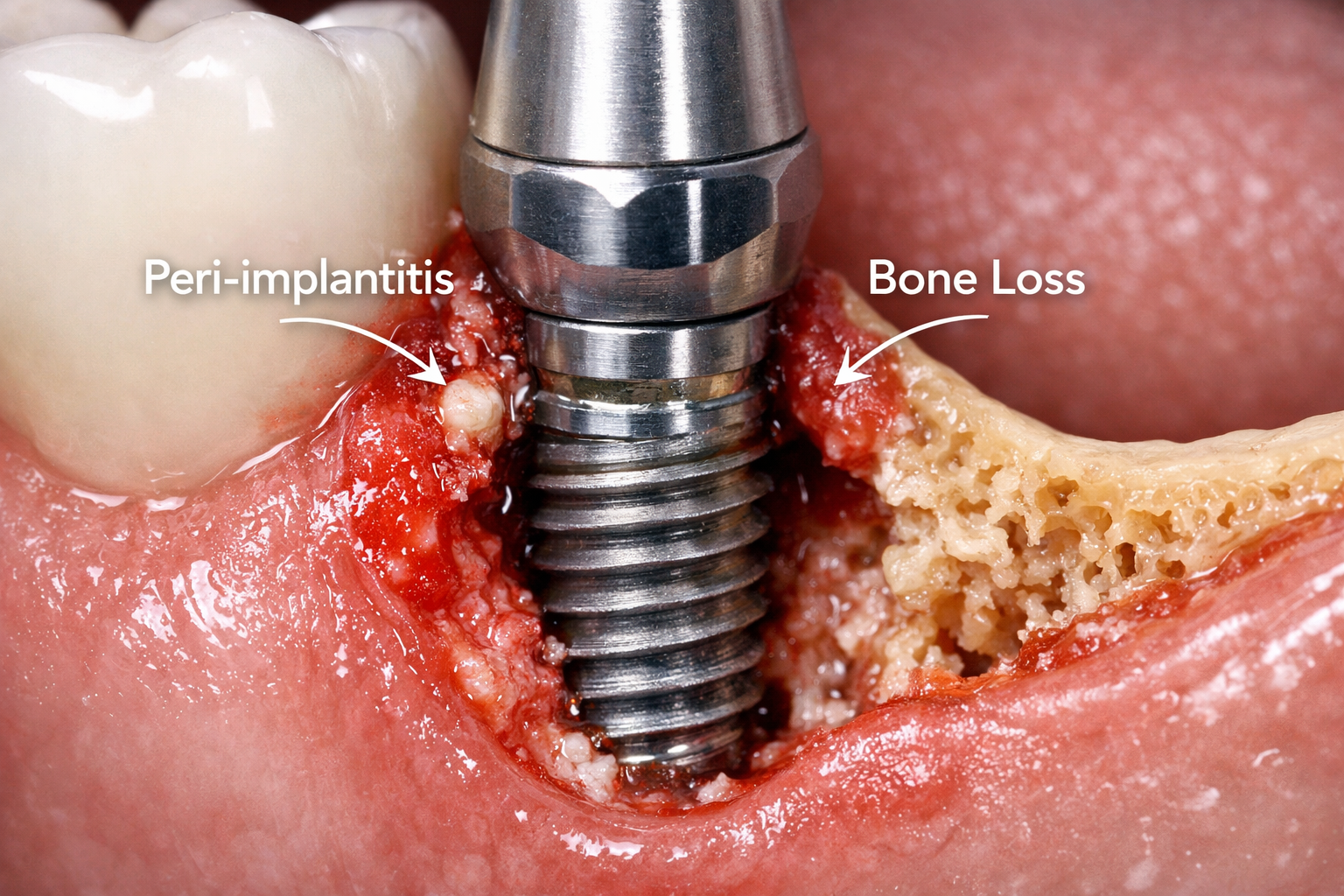
Dental implants are a cornerstone of modern restorative dentistry, offering a stable, aesthetic, and functional replacement for missing teeth. They boast an impressive success rate, often exceeding 95% [1]. However, like any medical procedure, there’s a small percentage of cases where an implant may fail or encounter complications that necessitate further surgical intervention. This is where revision dental implant surgery Dallas becomes a crucial option for patients.
When an implant doesn’t integrate properly with the bone, develops an infection, or is subjected to excessive forces, it can lead to pain, discomfort, and eventually, failure. Recognizing the signs early can prevent more extensive problems and simplify the revision process.
Common Causes of Dental Implant Failure
Several factors can contribute to the need for revision surgery. Understanding these can help you better communicate with your dental professional:
- Peri-implantitis: This is arguably the most common cause of late-stage implant failure [2]. It’s an inflammatory condition affecting the tissues around a dental implant, leading to progressive bone loss. Think of it like gum disease for natural teeth, but affecting the bone supporting the implant. Symptoms include swelling, redness, bleeding, and pus around the implant.
- Poor Osseointegration: This refers to the failure of the implant to properly fuse with the surrounding bone. It can happen due to insufficient bone quality or quantity, premature loading of the implant, or certain medical conditions that affect healing.
- Improper Implant Placement: If the initial implant was placed at an incorrect angle, too close to a nerve, or without adequate consideration for the surrounding anatomy, it can lead to complications such as nerve damage, sinus perforation, or compromise of adjacent teeth.
- Mechanical Complications: While less common, the implant fixture itself or the prosthetic components (abutment, crown) can fracture, loosen, or wear down over time, requiring replacement or revision.
- Insufficient Bone Volume: In some cases, the patient may not have had enough bone to adequately support the implant from the start, or bone loss may have occurred post-placement, leading to instability. For those dealing with 90 percent bone loss in teeth, revision surgery often involves significant bone regeneration.
- Systemic Health Issues: Certain medical conditions like uncontrolled diabetes, autoimmune diseases, or the use of specific medications (e.g., bisphosphonates) can impair healing and increase the risk of implant failure.
- Trauma: Accidental injury to the mouth can damage an existing implant, necessitating revision.
**Table: Common Indicators of Dental Implant Problems**
| Symptom | Potential Issue | Urgency |
|---|---|---|
| Persistent Pain or Discomfort | Peri-implantitis, Nerve Damage, Poor Integration | High |
| Swelling or Redness | Infection, Peri-implantitis | High |
| Pus or Drainage | Active Infection | Very High |
| Implant Mobility | Failed Osseointegration, Fracture | Very High |
| Difficulty Chewing | Malocclusion, Loose Crown/Abutment | Moderate |
| Noticeable Bone Loss | Peri-implantitis, Insufficient Bone | High |
| Numbness or Tingling | Nerve Impingement | High |
When to Seek Expert Help for Revision Dental Implant Surgery Dallas
If you experience any of the symptoms listed above, especially persistent pain, swelling, or implant mobility, it is crucial to consult a specialist immediately. Ignoring these signs can lead to more complex and costly problems down the line. A qualified oral surgeon or periodontist specializing in dental implants can accurately diagnose the issue and recommend the most appropriate course of action. They have the expertise to handle even complex cases of revision dental implant surgery in Dallas.
Our team is dedicated to providing comprehensive dental implant consultations to thoroughly assess your situation.
The Process of Revision Dental Implant Surgery in Dallas
Undergoing a second surgery can be concerning, but advancements in dental technology and surgical techniques in 2026 have made revision procedures safer and more predictable than ever. The process for revision dental implant surgery Dallas is highly individualized, depending on the specific cause and extent of the initial implant failure.
Comprehensive Diagnosis and Treatment Planning
The first and most critical step is a thorough diagnostic evaluation. This typically involves:
- Detailed Clinical Examination: The specialist will visually inspect the implant site, assess the surrounding gums, and check for signs of infection, inflammation, or mobility.
- Advanced Imaging: X-rays are standard, but a 3D Cone Beam Computed Tomography (CBCT) scan is often indispensable for revision cases. A CT scan and dental implants provide a detailed, three-dimensional view of the bone structure, nerve pathways, and sinus cavities, allowing the surgeon to precisely identify the problem and plan the most effective intervention.
- Review of Medical and Dental History: Your overall health, medications, and previous dental procedures are crucial factors that influence treatment planning and recovery.
Once a clear diagnosis is made, your Dallas implant specialist will discuss the findings and outline a personalized treatment plan. This plan might range from conservative management for early-stage peri-implantitis to complete removal and replacement of the implant.
Surgical Phases of Revision Implants
The surgical journey for revision dental implant surgery often involves several distinct phases:
Phase 1: Implant Removal (Explantation)
If the existing implant has failed beyond repair, it must be carefully removed. This process, known as explantation, is performed by an experienced oral surgeon who uses specialized tools to minimize damage to the surrounding bone. Depending on how well the implant is integrated, it can sometimes be removed with minimal intervention. In other cases, a small surgical flap may be necessary.
Phase 2: Bone Grafting and Regeneration
After implant removal, there is usually a defect or void in the bone. To ensure a stable foundation for a new implant, bone grafting is almost always required. This involves placing bone graft material into the extraction site or areas of bone loss. This material encourages your body to grow new bone, rebuilding the necessary volume and density. There are various types of bone grafts for dental implants, including:
- Autogenous grafts: Bone taken from another part of your own body (e.g., jaw, hip).
- Allografts: Bone from a human donor.
- Xenografts: Bone from an animal source (e.g., cow).
- Alloplasts: Synthetic bone graft materials.
The choice of graft material depends on the extent of bone loss and your surgeon’s preference. This phase also includes a crucial healing period, which can range from several months to a year, allowing the bone to fully regenerate and strengthen. Monitoring the dental bone graft healing process is vital.
Phase 3: New Implant Placement
Once sufficient bone volume and quality are achieved, a new dental implant can be placed. This step is similar to an initial implant placement, but with the added benefit of the surgeon’s experience from the previous procedure and the improved bone quality. The new implant is carefully positioned to maximize stability and long-term success.
Phase 4: Healing and Abutment Placement
Following the placement of the new implant, another healing period is necessary for osseointegration to occur. This is where the implant fuses with the bone. After successful osseointegration, a small connector piece called an abutment is attached to the implant. This abutment will support the final prosthetic tooth. The dental implant abutment healing time is typically shorter, often a few weeks.
Phase 5: Restoration
The final phase involves placing the custom-made crown, bridge, or denture onto the abutment. This restoration is designed to match your natural teeth in color, shape, and size, providing a functional and aesthetically pleasing result. Whether it’s a single abutment-supported porcelain ceramic crown or a full-arch solution like all-on-4 dental implants Dallas, the goal is to fully restore your smile.
Choosing Your Dallas Specialist for Revision Surgery
The success of your revision dental implant surgery Dallas largely depends on the expertise of your surgical team. When seeking treatment, consider the following:
- Experience: Look for an oral surgeon or periodontist with extensive experience specifically in revision implant cases and bone grafting procedures.
- Technology: Ensure the clinic utilizes advanced diagnostic tools like CBCT scans and modern surgical techniques.
- Team Approach: A multidisciplinary approach involving restorative dentists and hygienists ensures comprehensive care from start to finish.
- Patient Reviews: Check patient testimonials and before-and-after photos to gauge their track record.
- Communication: A good specialist will take the time to explain the procedure, answer your questions, and ensure you feel comfortable and informed every step of the way.
For more information about our practice and our approach to complex cases, please visit our about us page.
Recovery and Aftercare for Revision Dental Implant Surgery
Recovery from revision surgery can be similar to the initial implant placement but may require a bit more attention due to the complexity. Your surgeon will provide detailed dental implant aftercare instructions. Key aspects include:
- Pain Management: Prescription or over-the-counter pain relievers will manage discomfort.
- Swelling Reduction: Applying ice packs to the face can help minimize swelling.
- Diet: A soft diet is recommended for the initial healing period. See our list of 50 soft foods after dental implant for ideas.
- Oral Hygiene: Gentle cleaning around the surgical site is crucial to prevent infection. Specific mouthwashes may be prescribed.
- Follow-up Appointments: Regular check-ups are essential to monitor healing and ensure the success of the new implant.
Adhering strictly to your post-operative care instructions is vital for a smooth recovery and successful outcome of your revision dental implant surgery in Dallas.
Interactive Tool: Dental Implant Problem Identifier
Dental Implant Problem Identifier Tool
Select all symptoms you are currently experiencing with your dental implant(s). This tool provides general guidance and is not a substitute for professional medical advice.
Your Symptom Analysis:
Based on your symptoms, it is highly recommended to schedule an appointment with a dental implant specialist in Dallas for a professional evaluation.
Conclusion: Restoring Your Oral Health with Revision Dental Implant Surgery in Dallas
Facing dental implant complications can be disheartening, but it’s important to remember that these issues are treatable. With the advanced techniques and specialized expertise available for revision dental implant surgery Dallas in 2026, you have excellent prospects for restoring your oral health, function, and aesthetics.
Don’t let discomfort or uncertainty prevent you from seeking the care you need. Early diagnosis and intervention are key to a successful outcome. If you suspect your dental implant is having issues, the most crucial next step is to schedule a comprehensive consultation with an experienced oral surgeon or periodontist in the Dallas area. They can accurately assess your situation, explain your options, and guide you through the process of regaining a healthy, confident smile. Your journey to optimal oral health is important, and finding the right expert is the first step towards a lasting solution.
For more information or to schedule an appointment to discuss your revision dental implant needs, please contact us.
References
[1] Chrcanovic BR, Albrektsson T, Wennerberg A. Reasons for and factors associated with dental implant failures. Biomaterials. 2014;35(28):8117-8126.
[2] Schwarz F, Derks H, Monje A, Wang HL. Peri-implantitis: A new classification scheme and management. Periodontology 2000. 2018;78(1):164-182.
Leave a Reply
Share your thoughts or ask a question about dental implants. Your email address will not be published.