

Experiencing issues with a previously placed dental implant can be disheartening, turning an initial solution into a new source of concern. For those in North Texas facing such a challenge, the path to renewed oral health often leads to specialized care. If you are contending with a failing or problematic implant, understanding the complexities of revision dental implant surgery Dallas is the crucial first step toward restoring your smile and confidence. This comprehensive guide will illuminate the reasons for implant failure, the intricate procedures involved in revision surgery, and what to expect when seeking advanced care in the Dallas area in 2026.
Dental implants are widely celebrated as a durable and effective solution for tooth loss, offering superior aesthetics and functionality compared to traditional alternatives. However, even with high success rates, various factors can lead to complications requiring further intervention. When an implant does not integrate properly, becomes infected, or suffers mechanical failure, a revision procedure becomes necessary. This specialized surgical approach addresses the underlying issues, removes the compromised implant, and prepares the site for a successful new implant placement.
Key Takeaways
- Understanding Implant Failure: Dental implant complications can arise from factors like peri-implantitis, insufficient bone density, improper placement, or mechanical issues, often requiring expert revision dental implant surgery Dallas.
- Comprehensive Diagnostics: A thorough evaluation, including advanced imaging (CBCT scans), is essential to diagnose the exact cause of implant failure and plan the most effective revision strategy.
- Advanced Surgical Techniques: Revision surgery may involve implant removal, bone grafting, soft tissue management, and precise replanning to create an optimal environment for a new, successful implant.
- Specialized Expertise: Successful revision surgery demands highly skilled oral surgeons or periodontists with extensive experience in complex implantology and reconstructive procedures.
- Long-Term Success: With meticulous planning and execution, revision dental implant surgery aims to provide a stable, functional, and aesthetically pleasing outcome, restoring oral health and quality of life for years to come.
Understanding the Need for Revision Dental Implant Surgery Dallas
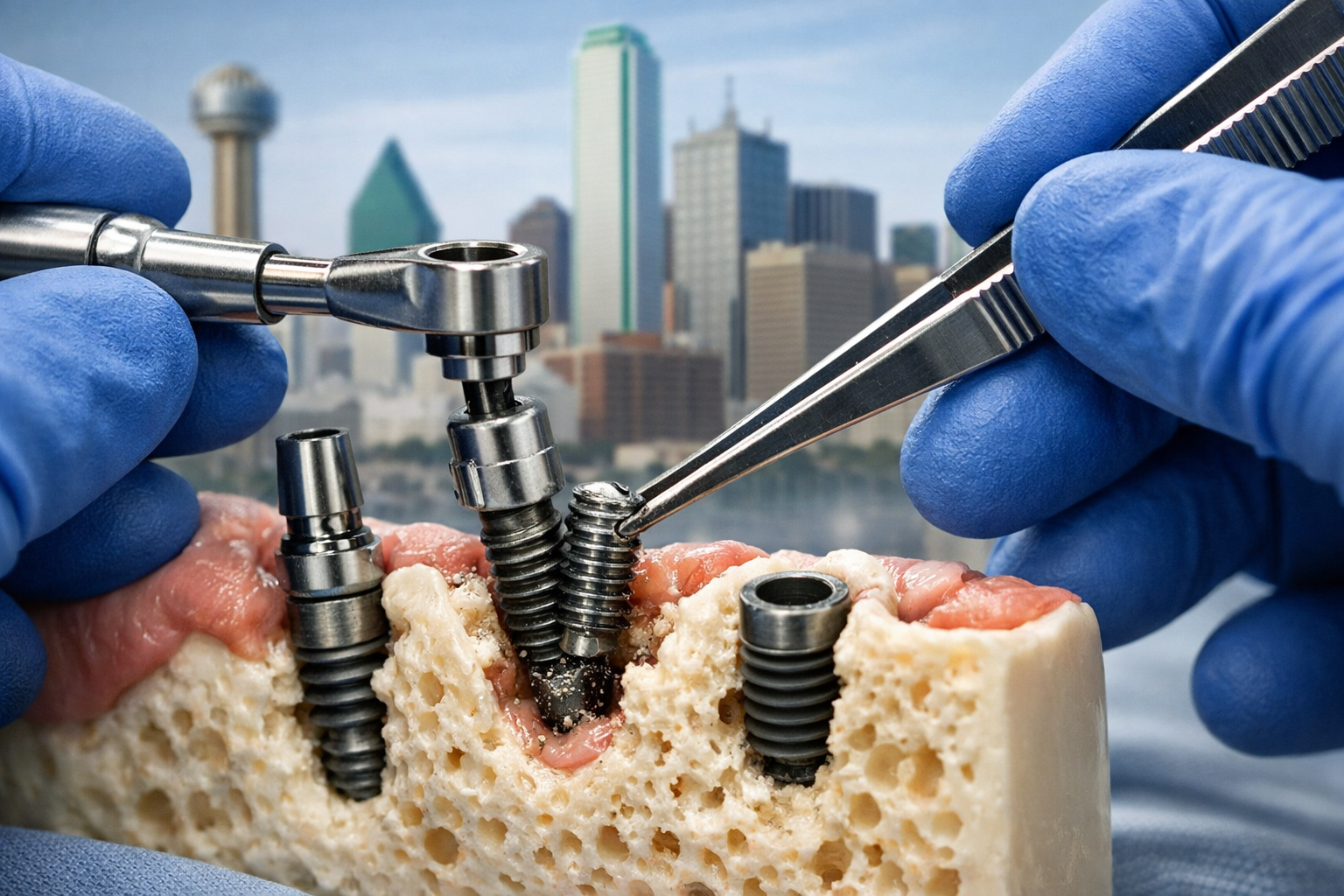
Dental implants are celebrated for their high success rates, often exceeding 95% over ten years [1]. However, in a small percentage of cases, complications can arise, necessitating a corrective procedure. When an initial implant fails to integrate properly or develops issues years after placement, revision dental implant surgery Dallas becomes a critical option. This procedure is distinct from the initial implant placement, requiring a different set of skills and a more intricate approach due to the existing anatomical alterations and potential pathology.
Common Causes of Dental Implant Failure
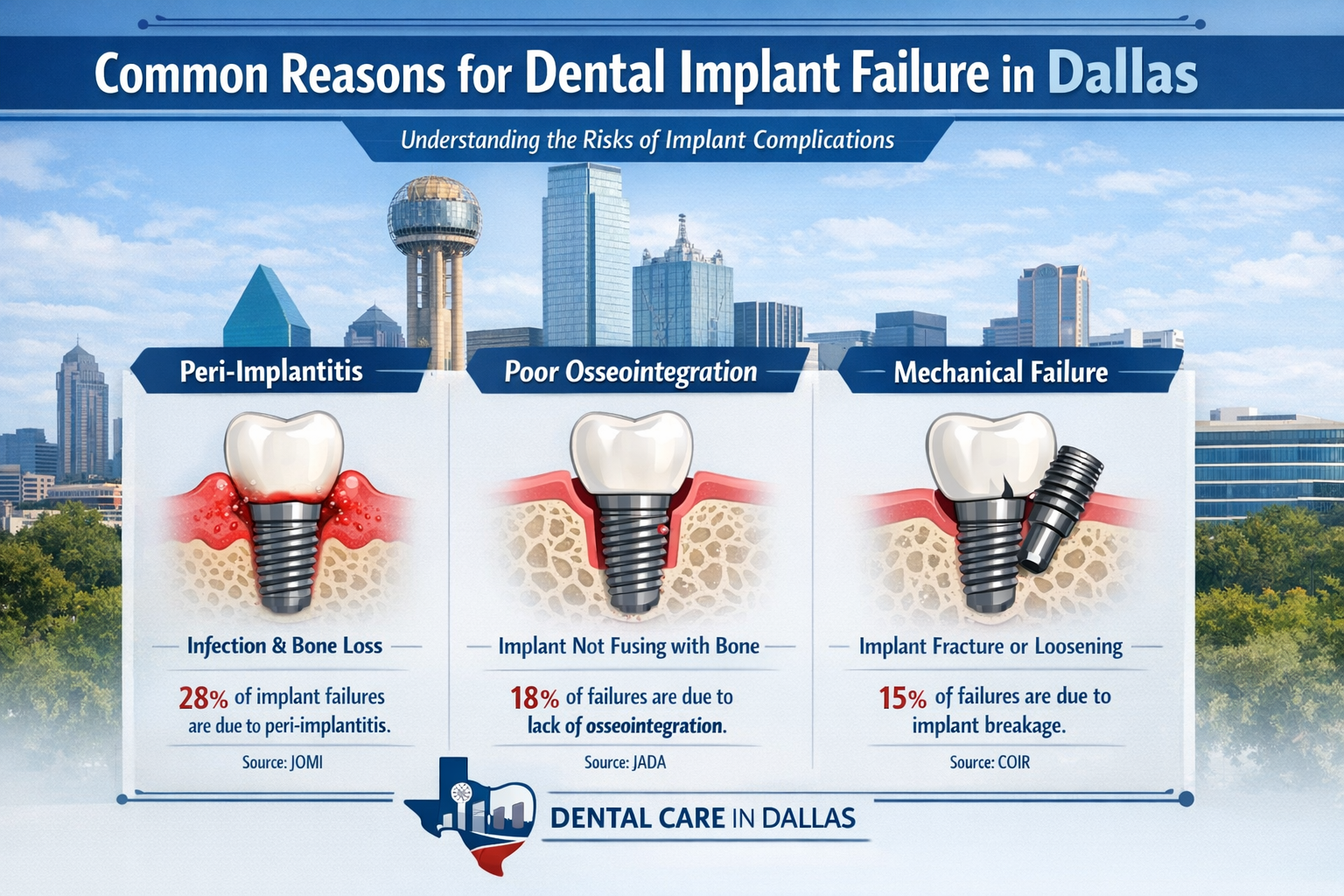
Several factors can contribute to the failure of a dental implant, leading to the need for revision surgery. Identifying the root cause is paramount for planning a successful corrective treatment.
- Peri-implantitis: This is an inflammatory condition affecting the soft and hard tissues surrounding an osseointegrated dental implant, leading to progressive bone loss. It’s akin to periodontal disease around natural teeth and can be caused by poor oral hygiene, smoking, certain systemic diseases (like uncontrolled diabetes), or cement excess from crowns [2]. If left untreated, peri-implantitis can lead to implant mobility and eventual loss.
- Inadequate Osseointegration: Osseointegration is the direct structural and functional connection between living bone and the surface of a load-carrying implant. If the implant fails to bond properly with the jawbone, it may become loose or fail. This can be due to poor bone quality or quantity at the initial site, excessive early loading, or infection during the healing phase.
- Biomechanical Complications:
- Improper Implant Placement: Incorrect angulation or positioning can lead to functional problems, aesthetic issues, or even damage to adjacent anatomical structures (like nerves or the maxillary sinus).
- Fractured Components: While implants are robust, crowns, abutments, or even the implant body itself can fracture due to excessive biting forces, design flaws, or material fatigue.
- Loose Abutments or Crowns: The components connecting the implant to the prosthetic tooth can loosen over time, leading to discomfort, food impaction, and potential damage to the implant.
- Nerve Impingement: In rare cases, especially in the lower jaw, an implant can be placed too close to the inferior alveolar nerve, causing pain, numbness, or tingling.
- Sinus Perforation/Communication: In the upper jaw, if an implant penetrates the maxillary sinus floor without proper bone grafting, it can lead to sinus issues or implant instability.
- Systemic Health Factors: Certain medical conditions, such as uncontrolled diabetes, autoimmune diseases, or bisphosphonate use, can compromise bone healing and increase the risk of implant failure. Smoking is also a significant risk factor.
Recognizing the Signs: When to Seek Expert Care
Knowing when to seek help for a problematic implant is crucial. While some discomfort is normal immediately after initial surgery, persistent or new symptoms warrant investigation.
Symptoms that may indicate a need for revision include:
- Persistent pain or discomfort around the implant site, especially after the initial healing period.
- Swelling, redness, or tenderness of the gums surrounding the implant.
- Pus or discharge from the gum tissue around the implant.
- Implant mobility or movement – a clear sign of significant failure.
- Difficulty chewing or biting with the implant-supported crown.
- Recession of gum tissue around the implant, exposing the metal.
- Changes in bite or feeling that the crown doesn’t fit properly.
- Numbness or tingling in the lip, chin, or tongue.
If any of these signs appear, consulting with a dental professional experienced in revision dental implant surgery Dallas is imperative. Early detection and intervention can often prevent more severe complications and improve the prognosis for a successful revision. You can learn more about general dental implant procedures and what to expect during recovery by visiting dental implants Dallas TX.
The Comprehensive Diagnostic Process for Revision Surgery
Before any surgical intervention, a meticulous and thorough diagnostic process is essential to understand the exact nature and extent of the implant failure. This step is even more critical in revision dental implant surgery Dallas than in initial implant placement, as it often involves identifying complex underlying issues.
Advanced Imaging: CBCT Scans and X-rays
The diagnostic journey typically begins with state-of-the-art imaging techniques.
- Cone Beam Computed Tomography (CBCT) Scans: CBCT is the gold standard for dental implant diagnostics. Unlike traditional 2D X-rays, a CBCT scan provides highly detailed, three-dimensional images of the jawbones, teeth, nerves, and surrounding anatomical structures. This allows the surgeon to:
- Precisely assess the amount and quality of available bone around the failing implant.
- Identify the exact location and extent of bone loss due to peri-implantitis or other factors.
- Visualize the proximity of vital structures (nerves, sinuses) to the existing implant.
- Detect any fractures in the implant components or surrounding bone.
- Plan the removal of the compromised implant and the placement of a new one with utmost precision.
- Evaluate the need for bone grafting or sinus lift procedures.
- Periapical and Panoramic X-rays: While 2D, these X-rays still offer valuable supplementary information, such as overall bone levels and the relationship between the implant and adjacent teeth. They are often used in conjunction with CBCT for a complete picture.
Clinical Examination and Medical History Review
Beyond imaging, a comprehensive clinical examination by a skilled oral surgeon or periodontist is vital. This involves:
- Visual Inspection: Checking for signs of inflammation, infection, gum recession, or aesthetic issues around the implant.
- Probing: Gently measuring the depth of gum pockets around the implant to assess for peri-implantitis.
- Mobility Testing: Carefully checking for any movement of the implant itself, which is a definitive sign of failure.
- Review of Medical and Dental History: A detailed discussion of the patient’s overall health, medications, habits (e.g., smoking), and previous dental treatments is crucial. This helps identify any systemic factors that might have contributed to the initial implant failure or could impact the success of revision surgery. This includes understanding if conditions like osteoporosis or diabetes played a role [3].
- Assessment of Bite and Occlusion: Examining how the upper and lower teeth meet, as occlusal overload can be a cause of implant complications.
Treatment Planning and Patient Consultation
Once all diagnostic information is gathered, the dental specialist will develop a personalized treatment plan for the revision dental implant surgery Dallas. This plan will detail:
- Implant Removal Strategy: How the existing implant will be safely and atraumatically removed.
- Bone Grafting Requirements: Whether bone augmentation is needed to rebuild the site for a new implant.
- Soft Tissue Management: Procedures to ensure healthy gum tissue around the new implant.
- Timing: The sequence and timeline for the different stages of revision surgery and new implant placement.
- Prosthetic Considerations: Planning for the new abutment and crown.
A detailed consultation with the patient follows, where the diagnosis, proposed treatment plan, alternatives, potential risks, and expected outcomes are thoroughly explained. This ensures the patient is fully informed and comfortable with the proposed course of action. For more information on what to expect during a dental implant consultation, visit dental implant consultation.
Advanced Surgical Techniques in Revision Dental Implant Surgery Dallas
Revision dental implant surgery Dallas often involves a more complex array of surgical techniques compared to initial implant placement. The primary goal is to remove the problematic implant, address any underlying pathology, restore the integrity of the bone and soft tissue, and create an optimal environment for a new, successful dental implant.
Implant Removal and Site Preparation
The first critical step is the atraumatic removal of the failed implant. This can be challenging if the implant has achieved some level of osseointegration, even if compromised.
- Non-Trephine Removal: Whenever possible, specialists aim to remove the implant without creating a large bone defect. This can involve specialized tools that engage the internal threads of the implant, allowing it to be unscrewed, or ultrasonic devices that gently loosen the implant from the surrounding bone.
- Trephine Removal: If the implant is severely integrated or fractured, a trephine drill may be used to carefully cut a small core of bone around the implant, removing it en bloc. While this creates a larger defect, it ensures complete removal.
- Debridement and Infection Control: After removal, the surgical site is meticulously cleaned to remove any infected or granulation tissue, ensuring a sterile environment for future healing.
Bone Grafting and Augmentation Procedures
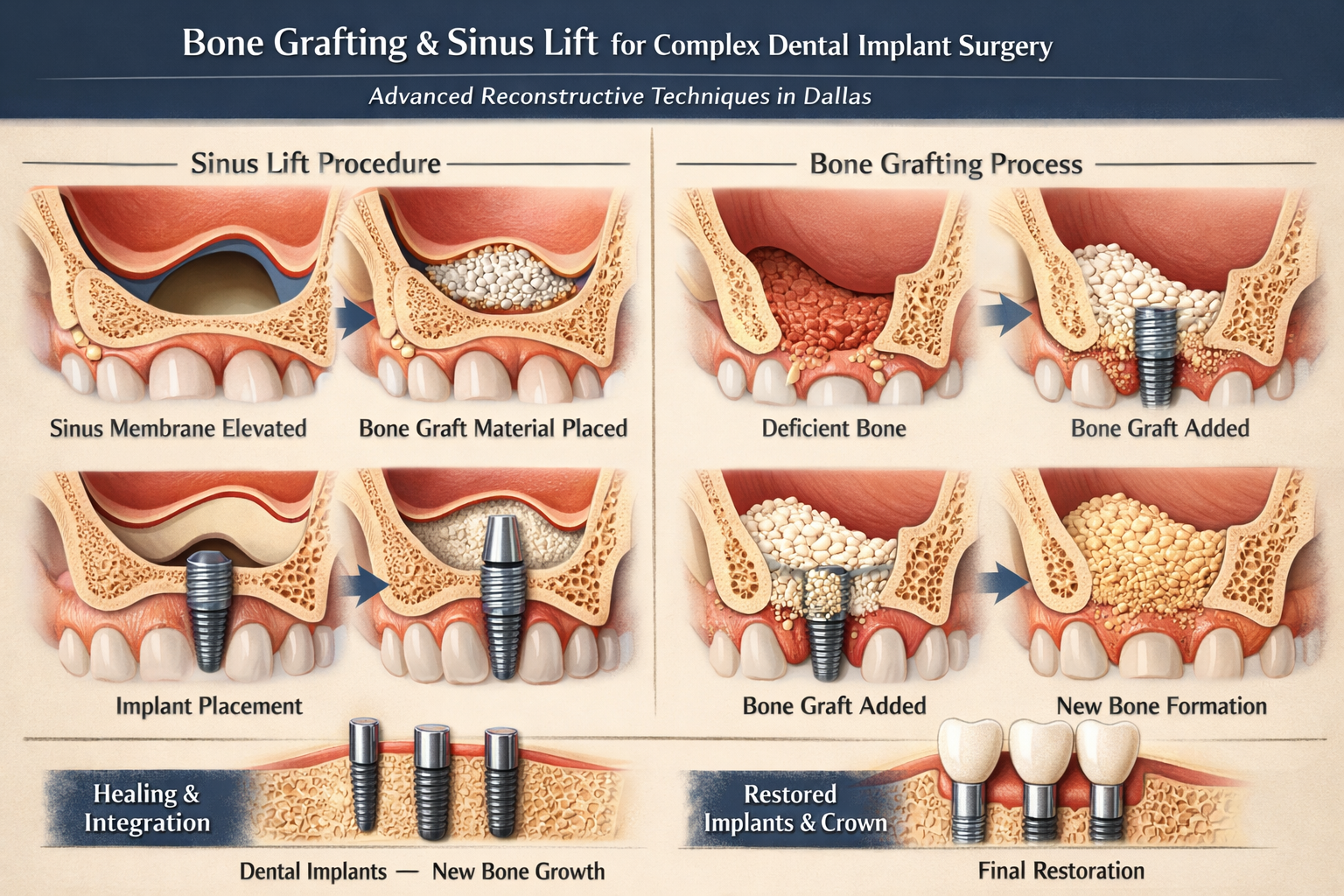
Often, the reason for implant failure or the process of removing a failing implant leads to significant bone loss. Bone grafting is frequently necessary to rebuild the alveolar ridge and provide sufficient volume and quality of bone for a new implant.
- Socket Preservation: If the implant is removed and a new one cannot be placed immediately, the socket can be grafted to preserve bone volume.
- Guided Bone Regeneration (GBR): This technique uses barrier membranes, often combined with bone graft materials, to encourage the body’s natural bone-forming cells to grow into the defect area, preventing soft tissue from occupying the space.
- Block Bone Grafts: For larger bone defects, a block of bone (either from the patient’s own body, human donor, or synthetic material) may be surgically placed and secured with small screws to rebuild the ridge.
- Sinus Lifts (Sinus Augmentation): If the upper jaw’s posterior region lacks sufficient bone height due to an enlarged sinus cavity, a sinus lift procedure is performed. This involves gently lifting the sinus membrane and placing bone graft material into the sinus floor to create new bone for implant placement [4]. You can learn more about specific bone grafting procedures by visiting bone grafts for dental implants.
Soft Tissue Management
Healthy gum tissue (gingiva) is just as important as healthy bone for long-term implant success and aesthetics.
- Connective Tissue Grafts: If gum recession or thin gum tissue is present around the revision site, a small piece of tissue from another area of the mouth (often the palate) can be transplanted to enhance the gum thickness and height around the new implant, improving protection and aesthetics.
- Free Gingival Grafts: Similar to connective tissue grafts, these are used to increase the zone of attached gingiva, which is critical for maintaining gum health around implants.
Precise New Implant Placement and Loading Protocols
Once the site is adequately prepared and healed (which can take several months after grafting), the new dental implant is meticulously placed.
- Computer-Guided Surgery: Many specialists in Dallas utilize computer-guided surgery based on CBCT scans to ensure the most precise placement of the new implant, optimizing its position, depth, and angulation for long-term success and prosthetic aesthetics.
- Staged vs. Immediate Placement: Depending on the clinical situation, the new implant may be placed immediately after the old one is removed (if bone and infection are favorable), or after a period of healing and bone regeneration (staged approach).
- Loading Protocols: The decision on when to attach a temporary or final crown (immediate, early, or conventional loading) depends on implant stability, bone quality, and overall treatment plan. This careful consideration minimizes stress on the healing implant.
These advanced techniques, combined with the expertise of a highly skilled surgical team, are crucial for achieving predictable and successful outcomes in revision dental implant surgery Dallas.
The Recovery and Prognosis for Revision Dental Implant Surgery Dallas
Undergoing revision dental implant surgery Dallas is a significant investment in your oral health, and understanding the recovery process and long-term prognosis is crucial for managing expectations and ensuring a successful outcome. While the initial recovery period can be similar to that of a first implant surgery, the overall timeline might be extended, especially if extensive bone grafting was required.
What to Expect During Recovery
The recovery period after revision dental implant surgery will vary depending on the complexity of the procedures performed.
- Initial Healing (1-2 weeks):
- Pain and Swelling: Manageable with prescribed pain medication and over-the-counter anti-inflammatories. Swelling typically peaks within 2-3 days and gradually subsides.
- Bleeding: Minor oozing is normal for the first 24-48 hours.
- Diet: A soft diet is essential to avoid stressing the surgical site. Examples of suitable foods can be found in a guide to soft foods after dental implant surgery.
- Oral Hygiene: Gentle cleaning around the surgical site, often with a prescribed antimicrobial mouthwash, is crucial to prevent infection. Avoid brushing directly on the wound.
- Activity Restrictions: Strenuous physical activity should be avoided to prevent increased bleeding and swelling.
- Osseointegration and Bone Graft Healing (3-9 months):
- This is the critical phase where the new implant integrates with the jawbone, and any bone grafts mature. This process is slower than initial implant healing due to the potentially compromised nature of the revised site.
- Regular follow-up appointments with your Dallas specialist will monitor healing progress.
- During this time, a temporary prosthetic might be worn if multiple teeth were involved, or the site may be left to heal without a prosthesis.
- Abutment Placement and Prosthetic Restoration:
- Once osseointegration is confirmed, a small connector called an abutment is placed on the implant (if not already done). This may require a minor surgical procedure. Learn more about abutment placement.
- After the gums heal around the abutment, impressions are taken to custom-fabricate your final crown, bridge, or denture.
- The final restoration is then securely attached, completing the treatment.
Factors Influencing Prognosis
The success rate for revision dental implant surgery Dallas can be very high, often comparable to initial implant placement, especially when performed by highly experienced specialists. Several factors influence the long-term prognosis:
- Reason for Initial Failure: The underlying cause of the first implant’s failure significantly impacts the revision’s success. Failures due to infection (peri-implantitis) might have a slightly lower success rate than those due to mechanical issues or improper initial placement, given the potential for residual bacterial load.
- Bone Quantity and Quality: Adequate bone volume and density are crucial for new implant stability. Successful bone grafting can significantly improve the prognosis for sites with prior bone loss.
- Surgeon’s Expertise: The skill and experience of the oral surgeon or periodontist performing the revision surgery are paramount. Specialists with extensive training in complex implantology and reconstructive procedures tend to achieve better outcomes.
- Patient Compliance: Adherence to post-operative instructions, meticulous oral hygiene, regular dental check-ups, and avoidance of risk factors like smoking are vital for preventing recurrence and ensuring long-term implant health.
- Overall Health: Systemic health conditions, particularly uncontrolled diabetes or certain immune disorders, can affect healing and increase the risk of complications, though well-managed conditions usually pose less risk.
With proper care and attention to these factors, patients undergoing revision dental implant surgery in Dallas can look forward to a restored smile and improved oral health for many years to come. Regular maintenance and commitment to oral hygiene, similar to caring for natural teeth, are key to the longevity of your new implant. For information on long-term care, see our guide on best dental implant aftercare products.
Choosing the Right Specialist for Revision Dental Implant Surgery Dallas
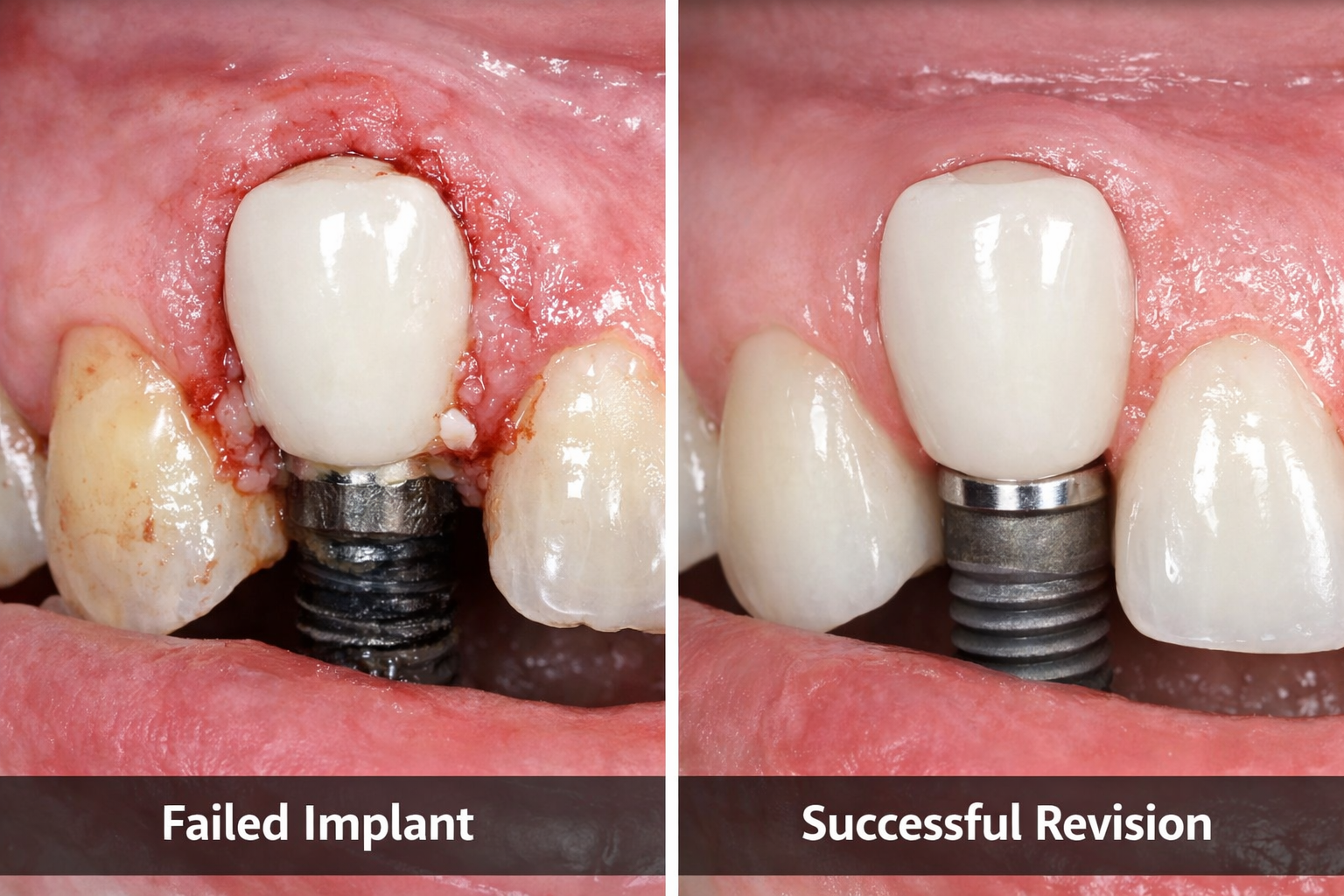
Opting for revision dental implant surgery Dallas is a decision that demands careful consideration, especially when selecting the right dental specialist. This complex procedure requires a higher level of expertise and experience than routine implant placements, making your choice of provider paramount to a successful outcome.
The Importance of Specialized Expertise
Not all dentists are equipped to perform complex revision surgeries. For such intricate cases, it is crucial to seek out specialists who possess advanced training and a deep understanding of reconstructive dental implantology.
- Oral and Maxillofacial Surgeons: These specialists are trained in a broad scope of oral and facial surgeries, including complex implant placement, bone grafting, and the management of various complications. Their expertise in anesthesia and surgical techniques makes them highly suitable for revision cases.
- Periodontists: As specialists in the prevention, diagnosis, and treatment of gum disease, periodontists are also experts in the placement of dental implants and the management of peri-implant diseases. Their focus on soft tissue and bone health around implants is invaluable for revision surgery.
Both types of specialists undergo extensive post-doctoral training beyond dental school, focusing on the intricacies of oral surgery, bone biology, and implant rehabilitation.
Key Factors in Selecting Your Dallas Specialist
When searching for a provider for your revision dental implant surgery Dallas, consider the following:
- Experience in Revision Surgery: Inquire specifically about their experience with revision cases, not just general implant placements. Ask about the number of such procedures they perform annually and their success rates.
- Advanced Diagnostic Tools: Ensure the practice utilizes state-of-the-art diagnostic equipment, such as CBCT scanners, for precise treatment planning.
- Comprehensive Treatment Approach: A good specialist will offer a full spectrum of services needed for revision, including implant removal, various bone grafting techniques (e.g., GBR, sinus lifts), and soft tissue management.
- Team Collaboration: Complex cases often benefit from a collaborative approach, where the surgeon works closely with your restorative dentist (who will place the final crown) to ensure an optimal aesthetic and functional outcome.
- Patient Testimonials and Before/After Cases: Review patient feedback and visual evidence of successful revision cases performed by the specialist. This can provide insight into their skill and patient satisfaction.
- Accreditation and Continuing Education: Verify their credentials, board certifications, and commitment to ongoing education in the latest implant technologies and surgical techniques. This ensures they are up-to-date with best practices in 2026.
- Comfort and Communication: Choose a specialist who makes you feel comfortable, listens to your concerns, and clearly explains the treatment plan, risks, and expected outcomes. Effective communication is key to a positive experience.
- Technology Integration: Modern practices often leverage digital workflows, including computer-guided implant surgery, which can enhance precision and predictability for complex revision cases.
Questions to Ask During Your Consultation
During your initial consultation for revision dental implant surgery Dallas, don’t hesitate to ask detailed questions:
- What caused my initial implant to fail?
- What is your recommended treatment plan for revision, and why?
- What are the potential risks and complications associated with this procedure?
- What is the estimated timeline for the entire revision process, including healing?
- What are the expected costs, and what financing options are available?
- How many revision cases like mine have you performed, and what are your success rates?
- What kind of follow-up care will be required?
By asking these questions and thoroughly vetting potential providers, you can make an informed decision and significantly increase the likelihood of a successful and lasting outcome for your revision dental implant surgery Dallas. Finding the right specialist is a critical step towards regaining your oral health and confidence. For more general information about dental implants, you can visit the main page for dental implants in Dallas.
Conclusion: Restoring Your Smile with Confidence in Dallas
Facing the need for revision dental implant surgery Dallas can feel daunting, particularly after investing time, effort, and resources into an initial dental implant. However, it’s crucial to understand that complications, while rare, do occur, and advancements in dental implantology offer highly effective solutions for such challenges in 2026. This comprehensive article has outlined the intricate process, from understanding the diverse causes of implant failure to the detailed diagnostic procedures, advanced surgical techniques, and the critical recovery phase involved in revision surgery.
The journey to restoring a compromised dental implant is a testament to the resilience of modern dentistry. It requires a meticulous approach, specialized skills, and a commitment to patient well-being. By choosing an experienced oral surgeon or periodontist in Dallas who is proficient in complex reconstructive implant procedures, you significantly enhance the likelihood of a successful outcome. These specialists utilize cutting-edge technology and advanced surgical methods – including precise implant removal, various bone grafting techniques, and careful soft tissue management – to prepare your oral environment for a stable, functional, and aesthetically pleasing new implant.
Remember, early detection of issues and prompt consultation with a qualified professional are key. Do not hesitate to seek expert advice if you experience any signs of implant failure, such as persistent pain, swelling, mobility, or gum recession. Your commitment to meticulous oral hygiene and adherence to post-operative instructions are equally vital in ensuring the long-term success of your revision.
In Dallas, you have access to top-tier dental professionals dedicated to helping you regain your oral health and confidence. By understanding the process and carefully selecting your care provider, you can look forward to a revitalized smile that lasts for years to come. Take the proactive step to consult with a specialist today and embark on the path to a healthier, happier you.
References
[1] American Academy of Implant Dentistry. (2023). Dental Implants: Success Rates and Lifespan.
[2] Klinge, B., Flemming, T. F., Listgarten, M., Nevins, M., Rylander, H., Sanz, M., & Wennström, J. L. (2016). The future of implant dentistry: a review of the risks and new challenges of implant diseases. Clinical Oral Implants Research, 27(10), 1259-1267.
[3] Moy, P. K., Medina, D., Shetty, V., & Aghaloo, T. (2005). Dental implant failure rates and associated risk factors. International Journal of Oral & Maxillofacial Implants, 20(4).
[4] Pjetursson, B. E., & Lang, N. P. (2014). Dental implant-supported fixed partial dentures. Periodontology 2000, 64(1), 173-193.
Dental Implant Failure Risk Assessor
This tool helps you understand potential risk factors for dental implant complications. It is for informational purposes only and not a substitute for professional medical advice.
Medical History & Lifestyle
Initial Implant Procedure Factors
Current Implant Symptoms
Your Estimated Risk Level
Select factors and click “Assess My Risk” to see your personalized summary.
Leave a Reply
Share your thoughts or ask a question about dental implants. Your email address will not be published.