

When facing issues with a dental implant, understanding how to restore dental implants is crucial for maintaining your oral health and smile. Dental implant restoration involves addressing problems with the implant’s components, such as the crown or abutment, or the surrounding soft and hard tissues, to ensure the implant continues to function effectively and aesthetically. This guide provides a detailed overview for Dallas residents considering dental implant repair or maintenance.
Key Takeaways
- Dental implant restoration addresses issues with the implant, abutment, or crown, or the surrounding bone and gum tissue.
- Common reasons for restoration include wear and tear, trauma, peri-implantitis, or issues with the prosthetic components.
- Early detection of problems through regular dental check-ups is vital for successful and less complex restoration.
- Restoration options range from simple crown replacement to more involved procedures like bone grafting or implant removal.
- The cost to restore dental implants in Dallas varies significantly based on the issue’s complexity and the required treatment.
- Maintaining excellent oral hygiene and attending routine dental visits are key to preventing the need for future restorations.
- A consultation with a qualified dentist in Dallas is the first step to accurately diagnose any issues and develop a personalized treatment plan.
What Does It Mean to Restore Dental Implants?
To restore dental implants means to repair or replace components of a dental implant system that have become damaged, worn, or problematic, ensuring the implant continues to provide a stable and functional foundation for a prosthetic tooth. This process typically involves addressing issues with the implant crown, abutment, or the underlying bone and gum tissue supporting the implant. The goal is to return the implant to optimal health and functionality, preserving your long-term oral health.
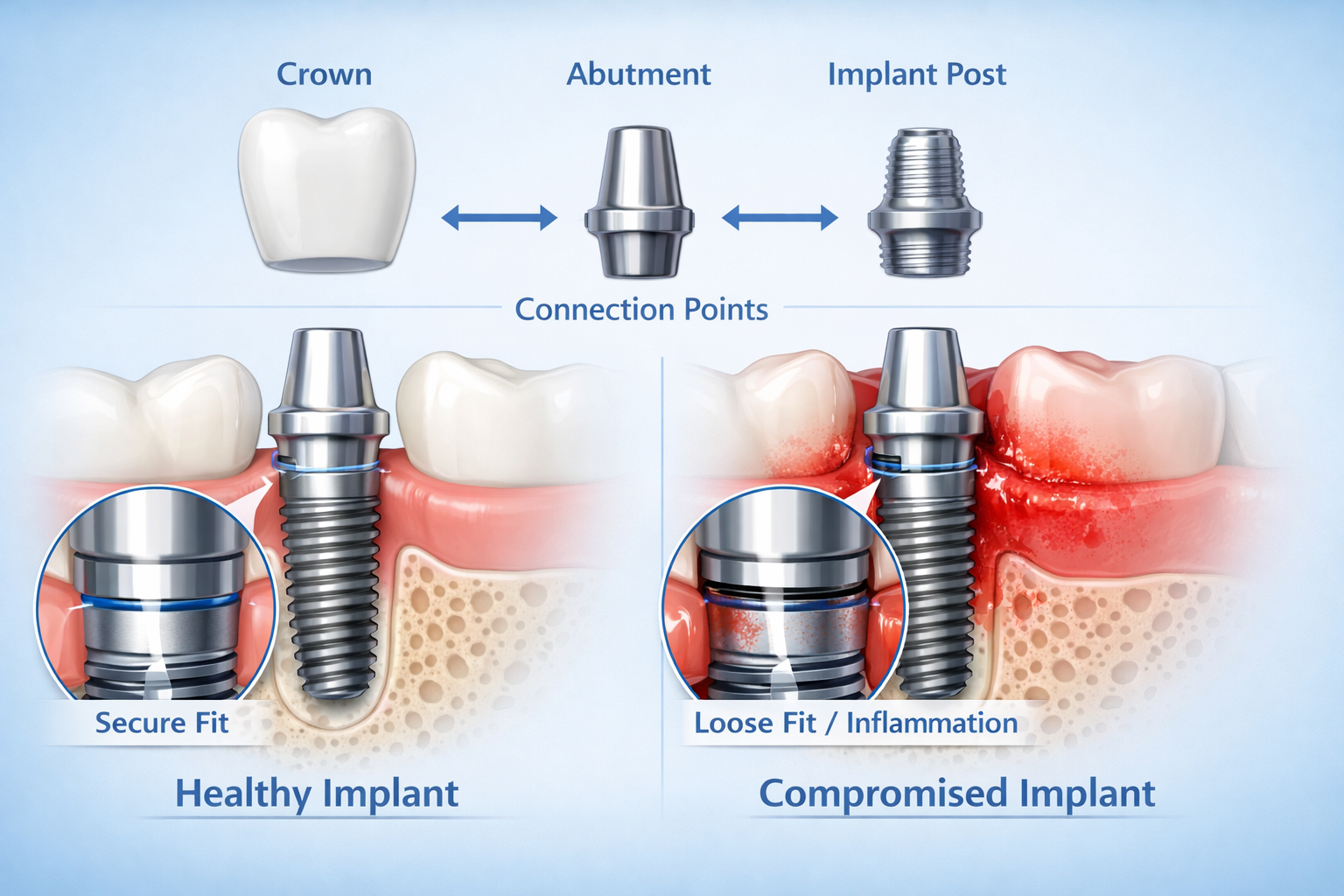
The dental implant system is composed of three main parts:
- The Implant Post: A titanium screw surgically placed into the jawbone, acting as an artificial tooth root.
- The Abutment: A connector piece that attaches to the implant post and extends above the gum line.
- The Crown (or Prosthesis): The visible artificial tooth, bridge, or denture that is secured to the abutment.
When we talk about restoring dental implants, it often refers to correcting problems in any of these components or the surrounding biological environment. For instance, a worn-out crown might simply need replacement, while an infection around the implant (peri-implantitis) could require more intensive intervention. Understanding these components is essential when discussing the nuances of how to restore dental implants.
Common Reasons You Might Need to Restore Dental Implants in Dallas
Several factors can lead to the need to restore dental implants, ranging from mechanical issues with the prosthetic components to biological complications affecting the implant itself. Recognizing these common problems early can lead to more straightforward and successful treatment outcomes.
Mechanical Complications
- Crown or Abutment Issues: The most frequent mechanical problems include loosening, chipping, or fracturing of the dental crown or the abutment that connects it to the implant. These issues can arise from regular chewing forces, trauma, or wear over time.
- Decision Rule: If a crown is merely loose, it might be re-tightened. If it’s chipped or fractured, a new custom-made crown is usually required.
- Screw Loosening or Fracture: The small screws holding the abutment to the implant, or the crown to the abutment, can sometimes loosen or even fracture. This can lead to instability of the prosthetic tooth.
- Edge Case: While less common, the implant post itself can fracture, typically due to extreme force or a manufacturing defect, necessitating implant removal.
Biological Complications
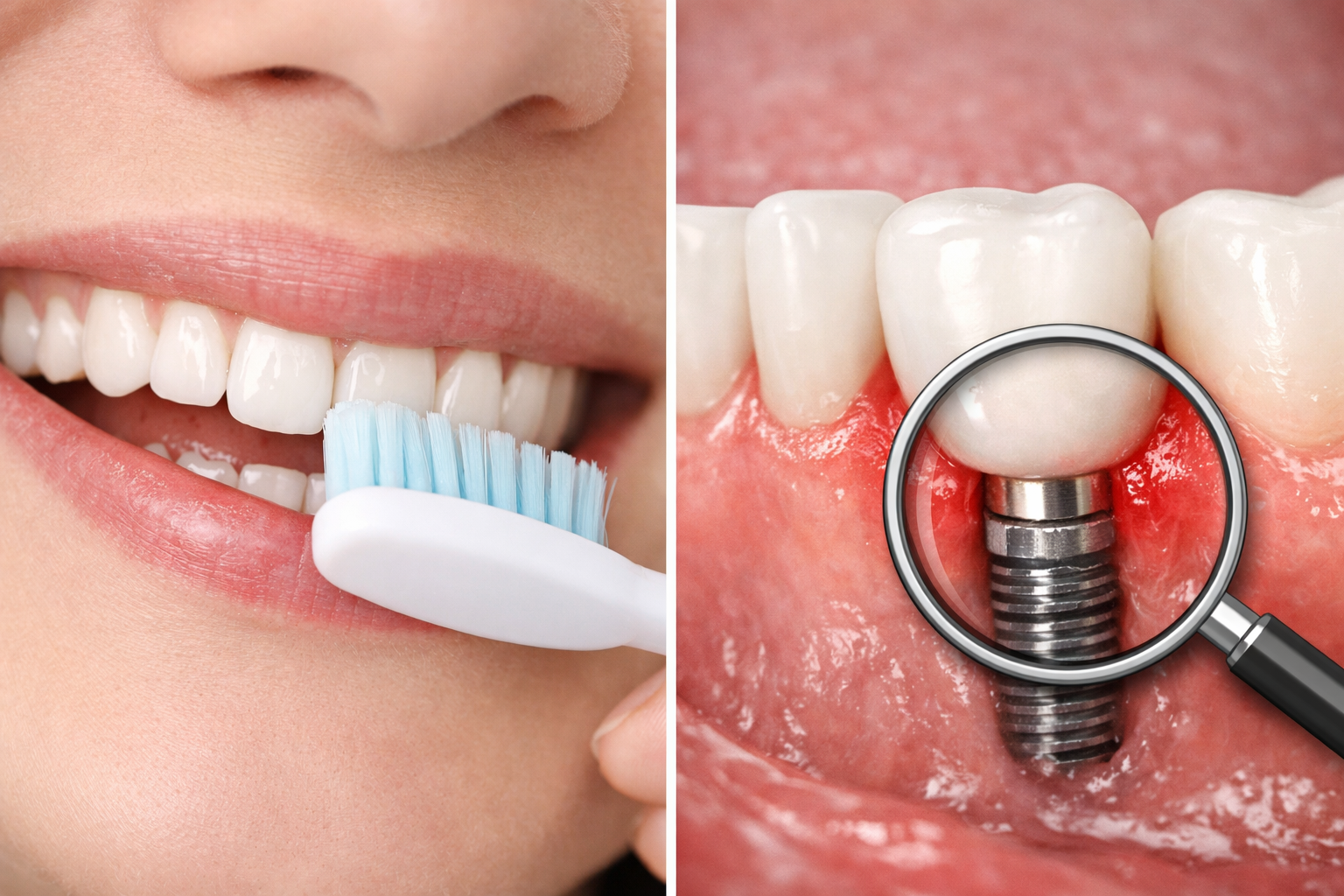
- Peri-Implantitis: This is an inflammatory condition affecting the soft and hard tissues surrounding a dental implant, similar to gum disease around natural teeth. It can lead to bone loss around the implant, potentially jeopardizing its stability. Factors contributing to peri-implantitis include poor oral hygiene, smoking, certain medical conditions, and excess cement from crown placement.
- Common Mistake: Ignoring early signs like bleeding gums around the implant can allow the condition to progress, making treatment more complex. Regular dental implant post-op care & maintenance costs in Dallas are crucial to prevent this.
- Soft Tissue Recession: Gum tissue around an implant can recede, exposing parts of the abutment or even the implant body. This can be an aesthetic concern and may also make the area harder to clean, increasing the risk of inflammation.
- Example: If a patient experiences significant gum recession exposing metal components, a soft tissue graft might be performed to cover the exposed areas and improve aesthetics.
Other Factors
- Trauma: A direct blow to the mouth can damage the implant crown, abutment, or even affect the implant post itself.
- Poor Oral Hygiene: Inadequate brushing and flossing can lead to plaque buildup, increasing the risk of peri-implantitis and other complications. This emphasizes the importance of understanding the link between oral health and dental implant success in Dallas.


The Process to Restore Dental Implants: What to Expect in Dallas
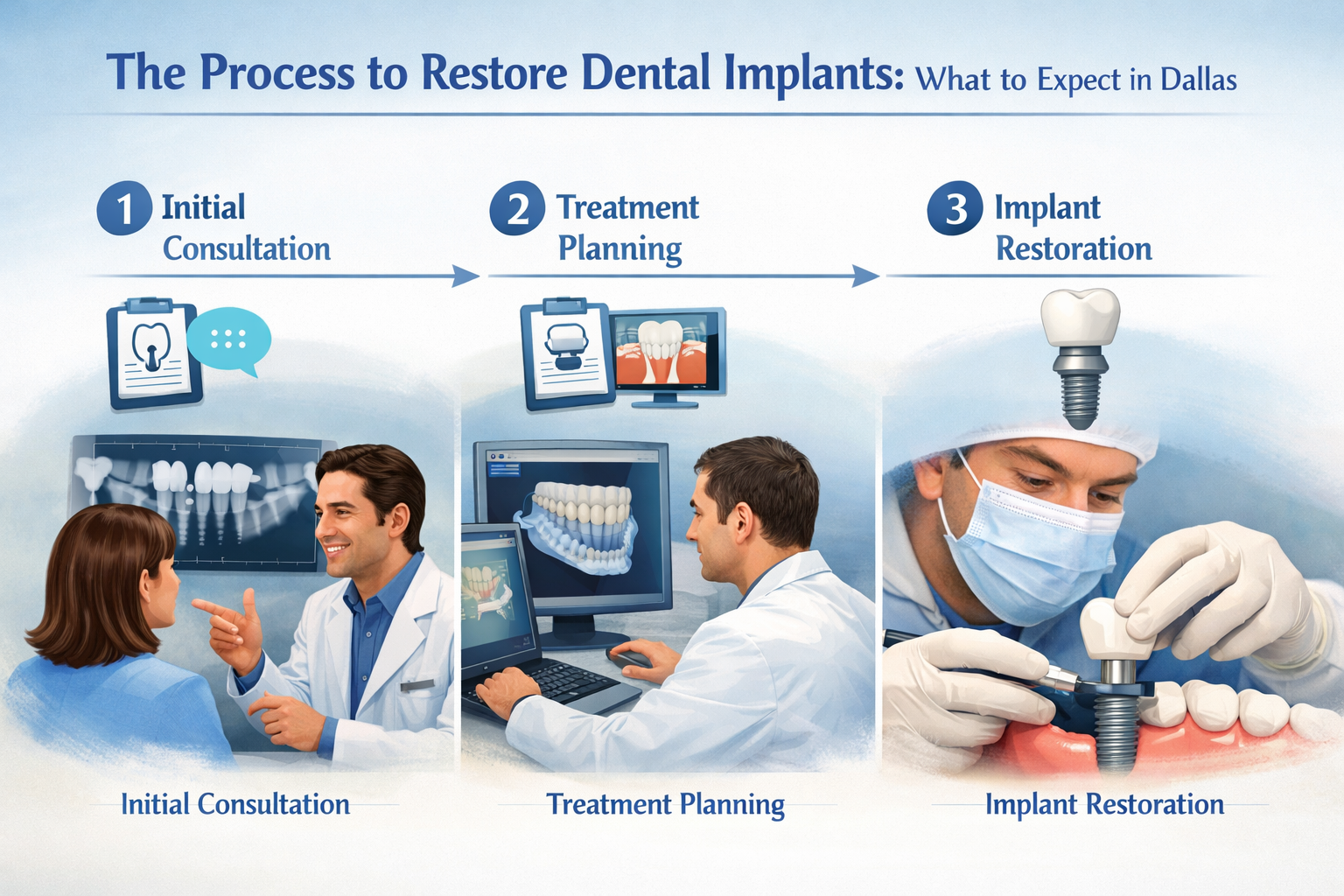
When you need to restore dental implants, the process begins with a thorough evaluation by a qualified dental professional, followed by a tailored treatment plan designed to address your specific issue. In Dallas, this typically involves a series of steps to ensure the best possible outcome.
Step 1: Comprehensive Examination and Diagnosis
The first step is a detailed assessment by your dentist. This will include:
- Clinical Examination: The dentist will visually inspect the implant, surrounding gums, and prosthetic components for signs of inflammation, recession, loosening, or damage.
- X-rays and 3D Imaging: Digital X-rays, and often a 3D Cone Beam CT scan, are essential to evaluate the bone level around the implant, detect any bone loss, assess the integrity of the implant post, and identify potential infections. This use of advanced technology underscores the importance of understanding the role of digital dentistry in dental implant success.
- Review of Medical History: Your dentist will review your health history to identify any systemic conditions or medications that might impact the implant’s health or treatment success.
Step 2: Treatment Planning
Based on the diagnosis, your dentist will develop a personalized treatment plan. This plan will outline the specific procedures needed to restore dental implants and discuss expected outcomes, timelines, and costs. Options can vary widely:
- Simple Prosthetic Repair: For a loose screw or a chipped crown, treatment might involve tightening the screw or replacing the damaged crown.
- Non-Surgical Management of Peri-Implantitis: Early stages of peri-implantitis might be treated with non-surgical methods such as deep cleaning, antibiotic therapy, and improved oral hygiene instructions.
- Surgical Interventions:
- Debridement and Detoxification: If peri-implantitis has progressed, surgical access may be needed to clean the implant surface thoroughly and remove infected tissue.
- Bone Grafting: If significant bone loss has occurred, a bone graft might be performed to regenerate bone around the implant, restoring its stability. For more on this, see Dental Implants and Bone Loss: Prevention, Solutions.
- Soft Tissue Grafting: To address gum recession and improve aesthetics or cleanability, gum grafting may be necessary.
- Implant Removal and Replacement: In severe cases where the implant is failing or significantly compromised, removal of the existing implant may be necessary. After a healing period, a new implant can often be placed.
Step 3: The Restoration Procedure
The actual procedure will depend on the agreed-upon treatment plan. Sedation options are often available for patient comfort, especially for more invasive procedures. Patients in Dallas can explore painless dental implant techniques Dallas TX to manage discomfort.
Step 4: Follow-up and Maintenance
After restoration, regular follow-up appointments are crucial to monitor healing and ensure the long-term success of the restored implant. Your dentist will provide specific instructions for at-home care and recommend a schedule for routine professional cleanings and examinations. This ongoing care is vital for preserving the longevity of your dental implants.
Cost Considerations for Restoring Dental Implants in Dallas
The cost to restore dental implants in Dallas can vary significantly depending on the nature and complexity of the problem, the required materials, and the specific procedures involved. It is essential to have a clear understanding of potential expenses before proceeding with treatment.
Factors Influencing Cost
- Type of Restoration:
- Minor Adjustments: Re-tightening a screw or minor crown repair might range from $100 to $300.
- Crown Replacement: A new implant crown can cost anywhere from $800 to $2,500, depending on the material (porcelain, zirconia, etc.) and lab fees.
- Abutment Replacement: If the abutment itself needs replacement, costs could range from $500 to $1,500.
- Peri-Implantitis Treatment: Non-surgical treatment can range from $200 to $800 per implant. Surgical interventions, especially those involving bone grafts, can range from $1,000 to $4,000 or more, depending on the extent of bone loss and the grafting materials used.
- Implant Removal and Replacement: This is the most extensive and costly option, potentially ranging from $2,500 to $6,000 per implant site, which includes removal, bone grafting if needed, and a new implant placement.
- Dental Professional’s Expertise: Highly experienced implantologists or periodontists in Dallas might have higher fees.
- Diagnostic Imaging: X-rays and 3D scans contribute to the overall cost.
- Sedation: If sedation is used during the procedure, it will add to the total cost.
Insurance and Financing
While dental implants are often considered elective by many insurance providers, some plans may offer partial coverage for certain restorative procedures, especially for the crown or for treating infections like peri-implantitis. It’s crucial to navigate PPO vs. HMO dental insurance for implants in Dallas and consult with your provider about specific benefits. Many dental offices in Dallas also offer dental implant financing options or payment plans to make treatment more accessible.
Preventing the Need to Restore Dental Implants
Prevention is always better than cure, and this holds especially true for dental implants. By adhering to a diligent oral hygiene routine and regular dental check-ups, you can significantly reduce the likelihood of needing to restore dental implants.
Essential Prevention Strategies
- Maintain Excellent Oral Hygiene: Brush your teeth and implants twice a day with a soft-bristled toothbrush. Use interdental brushes, water flossers, or specialized dental floss designed for implants to clean around the implant abutments effectively. Poor oral hygiene is a primary driver for issues like peri-implantitis.
- Regular Dental Check-ups and Cleanings: Schedule professional cleanings and examinations at least twice a year, or as recommended by your dentist. These visits allow your dental team to monitor your implant’s health, identify potential problems early, and perform specialized cleanings that remove plaque and calculus build-up around the implants.
- Avoid Harmful Habits:
- Smoking: Smoking significantly increases the risk of peri-implantitis and implant failure. Quitting smoking is one of the most impactful steps you can take for your implant’s longevity. Learn more about Dallas TX dental implants for smokers 2026.
- Bruxism (Teeth Grinding): Chronic teeth grinding or clenching can put excessive pressure on implants, leading to mechanical complications like loosened crowns or abutments. Your dentist might recommend a nightguard to protect your implants.
- Using Teeth as Tools: Avoid using your teeth to open packages, bite nails, or chew on ice, as these habits can damage implant crowns.
- Address Systemic Health Issues: Certain medical conditions, like uncontrolled diabetes, can affect implant health. Work with your physician to manage these conditions effectively. For more details, refer to Dental Implants for Diabetics in Dallas.
By committing to these preventive measures, you are not only protecting your investment but also ensuring the long-term success and stability of your dental implants. Remember, the goal is to enjoy your restored smile for many years to come, and proactive care is the best way to achieve this.
When to Seek Professional Consultation in Dallas
If you experience any unusual symptoms or changes related to your dental implants, it’s important to seek professional consultation promptly. Early intervention can often prevent minor issues from becoming major problems that require extensive and costly procedures to restore dental implants.
Consult your dentist in Dallas if you notice any of the following:
- Pain or Discomfort: Persistent pain, throbbing, or discomfort around the implant site.
- Swelling or Redness: Gums around the implant appear red, swollen, or tender to the touch.
- Bleeding Gums: Bleeding when brushing or flossing around the implant.
- Bad Taste or Odor: A persistent foul taste in your mouth or bad breath originating from the implant area.
- Loose Crown or Abutment: Your prosthetic tooth feels loose, wobbly, or separates from the implant.
- Exposed Implant: You can see parts of the metal implant post or abutment that were previously covered by gum tissue.
- Difficulty Chewing: Any new difficulty or pain when chewing on the implant side.
These signs could indicate an infection, mechanical issue, or other complication that requires professional evaluation. A consultation with a dentist will help accurately diagnose the problem and determine the most appropriate course of action to restore dental implants effectively.
Conclusion
Understanding how to restore dental implants is an essential part of maintaining your long-term oral health, especially for those with missing teeth solutions. While dental implants are known for their durability and longevity, like any restoration, they can occasionally require attention. From addressing minor issues with crowns and abutments to managing biological complications like peri-implantitis, a range of solutions exists to ensure your dental implants continue to provide a stable, functional, and aesthetic foundation for your smile.
The key to successful restoration, and indeed to preventing the need for it in the first place, lies in vigilant oral hygiene and regular professional dental care. For residents of Dallas seeking to understand or address concerns about their dental implants, consulting with a qualified local dentist is the best first step. They can provide an accurate diagnosis, explain your options, discuss the implant cost in Dallas for restoration, and guide you toward the most effective treatment plan to protect your investment in a healthy, confident smile for years to come.
FAQ
What are the most common problems that require dental implant restoration?
The most common problems requiring restoration include loose or fractured crowns/abutments, and peri-implantitis (inflammation and bone loss around the implant).
Can a dental implant that has failed be replaced?
Yes, in many cases, a failed dental implant can be removed, and after a healing period and potentially bone grafting, a new implant can be placed.
Is restoring a dental implant painful?
The level of pain depends on the procedure. Minor repairs are typically not painful, while surgical interventions may require local anesthesia or sedation, followed by some post-operative discomfort managed with medication.
How long does it take to restore a dental implant?
The timeline varies widely. Simple crown replacement can take a couple of appointments over a few weeks, while treating peri-implantitis or replacing an implant can take several months due to healing periods.
Will dental insurance cover the cost to restore dental implants?
Some dental insurance plans may offer partial coverage for certain restoration procedures, especially for crowns or treating infections. It’s best to check with your specific provider and dental office.
How can I prevent needing to restore dental implants?
Maintaining excellent oral hygiene, attending regular dental check-ups and cleanings, avoiding smoking, and addressing teeth grinding are crucial preventive measures.
What are the signs that my dental implant needs attention?
Signs include pain, swelling, redness, bleeding gums around the implant, a loose crown or abutment, bad taste, or visible exposure of the implant metal.
References
- American Academy of Implant Dentistry. (2023). Peri-Implantitis. Retrieved from https://www.aaid.com/dental_implant_information/peri-implantitis.html
- Misch, C. E. (2008). Contemporary Implant Dentistry. Mosby.
Leave a Reply
Share your thoughts or ask a question about dental implants. Your email address will not be published.