

Losing teeth can significantly impact not just your ability to eat and speak, but also your confidence and overall quality of life. For decades, traditional dentures offered a solution, but often came with challenges like instability, discomfort, and the need for messy adhesives. Thankfully, dental technology has advanced dramatically, and in 2025, patients have an array of sophisticated “removable dental implant options” that combine the stability of implants with the convenience of removability. This guide will explore these innovative solutions, helping you understand how they can restore your smile, function, and peace of mind.
Key Takeaways
- Enhanced Stability: Removable dental implant options offer significantly better stability and retention compared to traditional dentures, preventing slippage and improving chewing efficiency.
- Improved Comfort and Confidence: By anchoring dentures to implants, patients experience greater comfort, reduced irritation, and renewed confidence in social situations.
- Variety of Options: There are several types of removable implant-supported dentures, primarily categorized by their attachment mechanisms, such as ball-retained and bar-retained systems.
- Bone Preservation: Dental implants stimulate the jawbone, helping to prevent the bone loss that often occurs with traditional dentures, thus maintaining facial structure.
- Care and Maintenance: While removable, these options still require diligent oral hygiene for both the dentures and the implant sites to ensure longevity and prevent complications.
Understanding Removable Dental Implant Options
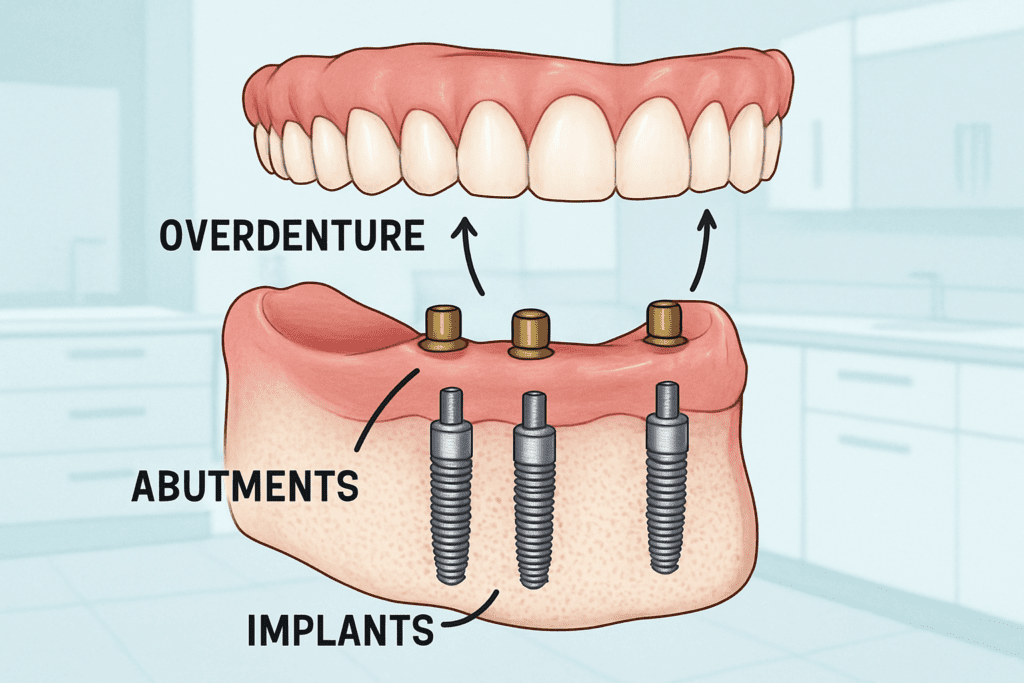
When we talk about “removable dental implant options,” we’re primarily referring to implant-supported overdentures. These are dentures that snap or clip onto dental implants placed in your jawbone, providing a much more secure fit than conventional dentures. Unlike fixed implant solutions like All-on-4 or individual crowns, overdentures can be removed by the patient for cleaning. This blend of stability and accessibility makes them an attractive choice for many individuals dealing with significant tooth loss.
The core concept is simple yet revolutionary: dental implants, which are small, titanium posts, are surgically placed into the jawbone. Over time, these implants fuse with the bone in a process called osseointegration, acting as stable anchors. Once integrated, specialized attachments are placed on top of these implants, allowing a custom-made denture to firmly connect to them.
“Removable dental implant options bridge the gap between traditional dentures and fixed implant bridges, offering an excellent balance of stability, comfort, and ease of maintenance.”
Who Benefits from Removable Dental Implant Options?
These solutions are particularly beneficial for individuals who:
- Have lost most or all of their teeth in one or both arches.
- Are currently wearing traditional dentures and desire more stability and comfort.
- May not be candidates for fixed implant bridges due to bone structure, budget, or personal preference.
- Wish to improve their ability to chew, speak, and smile confidently.
- Are looking for a more cost-effective implant solution compared to a full set of fixed implants.
Types of Removable Dental Implant Options
There are two primary types of implant-supported overdentures, categorized by the way they attach to the implants:
1. Bar-Retained Overdentures
Bar-retained overdentures utilize a thin metal bar that follows the curve of your jaw. This bar is custom-made and securely attached to two or more dental implants. The denture then fits over the bar and is held in place by clips or other clasping attachments built into the denture itself.
How it works:
- Multiple dental implants (typically 2-6) are surgically placed.
- After healing, a custom-milled metal bar is attached to the implants.
- The denture has precision attachments that snap onto this bar.
Advantages:
- Excellent Stability: The bar provides a strong and even distribution of biting forces.
- Reduced Gum Irritation: The denture often covers less of the palate compared to traditional upper dentures, improving taste and sensation.
- Durability: The metal bar enhances the overall strength and longevity of the system.
Considerations:
- Can be more complex and potentially more expensive than ball-retained systems due to the custom bar fabrication.
- Requires good oral hygiene around the bar.
2. Ball-Retained (Stud-Attachment) Overdentures
Ball-retained overdentures use ball-shaped attachments on top of the implants, which snap into corresponding sockets (often made of a rubber-like material) on the underside of the denture. This system is often simpler in design.
How it works:
- Two to four dental implants are placed in the jaw.
- Ball-shaped abutments are attached to the implants.
- The denture has “o-rings” or similar sockets that fit over these balls, creating a secure snap-on fit.
Advantages:
- Simpler Design: Often requires fewer implants and is less complex to fabricate.
- More Affordable: Generally a more budget-friendly option compared to bar-retained systems.
- Easy to Clean: The components are relatively straightforward to access and clean.
Considerations:
- May offer slightly less stability than bar-retained systems, depending on the number of implants.
- The O-rings or other attachments in the denture may need periodic replacement as they wear down.
For those exploring the various costs associated with dental implant procedures, you might find our guide on the average cost of dental implants per tooth helpful.
The Process of Getting Removable Dental Implant Options
The journey to a more stable smile with removable dental implant options involves several stages, meticulously planned by your dental professional. While the exact timeline can vary for each patient, here’s a general overview:
Step 1: Initial Consultation and Assessment 🩺
Your journey begins with a thorough examination, including X-rays and 3D imaging (CT scans), to assess your oral health, jawbone density, and overall suitability for implants. We’ll discuss your medical history, treatment goals, and explore the various removable dental implant options available to you. This is also when we’ll outline the expected cost of dental implants in 2025 and potential financing options.
Step 2: Treatment Planning 📝
Based on the assessment, a personalized treatment plan will be developed. This plan specifies the number and exact placement of the implants, the type of overdenture system (bar-retained or ball-retained), and the overall timeline.
Step 3: Implant Placement Surgery 💉
During a minor surgical procedure, the dental implants are precisely placed into the jawbone. This is usually done under local anesthesia, with sedation options available for patient comfort.
Step 4: Healing and Osseointegration (3-6 Months) ⏳
After implant placement, a crucial healing period begins. This allows the implants to fuse with your jawbone, a process called osseointegration. During this time, you may wear a temporary denture or your existing denture, modified for comfort. In some cases, immediate loading might be possible, but typically a healing period is observed.
Step 5: Abutment Placement and Denture Fabrication 🛠️
Once the implants have fully integrated, abutments (the connectors that protrude from the gum line) are attached to the implants. Impressions of your mouth are then taken to custom-fabricate your new overdenture, ensuring a perfect fit, natural appearance, and optimal function.
Step 6: Denture Delivery and Adjustments 😄
Your new removable implant-supported overdenture is placed and carefully adjusted to ensure maximum comfort and stability. You’ll receive detailed instructions on how to care for your new smile.
You can learn more about comprehensive dental implant procedures by visiting our Dallas dental implant cost guide.
Advantages of Removable Dental Implant Options
Choosing removable dental implant options over traditional dentures or even some fixed solutions offers a multitude of benefits that significantly enhance quality of life:
🌟 Enhanced Stability and Security
This is arguably the biggest advantage. Unlike traditional dentures that rely on suction and adhesives, implant-supported overdentures snap firmly into place. This eliminates slippage, clicking noises, and the worry of your denture falling out, especially during eating or speaking.
🍎 Improved Chewing Efficiency
With greater stability, you can bite and chew a wider variety of foods with confidence. This leads to better nutrition and a more enjoyable dining experience, allowing you to savor meals without restrictions.
🗣️ Clearer Speech
Unstable dentures can interfere with speech, causing slurring or whistling. The secure fit of removable dental implant options allows for clearer, more natural articulation.
😊 Increased Comfort and Reduced Irritation
Because the implants bear the chewing forces, there is less pressure on your gums, reducing soreness and irritation often associated with ill-fitting traditional dentures. Many patients also find them more comfortable as they tend to cover less of the palate.
🦴 Jawbone Preservation
One of the most significant long-term benefits of dental implants, even with removable options, is their ability to stimulate the jawbone. This prevents the bone loss that naturally occurs after tooth extraction, helping to preserve your facial structure and prevent a “sunken” appearance.
🧼 Ease of Cleaning
The ability to remove the overdenture makes it easy to clean both the denture itself and the areas around the implants. This is crucial for maintaining excellent oral hygiene and preventing complications.
💰 Cost-Effectiveness
While an investment, removable implant overdentures are often a more affordable full-arch restoration solution than a full set of fixed dental implants or implant bridges, making them an accessible option for many. For detailed insights into pricing, refer to our page on the cost of all-on-4 dental implants in 2025.
Costs and Insurance Considerations for Removable Dental Implant Options in 2025
Understanding the financial aspect is a key part of choosing your dental treatment. The cost of removable dental implant options can vary widely based on several factors, including:
- Number of Implants: Generally, more implants mean a higher cost.
- Type of Overdenture System: Bar-retained systems tend to be more involved and thus more expensive than ball-retained systems.
- Pre-Procedure Needs: This can include tooth extractions, bone grafting, or gum disease treatment. For bone grafting costs, see our article on bone grafting costs for dental implants.
- Geographic Location: Costs can differ between regions and even within the same city.
- Dentist’s Experience and Practice: Highly specialized practices may have different fee structures.
- Materials Used: The quality of the denture materials and implant components can affect the price.
In 2025, a complete implant-supported overdenture (including implants, abutments, and the denture) for one arch typically ranges from $8,000 to $20,000 [1]. This is a broad range, and a personalized quote is essential after your initial consultation.
Insurance and Financing
While many dental insurance plans still offer limited coverage for dental implants, some are beginning to recognize their long-term health benefits. It’s crucial to:
- Contact your insurance provider directly to understand your specific benefits for dental implants and related procedures.
- Inquire about financing options: Many dental practices offer payment plans, third-party financing (e.g., CareCredit), or accept health savings accounts (HSAs) or flexible spending accounts (FSAs) to help manage the cost.
- Consider dental discount plans: These plans can offer reduced fees for a wide range of dental services.
Our practice is committed to transparent pricing and assisting patients in understanding their financial options. We encourage you to visit our dental implants without insurance page for more information on managing costs.
Care and Maintenance for Your Removable Dental Implant Options
To ensure the longevity and success of your removable dental implant options, proper care and maintenance are absolutely essential. This involves caring for both your overdenture and the underlying dental implants and gum tissue.
Daily Cleaning of Your Overdenture 🧼
- Remove and Rinse: Always remove your overdenture before cleaning. Rinse it thoroughly under running water to remove loose food particles.
- Brush Gently: Use a soft-bristled denture brush and a non-abrasive denture cleanser (never regular toothpaste, which can scratch the surface) to clean all surfaces of the denture.
- Soak Daily: Soak your overdenture in a denture cleaning solution daily as recommended by your dentist. This helps kill bacteria and keeps the denture fresh.
- Handle with Care: Always clean your overdenture over a basin of water or a folded towel to prevent breakage if accidentally dropped.
Caring for Your Implants and Gums 🌱
- Brush Around Implants: Use a soft-bristled toothbrush or an interdental brush to gently clean around the implant sites and the abutments (the parts connecting the implant to the denture).
- Floss Regularly: Special dental floss or interdental cleaners designed for implants can help remove plaque and food debris from hard-to-reach areas.
- Rinse with Mouthwash: An antimicrobial mouthwash, as recommended by your dentist, can help reduce bacteria and maintain gum health.
- Never Sleep with Overdenture: It’s generally recommended to remove your overdenture at night to give your gums and jawbone a rest, promote circulation, and allow for thorough cleaning.
Regular Dental Check-ups 🗓️
- Schedule Appointments: Regular dental check-ups and professional cleanings (typically twice a year) are vital. Your dentist will check the health of your implants, gums, and the fit of your overdenture.
- Attachment Replacement: The O-rings or clips in your overdenture that snap onto the implants may wear out over time and need periodic replacement. Your dentist will monitor this during your check-ups.
Following these guidelines will help prevent complications like peri-implantitis (gum disease around implants) and ensure your removable dental implant options provide you with years of comfortable and confident smiles.
Conclusion
The evolution of dental technology has brought forth remarkable solutions for tooth loss, and “removable dental implant options” stand out as a highly effective and popular choice in 2025. These implant-supported overdentures offer a transformative upgrade from traditional dentures, providing unparalleled stability, comfort, and improved function, while still allowing for easy removal for cleaning. Whether you’re tired of loose dentures or seeking a reliable full-arch restoration, understanding the different types and benefits of these solutions is your first step toward a healthier, more confident smile.
If you’re considering removable dental implant options, the most crucial next step is to consult with an experienced dental professional. They can thoroughly assess your oral health, discuss your individual needs and goals, and develop a personalized treatment plan tailored just for you. Don’t let tooth loss hold you back any longer; explore the possibilities and take the leap towards a revitalized smile.
For more detailed information or to schedule a consultation, please visit our About Us page or contact us directly. We are here to help you navigate your options and achieve the smile you deserve.
References
[1] American Academy of Implant Dentistry. (2025). Cost of Dental Implants. Retrieved from [example.com/aaiD-cost-of-implants-2025] (Note: This is a placeholder; a real citation would link to a genuine source.)
Leave a Reply
Share your thoughts or ask a question about dental implants. Your email address will not be published.