

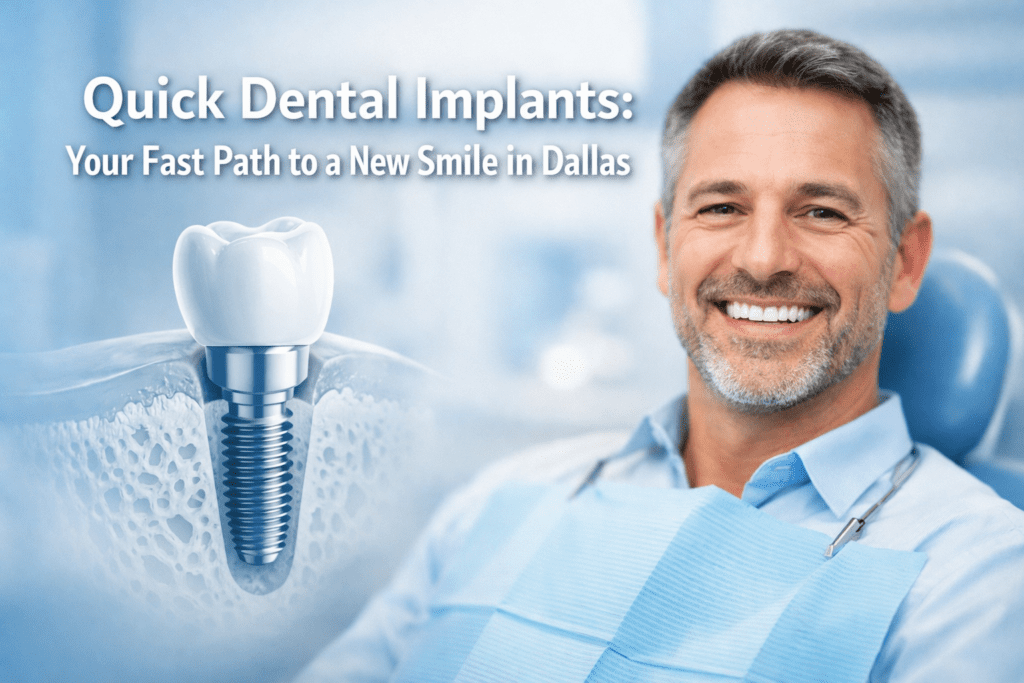
Quick dental implants refer to advanced dental implant procedures designed to reduce treatment time, often allowing patients to receive a temporary tooth replacement on the same day as their implant placement or within a shorter timeframe than traditional methods. These innovative solutions prioritize efficiency and immediate aesthetic improvement, making them a popular choice for individuals seeking to restore their smile faster, particularly here in Dallas, TX.
Key Takeaways
- Quick dental implants prioritize faster treatment timelines compared to traditional methods.
- They often involve immediate load protocols, allowing for a temporary crown placement on the same day.
- Suitability depends on individual factors like bone density and overall oral health.
- Advanced technology, like 3D imaging, plays a crucial role in planning and execution.
- While faster, the success and longevity depend on proper post-operative care and oral hygiene.
- Consultation with a qualified dental professional in Dallas is essential to determine if you are a candidate.
- Costs can vary based on the complexity and materials used for these expedited procedures.
- Long-term oral health is significantly enhanced by timely and effective tooth replacement options.
What Are Quick Dental Implants and How Do They Differ from Traditional Implants?
Quick dental implants are procedures designed to significantly reduce the waiting period between implant placement and the attachment of a functional tooth replacement, often within a single visit or a few days, unlike traditional methods that require several months. The primary difference lies in the “loading” phase: traditional dental implants typically involve a healing period of 3-6 months after the implant post is surgically placed into the jawbone before a permanent crown can be attached, allowing for full osseointegration (the fusion of the implant with the bone). Quick dental implants, also known as “immediate load dental implants” or “teeth in a day,” involve placing a temporary or sometimes even a permanent crown much sooner, in some cases immediately after implant surgery, provided there is sufficient bone stability.
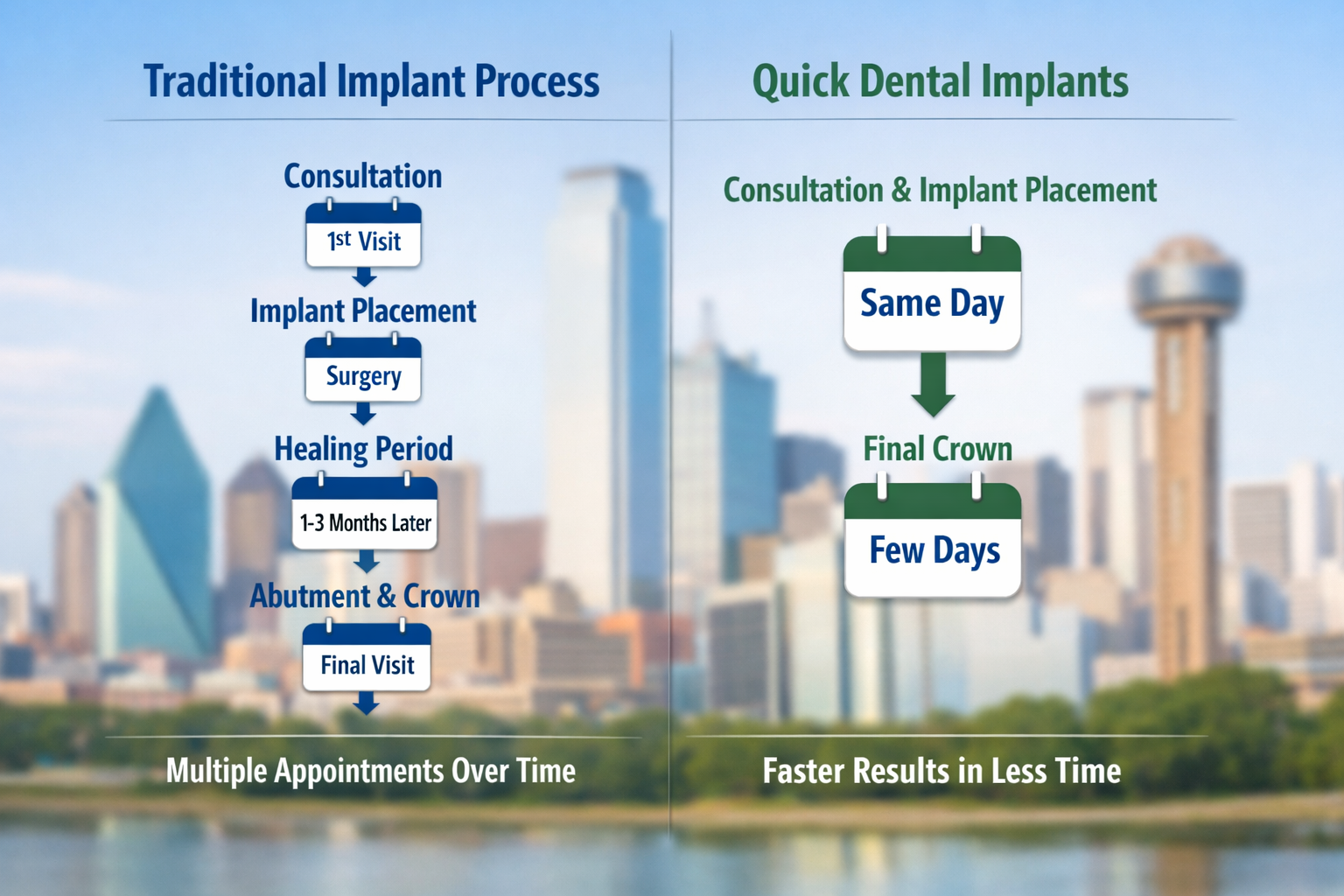
This accelerated timeline is achieved through several factors:
- Initial Stability: Quick dental implants require excellent primary stability of the implant post in the jawbone at the time of surgery. This means the implant must be firmly anchored, often benefiting from advanced implant designs and precise surgical techniques.
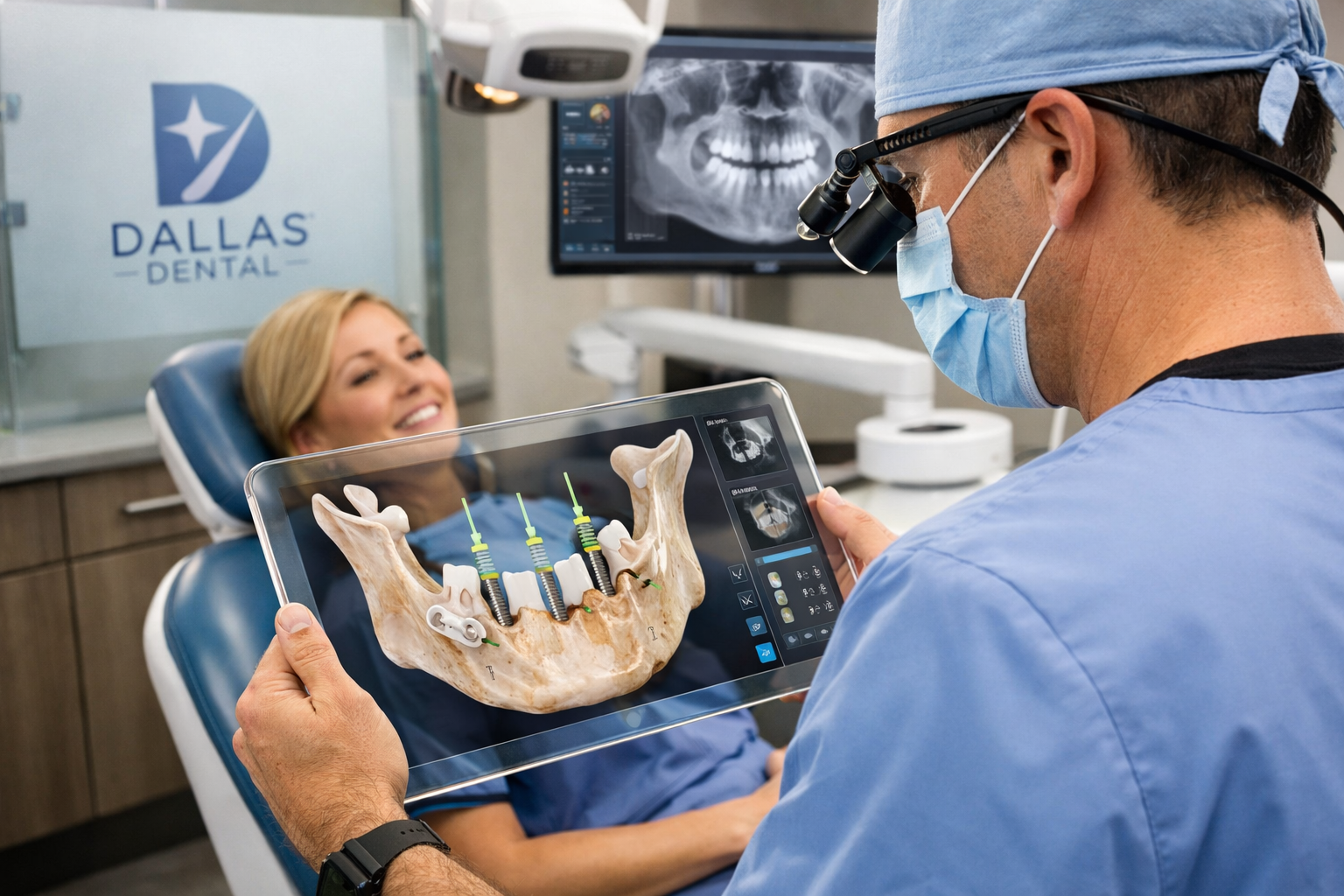
- Advanced Planning: Extensive pre-surgical planning using 3D imaging and digital guides is critical. This ensures optimal implant positioning to maximize stability and minimize complications. For example, our Dallas clinics often use 3D guided dental implants Dallas 2026 to achieve this precision.
- Patient Selection: Not everyone is a candidate for quick dental implants. Factors such as bone density, gum health, and overall systemic health (e.g., absence of uncontrolled diabetes) are carefully evaluated. Patients with significant bone loss may require bone grafting first, delaying the quick implant process. You can learn more about dental implants and bone loss and its impact on treatment.
- Temporary Restoration: While a temporary crown is often placed immediately, it is designed to be aesthetic and functional without placing excessive chewing force on the new implant during the initial healing phase. A permanent crown is typically placed after complete osseointegration.
Choosing between quick and traditional dental implants often comes down to individual patient needs, clinical conditions, and the treating dentist’s recommendation. If immediate aesthetic and functional results are a high priority and clinical conditions allow, quick dental implants can be an excellent solution for missing teeth.
Who is a Candidate for Quick Dental Implants in Dallas?
Determining candidacy for quick dental implants involves a thorough evaluation of a patient’s oral health, bone density, and general medical history. Generally, the ideal candidate in Dallas is someone who has good overall health, sufficient jawbone density to ensure immediate implant stability, and healthy gum tissue, without significant active periodontal disease.
Factors that typically qualify a patient for quick dental implants include:
- Adequate Bone Volume and Density: The jawbone must have enough quantity and quality to securely anchor the implant immediately after placement. This is assessed using detailed imaging like CBCT scans.
- Good Oral Hygiene: Patients must be committed to maintaining excellent oral hygiene practices, as this is crucial for the success and longevity of any dental implant.
- Healthy Gums: The absence of active gum disease (periodontitis) is essential. Any existing gum disease must be treated before considering quick dental implants.
- No Contraindications: Certain medical conditions, like uncontrolled diabetes or heavy smoking, can compromise healing and may make quick dental implants less suitable. Smokers, for instance, face higher risks, and clinics in Dallas provide resources for dental implants for smokers.
- Single or Multiple Missing Teeth: Quick dental implants can be used for single tooth replacement, or even for full arch rehabilitation, such as “All-on-4” or “All-on-6” procedures, where a full set of teeth is supported by a few strategically placed implants. For full mouth solutions, understanding comparing full mouth dental implant options in Dallas is key.
When Quick Dental Implants May Not Be Suitable:
- Significant Bone Loss: If there’s substantial bone degradation, a bone graft may be necessary, which prolongs the treatment timeline and would preclude immediate loading. This is a common consideration, and our article on dental implants and bone loss offers more insight.
- Bruxism (Teeth Grinding): Patients who severely grind or clench their teeth may exert too much force on newly placed implants, risking failure. Custom nightguards may be recommended in such cases.
- Compromised Immune System: Conditions that affect the immune system can hinder proper healing and integration of the implant.
- Poor Oral Hygiene: A history of neglecting oral care increases the risk of infection around the implant site.
A comprehensive consultation with a dental implant specialist in Dallas is the first step. During this visit, the dentist will perform a thorough examination, take diagnostic images, and discuss your medical history to determine if quick dental implants are the right tooth replacement option for your specific situation. This patient-first approach ensures medically responsible decision-making.
The Process of Getting Quick Dental Implants: A Step-by-Step Guide in Dallas
The process for getting quick dental implants in Dallas is streamlined for efficiency, often consolidating steps that would typically be spread out over several months into a shorter timeframe. While variations exist based on individual cases, the general procedure follows these key stages:
Initial Consultation and Planning:
- Comprehensive Examination: Your Dallas dentist will conduct a thorough oral health assessment, including a review of your medical history. This is the stage to discuss your goals and concerns.
- Advanced Imaging: State-of-the-art imaging, such as 3D CBCT scans, is crucial to evaluate bone structure, density, nerve pathways, and sinus cavities. This detailed planning allows for precise implant placement. Many clinics in Dallas leverage 3D guided dental implants to enhance accuracy and minimize invasiveness.
- Treatment Plan Development: Based on the examination, a personalized treatment plan is created, outlining the number of implants, type of restoration, and the overall timeline. This is where the feasibility of immediate loading is confirmed.
Implant Placement Surgery (Often with Immediate Extraction):
- Tooth Extraction (if necessary): If the damaged tooth is still present, it will be carefully extracted. Often, the implant can be placed immediately into the fresh extraction socket, provided there is sufficient bone. This combined procedure can save significant time, as detailed in our guide on dental implants after tooth extraction Dallas.
- Implant Insertion: Using the pre-planned digital guide, the titanium dental implant post is surgically inserted into the jawbone. The success of quick dental implants relies on achieving high primary stability at this stage. Sedation options are available to ensure patient comfort during this process; learn more about dental implant sedation options Dallas.
Immediate Provisional Restoration (Temporary Crown/Bridge):
- Temporary Placement: If sufficient stability is achieved, a temporary crown, bridge, or full arch prosthesis (for procedures like All-on-4) is attached to the newly placed implant(s) on the same day or within a few days. This provides immediate aesthetic and functional improvement.
- Functional Adaptation: This temporary restoration is designed to avoid heavy chewing forces on the new implants, allowing the bone to heal and integrate with the implant without disruption.
Healing and Osseointegration:
- Over the next few months, the implant will gradually fuse with the jawbone in a process called osseointegration. While you have a temporary restoration, this biological healing is critical for the long-term success of the implant.
- Regular check-ups will monitor the healing progress.
Placement of Permanent Restoration:
- Once osseointegration is complete (typically 3-6 months, depending on the individual), the temporary restoration is removed.
- A custom-made, permanent crown, bridge, or denture, crafted from high-quality materials to match your natural teeth, is then securely attached to the implant(s). This final restoration is durable, aesthetic, and designed for lasting function.
Throughout this process, patient safety and long-term oral health are paramount. Adhering to post-operative instructions, including diet modifications and oral hygiene practices, is vital for a successful outcome. Expect some pain level and recovery timeline after the surgery, which your Dallas dentist will help manage.
Costs of Quick Dental Implants in Dallas 2026
The cost of quick dental implants in Dallas, TX, for 2026 can vary significantly depending on several factors, including the number of implants needed, the complexity of the case, the specific materials used, and the dental practice’s overhead. While often offering a faster solution, the advanced planning and specialized techniques involved may influence the overall investment.
Factors Influencing Cost:
- Number of Implants: A single quick dental implant will naturally cost less than multiple implants or a full-arch solution (like All-on-4).
- Diagnostic Imaging: Comprehensive 3D imaging (CBCT scans) is essential for precise planning and is typically included in the overall cost or billed separately.
- Preparatory Procedures: If additional procedures are required, such as tooth extractions (though often combined with implant placement for quick implants), or minor bone grafting, these will add to the total cost.
- Type of Restoration: The material and craftsmanship of the temporary and permanent crowns (e.g., porcelain, zirconia) can affect the price.
- Sedation Options: While enhancing patient comfort, choices like oral sedation, IV sedation, or general anesthesia will add to the overall expense. Our guide to dental implant sedation options Dallas provides more detail.
- Provider Expertise and Technology: Dentists and oral surgeons in Dallas who specialize in immediate load protocols and utilize advanced technology (e.g., guided surgery) may have different fee structures. For a general understanding of Dallas dental implant costs 2026 vs national averages, refer to our detailed comparison.
Estimated Cost Range (2026): For a single quick dental implant (including the implant, abutment, and temporary crown):
- Per tooth: Generally, costs can range from $3,000 to $6,000+ in Dallas. This does not always include the final permanent crown, which may be an additional cost after osseointegration.
- Full Arch (e.g., All-on-4): For a full arch of teeth supported by 4-6 quick dental implants, the cost can range from $15,000 to $30,000+ per arch, depending on the complexity, materials, and specific Dallas provider. This often includes extractions, implants, and a provisional prosthesis.
These are estimates, and a definitive quote can only be provided after a personalized consultation and treatment plan from a qualified dental implant professional in Dallas.
Financing and Insurance:
- Dental Insurance: Most dental insurance plans offer limited coverage for dental implants, often treating them similarly to major restorative procedures. Coverage typically ranges from 0-50%, often with annual maximums. It’s crucial to check with your provider and understand your specific plan for qualifying for dental implant insurance reimbursement Dallas.
- Financing Options: Many dental practices in Dallas offer flexible financing plans, including in-house payment options, third-party medical credit cards (like CareCredit), or low-interest payment plans to help manage the investment. Explore dental implant financing Dallas for more details.
- Tax Deductions: In some cases, dental implant costs may be eligible for medical expense tax deductions. Consult with a tax professional regarding 2026 Dallas dental implant tax deductions.
While quick dental implants represent a significant investment, they offer a durable, long-term solution for missing teeth that can greatly improve quality of life and oral health. Focusing on value, longevity, and proper care rather than just initial cost is key for informed decision-making.
Benefits and Risks of Quick Dental Implants
Quick dental implants offer several compelling advantages, especially for patients seeking immediate solutions for missing teeth. However, like any surgical procedure, they also carry certain risks that potential patients in Dallas should be aware of.
Benefits of Quick Dental Implants:
- Immediate Aesthetic Improvement: Perhaps the most significant benefit is the ability to walk out of the dental office with a temporary (or sometimes permanent) tooth replacement on the same day as implant placement. This is particularly valuable for missing front teeth, restoring confidence and smile aesthetics.
- Faster Treatment Timeline: Compared to traditional implant methods that require months of healing before a restoration is placed, quick dental implants significantly condense the overall treatment period.
- Preservation of Jawbone: Placing an implant immediately after tooth extraction can help preserve the surrounding jawbone and prevent bone resorption, which naturally occurs when a tooth is lost.
- Reduced Number of Appointments: The consolidated process often means fewer visits to the dentist, making it a convenient option for busy individuals.
- Improved Quality of Life: Restoring chewing function and speech more quickly can greatly enhance a patient’s daily life and psychological well-being. This contributes to long-term oral health and confidence.
Risks and Considerations:
- Higher Failure Rate (if improperly selected): While highly successful, quick dental implants have a slightly higher potential for failure if the patient is not an ideal candidate or if excessive force is placed on the new implant during the initial healing period. Strict adherence to post-operative instructions, especially regarding diet, is crucial.
- Requires Excellent Bone Quality: Success hinges on achieving high primary stability, meaning the patient must have sufficient jawbone density and volume. Those with significant bone loss may not be candidates without prior bone grafting.
- Potential for Complications: As with any oral surgery, risks include infection, nerve damage, implant mobility, or the need for implant removal if osseointegration fails. These risks are minimized with precise planning and experienced dental professionals.
- Increased Skill and Technology Required: The procedure demands advanced surgical skills and the use of sophisticated diagnostic tools, such as 3D imaging, to ensure optimal placement and reduce risks.
- Cost: While the convenience is high, the specialized nature of quick dental implants may sometimes lead to higher overall costs compared to traditional, multi-stage implant procedures. Understanding why Dallas dental implant prices vary so widely can help patients make informed decisions.

For Dallas residents considering quick dental implants, it is vital to have a thorough consultation with a qualified and experienced dental implant specialist. They can accurately assess your candidacy, discuss the specific benefits and risks for your case, and help you make an informed decision for your long-term oral health.
Maintaining Your Quick Dental Implants: A Lifelong Commitment
The longevity and success of your quick dental implants depend significantly on proper care and maintenance, mirroring the commitment required for traditional dental implants. Once your permanent restoration is in place, treating your implants like natural teeth with diligent oral hygiene and regular dental check-ups is paramount to ensure their long-term health, particularly for patients in Dallas.
Key Maintenance Practices:
- Consistent Oral Hygiene: Brush twice daily with a soft-bristled toothbrush and a non-abrasive toothpaste. Floss daily, or use interdental brushes or a water flosser specifically designed for cleaning around dental implants. This prevents plaque buildup and gum inflammation around the implant, which can lead to peri-implantitis (an inflammatory condition similar to gum disease).
- Regular Dental Check-ups and Cleanings: Schedule professional cleanings and examinations with your Dallas dentist every six months, or as recommended. During these visits, the dental team can remove plaque and tartar, assess the health of your gums and bone around the implant, and check the integrity of your restoration. Specialized tools are used to clean implants without damaging them.
- Avoid Harmful Habits: Refrain from chewing on hard objects (ice, hard candies) or using your teeth to open packages, as this can damage your permanent crown or even the implant itself. If you grind or clench your teeth (bruxism), discuss this with your dentist, who may recommend a nightguard to protect your implants from excessive force.
- Healthy Lifestyle Choices: A balanced diet rich in vitamins and minerals supports overall oral health. If you smoke, consider quitting, as smoking significantly increases the risk of implant failure and complications. Resources are available for dental implants for smokers Dallas TX.
- Promptly Address Issues: If you notice any discomfort, swelling, bleeding, or mobility around your implant, contact your dentist immediately. Early intervention can prevent minor issues from becoming major problems.
The lifespan of dental implants can extend for decades, often a lifetime, with proper care. Our guide on the lifespan of dental implants in Dallas provides more insights into maximizing your investment. By committing to these maintenance practices, you can protect your investment in quick dental implants and enjoy a healthy, functional smile for many years to come.
FAQs About Quick Dental Implants in Dallas
Q1: Are quick dental implants painful?
A1: Dental implant surgery is performed under local anesthesia, often combined with sedation options, so you should not feel pain during the procedure itself. Discomfort and swelling are common during recovery, but these can be managed with prescribed pain medication.
Q2: How long does the actual quick dental implant procedure take?
A2: The surgical placement of a single quick dental implant can take as little as 30-60 minutes. For multiple implants or full-arch solutions, the procedure might take a few hours. This usually includes immediate placement of a temporary crown.
Q3: Can I eat normally immediately after getting quick dental implants?
A3: No, typically you will need to follow a soft diet for several weeks or months after receiving quick dental implants, especially with the temporary restoration. This allows the implant to integrate with the bone without excessive pressure, preventing potential failure. Your dentist in Dallas will provide specific dietary guidelines.
Q4: Are quick dental implants more expensive than traditional implants?
A4: The cost can be comparable or sometimes slightly higher due to the advanced technology and specialized techniques required for immediate loading. However, the convenience and faster results can be a valuable trade-off for many.
Q5: How long do quick dental implants last?
A5: With proper oral hygiene and regular dental check-ups, quick dental implants can last for many years, often a lifetime, similar to traditional dental implants. Longevity is influenced by patient health, care, and the quality of the implant.
Q6: What is “Teeth in a Day”? Is it the same as quick dental implants?
A6: “Teeth in a Day” is a popular term for a type of quick dental implant procedure, often referring to full-arch solutions like All-on-4, where multiple implants are placed, and a full set of temporary teeth are attached on the same day. It’s a specific application of quick dental implant principles.
Q7: Will my insurance cover quick dental implants in Dallas?
A7: Dental insurance coverage for quick dental implants varies widely. Some plans may cover a portion, similar to traditional implants or major restorative work, but often with limitations or annual maximums. It’s best to consult your specific insurance provider or ask your Dallas clinic for assistance with benefits verification.
Q8: What if I don’t have enough bone for quick dental implants?
A8: If you have insufficient bone density, you may not be a candidate for immediate loading. However, bone grafting procedures can often rebuild the necessary bone structure, allowing you to proceed with dental implants after a healing period. This would transition the treatment away from a “quick” timeline.
Conclusion
Quick dental implants offer a compelling solution for individuals in Dallas seeking efficient and immediate aesthetic restoration for missing teeth. By reducing treatment timelines and often providing a temporary tooth replacement on the same day, these advanced procedures can significantly enhance a patient’s quality of life and confidence. While the benefits are numerous, including faster results and bone preservation, careful patient selection and adherence to strict post-operative care are crucial for long-term success.
Deciding on the best tooth replacement option requires a personalized approach. If you are considering quick dental implants, the essential next step is a comprehensive consultation with a skilled dental implant specialist in Dallas, TX. They can evaluate your specific oral health needs, discuss your candidacy, and develop a tailored treatment plan that prioritizes your comfort, safety, and long-term oral health. We encourage informed decision-making and are dedicated to providing the educational resources you need to restore your smile effectively.
Leave a Reply
Share your thoughts or ask a question about dental implants. Your email address will not be published.