

When you invest in dental implants in Dallas, you’re choosing a durable and effective tooth replacement option designed for long-term oral health. However, like natural teeth, dental implants require diligent care, which includes a specific professional implant cleaning procedure. This specialized cleaning is crucial to prevent complications, ensure the longevity of your implant, and maintain your overall well-being. Understanding this procedure is key to preserving your smile and avoiding common pitfalls.
Key Takeaways
- Professional implant cleaning procedure is distinct from regular dental cleanings, requiring specialized tools and techniques.
- Regular home care, including brushing and flossing, is essential but not sufficient for implant longevity.
- Professional cleanings help prevent peri-implantitis, a serious inflammatory condition that can lead to implant failure.
- The procedure involves gentle removal of plaque and calculus using non-abrasive instruments to protect the implant surface.
- Your dentist or hygienist will provide personalized oral hygiene instructions tailored to your dental implants.
- Annual or bi-annual professional check-ups and cleanings are vital for monitoring implant health.
- Choosing an experienced Dallas dental professional for your implant care ensures optimal results and patient safety.
Quick Answer
A professional implant cleaning procedure involves a dental hygienist or dentist using specific, non-metallic tools and techniques to thoroughly remove plaque and calculus from around your dental implant and its prosthetic components, such as the crown or bridge. This specialized cleaning protects the implant surface from damage and helps prevent inflammation and infection, which are critical for maintaining the long-term success of your dental implants in Dallas.
Why Professional Implant Cleaning is Crucial for Long-Term Success
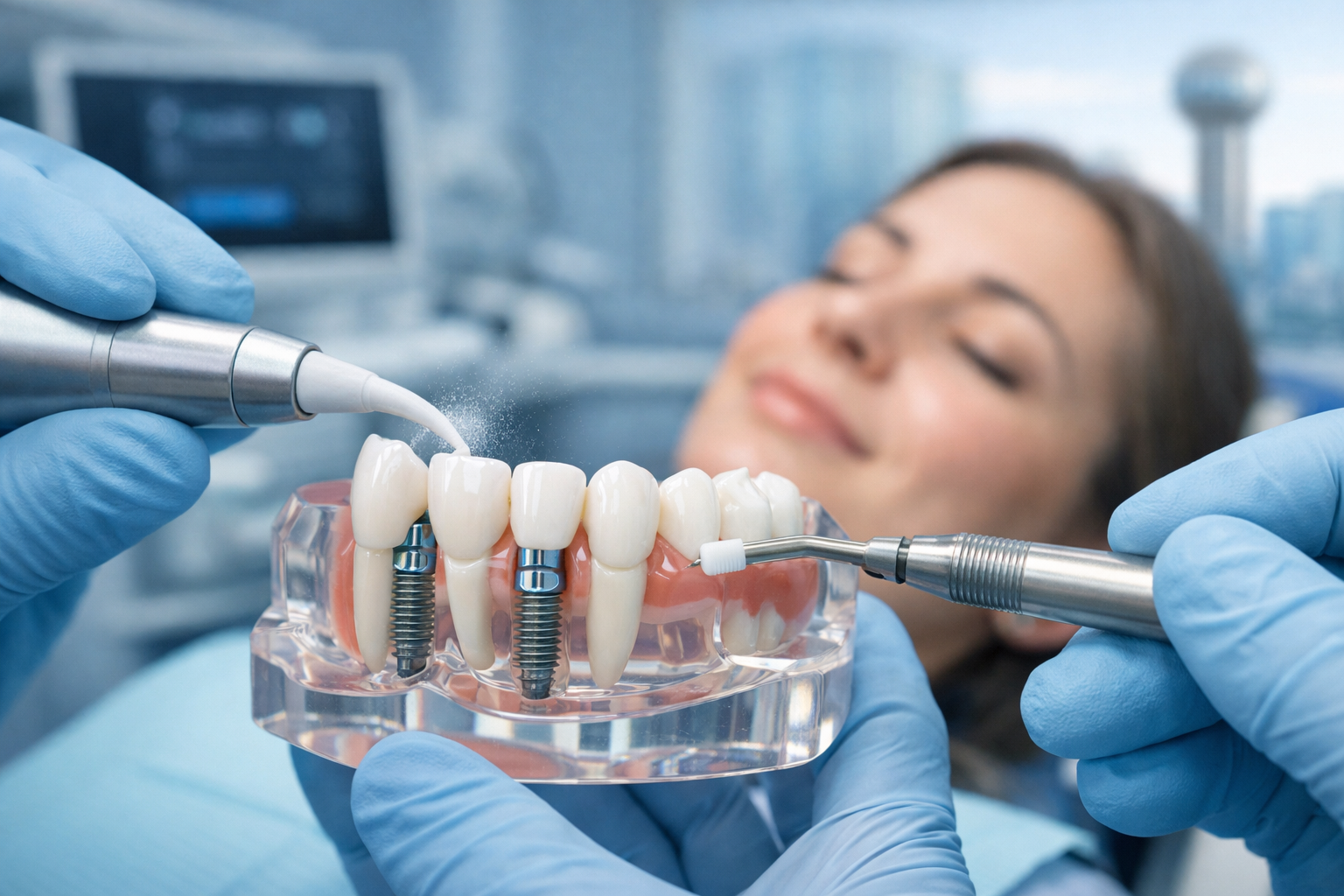
Professional implant cleaning is indispensable for the longevity and health of your dental implants because implants, unlike natural teeth, do not have a periodontal ligament to protect them from bacteria. This unique biological difference makes implants more susceptible to peri-implant disease if not properly maintained, necessitating specific care beyond standard dental hygiene.
Dental implants are a significant investment in your oral health, offering a permanent solution for missing teeth. However, their success relies heavily on proper maintenance, both at home and through regular professional cleanings. While your natural teeth are anchored by a ligament that provides some protection against bacterial invasion and helps with repair, dental implants are directly fused with the jawbone. This osseointegration is strong but also means that if bacteria build up around the implant, the body’s immune response can differ, leading to a condition known as peri-implantitis. Without a diligent professional implant cleaning procedure, plaque and calculus can accumulate, triggering inflammation of the gum tissues surrounding the implant. If left untreated, this inflammation can progress, damaging the bone supporting the implant and potentially leading to implant failure. Regular professional care helps detect and address these issues early, safeguarding your investment.
Understanding Peri-Implantitis and How Professional Cleaning Prevents It
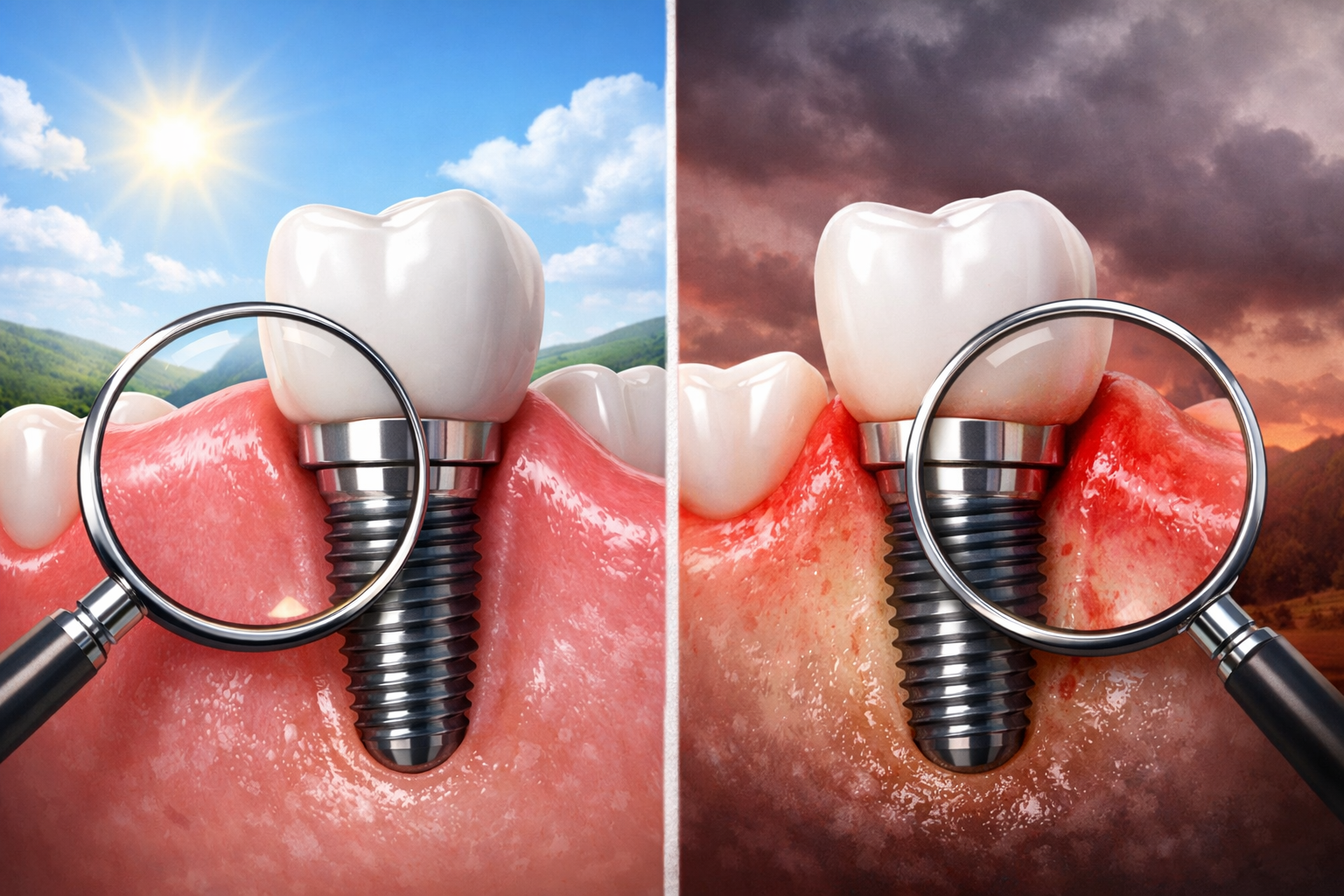
Peri-implantitis is an inflammatory condition affecting the tissues surrounding a dental implant, characterized by progressive bone loss, and is the primary threat to implant longevity that a professional implant cleaning procedure aims to prevent. It typically begins as peri-implant mucositis (inflammation of the soft tissue around the implant, similar to gingivitis) and can advance to affect the supporting bone.
Stages of Peri-Implantitis
- Peri-Implant Mucositis: This initial stage involves inflammation of the gum tissue around the implant, marked by redness, swelling, and bleeding upon probing. Crucially, at this stage, there is no bone loss. With appropriate oral hygiene and a professional implant cleaning, peri-implant mucositis is often reversible.
- Peri-Implantitis: If mucositis is not treated, it can progress to peri-implantitis, which includes both soft tissue inflammation and the irreversible loss of supporting bone around the implant. This stage requires more intensive intervention to halt bone loss and preserve the implant.
How Professional Cleaning Helps
During a professional implant cleaning procedure, your dental hygienist or dentist in Dallas uses specialized instruments to gently remove bacterial plaque and calculus that accumulate above and below the gum line around your implant. These tools are designed to avoid scratching the implant’s surface, which could create rough areas where bacteria can adhere more easily. By effectively eliminating these bacterial deposits, professional cleanings help:
- Reduce Inflammation: Removing the irritants helps calm inflamed tissues.
- Prevent Bone Loss: Stopping the progression of mucositis prevents it from advancing to bone-destructive peri-implantitis.
- Monitor Implant Health: Regular check-ups allow the dental team to assess the implant’s stability, the health of the surrounding tissues, and detect early signs of problems.
Early detection and intervention are key. If you notice any signs of inflammation around your dental implants—such as redness, swelling, tenderness, or bleeding when brushing—it’s important to schedule a consultation with your Dallas dentist immediately. Our practice emphasizes patient safety and long-term oral health, guiding you through every step of maintaining your dental implants. You can learn more about specific risks and prevention strategies for peri-implantitis by reading our guide on Peri-Implantitis Prevention Dallas: Early Signs, Treatment C.
The Professional Implant Cleaning Procedure: Step-by-Step
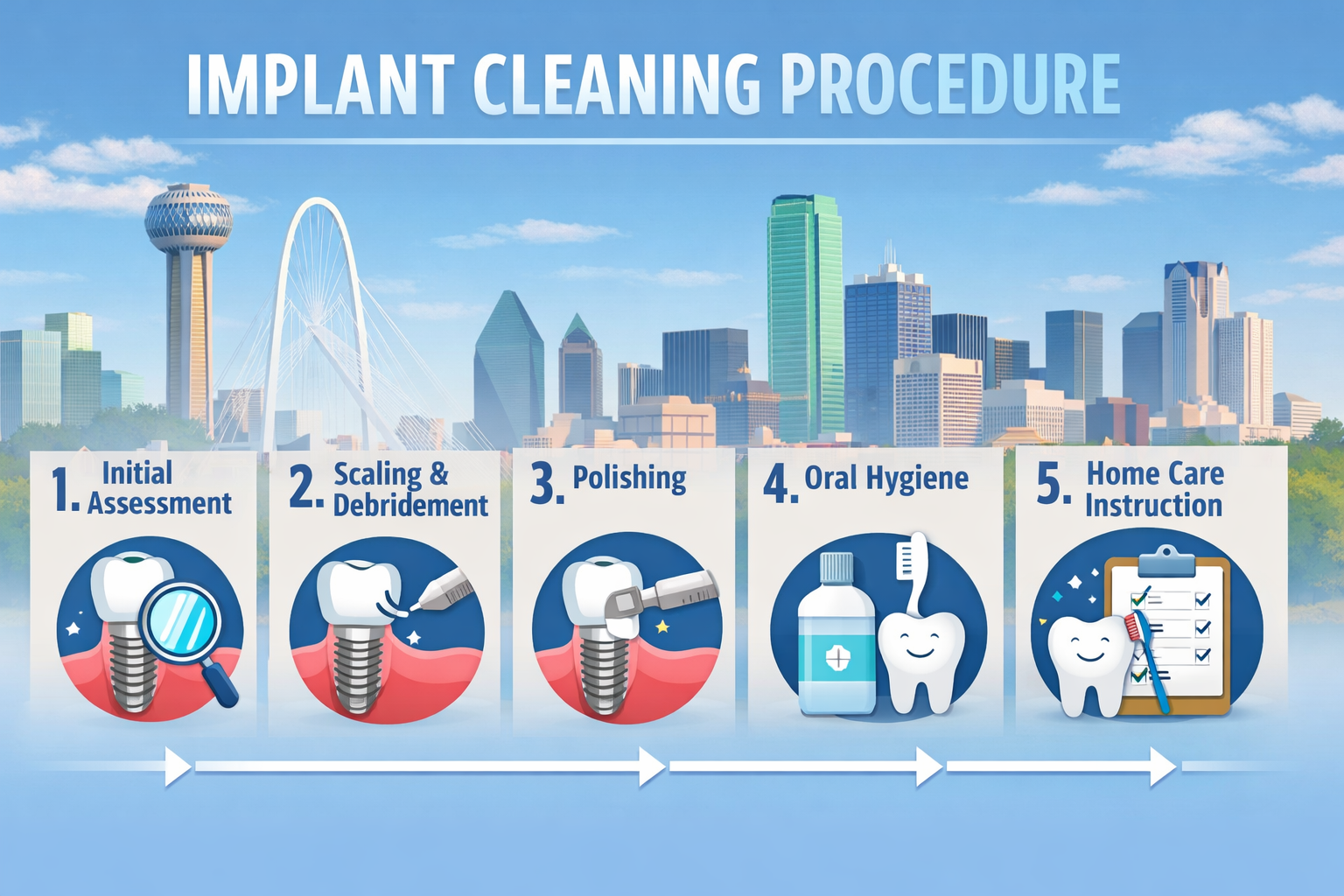
The professional implant cleaning procedure is a meticulous process performed by a trained dental professional using specific tools and techniques tailored to protect the delicate surfaces of dental implants. This ensures thorough cleaning without compromising the integrity of the implant or its surrounding tissues.
Here’s a general overview of what you can expect during a professional implant cleaning procedure in Dallas:
Initial Assessment and Examination:
- The dental hygienist or dentist will first perform a thorough visual examination of your oral cavity, focusing on the implant site.
- They will check for any signs of inflammation, bleeding, swelling, or changes in the gum tissue around the implant.
- Probing depths around the implant will be carefully measured. Changes in probing depths can indicate bone loss or tissue inflammation.
- X-rays may be taken periodically to monitor the bone level around the implant and detect any changes that aren’t visible externally.
Gentle Plaque and Calculus Removal:
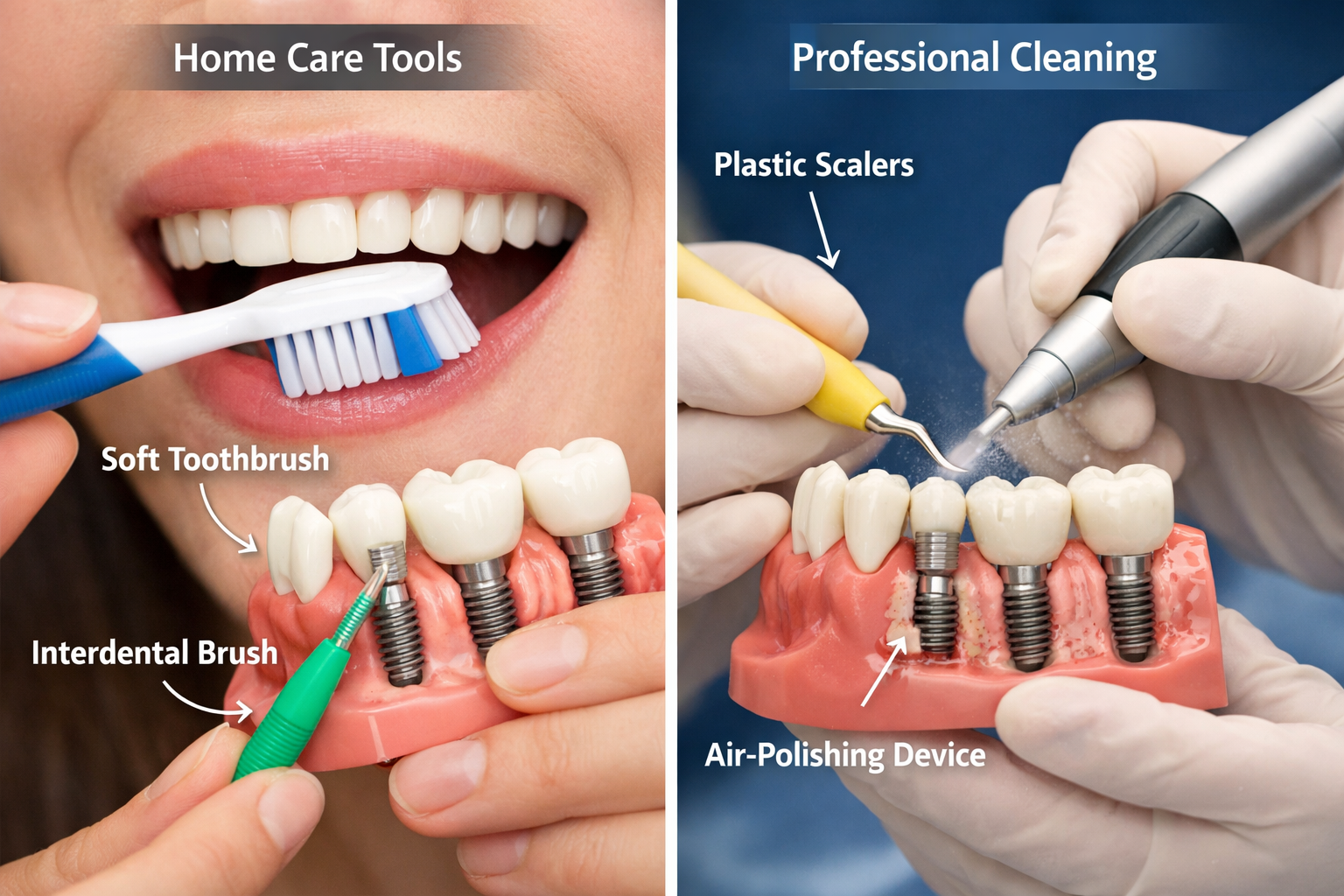
- Unlike natural teeth, implants require special instruments for cleaning. Traditional metal scalers can scratch the titanium surface of the implant, creating microscopic grooves where bacteria can easily attach.
- Specialized tools are used, often made of plastic, graphite, or titanium, which are softer than the implant surface.
- Ultrasonic devices with non-metallic tips may also be employed for gentle yet effective removal of plaque and calculus.
- Air-polishing systems with low-abrasive powders (such as glycine powder) are excellent for removing biofilm and stains from both the implant surface and the prosthetic crown or bridge.
Debridement and Irrigation:
- After scaling, the area may be gently irrigated with an antiseptic solution (like chlorhexidine) to further reduce bacterial load and flush out debris from under the gum line.
Polishing:
- The implant crown and adjacent natural teeth are polished using a prophy paste designed for implants, which is typically non-abrasive. This smooths the surface, making it harder for plaque to adhere.
Oral Hygiene Review and Instructions:
- The dental professional will review your current at-home oral hygiene routine.
- They will provide personalized recommendations for brushes (soft-bristle toothbrushes, interdental brushes, electric toothbrushes with appropriate heads), floss (unwaxed, implant-specific floss), and rinses.
- For patients with multiple dental implants in Dallas or those who find traditional flossing challenging, water flossers can be a highly effective addition to their routine.
Why this matters: The careful selection of instruments and techniques during a professional implant cleaning procedure is paramount. Improper cleaning can lead to surface damage on the implant, which then becomes a breeding ground for bacteria, increasing the risk of peri-implantitis. Always ensure your dental provider is experienced in implant maintenance.
Home Care vs. Professional Implant Cleaning: What’s the Difference?
While daily home care is critical for maintaining dental implants, it cannot replace the thoroughness and specialized nature of a professional implant cleaning procedure. Both are essential components of a comprehensive implant maintenance plan.
Home Care for Dental Implants
Your daily routine plays a vital role in preventing plaque buildup and maintaining healthy gums around your implants. This typically includes:
- Brushing: Use a soft-bristled toothbrush or an electric toothbrush with a gentle head. Brush gently around the implant crown and gum line twice a day for two minutes.
- Flossing: Use implant-specific floss, unwaxed dental tape, or interdental brushes to clean between the implant and adjacent teeth, and around the implant post. Water flossers are also highly recommended for effectively cleaning hard-to-reach areas around implants, especially for those with multiple implants or implant-supported bridges.
- Mouth Rinse: Your dentist might recommend an antiseptic mouth rinse for additional bacterial control, especially if you have a history of gum disease.
- Regularity: Consistency is key. Daily removal of plaque is crucial to prevent hardening into calculus.
The Role of Professional Implant Cleaning
Even with the most diligent home care, some plaque and calculus deposits are difficult to remove completely, especially below the gum line. This is where the professional implant cleaning procedure becomes indispensable.
| Feature | Home Care | Professional Implant Cleaning Procedure |
|---|---|---|
| Tools Used | Soft toothbrushes, interdental brushes, floss, water flossers | Specialized plastic/titanium scalers, ultrasonic with non-metallic tips, air-polishing systems |
| Target Area | Supragingival (above gum line) and accessible subgingival (just below gum line) | Thorough subgingival (below gum line) cleaning and inaccessible areas |
| Purpose | Daily plaque control, prevent gingivitis/mucositis | Remove stubborn calculus/biofilm, detect early issues, prevent peri-implantitis |
| Frequency | Daily (2-3 times) | Typically every 3-6 months, or as recommended by dentist |
| Expertise | Patient’s own diligence | Trained dental hygienist/dentist expertise, specialized knowledge of implant anatomy |
Think of it this way: you wash your car regularly at home, but every so often, you take it for a professional detail cleaning to address the stubborn grime and hidden areas. Similarly, your home care keeps your implants clean daily, but professional cleanings provide the deep, specialized attention needed to ensure their long-term health and stability. For patients in Dallas considering the cost of full mouth dental implants, understanding this ongoing maintenance is a key part of the total investment.
How Often Should You Get a Professional Implant Cleaning?
The frequency of a professional implant cleaning procedure can vary, but generally, dental professionals recommend these specialized cleanings every 3 to 6 months. This schedule is often more frequent than for natural teeth, reflecting the unique maintenance needs of dental implants.
The exact interval will depend on several factors, including:
- Your individual oral hygiene habits: Patients with excellent home care might require less frequent professional intervention.
- Your susceptibility to gum disease: If you have a history of periodontitis or are prone to inflammation, more frequent cleanings (e.g., every 3 months) will be recommended.
- Number and location of implants: Multiple implants or implants in hard-to-reach areas may benefit from more frequent cleanings.
- Overall health: Certain systemic conditions (e.g., diabetes) or medications can impact oral health and necessitate closer monitoring.
- Smoking status: Smokers have a significantly higher risk of peri-implantitis and typically require more frequent and vigilant professional care. For those in Dallas interested in dental implants for smokers, it’s crucial to be aware of the increased maintenance needs.
Your Dallas dentist or hygienist will assess these factors during your regular check-ups and recommend a personalized cleaning schedule designed to protect your dental implants and maintain your overall oral health. Adhering to this recommended schedule is a proactive measure that can save you from more extensive and costly treatments down the line, such as those associated with treating advanced peri-implantitis.
Choosing a Dallas Dentist for Your Implant Maintenance
Selecting the right dental professional for your professional implant cleaning procedure in Dallas is as important as choosing the surgeon who placed your implants. You need a team that possesses specific knowledge and experience in implant care to ensure the longevity and health of your tooth replacement options.
When seeking a dentist or dental hygienist for implant maintenance, consider the following:
- Experience with Dental Implants: Look for a practice with extensive experience in not just placing, but also maintaining dental implants. They should understand the unique biology of implants and the specific protocols for their care.
- Specialized Training: Ensure the hygienists and dentists have received training in implant maintenance, including the use of appropriate tools and techniques for cleaning titanium or zirconia surfaces.
- Advanced Equipment: A practice committed to implant care will invest in specialized instruments (e.g., plastic or titanium scalers, air polishers with glycine powder) designed to clean implants without causing damage.
- Comprehensive Care Philosophy: The best practices will offer a holistic approach to your long-term oral health, integrating implant maintenance into your overall dental care plan. This includes regular check-ups, X-rays, and personalized home care instructions.
- Patient Education: A good dental team will take the time to educate you on proper home care techniques, answer your questions, and empower you to be an active participant in your implant maintenance.
At Dental Implant Education – Dallas TX, we prioritize patient-first care and medically responsible guidance. Our team is dedicated to helping you achieve long-term oral health through comprehensive education and expert maintenance services. We encourage you to schedule a consultation with a dentist in Dallas who specializes in implant care to discuss your specific needs and ensure your dental implants remain a healthy, functional part of your smile for years to come.
Conclusion
The professional implant cleaning procedure is a cornerstone of successful, long-term dental implant ownership. It goes hand-in-hand with diligent home care to protect your investment, prevent serious complications like peri-implantitis, and ensure your dental implants continue to function effectively and aesthetically for many years. Choosing a dental professional in Dallas with specific expertise in implant maintenance is crucial for receiving the specialized care your implants require. By understanding the importance of these cleanings, adhering to a recommended schedule, and actively participating in your at-home oral hygiene, you are taking vital steps towards safeguarding your oral health education and enjoying the full benefits of your missing teeth solutions.
FAQ
What happens if I don’t get professional implant cleanings?
If you neglect professional implant cleanings, plaque and calculus can accumulate around your dental implants, leading to inflammation (peri-implant mucositis) and potentially progressing to peri-implantitis, a condition that can cause bone loss and ultimately lead to implant failure.
Are professional implant cleanings painful?
Professional implant cleanings are generally not painful. Specialized, gentle instruments are used to prevent damage to the implant, and local anesthetic can be applied if you experience sensitivity. Many patients find the procedure comfortable.
Can a regular dental hygienist clean my dental implants?
While a regular dental hygienist can perform some aspects of cleaning, it’s crucial that they have specific training and utilize specialized tools for dental implants. Traditional metal instruments can scratch the implant surface, creating sites for bacteria. Always confirm your hygienist is experienced in implant maintenance.
How do I clean my dental implants at home?
At home, clean your dental implants by brushing twice daily with a soft-bristled toothbrush or electric toothbrush, and use unwaxed dental floss or interdental brushes to clean around the implant and between teeth. A water flosser is also highly recommended for effective plaque removal.
How often should I see the dentist for implant check-ups?
For dental implant check-ups and professional cleanings, most dental professionals recommend visits every 3 to 6 months, depending on your individual oral health, home care effectiveness, and risk factors for peri-implant disease.
What tools are used in a professional implant cleaning?
During a professional implant cleaning, specialized tools such as plastic, graphite, or titanium scalers, non-metallic ultrasonic tips, and air-polishing devices with low-abrasive powders (like glycine) are used to gently and effectively remove plaque and calculus without damaging the implant surface.
What is the cost of a professional implant cleaning in Dallas?
The cost of a professional implant cleaning procedure in Dallas can vary depending on the clinic and the extent of cleaning required, but it is generally comparable to or slightly higher than a standard dental cleaning due to the specialized tools and expertise involved. It’s best to consult with your Dallas dentist for an exact quote.
Can peri-implantitis be cured with professional cleaning?
Early stages of peri-implantitis (peri-implant mucositis) can often be reversed with diligent home care and professional cleaning. However, once bone loss occurs (true peri-implantitis), the condition can be managed and halted, but the lost bone typically cannot be fully recovered without more invasive treatments.
References
- Al-Jadaa, A., et al. (2018). Dental Implant Maintenance Protocols: A Systematic Review. Journal of Prosthetic Dentistry, 119(5), 785-792.
- Renvert, S., & Polyzois, I. (2018). Treatment of peri-implantitis: What do we need to know? Oral Diseases, 24(1-2), 173-181.
Leave a Reply
Share your thoughts or ask a question about dental implants. Your email address will not be published.