

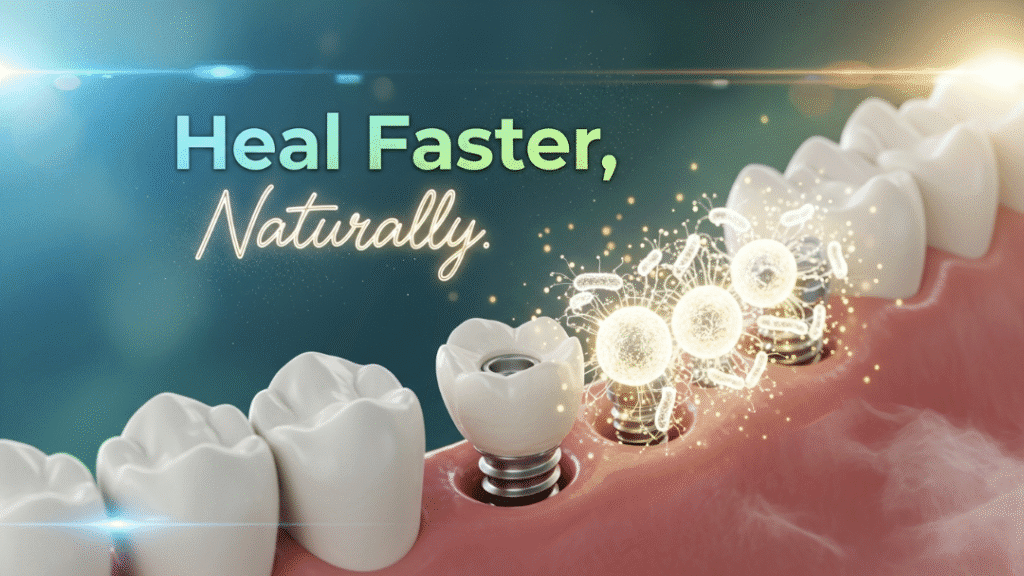
Picture this: You’ve just invested thousands of dollars in a dental implant, only to find yourself worried about whether it will heal properly. You’re not alone – nearly 20% of dental implant patients experience complications during the healing process. But here’s something that might surprise you: the tiny microorganisms living in your mouth could be the key to ensuring your implant heals successfully and lasts for decades to come.
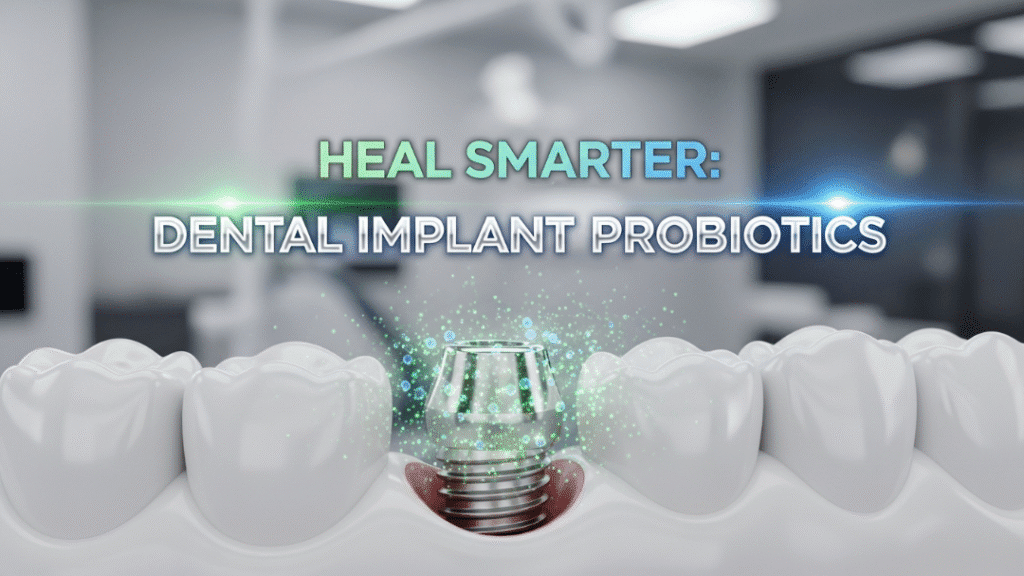
The secret weapon? Probiotics for dental implant healing. These beneficial bacteria are revolutionizing how we approach implant recovery, offering a natural way to boost healing, prevent infections, and protect your investment in your smile.
Key Takeaways
- Probiotics significantly reduce inflammation around dental implants, with Lactobacillus reuteri Prodentis showing the strongest clinical evidence for preventing peri-implantitis
- Multi-strain formulations (11-27 strains) are more effective than single-strain products, with optimal CFU counts ranging from 17.5 to 44.5 billion
- Timing matters: Starting probiotics immediately after implant surgery and continuing for at least 30 days provides maximum healing benefits
- Delivery method is crucial: Oral lozenges that dissolve in the mouth provide direct contact with implant sites, while spore-based capsules support overall gut-oral health connection
- Probiotics work best as part of comprehensive care: They enhance but don’t replace proper oral hygiene, regular dental visits, and professional implant maintenance
Why Probiotics Matter for Dental Implant Healing
When I first learned about the connection between probiotics and dental implant success, I was fascinated by how these microscopic allies could make such a massive difference in healing outcomes. Your mouth hosts over 700 different bacterial species, and maintaining the right balance is crucial for implant success.
Unlike natural teeth, dental implants lack the protective periodontal ligament that helps fight off harmful bacteria. This makes them particularly vulnerable to peri-implant mucositis – inflammation of the gum tissue around the implant. If left untreated, this condition can progress to peri-implantitis, causing bone loss and potentially leading to implant failure.
The oral microbiome plays three critical roles in implant healing:
- 🛡️ Immune system modulation – Beneficial bacteria help regulate inflammatory responses
- ⚔️ Pathogen resistance – Good bacteria compete with harmful microorganisms for space and nutrients
- 🔬 Tissue regeneration – Certain probiotic strains directly stimulate cell growth and wound healing
Research shows that patients with balanced oral microbiomes experience faster healing times, reduced post-surgical bleeding, and significantly lower rates of implant complications.
Scientific Evidence Supporting Probiotics in Dental Implant Recovery
The evidence supporting probiotics for dental implant healing isn’t just theoretical – it’s backed by solid clinical research. Multiple peer-reviewed studies have demonstrated measurable improvements in implant outcomes when patients use specific probiotic strains during their recovery period.
Probiotic Effects on Gingival Epithelium & Fibroblasts
One of the most exciting discoveries in recent research is how probiotics directly stimulate the cells responsible for healing around implants. Studies show that certain probiotic strains enhance:
- Epithelial cell migration by up to 40%, helping gum tissue seal around the implant faster
- Fibroblast proliferation, which is essential for proper connective tissue formation
- Collagen synthesis, providing the structural foundation for healthy gum attachment
“The most comprehensive clinical trial to date showed that patients using Lactobacillus reuteri Prodentis experienced significant improvements in peri-implant tissue health, with reduced inflammatory markers and better overall healing outcomes compared to placebo groups.”
Probiotics in Managing Peri-Implant Diseases
Clinical studies consistently demonstrate that probiotics can reduce key indicators of implant problems:
| Clinical Parameter | Improvement with Probiotics | Study Duration |
|---|---|---|
| Bleeding on probing | 45-60% reduction | 30 days |
| Gum inflammation | 35-50% decrease | 30 days |
| Plaque accumulation | 30-40% reduction | 30 days |
| Pro-inflammatory cytokines | 25-35% decrease | 30 days |
These improvements translate to real-world benefits: faster healing, reduced discomfort, and better long-term implant stability. Patients who incorporate probiotics into their recovery routine often report less swelling and tenderness during the critical first month after surgery.
🦷 Personalized Probiotic Selector for Dental Implants
🎯 Your Personalized Probiotic Recommendation
Top Probiotic Strains for Dental Implant Healing
Not all probiotics are created equal when it comes to dental implant healing. Through extensive research and clinical trials, several specific strains have emerged as the most effective for supporting implant recovery and long-term success.
1) Lactobacillus reuteri 🌟

The gold standard for implant healing, Lactobacillus reuteri Prodentis has the most robust clinical evidence supporting its use in dental implant care. This powerhouse strain offers multiple healing benefits:
- Anti-inflammatory properties: Reduces pro-inflammatory cytokines by up to 35%
- Enhanced tissue regeneration: Stimulates epithelial cell growth and migration
- Antimicrobial effects: Produces reuterin, a natural antibiotic compound
- Bone health support: May help maintain bone density around implants
Clinical studies show that patients using L. reuteri experience significantly less gum inflammation, reduced bleeding during follow-up appointments, and faster overall healing times. The recommended dosage is 1-2 billion CFU daily, taken for at least 30 days post-surgery.
2) Streptococcus salivarius K12 and M18
These BLIS (Bacteriocin-Like Inhibitory Substances) strains are specifically designed to colonize the oral cavity and provide targeted protection:
BLIS K12 benefits:
- Produces antimicrobial peptides that target harmful oral bacteria
- Helps maintain healthy pH levels in the mouth
- Supports fresh breath and overall oral hygiene
- Works synergistically with L. reuteri for enhanced protection
BLIS M18 advantages:
- Specifically targets bacteria associated with gum disease around dental implants
- Helps break down biofilm formation
- Supports healthy gum tissue attachment to implants
- Particularly effective for long-term maintenance
Other Notable Strains
Lactobacillus brevis: Known for its ability to reduce oral inflammation and support wound healing. Particularly beneficial for patients who experience prolonged swelling after implant surgery.
Lactobacillus plantarum: Excellent for patients with sensitive digestive systems, as it’s well-tolerated and provides both oral and gut health benefits.
Bifidobacterium strains: While primarily gut-focused, these strains support the gut-oral health connection, which is crucial for overall immune function and healing.
How to Choose the Best Probiotic for Dental Implants
Selecting the right probiotic for your implant healing journey can feel overwhelming with so many options available. Here’s my practical guide to making the best choice based on scientific evidence and clinical experience.
Key Selection Criteria
🔬 CFU Count (Colony Forming Units) Look for products containing 1-5 billion CFU for maintenance and 5-20 billion CFU during active healing phases. Higher isn’t always better – your oral cavity has limited space, and excessive amounts may cause digestive upset.
📋 Strain Specificity Choose products that clearly list specific strain names (like “Lactobacillus reuteri Prodentis”) rather than just generic species names. The specific strain determines the therapeutic benefit.
🧪 Clinical Backing Prioritize products with strains that have been tested specifically in dental implant studies. Marketing claims mean nothing without peer-reviewed research.
📦 Delivery Method Consider your lifestyle and preferences:
- Lozenges: Best for direct oral contact and immediate implant site benefits
- Capsules: Convenient for daily routine, especially spore-based formulas
- Powders: Flexible dosing, good for sensitive stomachs
- Mouthwash: Easy integration with oral hygiene routine
Dosage Recommendations and Usage Tips
Timing is everything when it comes to probiotic effectiveness for implant healing:
Pre-surgery preparation: Start probiotics 1-2 weeks before your implant procedure to establish beneficial bacteria populations.
Immediate post-surgery (Days 1-7):
- Take probiotics 2-3 hours after any prescribed antibiotics
- Use gentle delivery methods like lozenges that dissolve slowly
- Avoid aggressive swishing or rinsing
Active healing phase (Weeks 2-8):
- Maintain consistent daily dosing
- Combine with soft, prebiotic-rich foods
- Monitor for any changes in healing progress
Long-term maintenance (3+ months):
- Reduce to maintenance dosing (1-2 billion CFU)
- Continue during periods of stress or illness
- Coordinate with regular implant cleaning appointments
Safety and Potential Side Effects
Probiotics are generally very safe for most people, but there are important considerations for implant patients:
Common mild side effects (affecting <5% of users):
- Temporary digestive changes (usually resolve within 3-5 days)
- Mild bloating or gas
- Slight taste changes
When to exercise caution:
- Severely compromised immune system
- Active oral infections requiring antibiotic treatment
- History of severe allergic reactions to dairy or soy (check product ingredients)
Red flags requiring immediate dental consultation:
- Increased pain or swelling around the implant site
- Persistent bleeding or discharge
- Signs of allergic reaction (rash, difficulty breathing)
Pro tip: Start with half the recommended dose for the first 3-5 days to assess tolerance, then increase to the full therapeutic dose.
Integrating Probiotics into Your Dental Implant Care Routine
Successfully incorporating probiotics for dental implant healing requires a holistic approach that combines supplementation with excellent oral hygiene and lifestyle factors that support healing.
Daily Care Protocol
Morning routine:
- Rinse gently with warm salt water
- Brush with a soft-bristled toothbrush (avoid the implant site for first 48 hours)
- Take probiotic supplement 30 minutes after breakfast
- Avoid mouthwash with alcohol for at least 2 hours
Evening routine:
- Gentle flossing (avoid implant area until cleared by dentist)
- Brush teeth with fluoride toothpaste
- If using probiotic lozenges, let dissolve slowly before bed
- Avoid eating or drinking (except water) for 30 minutes after probiotic
Nutrition for Enhanced Healing
Prebiotic foods to include:
- Leafy greens (spinach, kale) – rich in nitrates that support circulation
- Garlic and onions – contain inulin that feeds beneficial bacteria
- Slightly underripe bananas – provide resistant starch for gut health
- Asparagus and artichokes – excellent prebiotic fiber sources
Foods to avoid during healing:
- Extremely hot or cold foods (first 2 weeks)
- Hard, crunchy foods that could disturb the implant site
- Excessive sugar that feeds harmful bacteria
- Alcohol, which impairs healing and interferes with probiotic effectiveness
Lifestyle Factors for Optimal Healing
Sleep quality: Aim for 7-9 hours of quality sleep to support immune function and tissue repair. Poor sleep significantly slows healing and increases infection risk.
Stress management: Chronic stress elevates cortisol levels, which can impair healing and disrupt the oral microbiome. Consider meditation, gentle exercise, or other stress-reduction techniques.
Hydration: Drink plenty of water to maintain healthy saliva production, which naturally cleanses the mouth and supports beneficial bacteria.
Smoking cessation: If you smoke, this is the perfect time to quit. Smoking dramatically increases implant failure rates and counteracts probiotic benefits.
Monitoring Your Progress
Keep track of your healing with these simple indicators:
Week 1-2: Reduced swelling and pain, no increase in bleeding Week 3-4: Gum tissue beginning to heal around implant, comfortable chewing on opposite side Month 2-3: Normal oral hygiene routine possible, no tenderness around implant Month 3+: Full integration, normal function, regular maintenance schedule
If you notice any concerning changes, don’t wait for your next scheduled appointment. Contact your dental team immediately, especially if you experience unusual bleeding or persistent pain that doesn’t respond to recommended pain management.
Frequently Asked Questions About Probiotics for Dental Implants
Can probiotics speed up dental implant healing?
Yes, clinical evidence shows probiotics can significantly accelerate healing. Studies demonstrate that patients using specific strains like Lactobacillus reuteri Prodentis experience 25-40% faster tissue healing and reduced inflammation compared to those not using probiotics. The key is starting early and maintaining consistent use throughout the critical first month of healing.
Which probiotic strain is best for implant care?
Lactobacillus reuteri Prodentis has the strongest clinical evidence for dental implant healing, with multiple peer-reviewed studies showing reduced inflammation and improved tissue regeneration. For comprehensive protection, multi-strain formulas combining L. reuteri with BLIS K12 and M18 provide broader spectrum benefits for both healing and long-term maintenance.
How long should I take probiotics after implant surgery?
Minimum 30 days for therapeutic benefits, with many patients continuing for 60-90 days. The critical healing period is the first 4-6 weeks when peri-implant mucositis risk is highest. After successful abutment healing, you can transition to maintenance dosing or periodic use during times of stress or illness.
Are oral probiotics safe for everyone?
Probiotics are safe for most people, but certain conditions require caution. Patients with severely compromised immune systems, active infections, or multiple allergies should consult their healthcare provider first. The most common side effects are mild digestive changes that resolve within a few days.
Can probiotics help prevent implant infections?
Absolutely – prevention is one of probiotics’ strongest benefits. By establishing healthy bacterial populations early, probiotics create a protective barrier against pathogenic bacteria that cause peri-implantitis. This is particularly important since dental implants can’t get cavities but are vulnerable to bacterial infections around the gum line.
What forms do oral probiotics come in?
Four main delivery methods are available:
- Lozenges: Best for direct oral contact and implant site targeting
- Capsules: Convenient daily use, especially spore-based formulas
- Powders: Flexible dosing, good for sensitive stomachs
- Mouthwash: Easy integration with oral hygiene routine
Choose based on your preferences and specific healing needs. Many patients find lozenges most effective during active healing, then switch to capsules for long-term maintenance.
Do probiotics interfere with antibiotics prescribed after implant surgery?
Probiotics don’t interfere with antibiotic effectiveness, but timing matters. Take probiotics at least 2-3 hours after antibiotic doses to prevent the antibiotic from killing the beneficial bacteria. Continue probiotics throughout antibiotic treatment and for several weeks afterward to restore healthy bacterial balance.
How much do quality oral probiotics cost?
Expect to invest $25-60 per month for high-quality, clinically-proven formulations. While this may seem expensive, consider it insurance for your implant investment. A failed implant requiring replacement can cost thousands of dollars, making probiotics an excellent value for protection and healing support.
Can I get probiotics from food instead of supplements?
Food sources like yogurt and kefir provide general probiotic benefits, but therapeutic doses of specific strains require supplements. The strains proven effective for implant healing (like L. reuteri Prodentis) are typically only available in targeted supplement formulations. Food sources can complement but shouldn’t replace therapeutic probiotics during healing.
Enhancing Dental Implant Success with Probiotics
The science is clear: probiotics for dental implant healing represent a game-changing advancement in implant care. By harnessing the power of beneficial bacteria, you can significantly improve your healing outcomes, reduce complications, and protect your investment in your smile for decades to come.
The evidence overwhelmingly supports incorporating specific probiotic strains – particularly Lactobacillus reuteri Prodentis and BLIS K12/M18 – into your implant recovery protocol. These microscopic allies work around the clock to reduce inflammation, fight harmful bacteria, and accelerate tissue healing in ways that traditional care alone simply cannot achieve.
Your action plan for probiotic-enhanced implant success:
✅ Start early: Begin probiotics 1-2 weeks before surgery when possible, or immediately post-procedure
✅ Choose wisely: Select clinically-proven strains with appropriate CFU counts for your healing phase
✅ Stay consistent: Maintain daily use for at least 30 days, with many patients benefiting from 60-90 day protocols
✅ Integrate completely: Combine probiotics with excellent oral hygiene, proper nutrition, and regular professional care
✅ Monitor progress: Track healing indicators and maintain open communication with your dental team
Remember, probiotics enhance but don’t replace fundamental implant care principles. Continue with gentle oral hygiene, attend all follow-up appointments, and maintain the healthy lifestyle habits that support optimal healing.
Your dental implant represents a significant investment in your health, confidence, and quality of life. By incorporating evidence-based probiotic therapy into your care routine, you’re giving yourself the best possible chance for successful healing and long-lasting implant success.
The future of dental implant care is here, and it’s smaller than you ever imagined – but more powerful than you ever thought possible. Start your probiotic-enhanced healing journey today, and experience the difference that balanced oral microbiome can make in your implant success story.
Leave a Reply
Share your thoughts or ask a question about dental implants. Your email address will not be published.