

Embarking on the journey to restore your smile with dental implants is a significant step towards improved oral health and confidence. While the procedure itself is carried out by skilled professionals, the success of your dental implant largely depends on diligent adherence to post-op dental implant instructions. Understanding and meticulously following these guidelines is paramount for proper healing, successful osseointegration (the fusion of the implant with your jawbone), and avoiding complications. This comprehensive guide, updated for 2026, aims to empower you with the knowledge and tools you need for a smooth and comfortable recovery, ensuring your new smile lasts for years to come.
Key Takeaways
- Immediate Care is Crucial: Control bleeding, manage pain, and restrict activity in the first 24-48 hours.
- Dietary Modifications are Essential: Stick to a soft food diet initially, gradually reintroducing harder foods as healing progresses.
- Maintain Excellent Oral Hygiene: Gentle cleaning around the surgical site, special rinses, and avoiding harsh brushing are key.
- Recognize and Report Complications: Be aware of signs like excessive swelling, severe pain, or fever, and contact your dentist promptly if they occur.
- Long-Term Care Ensures Success: Follow-up appointments, diligent home care, and regular professional cleanings are vital for the longevity of your dental implants.
Understanding Your Post-Op Dental Implant Instructions: The First 24-48 Hours
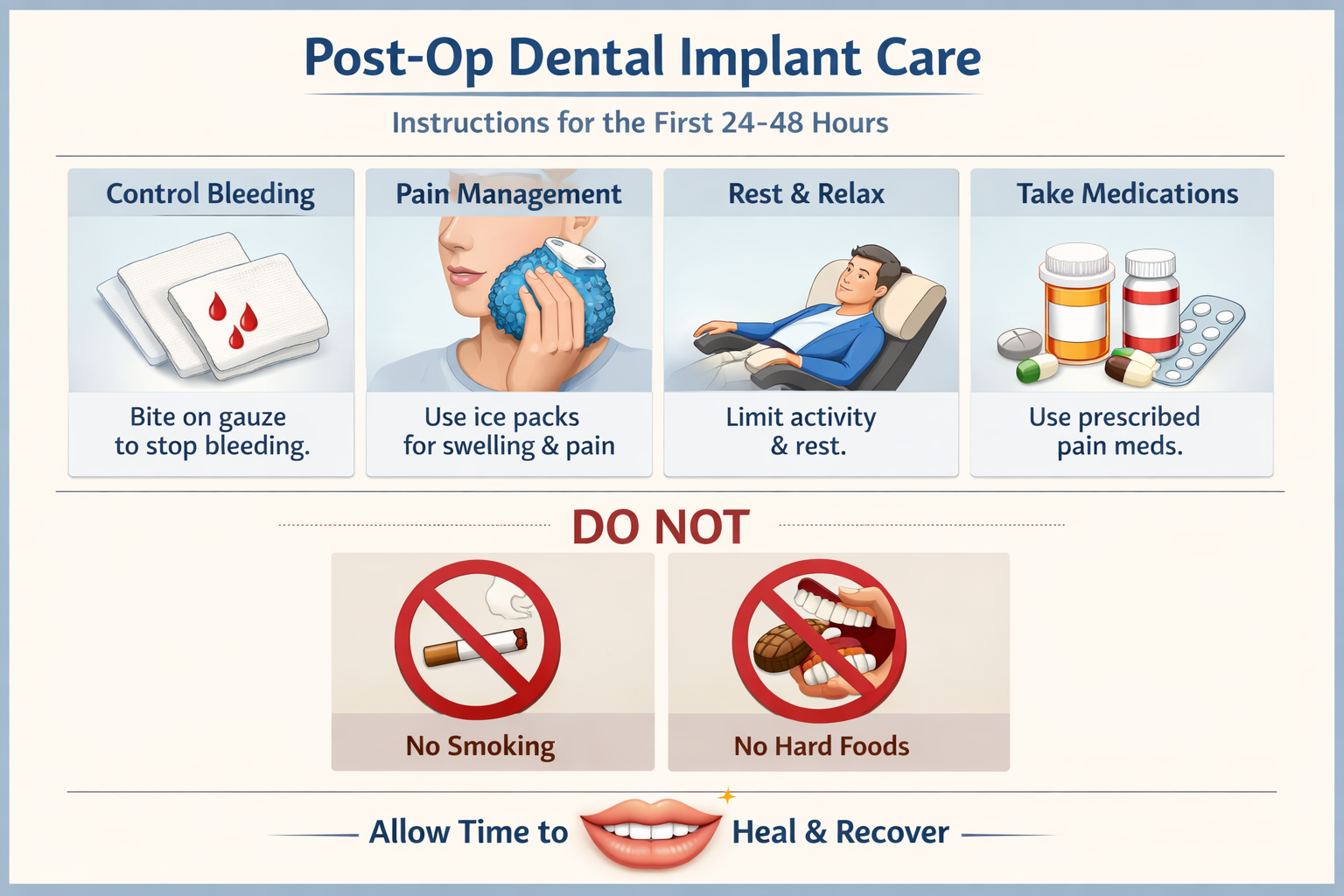
The period immediately following your dental implant surgery is critical for initiating a successful healing process. By carefully following your post-op dental implant instructions during these first one to two days, you can significantly reduce discomfort and prevent potential issues. My goal here is to guide you through this crucial initial phase.
Bleeding Control: A Top Priority
It’s normal to experience some light bleeding or oozing for the first 24-48 hours after your procedure. This is a natural part of the healing process. Here’s what you should do:
- Bite on Gauze: You will be sent home with sterile gauze sponges. Bite down firmly on these gauze pads over the surgical site for 30-45 minutes. The pressure helps to form a clot.
- Change Gauze as Needed: If bleeding persists, replace the gauze. Slightly moistening the gauze with cold water before placing it can sometimes help.
- Tea Bags for Stubborn Bleeding: If bleeding continues despite changing gauze, a black tea bag can be an effective alternative. The tannic acid in black tea promotes blood clotting. Dampen a black tea bag with cool water, squeeze out excess liquid, and place it directly on the surgical site, biting down firmly for 30-45 minutes.
- Avoid Spitting and Rinsing: Aggressive spitting or rinsing can dislodge the blood clot, leading to further bleeding. Gently swallow any saliva or blood.
“Proper bleeding control is the first line of defense in successful dental implant recovery. Follow these initial steps meticulously.”
Pain and Swelling Management
Discomfort and swelling are common after dental implant surgery. Managing these effectively is a key part of your post-op dental implant instructions.
- Medication: Your dentist will likely prescribe pain medication. Take it as directed, usually before the local anesthetic wears off to stay ahead of the pain. Over-the-counter pain relievers like ibuprofen or acetaminophen can also be used, in consultation with your dentist.
- Ice Packs: Apply ice packs to the outside of your face, over the surgical area, in 20-minute intervals (20 minutes on, 20 minutes off) for the first 24-48 hours. This significantly helps reduce swelling and discomfort.
- Head Elevation: When resting or sleeping, keep your head elevated with extra pillows. This helps minimize swelling.
Activity Restrictions and Rest
Rest is fundamental for healing.
- Limit Strenuous Activity: Avoid any vigorous physical activity for at least 48-72 hours post-surgery. Strenuous exercise can increase blood pressure, leading to more bleeding or swelling.
- Rest: Get plenty of rest. Your body needs energy to heal.
Avoiding Common Pitfalls
Certain actions can impede healing and should be avoided:
- Smoking: Smoking significantly impairs healing, increases the risk of infection, and can lead to implant failure. Absolutely avoid smoking for as long as possible, ideally for several weeks after surgery. For more information, you can read about smoking after root canals, which shares similar principles for oral healing: after root canal can you smoke.
- Alcohol: Avoid alcohol for at least 48-72 hours, or while taking prescribed pain medication, as it can interfere with healing and medications. Learn more about the effects of alcohol on recovery here: alcohol after dental implant surgery.
- Touching the Surgical Site: Do not poke or prod the surgical site with your fingers or tongue.
- Straws: Avoid using straws, as the suction can dislodge the blood clot.
- Hot Liquids: Stick to lukewarm or cold liquids initially, as hot liquids can increase bleeding.
By adhering to these initial post-op dental implant instructions, you set the stage for a smooth and successful recovery.
Navigating Your Diet: Essential Post-Op Dental Implant Instructions for Eating
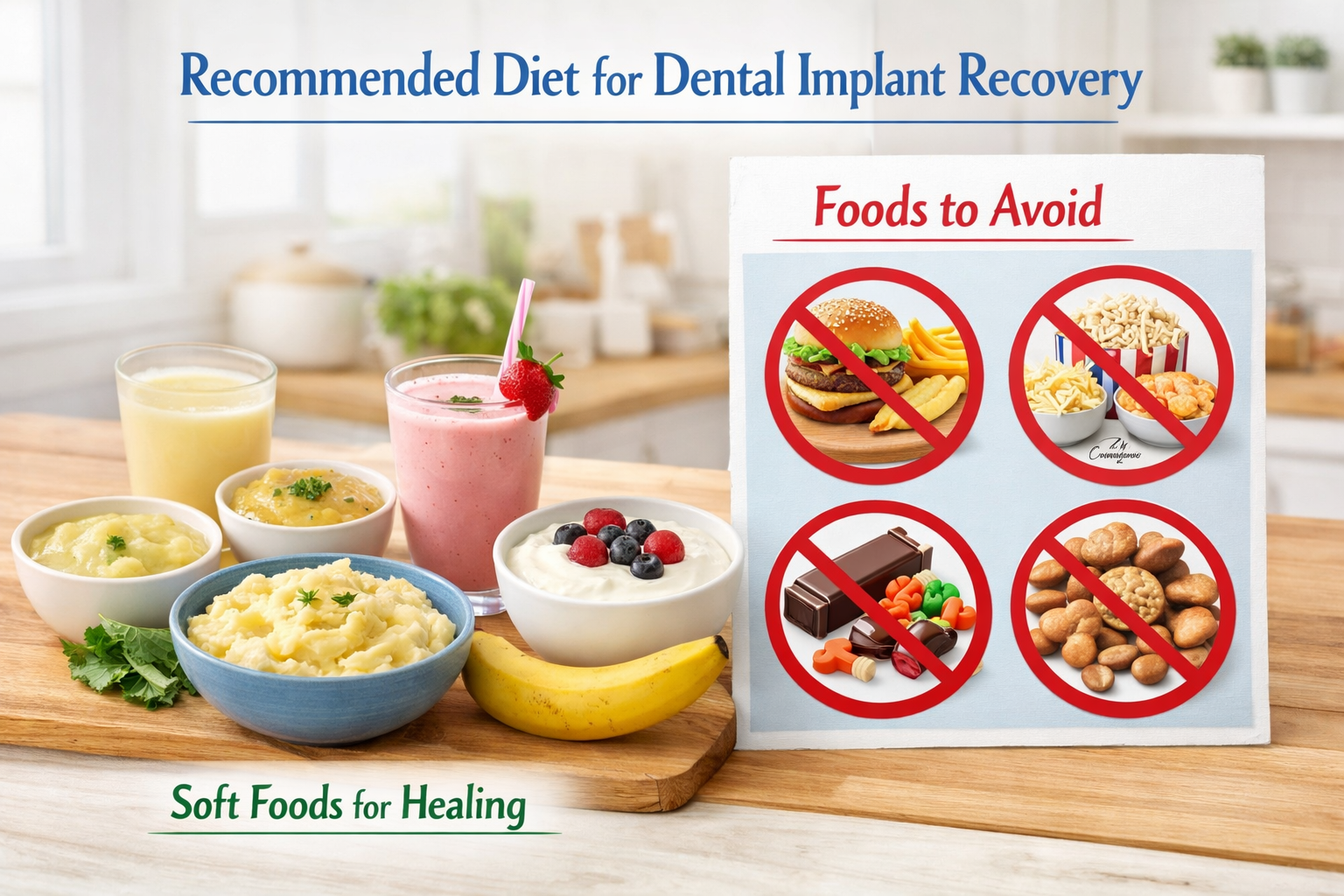
What you eat and how you eat it plays a critical role in the healing process after dental implant surgery. Following specific dietary post-op dental implant instructions will help protect the surgical site and promote proper osseointegration.
The Immediate Soft Food Phase (First Few Days to Week 1)
For the first few days, and potentially up to a week, a soft diet is absolutely crucial.
- Cold and Soft Initially: Start with cold, soft foods. Cold temperatures can be soothing and help with swelling.
- Avoid Chewing Near the Site: If you had a single implant, try to chew on the opposite side of your mouth. If you had multiple implants or full-arch restoration like All-on-4, you’ll need to stick to an exclusively soft diet.
- Hydration is Key: Drink plenty of fluids to stay hydrated, but avoid straws.
| Category | Recommended Foods | Foods to Avoid |
|---|---|---|
| Liquids | Water, milk, fruit juice (without pulp), broth, smoothies (no straw) | Alcohol, hot liquids, carbonated beverages (initially), acidic juices (e.g., orange juice, initially) |
| Soft Foods | Yogurt, applesauce, mashed potatoes, scrambled eggs, well-cooked pasta, soft fish, pureed soups, pudding, Jell-O | Crunchy foods (chips, nuts), sticky foods (caramel, gum), spicy foods, tough meats, raw vegetables, popcorn |
| Dairy | Cottage cheese, soft cheeses, ice cream (without nuts or chunks) | Hard cheeses |
| Fruits/Veggies | Blended fruits, cooked soft vegetables | Hard, raw fruits/vegetables (apples, carrots), corn on the cob |
For a comprehensive list of safe options, check out this resource: 50 soft foods after dental implant.
Gradual Reintroduction of Foods (Week 2 Onwards)
As your surgical sites heal and discomfort subsides, you can gradually reintroduce more varied foods.
- Listen to Your Body: Pay close attention to how your mouth feels. If a food causes pain or discomfort, revert to softer options.
- Small Bites: Cut food into small, manageable pieces.
- Chew Carefully: Continue to chew carefully, especially avoiding the implant site.
- Patience is a Virtue: The process of osseointegration takes several months, and while you may feel better sooner, the implant isn’t fully fused until much later. Patience with your diet is crucial.
“Your diet is your ally in recovery. Choosing the right foods safeguards your implant and supports robust healing.”
Specific Considerations
- Nutritional Support: Ensure you maintain a balanced diet even with soft foods. Adequate nutrition is vital for healing. Protein, vitamins, and minerals are all important.
- Avoid Small, Hard Particles: Foods like rice or seeds can get lodged in the surgical site and cause irritation or infection. While you can eat rice after dental implant surgery, it’s best to be cautious, especially with small-grain varieties, during the initial healing period: can you eat rice after dental implant surgery.
By carefully adhering to these dietary guidelines, you provide the optimal environment for your dental implant to heal and integrate with your bone.
Maintaining Oral Hygiene: Crucial Post-Op Dental Implant Instructions
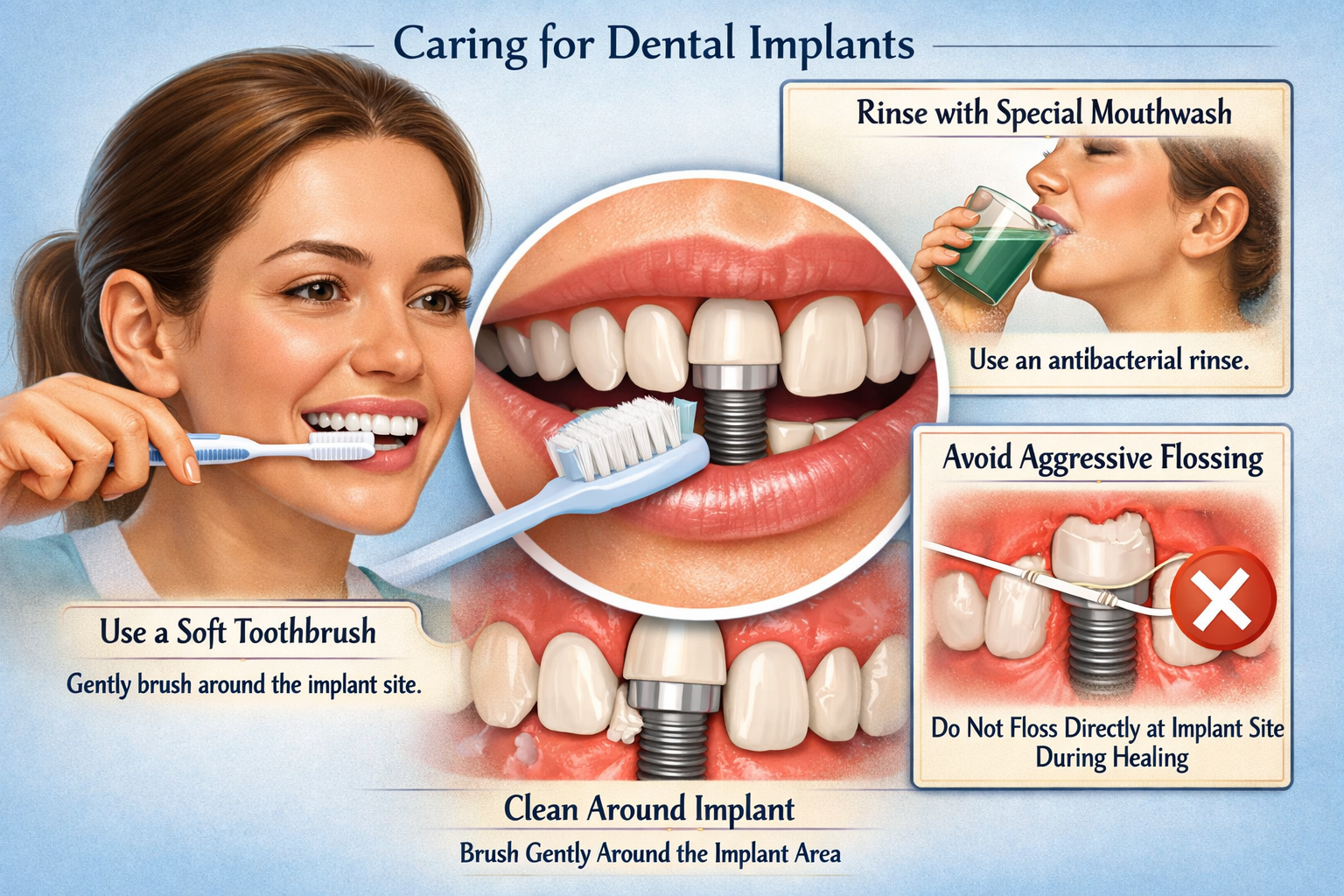
Excellent oral hygiene is a cornerstone of successful dental implant recovery and long-term implant health. While the surgical site needs careful handling, the rest of your mouth still requires thorough cleaning. These post-op dental implant instructions for oral care will guide you through this delicate balance.
Initial Gentle Care (First 24-48 Hours)
- Avoid Rinsing: As mentioned earlier, refrain from vigorous rinsing for the first 24 hours to protect the blood clot.
- No Brushing Near Site: Do not brush the surgical site directly for the first 24-48 hours.
- Gentle Rinsing (After 24 Hours): After the initial 24 hours, you may begin very gently rinsing with a prescribed antimicrobial mouthwash (like Chlorhexidine) or a warm salt water solution (1/2 teaspoon salt in 8 ounces of warm water). Swish gently and allow the liquid to trickle out; do not spit forcefully. Do this 2-3 times a day, especially after meals.
Brushing and Flossing (After 48 Hours / Week 1 Onwards)
- Soft Toothbrush: Use a very soft-bristled toothbrush. You might even consider a child’s toothbrush for the utmost gentleness.
- Brush Gently: Brush all other areas of your mouth normally, but brush extremely gently around the surgical site. Avoid direct contact with the implant area. Your goal is to keep the surrounding teeth clean without disturbing the healing tissue.
- Flossing: Avoid flossing near the surgical site until your dentist advises it. Flossing can dislodge clots or irritate the delicate healing tissue.
- Prescribed Mouthwash: Continue using any prescribed antiseptic mouthwash as directed by your dentist. This is vital for controlling bacteria and preventing infection.
- Water Flosser (After Healing): Once your dentist gives the green light, a water flosser can be an excellent tool for cleaning around implants, especially in the long term, as it can gently irrigate without mechanical trauma. For insights into suitable tools, refer to: best water flosser for dental implants.
Long-Term Oral Hygiene for Dental Implants
Even after the initial healing period, ongoing meticulous oral hygiene is crucial for the longevity of your dental implants.
- Regular Brushing and Flossing: Treat your dental implant much like your natural teeth. Brush at least twice a day and floss daily.
- Specialized Products: Consider using a specialized toothpaste for implants, which are often non-abrasive. Discover options here: best toothpaste for implants.
- Interdental Brushes: These can be very effective for cleaning around the implant posts once fully healed, as they can reach areas a regular toothbrush might miss.
- Regular Dental Check-ups: Schedule and attend all follow-up appointments with your dentist or oral surgeon. Professional cleanings are essential to monitor the implant and surrounding tissues. They can identify any potential issues early.
- Professional Cleaning: Regular professional cleanings are specifically tailored for dental implants, using non-metallic instruments to avoid scratching the implant surface. Understanding the cost of these specialized cleanings can be helpful: dental implant cleaning cost.
By diligently following these post-op dental implant instructions for oral hygiene, you significantly reduce the risk of peri-implantitis (gum disease around the implant) and ensure the long-term success of your investment.
Recognizing and Managing Potential Complications: What to Watch For
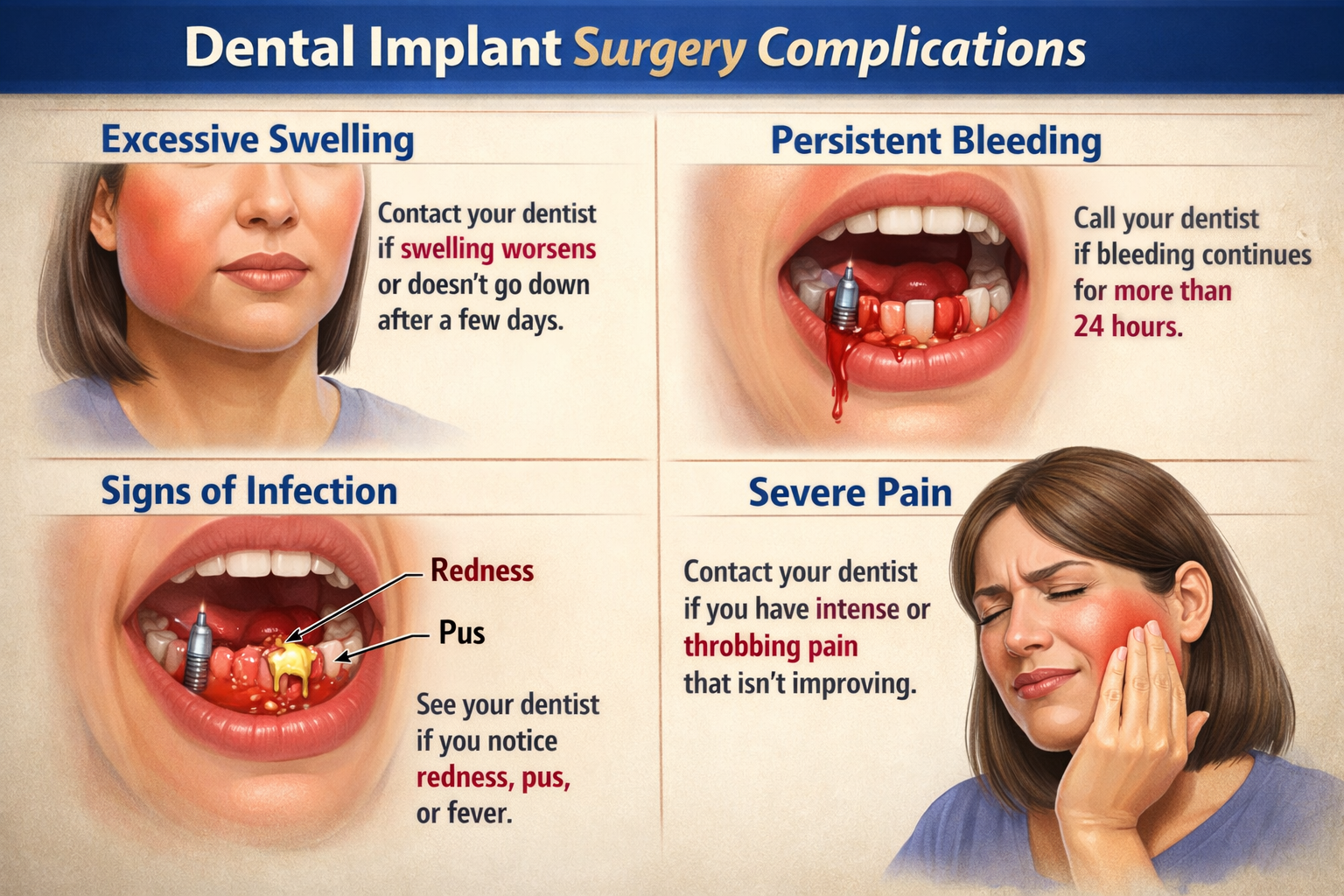
While most dental implant recoveries are straightforward when following post-op dental implant instructions, it’s important to be aware of potential complications. Knowing what to watch for and when to contact your dental professional can prevent minor issues from becoming major problems.
Common and Normal Post-Op Symptoms
It’s helpful to distinguish between normal recovery symptoms and signs of complications.
- Mild to Moderate Pain: Manageable with prescribed or over-the-counter pain medication.
- Swelling: Peaks around 2-3 days and gradually subsides.
- Bruising: May appear on the skin around the surgical site, usually fading within a week or two.
- Slight Bleeding/Oozing: Can occur for up to 48 hours.
- Numbness: Temporary numbness around the surgical area due to local anesthetic is common.
Signs of Potential Complications: When to Call Your Dentist 📞
If you experience any of the following, contact your dental professional immediately.
- Excessive or Persistent Bleeding: If bleeding is heavy and cannot be controlled with firm pressure on gauze for 30-45 minutes, or if it suddenly worsens after the initial 48 hours.
- Severe or Worsening Pain: If pain is extreme, not relieved by medication, or suddenly increases significantly after several days of recovery.
- Significant Swelling After 3-4 Days: While some swelling is normal, if it increases dramatically after the first few days, especially if accompanied by fever or chills.
- Signs of Infection:
- Fever: Any temperature above 100°F (37.8°C).
- Pus or Discharge: A foul taste or visible pus from the surgical site.
- Increased Redness: Spreading redness around the implant site.
- Allergic Reaction: Hives, rash, difficulty breathing, or severe itching.
- Numbness or Tingling (Persistent): If numbness of the lip, chin, or tongue persists beyond the expected duration of local anesthesia (several hours), this could indicate nerve involvement and requires immediate attention.
- Implant Movement: If you feel the implant moving, even slightly, this is a serious concern and requires immediate contact with your dentist.
- Unusual Odor or Taste: A persistent bad taste or odor from the surgical area could indicate an infection.
“Your recovery is our priority. Don’t hesitate to reach out if you have any concerns, no matter how small they may seem.”
Preventing Complications
- Follow All Instructions: The best way to prevent complications is to strictly adhere to all post-op dental implant instructions provided by your dental professional.
- Take Medications as Prescribed: This includes antibiotics (to prevent infection) and pain relievers. You can learn more about antibiotics post-surgery here: antibiotics after dental implant surgery.
- Avoid Irritants: Steer clear of smoking, alcohol, and very hot or spicy foods.
- Good Nutrition: A healthy diet supports your body’s healing capabilities.
By being vigilant and communicating any concerns, you play an active role in ensuring a smooth and successful recovery from your dental implant procedure.
Long-Term Care and Follow-Up: Ensuring Lasting Success of Your Dental Implants
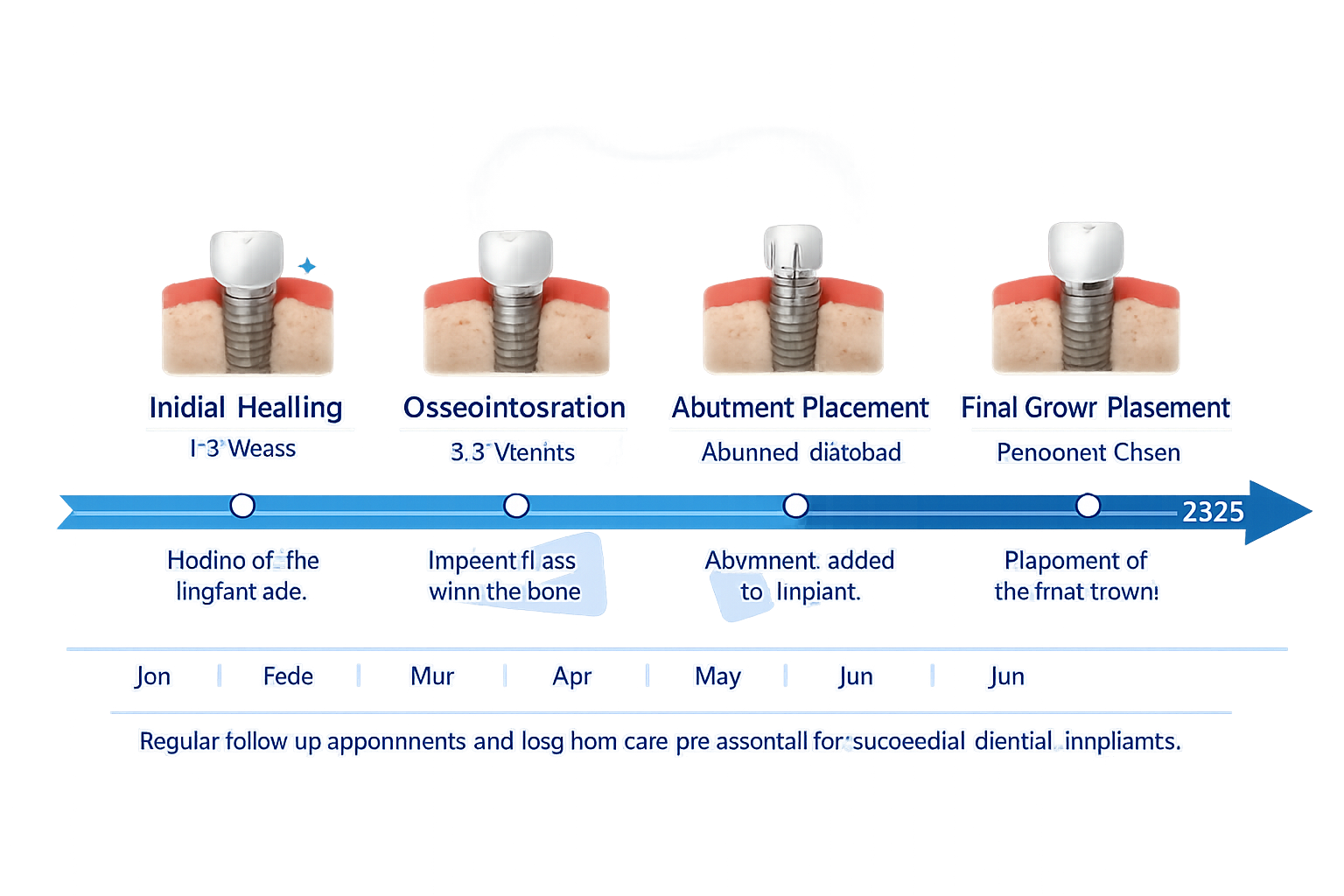
The journey with your dental implants doesn’t end when the initial healing is complete. Long-term care and diligent follow-up are critical for the sustained health, functionality, and aesthetic appeal of your new teeth. These final post-op dental implant instructions are geared towards making your investment last a lifetime.
The Osseointegration Period
After your surgery, there’s a crucial period, often 3-6 months, during which the implant fixture fuses with your jawbone. This process is called osseointegration.
- Patience is Key: During this time, the implant should not be subjected to heavy chewing forces. Your dentist will advise you on temporary restorations and when it’s safe to progress to the next stage, such as abutment placement. Understanding this timeline is part of your complete recovery journey: complete dental implant recovery timeline what to expect at every stage.
- Abutment Placement: Once osseointegration is confirmed, a small connector called an abutment is placed on the implant. This typically involves a minor procedure. More details can be found here: complete guide to the dental implant abutment procedure what you need to know.
Regular Dental Check-ups and Professional Cleanings
Even after your final crown or bridge is placed, your dental implants require ongoing professional care.
- Scheduled Follow-Ups: Adhere to your dentist’s recommended schedule for follow-up appointments. These visits allow your dental team to monitor the health of your implants, surrounding gums, and bone.
- Specialized Cleanings: Dental implants need specific care during professional cleanings. Hygienists use special instruments made of plastic or graphite to avoid scratching the implant surface. Regular cleanings are vital for preventing peri-implantitis.
- Radiographic Monitoring: X-rays will be taken periodically to assess the bone levels around your implants and detect any changes.
Continued Home Care
Your daily home care routine is the most significant factor in the long-term success of your implants.
- Diligent Brushing and Flossing: Continue to brush twice daily and floss daily. Use appropriate tools, such as soft-bristled toothbrushes, interdental brushes, and water flossers.
- Antiseptic Mouthwash: Your dentist may recommend an antiseptic mouthwash for daily use to control bacteria.
- Avoid Damaging Habits: Refrain from habits like chewing on ice, biting fingernails, or using your teeth to open packages, as these can damage your implant restorations.
- Nightguards for Grinders: If you clench or grind your teeth (bruxism), your dentist might recommend a custom nightguard. This protects your implants (and natural teeth) from excessive forces.
“Investing in dental implants is investing in your future smile. Long-term care ensures that investment truly pays off.”
Addressing Potential Issues Early
If you notice any of the following symptoms, even years after your implant placement, contact your dentist:
- Pain or Tenderness: Around the implant or surrounding gum tissue.
- Swelling or Redness: Of the gums near the implant.
- Bleeding: When brushing or flossing around the implant.
- Loose Implant or Crown: Any noticeable movement of the implant or its attached restoration.
- Bad Taste or Odor: Persisting from the implant area.
Early detection and treatment of issues can often prevent more serious complications. Your dental implants are a permanent solution to tooth loss, designed to function and feel like natural teeth. By embracing these comprehensive post-op dental implant instructions for long-term care, you are actively participating in the enduring success and beauty of your restored smile. Should you ever need comprehensive dental implant services in Dallas, TX, remember to seek out experienced professionals: https://dentalimplantsdallastx.com/affordable-dental-implants-dallas-tx/.
Conclusion
The journey through receiving dental implants, from the initial consultation to the final restoration, is a testament to modern dentistry’s ability to profoundly improve quality of life. However, the true success and longevity of your dental implants hinge directly on your commitment to diligently following post-op dental implant instructions.
From managing the immediate post-operative period with careful bleeding and pain control, through the delicate balance of dietary restrictions and meticulous oral hygiene, to understanding potential complications and embracing long-term care, each step is vital. We have explored the critical phases:
- The Initial 24-48 Hours: Focusing on immediate pain, swelling, and bleeding management, along with critical precautions.
- Dietary Adjustments: Emphasizing soft foods to protect the healing site and promote osseointegration.
- Oral Hygiene: Detailing gentle yet effective cleaning methods for both immediate and long-term implant health.
- Recognizing Complications: Empowering you to identify signs that warrant immediate professional attention.
- Long-Term Care: Highlighting the importance of follow-up appointments, professional cleanings, and sustained home care for lasting success.
Remember, your dental implant team is your partner in this process. Do not hesitate to reach out to them with any questions or concerns you may have throughout your recovery. They are there to provide support and guidance, ensuring your journey to a healthy, confident smile is as smooth and successful as possible. By prioritizing these post-op dental implant instructions, you are actively investing in the enduring health and beauty of your new smile, setting the stage for decades of comfortable chewing, clear speech, and renewed self-assurance.
References
[1] Alsaeed, M., Zafar, S., & Al-Samadani, K. (2018). Post-operative Complications and Their Management in Dental Implant Surgery: A Systematic Review. Journal of Oral Biology and Craniofacial Research, 8(3), 209-215. [2] Misch, C. E. (2008). Contemporary Implant Dentistry (3rd ed.). Mosby Elsevier.
Your Personalized Dental Implant Recovery Checklist
Keep track of your **post-op dental implant instructions** to ensure a smooth and successful healing process in 2026. Mark items as complete!
Leave a Reply
Share your thoughts or ask a question about dental implants. Your email address will not be published.