

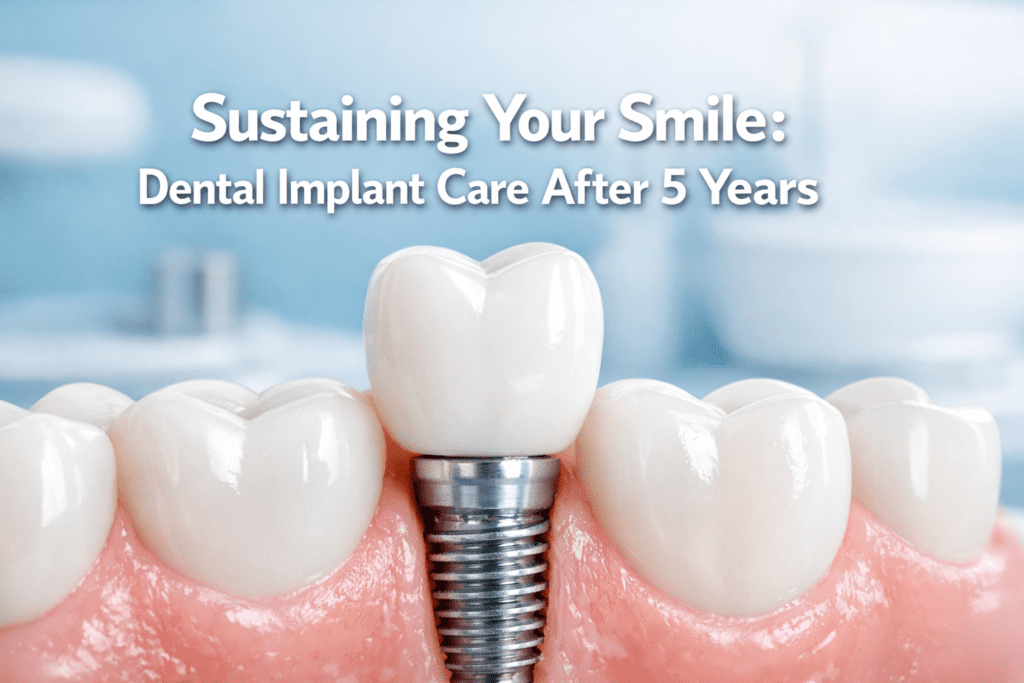
Imagine waking up every day with a confident, natural-looking smile, free from the worries of missing teeth. Dental implants offer exactly that—a durable, long-term solution that can truly transform your quality of life. But what happens after the initial healing and the first few years pass? The journey to a lifelong, healthy smile with dental implants doesn’t end there. In 2026, understanding optimal dental implant care after 5 years is more crucial than ever for maintaining your investment and preventing complications. Just as you care for your natural teeth, your implants require diligent attention to ensure they continue to function beautifully for decades to come.
This comprehensive guide will walk you through the essential maintenance strategies, professional care requirements, and common concerns that arise with dental implants well past the initial healing phase. We’ll delve into everything from daily hygiene routines to the importance of regular professional check-ups, ensuring you have all the knowledge needed to protect your smile and enjoy the full benefits of your dental implants for a lifetime.
Key Takeaways
- Lifelong Investment: With proper care, titanium implant posts can last a lifetime, while crowns or prosthetics may need replacement every 10–15 years.
- Diligent Daily Hygiene: Consistent brushing twice daily with a soft-bristled brush and using specialized cleaning tools like interdental brushes or water flossers are crucial to prevent plaque buildup.
- Regular Professional Care: Schedule professional cleanings every 3–6 months to monitor bone levels, remove hardened plaque, and catch early signs of complications like peri-implantitis.
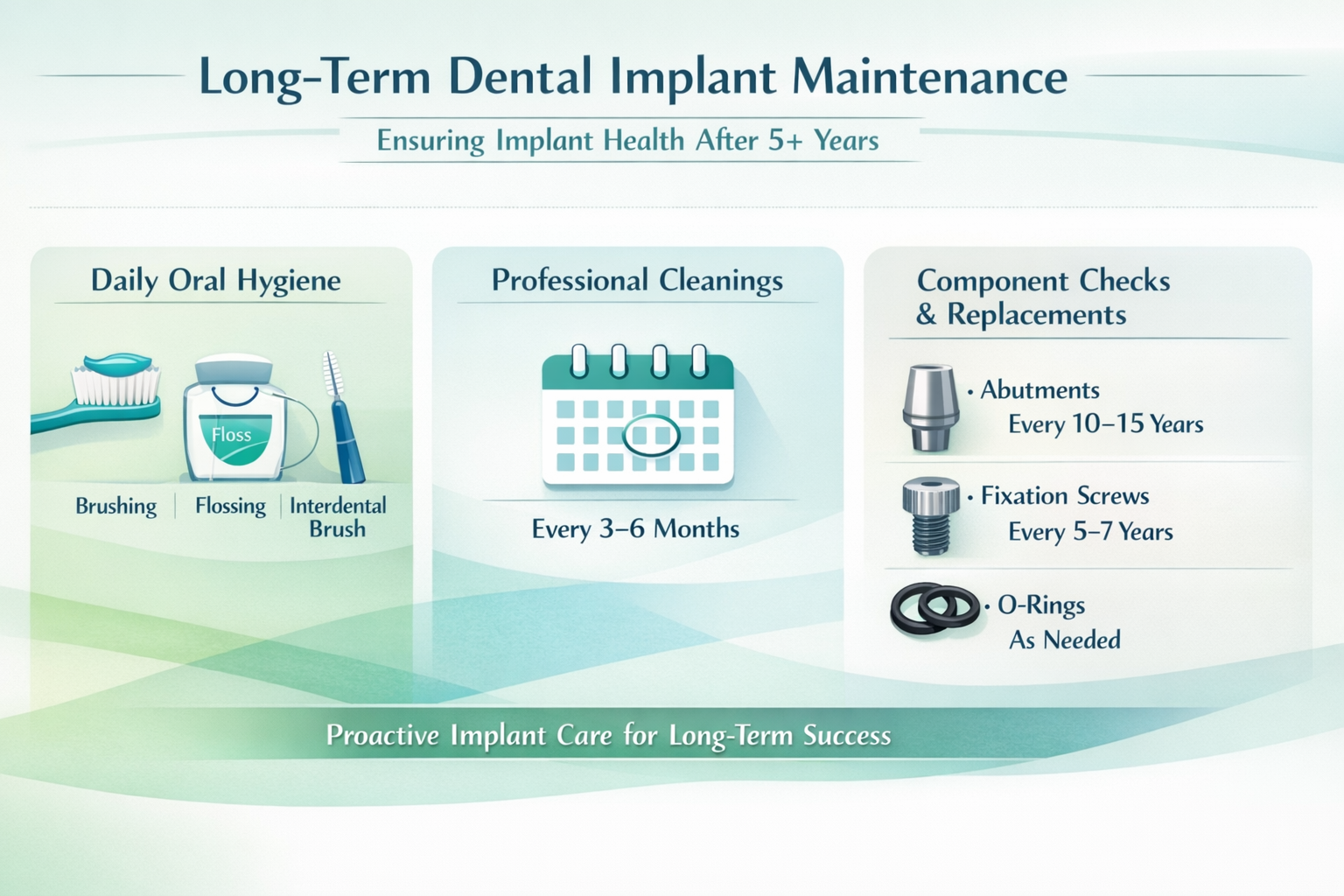
- Component Maintenance: Expect certain implant components, such as fixation screws (every 5–7 years) and O-rings (every 1–2 years), to require routine maintenance or replacement.
- Early Detection is Key: Be vigilant for signs of inflammation around your implants, such as redness or swelling, and seek prompt dental attention to prevent more serious conditions.
The Longevity of Dental Implants: What to Expect After Half a Decade and Beyond
Dental implants are widely celebrated for their exceptional durability and high success rates. In fact, studies show that dental implants achieve 90–95% success rates over 10–20 years and can even function for 20–30 years or a lifetime with diligent care and maintenance [4]. The implant post itself, typically made of titanium, is designed to be a permanent fixture in your jawbone. This means that with proper integration and care, the actual implant post can indeed last a lifetime [1][4]. However, the prosthetic teeth (crowns, bridges, or dentures) attached to these implants are subject to wear and tear from daily chewing and biting, and usually require replacement or significant maintenance every 10–15 years [1][4].
When we talk about dental implant care after 5 years, we’re primarily focusing on preserving the integrity of the implant post and the surrounding gum and bone tissue, while also ensuring the longevity and optimal function of the prosthetic tooth.
Why is Long-Term Care So Important?
The success of your dental implants hinges on continuous care, especially as the years pass. Here’s why:
- Preventing Bone Loss: After the first year, minimal bone loss around the implant occurs, typically remaining below 0.5mm annually with adequate maintenance [4]. However, neglecting care can lead to accelerated bone loss, potentially compromising the implant’s stability.
- Avoiding Peri-Implant Diseases: Just like natural teeth can suffer from gum disease, dental implants are susceptible to conditions like peri-implant mucositis and peri-implantitis. These inflammatory conditions, if left untreated, can lead to implant failure.
- Maintaining Prosthetic Integrity: The visible part of your implant—the crown or denture—needs regular checks for wear, chips, or looseness to ensure proper bite function and aesthetics.
- Protecting Your Investment: Dental implants are a significant investment in your oral health and quality of life. Consistent, proactive care ensures you get the maximum return on that investment, avoiding costly and complex issues down the line. For those in Dallas, maintaining your implants meticulously can also help you avoid the need for revision dental implant surgery Dallas later on.
Key Components Requiring Maintenance
Understanding the different parts of your dental implant and their expected maintenance timelines is crucial for comprehensive dental implant care after 5 years:
- Implant Post (Fixture): The titanium screw placed in your jawbone. Designed to last a lifetime with proper osseointegration and hygiene [1][4].
- Abutment: The connector piece between the implant post and the prosthetic tooth. Abutments may need replacement after 10–15 years due to wear [1].
- Prosthetic Tooth (Crown, Bridge, or Denture): The visible replacement tooth. These generally require replacement or significant maintenance every 10–15 years [1][4].
- Fixation Screws: These tiny screws secure the prosthetic to the abutment. They require tightening or replacement every 5–7 years [1].
- O-rings or Other Attachment Mechanisms (for removable prosthetics): For patients with overdentures, these small components need replacement every 1–2 years to maintain a secure fit [1].
My experience as a dental professional has shown me that patients who are informed about these components and their maintenance schedules are far more proactive in their long-term care, leading to superior outcomes.
Essential Strategies for Dental Implant Care After 5 Years
Achieving long-term success with your dental implants requires a two-pronged approach: diligent daily home care and regular professional maintenance.
1. Diligent Daily Oral Hygiene
Your daily routine is the first line of defense against plaque accumulation and potential complications. It is the bedrock of effective dental implant care after 5 years.
- Brushing: Brush twice a day for at least two minutes each time, using a soft-bristled toothbrush. Hard bristles can be too abrasive for the gum tissue around implants [1][2][3][4].
- Technique: Angle the brush head at 45 degrees towards the gumline, gently brushing all surfaces of the implant crown and the surrounding gums.
- Power Brushes: Many patients find electric toothbrushes with soft brush heads to be highly effective at removing plaque around implants.
- Flossing/Interdental Cleaning: Regular flossing or using interdental brushes is critical to clean between implants and natural teeth, as well as around the implant post where plaque can accumulate [1][2][3][4].
- Dental Floss: Use a non-abrasive, waxed floss or specialized implant floss.
- Interdental Brushes: These small brushes are excellent for cleaning hard-to-reach areas around implants. For more guidance, see our guide on the sulcus brush for implants or general interdental brushes for implants.
- Water Flossers: A water flosser can be incredibly beneficial for implant care, as it uses a stream of water to dislodge food particles and plaque from around the implant and under the gumline, reducing the risk of inflammation [1][3].
- Mouthwash: An antimicrobial mouthwash, as recommended by your dentist, can help control bacteria in your mouth, contributing to overall oral health [3]. Avoid alcohol-based mouthwashes if they cause irritation.
“Consistent daily oral hygiene is not just about keeping your breath fresh; it’s about protecting the foundation of your dental implant and preventing serious issues down the line.”
2. Regular Professional Maintenance
Even with the most meticulous home care, professional cleanings and check-ups are indispensable for long-term implant success.
- Frequency: Professional cleanings are recommended every 3–6 months [1][4]. These visits allow your dental professional to monitor bone levels, remove hardened plaque (calculus), and detect any early signs of complications.
- Specialized Tools: Dental hygienists use specialized tools made of plastic or graphite, rather than traditional metal scalers, to clean around implants without scratching the titanium surface. Scratches can create rough spots where bacteria can adhere more easily.
- Component Checks: During these visits, your dentist will examine the prosthetic for wear, check the stability of the abutment, and ensure fixation screws are secure [1].
- Note on Insurance: It’s important to be aware of insurance limitations. For example, Kaiser Permanente’s 2026 dental plans limit dental implant maintenance—specifically when the prosthesis is removed and reinserted for cleaning—to once every two years [6]. This highlights the importance of understanding your specific plan and discussing comprehensive care with your provider.
- X-rays: Regular X-rays are vital to monitor the bone level around your implants [4]. Your dentist will establish an optimal dental implant X-ray frequency for you, typically annually, to catch any bone loss early.
3. Lifestyle Considerations and Protective Measures
Beyond daily cleaning, certain lifestyle choices and protective measures can significantly impact the lifespan and health of your dental implants.
- Avoid Smoking: Smoking is a major risk factor for implant failure and peri-implant diseases [2]. It impairs healing and reduces blood flow to the gums and bone.
- Limit Sugary and Acidic Foods/Drinks: While implants aren’t susceptible to cavities, excessive sugar and acid can harm your remaining natural teeth and contribute to gum disease, which can then affect your implants.
- Manage Teeth Grinding (Bruxism): If you grind or clench your teeth, especially at night, a custom-fitted night guard is essential. Bruxism places excessive force on implants, which can lead to component loosening, fractures, or even bone loss around the implant [2]. Learn more about the essential role of a dental implant night guard.
- Address Bad Breath: Persistent bad breath can be a sign of infection or inadequate cleaning around your implants [2]. For more information, see our guide on bad breath from dental implants.
Recognizing and Addressing Potential Complications After 5 Years
Even with the best care, it’s vital to be aware of potential complications, especially as your implants age. Early detection and intervention are key to successful management.
Peri-Implant Mucositis and Peri-Implantitis
These are the most common implant-related complications, analogous to gingivitis and periodontitis in natural teeth.
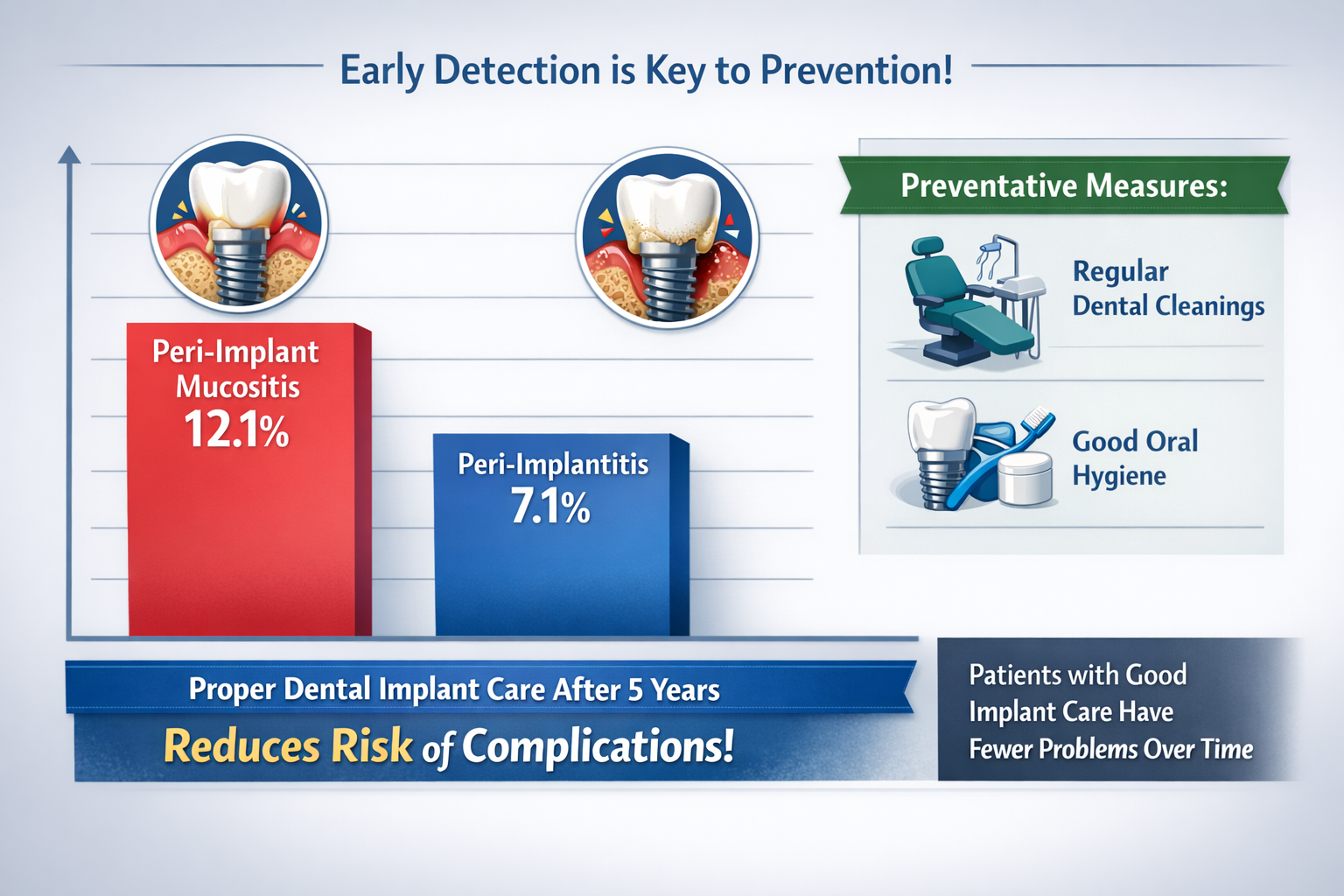
- Peri-Implant Mucositis: This is an inflammation of the soft tissues around a dental implant without any bone loss [4]. It’s similar to gingivitis. Symptoms include redness, swelling, and bleeding around the implant when probed or brushed. Peri-implant mucositis occurs in approximately 12.1% of cases [4].
- Treatment: Often reversible with improved oral hygiene and professional cleaning.
- Peri-Implantitis: If mucositis is left untreated, it can progress to peri-implantitis, which involves inflammation of the soft tissues and progressive bone loss around the implant [4]. This condition affects approximately 7.1% of patients and is the leading cause of late implant failure [4].
- Symptoms: Deeper pockets around the implant, pus, pain (though not always present), and visible recession of the gum tissue. It’s crucial to understand that a dental implant can get infected years later.
- Treatment: Requires more intensive treatment, including deep cleaning, antibiotics, and sometimes surgical intervention to remove infected tissue and regenerate bone.
Warning Signs to Watch For:
| Symptom | Potential Issue | Action |
|---|---|---|
| Red, swollen, or tender gums | Peri-implant mucositis or early peri-implantitis | Contact your dentist for an evaluation. |
| Bleeding when brushing/flossing | Peri-implant mucositis or early peri-implantitis | Step up your hygiene, but still call your dentist. |
| Persistent bad breath | Possible infection or trapped food debris | Review your cleaning routine; if it persists, see your dentist. Also see our article on bad breath from dental implants. |
| Loose feeling implant/crown | Loose screw, abutment, or implant failure | Urgent dental visit required! Do not attempt to fix it yourself. This could be an emergency dental implant care. |
| Pain or discomfort | Infection, nerve irritation, or mechanical issue | Schedule an appointment with your dentist promptly. For managing general discomfort, refer to our dental implant pain relief guide. |
| Difficulty chewing | Bite issues, loose component | Consult your dentist to adjust the bite or check components. |
Mechanical Complications
Over time, components of your implant restoration can experience wear.
- Loose or Fractured Crowns/Prosthetics: The crown or bridge attached to your implant can become loose or even chip/fracture due to wear, excessive biting forces, or trauma. This typically requires repair or replacement of the prosthetic [1].
- Abutment or Fixation Screw Issues: As mentioned, fixation screws may loosen and need tightening or replacement every 5–7 years, and abutments can wear out over 10–15 years [1]. If you feel something isn’t quite right, it’s best to have it checked.
- Porcelain Chipping: While durable, the porcelain on your crown can chip, especially if you clench or grind your teeth. Small chips can often be polished; larger chips may require repair or replacement of the crown.
What to Do in Case of an Emergency
If you experience sudden pain, swelling, or notice a loose implant or crown, it’s important to seek prompt professional care. Do not wait! For residents of Dallas, we offer comprehensive emergency dental implant care services. Ignoring these signs can lead to more complex and costly treatments.
The Future of Dental Implant Longevity in 2026 and Beyond
The field of dental implantology is continually advancing, and 2026 is no exception. New techniques and surface treatments are constantly being developed to ensure implants last even longer than the current 20–30 year standard, potentially reducing future replacement frequency [7]. Researchers are focusing on enhancing osseointegration (the fusion of the implant with the bone), improving materials for crowns and abutments, and developing more effective ways to prevent peri-implant diseases. This means that while your current implants are incredibly durable, future advancements may make long-term care even more streamlined and effective.
As an SEO content strategist, I’m always looking for the latest information to empower patients, and the evolving landscape of dental implant technology is incredibly promising. Staying connected with your dental provider ensures you benefit from the most up-to-date care practices and technologies relevant to your dental implant care after 5 years.
Conclusion
Maintaining your dental implants meticulously, especially as you navigate dental implant care after 5 years, is a testament to their value and your commitment to your oral health. While the titanium implant posts are designed to last a lifetime, the prosthetic components and the surrounding tissues require ongoing vigilance and professional attention. By adhering to a consistent daily oral hygiene routine, prioritizing regular professional cleanings every 3-6 months, and being aware of the signs of potential complications, you are actively protecting your investment.
Remember, dental implants represent not just a restoration of your smile, but a restoration of confidence, comfort, and function. Don’t hesitate to reach out to your dental professional with any questions or concerns. Your long-term success is a partnership between you and your dental care team. Here’s to many more decades of healthy, beautiful smiles!
Actionable Next Steps:
- Review Your Routine: Assess your current daily oral hygiene practices. Are you consistently brushing twice daily with a soft brush? Are you using interdental brushes or a water flosser? Consider incorporating new tools if you haven’t already.
- Schedule Your Next Cleaning: If it’s been more than 6 months, schedule your next professional cleaning and check-up with your dentist or periodontist. This is non-negotiable for optimal dental implant care after 5 years.
- Discuss a Night Guard: If you suspect you grind or clench your teeth, talk to your dentist about getting a custom-fitted night guard to protect your implants and natural teeth.
- Stay Informed: Keep an open dialogue with your dental team about any changes you notice or any concerns you have regarding your implants.
References
[1] All On 4 Implants Long Term Maintenance – https://www.myimagedental.com/blog/all-on-4-implants-long-term-maintenance/
[2] The Guide To Long Term Success Proper Dental Implant Maintenance – https://www.stillwaterfamilydental.com/the-guide-to-long-term-success-proper-dental-implant-maintenance
[3] Essential Dental Implant Maintenance Tips For Longevity – https://www.lakeviewfamilydentist.com/essential-dental-implant-maintenance-tips-for-longevity/
[4] How Long Do Dental Implants Last With Proper Care – https://www.tolanddental.com/how-long-do-dental-implants-last-with-proper-care/
[5] Full Arch Implants Maintenance – https://www.drsilegy.com/full-arch-implants-maintenance/
[6] Lbg Dental Ppo Plans Implants Rider Sell Sheet Nw En – https://business.kaiserpermanente.org/business/shared/nw/plans/2026/lbg-dental-ppo-plans-implants-rider-sell-sheet-nw-en.pdf
[7] Dental Implants In 2026 Advances In Longevity Materials And Faster Recovery – https://trinitydentist.com/dental-implant-2026-advances-in-longevity-materials-and-faster-recovery/
[8] Care For Dental Implants Lifetime – https://www.dentistryofoldtownscottsdale.com/dental-blog/care-for-dental-implants-lifetime/
[9] Extend Dental Implant Lifespan Aftercare Tips – https://mykierlanddental.com/extend-dental-implant-lifespan-aftercare-tips/
[10] Protect Your Dental Implants In 2025 A Guide To Peri Implantitis – https://www.barclayfamilydental.com/protect-your-dental-implants-in-2025-a-guide-to-peri-implantitis
Leave a Reply
Share your thoughts or ask a question about dental implants. Your email address will not be published.