

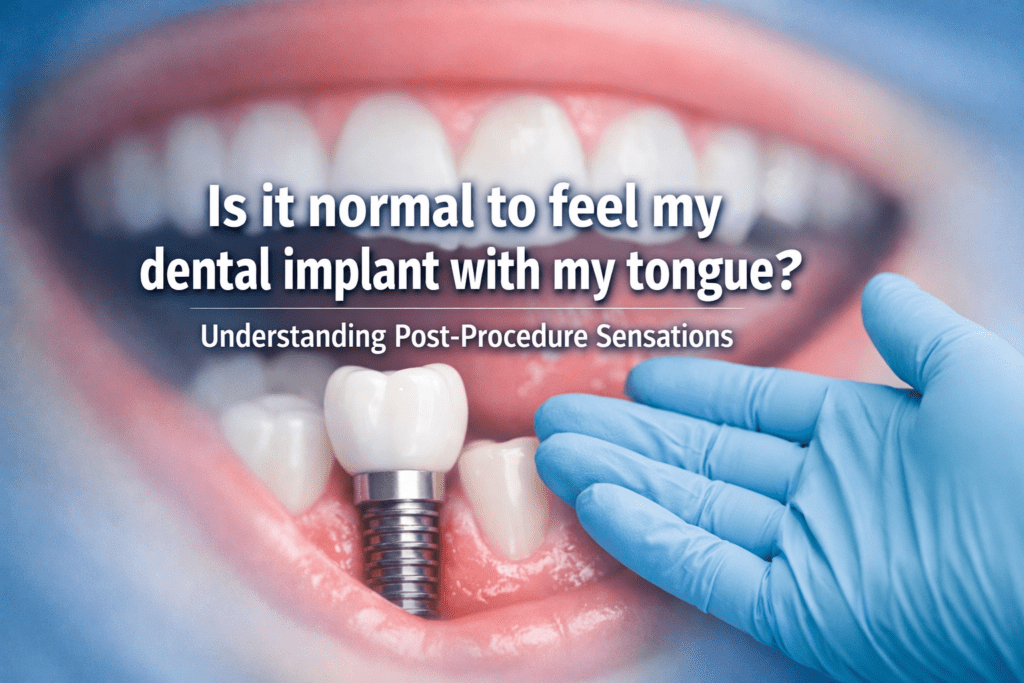
Quick Answer: Yes, it is often normal to feel your dental implant with your tongue, especially during the initial healing period after the procedure. Your mouth is highly sensitive, and introducing a new, permanent fixture can naturally draw your tongue’s attention as your oral tissues adjust. While typically a harmless sensation, persistent discomfort, numbness, or pain warrants a consultation with your Dallas dentist to rule out complications.
Key Takeaways:
- It’s common to notice your dental implant with your tongue as your mouth adapts to the new restoration.
- Initial sensations like mild tightness, pressure, or a different texture are normal after implant placement.
- The feeling should gradually diminish as the implant integrates with your jawbone and your mouth heals.
- A “foreign object” sensation is a natural part of adjusting to any new dental appliance, including dental implants.
- Persistent pain, unusual numbness, swelling, or a feeling of looseness are signs to contact your dentist immediately.
- Proper oral hygiene and regular dental check-ups are crucial for the long-term success and comfort of your dental implants.
- Understanding the recovery timeline can help manage expectations about post-procedure sensations.
Why Do I Feel My Dental Implant with My Tongue?
Feeling your dental implant with your tongue is a common experience, primarily because your tongue is an incredibly sensitive and exploratory organ. After a dental implant procedure, your mouth undergoes a period of significant adjustment. The introduction of a new, fixed structure changes the oral landscape, and your tongue naturally investigates this unfamiliar presence [1].
This initial awareness is often harmless and part of the normal healing process. Here’s why you might feel your implant:
- Natural Oral Exploration: Your tongue constantly interacts with your teeth, gums, and other oral structures. When a dental implant is placed, it introduces a new texture, shape, or contour that your tongue immediately notices and explores. This reaction is similar to how you might constantly feel a new filling or crown [1].
- Healing and Swelling: In the days and weeks following dental implant surgery, your gums and jawbone are actively healing around the titanium post. Mild swelling and inflammation are normal during this period, which can make the implant area feel more prominent or sensitive to your tongue [1].
- Osseointegration: Dental implants are designed to fuse with your jawbone in a process called osseointegration. As this biological process occurs, the surrounding tissues adapt to the implant. While this process is largely internal, the gradual changes can contribute to a sensation of tightness or pressure that your tongue may detect [1].
- New Crown or Abutment: Once the healing phase is complete, a custom crown or prosthesis is attached to the implant via an abutment. This final restoration has a specific shape and size that may feel different from your natural tooth, leading to continued tongue exploration as you get used to the new bite and feel [1].
It’s important to differentiate between a general awareness or mild pressure and actual pain or significant discomfort. A simple “feeling” is usually a sign of your mouth adapting.
Is It Normal to Have Sensitivity After Dental Implant Placement?
Yes, mild sensitivity or discomfort after dental implant placement is very common and a normal part of the healing process as the gums and bone adjust to the new titanium post [6]. This sensitivity should gradually subside over days to weeks, much like the recovery from any minor surgical procedure.
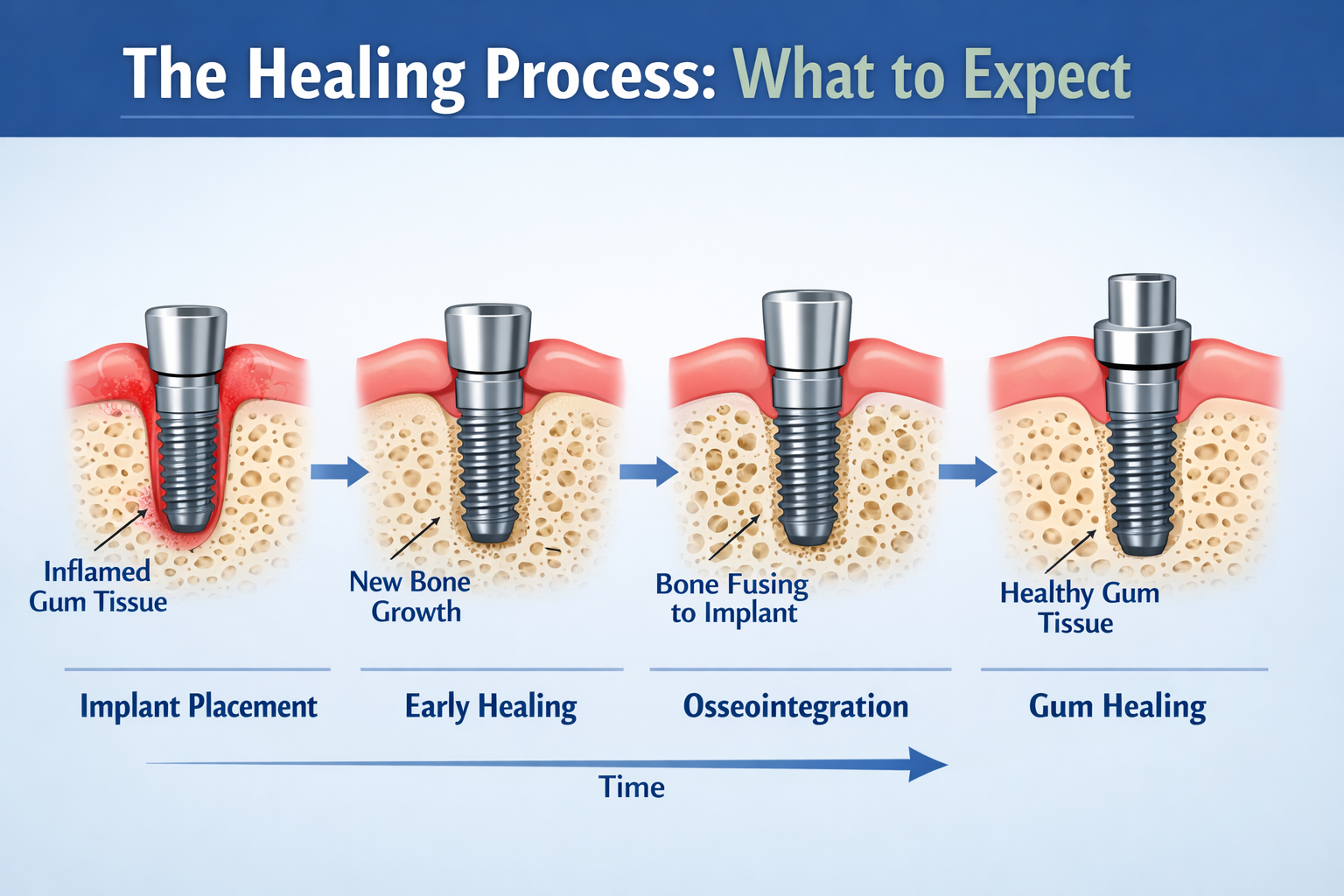
Understanding the typical recovery timeline can help manage expectations:
- Initial Days (1-3 days post-surgery): You might experience mild pain, swelling, and possibly some bruising around the implant site. This is managed with pain medication and ice packs. Your tongue might feel the slight elevation or altered texture due to swelling [7].
- First Week (up to 7 days): The initial swelling and discomfort should begin to decrease. You may still feel a general awareness of the implant with your tongue, along with some residual soreness. Accidental biting of the tongue while still numb from the procedure can also cause temporary tongue pain that resolves within 7-10 days [7].
- Weeks 2-6 (Osseointegration Phase): This is the crucial period where the implant post integrates with your jawbone. During this time, the soft tissues around the implant site heal. You might notice intermittent sensitivity, especially if you accidentally bump the area. The feeling of the implant with your tongue should become less prominent as healing progresses.
- After Crown Placement: Once the implant has fully integrated and the final crown is placed, it’s normal for your tongue to feel the new restoration. It might feel slightly different than your natural teeth initially, but your mouth is remarkably adaptable and will typically adjust over a few weeks. For more on post-operative care, read our guide on Dental Implant Post-Op Care & Maintenance Costs in Dallas.
If the sensitivity intensifies, becomes sharp, or is accompanied by other concerning symptoms, it’s crucial to contact your dentist.
When Should I Be Concerned About Feeling My Dental Implant?
While feeling your dental implant with your tongue is often normal, certain sensations warrant immediate attention from your dentist. It’s important to distinguish between expected post-surgical awareness and signs of a potential complication.

You should be concerned and contact your Dallas dental professional if you experience any of the following:
- Persistent or Worsening Pain: If the pain at the implant site doesn’t improve with medication, gets worse over time, or is severe, it could indicate an infection or other issue [3]. Normal healing pain should gradually subside.
- Unusual or Persistent Numbness/Tingling: Numbness or tingling in the tongue, lips, chin, or gums that lasts beyond 8-12 hours after the anesthesia wears off could be a sign of nerve involvement [5]. Nerve damage, though rare, can occur if the implant is placed too close to a nerve, particularly in the lower jaw [8, 9]. This needs prompt evaluation.
- Excessive Swelling or Bruising: While some swelling is normal, rapid, severe, or spreading swelling, especially if accompanied by fever, could indicate an infection [2].
- Bleeding That Won’t Stop: Minor oozing is expected, but heavy or continuous bleeding that doesn’t stop after applying pressure should be reported immediately.
- Feeling of Looseness: A dental implant should feel secure. If you feel any movement, wobbling, or looseness of the implant, abutment, or crown, contact your dentist right away [3]. This could indicate failed osseointegration or a problem with the components.
- Pus or Discharge: Any signs of infection, such as pus, foul taste, or unusual discharge from the implant site, require immediate medical attention [3].
- Difficulty Chewing or Biting: While you’ll have dietary restrictions initially, persistent difficulty or pain when trying to chew or bite down could indicate a problem with the implant or its alignment.
If you are experiencing any of these symptoms, especially if they are worsening, contact your Dallas implant dentist. Early intervention can prevent minor issues from becoming more serious problems. For guidance on managing discomfort, refer to our article on Dental Implant Pain Management in Dallas.
Normal Sensations vs. Signs of Complications
Understanding the difference between expected post-operative feelings and potential red flags is crucial for anyone undergoing dental implant therapy.
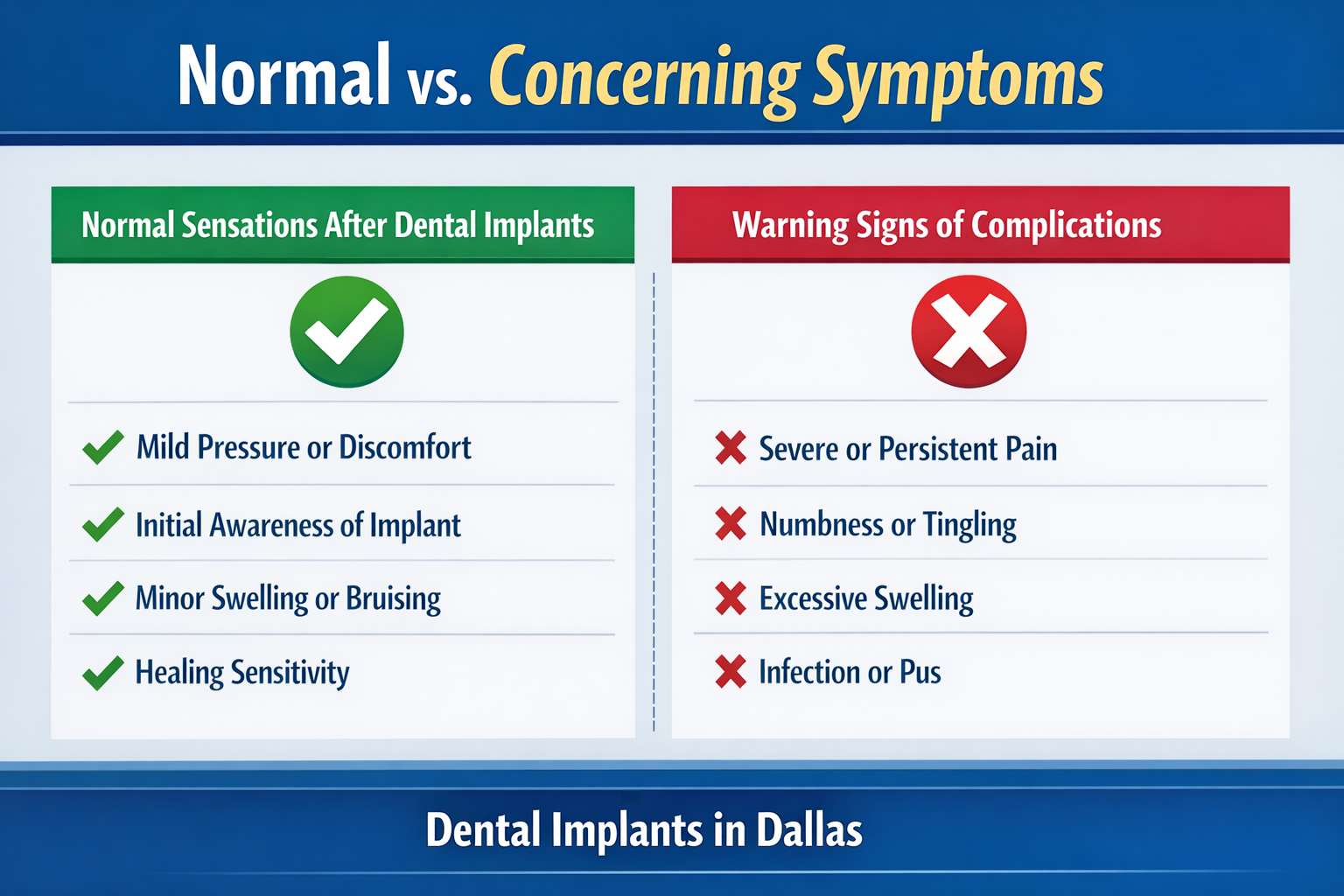
| Normal Post-Implant Sensations (Typically temporary) | Potential Signs of Complications (Requires dental evaluation) |
|---|---|
| Mild awareness or “foreign object” sensation with tongue [1] | Persistent, worsening, or severe pain [3] |
| Slight pressure or tightness in the implant area [1] | Numbness or tingling that persists beyond initial recovery [5] |
| Minimal, manageable discomfort with over-the-counter pain relief | Excessive or spreading swelling, especially with fever [2] |
| Minor swelling or bruising (subsides within a few days) [7] | Redness or inflammation that worsens or doesn’t improve [3] |
| Occasional mild sensitivity to temperature [6] | Pus or foul-tasting discharge from the implant site [3] |
| Temporary difficulty speaking or chewing (adjusts quickly) | Feeling of looseness or movement in the implant or crown [3] |
| Light bleeding or oozing for 24-48 hours | Heavy, uncontrolled bleeding |
| Jaw stiffness or soreness | Unusual or persistent bad breath |
| Difficulty opening mouth or swallowing |
If you are ever unsure about a sensation you are experiencing, it is always best to contact your dentist. They can assess your individual situation and provide appropriate guidance. When considering dental implants in Dallas, choose a practice that prioritizes patient safety and offers clear post-operative instructions and support.
Maintaining Oral Health After Dental Implant Placement
Proper oral health maintenance is paramount for the long-term success and comfort of your dental implants. Even if you feel your implant with your tongue, meticulous care can ensure it remains healthy and functional for years to come.
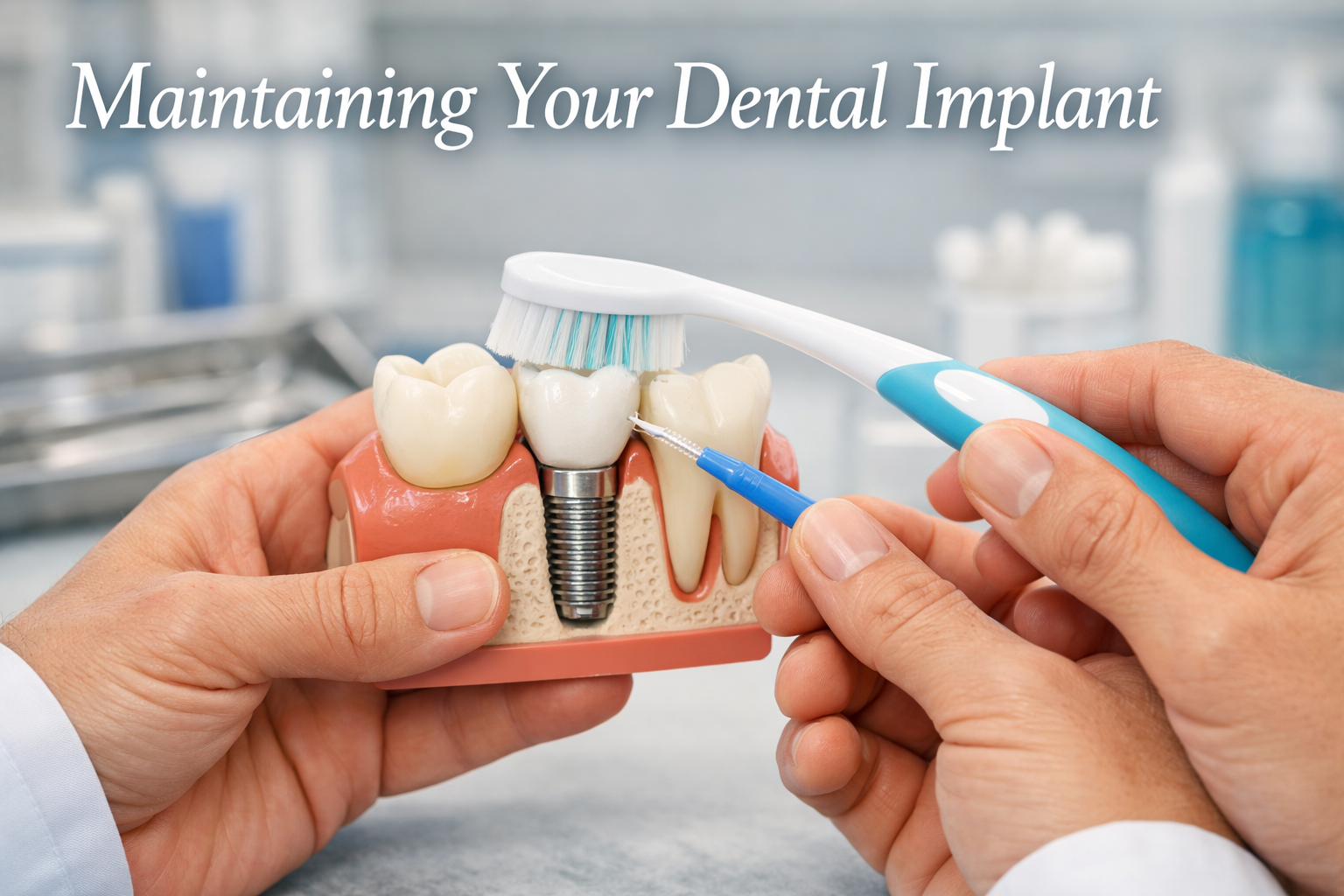
Here’s how to maintain optimal oral health after dental implant placement:
- Follow Post-Operative Instructions: Adhere strictly to all instructions provided by your Dallas implant dentist regarding cleaning, diet, and activity during the initial healing period. This is critical for proper osseointegration.
- Gentle Brushing: Use a soft-bristled toothbrush and non-abrasive toothpaste. Brush gently around the implant site, ensuring you clean all surfaces of the implant crown and surrounding gum tissue.
- Flossing and Interdental Cleaning: Regular flossing is essential. Your dentist may recommend specialized floss, interdental brushes, or water flossers (oral irrigators) designed for dental implants to clean areas around the implant that traditional brushing might miss. These tools help remove plaque and food debris from hard-to-reach spots.
- Rinse Regularly: An antimicrobial mouthwash, as recommended by your dentist, can help keep the surgical site clean and reduce bacteria, especially during the initial healing phase. Warm salt water rinses can also be beneficial for soothing tissues.
- Avoid Harmful Habits: Refrain from habits like smoking, which significantly increases the risk of implant failure and complications [18]. Avoid chewing on hard objects like ice, pens, or fingernails, as this can damage your implant or natural teeth.
- Regular Dental Check-ups: Schedule and attend all follow-up appointments with your dentist. These visits allow your dental professional to monitor the health of your implant, check for any early signs of issues, and perform professional cleanings. Regular check-ups are vital for long-term oral health and protecting your investment in dental implants.
- Healthy Diet: A balanced diet supports overall oral and systemic health, which in turn aids in the longevity of your dental implants. Avoid excessive sugary foods and drinks that can contribute to gum disease around natural teeth, potentially affecting implant health.
By integrating these practices into your daily routine, you can significantly enhance the lifespan and stability of your dental implants, reducing the likelihood of complications and ensuring they continue to feel comfortable and function effectively. For more details on implant longevity, see our article on The Longevity of Dental Implants in Dallas.
Conclusion
It is a common and often normal experience to feel your dental implant with your tongue, particularly during the initial healing and adjustment phases. Your mouth is incredibly sensitive, and adapting to a new, permanent tooth replacement takes time. Mild sensations of pressure, tightness, or simply an awareness of a new texture are generally expected. However, it is crucial for patients to remain vigilant and understand the distinction between normal post-operative feelings and potential signs of complications.
If you experience persistent or worsening pain, unusual or prolonged numbness, excessive swelling, discharge, or any feeling of looseness, it is imperative to contact your Dallas dental professional without delay. Early communication and intervention are key to addressing any issues promptly and ensuring the long-term success of your dental implants. Maintaining excellent oral hygiene and attending regular dental check-ups are also vital steps in preserving your implant and overall oral health. Always prioritize open communication with your dental team to ensure the best possible outcome for your tooth replacement journey.
FAQ
How long does it take to get used to a dental implant?
It typically takes a few weeks to a few months to fully get used to a dental implant, though initial adjustment to the feeling of the implant crown usually occurs within a few weeks after placement.
Can a dental implant feel like a natural tooth?
Many patients report that a well-integrated dental implant feels very similar to a natural tooth over time, especially after the healing period and when the final crown is in place.
Why does my dental implant feel rough to my tongue?
A dental implant might feel rough to your tongue if the abutment or crown has a temporary surface, if there’s an unfinished edge, or if it’s still new and your tongue is simply exploring the unfamiliar texture. Report persistent roughness to your dentist.
Can a dental implant cause nerve damage?
Though rare, dental implants can cause nerve damage if placed too close to a nerve, potentially leading to persistent numbness, tingling, or burning sensations in the lips, chin, or tongue [9].
What are the signs of a failing dental implant?
Signs of a failing dental implant include persistent pain, swelling, gum recession around the implant, mobility or looseness of the implant, or difficulty chewing [3].
Can I get an infection in my dental implant?
Yes, dental implants can get infected, a condition known as peri-implantitis. Symptoms include pain, swelling, redness, pus, or bleeding around the implant site [3].
Is it normal for my gums to be sensitive around my dental implant?
Mild gum sensitivity around your dental implant is normal during the initial healing phase, but persistent or worsening sensitivity, especially with bleeding or swelling, should be evaluated by your dentist [6].
How do I clean around my dental implant if it feels sensitive?
Clean around your dental implant gently with a soft-bristled toothbrush, non-abrasive toothpaste, and specialized interdental cleaners or a water flosser as recommended by your dentist, even if it feels mildly sensitive.
References
[1] Do Dental Implants Feel Strange Initially A Comprehensive Guide – https://sedationdentistwaco.com/blog/do-dental-implants-feel-strange-initially-a-comprehensive-guide/
[2] Common Complications And How To Deal With Them After Dental Implant Surgery – https://bluedotdental.com/blog/common-complications-and-how-to-deal-with-them-after-dental-implant-surgery/
[3] Dental Implant Problems Side Effects What To Look For – https://www.bigskysmilecenter.com/dental-implant-problems-side-effects-what-to-look-for/
[4] Nerve Damage Signs – https://dentalimplantsboyntonbeach.com/nerve-damage-signs/
[5] Symptoms Of Nerve Damage After Dental Implant To Watch For – https://www.flymedi.com/blog/symptoms-of-nerve-damage-after-dental-implant-to-watch-for
[6] 6 Reasons For Sensitivity In Dental Implant – https://www.udcwhiting.com/blog/6-reasons-for-sensitivity-in-dental-implant/
[7] Side Effects Of Dental Implants – https://www.magnoliadentistry.com/blog/side-effects-of-dental-implants/
[8] Pmc10586583 – https://pmc.ncbi.nlm.nih.gov/articles/PMC10586583/
[9] What Are The Main Side Effects Of The Implant – https://parkmeadowsdental.ca/blog/what-are-the-main-side-effects-of-the-implant/
[10] Side Effects Of Dental Implants – https://www.antlaradental.com/en/side-effects-of-dental-implants
Leave a Reply
Share your thoughts or ask a question about dental implants. Your email address will not be published.