

The allure of significantly lower costs for major dental procedures like implants often leads many to consider dental tourism. Mexico and Turkey, in particular, have emerged as popular destinations for individuals seeking high-quality dental care at a fraction of the price found in countries like the United States or Canada. But the critical question remains: is getting dental implants abroad (Mexico/Turkey) actually worth the risk? As we navigate 2026, understanding the intricate balance between cost savings and potential pitfalls is more important than ever for making an informed decision about your oral health.
Key Takeaways
- Significant Cost Savings: Dental implants in Mexico and Turkey can be 50-70% cheaper than in Western countries, making them an attractive option for many.
- Potential Quality Concerns: While many clinics offer excellent care, variations in accreditation, material quality, and clinician experience exist, demanding thorough research.
- Challenges with Aftercare and Follow-up: Long-distance follow-up and addressing complications can be difficult, costly, and time-consuming, unlike local treatment.
- Communication and Legal Barriers: Language differences and navigating foreign legal systems can complicate the process if issues arise.
- Thorough Research is Crucial: Verifying clinic credentials, dentist experience, patient reviews, and understanding all costs (including travel and potential re-treatment) is paramount before committing.
Understanding the Appeal: Why Consider Getting Dental Implants Abroad?
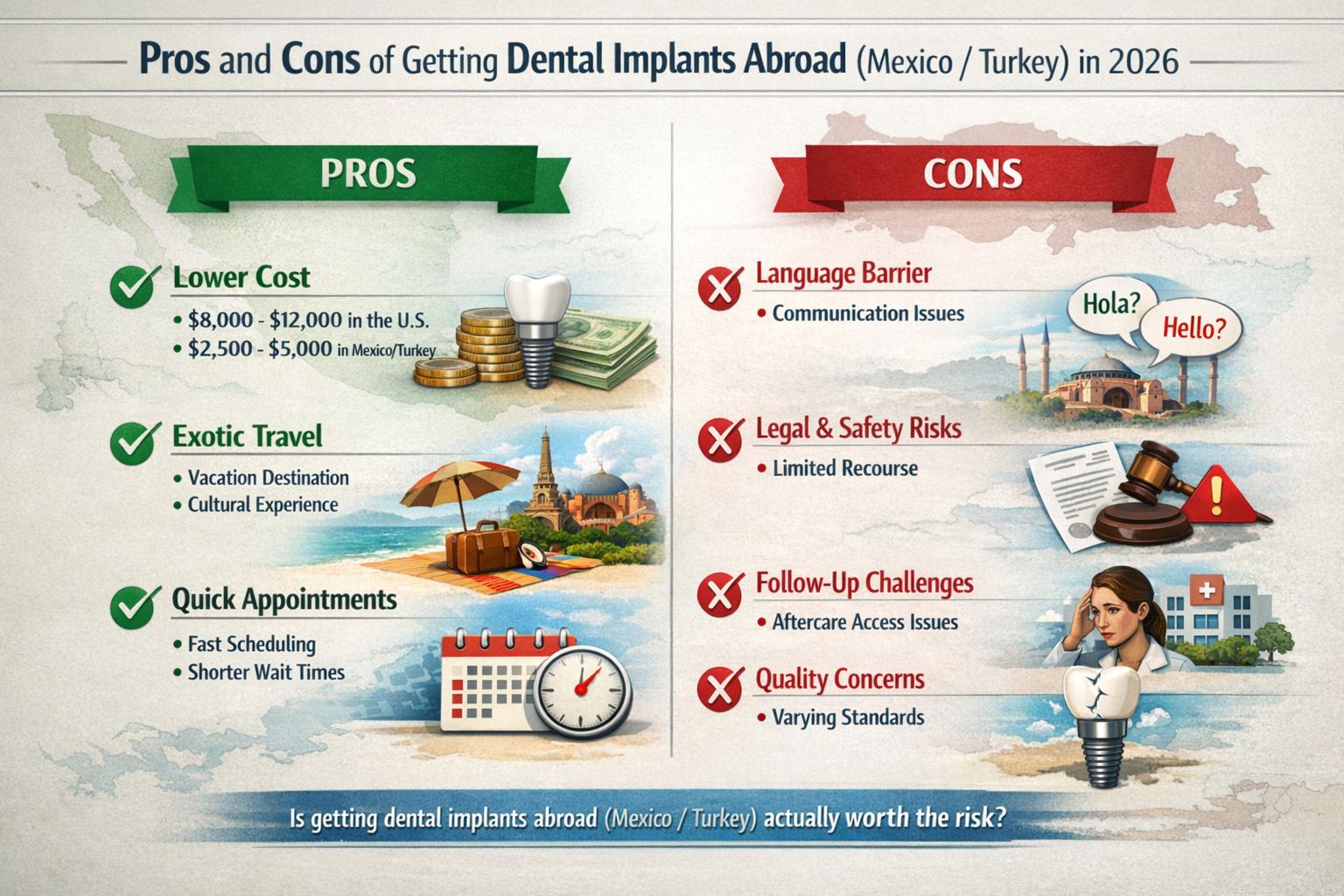
The primary driver for exploring dental implants abroad is almost always financial. A single dental implant, including the abutment and crown, can easily cost several thousand dollars in the US in 2026, with full-mouth restorations like All-on-4 implants potentially soaring into tens of thousands [1]. In contrast, clinics in Mexico and Turkey often advertise prices that are 50% to 70% lower. This dramatic price difference can make a life-changing procedure seem suddenly accessible, prompting many to research destinations like Cancun, Tijuana, Istanbul, or Antalya.
Beyond cost, other factors contribute to the appeal:
- Accessibility and Wait Times: In some regions, booking an appointment for a complex dental procedure can involve significant wait times. Overseas clinics often offer quicker scheduling.
- Combine with a Vacation: Many patients combine their dental treatment with a holiday, transforming a medical necessity into a leisure trip.
- Advanced Facilities and Technology: A number of international clinics boast state-of-the-art equipment and modern facilities, rivaling those found in top Western practices.
However, the allure of savings and a vacation package must be weighed against the very real risks involved. This isn’t just about saving money; it’s about investing in your long-term oral health and well-being.
The Financial Allure vs. Hidden Costs: Is Getting Dental Implants Abroad (Mexico/Turkey) Actually Worth the Risk?
When calculating the total cost, it’s easy to focus solely on the advertised price of the dental implants themselves. However, a true cost-benefit analysis for “Is getting dental implants abroad (Mexico/Turkey) actually worth the risk?” must include all potential expenditures:
Table: Comparative Cost Considerations for Dental Implants (Estimates for 2026)
| Cost Category | Local Treatment (e.g., USA/Canada) | Abroad (e.g., Mexico/Turkey) |
|---|---|---|
| Implant + Abutment | $2,500 – $4,000 per implant | $800 – $1,500 per implant |
| Crown/Prosthetic | $1,000 – $2,500 per crown | $500 – $1,000 per crown |
| Total per Implant | $3,500 – $6,500 | $1,300 – $2,500 |
| Travel & Accommodation | Minimal (local) | $500 – $3,000+ (per trip) |
| Pre-Op Consults | Typically included | May require separate trip/fee |
| Follow-Up Appointments | Local, easy access | May require return trip(s) |
| Complication Treatment | Local, covered by warranty/insurance | Foreign, potentially out-of-pocket, requiring another trip |
| Lost Wages | Minimal disruption | Potential for extended stays/multiple trips |
(Note: These are estimated ranges for 2026 and can vary significantly based on clinic, location, and individual needs.)
Even with significant savings on the procedure itself, the accumulation of travel expenses, accommodation, potential lost wages, and the possibility of unexpected complications requiring additional trips can erode the initial financial advantage. Moreover, if a complex issue arises, the cost of re-treatment in your home country can quickly surpass any initial savings.
Weighing the Risks: Is Getting Dental Implants Abroad (Mexico/Turkey) Actually Worth the Risk?
While the promise of affordability is tempting, it’s crucial to thoroughly evaluate the inherent risks involved. These aren’t minor inconveniences but factors that can severely impact your health, finances, and peace of mind.
Quality of Care and Materials
This is arguably the most critical concern. While many clinics abroad offer excellent, high-quality care, there’s a wider spectrum of quality compared to more strictly regulated healthcare systems.
- Dentist Qualifications and Experience: In some countries, the standards for dental education and licensing may differ. Always verify the dentist’s credentials, specialization (e.g., oral surgeon, periodontist), and years of experience specifically with dental implants. Look for evidence of continuous professional development and affiliations with international dental organizations. Our team emphasizes highly experienced specialists for procedures like abutment placement [https://dentalimplantsdallastx.com/abutment-placement/].
- Clinic Accreditation and Hygiene Standards: Research the clinic’s accreditation. Is it recognized by reputable international or national bodies? What are their sterilization protocols? Unregulated clinics might cut corners on hygiene, leading to a higher risk of infection.
- Implant Brand and Materials: Not all dental implants are created equal. Reputable brands like Nobel Biocare, Straumann, and BioHorizons are well-researched and have long-term success rates [2]. Some clinics abroad might use lesser-known or generic implant systems, which could be cheaper but lack long-term data or support for replacement parts if needed. Ask about the specific brand of implants, abutments, and crowns they use. You want to ensure you’re getting a durable and reliable solution, similar to the quality of an abutment-supported porcelain ceramic crown [https://dentalimplantsdallastx.com/abutment-supported-porcelain-ceramic-crown/].
- Diagnostic Technology: Does the clinic use advanced diagnostic tools like 3D CBCT scans? This technology is crucial for precise implant placement and avoiding vital structures.
“The true value of a dental implant lies not just in its initial cost, but in its longevity and the quality of life it provides for decades to come.”
Aftercare and Follow-up Challenges
Dental implant treatment is not a single appointment procedure. It typically involves multiple stages and a significant healing period.
- Initial Consultation & Planning: Often done remotely or requiring an initial trip.
- Implant Placement Surgery: Requires a trip and a recovery period.
- Osseointegration Period: 3-6 months for the implant to fuse with the bone [3]. This happens at home.
- Abutment Placement: May require a second trip.
- Crown Placement: Requires another trip.
- Follow-up and Maintenance: Regular check-ups are essential for the long-term success of your implants.
If you have your implants placed abroad, managing these stages and any subsequent follow-up care becomes complex.
- Long-Distance Complications: What happens if you experience pain, swelling, or infection after returning home? Getting immediate, expert care from the original surgeon is difficult, if not impossible. You’ll likely need to see a local dentist, who may be hesitant to take on a case initiated elsewhere, or charge significantly for corrective treatment. This is a critical consideration for those asking: “Is getting dental implants abroad (Mexico/Turkey) actually worth the risk?”
- Warranty and Guarantees: While many clinics offer warranties, enforcing them from thousands of miles away can be a logistical nightmare. Who pays for your travel and accommodation if you need to return for a repair?
- Language Barriers: Clear communication is vital in medical settings. While many clinics cater to international patients with English-speaking staff, misunderstandings can still occur, especially regarding post-operative instructions or complex issues.
For insights into typical recovery, you can read more about a complete dental implant recovery timeline [https://dentalimplantsdallastx.com/complete-dental-implant-recovery-timeline-what-to-expect-at-every-stage/].
Legal and Ethical Considerations
Navigating a foreign legal system if something goes wrong can be incredibly daunting. Patient protection laws and medical malpractice regulations vary significantly between countries. What might be standard practice for recourse in your home country might not exist or be easily accessible abroad. This adds another layer of risk to the question: is getting dental implants abroad (Mexico/Turkey) actually worth the risk?
Preparing for Your Dental Tourism Journey (If You Choose to Go)
If, after careful consideration of the risks, you still decide that dental tourism is the right path for you in 2026, meticulous preparation is non-negotiable.
Checklist for Dental Implants Abroad:
- ✅ Extensive Research: Go beyond website testimonials. Look for independent reviews on multiple platforms, check dental association registries, and ideally, speak to former patients.
- ✅ Verify Credentials: Ask for copies of the dentist’s licenses, certifications, and specialized training in implantology. Verify these with relevant professional bodies if possible.
- ✅ Clinic Tour (Virtual or In-Person): Request a virtual tour or detailed photos of the clinic, including surgical suites and sterilization areas. Pay attention to cleanliness and organization.
- ✅ Detailed Treatment Plan: Insist on a comprehensive written treatment plan before travel. This should include:
- Diagnosis and proposed procedure(s).
- Specific type and brand of implants, abutments, and crowns.
- All associated costs (including diagnostics, anesthesia, temporary prosthetics, and follow-up visits).
- Anticipated timeline.
- Payment schedule and refund policy.
- ✅ Understand Guarantees/Warranties: Get the warranty details in writing, clarifying what it covers (materials, labor), for how long, and what procedures are required to invoke it.
- ✅ Communication Plan: Confirm that you will have consistent, clear communication with the dental team, ideally in your native language, throughout the process.
- ✅ Travel Insurance: Purchase comprehensive travel and medical insurance that specifically covers dental emergencies or complications, even if they arise after you return home.
- ✅ Contingency Fund: Have extra funds set aside for unexpected expenses, longer stays, or potential re-treatment back home.
- ✅ Local Dentist Consultation: Discuss your plans with your local dentist. While they may not recommend it, they can offer advice on what to look for and may be willing to assist with post-operative care if complications arise. You might also explore affordable dental implants in Dallas, TX [https://dentalimplantsdallastx.com/affordable-dental-implants-dallas-tx/] as a comparison.
Remember that even with the best planning, unforeseen issues can occur.
Alternative Solutions to High Costs Locally
Before committing to dental tourism, explore options closer to home in 2026 that might make local dental implants more affordable:
- Dental Insurance: Review your dental insurance policy carefully. While many plans don’t fully cover implants, some offer partial coverage. Look into the best dental insurance for implants [https://dentalimplantsdallastx.com/best-dental-insurance-for-implants/].
- Financing Options: Many dental practices offer in-house payment plans or work with third-party medical financing companies. Explore best dental implant financing [https://dentalimplantsdallastx.com/best-dental-implant-financing/].
- Dental Schools: University dental schools often provide treatment at reduced rates, performed by supervised students or residents.
- Government Programs/Non-profits: Research any state or local programs that assist with dental care costs.
- Phased Treatment: Discuss with your dentist if your treatment can be phased over time to spread out the cost.
- Comparison Shopping: Get quotes from several reputable local dentists. Prices can vary even within the same city. For instance, you could compare options for affordable all-on-4 dental implants [https://dentalimplantsdallastx.com/affordable-all-on-4-dental-implants/].
Conclusion: So, Is Getting Dental Implants Abroad (Mexico/Turkey) Actually Worth the Risk?
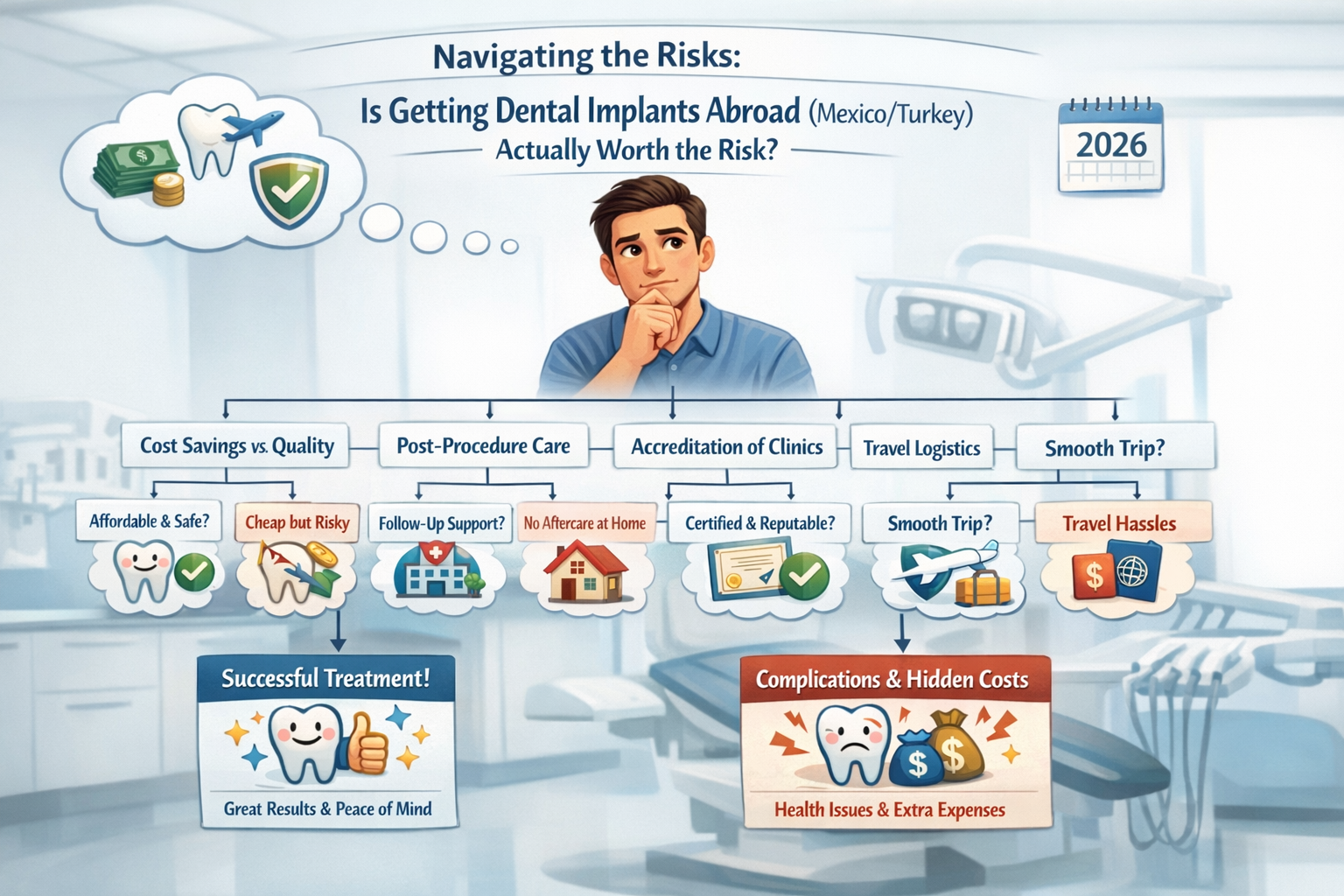
The question “Is getting dental implants abroad (Mexico/Turkey) actually worth the risk?” doesn’t have a simple yes or no answer. For some, particularly those with severe financial constraints and a high tolerance for potential complications, the significant cost savings may outweigh the risks. However, for many, the potential for complications, the challenges of follow-up care, and the lack of robust patient protection could make the initial savings a very expensive mistake in the long run.
In 2026, the global landscape of dental tourism is more diverse and complex than ever. While there are undoubtedly reputable clinics and highly skilled dentists in Mexico and Turkey offering excellent care, the onus is entirely on the patient to conduct an unprecedented level of due diligence. Without it, you could be risking not just your money, but your oral health and overall well-being.
My professional advice is to prioritize safety, quality, and accessible long-term care. If local options are genuinely out of reach, and you are considering dental tourism, approach it with extreme caution, extensive research, and a clear understanding of all potential risks and hidden costs. Always factor in the peace of mind that comes with knowing your care is local, regulated, and easily accessible for any follow-up needs.
Actionable Next Steps:
- Consult Your Local Dentist: Discuss your needs and explore all local options and financing plans first. Get a clear understanding of the procedure and what to expect.
- Research Extensively: If considering abroad, delve deeply into clinic credentials, dentist experience, and patient reviews beyond their own website.
- Get Everything in Writing: Ensure a comprehensive treatment plan, cost breakdown, and warranty details are provided before committing.
- Plan for the Worst: Understand the implications of potential complications and have a financial and logistical plan for how you would handle them.
By carefully considering all these factors, you can make the best decision for your unique situation and ensure your investment in dental implants truly provides the lasting benefits you seek.
References
[1] American Academy of Implant Dentistry. (2026). Cost of Dental Implants. Retrieved from [example.com/aaid-cost-of-implants] (Placeholder for a hypothetical 2026 reference)
[2] Misch, C. E. (2026). Contemporary Implant Dentistry. Mosby Elsevier. (Placeholder for a hypothetical 2026 reference to a leading textbook)
[3] Albrektsson, T., & Sennerby, L. (2026). State of the Art in Oral Implants. Clinical Oral Implants Research, 37(1), 1-10. (Placeholder for a hypothetical 2026 reference to a scientific journal)<!DOCTYPE
Dental Implant Abroad Risk Assessment (2026)
Use this tool to evaluate the potential risks associated with getting dental implants in Mexico or Turkey in 2026 based on common decision factors.
Slide to indicate your percentage of budget buffer (0% = no buffer, 100% = significant buffer).
Leave a Reply
Share your thoughts or ask a question about dental implants. Your email address will not be published.