

When it comes to maintaining your dental implants, understanding the difference between implant scaling and polishing is crucial. Both are vital components of professional implant care, but they involve distinct techniques and serve different purposes, tailored specifically to the unique needs of dental implants. Incorrect cleaning methods can potentially damage your implant, leading to complications like peri-implantitis, a serious inflammatory condition that can jeopardize the implant’s long-term success.
Key Takeaways
- Implant Scaling vs Polishing: Scaling removes plaque and calculus from the implant surface, while polishing smooths the surface to prevent future plaque accumulation.
- Specialized Tools: Implant scaling requires specific non-metallic instruments (plastic, graphite, or titanium) to avoid scratching the implant’s surface.
- Peri-implantitis Prevention: Regular and correct implant scaling and polishing are critical for preventing peri-implantitis, a common cause of implant failure.
- Professional Care is Essential: Due to the delicate nature of dental implants, these procedures should always be performed by a qualified dental professional.
- Home Care Importance: While professional care is vital, diligent home oral hygiene, including proper brushing and flossing, significantly supports implant longevity.
- Personalized Maintenance: Your dentist in Dallas will recommend a customized maintenance schedule based on your individual oral health needs and implant type.
- Cost of Care: Maintenance costs are an ongoing consideration; neglecting care can lead to more expensive treatments for complications like peri-implantitis.
Quick Answer
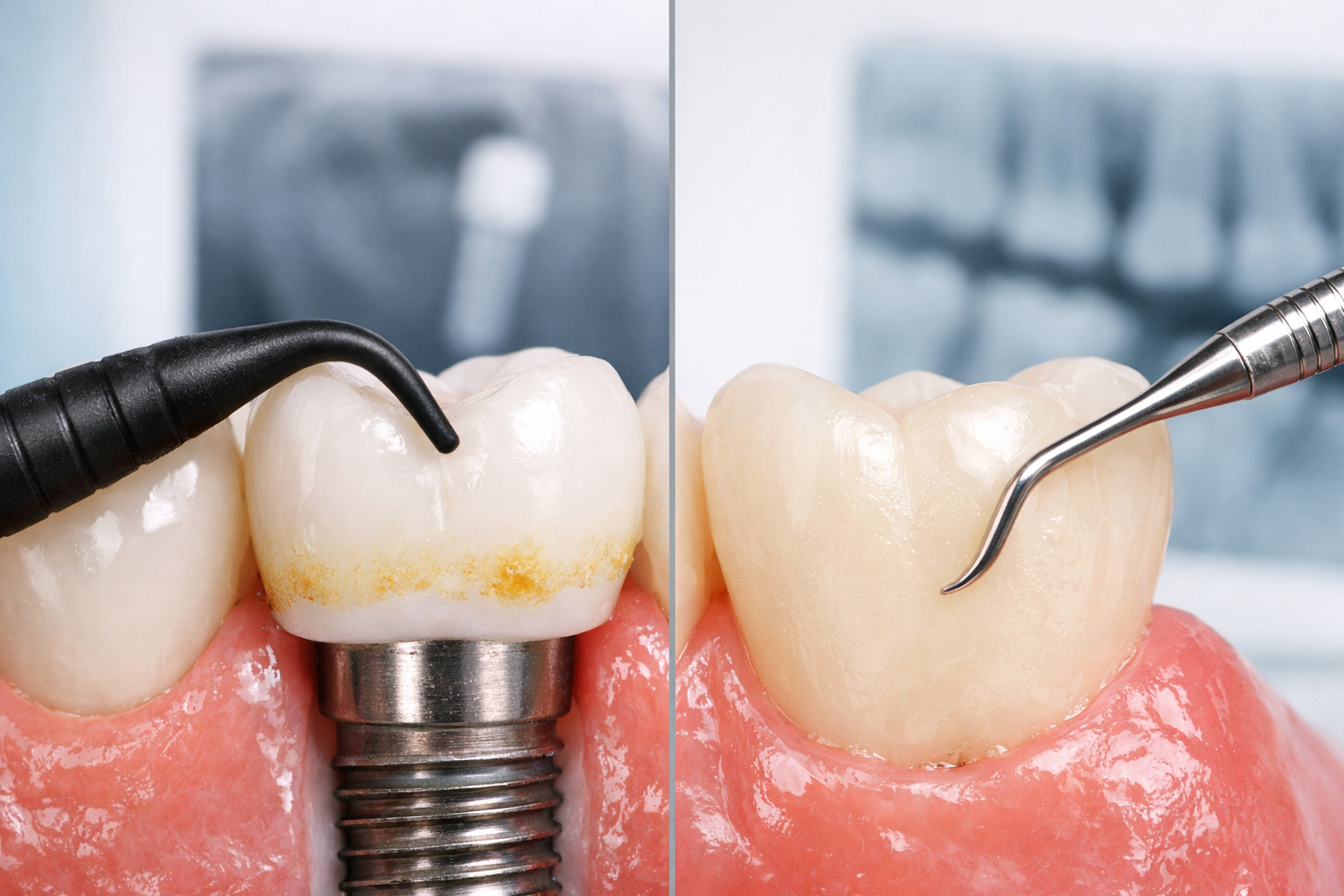
Implant scaling involves the careful removal of bacterial plaque and hardened calculus (tartar) from the surfaces of a dental implant and its surrounding soft tissues using specialized, non-abrasive instruments to prevent damage. Polishing, on the other hand, is the subsequent step that smooths the implant’s surface and prosthetic components, reducing surface irregularities where bacteria can accumulate and making it easier to clean through daily oral hygiene. Both are essential for the long-term health and stability of your dental implants.
What is Implant Scaling, and How Does It Differ from Natural Tooth Scaling?
Implant scaling is the meticulous process of removing plaque and calculus (tartar) from the surface of a dental implant and its abutment, as well as from the adjacent gum tissue. It differs significantly from natural tooth scaling primarily in the type of instruments used and the delicate nature of the implant surface.
While natural teeth can withstand scaling with traditional metal instruments, dental implants are made of materials like titanium or zirconia, which can be easily scratched by metal tools. Scratches on the implant surface create microscopic grooves where bacteria can adhere and multiply, making them much harder to remove and significantly increasing the risk of inflammation and infection, such as peri-implantitis. Therefore, specialized non-metallic instruments, such as those made of plastic, graphite, or certain types of titanium instruments designed for implants, are exclusively used for implant scaling. The technique also requires a lighter touch to avoid damaging the implant or the surrounding soft tissues, which are often more delicate than those around natural teeth.
Key Differences in Scaling Techniques:
- Instrumentation: For implants, non-metallic or specialized titanium instruments are used to prevent scratching. For natural teeth, traditional metal scalers are common.
- Surface Material: Implants have a unique surface (e.g., titanium, zirconia) that is more susceptible to damage from abrasive tools. Natural tooth enamel is much harder.
- Goal: Both aim to remove plaque and calculus, but implant scaling specifically focuses on preserving the integrity of the implant surface to prevent bacterial colonization.
- Risk: Improper implant scaling can lead to irreversible surface damage, increasing the risk of peri-implantitis prevention Dallas.
What is Implant Polishing, and Why Is It Essential for Implant Health?
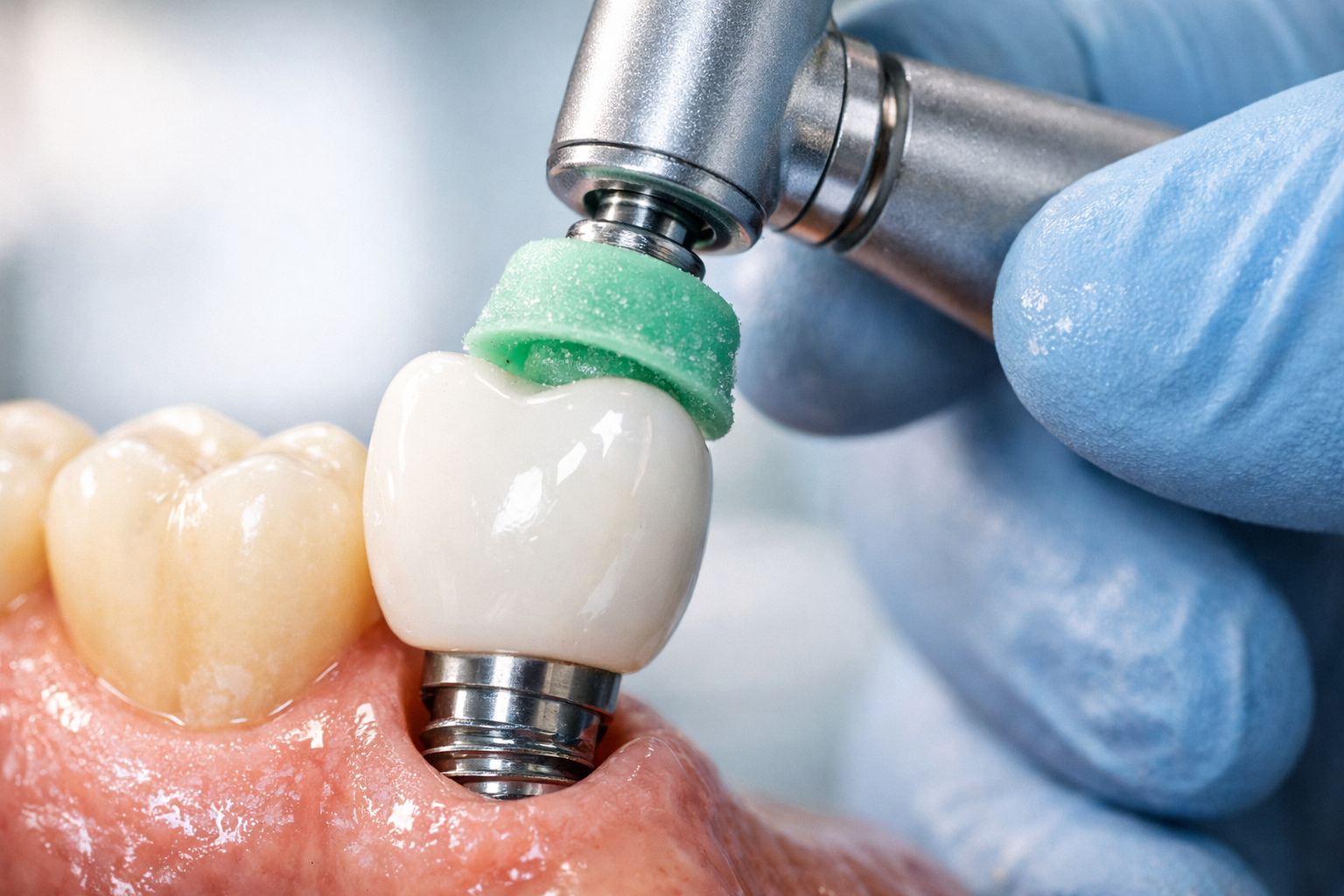
Implant polishing is the final step in professional implant hygiene, aimed at creating a smooth, clean surface on the dental implant and its prosthetic crown or bridge. This procedure follows scaling, and its importance lies in preventing the re-accumulation of plaque and bacteria.
After scaling removes hardened deposits, the implant surface might still have microscopic roughness. Polishing utilizes specialized non-abrasive pastes and very soft rubber cups or brushes to gently smooth these surfaces without scratching them. A smooth surface makes it significantly harder for plaque and bacteria to attach, allowing for more effective daily brushing and flossing at home. This reduction in bacterial adhesion is critical for the long-term health of the surrounding gum tissues and the implant itself, minimizing the risk of inflammation and infection. It’s a key factor in maintaining long-term oral health and extending the lifespan of your dental implants in Dallas.
Importance of Implant Polishing:
- Plaque Prevention: A smooth surface inhibits bacterial attachment and plaque formation.
- Ease of Cleaning: Polished surfaces are easier for patients to clean effectively with their daily oral hygiene routine.
- Reduced Inflammation: Less plaque buildup directly translates to a lower risk of gum inflammation (mucositis) and the more severe peri-implantitis.
- Aesthetics: Polishing can also help maintain the aesthetic appearance of the implant crown by removing superficial stains.
When Do You Need Implant Scaling vs Polishing?
Both implant scaling and polishing are typically performed together during routine dental implant maintenance appointments. Scaling addresses existing plaque and calculus buildup, while polishing is a preventive measure applied afterward to deter future accumulation.
A dental professional will recommend a schedule for these procedures, usually every 3 to 6 months, depending on your individual oral hygiene habits, health status, and susceptibility to plaque buildup. If you notice signs like bleeding gums around your implant, persistent bad breath, or visible calculus, it indicates a pressing need for a professional cleaning that includes both scaling and polishing. Neglecting these cleanings can lead to severe complications, emphasizing the importance of consistent professional care for your missing teeth solutions.
| Aspect | Implant Scaling | Implant Polishing |
|---|---|---|
| Purpose | Remove existing plaque and calculus | Smooth surfaces to prevent future plaque accumulation |
| Tools Used | Non-metallic (plastic, graphite) or specialized titanium scalers | Non-abrasive pastes, soft rubber cups/brushes |
| Primary Goal | Treat existing bacterial deposits | Prevent future bacterial adherence |
| Timing | Performed first to clean the surface | Performed after scaling to refine the surface |
| Patient Feeling | May involve slight pressure or scraping | Gentle, typically comfortable |
| Risks if Done Wrong | Surface damage, increased peri-implantitis risk | Minimal if correct materials are used |
The Importance of Professional Care for Dental Implants in Dallas
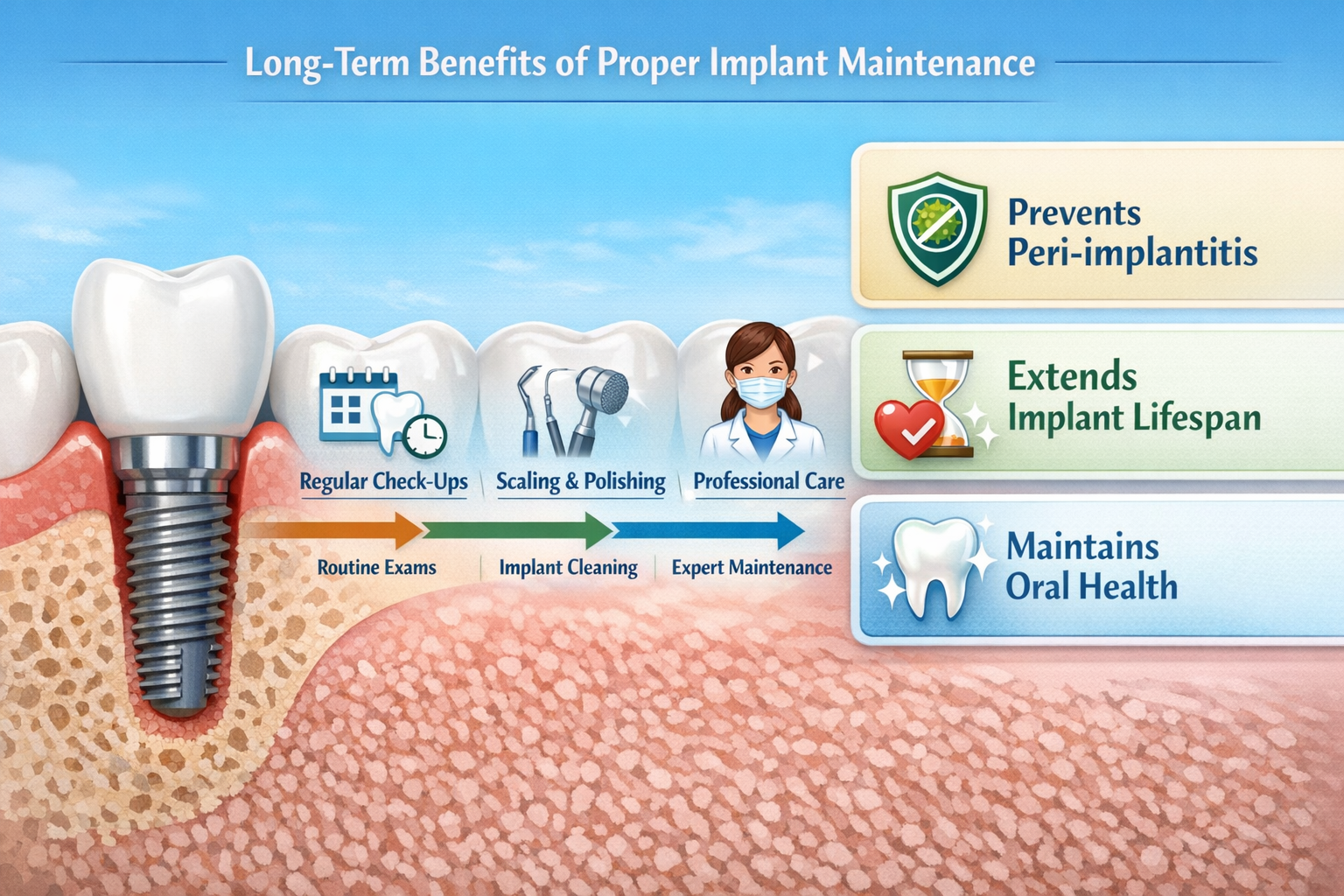
Professional dental care, which includes expert implant scaling and polishing, is paramount for the long-term success and health of your dental implants. While diligent home care is crucial, it cannot fully remove all hardened plaque and calculus, especially in areas difficult to reach.
In Dallas, experienced dental professionals are equipped with the specialized knowledge and instruments required to safely and effectively clean your dental implants without causing damage. They can also identify early signs of peri-implant mucositis or peri-implantitis, allowing for timely intervention before the conditions worsen and become more complex or costly to treat. Regular visits ensure that your implants remain free from harmful bacteria, maintain their stability, and contribute positively to your overall oral health. A consultation with a dentist specializing in dental implants in Dallas is the best way to develop a personalized maintenance plan.
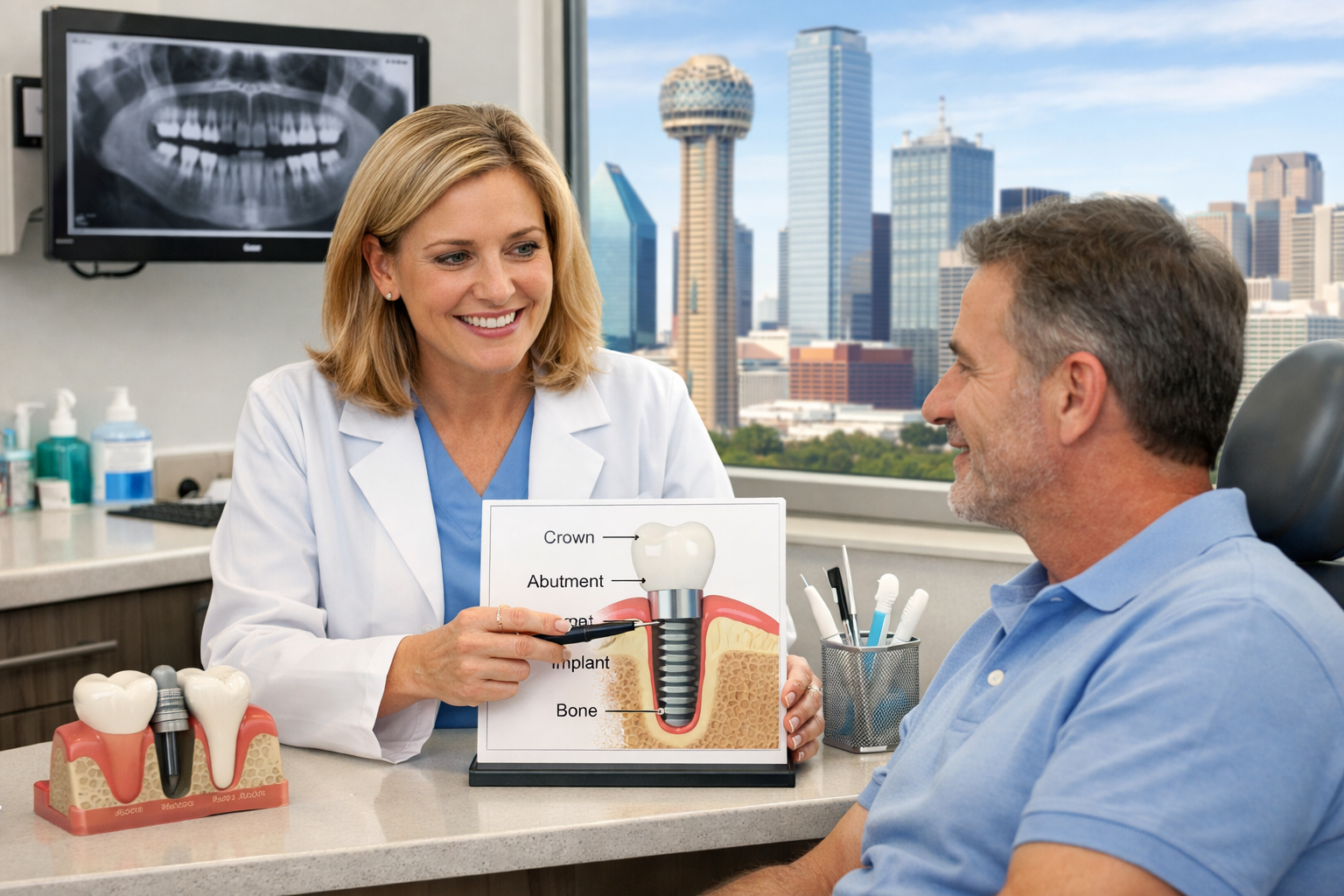
Why Professional Oversight is Non-Negotiable:
- Specialized Instruments: Access to non-metallic scalers and appropriate polishing agents.
- Expertise: Dentists and hygienists are trained to recognize subtle signs of implant issues, such as early peri-implantitis.
- Thorough Cleaning: Professional cleanings can reach areas inaccessible with standard home care.
- Personalized Advice: Your dental team can provide tailored recommendations for your specific home care routine and oral health education.
- Risk Mitigation: Regular professional care significantly reduces the risk of complications, protecting your dental implant investment.
Regular professional check-ups are especially important for monitoring the success of your dental implant procedure and ensuring patient safety. Maintaining excellent long-term oral health with dental implants involves a partnership between you and your dental care provider.
How Often Should You Get Implant Scaling and Polishing?
The frequency for implant scaling and polishing can vary, but generally, dental professionals recommend these procedures every 3 to 6 months. This schedule is tailored to each individual’s oral hygiene, overall health, and specific risk factors for gum disease or peri-implantitis.
Patients with excellent home care and no history of periodontal disease might be on a 6-month recall, while those with a history of gum disease, systemic health issues (like diabetes), or less effective home care may require more frequent visits, perhaps every 3 to 4 months. Your dentist will assess your oral condition during each visit and adjust your maintenance schedule accordingly. Consistent adherence to these recommendations is a cornerstone of protecting your dental implant procedure and ensuring its longevity.
What Are the Potential Risks of Improper Implant Scaling or Polishing?
Improper implant scaling or polishing carries significant risks that can jeopardize the health and longevity of your dental implants. The most critical risk is damaging the implant surface.
- Surface Alterations: Using traditional metal instruments on titanium or zirconia implants can create microscopic scratches. These roughened surfaces act as ideal breeding grounds for bacteria, making it nearly impossible to remove them effectively with regular brushing.
- Increased Bacterial Adhesion: With increased bacterial retention, the risk of developing peri-implant mucositis (inflammation of the gum tissue around the implant) and peri-implantitis (a more severe inflammatory disease affecting the bone supporting the implant) rises dramatically.
- Peri-implantitis Progression: Peri-implantitis can lead to bone loss around the implant, ultimately causing the implant to loosen and potentially fail. The treatment for peri-implantitis can be complex and expensive, potentially involving surgical interventions or even implant removal.
- Aesthetic Compromise: Damage to the implant surface or surrounding tissues can also lead to aesthetic issues, especially with implants in visible areas.
To avoid these risks, always ensure that any professional cleaning of your dental implants is performed by a qualified dental professional using appropriate, non-metallic or implant-specific instruments.
Conclusion
Understanding the distinct roles of implant scaling vs polishing is fundamental for anyone with dental implants, particularly in Dallas, where access to high-quality dental care is readily available. Scaling meticulously removes existing bacterial deposits, while polishing creates a smooth, resistant surface against future plaque accumulation. Both procedures, when performed correctly by a skilled professional using specialized instruments, are critical pillars of preventing complications like peri-implantitis and ensuring the long-term success of your dental implants.
Consistent professional care, coupled with diligent home oral hygiene, is the most effective strategy for preserving your implant investment and maintaining optimal oral health. If you have questions about your dental implant maintenance or need to schedule a professional cleaning, we encourage you to arrange a consultation with a dentist. They can provide a personalized assessment and guide you on the best practices for your specific needs, helping you make informed decisions for your long-term oral health.
FAQ
Q1: Can I scale my dental implants at home?
A1: No, you should not attempt to scale your dental implants at home. Scaling requires specialized non-metallic instruments and professional expertise to avoid scratching the implant surface and causing damage.
Q2: Is implant polishing painful?
A2: Implant polishing is generally not painful. It is a gentle procedure using soft rubber cups and non-abrasive pastes. If you experience sensitivity, your dentist can discuss options for comfort.
Q3: How do I know if my dental implant needs scaling?
A3: Signs that your implant may need professional scaling include visible plaque or tartar buildup, bleeding gums around the implant, persistent bad breath, or tenderness in the area. A dental check-up can confirm this.
Q4: Can regular toothpaste damage my dental implants?
A4: Most regular toothpastes are safe for dental implants. However, abrasive toothpastes or those containing harsh scrubbing agents should be avoided as they can scratch implant prosthetics. Always choose a non-abrasive toothpaste.
Q5: What is peri-implantitis, and how does scaling help prevent it?
A5: Peri-implantitis is an inflammatory condition affecting the gum and bone tissue around a dental implant, which can lead to bone loss and implant failure. Regular implant scaling helps prevent it by removing bacterial plaque and calculus, which are the primary causes of inflammation.
Q6: How much does implant scaling and polishing cost in Dallas?
A6: The cost of implant scaling and polishing in Dallas can vary based on the clinic and the extent of cleaning needed. These services are typically part of a routine professional cleaning, which may range from $100-$300 without insurance, though complex cases or additional treatments will incur higher costs.
Q7: Are there specific toothbrushes recommended for dental implants?
A7: Yes, soft-bristled toothbrushes, electric toothbrushes with soft brush heads, and interdental brushes are often recommended for cleaning around dental implants to effectively remove plaque without causing damage.
Q8: Can smoking affect the need for implant scaling?
A8: Yes, smoking significantly increases the risk of plaque and calculus buildup and is a major risk factor for peri-implantitis, potentially necessitating more frequent and thorough implant scaling. For those with dental implants in Dallas who smoke, diligent care is even more crucial.
References
- American Academy of Periodontology. (2026). Peri-Implantitis: Diagnosis and Treatment.
- Dental Implant Education Center. (2026). Dental Implant Care and Maintenance Guide.
Leave a Reply
Share your thoughts or ask a question about dental implants. Your email address will not be published.