

Struggling with missing teeth can significantly impact your ability to enjoy food, affecting both your nutrition and quality of life. For many in Dallas, dental implants offer a transformative solution, restoring not just a smile but also the crucial ability to eat comfortably and efficiently. Understanding implant pressure when eating is key to appreciating how these modern tooth replacement options function and how to best care for them. This guide explores how dental implants restore bite force, the importance of proper pressure management during healing, and how they contribute to long-term oral health.
Key Takeaways
- Dental implants significantly restore chewing ability, often up to 90% of natural bite force, surpassing other tooth replacement options [3].
- Proper management of implant pressure when eating is crucial, especially during the initial 12-week healing period after surgery [2].
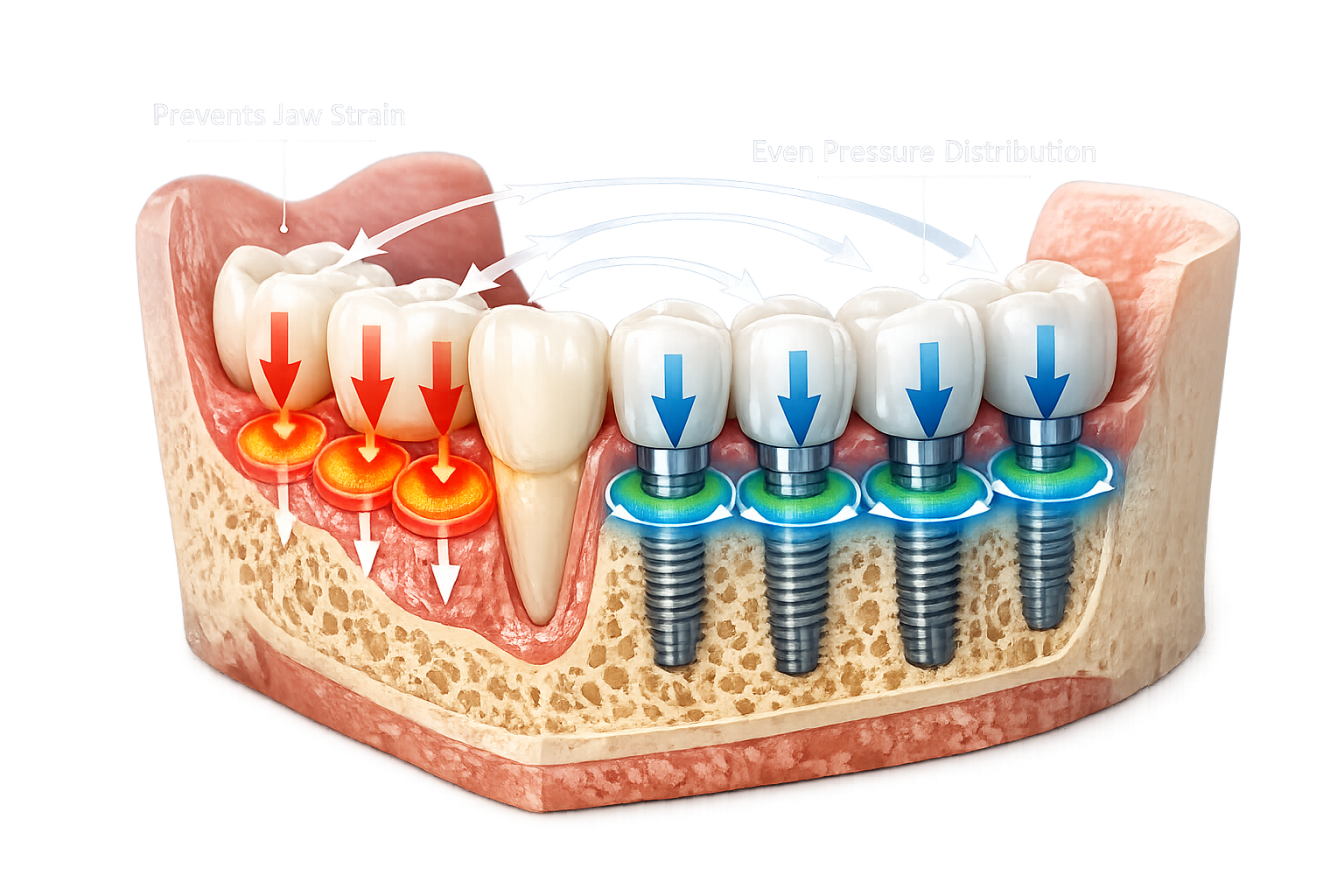
- Implants distribute bite forces evenly across the jaw, preventing excessive wear on natural teeth and reducing strain on jaw muscles [3, 4].
- Dietary progression after dental implant surgery moves from liquids to soft foods, eventually allowing for an unrestricted diet once full integration occurs [2, 5].
- Occlusal overload, or excessive pressure, is a leading cause of dental implant failure and can be influenced by diet [2].
- Patients with implant-supported prostheses often experience improved dietary intake, including more vegetables, and reduced difficulty chewing various foods [1].
- Regular check-ups and adherence to post-operative guidelines are vital for the long-term success and optimal function of your dental implants in Dallas.
- Choosing an experienced dental implant dentist in Dallas is crucial for precise placement and proper bite alignment, which directly impacts how well implants handle chewing forces.
Quick Answer
Dental implants are designed to withstand significant chewing forces, closely mimicking the pressure distribution of natural teeth, and can restore up to 90% of your original biting power [3]. However, managing implant pressure when eating is critical during the healing phase to ensure successful osseointegration, meaning the implant fuses properly with your jawbone. Post-surgery, a gradual progression from soft foods to a normal diet is recommended to prevent complications and support the implant’s long-term stability.
How Do Dental Implants Restore Chewing Function and Pressure?
Dental implants restore chewing function by acting as artificial tooth roots, providing a stable foundation for prosthetic teeth that are designed to absorb and distribute bite forces much like natural teeth. Unlike dentures that rest on the gums or bridges that rely on adjacent teeth, implants are surgically placed into the jawbone, allowing for direct transmission of chewing pressure to the bone [3]. This direct connection, known as osseointegration, is what gives implants their remarkable stability and efficiency in handling the demands of eating.
This stability translates directly into improved chewing ability. Patients receiving dental implants often experience a dramatic increase in their maximum bite force. For instance, studies have shown that completely edentulous (toothless) older adults who received implant-supported overdentures saw their maximum bite force increase by 73% to 116% [1]. This significant improvement allows individuals to eat a wider variety of foods, improving nutrition and overall quality of life. The even distribution of these forces across the jaw also benefits overall oral health by preventing excessive wear on any remaining natural teeth and reducing strain on jaw muscles [3, 4]. Choosing dental implants in Dallas offers a robust solution for those seeking to regain confident and effective chewing.
What is the Optimal Timeline for Managing Implant Pressure When Eating After Surgery?
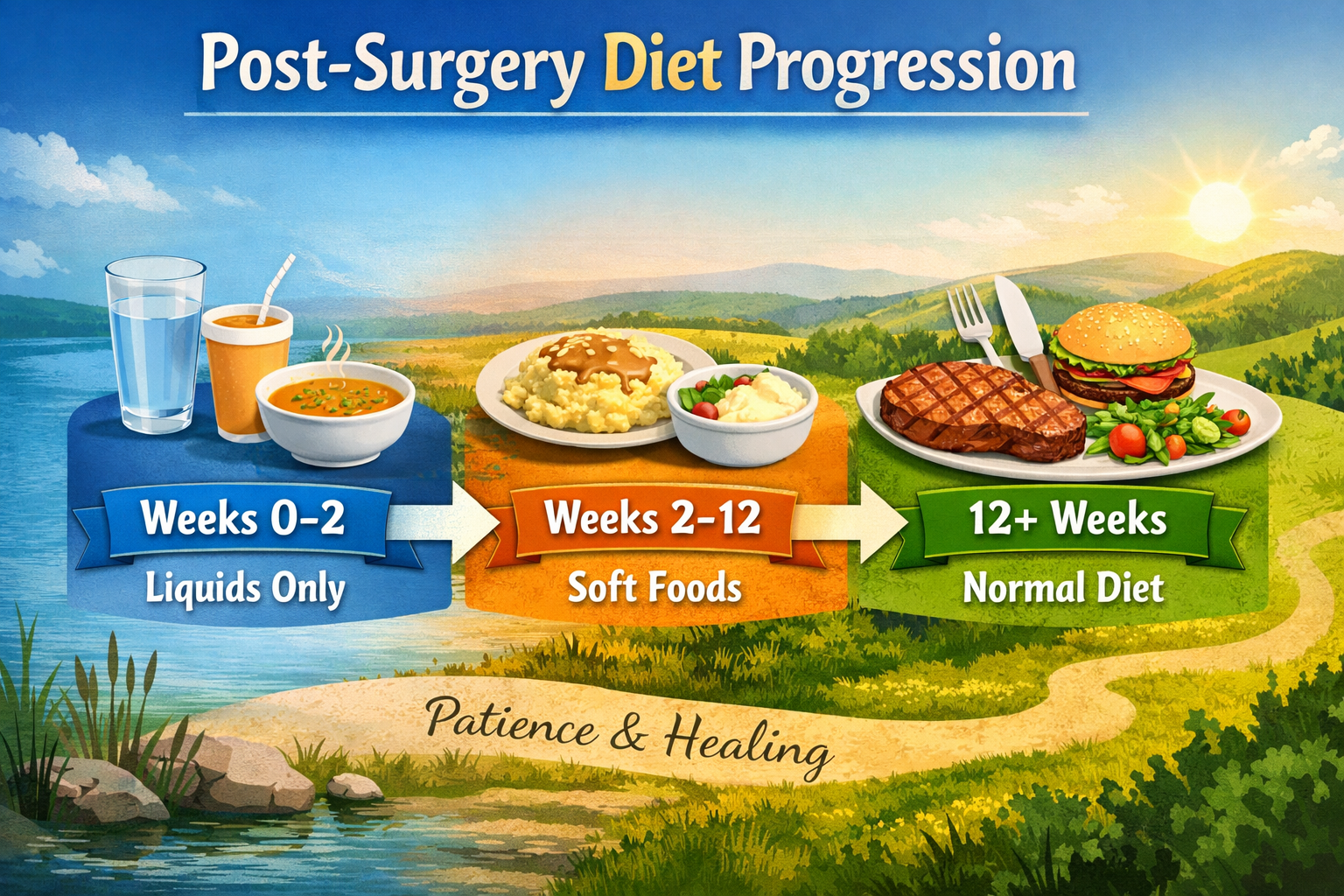
The optimal timeline for managing implant pressure when eating after dental implant surgery involves a gradual progression of food textures, typically spanning 12 weeks or more, to ensure proper healing and osseointegration. Immediately following surgery, it is crucial to avoid putting any significant pressure on the implant site to prevent disruption of the healing process.
Here’s a general timeline for dietary progression:
- First 24-48 Hours: Stick to a strictly liquid diet. This includes broths, clear juices, and soft smoothies. The goal is to avoid any chewing that could dislodge the blood clot or put stress on the surgical site [2, 5].
- Next 1-2 Weeks (Soft Foods Phase): Gradually introduce soft, non-chewy foods. Examples include mashed potatoes, yogurt, scrambled eggs, well-cooked pasta, and soft fish. Foods that are hard, sticky, crunchy, acidic, or excessively hot should be strictly avoided as they can interfere with healing or irritate the surgical area [2, 3].
- Weeks 2-12 (Transitional Foods Phase): As healing progresses, you can slowly begin to incorporate slightly firmer, but still easily chewed, foods. This might include softer meats cut into small pieces, cooked vegetables, and soft bread. Avoid direct chewing on the implant site if possible, especially with tough foods [2].
- After 12 Weeks (Full Integration): Once your dentist confirms successful osseointegration and sufficient healing, you can typically return to an unrestricted diet, including tougher foods, enjoying approximately 90% of your natural chewing ability [3]. However, continue to practice good oral hygiene, including using a sulcus brush for implants, to maintain the health of your implants.
It’s important to remember that this timeline can vary based on individual healing rates, the number of implants placed, and whether procedures like bone graft costs for dental implants in Dallas were performed. Always follow your dental implant specialist’s specific instructions. Attempting to chew hard foods too soon can lead to complications such as implant repositioning or even failure, requiring additional procedures.
What Are the Risks of Excessive Implant Pressure When Eating?
Excessive implant pressure when eating, particularly during the crucial healing period, carries several risks that can compromise the long-term success of dental implants. The primary concern is occlusal overload, which refers to undue force exerted on the implant system. This can occur if a patient chews tough or hard foods prematurely or if the bite is not properly aligned after the final restoration.
The risks associated with excessive pressure include:
- Implant Failure: Occlusal overload is recognized as a significant risk factor for dental implant failure [2]. Early pressure can disrupt the delicate process of osseointegration, where the implant post fuses with the jawbone. If this fusion is compromised, the implant may become loose or fail to integrate altogether.
- Peri-Implantitis: Prolonged or excessive pressure can contribute to the development of peri-implantitis, an inflammatory condition affecting the tissues around the implant. This condition, similar to periodontal disease, can lead to bone loss around the implant and potentially its eventual loss [7]. Understanding Peri-Implantitis Treatment Costs Dallas 2026 highlights the importance of prevention.
- Fracture of the Prosthesis: The crown, bridge, or denture attached to the implant can fracture or chip under excessive biting forces. While often repairable, this can be inconvenient and costly.
- Implant Component Loosening: Over time, consistent heavy pressure can cause components of the implant system, such as the abutment screw, to loosen, leading to instability of the prosthetic tooth.
- Discomfort and Pain: Patients may experience localized pain, soreness, or general discomfort around the implant site if they exert too much pressure too soon or if their bite is not correctly balanced [3].
To mitigate these risks, it is essential to adhere to the dietary guidelines provided by your dental implant specialist and attend all follow-up appointments. These visits allow your dentist to monitor healing, assess your bite, and make any necessary adjustments to ensure optimal implant pressure when eating. For patients in Dallas, a comprehensive understanding of these risks is vital for promoting long-term oral health and protecting their investment in dental implants.
How Does Proper Bite Alignment Affect Implant Pressure?
Proper bite alignment, also known as occlusion, is fundamental to managing implant pressure when eating and ensuring the longevity of dental implants. When your teeth (both natural and prosthetic) come together, the forces generated during chewing must be evenly distributed.
Here’s how proper bite alignment impacts implant pressure:
- Even Force Distribution: Ideally, when you bite down, the pressure should be spread across all supporting teeth and implants. If an implant-supported crown is too high or positioned incorrectly, it can receive an undue amount of force, leading to localized stress. This uneven distribution can overload the implant, increasing the risk of the complications mentioned previously, such as implant failure or peri-implantitis [2].
- Protection of Surrounding Structures: Correct occlusion protects not only the implant itself but also the surrounding bone and gum tissue. It also safeguards adjacent natural teeth from excessive wear that could occur if they are forced to bear disproportionate loads [3, 4].
- Comfort and Efficiency: A well-aligned bite ensures that chewing feels natural and comfortable. When forces are balanced, you can chew food efficiently without discomfort or undue strain on your jaw muscles.
- Prevention of Bruxism-Related Issues: For individuals who clench or grind their teeth (bruxism), proper bite alignment is even more critical. An imbalanced bite can exacerbate bruxism, leading to even greater and potentially damaging forces on implants. In such cases, a dental implant night guard is often recommended to protect the implants from excessive nighttime pressure [8].
During the final restoration phase of your dental implant procedure, your dentist will meticulously check and adjust your bite to ensure optimal alignment. This precision is a hallmark of quality dental implant care in Dallas and a crucial factor in the long-term success of your tooth replacement options.
Can Dental Implants Improve Dietary Variety and Nutrition?
Yes, dental implants can significantly improve dietary variety and nutrition, especially for individuals who previously struggled with missing teeth or ill-fitting dentures. The enhanced stability and chewing efficiency offered by implants allow patients to comfortably consume a broader range of foods that might have been difficult or impossible to eat before [1].
Consider these improvements:
- Increased Bite Force: As noted, dental implants can restore a substantial portion of natural bite force, with some studies showing increases from 46.6 Newtons to 103.9 Newtons over a year [1, 3]. This greater force makes it easier to chew tough, fibrous, and crunchy foods that are often rich in nutrients.
- Expanded Food Choices: Patients with implant-supported prostheses report a marked reduction in difficulty chewing raw vegetables, hard fruits, and fibrous meats [1]. This enables them to incorporate more nutrient-dense foods into their diet, such as:
- Crunchy Vegetables: Carrots, celery, apples
- Lean Proteins: Steak, chicken, nuts
- Whole Grains: Hearty breads, cereals
- Improved Nutritional Intake: For example, among edentulous patients, implant-supported prostheses led to an increase in vegetable intake from 2.5 to 3.3 servings per day [1]. This demonstrates a tangible link between implant stability and better dietary habits. Avoiding foods to eat and avoid after implants during healing means you can enjoy them freely later.
- Enhanced Enjoyment of Meals: Beyond just nutrition, the ability to eat a diverse diet without pain or fear of discomfort significantly improves the social and psychological aspects of eating. This leads to greater overall satisfaction and a better quality of life.
Ultimately, by restoring strong, stable chewing function, dental implants empower patients to make healthier food choices and enjoy their meals to the fullest, positively impacting their long-term oral and general health. For those seeking comprehensive missing teeth solutions in Dallas, the nutritional benefits of implants are a compelling advantage.
How Can I Maintain Optimal Implant Pressure When Eating for Long-Term Success?
Maintaining optimal implant pressure when eating for long-term success involves a combination of careful eating habits, excellent oral hygiene, and regular professional dental care. These practices help ensure your dental implants remain healthy, functional, and free from complications like peri-implantitis or occlusal overload.
Here are key strategies for long-term implant maintenance:
- Gradual Reintroduction of Foods: Even after the initial healing period, continue to be mindful of how you introduce very hard or chewy foods. While implants are strong, sudden, extreme forces can still pose a risk. Listen to your body and avoid anything that causes discomfort.
- Balanced Diet: A healthy, balanced diet supports overall oral health, which indirectly benefits your implants. Focus on whole foods and limit excessive sugars and processed items that can promote gum disease around natural teeth, potentially affecting implant health [9, 10].
- Avoid Habits That Overload Implants: Refrain from habits like chewing on ice, biting fingernails, or using your teeth to open packages, as these can exert extreme, damaging forces on both natural teeth and implants.
- Excellent Oral Hygiene: Meticulous daily oral hygiene is crucial. This includes brushing twice a day with a soft-bristled brush, flossing daily (specifically designed for implants or water flossers are excellent), and using an antibacterial mouthwash if recommended by your dentist. Proper cleaning prevents plaque buildup around the implant, reducing the risk of inflammation and infection. Our guide to All-on-4 dental implant cleaning routine: 2026 Guide offers detailed insights.
- Regular Dental Check-ups: Schedule regular check-ups and professional cleanings with your Dallas dentist every six months, or as advised. These appointments allow your dentist to:
- Monitor the health of your implants and surrounding tissues.
- Assess your bite and make any necessary adjustments to ensure even pressure distribution.
- Identify and address early signs of issues like peri-implantitis or loosening components.
- Perform specialized cleanings that remove plaque and calculus safely from around the implant without damaging its surface.
- Address Bruxism: If you grind or clench your teeth, especially at night, discuss this with your dentist. A custom-made dental implant night guard can protect your implants from excessive forces during sleep.
By adopting these habits and maintaining a proactive approach to your long-term oral health, you can maximize the lifespan and effectiveness of your dental implants. Regular consultation with a dentist specializing in dental implants in Dallas is your best resource for personalized guidance.
When Should You Consult a Dentist About Implant Pressure or Discomfort?
You should consult a dentist about implant pressure when eating or any discomfort immediately if you experience persistent pain, swelling, redness, or a feeling of looseness around your dental implant. While some mild discomfort is normal during the initial healing phase, ongoing or worsening symptoms are signs that something may be amiss.
Key indicators that warrant a dental consultation include:
- Persistent or Increasing Pain: If pain around the implant site doesn’t subside or worsens beyond the initial few days post-surgery, it could indicate an infection, nerve irritation, or an issue with osseointegration [3].
- Swelling or Redness: Noticeable swelling, redness, or tenderness in the gums surrounding the implant after the first few days of healing may signal inflammation or infection, such as peri-implantitis [7].
- Feeling of Looseness: Any sensation that the implant itself, or the crown attached to it, feels loose or wobbly is a serious concern and requires immediate attention. This could indicate a failure of osseointegration or a loose abutment screw.
- Difficulty Chewing or Biting: If chewing feels uncomfortable, uneven, or painful even after the recommended healing period, it suggests a potential problem with bite alignment or implant stability.
- Bleeding or Pus: Any bleeding or discharge of pus from around the implant site is a clear sign of infection and needs prompt professional evaluation. For more information, see our guide on Spitting Blood After Dental Implant.
- Unusual Odor or Taste: A persistent bad taste in your mouth or an unusual odor coming from the implant area can be indicative of an infection.
Ignoring these symptoms can lead to more serious complications and potentially compromise the success of your dental implant. Prompt action ensures that any issues can be addressed early, often with simpler and more effective treatments. If you are experiencing any of these concerns with your dental implants in Dallas, contact your dental implant specialist without delay. Early intervention is key to preserving your implant and your long-term oral health.
Frequently Asked Questions
Is it normal to feel pressure on my dental implant when eating?
Some pressure sensation is normal, especially during the initial healing phase. However, significant pain or discomfort under pressure after the healing period is not normal and should be evaluated by a dentist.
How long until I can eat normally after dental implant surgery?
Most patients can gradually return to a normal, unrestricted diet after 12 weeks, once osseointegration is complete and confirmed by their dental implant specialist [2, 3]. Individual healing times may vary.
What foods should I avoid with new dental implants?
Immediately after surgery, avoid hard, crunchy, sticky, acidic, and very hot foods [2, 3]. As you heal, gradually reintroduce foods under your dentist’s guidance.
Can I chew gum with dental implants?
Once your implants are fully integrated and restored, chewing gum in moderation is generally fine. However, extremely sticky or tough gums might be best avoided to prevent undue strain on the prosthetics.
Do dental implants feel like natural teeth when chewing?
Many patients report that dental implants feel very similar to natural teeth when chewing, allowing them to regain up to 90% of their natural bite force [3]. The sensation of chewing without the movement of dentures is a significant improvement.
What is occlusal overload and how does it relate to implant pressure?
Occlusal overload is when excessive chewing force is placed on a dental implant. It is a leading cause of implant failure, as it can disrupt osseointegration or damage the implant components [2]. Proper bite alignment helps prevent this.
Why do my implants sometimes feel sensitive to pressure?
Sensitivity can occur for various reasons, including improper bite alignment, inflammation of the surrounding gum tissue (peri-implantitis), or even nerve irritation. It’s important to consult your dentist if you experience persistent sensitivity.
How does a night guard help with implant pressure?
A night guard protects dental implants (and natural teeth) from excessive forces caused by teeth grinding or clenching (bruxism) during sleep. It helps distribute pressure evenly and reduces stress on the implant system [8]. Learn more about the essential role of a dental implant night guard in 2026.
Can poor nutrition affect my dental implants?
Yes, poor nutrition can impact overall oral health and healing capacity, potentially affecting the success and longevity of dental implants. A balanced diet supports healthy bone and gum tissue, which are crucial for implant stability [9, 10].
How often should I have my implant bite checked by a dentist?
Your dental implant specialist in Dallas will typically check your bite during regular follow-up appointments, usually every six months. More frequent checks may be necessary if you experience discomfort or notice changes in your bite [3]. For detailed information, see our guide on dental implant specialist follow up Dallas 2026.
Conclusion
Understanding implant pressure when eating is fundamental to appreciating the functional benefits and ensuring the long-term success of your dental implants. These advanced tooth replacement options offer a remarkable return to near-natural chewing ability, dramatically enhancing dietary freedom and quality of life. However, this success hinges on careful management of chewing forces, especially during the initial healing period, and a commitment to ongoing care.
By adhering to your dental implant specialist’s post-operative instructions, progressively reintroducing foods, maintaining meticulous oral hygiene, and attending regular check-ups, you can ensure your implants remain a stable, comfortable, and efficient part of your smile for many years to come. If you’re considering dental implants in Dallas or have questions about managing implant pressure when eating with existing implants, we encourage you to schedule a consultation with a dentist. They can provide personalized advice and guide you toward optimal long-term oral health and chewing comfort.
References
[1] Pmc12903446 – https://pmc.ncbi.nlm.nih.gov/articles/PMC12903446/
[2] Guide To Eating After Getting Dental Implants – https://okcoms.com/blog/guide-to-eating-after-getting-dental-implants/
[3] Implants Restore Chewing – https://dentalimplantsboyntonbeach.com/implants-restore-chewing/
[4] Everyday Comfort And Stability Benefits Of Dental Implants – https://www.dentistgardena.com/blog/everyday-comfort-and-stability-benefits-of-dental-implants
[5] What Can I Eat After Dental Implants – https://www.chapelhilloralsurgery.com/blog/what-can-i-eat-after-dental-implants/
[6] The Implant Surge In 2026 And What It Means For Missing Tooth Solutions – https://trinitydentalcares.com/the-implant-surge-in-2026-and-what-it-means-for-missing-tooth-solutions/
[7] Which Foods To Eat And Avoid After Implants – https://dentonsmilesdentistry.com/which-foods-to-eat-and-avoid-after-implants/
[8] What Food Eat After Implants – https://www.coastalperiodonticsfwb.com/what-food-eat-after-implants/
[9] Foods To Eat To Keep Your Dental Implants Healthy – https://mytidedental.com/foods-to-eat-to-keep-your-dental-implants-healthy/
[10] Nourish Your Smile How Nutrition Impacts The Success Of Dental Implants In Tempe – https://www.tndentistryaz.com/blog/nourish-your-smile-how-nutrition-impacts-the-success-of-dental-implants-in-tempe/
Leave a Reply
Share your thoughts or ask a question about dental implants. Your email address will not be published.