

Experiencing discomfort or pain when your dental implant hurts when chewing hard food can be alarming and frustrating. While dental implants are designed for durability and function much like natural teeth, persistent pain, especially under pressure, is not normal and warrants immediate attention from a dental professional. This comprehensive guide will explore the common reasons why an implant might hurt when chewing hard food, provide actionable advice on what to do, and emphasize the importance of timely dental care to ensure the long-term success of your tooth replacement solution in Dallas.
Key Takeaways
- Pain when chewing hard food with a dental implant is not normal and indicates an underlying issue.
- Common causes include bite misalignment, peri-implantitis, a loose or damaged implant, and teeth grinding.
- Certain foods like nuts, hard candies, and tough meats can exacerbate or cause implant issues.
- Early intervention by a dentist is crucial to diagnose and treat the problem effectively.
- Good oral hygiene, regular dental check-ups, and a careful diet are essential for implant longevity.
- Ignoring pain can lead to more serious complications, including implant failure.
- Consulting a qualified dentist in Dallas for diagnosis and treatment is the critical next step.
Quick Answer
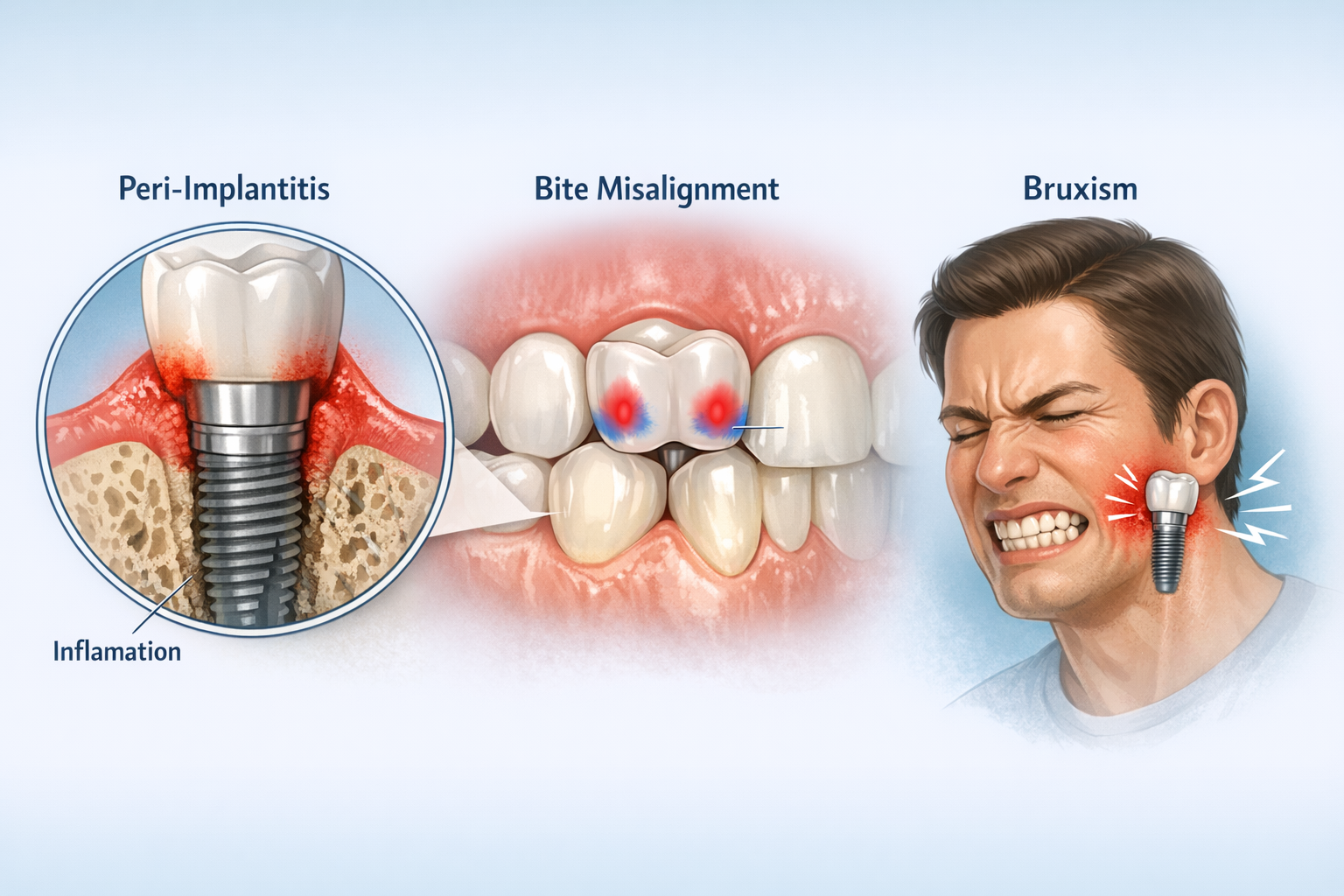
If your dental implant hurts when chewing hard food, it typically signals an issue that requires professional dental evaluation. This pain can stem from various causes, including improper bite alignment, inflammation around the implant (peri-implantitis), a loose implant, or even teeth grinding, all of which put undue stress on the implant or surrounding tissues. Prompt consultation with your dentist is essential for an accurate diagnosis and appropriate treatment to prevent further complications.
Why Does My Dental Implant Hurt When Chewing Hard Food?
An implant hurting when chewing hard food is a clear sign that something is amiss, as healthy dental implants should feel stable and pain-free, allowing for comfortable chewing of a wide range of foods [2, 8]. This discomfort is often a symptom of an underlying problem that requires professional dental attention. Understanding the potential causes is the first step toward effective treatment.
Common Causes of Implant Pain When Chewing
Several factors can contribute to pain when pressure is applied to a dental implant, especially with hard foods. Identifying the specific cause is critical for your dentist to provide the correct solution.
- Bite Misalignment (Occlusal Trauma): One of the most common culprits is an incorrect bite [2, 3]. If the implant crown is slightly too high or improperly aligned, it can bear excessive pressure when you chew, particularly on hard foods. This uneven force can lead to localized pain in the implant or surrounding bone and soft tissues. This issue typically arises after the permanent crown is placed and can often be corrected with a simple adjustment by your dentist.
- Peri-Implantitis: This is an inflammatory condition affecting the tissues surrounding a dental implant, akin to gum disease around a natural tooth [5]. It can lead to bone loss around the implant, making it loose and painful, especially when chewing. Poor oral hygiene is a primary cause, allowing bacteria to accumulate and cause infection. Symptoms often include redness, swelling, bleeding, and pain [5]. You can read more about peri-implantitis prevention and treatment costs in Dallas at our guide on Peri-Implantitis Treatment Costs Dallas 2026.
- Loose or Damaged Implant Components: While rare, an implant can become loose due to trauma, wear, or, in some cases, a failure to properly integrate with the jawbone (osseointegration) [2]. The implant itself (the titanium post), the abutment (the connector), or the crown can become loose or fractured. A loose component will cause instability and pain during chewing [2].
- Teeth Grinding (Bruxism) or Clenching: Consistent grinding or clenching of teeth can place immense, unnatural pressure on dental implants [2]. This chronic stress can irritate the surrounding tissues, loosen components, or even damage the implant or its restoration over time, leading to pain when chewing [2]. If you suspect you grind your teeth, your dentist might recommend a nightguard.
- Incomplete Osseointegration: For new implants, if the implant hasn’t fully fused with the jawbone, chewing on hard foods can disrupt the healing process and cause pain. Osseointegration is a critical phase where the bone grows around and fuses with the implant post, providing a stable foundation. Until this is complete, excessive pressure should be avoided.
- Nerve Damage: Though less common, nerve damage during the implant placement procedure can sometimes manifest as pain, numbness, or tingling. If this occurs, the pain might be exacerbated by chewing, even if the implant itself is stable.
- Adjacent Tooth Issues: Sometimes, the pain you feel might not be directly from the implant but from an adjacent tooth. A cracked tooth, cavity, or gum issue near the implant can mimic implant pain, especially when chewing.
- Food Debris Impaction: Small particles of hard food can sometimes get wedged between the implant crown and the gum line, causing irritation and pain, particularly if the gum tissue is sensitive or inflamed.
When to Seek Immediate Dental Attention
If you experience any of the following, it’s crucial to contact your dentist in Dallas immediately:
- Severe, throbbing pain that doesn’t subside.
- Swelling, redness, or pus around the implant site [5].
- A feeling of looseness in the implant or crown.
- Fever accompanied by implant pain.
- Difficulty opening your mouth or swallowing.
These symptoms could indicate a serious infection or complication that requires urgent care. For extreme cases, consider seeking Emergency Dental Implant Care Dallas 2026.
Foods That Can Cause or Worsen Implant Pain When Chewing Hard Food
To prevent your implant from hurting when chewing hard food and to maintain the integrity of your dental restoration, it is advisable to be mindful of your diet, especially shortly after the dental implant procedure and if you’re experiencing any discomfort. Certain foods can put undue stress on your implants, potentially causing damage or exacerbating existing issues.
Foods to Avoid to Protect Your Dental Implants
Even after full healing, some foods pose a higher risk to dental implants and should be consumed with caution or avoided altogether, particularly if you find that your implant hurts when chewing hard food.
- Hard and Crunchy Foods: These are perhaps the biggest culprits when it comes to potential implant damage [1, 6]. Items like nuts, hard candies, popcorn kernels, ice, and hard crusty bread can exert immense force on the implant and its crown. This force can chip or crack the crown, loosen the abutment, or in severe cases, even affect the implant post or bone integration [1, 6].
- Examples: Almonds, pecans, hard pretzels, ice cubes, jawbreakers, hard chips, and un-popped popcorn kernels.
- Tough, Chewy Meats: Foods that require significant and repetitive chewing can place considerable strain on your dental implants [1, 4, 6]. This constant pressure can gradually loosen the implant components or irritate the surrounding gum and bone tissue, leading to pain over time.
- Examples: Jerky, tough steaks, ribs, and gummy candies.
- Sticky Foods: These foods can be problematic as they can get stuck in crevices, making cleaning difficult, and potentially pull at the implant crown or even dislodge a temporary restoration or healing cap [1, 7].
- Examples: Caramel, taffy, gummy bears, and certain dried fruits.
- Very Hot or Cold Foods: While not directly damaging to the implant, extreme temperatures can cause sensitivity around the implant site, especially if there’s underlying inflammation or exposed nerve tissue. During the initial healing phase, it’s particularly important to avoid very hot liquids and foods [4].
- Acidic and Sugary Foods: Frequent consumption of highly acidic or sugary foods can contribute to gum disease and tooth decay in natural teeth, and around implants, they can foster bacterial growth that leads to peri-implantitis [1]. While not directly causing mechanical pain when chewing, they create an environment that jeopardizes implant health in the long run.
- Examples: Sodas, citrus fruits, candies, and highly processed snacks.
What to Eat for Optimal Implant Health
Focus on a diet rich in soft, nutrient-dense foods, especially during the healing phase and if you’re experiencing discomfort.
- Soft Fruits: Bananas, mashed berries, cooked apples.
- Cooked Vegetables: Mashed potatoes, soft-cooked carrots, steamed greens.
- Soft Proteins: Fish, scrambled eggs, tofu, well-cooked chicken or ground meat.
- Dairy: Yogurt, cottage cheese, soft cheeses.
- Grains: Oatmeal, soft bread (without hard crusts), pasta.
Remember that a patient-first approach to long-term oral health involves not just the immediate procedure but also diligent aftercare and dietary choices. Regular check-ups with your Dallas dentist will also help monitor your implant’s condition and address any issues early.
The Importance of Professional Consultation for Implant Pain
When an implant hurts when chewing hard food, it’s crucial to understand that self-diagnosis and delayed treatment can lead to more severe complications. A professional consultation with a qualified dentist in Dallas is the only way to accurately determine the cause of the pain and receive appropriate, effective treatment. Your oral health and the longevity of your dental implant depend on timely intervention.
Why You Shouldn’t Ignore Implant Pain
Ignoring pain around a dental implant can have serious repercussions, potentially compromising the implant’s stability and overall oral health.
- Progression of Peri-Implantitis: If the pain is due to peri-implantitis, neglecting it allows the infection to spread and cause further bone loss around the implant [5]. This can lead to the implant becoming irreversibly loose and eventually failing, requiring costly removal and potentially further bone grafting if another implant is desired.
- Mechanical Damage Worsening: A loose crown, abutment, or even the implant itself can worsen with continued chewing pressure, especially on hard foods [2]. What might be a simple adjustment initially could escalate to requiring replacement of components or the entire implant if left unaddressed.
- Impact on Adjacent Teeth and Overall Bite: Bite misalignment, if left uncorrected, can lead to issues not just with the implant but also with your natural teeth and jaw joint (TMJ) [3]. This can cause headaches, jaw pain, and uneven wear on other teeth.
- Increased Treatment Complexity and Cost: Early diagnosis and treatment are almost always simpler and less expensive than addressing advanced complications. For instance, a minor bite adjustment is far less invasive and costly than treating severe peri-implantitis or replacing a failed implant. Understanding the dental implant cost in Dallas can help patients appreciate the value of preventative care.
What to Expect During Your Dental Visit
When you consult your dentist about implant pain, they will perform a thorough examination to pinpoint the exact cause.
- Clinical Examination: Your dentist will visually inspect the implant site, checking for signs of inflammation, swelling, redness, or pus [5]. They will also check for any looseness in the crown, abutment, or the implant itself.
- Bite Assessment: They will evaluate your bite carefully, often using articulating paper, to see how your teeth come together and if the implant crown is bearing excessive force [3].
- Imaging: Dental X-rays, and sometimes 3D cone-beam computed tomography (CBCT) scans, will be taken to assess the bone level around the implant, check for any bone loss, or identify issues with the implant’s internal components [2, 3]. These images are crucial for visualizing the implant’s integration with the jawbone and detecting any hidden problems. For more information, see our guide on Dental Implant X-Ray Frequency Guide 2026.
- Discussion of Symptoms and History: Your dentist will ask about the onset of pain, its nature (sharp, dull, constant, intermittent), and any activities or foods that exacerbate it. They will also review your medical and dental history.
Treatment Options Based on Diagnosis
Based on the diagnosis, treatment for implant pain can vary significantly:
- Bite Adjustment: For bite misalignment, the dentist will carefully adjust the biting surface of the implant crown to ensure even pressure distribution [3]. This is typically a quick and pain-free procedure.
- Treatment for Peri-Implantitis: Depending on the severity, treatment can range from deep cleaning around the implant (debridement), antibiotic therapy, to surgical intervention to decontaminate the implant surface and potentially graft bone to reverse bone loss [5].
- Replacement of Components: If an abutment or crown is loose or damaged, it can often be tightened or replaced.
- Nightguard for Bruxism: If teeth grinding is the cause, a custom-fitted nightguard can protect your implant and natural teeth from excessive forces [2].
- Implant Removal: In rare cases of severe infection, significant bone loss, or complete implant failure, the implant may need to be removed. This is often a last resort, followed by a healing period and potentially a new implant placement or other tooth replacement options.
A consultation with a dentist ensures that you receive the correct diagnosis and the most appropriate, effective treatment plan, safeguarding your investment in dental implants and your long-term oral health. Don’t hesitate to reach out to a dental implant specialist in Dallas if you’re experiencing pain.
Preventing Dental Implant Pain When Chewing Hard Food
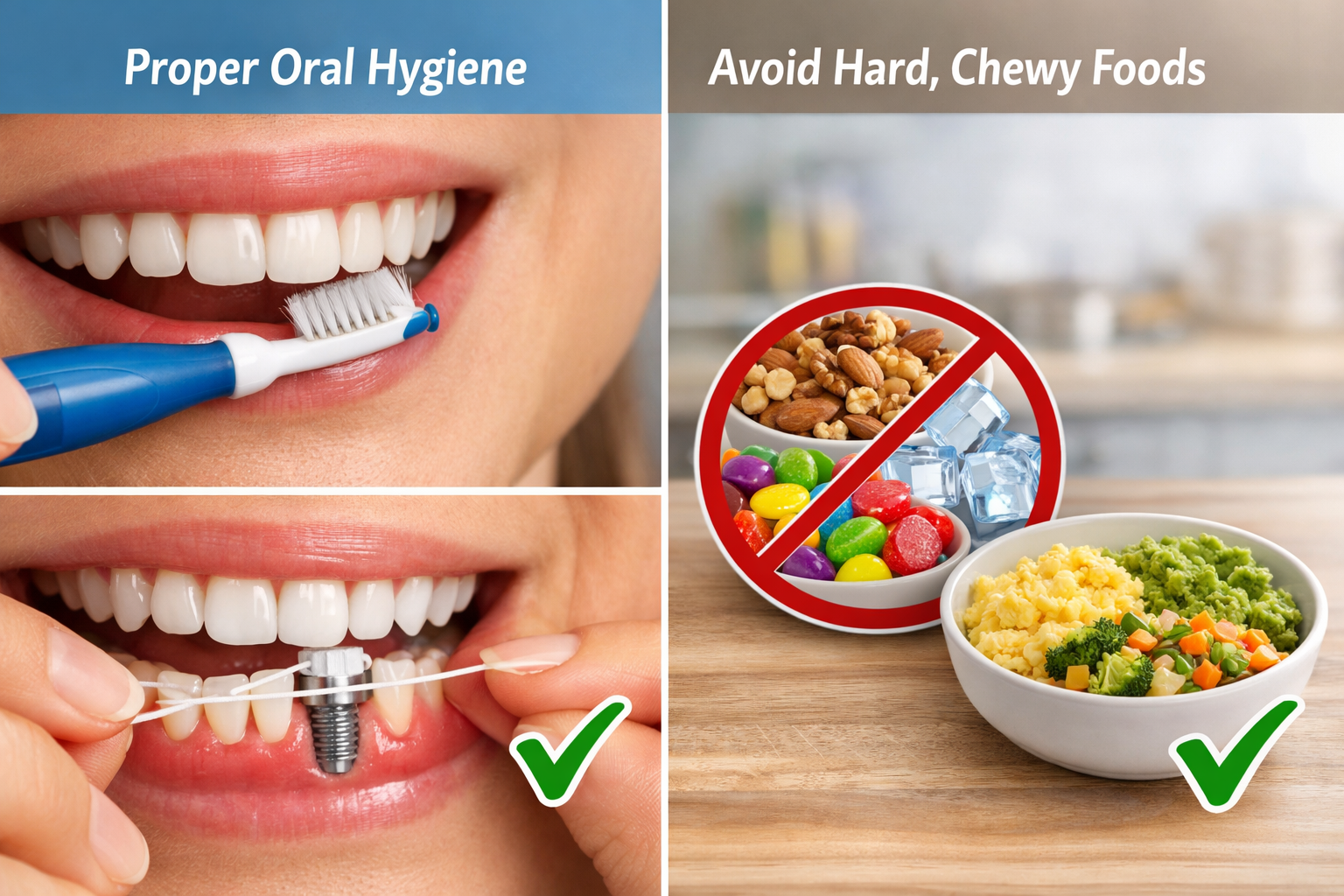
Preventing your implant from hurting when chewing hard food primarily involves a combination of diligent oral hygiene, careful dietary choices, and regular professional dental care. These practices ensure the health and stability of your dental implants for years to come.
Best Practices for Implant Care
Maintaining excellent oral hygiene is paramount for the longevity of your dental implants and preventing issues like peri-implantitis [2].
- Consistent Oral Hygiene Routine:
- Brush twice daily: Use a soft-bristled toothbrush or an electric toothbrush. Pay special attention to the area around your implant and gum line [2].
- Floss daily: Use dental floss, an interdental brush, or a water flosser specifically designed for implants to clean between your teeth and around the implant [2]. Our guide on Sulcus Brush for Implants: Essential 2026 Guide offers more details on specialized tools.
- Use an antimicrobial mouthwash: This can help reduce bacteria in your mouth, particularly if recommended by your dentist.
- Regular Dental Check-ups and Cleanings: Schedule routine check-ups with your Dallas dentist every six months, or as often as recommended [2]. These appointments allow your dentist to monitor the health of your implants, detect any early signs of problems, and provide professional cleanings that remove plaque and tartar you might miss.
- Protect Against Bruxism: If you grind or clench your teeth (bruxism), inform your dentist. They can fabricate a custom nightguard to protect your implants and natural teeth from excessive force while you sleep [2].
- Avoid Smoking and Excessive Alcohol: Smoking significantly increases the risk of implant failure and peri-implantitis by hindering blood flow and healing [3]. Excessive alcohol consumption can also negatively impact oral health and bone healing.
- Consider 3D Guided Implant Surgery: For patients considering new dental implants in Dallas, techniques like 3D Guided Implant Surgery can enhance precision during placement, reducing the risk of complications like bite issues.
Dietary Adjustments for Implant Protection
Beyond avoiding problematic hard foods (as discussed in the previous section), adopting smart eating habits contributes significantly to implant health.
- Gradual Introduction of Foods: After dental implant surgery, gradually reintroduce harder foods into your diet as advised by your dentist [9]. Start with soft foods and slowly progress to firmer textures. This allows the implant site to heal fully and the bone to integrate properly.
- Mindful Chewing: Even with fully integrated implants, practice mindful chewing. Distribute chewing forces evenly across your mouth and avoid putting excessive, concentrated pressure on a single implant, especially with very hard items [8, 10].
- Hydration: Drinking plenty of water helps wash away food particles and maintains overall oral health, supporting a healthy environment for your implants.
- Balanced Diet: A nutritious diet supports overall health, including bone health, which is vital for maintaining the stability of your dental implants.
By adhering to these preventative measures, individuals with dental implants in Dallas can significantly reduce the likelihood of experiencing pain when chewing hard food and ensure the long-term success and comfort of their implant investment.
Frequently Asked Questions
Is it normal for an implant to hurt when chewing hard food?
No, it is not normal for a dental implant to hurt when chewing hard food after the initial healing period. Persistent pain usually indicates an underlying issue that requires professional evaluation [2, 8].
What are the most common reasons an implant hurts when chewing hard food?
Common reasons include bite misalignment (occlusal trauma), peri-implantitis (inflammation around the implant), a loose or damaged implant component (crown, abutment, or implant itself), and teeth grinding (bruxism) [2, 3, 5].
Can a dental implant become loose?
Yes, a dental implant can become loose due to various factors such as trauma, failure of osseointegration, peri-implantitis leading to bone loss, or a loose abutment or crown [2, 5].
What is peri-implantitis and how does it cause pain?
Peri-implantitis is an inflammatory condition affecting the tissues around a dental implant, often caused by bacterial infection and poor oral hygiene. It leads to bone loss around the implant, causing pain, swelling, and potential implant failure, especially when chewing [5].
Should I stop eating hard foods if my implant hurts?
Yes, if your implant hurts when chewing hard food, it is advisable to temporarily avoid hard, crunchy, and chewy foods and contact your dentist. Continuing to eat these foods can worsen the problem [1].
How is implant pain when chewing hard food diagnosed?
Diagnosis typically involves a clinical examination, bite assessment, and dental X-rays or 3D scans to check for inflammation, bone loss, or mechanical issues with the implant [2, 3].
What are the treatment options for a painful implant?
Treatment options vary based on the diagnosis and can include bite adjustments, treatment for peri-implantitis (cleaning, antibiotics, surgery), tightening or replacement of loose components, or a custom nightguard for bruxism [2, 3, 5].
Can poor oral hygiene cause implant pain?
Yes, poor oral hygiene is a significant contributor to peri-implantitis, an infection and inflammation around the implant that can cause pain, especially when chewing [2, 5].
How long does it take for a dental implant to heal completely?
Initial healing after surgery typically takes a few weeks, but complete osseointegration (bone fusing with the implant) can take 3 to 6 months. During this time, it’s crucial to follow post-operative instructions, including dietary restrictions [2].
Can teeth grinding damage my dental implant?
Yes, chronic teeth grinding (bruxism) can put excessive force on dental implants, potentially leading to pain, loosening of components, or even damage to the implant or surrounding bone over time [2].
Conclusion
Experiencing pain when your implant hurts when chewing hard food is a clear signal from your body that something is amiss with your dental implant. While dental implants offer an excellent, long-lasting solution for missing teeth, they require careful attention, especially if discomfort arises. From bite misalignment and peri-implantitis to loose components or teeth grinding, the causes are varied, but the solution remains consistent: professional dental evaluation.
Ignoring implant pain can lead to more complex and costly issues down the line, potentially jeopardizing your investment in dental implants. Therefore, if you’re in Dallas and experiencing any discomfort with your dental implant, particularly when chewing hard foods, do not delay in scheduling a consultation with your dentist. They can accurately diagnose the problem using clinical examination and imaging, and then recommend the most appropriate treatment. By being proactive and adhering to proper oral hygiene and dietary guidelines, you can ensure the long-term success and comfort of your dental implants, maintaining your beautiful and functional smile for years to come.
References
[1] Foods Not To Eat With Dental Implants – https://www.drdaynes.com/blog/foods-not-to-eat-with-dental-implants/
[2] Why Does My Dental Implant Hurt When I Chew – https://houstondentalimplantcenter.com/why-does-my-dental-implant-hurt-when-i-chew/
[3] Why Does My Dental Implant Hurt When I Chew – https://holgerdentalgroup.com/blog/why-does-my-dental-implant-hurt-when-i-chew/
[4] Chew On This Foods To Avoid After Dental Implant Surgery – https://www.i20familydental.com/blog/2025/08/08/chew-on-this-foods-to-avoid-after-dental-implant-surgery/
[5] Why Does My Dental Implant Hurt When I Chew – https://www.southbroaddental.com/post/why-does-my-dental-implant-hurt-when-i-chew
[6] 7 Common Foods That Can Harm Your Dental Implants – https://bentonvilledentist.com/blog/7-common-foods-that-can-harm-your-dental-implants/
[7] Foods To Avoid After Dental Implant Surgery – https://arofsc.com/foods-to-avoid-after-dental-implant-surgery/
[8] What Is Eating With Dental Implants Like – https://www.sycamorefamilydentistryva.com/what-is-eating-with-dental-implants-like/
[9] When Can I Eat Crunchy Food After A Dental Implant – https://edgartowndentalgroup.com/when-can-i-eat-crunchy-food-after-a-dental-implant/
[10] What Can I Eat Without Damaging My Dental Implants – https://northscottsdaledentistry.com/what-can-i-eat-without-damaging-my-dental-implants/
Leave a Reply
Share your thoughts or ask a question about dental implants. Your email address will not be published.