

Experiencing a sensation of pressure in your dental implant without any accompanying swelling can be perplexing and, understandably, a source of concern. While often a normal part of the healing or settling process, it’s crucial to understand what this feeling might indicate, especially for those who have undergone a dental implant procedure in Dallas, TX, or anywhere else. This article will provide a detailed, professional, and reassuring look into the phenomenon of when an “Implant feels pressure but no swelling,” helping you discern between normal post-operative sensations and potential issues that require a dentist’s attention.
Key Takeaways
- Normal Healing Process: Mild pressure is common as the implant integrates with the jawbone, especially in the initial weeks after surgery.
- Osseointegration: The process of the implant fusing with bone can cause subtle sensations of pressure as tissues adapt.
- Bite Issues: An improperly aligned dental crown can exert excessive pressure on the implant without causing visible swelling.
- Early Infection (Peri-implantitis): Some early infections may manifest as pressure or discomfort before visible swelling appears.
- Nerve or Sinus Involvement: Proximity to nerves or sinus cavities can cause pressure sensations in some cases.
- Bruxism/Clenching: Grinding or clenching teeth can put undue stress on implants, leading to pressure.
- Foreign Body Sensation: It’s normal for a dental implant to feel “different” or like a foreign object for a period during healing.
- When to Contact Your Dentist: Persistent, worsening, or severe pressure, even without swelling, warrants immediate professional evaluation.
- Regular Check-ups: Adhering to post-operative appointments is vital for monitoring implant health and addressing any concerns promptly.
- Local Expertise: Consulting with a dentist specializing in dental implants in Dallas can provide targeted, local expertise for diagnosis and care.
Quick Answer
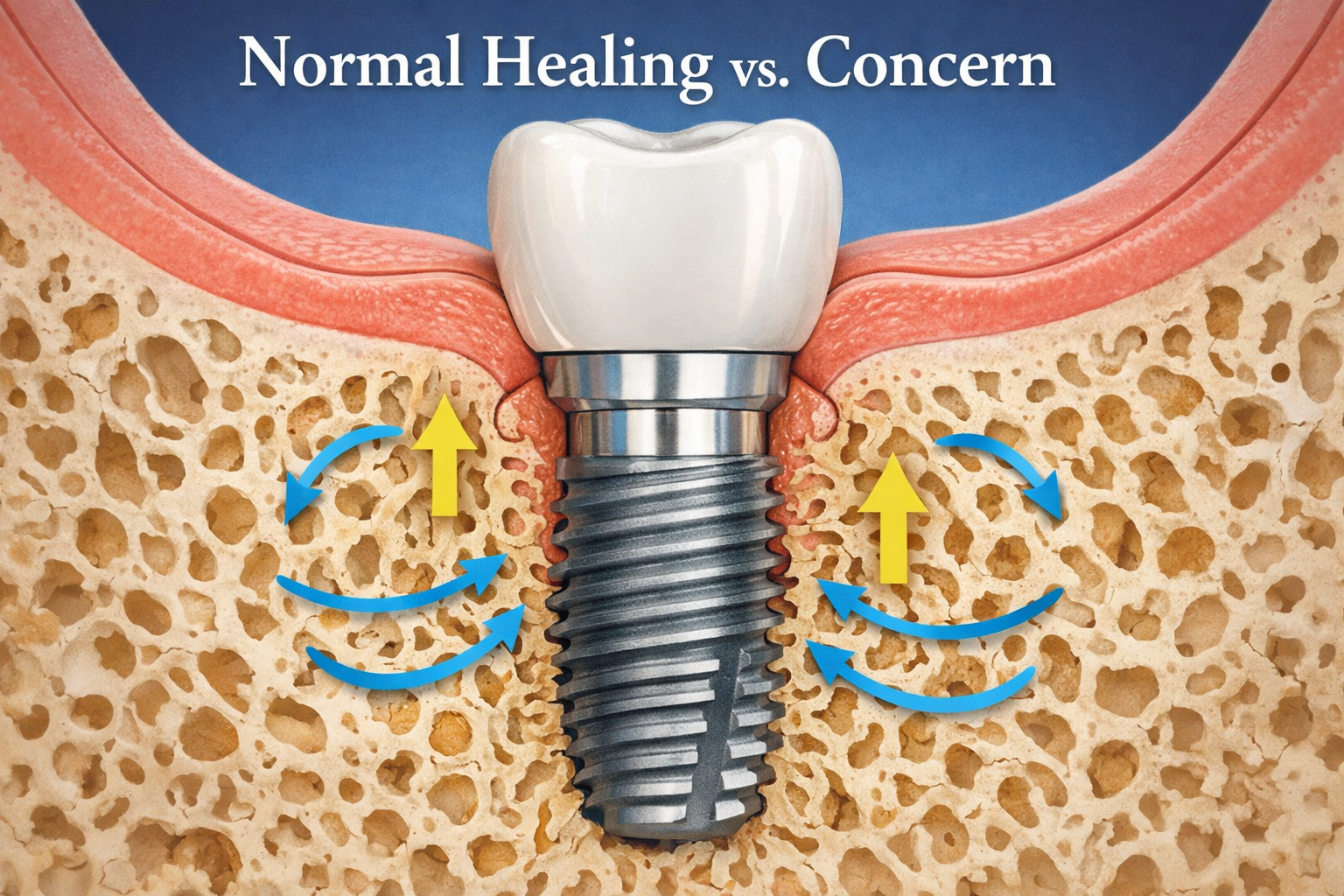
If your dental implant feels pressure but no swelling, it could be a normal part of the healing process as the implant integrates with your jawbone, or it might signal an underlying issue such as a bite problem or the very early stages of an infection. While absence of swelling can be reassuring, persistent or increasing pressure should always prompt a professional dental evaluation to ensure the long-term success of your tooth replacement options.
What Does it Mean When Your Implant Feels Pressure But No Swelling?
When your implant feels pressure but no swelling, it primarily means that while you are experiencing a sensation around the implant site, your body is not showing the typical external signs of acute inflammation. This sensation can range from mild fullness to a dull ache, and its significance often depends on the timing relative to your dental implant procedure and its persistence [1, 2].
In the initial days and weeks following dental implant surgery, it’s quite common for the implant area to feel somewhat “different” [1]. The surgical insertion of the titanium post into the jawbone naturally involves the manipulation of bone and surrounding soft tissues. As these tissues begin to heal and the process of osseointegration (where the implant fuses with the bone) commences, a sensation of pressure or mild discomfort is expected [1, 2]. This is often a sign that the body is adapting to the new fixture, rather than indicating a problem. Typically, this mild pressure subsides gradually over a few days to weeks [2]. Understanding this normal healing trajectory is crucial for patient reassurance and distinguishes expected post-operative feelings from potential complications. For a deeper dive into the sensations post-surgery, you might find our article, “Dental Implant Feels Weird? Timeline to Natural Comfort,” helpful.
Normal Healing and Osseointegration
The primary reason an implant might feel pressure without swelling during recovery is the body’s natural healing process, specifically osseointegration.
- Tissue Adaptation: The bone and gum tissues around the implant need time to adjust and heal around the new titanium post. This remodeling can create a feeling of tightness or pressure [1].
- Bone Growth: During osseointegration, new bone cells grow around and merge with the implant surface, securing it in place. This biological process can manifest as a subtle, internal pressure [2].
- Absence of Inflammation: If there’s no swelling, redness, or heat, it often suggests that the pressure is not due to an active inflammatory response, which is a positive indicator for healing [1].
- Timeline: This type of pressure sensation is most common in the first few weeks to months after implant placement and generally diminishes as healing progresses [5]. If the pressure arises many months or years after initial placement, other factors should be considered.
It’s important to differentiate between temporary, mild pressure and persistent, increasing pressure. If the sensation is minor, intermittent, and decreasing over time, it likely falls within the spectrum of normal recovery. However, any pressure that intensifies, becomes constant, or is accompanied by other subtle symptoms should be discussed with your dentist.
Potential Causes for Implant Pressure Without Swelling
While normal healing is a common reason for an implant feeling pressure but no swelling, several other factors can contribute to this sensation. Identifying the specific cause is critical for effective management and ensuring the long-term health of your dental implant.
One often overlooked cause is a subtle bite misalignment [2]. Even a minuscule discrepancy in how your new dental crown meets its opposing tooth can exert undue force on the implant. This sustained, abnormal pressure can lead to a persistent feeling of pressure without necessarily triggering visible swelling, as the problem is mechanical rather than inflammatory in its early stages. Another possibility is the early stages of peri-implantitis, an inflammatory condition affecting the tissues surrounding a dental implant [2]. While swelling is a hallmark of advanced peri-implantitis, it doesn’t always present visibly in the initial phases, especially if the infection is localized or deep-seated. Pressure or discomfort could be the earliest warning sign that professional intervention is needed to prevent more severe complications. For more information on managing this condition, see our guide on Peri-Implantitis Treatment Costs Dallas 2026: Prevention Str.
Bite Issues and Occlusal Trauma
An ill-fitting crown or an unbalanced bite can create excessive forces on your dental implant.
- Premature Contact: If the implant crown makes contact with the opposing tooth before others, it bears more chewing force [2].
- Constant Pressure: This constant, excessive pressure can stress the implant and surrounding bone, leading to a sensation of pressure or discomfort [2].
- No Swelling: Because the issue is primarily mechanical stress rather than infection, visible swelling may not be present [2].
- Diagnosis: Your dentist can check your bite using articulating paper to identify and adjust any high spots on the crown. Addressing bite issues promptly is vital to prevent long-term damage to the implant or bone.
Early-Stage Peri-Implantitis
Peri-implantitis is an inflammatory condition affecting the soft tissues and bone surrounding a dental implant, similar to gum disease around natural teeth [2].
- Initial Symptoms: In its early stages, peri-implantitis can manifest as mild discomfort, tenderness, or a feeling of pressure around the implant [2].
- Lack of Swelling: Visible swelling may not be immediately apparent, especially if the infection is deep within the tissue or bone [5].
- Other Subtle Signs: Look for other signs like slight bleeding when brushing, redness of the gums around the implant, or a metallic taste [4, 5].
- Importance of Early Detection: Early diagnosis and treatment are crucial to prevent progression, which could lead to bone loss and potential implant failure [5]. Regular oral hygiene and professional cleanings are key preventative measures.
Nerve or Sinus Involvement
The precise placement of a dental implant requires careful consideration of anatomical structures.
- Nerve Proximity: If an implant is placed too close to a nerve (e.g., the inferior alveolar nerve in the lower jaw), it can cause persistent pressure, numbness, or tingling sensations without swelling [2].
- Sinus Encroachment: In the upper jaw, implants near the maxillary sinuses can sometimes cause pressure or discomfort if they slightly impinge on the sinus lining [2].
- Symptoms: This might feel like sinus pressure or a general ache in the area, often without visible inflammation.
- Diagnosis: X-rays or 3D cone-beam computed tomography (CBCT) scans are essential to evaluate the implant’s position relative to these vital structures.
- Revision Surgery: In rare cases of significant nerve impingement, revision dental implant surgery in Dallas might be necessary to alleviate symptoms.
Bruxism or Teeth Clenching
Habitual teeth grinding (bruxism) or clenching can exert immense, unnatural forces on dental implants.
- Excessive Force: The forces generated by bruxism can be much greater than normal chewing, placing significant stress on the implant and supporting bone [2].
- Micro-trauma: This sustained micro-trauma can lead to a feeling of pressure, soreness, or even dull pain, often worse in the morning [2].
- No Visible Swelling: As with bite issues, the problem is mechanical stress, so external swelling is typically absent.
- Management: Your dentist may recommend a custom-fitted night guard for implants to protect your implant from these forces, especially if you clench or grind your teeth at night.
It is critical to communicate any persistent or concerning pressure sensations to your dentist. A thorough examination, potentially including diagnostic imaging, can help pinpoint the exact cause and guide appropriate treatment.
When to Consult Your Dallas Dentist for Pressure Sensation
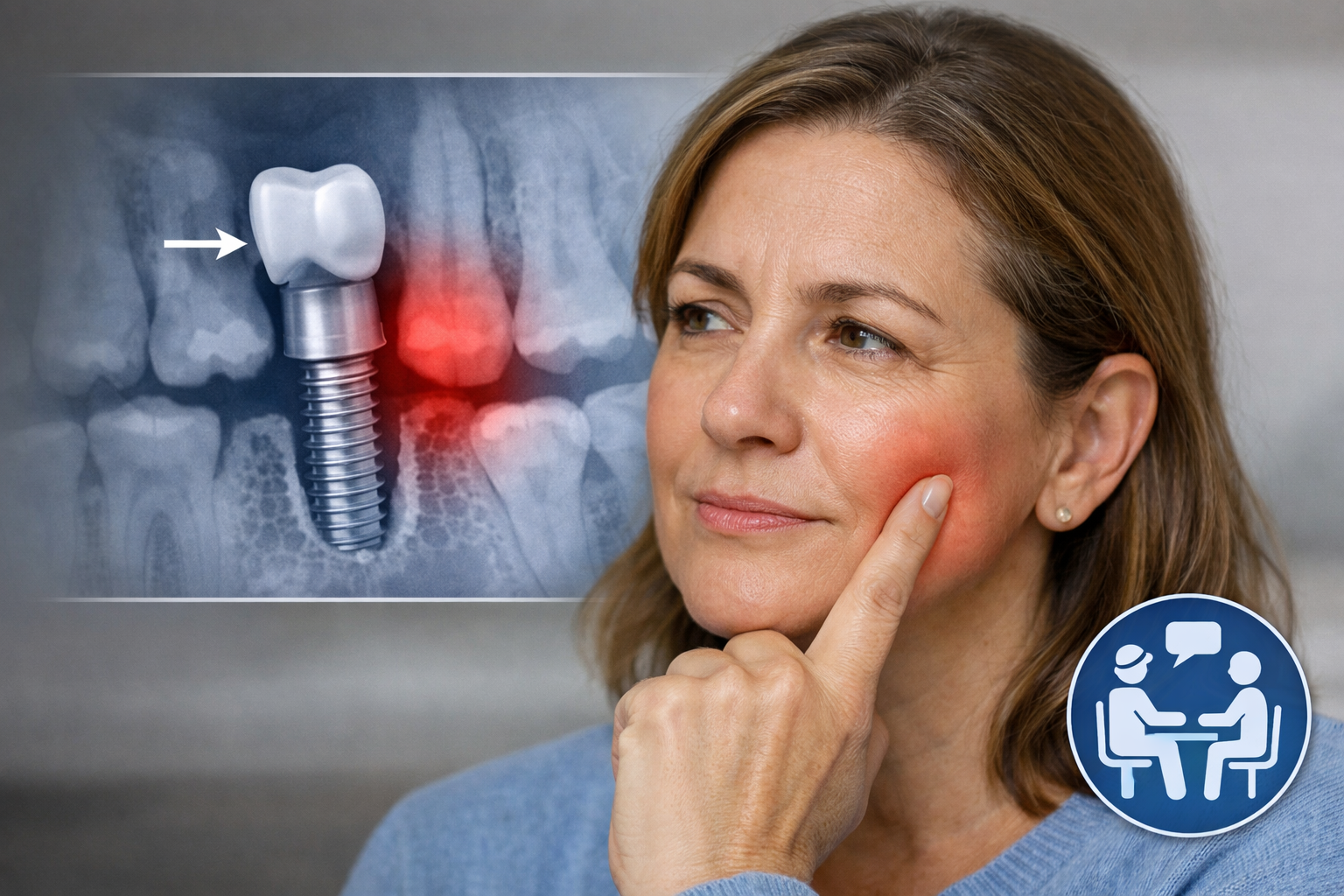
Knowing when to consult your Dallas dentist is paramount when you feel pressure but no swelling around your dental implant. While some degree of pressure can be a normal part of the healing process, certain characteristics of this sensation should prompt immediate professional attention. Persistent, worsening, or severe pressure, even in the absence of visible swelling, warrants an immediate evaluation by a dental professional to rule out or address potential complications [1].
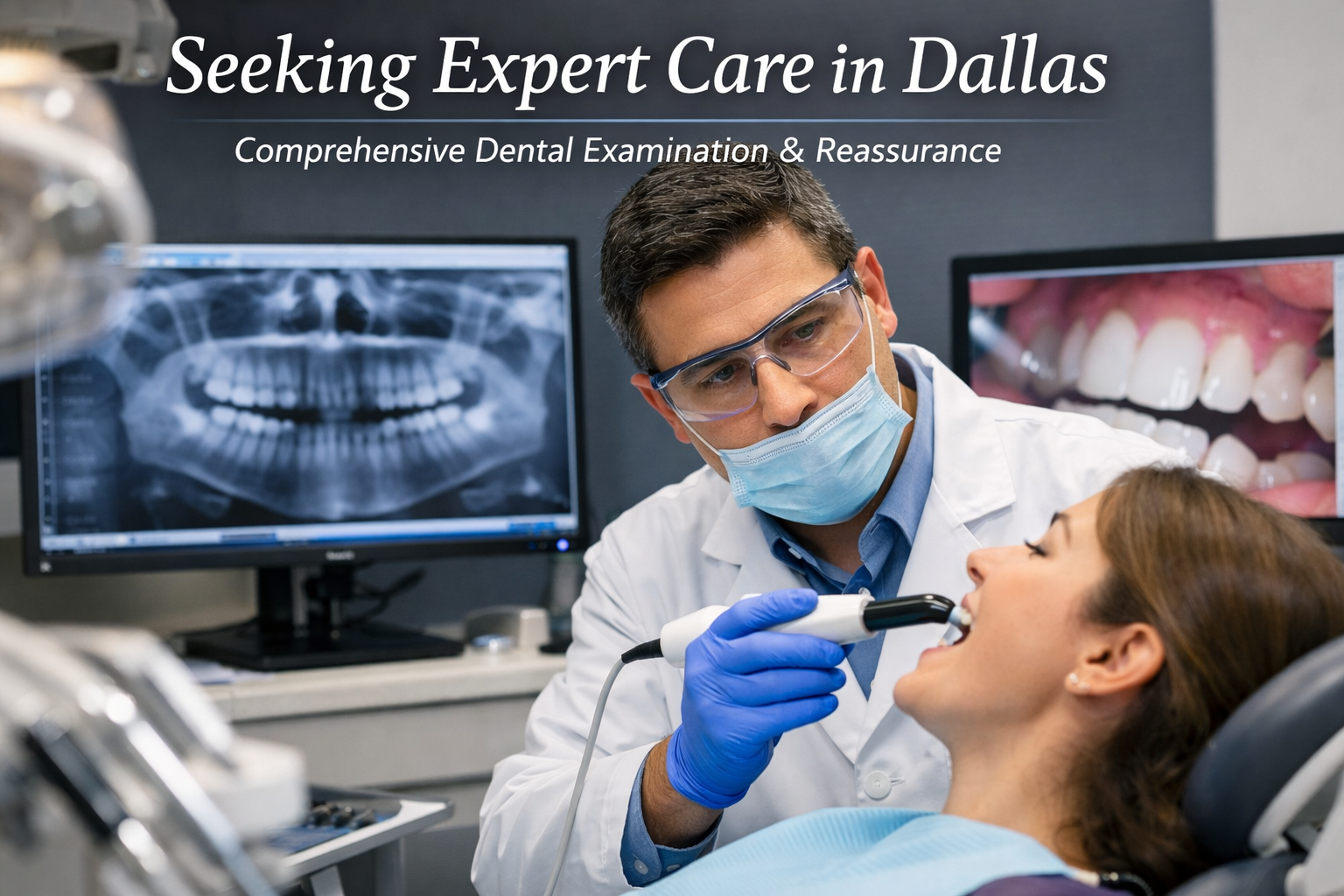
For individuals in Dallas, TX, it’s always best to err on the side of caution. Your dental implant represents a significant investment in your long-term oral health, and proactive care can prevent minor issues from becoming major problems. A local dentist specializing in dental implants can conduct a thorough examination, including diagnostic imaging if necessary, to accurately assess the situation and provide peace of mind.
Signs That Warrant an Immediate Dental Visit
Don’t wait if you experience any of the following alongside pressure:
- Persistent or Worsening Pressure: If the pressure sensation does not diminish over time, or if it actively increases in intensity, it’s a red flag [1]. Normal healing discomfort should gradually subside.
- Pain Development: While pressure might be tolerable, if it escalates into actual pain, especially sharp, throbbing, or unbearable pain, seek immediate care [8].
- Functional Difficulties: Any difficulty chewing, biting, or speaking due to the pressure [3].
- Systemic Symptoms: Fever, chills, or general malaise can indicate a systemic infection that needs urgent attention [9].
- Pus or Discharge: Even without overt swelling, any discharge or foul taste from the implant site is a serious sign of infection [4].
- Mobility of Implant/Crown: If the implant itself or the crown feels loose, contact your dentist immediately [3]. This is a critical sign of potential implant failure.
- Other Subtle Changes: Any changes in gum color (beyond slight pinkness), increased sensitivity, or persistent bad breath from dental implants that you can’t explain [4, 5].
What to Expect During a Dental Evaluation
When you consult your dentist about pressure in your dental implant, they will undertake a comprehensive evaluation.
- Patient History: They will first ask about the onset, duration, and nature of the pressure, as well as any associated symptoms and your overall health history.
- Clinical Examination: The dentist will visually inspect the implant site and surrounding tissues, checking for subtle signs of redness, tenderness, or recession, even if swelling isn’t apparent. They will also assess your bite [2].
- Diagnostic Imaging: X-rays, and potentially 3D cone-beam computed tomography (CBCT) scans, are often crucial. These images can reveal the implant’s position relative to nerves and sinuses, the health of the surrounding bone, and any signs of early bone loss indicative of peri-implantitis [2].
- Bite Analysis: Articulating paper will be used to check your occlusion and identify any high spots on the crown that might be causing excessive pressure.
- Treatment Plan: Based on their findings, your dentist will formulate a treatment plan, which could range from simple bite adjustments to antibiotics for infection, or in more complex cases, revision surgery or other interventions.
Proactive communication with your dentist is key to successful dental implant longevity. Never hesitate to voice your concerns, especially when dealing with sensations around your dental implant. Addressing issues early can prevent more significant complications down the line.
Differentiating Normal Pressure from Concerning Symptoms
Distinguishing between normal healing pressure and symptoms that signal a problem is crucial for dental implant patients. Normal pressure sensations are typically mild, gradually diminish, and are not accompanied by other worrying signs, whereas concerning symptoms like persistent pain, increasing intensity of pressure, or functional issues, even without visible swelling, warrant professional dental attention.
This differentiation often relies on the character and persistence of the sensation. A subtle feeling of fullness or mild pressure that eases up over time, especially in the weeks immediately following surgery, is generally considered normal. This is part of the body’s natural adaptation and integration of the implant [1]. However, if the pressure becomes sharper, throbbing, or constant, or if it is accompanied by other subtle changes like a metallic taste or difficulty chewing, it indicates that something might be amiss, regardless of whether swelling is present. Understanding these nuances empowers patients to make informed decisions about when to seek professional care.
Characteristics of Normal Healing Pressure
Normal pressure sensations related to dental implants share specific characteristics that help differentiate them from problematic symptoms.
- Mild Intensity: The pressure is typically gentle, a feeling of awareness rather than sharp pain [1].
- Gradual Improvement: It should decrease steadily over days or weeks post-surgery [2]. It doesn’t worsen suddenly or become constant.
- Absence of Other Symptoms: There should be no visible swelling, redness, heat, pus, fever, or significant pain [1, 5].
- Intermittent Nature: The pressure might come and go, or only be noticeable at certain times (e.g., when touching the area).
- Early Post-Op Period: Most commonly experienced in the first few weeks to months after the implant procedure, especially during the osseointegration phase. As the implant integrates, the feeling of “weirdness” should fade, as discussed in “Dental Implant Feels Weird? Timeline to Natural Comfort.”
When to Suspect a Problem (Even Without Swelling)
Even without visible swelling, certain types of pressure or accompanying signs should prompt you to contact your dentist.
- Increasing Pressure: If the pressure sensation gets worse day by day, rather than improving [1].
- Persistent or Constant Pressure: If the pressure doesn’t subside and remains constant for an extended period, especially weeks or months after the initial healing phase [8].
- Localized Tenderness: Specific spots around the implant are very tender to the touch, or pain when biting [9].
- Changes in Gum Appearance: While not swelling, look for localized redness, slight recession of the gum around the implant, or a shiny, taut appearance of the gum tissue that differs from healthy tissue [5].
- Bad Taste or Odor: A persistent bad taste in your mouth or noticeable bad breath originating from the implant site can indicate an infection [4].
- Looseness: Any feeling that the implant or the crown on top of it is loose [3].
- Systemic Symptoms: Unexplained fatigue, low-grade fever, or general malaise can sometimes accompany an infection even without localized swelling.
| Symptom Category | Normal Healing Pressure | Concerning Pressure (Even Without Swelling) |
|---|---|---|
| Intensity | Mild, a feeling of fullness or awareness | Increasing, persistent, or develops into dull/sharp pain |
| Duration | Gradual decrease over days/weeks after surgery | Constant, does not improve, or worsens over time |
| Accompanying Signs | None (no visible swelling, redness, heat, pus) | Localized tenderness, gum changes (redness, recession), bad taste/odor, systemic symptoms, implant mobility |
| Impact on Function | Minimal to none | Difficulty chewing, biting, speaking |
| Timing | Typically within the first few weeks/months post-surgery | Can occur at any time, but especially concerning if months/years post-op |
If you are experiencing any “concerning” symptoms from the table above, it’s essential to reach out to your dental professional in Dallas immediately. Early detection and intervention are key to preserving the health and longevity of your dental implant.
Dental Implant Recovery and Long-Term Oral Health in Dallas
Successful dental implant recovery and maintaining long-term oral health are deeply intertwined with understanding post-operative sensations and committing to excellent oral hygiene practices, especially for patients in Dallas, TX. The journey of dental implants from surgery to full integration requires patience and diligent follow-up, ensuring that the initial healing phases smoothly transition into years of functional and aesthetic benefits.
For residents of Dallas and surrounding areas, ensuring the longevity of your dental implants involves not only following your dentist’s post-operative instructions but also recognizing when a symptom, like pressure without swelling, might indicate a need for professional intervention. Proactive management of your oral health, including regular check-ups and cleanings with a focus on your implants, is essential for identifying and addressing any potential issues early. This commitment to continuous care is a cornerstone of long-term oral health and crucial for maximizing the lifespan of your tooth replacement options.
Post-Operative Care Instructions and Their Importance
Adhering strictly to your dentist’s post-operative care instructions is critical for a smooth recovery and minimizing complications.
- Medication: Take prescribed antibiotics and pain relievers as directed. Antibiotics help prevent infection, while pain medication manages discomfort, including pressure [1].
- Dietary Restrictions: Follow recommendations for soft foods initially. Avoiding hard, crunchy, or chewy foods prevents stress on the healing implant site [1].
- Oral Hygiene: Gently clean the surgical site as instructed, typically with a special mouth rinse and careful brushing, to prevent bacterial accumulation [1]. Avoid vigorous rinsing or spitting immediately after surgery.
- Avoid Smoking and Alcohol: Both can significantly impair healing and increase the risk of complications, including infection and implant failure [6].
- Rest: Allow your body ample time to recover. Avoid strenuous activity for several days post-surgery.
- Cold Compress: Applying ice packs to the outside of the cheek can help minimize swelling, though in this scenario, we are focusing on pressure without swelling, it still aids overall healing. For more detailed instructions, see our “Dental Implant Post-Op Instructions 2026 | Full Recovery Gui.”
The Role of Regular Check-ups and Maintenance
Regular dental check-ups and specialized maintenance are vital for the long-term success of your dental implants.
- Professional Cleanings: Implants require specialized cleaning tools and techniques to prevent peri-implantitis. Regular cleanings with a hygienist knowledgeable in implant care are essential [5].
- Monitoring Bone Levels: Your dentist will take periodic X-rays to monitor the bone level around your implant, a key indicator of implant health and stability.
- Bite Assessment: Routine checks of your bite ensure that no excessive forces are being placed on your implant, which can prevent problems like pressure sensation [2].
- Early Detection of Issues: Regular visits allow your Dallas dentist to detect and address potential issues like early peri-implantitis or mechanical problems before they escalate [5].
- Oral Health Education: Your dental team can provide guidance on proper home care for your implants, including recommended brushes and interdental cleaners like a sulcus brush for implants.
Understanding Dental Implant Costs in Dallas
Considering dental implants in Dallas often involves understanding the various costs associated with the procedure and long-term care. While the initial investment for missing teeth solutions can seem significant, dental implants offer a durable and effective solution for long-term oral health. Factors affecting implant cost in Dallas include the number of implants, materials used, any necessary pre-procedures like bone grafts, and the expertise of the dental implant specialists.
- Initial Procedure: The cost of a dental implant tooth in 2026 can vary widely. For instance, the single tooth implant costs in Dallas in 2026 can range from $3,000-$5,500 [https://dallasdentalimplantcost.com/single-tooth-implant-costs-in-dallas-2026-what-patients-pay-at-top-clinics/].
- Related Procedures: Sometimes, bone grafting is required to ensure sufficient bone density for implant placement, which adds to the overall cost. You can learn more about Bone Graft Costs for Dental Implants in Dallas TX: Necessity.
- Long-Term Maintenance: This includes routine check-ups and specialized cleanings, as well as potential future costs like a dental implant crown replacement cost in Dallas.
- Financing Options: Many dental practices in Dallas offer flexible dental implant financing options and payment plans to make the procedure more accessible. For those exploring comprehensive solutions, understanding the price for teeth implants is also crucial.
By combining meticulous home care with consistent professional oversight, you can ensure your dental implants remain healthy and functional for decades, providing a stable foundation for your smile and overall long-term oral health.
FAQ: Implant Feels Pressure But No Swelling
Is it normal to feel pressure on a dental implant?
Yes, it is normal to feel some mild pressure or a sensation of fullness around a dental implant, especially in the initial weeks after surgery, as the bone and tissues heal and integrate with the implant [1, 2].
What does a failing dental implant feel like?
A failing dental implant can feel like persistent pain, increasing pressure, throbbing, swelling, movement of the implant, or a bad taste, even if swelling is not initially visible [3, 4, 8].
Can a dental implant feel tight?
Yes, a dental implant can feel tight or have a sensation of pressure as the surrounding bone and soft tissues heal and adapt to the implant during the osseointegration process [1].
How long does implant pressure last?
Normal post-operative pressure typically subsides gradually over a few days to a few weeks after the dental implant surgery [2]. If it persists longer or worsens, consult your dentist.
Can an implant be infected without swelling?
Yes, an implant can develop an infection (peri-implantitis) in its early stages without visible external swelling. Pressure, tenderness, or a bad taste can be initial signs [2, 5].
Should I worry if my dental implant feels different?
If your dental implant feels different but not painful, it might be part of the normal healing or adjustment process. However, if the “different” feeling is persistent, worsening, or concerning, it’s best to consult your dentist for an evaluation.
What causes a dental implant to feel pressure when biting?
Pressure when biting can be caused by an improperly aligned crown (bite issue), excessive forces from teeth grinding (bruxism), or in some cases, an underlying issue like early peri-implantitis [2].
When should I call my dentist about implant pressure?
You should call your dentist if the pressure is persistent, worsening, severe, accompanied by pain, bad taste, redness, or if you have any doubts about whether the sensation is normal [1, 8].
Conclusion
Experiencing a sensation of pressure in your dental implant without swelling can be a natural, albeit sometimes unsettling, part of the healing and integration process. The body’s remarkable ability to adapt to a new dental implant in Dallas involves bone remodeling and tissue adjustment, which can manifest as mild pressure as the implant settles. However, it is equally important to remain vigilant and recognize that persistent or worsening pressure, even in the absence of visible inflammation, can be an early indicator of issues such as bite misalignment, early-stage peri-implantitis, or anatomical considerations.
For those in Dallas, TX, and beyond, the key to successful long-term oral health and the longevity of your dental implants lies in proactive communication with your dental professional and adherence to post-operative care instructions. If your implant feels pressure but no swelling, and you have any concerns about its nature or duration, scheduling a consultation with a dentist specializing in dental implants in Dallas is always the most responsible next step. They possess the expertise and diagnostic tools necessary to accurately assess your situation, provide reassurance, and intervene promptly if a problem is identified, safeguarding your investment in a healthy, confident smile.
References
[1] Dental Implant Pressure Sensation What To Expect And How To Manage It – https://moradadental.com/blog/dental-implant-pressure-sensation-what-to-expect-and-how-to-manage-it/
[2] 6 Reasons For Sensitivity In Dental Implant – https://www.udcwhiting.com/blog/6-reasons-for-sensitivity-in-dental-implant/
[3] Signs Your Dental Implant Has Failed – https://smartarchesdental.com/resources/signs-your-dental-implant-has-failed/
[4] 5 Signs Of Dental Implant Failure – https://www.stroingandwhitedental.com/post/5-signs-of-dental-implant-failure
[5] 5 Signs Of Dental Implant Failure – https://shoalcreeksmilestudio.com/5-signs-of-dental-implant-failure/
[6] Dental Implant Disadvantages – https://www.magrabihealth.com/blog/dental-implant-disadvantages
[7] Warning Signs Of Dental Implant Failure – https://www.drjaydental.com/warning-signs-of-dental-implant-failure/
[8] Dental Implant Discomfort What It Could Be Telling You – https://www.barclayfamilydental.com/dental-implant-discomfort-what-it-could-be-telling-you
[9] Why Is My Dental Implant Hurting – https://yourtotaldental.com/why-is-my-dental-implant-hurting/
[10] Dental Implant Risks Complications In 2026 – https://www.oceanicdental.com/resource/dental-implant-risks-complications-in-2026
Leave a Reply
Share your thoughts or ask a question about dental implants. Your email address will not be published.