

Experiencing a sensation where your “implant feels heavy” can be a concerning and sometimes unusual feeling after undergoing a dental implant procedure. While dental implants are a highly effective and popular solution for missing teeth, it’s essential to understand the various reasons behind such sensations and when they warrant professional evaluation. This article aims to provide Dallas patients with clear, reassuring, and medically responsible information regarding why an implant might feel heavy, focusing on both normal healing processes and potential complications.
Key Takeaways
- A sensation of your implant feels heavy can be a temporary part of normal healing, especially in the initial weeks following surgery.
- Persistent or worsening heaviness might indicate underlying issues such as inflammation, nerve irritation, or improper implant integration.
- Swelling, discomfort, or changes in bite can accompany a heavy feeling and signal the need for a professional dental assessment.
- Proper oral hygiene and following post-operative instructions are crucial for preventing complications that lead to unusual sensations.
- If your implant feels heavy, particularly with pain, redness, or pus, consult your Dallas dentist immediately to rule out infection or other serious concerns.
- Regular follow-up appointments are vital for monitoring implant health and addressing any unusual symptoms early.
- Understanding the timeline for natural comfort can help distinguish between normal post-surgical sensations and potential problems.
- Ignoring a persistent heavy sensation could lead to more significant complications, making early intervention critical.
Quick Answer
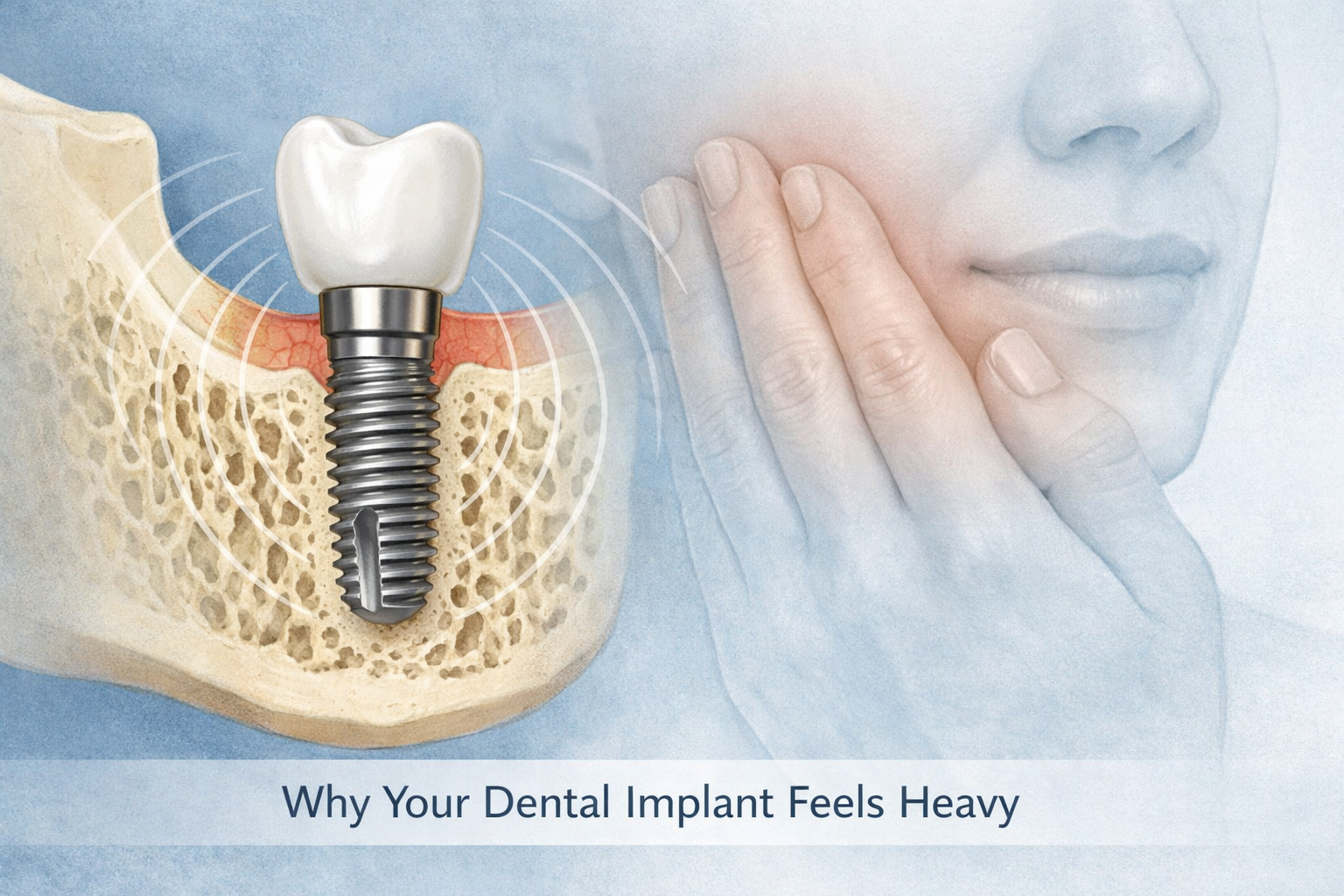
If your dental implant feels heavy, especially shortly after surgery, it can sometimes be a normal part of the healing process as tissues adjust to the new fixture. However, a persistent or worsening sensation, particularly when accompanied by pain, swelling, or changes in your bite, requires immediate consultation with your dental professional in Dallas to identify and address potential underlying issues such as inflammation, infection, or nerve involvement.
What Does It Mean When Your Implant Feels Heavy?
When a dental implant feels heavy, it typically describes a sensation of pressure, fullness, or an unusual weight in the area where the implant was placed. This feeling can manifest differently for individuals and might range from a subtle awareness of the implant to a more pronounced, uncomfortable pressure. It’s important to differentiate between typical post-surgical sensations and signs that may indicate a complication.
Immediately following dental implant surgery, it’s common to experience some degree of swelling, soreness, and a feeling of pressure or fullness around the surgical site [9]. This is part of the body’s natural healing response to trauma. The tissues are inflamed, and there might be some fluid retention, which can contribute to a sensation that the implant feels heavy. This initial phase usually subsides within a few days to a week. If the heaviness is mild, gradually improving, and not accompanied by severe pain or other concerning symptoms, it often falls within the spectrum of normal recovery.
However, if the sensation of heaviness persists beyond the initial healing period, worsens over time, or is accompanied by other symptoms like throbbing pain, redness, pus discharge, or a fever, it may signal an underlying issue [2]. In such cases, the heavy feeling could be a symptom of inflammation, an infection (peri-implantitis), nerve irritation, or even an issue with the implant’s integration into the bone. Given the investment in your long-term oral health, any concerning or persistent symptom like an implant feeling heavy should prompt a consultation with your dental implant specialist in Dallas.
Distinguishing Normal Healing from Concerns
- Normal Healing: Expect mild pressure, swelling, and soreness for the first few days. The sensation should gradually decrease. It’s often a generalized feeling in the area rather than sharp pain directly from the implant.
- Potential Concerns: If the heaviness intensifies, is localized to the implant itself, is accompanied by significant pain, foul taste, pus, or if swelling doesn’t improve after the first week, it could be problematic. A feeling of “dental implant feels weird” or like a foreign object that doesn’t subside over weeks or months also warrants attention. For more information on this, see our article, “Dental Implant Feels Weird? Timeline to Natural Comfort”.
Common Causes for an Implant to Feel Heavy
There are several reasons why a dental implant might feel heavy, ranging from normal post-operative effects to more serious complications. Understanding these causes can help patients in Dallas recognize when to seek professional advice.
1. Normal Post-Surgical Swelling and Inflammation
In the days immediately following dental implant placement, swelling and inflammation are natural responses to the surgical trauma [9]. The body sends blood and immune cells to the site to initiate healing, which can cause tissues to feel full, tight, and sometimes “heavy.” This sensation is typically temporary, peaking around 24-48 hours after surgery and gradually diminishing over the next few days to a week. Applying ice packs, taking prescribed anti-inflammatory medications, and resting can help manage these symptoms. This is generally a benign cause, and the heavy feeling should subside as healing progresses.
2. Nerve Irritation or Damage
Dental implants are placed close to nerves in the jawbone, particularly in the lower jaw where the inferior alveolar nerve runs [4]. If the implant is placed too close to, or inadvertently touches, a nerve, it can cause various sensations including numbness, tingling, pain, or a feeling of pressure or heaviness [8]. This irritation can manifest as a persistent heavy sensation. While rare, nerve damage is a serious complication that requires immediate evaluation by a dental professional [5]. Early assessment through imaging like CT scans is crucial to determine if the implant needs to be adjusted or removed to alleviate nerve compression. Patients experiencing numbness alongside a heavy sensation should contact their dentist without delay.
3. Infection (Peri-Implantitis)
An infection around the dental implant, known as peri-implantitis, is a significant concern that can cause the implant to feel heavy and uncomfortable [2]. This condition involves inflammation of the gum and bone tissue surrounding the implant, often due to bacterial accumulation [7]. Symptoms of peri-implantitis include redness, swelling, bleeding gums, pus discharge, persistent pain, and yes, a sensation of heaviness or throbbing [6]. If left untreated, it can lead to bone loss around the implant and eventually implant failure [5]. Prompt diagnosis and treatment are essential for managing peri-implantitis. For more information on infection, refer to our article on “Peri-Implantitis Prevention Dallas: Early Signs, Treatment C”.
4. Osseointegration Issues or Implant Failure
Osseointegration is the critical process where the dental implant fuses directly with the jawbone. If this process is compromised or fails, the implant may not stabilize properly, leading to mobility and discomfort. While a truly failed implant usually feels loose or painful, in some cases, a partial failure or delayed osseointegration might cause a dull, heavy feeling as the body struggles to integrate it. This can occur due to insufficient bone quality, premature loading of the implant, or inadequate healing [5]. A dentist can assess implant stability through clinical examination and X-rays.
5. Improper Bite (Occlusal Trauma)
Sometimes, the crown or restoration placed on top of the implant may be slightly too high or improperly aligned, causing it to hit prematurely when you bite down. This improper bite (occlusal trauma) can exert excessive force on the implant, leading to pressure, discomfort, and a heavy sensation [7]. Over time, this can also stress the surrounding bone and compromise the implant. Your dentist can check your bite and make adjustments to the crown to ensure proper occlusion.
6. Sinus Proximity (Upper Jaw Implants)
For implants placed in the upper jaw, particularly in the posterior region, the proximity to the maxillary sinuses can sometimes lead to referred sensations. If the implant is too close to or has slightly penetrated the sinus cavity, it can cause a feeling of pressure or fullness, which might be interpreted as “heavy” [1]. While less common with modern precise surgical techniques, it’s a possibility if a sinus lift procedure was not performed adequately or if there are individual anatomical variations. Sinus-related pressure might also be accompanied by nasal congestion or a change in voice.
When Should You Be Concerned If Your Implant Feels Heavy?
While some degree of pressure or heaviness can be a normal part of the initial healing phase after dental implant surgery, certain symptoms, especially if they persist or worsen, should prompt immediate concern and a visit to your dental professional in Dallas. Ignoring these signs could lead to more significant complications.
You should be concerned if your implant feels heavy and is accompanied by any of the following:
- Persistent or Worsening Pain: If the heavy feeling turns into moderate to severe pain that doesn’t improve with over-the-counter pain relievers or worsens over time, it’s a red flag. Sharp, throbbing, or shooting pain is particularly concerning [7].
- Increased Swelling or Redness: While initial swelling is normal, persistent, increasing, or spreading swelling and redness around the implant site could indicate an infection or significant inflammation [2].
- Pus or Discharge: Any visible pus or discharge from the gum around the implant is a clear sign of infection and requires urgent attention [6].
- Fever or General Malaise: A fever, chills, or a general feeling of being unwell coupled with a heavy implant sensation suggests a systemic infection.
- Numbness or Tingling: If the heavy sensation is accompanied by numbness, tingling, or altered sensation in your lip, chin, or tongue, it may indicate nerve involvement or damage [4]. This is a critical symptom requiring immediate evaluation to prevent permanent nerve issues [8].
- Loose Implant or Crown: If the implant itself or the crown feels loose or wobbly, it suggests a problem with osseointegration or the abutment connection [5]. While not directly a “heavy” sensation, it’s a related concern of implant instability.
- Bad Taste or Breath: A foul taste in your mouth or persistent bad breath that wasn’t present before could be a sign of infection around the implant [7].
- Changes in Bite: If your bite feels “off” or different, or if you feel the implant crown is hitting prematurely when you close your mouth, it could be causing excessive pressure on the implant [7].
Actionable Steps for Dallas Patients:
- Contact Your Dentist: As soon as you notice any concerning symptoms alongside a heavy implant feeling, call your dental implant specialist in Dallas. Provide them with a detailed description of your symptoms, including when they started, their intensity, and any associated discomfort.
- Avoid Self-Diagnosis: Do not attempt to diagnose or treat the issue yourself. Only a trained dental professional can accurately assess the situation and recommend appropriate action.
- Follow Instructions: Continue to follow any post-operative instructions given by your dentist regarding oral hygiene, diet, and medication until you can be seen.
- Consider Emergency Care: If you experience severe pain, uncontrolled bleeding, high fever, or difficulty breathing, seek immediate emergency dental care.
When facing such symptoms, prioritizing patient safety and consulting with a dentist are paramount to ensure the long-term success of your dental implant and overall oral health. Early intervention is key to preventing minor issues from escalating into major complications.
The Role of Healing and Osseointegration
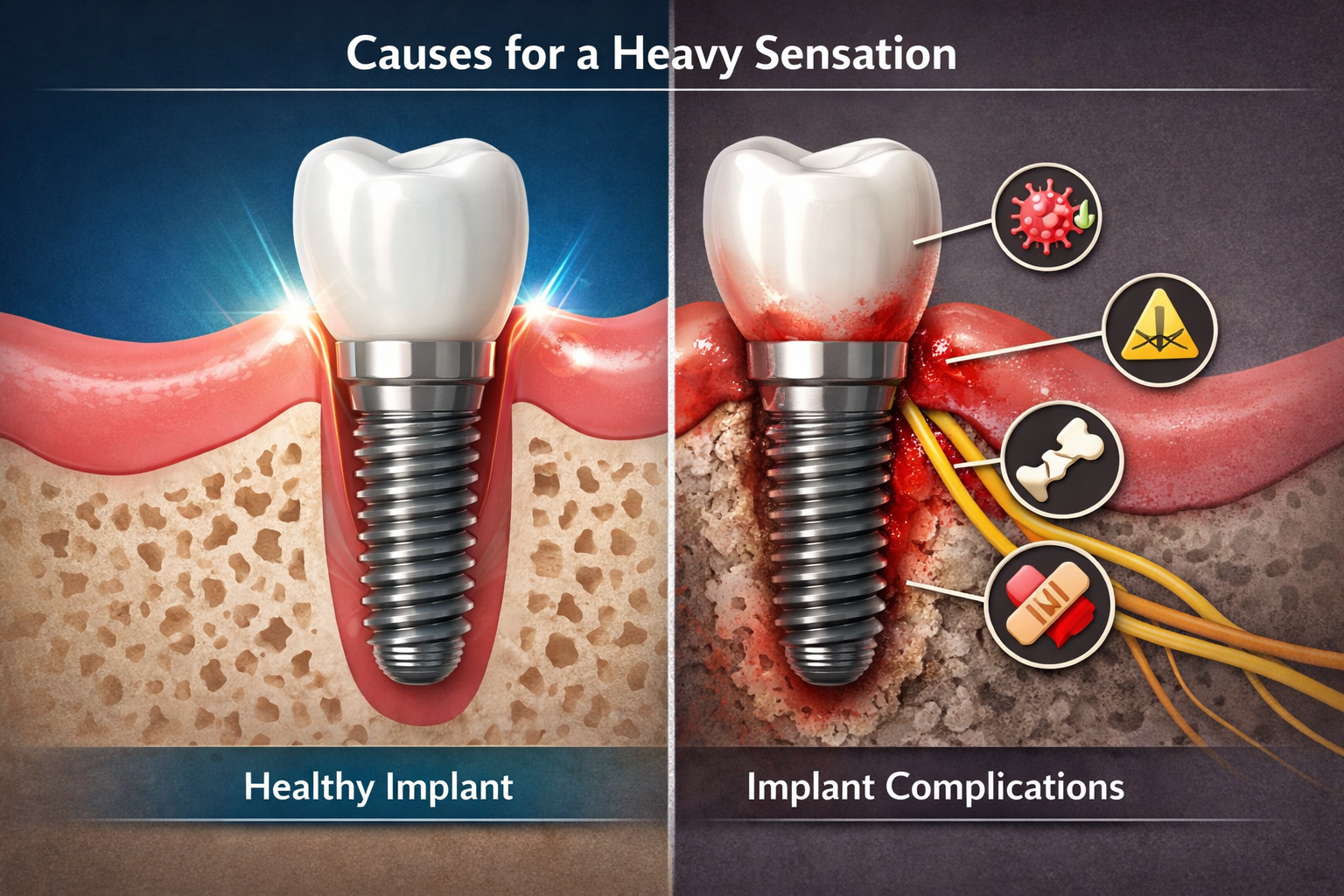
The sensation of a heavy implant can be intricately linked to the complex processes of healing and osseointegration, which are fundamental to the success of dental implants. Understanding these stages can help distinguish between expected sensations and potential problems.
Understanding Osseointegration
Osseointegration is the biological process where the dental implant, typically made of titanium, directly fuses with the surrounding jawbone. This fusion creates a strong, stable anchor for the prosthetic tooth [5]. This process doesn’t happen overnight; it usually takes 3 to 6 months for the implant to fully integrate with the bone. During this time, the bone cells grow onto and around the implant surface, locking it into place.
- Initial Healing (First Few Weeks): In the immediate aftermath of surgery, the body initiates a healing cascade. This involves inflammation, clot formation, and the recruitment of cells to the surgical site. During this phase, you might experience mild swelling, discomfort, and a feeling of pressure or heaviness as the tissues around the implant begin to recover. This is generally normal and expected. The implant is not yet fully integrated, but the initial stability is often provided by the surgical placement.
- Active Osseointegration (Weeks 2-12): This is when new bone cells actively start to grow and attach to the implant surface. While this process is occurring internally, externally you may feel fewer symptoms. However, if there are any disturbances to this process—such as infection, excessive force on the implant, or inadequate bone quality—it could manifest as persistent discomfort or a lingering heavy sensation.
- Mature Osseointegration (Months 3-6+): By this stage, the implant should be firmly integrated into the bone, providing a stable foundation. Any heavy sensation that persists beyond this period or develops suddenly after successful osseointegration is more likely indicative of a complication rather than a normal healing phase.
How Osseointegration Issues Relate to a Heavy Feeling
If osseointegration is not progressing as expected, the implant might not achieve the necessary stability. This can lead to a range of symptoms, including a persistent heavy feeling. For example:
- Failed Osseointegration: If the implant fails to integrate with the bone entirely, it may remain slightly mobile, causing a subtle but constant sense of pressure or heaviness as the body tries to compensate or as minor movements occur.
- Peri-Implantitis: An infection around the implant can disrupt osseointegration and lead to bone loss. The inflammation and tissue damage associated with peri-implantitis can certainly make the implant feel heavy and painful [2].
- Insufficient Primary Stability: If the implant was not initially stable enough during placement, the healing process might be compromised, leading to a prolonged or problematic sensation of heaviness.
Understanding these stages underscores the importance of proper post-operative care and adherence to your dentist’s instructions. Regular check-ups with your Dallas dentist during the healing period are crucial to monitor the progress of osseointegration and address any concerns early.
Diagnostic Procedures for a Heavy Implant Sensation
When an implant feels heavy persistently or with concerning symptoms, a thorough diagnostic evaluation by a qualified dental professional is essential. This process helps pinpoint the exact cause and guides appropriate treatment.
Clinical Examination
The first step involves a comprehensive clinical examination by your dentist or oral surgeon. This includes:
- Visual Inspection: The dentist will carefully examine the implant site, looking for signs of redness, swelling, pus discharge, or gum recession [2, 7]. They will also check the surrounding soft tissues for any abnormalities.
- Palpation: Gently touching the area around the implant can reveal tenderness, firmness, or other unusual sensations that indicate inflammation or infection.
- Assessment of Bite (Occlusion): The dentist will check how your upper and lower teeth meet, especially focusing on the implant crown. An improper bite can place undue pressure on the implant, contributing to a heavy feeling [7]. Adjustments may be made to the crown if it’s found to be hitting prematurely.
- Implant Mobility Test: The dentist may gently test the implant for any signs of mobility. A stable implant should not move at all. Any detectable movement could indicate a failure of osseointegration [5].
Radiographic Evaluation
Imaging is a critical component of diagnosing implant issues, as many problems occur below the gum line and within the bone.
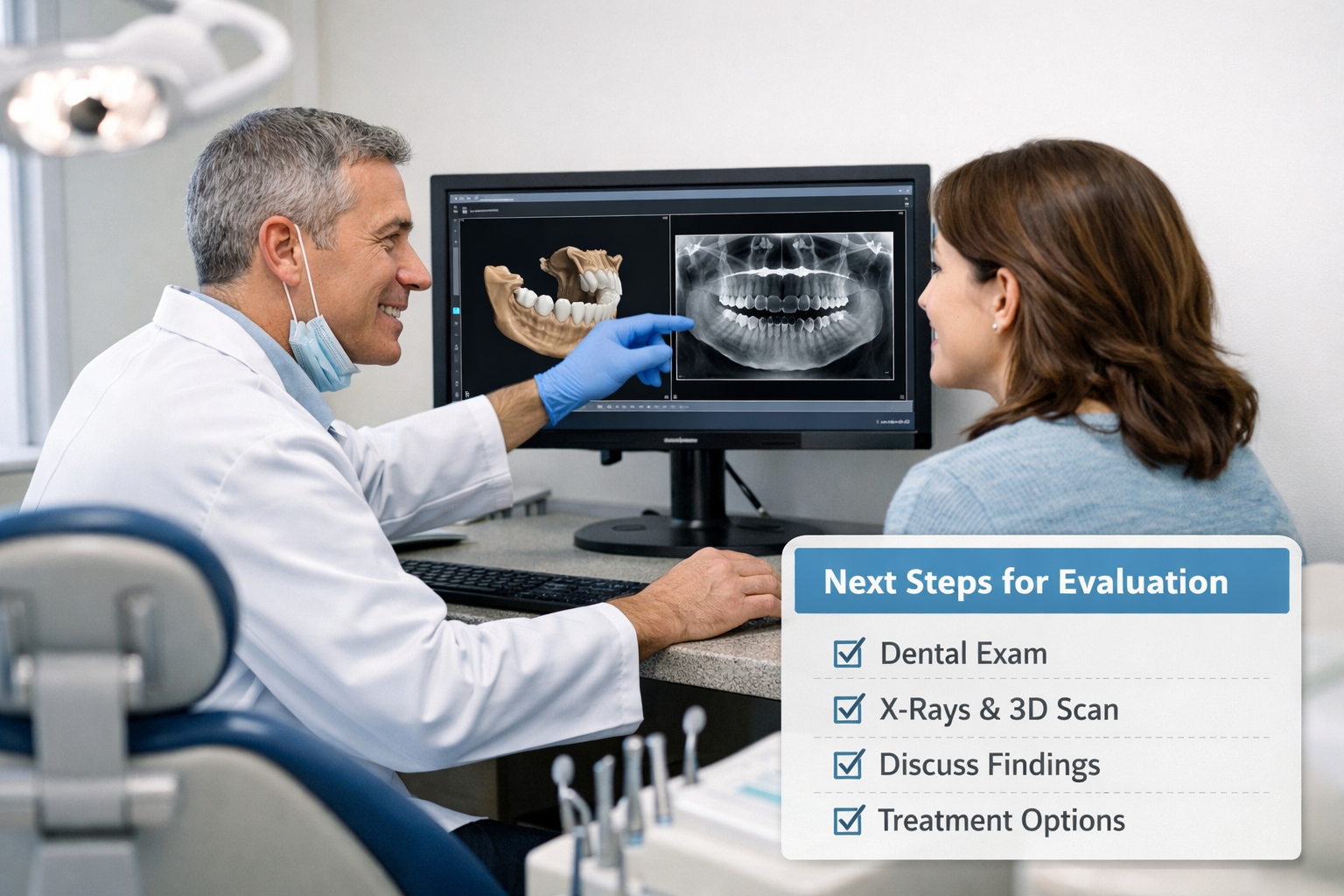
- X-rays (Periapical and Panoramic): Traditional X-rays provide a two-dimensional view of the implant and surrounding bone. They can reveal bone loss around the implant, signs of infection, or the position of the implant relative to anatomical structures like nerves or sinuses [5].
- 3D Cone-Beam Computed Tomography (CBCT): For a more detailed and precise assessment, a CBCT scan is invaluable. This 3D imaging technique provides cross-sectional views, allowing the dentist to:
- Assess Bone Integration: Visualize the quality and quantity of bone around the implant in three dimensions.
- Identify Nerve Proximity: Precisely locate the implant’s relationship to critical nerves, helping to diagnose nerve irritation or damage [4, 8].
- Evaluate Sinus Involvement: For upper jaw implants, CBCT can clearly show if the implant has encroached on the sinus cavity.
- Detect Fractures: Identify any potential fractures in the implant, abutment, or surrounding bone.
- Identify Infection Spread: Show the extent of bone loss associated with peri-implantitis [2].
Dallas TX dentists using 3D guided implant surgery in 2026 often utilize these advanced imaging techniques not only for diagnosis but also for initial planning, which helps prevent such complications.
Additional Tests
- Probing Depths: Similar to gum disease assessment, the dentist might gently probe the gum around the implant to measure pocket depths. Increased probing depths can indicate inflammation and potential bone loss [2].
- Microbiological Cultures: If an infection is suspected, a sample of discharge or tissue can be sent for microbiological culture to identify the specific bacteria involved, guiding targeted antibiotic therapy.
By combining clinical observation with advanced imaging, your dental professional can accurately diagnose why your implant feels heavy and formulate an effective treatment plan to restore your oral health.
Treatment Options for a Heavy Feeling Implant
The treatment for an implant that feels heavy depends entirely on the underlying cause identified through diagnostic procedures. A tailored approach ensures effective resolution and long-term success of the dental implant.
1. For Post-Surgical Swelling and Inflammation
If the heavy sensation is due to normal post-operative swelling:
- Pain Management: Over-the-counter anti-inflammatory drugs like ibuprofen or prescribed pain relievers.
- Cold Compress: Apply ice packs to the outside of the cheek for 15-20 minutes at a time, several times a day for the first 24-48 hours, to reduce swelling.
- Rest and Elevation: Keep your head elevated, especially when sleeping, and avoid strenuous activity.
- Soft Diet: Stick to soft foods to avoid irritating the surgical site.
- Oral Hygiene: Gently rinse with a prescribed antiseptic mouthwash (e.g., chlorhexidine) or warm salt water to keep the area clean and reduce bacteria.
2. For Nerve Irritation or Damage
If the implant is found to be compressing or irritating a nerve:
- Medication: Anti-inflammatory drugs may be prescribed to reduce swelling around the nerve.
- Implant Removal/Adjustment: In severe cases, the implant may need to be slightly shortened (implantoplasty) or, in rare instances, removed to relieve pressure on the nerve [8]. This decision is made carefully after weighing the risks and benefits. Nerve damage symptoms are often time-sensitive, so prompt action is crucial.
3. For Infection (Peri-Implantitis)
Treatment for peri-implantitis aims to eliminate the infection and regenerate lost tissue:
- Antibiotics: Oral antibiotics or local antimicrobial agents may be prescribed to fight bacterial infection [2].
- Debridement and Cleaning: The implant surface and surrounding tissues will be thoroughly cleaned to remove plaque, calculus, and granulation tissue.
- Surgical Intervention: Depending on the severity of bone loss, surgical procedures may be necessary:
- Open Flap Debridement: To thoroughly clean the implant surface.
- Bone Grafting: To regenerate lost bone around the implant [2]. For more details, see our article on “Bone Grafting Costs for Dental Implants in Dallas”.
- Implant Removal: In advanced cases where the infection cannot be controlled, the implant may need to be removed [5].
4. For Osseointegration Issues or Implant Failure
If the implant has not properly fused with the bone or has failed:
- Observation: If the issue is minor and implant stability is borderline, the dentist might opt for a period of observation with strict oral hygiene.
- Implant Removal and Re-evaluation: If osseointegration failure is complete or the implant is mobile, it will need to be removed [5]. After a healing period, and potentially bone grafting, a new implant can often be placed.
5. For Improper Bite (Occlusal Trauma)
If the heavy sensation is due to an imbalanced bite:
- Occlusal Adjustment: The dentist will carefully adjust the height and shape of the implant crown to ensure it meets your opposing teeth evenly and without premature contact. This often involves grinding down very small amounts of the crown material until the bite feels comfortable and balanced.
6. For Sinus Proximity (Upper Jaw Implants)
If the implant is irritating the sinus:
- Medication: Decongestants or anti-inflammatory drugs may be prescribed to reduce sinus inflammation.
- Implant Adjustment/Removal: In some cases, if the implant is significantly protruding into the sinus cavity and causing chronic issues, it might need to be removed or replaced with a shorter implant after a healing period and potentially a revised sinus lift procedure.
Choosing the right treatment relies heavily on an accurate diagnosis. It’s crucial for patients with dental implants in Dallas to maintain regular check-ups and communicate any unusual sensations promptly with their dental care team.
Maintaining Long-Term Oral Health and Implant Care in Dallas
Ensuring the long-term success and comfort of your dental implants involves diligent oral hygiene, regular professional care, and a commitment to your overall health. These practices are especially important for patients in Dallas to prevent complications and address issues like an implant feeling heavy before they escalate.
Essential Home Care Practices:
- Diligent Brushing: Brush your teeth and implant restorations at least twice a day using a soft-bristled toothbrush. Pay special attention to the areas around your implants, ensuring all surfaces are clean.
- Flossing and Interdental Cleaning: Use dental floss, interdental brushes, or a water flosser specifically designed for implants to clean between your implants and natural teeth, as well as around the implant posts. Food particles and plaque buildup can lead to peri-implantitis [2].
- Antiseptic Mouthwash: Your dentist may recommend a specific antiseptic mouthwash to reduce bacteria in your mouth, particularly if you have a history of gum disease or are prone to plaque buildup.
- Avoid Harsh Products: Steer clear of abrasive toothpastes or brushes that could scratch implant surfaces or irritate gum tissue.
- Quit Smoking: Smoking significantly increases the risk of implant failure and peri-implantitis [6]. Quitting smoking is one of the most impactful steps you can take for your long-term oral health and implant longevity.
Regular Professional Check-ups and Cleanings:
- Schedule Routine Visits: Visit your Dallas dentist for professional cleanings and check-ups at least twice a year, or more frequently if advised. These visits allow your dentist to:
- Monitor Implant Health: Check for any signs of inflammation, infection, or bone loss around the implant [2].
- Perform Specialized Cleaning: Dental hygienists use special instruments designed for implants to clean thoroughly without damaging the implant surface.
- Assess Bite: Ensure your bite remains balanced and isn’t placing undue stress on your implants.
- Take X-rays: Periodically take X-rays to monitor the bone level around your implants and detect any issues early [5].
- Early Detection is Key: Regular professional care is crucial for the early detection and management of potential problems like peri-implantitis, which can initially manifest as subtle discomfort or a feeling that your implant feels heavy. Addressing these issues early can prevent more extensive and costly treatments.
Lifestyle and General Health Considerations:
- Balanced Diet: A nutritious diet supports overall healing and bone health, which is vital for implant stability.
- Manage Chronic Conditions: Conditions like diabetes can impact healing and increase the risk of implant complications. Effective management of chronic diseases is important for long-term implant success.
- Avoid Clenching and Grinding: If you clench or grind your teeth (bruxism), your dentist might recommend a nightguard to protect your implants from excessive force, which could contribute to a heavy sensation.
By committing to these comprehensive care strategies, patients in Dallas can significantly enhance the longevity and comfort of their dental implants, ensuring a healthy and confident smile for years to come. Remember, open communication with your dental team about any changes or sensations, such as an implant feels heavy, is paramount.
Understanding Dental Implant Costs in Dallas and Financing Options
When considering dental implants in Dallas, patients often inquire about the investment involved and available financing options. While the sensation of an “implant feels heavy” is primarily a medical concern, understanding the financial aspect is part of comprehensive patient education.
The cost of dental implants can vary widely depending on several factors, including the number of implants needed, the type of implant material, any preparatory procedures like bone grafting, and the specific dental practice. In Dallas, the cost for a single tooth implant typically ranges from $3,000 to $5,500 Single Tooth Implant Costs in Dallas 2026: What Patients Pay. However, this estimate often covers the implant fixture itself, the abutment, and the crown, but may not include additional procedures like extractions or bone grafts.
For more extensive solutions like full-mouth dental implants, such as All-on-4 or All-on-6 systems, the costs are significantly higher. For instance, All-on-4 dental implants in Dallas can range from $15,000 to $30,000 per arch Dallas TX All-on-4 Implant Costs 2026: Affordable Full Mouth. These figures emphasize the importance of a detailed consultation to receive a personalized cost estimate for your specific case.
Factors Influencing Dental Implant Costs:
- Number of Implants: Each implant fixture adds to the overall cost.
- Location of Implants: Implants in more complex anatomical areas (e.g., near sinuses or major nerves) might require specialized techniques or additional procedures.
- Preparatory Procedures: If you need bone grafting, sinus lifts, or tooth extractions prior to implant placement, these will increase the total cost. You can learn more about Bone Graft Costs for Dental Implants in Dallas in our dedicated article.
- Type of Material: Zirconia implants, for example, often cost more than titanium due to their aesthetic qualities and material properties Why Zirconia Implants Cost More in Dallas.
- Restoration Type: Crowns, bridges, or implant-supported dentures each have different associated costs.
- Dentist’s Expertise and Location: Highly experienced specialists and practices in prime Dallas locations may have higher fees.
Financing Options for Dental Implants in Dallas:
Recognizing that dental implants represent a significant investment, many dental practices in Dallas offer various financing solutions to make treatment more accessible:
- Payment Plans: Many clinics offer in-house payment plans, allowing patients to spread the cost over several months.
- Third-Party Financing: Companies like CareCredit or LendingClub specialize in healthcare financing, providing low-interest or interest-free payment plans for qualified applicants.
- Dental Insurance: While many standard dental insurance plans offer limited coverage for dental implants, some premium plans or those specifically designed for major procedures may cover a portion of the cost. It’s crucial to check with your insurance provider directly. We have more information on Dental Implant Insurance Dallas to guide you.
- Dental Discount Plans: These are not insurance but membership programs that offer reduced fees on dental services, including implants, from participating dentists.
- Health Savings Accounts (HSAs) and Flexible Spending Accounts (FSAs): If you have an HSA or FSA through your employer, you can use these tax-advantaged accounts to pay for dental implant procedures.
Patients considering dental implants in Dallas should have an open discussion with their dental team about all available financing options to find a solution that fits their budget. Our comprehensive guide on Dallas Dental Implant Financing Options provides more in-depth information.
FAQs About Your Implant Feeling Heavy
Q1: Is it normal for an implant to feel heavy right after surgery?
A1: Yes, it is often normal for an implant to feel heavy or experience pressure and swelling in the first few days to a week after surgery, as this is part of the body’s natural healing response to the procedure [9]. This sensation should gradually diminish.
Q2: How long should a heavy feeling implant last after surgery?
A2: A mild heavy feeling usually lasts for a few days up to a week. If the sensation persists longer than that, or if it worsens, it should be evaluated by your dental professional.
Q3: Can a heavy feeling implant be a sign of infection?
A3: Yes, a persistent or worsening heavy feeling, especially if accompanied by pain, swelling, redness, pus, or a foul taste, can be a sign of an infection around the implant (peri-implantitis) [2, 6].
Q4: What should I do if my implant feels heavy and painful?
A4: If your implant feels heavy and is also painful, you should contact your Dallas dentist or oral surgeon immediately for an evaluation. Pain combined with heaviness can indicate an underlying issue that requires professional attention [7].
Q5: Can nerve damage cause an implant to feel heavy?
A5: Yes, if a dental implant is placed too close to or irritates a nerve, it can cause sensations such as numbness, tingling, or a feeling of pressure or heaviness in the area [4, 8]. This warrants immediate dental assessment.
Q6: Can my bite cause my implant to feel heavy?
A6: Yes, if the dental crown on your implant is too high or not properly aligned in your bite, it can create excessive pressure on the implant, leading to a heavy or uncomfortable sensation [7]. Your dentist can adjust the crown to correct this.
Q7: Will the heavy feeling go away on its own?
A7: If the heavy feeling is due to normal post-surgical swelling, it should gradually resolve on its own. However, if it persists, worsens, or is accompanied by other concerning symptoms, it’s unlikely to go away without professional intervention.
Q8: What diagnostic tests can identify the cause of a heavy implant?
A8: Your dentist will typically perform a clinical examination, check your bite, and take X-rays or a 3D Cone-Beam CT (CBCT) scan to thoroughly evaluate the implant and surrounding structures [5].
Q9: Is it possible for the implant to feel heavy if it’s failing to integrate with the bone?
A9: Yes, if the implant is not properly integrating with the jawbone (osseointegration failure), it might not achieve stability and could result in a persistent dull or heavy sensation, sometimes accompanied by mobility [5].
Q10: When should I seek emergency dental care for a heavy implant?
A10: Seek emergency dental care if the heavy feeling is accompanied by severe, unbearable pain, uncontrolled bleeding, significant and rapidly spreading swelling, difficulty breathing or swallowing, or a high fever.
Conclusion
The sensation that your “implant feels heavy” is a symptom that deserves attention, whether it’s a temporary part of the healing journey or an indicator of a more significant concern. While initial post-operative pressure and swelling are normal, any persistent, worsening, or accompanied by other unsettling symptoms—such as intense pain, redness, pus, or numbness—should prompt immediate professional consultation.
For patients in Dallas, understanding the various causes, from normal inflammation to peri-implantitis or nerve irritation, is crucial for making informed decisions about your oral health. Diagnostic procedures, particularly advanced imaging like CBCT, play a vital role in accurately identifying the root cause. Moreover, maintaining impeccable oral hygiene and adhering to regular dental check-ups are paramount for the long-term success and comfort of your dental implants.
At Dental Implant Education – Dallas TX, we emphasize patient safety and comprehensive oral health education. If you’re experiencing a heavy sensation with your dental implant, we encourage you to schedule a consultation with a qualified dentist in Dallas. Early detection and intervention are key to preserving your implant and ensuring your continued comfort and long-term oral health. Don’t hesitate to seek professional advice to address your concerns and explore appropriate missing teeth solutions.
References
[1] Side Effects Of Dental Implants – https://vitrinclinic.com/side-effects-of-dental-implants/
[2] Is Your Dental Implant Infected – https://www.blvddentistry.com/is-your-dental-implant-infected/
[3] Know These 6 Breast Implant Illness Symptoms – https://www.rajamohanmd.com/know-these-6-breast-implant-illness-symptoms/
[4] Nerve Damage Signs – https://dentalimplantsboyntonbeach.com/nerve-damage-signs/
[5] Dental Implants Problems – https://www.medicalnewstoday.com/articles/dental-implants-problems
[6] Dental Implant Risks Complications In 2026 – https://www.oceanicdental.com/resource/dental-implant-risks-complications-in-2026
[7] Dental Implant Problems Side Effects What To Look For – https://www.bigskysmilecenter.com/dental-implant-problems-side-effects-what-to-look-for/
[8] Dental Nerve Damage Guide – https://www.clearchoice.com/dental-implant-resources/dental-nerve-damage-guide/
[9] What Problems Can Arise After Dental Implant Surgery – https://www.medanta.org/patient-education-blog/what-problems-can-arise-after-dental-implant-surgery
[10] Breast Implant Illness – https://utswmed.org/medblog/breast-implant-illness/
Leave a Reply
Share your thoughts or ask a question about dental implants. Your email address will not be published.