

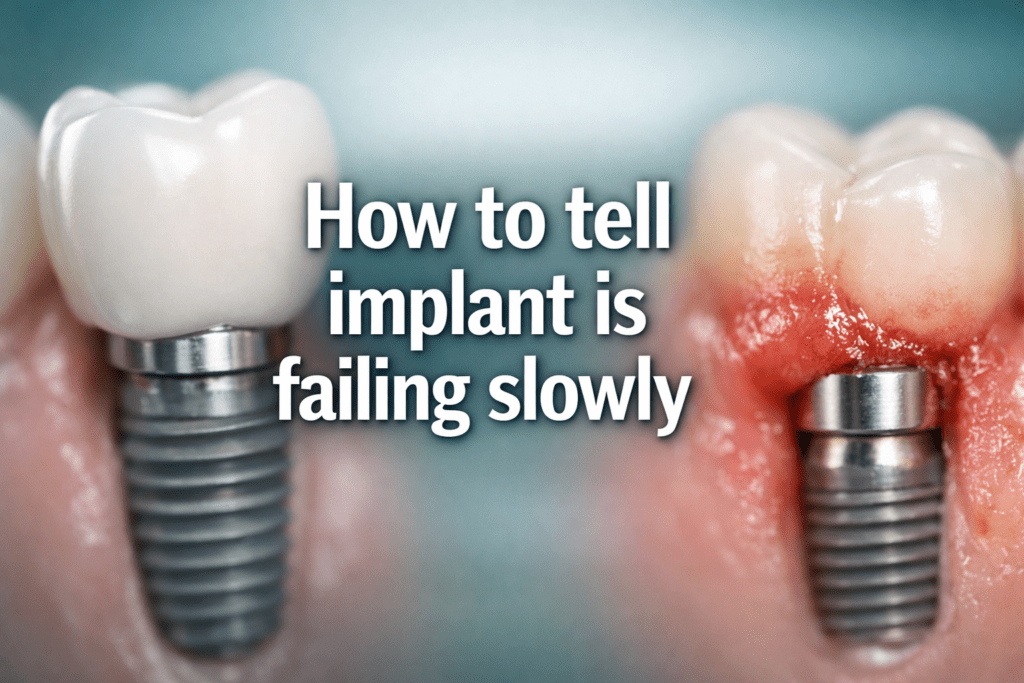
Dental implants offer a durable and effective solution for missing teeth, restoring both function and aesthetics. However, like any medical prosthetic, there’s a small chance they can experience complications, including slow failure. Recognizing the subtle, early signs of “How to tell implant is failing slowly” is crucial for timely intervention and preserving your oral health. This guide from Dental Implant Education – Dallas TX will help you understand what to look for, ensuring you can act quickly if you suspect an issue.
Key Takeaways
- Early Detection is Key: Subtle symptoms like persistent mild discomfort, gum inflammation, or sensitivity around the implant are crucial early warning signs.
- Persistent Pain or Discomfort: Any pain that doesn’t subside after the initial healing period or worsens over time requires immediate dental evaluation [1, 5].
- Gum Health Changes: Swollen, red, or receding gums around the implant, or bleeding when brushing, can indicate an infection like peri-implantitis [1, 3].
- Implant Mobility: While less common for slow failure, any feeling of looseness or shifting, even slight, is a clear red flag requiring urgent attention [1, 2].
- Difficulty Chewing/Biting: Changes in how your implant feels when chewing or biting may signal stability issues [1, 4].
- Unusual Taste or Bad Breath: These can be indicators of bacterial buildup or infection around the implant site [1, 5].
- Radiographic Evidence: Sometimes, bone loss around the implant is only visible on X-rays, making regular dental check-ups essential [5].
- Prompt Consultation: If you experience any concerning symptoms, contact your dental professional in Dallas immediately for an assessment.
Quick Answer
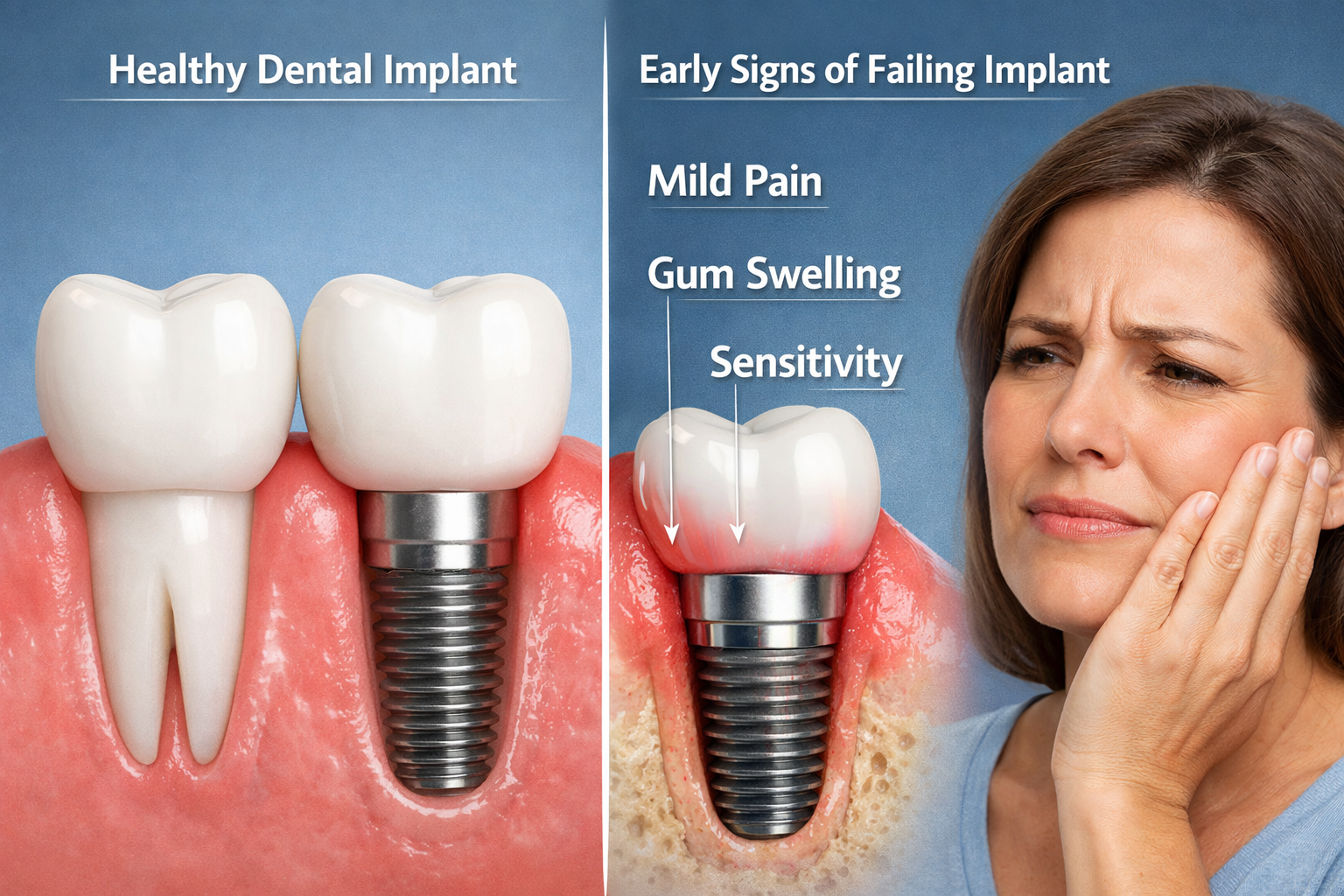
You can tell if a dental implant is failing slowly by observing persistent, subtle symptoms such as mild discomfort or pain around the implant site, swelling or redness of the surrounding gum tissue, a metallic taste, or slight changes in chewing comfort that do not resolve over time [1, 3, 5]. These signs, which may not be immediately obvious, indicate an underlying issue that warrants prompt professional evaluation to prevent further complications.
Recognizing Early Warning Signs of a Slowly Failing Dental Implant
Recognizing the early warning signs of a slowly failing dental implant is critical for successful long-term outcomes, as prompt intervention can often mitigate more severe problems. These initial indicators are often subtle and can easily be dismissed as minor irritations if you’re not specifically looking for them.
One of the most common early indicators is persistent, mild pain or discomfort around the implant site that doesn’t improve over weeks or months, even after the initial healing period has passed [1, 5]. Unlike the temporary discomfort after surgery, which should gradually diminish, this type of pain might be sporadic or a dull ache that lingers. It could signal an underlying infection, nerve irritation, or even improper implant placement [1, 3, 5]. For example, if you had a dental implant procedure in Dallas several months ago and still feel a consistent, low-level ache that wasn’t there initially, it’s a sign to contact your dentist.
Another crucial sign is gum inflammation and swelling around the implant that persists beyond the normal healing timeframe [1, 3]. While some redness and swelling are normal immediately after surgery, chronic inflammation may indicate peri-implantitis, a bacterial infection similar to gum disease that affects the tissues supporting the implant [1, 3]. You might notice your gums are redder than usual, tender to the touch, or even bleed slightly when you brush or floss. If you observe these symptoms, especially if they are getting worse or not resolving with good oral hygiene, it’s essential to seek professional guidance. Early detection of peri-implantitis can be crucial; for more information on managing this condition, see our guide on Peri-Implantitis Prevention Dallas: Early Signs, Treatment C.
Other Early Indicators to Watch For:
- Sensitivity to Touch or Pressure: The area around the implant might feel unusually sensitive when you press on it or when the crown is contacted during chewing.
- Receding Gums: If the gum tissue around the implant starts to pull away, exposing part of the metal post or the implant itself, this is a clear sign that the support structure is compromised and creates an increased risk of infection [1, 3].
- Unusual Taste or Bad Breath: A persistent metallic taste, or ongoing bad breath (halitosis) that isn’t resolved by regular brushing and flossing, could indicate a bacterial infection around the implant [1, 5].
- Minor Changes in Biting or Chewing: While not always indicative of failure, if the way your implant feels when you bite or chew changes subtly, or if you experience minor difficulty, it could suggest developing instability or alignment issues [1, 4].
It’s important to remember that these signs might be subtle at first and can develop gradually. Regular check-ups with your dentist, especially if you have dental implants in Dallas, are vital for monitoring their health. During these visits, your dentist can perform visual inspections and take X-rays to detect issues like bone loss around the implant before you even experience noticeable symptoms [5]. If you’re considering tooth replacement options, understanding the long-term oral health commitment is essential.
Advanced Indicators: When a Dental Implant is Significantly Compromised
When a dental implant is significantly compromised, the symptoms become more pronounced and often indicate a more urgent need for intervention. These advanced indicators signal that the implant’s stability and integration are severely affected, potentially requiring immediate treatment to save the implant or address the failure.
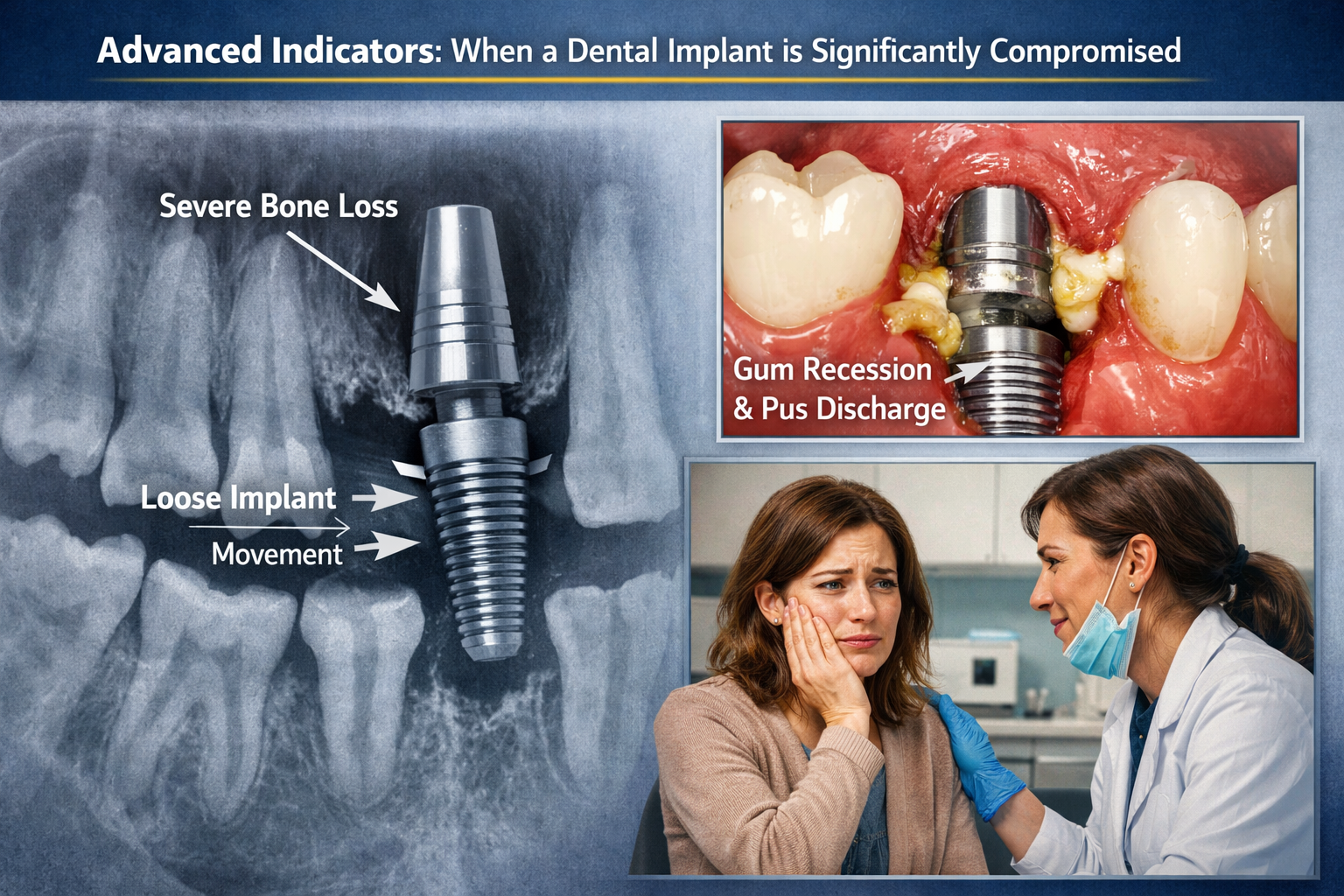
The most obvious and alarming advanced sign is implant mobility or looseness [1, 2]. A healthy dental implant should feel as stable and secure as a natural tooth. If you notice any movement, however slight, when you touch the implant, chew, or speak, it is a definitive red flag and warrants immediate dental evaluation [1, 2]. This could range from a subtle wobble to outright visible movement. The crown itself might become loose, which can be fixed, but if the implant post itself is moving, it means the implant has failed to properly fuse with the bone (osseointegration) or has lost its bone support over time [2]. If you experience this, don’t delay; contact your dentist in Dallas promptly.
Another critical advanced indicator is significant pain and severe swelling that radiates beyond the immediate implant site [1, 3, 5]. This level of discomfort is often constant and might be accompanied by throbbing or sharp pain, making it difficult to chew or even speak [1, 4]. Severe swelling often indicates a more extensive infection, possibly an abscess, which can spread to surrounding tissues and even cause facial swelling [1, 3]. This is a medical emergency requiring immediate attention from an oral health professional.
Key Advanced Signs of Slow Implant Failure:
- Pus or Discharge: The presence of pus or other discharge around the gum line of the implant is a clear sign of severe infection [1]. This is often accompanied by bad breath or a foul taste in your mouth [1, 5].
- Visible Bone Loss on X-rays: During routine dental check-ups, X-rays or 3D scans can reveal bone loss around the implant. This might be the only detectable sign before any physical symptoms appear, especially in the early stages of slow failure, but extensive bone loss indicates a significant compromise [5]. If enough bone support is lost, the implant will no longer be stable.
- Exposed Implant Threads: If the gum tissue has receded significantly, exposing the metal threads of the implant itself, this indicates substantial bone and gum tissue loss, making the implant highly susceptible to infection and further failure [1, 3].
- Difficulty Chewing or Biting that Worsens: While early stages might present subtle changes, advanced failure often results in severe difficulty or outright inability to chew comfortably on the affected side [1, 4]. The implant may feel unstable under pressure.
- Changes in Bite Alignment: If a failing implant shifts, it can impact your overall bite, leading to discomfort or problems with other teeth.
If you observe any of these advanced signs, it’s imperative to seek prompt dental implant specialist follow-up in Dallas, TX. Waiting can lead to more complex and costly treatments, including potential revision dental implant surgery Dallas. Early consultation with a dentist is the best course of action to diagnose the problem accurately and determine the appropriate treatment plan for your long-term oral health.
Why Do Dental Implants Fail Slowly? Understanding the Causes
Dental implants can fail slowly for a variety of reasons, often stemming from biological complications, mechanical issues, or patient-related factors. Understanding these causes is crucial for both prevention and effective treatment when a problem arises.
One of the primary biological reasons for slow implant failure is peri-implantitis, an inflammatory condition affecting the soft and hard tissues surrounding a dental implant [1, 3]. Similar to periodontal disease that affects natural teeth, peri-implantitis is typically caused by bacterial infection. If plaque and tartar accumulate around the implant, bacteria can colonize the area, leading to inflammation of the gums (peri-implant mucositis) and eventually, if left untreated, to bone loss around the implant [1, 3]. Over time, this bone loss compromises the implant’s stability, leading to slow failure [5]. Poor oral hygiene is a major contributing factor, emphasizing the importance of dedicated implant care like using a sulcus brush for implants in 2026.
Insufficient osseointegration can also lead to slow failure. Osseointegration is the process where the dental implant fuses with the surrounding jawbone. If this fusion is incomplete or becomes compromised over time, the implant lacks the necessary stability [8]. Factors contributing to poor osseointegration include inadequate bone quality or quantity at the time of surgery, smoking, certain medical conditions (like uncontrolled diabetes), or excessive force applied to the implant during the healing period [8]. While some issues are evident early, others can manifest years later as the weakened integration slowly gives way. Patients requiring bone grafting to support their implants need to ensure proper healing; learn more about bone grafting costs for dental implants in Dallas.
Other Contributing Factors to Slow Implant Failure:
- Mechanical Overload or Bruxism: Excessive biting forces, often due to teeth grinding (bruxism) or clenching, can place undue stress on dental implants [7, 8]. Over time, this constant pressure can lead to bone loss around the implant, loosening of the implant components, or even fracture of the implant itself [7]. Using a nightguard can help protect implants from bruxism damage; for more details, see our guide on Bruxism & Dental Implants: Prevent Damage in 2026.
- Poor Implant Placement: While rare with experienced oral surgeons, improper implant angle or depth during the initial implant surgery process can lead to complications down the line, affecting long-term stability [5].
- Systemic Health Conditions: Certain systemic diseases, such as uncontrolled diabetes, osteoporosis, or autoimmune disorders, can impair bone healing and immune response, increasing the risk of implant failure [8].
- Smoking: Smoking significantly increases the risk of both peri-implantitis and overall implant failure by reducing blood flow to the gums and bone, hindering healing, and weakening the immune system [8].
- Lack of Regular Maintenance: Skipping regular dental check-ups and professional cleanings can allow problems like peri-implantitis to go undetected and untreated until they become severe [1, 7].
It is essential for patients with dental implants in Dallas to maintain meticulous oral hygiene and attend all scheduled follow-up appointments. These preventative measures, combined with early detection, are crucial for ensuring the long-term success of your tooth replacement options.
The Role of Regular Check-ups in Detecting Slow Failure
Regular dental check-ups play an indispensable role in detecting slow dental implant failure, often identifying issues before they become noticeable to the patient. These routine visits allow your dentist to monitor the health of your implants, even in the absence of pain or discomfort.
During a routine check-up, your dentist will perform a thorough visual examination of your dental implants and the surrounding soft tissues [1, 7]. They will look for subtle signs of inflammation, redness, or swelling in the gums, as well as any signs of gum recession [1, 3]. They may also gently probe the gums around the implant to check for bleeding or pockets, which can indicate peri-implantitis [1, 3]. While you might not experience pain in the early stages, these visual cues can alert a skilled practitioner to potential problems.
Radiographic imaging, typically X-rays, is a cornerstone of implant monitoring and can reveal issues that are impossible to see with the naked eye [5]. These images allow your dentist to assess the bone level around the implant. A healthy implant should show stable bone levels, but bone loss over time can be a clear indicator of slow implant failure [5]. This is particularly critical because bone loss can occur gradually without any immediate symptoms, making X-rays invaluable for early detection. Your dentist will compare current X-rays with previous ones to track any changes in bone density and structure around the implant.
What to Expect During a Follow-Up Appointment:
- Visual Inspection: Checking for signs of inflammation, redness, swelling, or gum recession around the implant [1, 3].
- Palpation: Gently feeling the area around the implant for tenderness or unusual textures.
- Probing: Measuring the depth of the gum pockets around the implant to detect signs of peri-implantitis.
- Occlusion Assessment: Checking your bite to ensure no excessive forces are being placed on the implant, which can contribute to mechanical overload [4].
- Radiographic Evaluation: Taking X-rays or sometimes 3D scans to assess bone levels and detect any bone loss around the implant [5].
- Review of Oral Hygiene: Discussing your home care routine and offering advice on how to improve cleaning around your dental implants in Dallas to prevent bacterial buildup.
For patients who have undergone implant surgery, adhering to the recommended dental implant specialist follow-up Dallas 2026 schedule is paramount. These visits are not just about checking for problems; they are about maintaining the long-term success of your dental implant procedure. Neglecting these appointments can allow slow-failing implants to progress to a point where more invasive and costly interventions are required.
What to Do if You Suspect Your Implant Is Failing Slowly
If you suspect your dental implant is failing slowly, the most important step is to contact your dental professional in Dallas immediately. Early detection and prompt action can often prevent further complications and improve the chances of successful intervention.
Do not attempt to self-diagnose or treat the issue. Dental implants are complex prosthetics, and any perceived problem requires expert assessment. Describe all your symptoms clearly to your dentist, no matter how minor they seem. This includes any persistent discomfort, changes in gum appearance, unusual tastes, or even subtle feelings of looseness [1, 3, 5]. For instance, if you’ve been experiencing a dull ache around your single tooth implant for a few weeks, or notice a slight puffiness in your gums, these details are crucial for diagnosis.
Your dentist will conduct a comprehensive examination, which will likely include visual inspection, probing the gums around the implant, and taking updated X-rays or other imaging scans [1, 5]. These diagnostics are essential to accurately determine the cause and extent of the problem, such as identifying bone loss around the implant or diagnosing peri-implantitis [5]. Based on their findings, they will then recommend the most appropriate course of action.
Potential Treatment Approaches for Slowly Failing Implants:
- Improved Oral Hygiene and Professional Cleaning: For early stages of peri-implantitis, intensive professional cleaning combined with a reinforced at-home oral hygiene regimen can sometimes halt the progression of the infection [1, 3]. Your dentist might recommend specific tools or techniques, like a specialized brush for implants.
- Antibiotic Therapy: If an infection is present, your dentist may prescribe antibiotics, either orally or applied locally, to reduce bacterial load and inflammation [1].
- Non-Surgical Debridement: This involves carefully cleaning the surface of the implant to remove plaque and calculus buildup, often with specialized instruments, to allow the gums to heal.
- Surgical Intervention: For more advanced cases of peri-implantitis with significant bone loss, surgical procedures might be necessary [3]. This could involve:
- Access Surgery: To thoroughly clean the implant surface and remove diseased tissue.
- Guided Bone Regeneration (GBR): If bone loss is extensive, bone grafting procedures may be performed to attempt to regenerate lost bone around the implant [3]. Learn more about the cost of 2 dental implants with bone grafting if this is a concern.
- Soft Tissue Grafts: To address receding gums around the implant [1, 3].
- Implant Removal and Revision Surgery: In cases where the implant has completely failed, or if the damage is too extensive to save it, the implant may need to be removed [5]. After a period of healing and potentially additional bone grafting, a revision dental implant surgery Dallas might be considered to place a new implant.
Regardless of the specific issue, prompt consultation with a dentist is paramount. Waiting can turn a manageable problem into a more complex situation, potentially jeopardizing your long-term oral health and requiring more extensive, and often more expensive, interventions. Remember that investing in your long-term oral health means staying vigilant about your dental implant care.
Prevention Strategies to Maximize Implant Longevity
Prevention is the cornerstone of maximizing dental implant longevity and avoiding the stress of a slowly failing implant. Adhering to diligent oral hygiene practices and regular professional care significantly reduces the risk of complications.
The most critical preventative measure is meticulous daily oral hygiene. This means brushing at least twice a day with a soft-bristled toothbrush and flossing daily, paying special attention to the areas around your dental implants [1, 4]. Unlike natural teeth, implants are susceptible to peri-implantitis, an infection that can quickly lead to bone loss if plaque and bacteria are not consistently removed [1, 3]. Your dentist may recommend specialized brushes, interdental cleaners, or water flossers designed for implant care. For those with full arch restorations like All-on-4, a specific All-on-4 cleaning routine is essential.
Regular dental check-ups and professional cleanings are equally vital [1, 7]. These appointments, typically every six months, allow your dental team to assess the health of your implants, identify any early signs of inflammation or bone loss through visual inspection and X-rays, and provide professional cleaning that removes hardened plaque (calculus) that cannot be removed by brushing alone [5]. Your dentist can also evaluate your bite to ensure no excessive forces are being placed on your implants, which can cause mechanical issues [4].
Key Prevention Strategies:
- Avoid Smoking and Excessive Alcohol: Smoking is a major risk factor for implant failure, as it impairs healing, reduces blood flow, and increases the susceptibility to infection [8]. Excessive alcohol consumption can also negatively impact oral health and healing.
- Manage Systemic Health Conditions: If you have conditions like diabetes, it’s crucial to manage them effectively, as uncontrolled systemic diseases can impact bone health and immune function, thereby affecting implant success [8].
- Address Bruxism (Teeth Grinding): If you grind or clench your teeth, especially at night, your dentist may recommend a custom nightguard. This protects your implants (and natural teeth) from excessive forces that can lead to mechanical overload and bone loss [7, 8].
- Follow Post-Operative Instructions Carefully: Immediately following dental implant surgery, meticulously adhere to all post-op dental implant instructions provided by your oral surgeon. This includes dietary restrictions, medication adherence, and wound care, which are crucial for successful osseointegration and preventing early complications.
- Maintain a Balanced Diet: A nutritious diet supports overall health, including the health of your bones and gums, which are essential for long-term implant stability.
By embracing these preventative strategies, patients receiving dental implants in Dallas can significantly improve their chances of long-term success and enjoy the full benefits of their tooth replacement options for many years to come. Remember, patient safety and long-term oral health are paramount.
How to Tell Implant Is Failing Slowly: What to Expect During Treatment
When a slowly failing dental implant is diagnosed, the treatment plan will be tailored to the specific cause and severity of the issue. The goal is to arrest the progression of failure, preserve the implant if possible, and restore the patient’s oral health.
Initial treatment for early-stage issues, particularly peri-implantitis, often begins with non-surgical approaches. This typically involves thorough professional cleaning of the implant and the surrounding tissues to remove bacterial plaque and calculus [1, 3]. Your dentist might use specialized instruments that are safe for implant surfaces, and they may apply antimicrobial agents or prescribe antibiotics to combat the infection [1]. You will also receive detailed instructions on how to improve your at-home oral hygiene to prevent recurrence. This might include using a specific sulcus brush for implants or a water flosser.
If the condition is more advanced, or if non-surgical methods are unsuccessful, surgical intervention may be necessary. For peri-implantitis with significant gum inflammation and some bone loss, your dentist might perform a surgical procedure to access the implant surface directly, thoroughly clean it, and remove any diseased tissue [3]. In some cases, if there is sufficient bone structure remaining, attempts at bone regeneration may be made using bone grafting materials to stabilize the implant [3]. This type of procedure aims to rebuild the supporting bone structure around the implant.
Possible Treatment Scenarios and Expectations:
- Minor Inflammation (Peri-implant mucositis): Expect professional cleaning, possibly local antibiotics, and enhanced home care instructions. Follow-up appointments will be scheduled to monitor healing.
- Moderate Peri-implantitis (some bone loss): Non-surgical cleaning with antibiotics may be attempted first. If unsuccessful, minor surgery to decontaminate the implant surface and potentially graft minor bone defects could be necessary.
- Advanced Peri-implantitis (significant bone loss and/or mobility): This often requires surgical intervention. The implant may be thoroughly cleaned, and bone grafting procedures performed to attempt regeneration [3]. In severe cases, especially if the implant is mobile or if infection is extensive and uncontrollable, implant removal becomes the necessary course of action [5].
- Mechanical Issues (e.g., loose crown, fractured components): If the crown or abutment (the connector piece) is loose, it can often be tightened or replaced. A fractured implant, however, typically necessitates implant removal.
Following any treatment, a period of healing and careful monitoring will ensue. Your dentist will schedule follow-up appointments to ensure the area is healing properly and that the infection is resolved [6]. Maintaining rigorous oral hygiene after treatment is even more critical to prevent relapse. If an implant needs to be removed, your dentist will discuss future tooth replacement options once the site has fully healed, which may include another dental implant procedure or an alternative solution. This demonstrates the importance of ongoing patient safety and long-term oral health commitment.
FAQ
What are the earliest signs a dental implant might be failing slowly?
The earliest signs a dental implant might be failing slowly include persistent mild pain or discomfort, slight swelling or redness in the gums around the implant, and sensitivity when touching the area or chewing [1, 3, 5]. These symptoms are often subtle and may be intermittent.
Can a dental implant fail without pain?
Yes, a dental implant can fail slowly without significant pain, especially in its early stages. Bone loss around the implant can occur asymptomatically and may only be detected during routine X-ray examinations [5]. Gum recession around the implant or a metallic taste can also be present without pain [1, 3, 5].
How long does it take for a dental implant to fail slowly?
Slow dental implant failure can occur months or even years after the initial placement. It’s a gradual process, often stemming from chronic infection (peri-implantitis) or mechanical overload, rather than an immediate surgical complication [1, 3, 7].
What is peri-implantitis and how does it relate to slow implant failure?
Peri-implantitis is an inflammatory condition affecting the gum and bone tissues around a dental implant, similar to gum disease [1, 3]. It’s typically caused by bacterial infection and can lead to gradual bone loss, which is a common reason for slow dental implant failure if left untreated [1, 3, 5].
What should I do if my dental implant feels loose?
If your dental implant feels loose, you should contact your dentist in Dallas immediately [1, 2]. Implant mobility is a significant red flag for failure and requires urgent professional assessment to determine the cause and appropriate treatment [2].
Is it possible to save a slowly failing dental implant?
Yes, it is often possible to save a slowly failing dental implant, especially if the problem is detected early. Treatment options range from enhanced oral hygiene and antibiotics to surgical procedures aimed at cleaning the implant surface and regenerating lost bone [1, 3].
Does smoking increase the risk of slow implant failure?
Yes, smoking significantly increases the risk of dental implant failure, including slow failure due to peri-implantitis. It impairs healing, reduces blood flow, and compromises the immune system, making implants more susceptible to infection and bone loss [8].
How do dentists detect slow implant failure that I can’t see?
Dentists detect slow implant failure that you can’t see through regular dental check-ups, which include visual inspection for subtle gum changes, probing around the implant, and most importantly, taking X-rays to monitor bone levels around the implant [1, 5, 7]. Bone loss is a key indicator often invisible to the patient [5].
Conclusion
Understanding “How to tell implant is failing slowly” is an essential part of being a well-informed patient and safeguarding your investment in dental implants. While dental implants boast a high success rate, being aware of subtle changes—from persistent mild discomfort and gum inflammation to slight changes in chewing—can make a significant difference in the outcome. Early detection and prompt action are your best defense against more serious complications.
If you reside in the Dallas area and are experiencing any of the signs discussed, or if it’s simply time for your routine check-up, don’t hesitate to schedule a consultation with a dentist specializing in dental implants. Prioritizing your oral health education and seeking professional consultation with a dentist are crucial steps for ensuring the long-term success of your dental implants in Dallas and maintaining your beautiful, functional smile for years to come.
References
[1] Warning Signs Your Dental Implant May Be Failing – https://valleydentalcare.org/warning-signs-your-dental-implant-may-be-failing/
[2] How To Recognize Dental Implant Failure – https://www.udcwhiting.com/blog/how-to-recognize-dental-implant-failure/
[3] 7 Warning Signs Of Dental Implant Trouble – https://www.mystuartfamilydentist.com/7-warning-signs-of-dental-implant-trouble/
[4] Can Dental Implants Fail Signs And Prevention Tips – https://www.eldersburgfamilydental.com/can-dental-implants-fail-signs-and-prevention-tips/
[5] 7 Signs Your Dental Implant Failed And What To Do About It – https://innovativeoralsurgery.com/implants/7-signs-your-dental-implant-failed-and-what-to-do-about-it/
[6] Early Signs Of Dental Implants Needing Repair – https://dentist-foresthills.com/blog/our-office/2026/15965/early-signs-of-dental-implants-needing-repair/
[7] Red Flags Seven Warning Signs Of Dental Implant Trouble – https://treeddental.com/red-flags-seven-warning-signs-of-dental-implant-trouble/
[8] Dental Implant Failure Cause Prevent – https://smilesolutionsroundrock.com/dental-implant-failure-cause-prevent/
[9] Blog 99789 2022.12.5 Signs Of Dental Implant Failure P – https://wanserskidental.com/p/BLOG-99789-2022.12.5-Signs-of-Dental-Implant-Failure-p.asp
Leave a Reply
Share your thoughts or ask a question about dental implants. Your email address will not be published.