

Achieving a healthy, confident smile with dental implants is a significant step towards long-term oral health. Once your dental implant procedure is complete, the focus shifts to ensuring these valuable tooth replacement options endure for decades. Knowing how to protect implants long term is crucial, as diligent care and informed lifestyle choices are key to their success and your ongoing well-being. This guide from Dental Implant Education – Dallas TX will walk you through the essential steps to maximize the longevity of your dental implants.
Key Takeaways
- Lifelong Care is Essential: Protecting dental implants long term requires consistent daily oral hygiene and regular professional dental check-ups.
- Prevent Peri-implantitis: This implant-specific gum disease is the primary threat to implant longevity and is largely preventable with proper care.
- Meticulous Oral Hygiene: Brushing twice daily with a soft brush, flossing, and using interdental brushes or a water flosser around implants is critical.
- Regular Professional Cleanings: Six-month dental visits allow dentists in Dallas to monitor implant health, perform specialized cleanings, and address issues early.
- Address Bruxism: Nightguards are essential for patients who grind or clench their teeth, protecting implants from excessive force.
- Healthy Lifestyle: Avoiding tobacco, limiting alcohol, and maintaining a balanced diet significantly contribute to implant survival.
- Prompt Issue Resolution: Any discomfort, swelling, or looseness around an implant warrants immediate consultation with a dentist.
- Informed Decisions: Understanding your dental implant procedure and committing to post-care is foundational for success.
Quick Answer
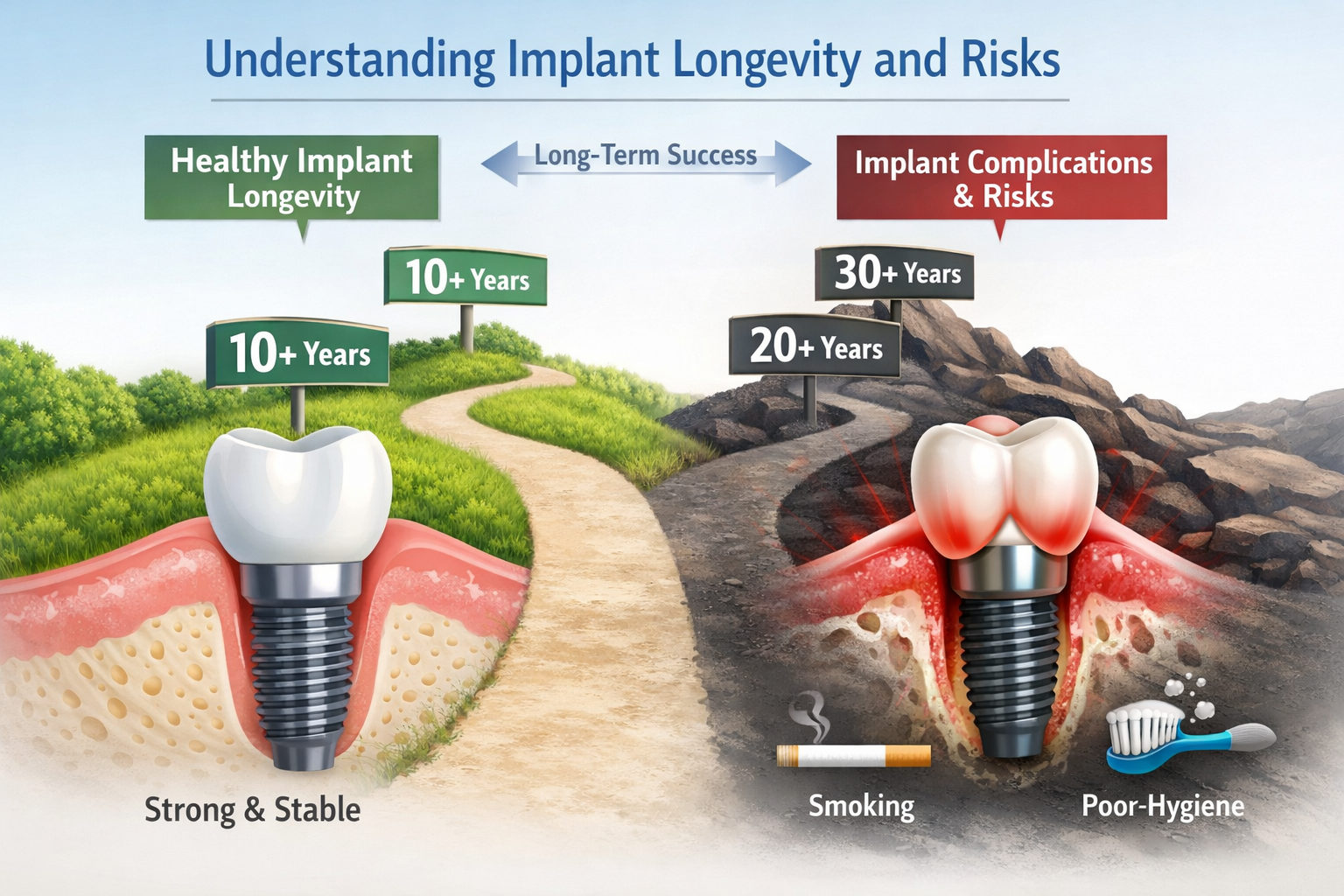
To protect implants long term, patients must commit to an excellent daily oral hygiene routine, including brushing and specialized flossing around the implant, combined with regular professional dental check-ups and cleanings. Avoiding detrimental lifestyle habits like smoking and addressing issues like teeth grinding with a dental implant night guard are equally vital for ensuring the longevity of your dental implants in Dallas.
Understanding Implant Longevity and Risks
Dental implants are designed to be a permanent solution for missing teeth, often lasting 20 years or more, and frequently a lifetime, when properly cared for. The primary factor influencing this longevity is preventing peri-implantitis, a bacterial infection similar to gum disease that can affect the tissues surrounding the implant.
Peri-implantitis is the most common biological complication of dental implants and involves inflammation of the gums and bone loss around the implant itself. If left untreated, this condition can lead to the loosening and eventual failure of the implant. The condition is largely preventable, making patient education on how to protect implants long term particularly important. Factors like smoking, poor oral hygiene, and uncontrolled diabetes can significantly increase the risk. A dentist evaluates these risks during your initial consultation to determine if dental implants are the right choice for your long-term oral health.
Common Threats to Dental Implant Longevity
Protecting your dental implants long term involves understanding and mitigating common threats that can lead to complications or failure. Recognizing these challenges helps patients take proactive steps.
- Peri-Implantitis: As mentioned, this is the leading cause of implant failure post-integration. It’s an inflammatory condition triggered by bacterial plaque accumulation around the implant, similar to periodontitis affecting natural teeth. If you experience redness, swelling, or bleeding around your implant, contact your dentist immediately.
- Poor Oral Hygiene: Inadequate brushing and flossing allow plaque to build up, leading to inflammation and increasing the risk of peri-implantitis. Meticulous daily care is non-negotiable for implant survival.
- Smoking: Tobacco use significantly compromises the healing process after implant surgery and drastically increases the risk of peri-implantitis and implant failure. Dentists in Dallas often advise patients to quit smoking before undergoing implant procedures for better success rates.
- Bruxism (Teeth Grinding/Clenching): Excessive force from grinding can stress the implant and surrounding bone, potentially leading to micro-fractures, screw loosening, or even implant failure. A dental implant night guard is an essential protection for those who clench or grind.
- Systemic Health Conditions: Certain medical conditions, such as uncontrolled diabetes or autoimmune disorders, can impair healing and increase susceptibility to infection, thus impacting implant longevity.
- Insufficient Bone Density: While addressed during the initial implant surgery process, long-term bone health is vital. If bone loss around the implant occurs due to peri-implantitis or other factors, the implant’s stability is compromised.
Understanding these risks allows patients to engage more effectively in protecting their investment in dental implants.
Daily Oral Hygiene: The Cornerstone of Protection
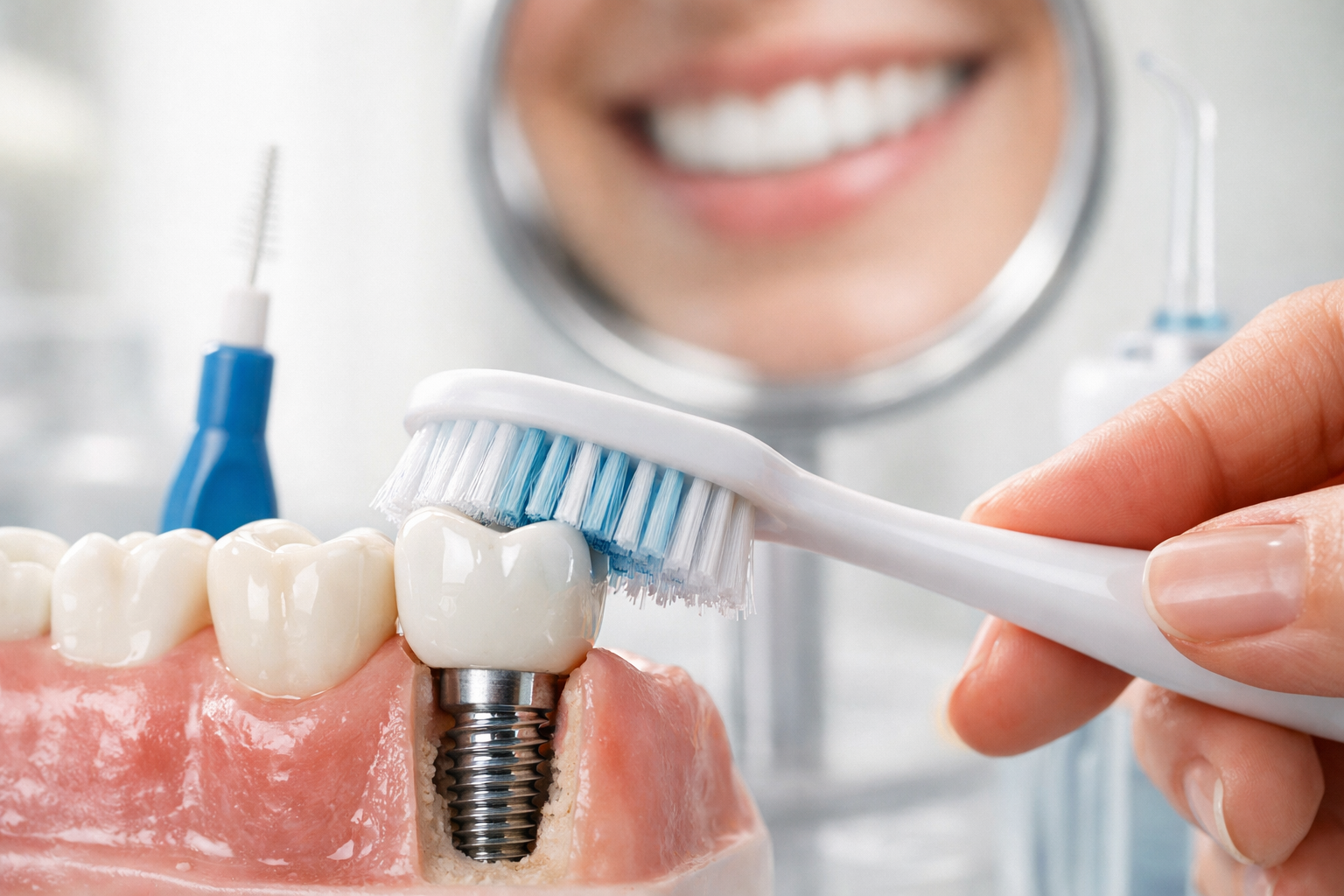
The most critical step in learning how to protect implants long term is establishing and maintaining an exceptional daily oral hygiene routine. Just like natural teeth, dental implants require consistent and thorough cleaning to prevent plaque buildup and bacterial infections that can compromise their stability.
Your routine should focus on gently yet effectively cleaning around the implant crown and the gum line to remove food particles and bacterial plaque. Unlike natural teeth, implants lack the protective ligament that surrounds natural tooth roots, making the surrounding gum tissue more vulnerable to infection.
Essential Steps for Daily Implant Care
Following these guidelines meticulously will contribute significantly to the long-term oral health of your dental implants in Dallas:
- Brushing: Brush at least twice a day, ideally after every meal, using a soft-bristled toothbrush. Electric toothbrushes with soft heads can be highly effective. Angle the brush at 45 degrees toward the gum line and gently brush all surfaces of the implant crown and the surrounding gum tissue. Pay extra attention to the areas where the implant meets the gum.
- Flossing: Regular flossing is crucial to remove plaque and food debris from between your teeth and around the implants.
- Traditional Floss: Use unwaxed dental tape or special implant floss, which is softer and thicker, to gently clean around the implant.
- Water Flosser (Oral Irrigator): A water flosser can be an invaluable tool for cleaning around implants, especially for those with bridges or multiple implants. It uses a stream of water to dislodge plaque and food particles from hard-to-reach areas and can also help stimulate gum health.
- Interdental Brushes: These small brushes are excellent for cleaning the spaces between your implant and adjacent teeth, as well as under implant-supported bridges. Choose a size that fits comfortably without forcing it.
- Antimicrobial Mouthwash: Your dentist may recommend a non-alcoholic antimicrobial mouthwash to further reduce bacteria in your mouth, especially if you are prone to gum inflammation. Always consult your dentist before incorporating new rinses into your routine.
- Avoid Abrasive Products: Do not use abrasive toothpastes or brushes with hard bristles, as these can scratch the implant surface or irritate the surrounding gum tissue.
Consistency is key; a few minutes of diligent care each day can make a lifetime of difference in how to protect implants long term.
Regular Dental Check-ups and Professional Care
While daily oral hygiene is paramount, it is not sufficient on its own. Regular visits to your dentist in Dallas for professional check-ups and cleanings are essential for protecting implants long term. These appointments allow dental professionals to monitor the health of your implants, identify potential issues early, and perform specialized cleanings that target areas you might miss.
These check-ups are more than just routine cleanings; they are a critical part of a proactive strategy to maintain long-term oral health around your dental implants. Your dentist is specifically trained to recognize the early signs of complications and provide appropriate interventions.

What to Expect During Professional Implant Care
Professional care plays a vital role in how to protect implants long term:
- Thorough Examinations: Your dentist will visually inspect your implants and surrounding tissues for any signs of inflammation, redness, bleeding, or changes in the gum line. They will also assess the stability of the implant crowns.
- Radiographs (X-rays): Periodically, X-rays will be taken to monitor the bone level around your implants. Bone loss is a key indicator of peri-implantitis and can be detected early through imaging.
- Professional Cleaning: Dental hygienists use specialized tools made from plastic or titanium, not traditional metal scalers, to clean around implants. These tools prevent scratching the implant surface, which could create rough spots where bacteria can easily adhere. They meticulously remove plaque and calculus (hardened plaque) from above and below the gum line.
- Pocket Depth Measurements: Similar to check-ups for natural teeth, your dentist may measure the depth of the gum pockets around your implants. Increased pocket depth can indicate inflammation or bone loss.
- Occlusal Assessment (Bite Check): Your dentist will check your bite to ensure there isn’t excessive force being placed on your implants, which can lead to complications. Adjustments may be made if necessary. This is especially important if you have a history of teeth grinding.
- Personalized Oral Hygiene Instructions: Your dental team will provide tailored advice on how to improve your daily oral hygiene routine based on their assessment, demonstrating proper techniques for brushing and flossing around your specific implant configuration.
We recommend scheduling these essential visits at least twice a year, or more frequently if recommended by your dentist due to specific risk factors. Consistent professional oversight helps ensure your dental implants in Dallas remain healthy and functional for a lifetime.
Lifestyle Choices for Enhanced Implant Longevity
Beyond diligent oral hygiene and regular professional care, certain lifestyle choices significantly impact how to protect implants long term. Making informed decisions about your habits and overall health can prevent complications and extend the life of your dental implants. Your body’s overall health directly influences your oral health, and this connection is especially pronounced with dental implants.
The implant’s success relies on a healthy bone and gum environment, which can be affected by systemic conditions and daily habits. Embracing a healthy lifestyle is a proactive measure for patients with missing teeth solutions and dental implants.

Habits to Cultivate and Avoid
Consider these lifestyle factors when striving for optimal implant longevity:
- Quit Smoking: This is perhaps the most critical lifestyle change for implant patients. Smoking drastically reduces blood flow to the gums and bone, impairing healing and increasing the risk of peri-implantitis and ultimate implant failure. If you are considering dental implants in Dallas, quitting smoking is highly recommended for success. For more information, see our guide on Dallas TX Dental Implants for Smokers 2026.
- Limit Alcohol Consumption: Excessive alcohol intake can also negatively impact oral health and the body’s ability to heal. While moderate consumption is generally fine, heavy drinking should be avoided.
- Maintain a Balanced Diet: A diet rich in vitamins, minerals, and lean protein supports overall health, including bone density and gum tissue integrity. Avoid excessive sugar intake, which contributes to plaque formation around both natural teeth and implants. Crunchy or extremely hard foods should be approached with caution, especially soon after implant placement, to avoid undue stress on the implant or prosthetic.
- Manage Systemic Health Conditions: If you have conditions like diabetes, ensure they are well-managed. Uncontrolled diabetes, for example, can increase susceptibility to infections, including peri-implantitis. Work closely with your medical doctor to keep these conditions in check.
- Address Teeth Grinding (Bruxism): If you clench or grind your teeth, especially at night, discuss this with your dentist. They may recommend a custom-fitted nightguard to protect your implants and natural teeth from excessive force. This is a crucial step in preventing mechanical complications. Read more about Protect Your Implants: Stop Teeth Grinding Damage 2026.
- Avoid Chewing Hard Objects: Do not chew on ice, pen caps, or other non-food items, as this can damage implant crowns or the implant itself.
- Stay Hydrated: Drinking plenty of water helps wash away food particles and bacteria, supporting oral hygiene.
By adopting these habits, you not only enhance the longevity of your dental implants but also contribute to your overall health and well-being.
When to Seek Professional Consultation
While maintaining a consistent routine is vital, knowing when to contact your dental professional is equally important for how to protect implants long term. Early intervention can often prevent minor issues from escalating into significant complications that could threaten your dental implant.
If you experience any unusual symptoms or discomfort related to your dental implant, it’s crucial not to delay seeking professional consultation with your dentist in Dallas. Prompt attention can make a considerable difference in the outcome and help preserve your long-term oral health.
Signs That Warrant Immediate Attention
Do not wait for your next scheduled check-up if you notice any of the following:
- Pain or Discomfort: Any persistent pain, throbbing, or discomfort around the implant site that doesn’t subside within a day or two. While a new dental implant feels weird initially, persistent pain is not normal.
- Swelling or Redness: Noticeable swelling, redness, or tenderness of the gums around the implant. This could be an early sign of peri-implantitis.
- Bleeding: Gums that bleed easily when brushing or flossing around the implant.
- Pus: Any discharge of pus from around the implant or gum line.
- Looseness: If you feel that your implant crown or the implant itself feels loose or wobbly.
- Bad Taste or Breath: A persistent bad taste in your mouth or bad breath that you cannot resolve with regular hygiene, as this could indicate an infection.
- Damage to the Crown: A chipped, cracked, or broken implant crown should be addressed promptly to prevent further complications.
- Difficulty Chewing: New or worsening difficulty or discomfort when chewing, especially in the area of the implant.
Your dental professional is your best resource for addressing any concerns about your dental implants. Timely consultation ensures that any issues are diagnosed and treated effectively, safeguarding your investment and supporting your long-term oral health.
FAQ
How long do dental implants typically last?
With proper care, dental implants can last 20 years or more, and often a lifetime. Their longevity largely depends on excellent oral hygiene and regular dental check-ups.
What is peri-implantitis and how can I prevent it?
Peri-implantitis is an infection and inflammation of the gum and bone around a dental implant, similar to gum disease. It’s prevented by meticulous daily oral hygiene, regular professional cleanings, avoiding smoking, and managing systemic health conditions.
Is special toothpaste or toothbrush required for implants?
Yes, using a soft-bristled toothbrush is recommended to avoid scratching the implant or irritating the gums. A non-abrasive toothpaste is also advisable. Your dentist may recommend specific interdental brushes or a water flosser for effective cleaning.
How often should I see my dentist after getting implants?
It is generally recommended to visit your dentist for check-ups and professional cleanings at least every six months, or more frequently if advised by your dental professional, to monitor implant health.
Can teeth grinding damage dental implants?
Yes, teeth grinding (bruxism) can place excessive force on dental implants, potentially leading to complications like screw loosening or even implant failure. A custom dental implant night guard is often recommended to protect against this.
Are there foods I should avoid with dental implants?
While dental implants allow you to eat most foods, it’s wise to avoid excessively hard or sticky foods, especially in the initial healing phase. Maintaining a balanced diet supports overall oral health.
What are the signs that my dental implant might be having a problem?
Signs of a potential problem include persistent pain, swelling, redness, bleeding, pus, or looseness around the implant. Contact your dentist immediately if you experience any of these symptoms.
Does smoking affect dental implant longevity?
Yes, smoking significantly increases the risk of peri-implantitis and can compromise the healing process, making it a major factor that can reduce dental implant longevity.
Conclusion
Protecting your dental implants long term is a commitment that pays dividends in sustained oral health, comfort, and confidence. By diligently following a robust daily oral hygiene routine, prioritizing regular professional check-ups with your dentist in Dallas, and making informed lifestyle choices, you can ensure your dental implants remain a successful and lasting solution for missing teeth. Remember, these practices are not just about maintaining your implants; they are fundamental to your overall long-term oral health. If you have any questions about the dental implant procedure or how to care for your implants, don’t hesitate to seek a consultation with a dentist specializing in dental implants in Dallas. Your journey to a healthy, enduring smile is a partnership between you and your dental care team.
Related Reading
- Implant Success Rates in Dallas: Which Factors Determine if Your $4000 Investment Lasts 20 Years?
- What Happens If You Wait Too Long for Dental Implants?
- Titanium vs Zirconia Implant Maintenance: 2026 Guide
- Protect Your Implants: Stop Teeth Grinding Damage 2026
- Dental Implants After Tooth Extraction Dallas: Timing, Costs
SEO Meta Title: How to Protect Dental Implants Long Term: 2026 Guide for Dallas Patients
SEO Meta Description: Learn how to protect implants long term in Dallas with expert hygiene tips, care advice, and lifestyle changes for lasting oral health in 2026.
Leave a Reply
Share your thoughts or ask a question about dental implants. Your email address will not be published.