

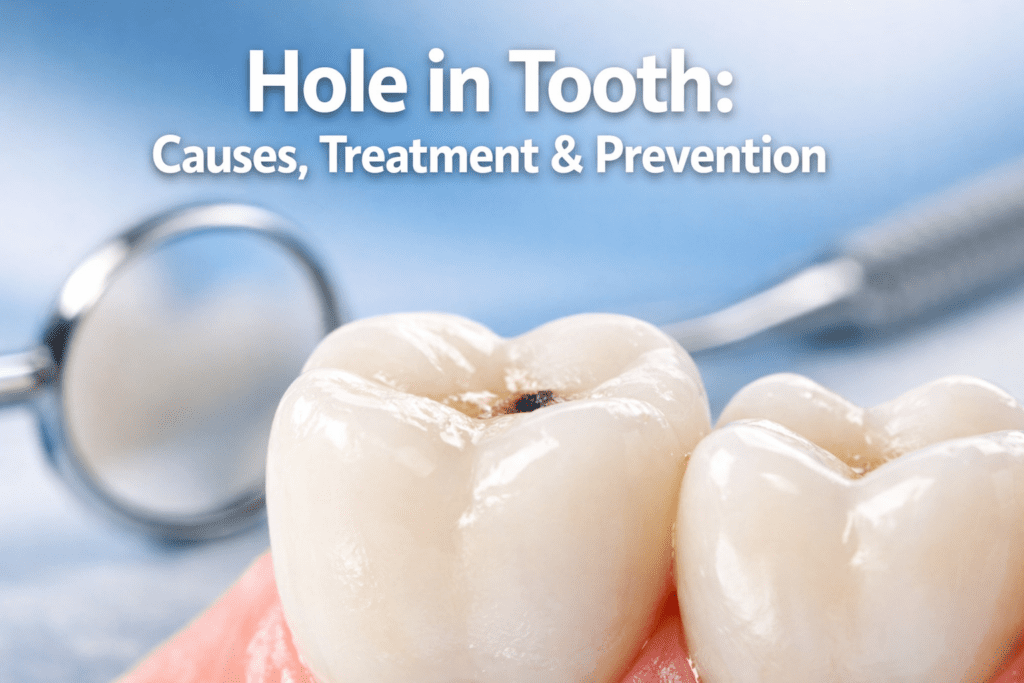
A “hole in tooth,” commonly known as a dental cavity or dental caries, is a damaged area in the hard surface of your tooth that develops into tiny openings or holes. These holes are primarily caused by plaque bacteria producing acids that erode tooth enamel, and if left untreated, they can grow larger, leading to pain, infection, and even tooth loss. Early detection and treatment by a dental professional are crucial to prevent further complications.
Key Takeaways
- A “hole in tooth” is a cavity caused by bacterial acid erosion of tooth enamel.
- Common symptoms include tooth sensitivity, pain, and visible pits or holes.
- Poor oral hygiene, frequent snacking, and certain medical conditions increase cavity risk.
- Treatments range from fillings for small holes to root canals or crowns for larger decay.
- In severe cases, tooth extraction may be necessary, requiring tooth replacement options like dental implants in Dallas.
- Prevention involves regular brushing, flossing, a balanced diet, and routine dental check-ups.
- Early intervention is key to preserving tooth structure and preventing complex, costly procedures.
What is a Hole in Tooth and How Does It Form?
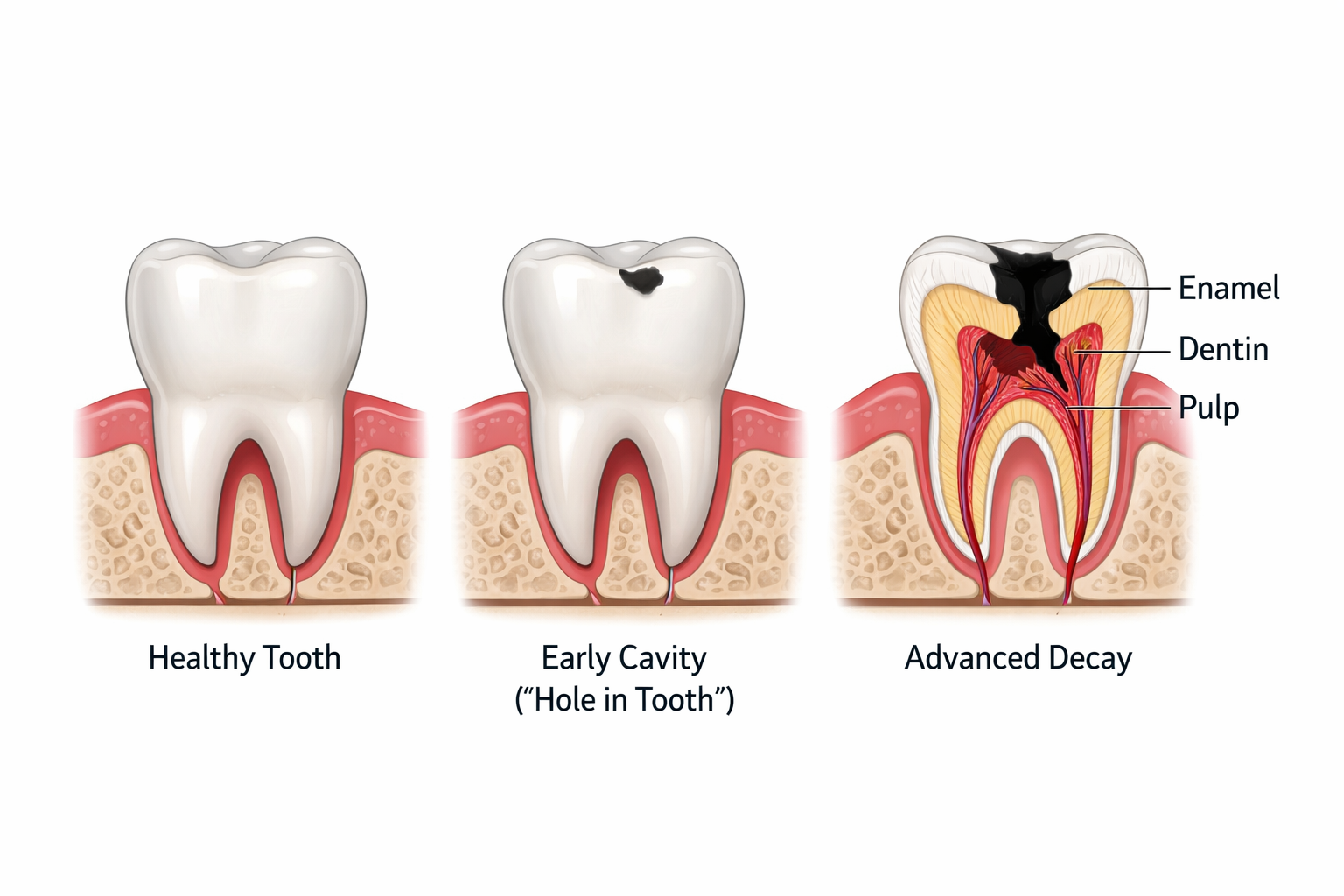
A hole in tooth, medically referred to as a dental cavity or dental caries, is a structural breakdown of the tooth’s hard tissues (enamel and dentin) caused by acid-producing bacteria. This process begins when bacteria in your mouth, which feed on sugars and starches from the foods you eat, produce acids that gradually erode the outer layer of your tooth, known as enamel. Over time, this erosion creates a small opening that can enlarge into a visible hole.
The formation of a cavity is a progressive process:
- Plaque Formation: Sticky bacteria, food particles, and saliva combine to form plaque, a film that adheres to your teeth.
- Acid Production: When you consume sugary or starchy foods, the bacteria in plaque convert these carbohydrates into acids.
- Enamel Erosion: These acids attack the tooth enamel, demineralizing it and weakening its structure. Initially, this may appear as a white spot on the tooth.
- Cavity Formation: As the enamel continues to break down, a small hole or pit forms. If not addressed, this hole will deepen, reaching the softer dentin layer beneath the enamel, and eventually, the pulp (the innermost part of the tooth containing nerves and blood vessels).
- Severity increases based on how long the erosion progresses without intervention. For example, a small cavity on the enamel surface might be easily fixed with a filling, but a deep cavity extending into the pulp requires more extensive treatment, such as a root canal or even extraction.
What Are the Common Symptoms of a Hole in Tooth?
The symptoms of a hole in tooth can vary widely depending on the size and location of the cavity, but the most common indicators include tooth sensitivity, pain, and visible signs of decay. Initially, small cavities may not cause any noticeable symptoms, which is why regular dental check-ups are so important. However, as the decay progresses, patients typically begin to experience discomfort.
Common symptoms include:
- Tooth Sensitivity: You might feel a sharp pain or discomfort when consuming hot, cold, sweet, or acidic foods and drinks.
- Toothache: This can range from a mild ache to sharp, throbbing pain that occurs spontaneously or when biting down. The pain may worsen over time if the cavity is left untreated.
- Visible Pits or Holes: You might notice visible openings, pits, or dark spots on the surface of your tooth.
- Staining: Brown, black, or white staining on the surface of a tooth can be an early sign of decay.
- Pain When Chewing: Biting down or chewing can cause discomfort or sharp pain if the cavity has progressed.
- Bad Breath or Unpleasant Taste: In some cases, decay can contribute to persistent bad breath or an unpleasant taste in your mouth due to bacterial activity.
If you experience any of these symptoms, it’s crucial to schedule a consultation with a dentist promptly. Ignoring a hole in tooth can lead to more severe complications, including infection, abscesses, and ultimately, tooth loss. Early diagnosis allows for simpler and less invasive treatment.
How is a Hole in Tooth Diagnosed and Treated?
A hole in tooth is typically diagnosed through a comprehensive dental examination, which includes a visual inspection and dental X-rays, followed by various treatment options depending on the cavity’s size and depth. During the examination, a dentist will check for soft spots, visual pits, and discolorations on your teeth and use X-rays to detect cavities between teeth or under existing fillings, which are not visible to the naked eye.
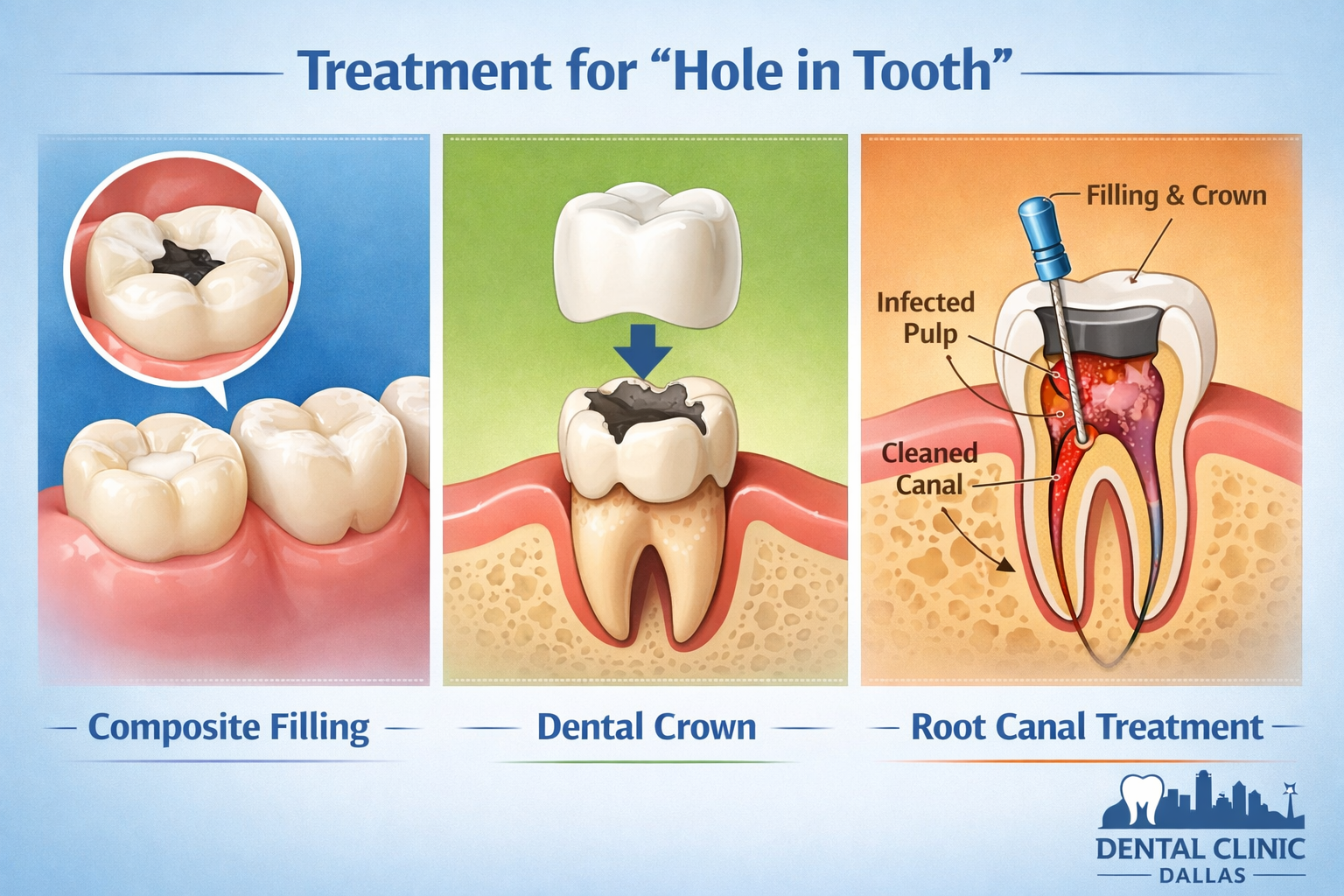
Treatment options for a hole in tooth include:
- Fillings: For small to medium-sized cavities, a dental filling is the most common treatment. The decayed part of the tooth is removed, and the space is filled with a material such as composite resin (tooth-colored), amalgam, or porcelain.
- Crowns: If the decay is extensive and has weakened a large portion of the tooth, a dental crown (a cap that covers the entire tooth) may be necessary. This restores the tooth’s shape, size, strength, and appearance.
- Root Canals: When decay reaches the pulp (the inner part of the tooth containing nerves and blood vessels), a root canal procedure is performed. The infected pulp is removed, the inside of the tooth is cleaned and disinfected, and then filled and sealed. A crown usually follows to protect the treated tooth.
- Tooth Extraction: In severe cases where the tooth is too extensively damaged to be saved, extraction may be the only option. Following an extraction, the missing tooth will need to be replaced. Dental implants in Dallas are an excellent long-term solution for replacing missing teeth, offering stability and a natural appearance. For those considering this option, our article on “Dental Implants After Tooth Extraction Dallas: Timing, Costs” provides valuable information.
- Fluoride Treatments: For very early stages of decay (white spots), fluoride treatments can sometimes help remineralize the enamel and reverse the process before a cavity fully forms.
The specific treatment plan will be determined by your dentist based on the severity of the decay and your overall oral health. Prompt treatment is vital to prevent the decay from spreading and causing further damage or infection.
What Factors Increase the Risk of Developing a Hole in Tooth?
Several factors significantly increase your risk of developing a hole in tooth, primarily revolving around poor oral hygiene, dietary habits, and certain medical conditions. Understanding these risk factors can help you take proactive steps to protect your teeth.
Key risk factors include:
- Poor Oral Hygiene: Infrequent or ineffective brushing and flossing allow plaque to build up and acids to continually attack tooth enamel.
- Frequent Snacking and Sipping: Consistently consuming sugary or acidic drinks and snacks throughout the day provides a constant food source for bacteria, leading to prolonged acid attacks on your teeth.
- Sugary and Acidic Foods and Drinks: Foods high in sugar (candies, pastries, soda) and acids (citrus fruits, sports drinks) directly contribute to enamel erosion.
- Dry Mouth (Xerostomia): Saliva helps wash away food particles and neutralize acids, so a lack of saliva increases cavity risk. Dry mouth can be a side effect of certain medications or medical conditions.
- Certain Medical Conditions: Conditions like acid reflux can bring stomach acids into the mouth, eroding enamel. Eating disorders can also contribute to enamel erosion.
- Infrequent Dental Visits: Regular dental check-ups and professional cleanings are essential for detecting early signs of decay and removing stubborn plaque and tartar.
- Age: While cavities can occur at any age, older adults may be more susceptible due to gum recession, exposing tooth roots to decay, and worn fillings.
- Poorly Cleaned Dental Appliances: Braces, retainers, and other dental appliances can create areas where food and plaque accumulate, making cleaning difficult and increasing cavity risk.
Addressing these risk factors through improved oral hygiene practices, dietary changes, and regular professional dental care can significantly reduce your chances of developing a hole in tooth. For those in Dallas seeking comprehensive oral health education, consult with a dentist for personalized advice.
Preventing a Hole in Tooth: Best Practices for Oral Health
Preventing a hole in tooth largely depends on maintaining consistent and effective oral hygiene habits, adopting a healthy diet, and regularly visiting your dental professional. Proactive steps are far more effective and less invasive than treating existing cavities.
Here are the best practices for prevention:
- Brush Your Teeth Twice Daily: Use fluoride toothpaste and a soft-bristled brush to clean all surfaces of your teeth for at least two minutes each time. Fluoride strengthens enamel and makes it more resistant to acid attacks.
- Floss Daily: Flossing removes food particles and plaque from between your teeth and under the gumline, areas where a toothbrush cannot reach. This is crucial for preventing interdental cavities.
- Limit Sugary and Acidic Foods and Drinks: Reduce your consumption of soda, candy, fruit juices, and refined carbohydrates. If you do consume them, try to do so with meals rather than continuously throughout the day.
- Drink Plenty of Water: Water helps rinse away food particles and acids. Fluoridated tap water can also provide additional enamel protection.
- Chew Sugar-Free Gum: Chewing sugar-free gum after meals can stimulate saliva production, which helps neutralize acids and wash away food.
- Regular Dental Check-ups and Cleanings: Visit your dentist in Dallas at least twice a year for professional cleanings and examinations. These visits allow your dentist to detect early signs of decay before they become major problems and provide preventive treatments like fluoride applications or dental sealants.
- Consider Dental Sealants: For children and some adults, dental sealants can be applied to the chewing surfaces of molars and premolars. These thin, protective coatings fill in the grooves of the teeth, preventing food and bacteria from getting trapped and causing cavities.
By adhering to these preventative measures, you can significantly reduce your risk of developing a hole in tooth and maintain excellent long-term oral health. A consultation with a dentist can offer tailored advice for your specific needs, emphasizing patient safety and long-term oral health.
When Should You See a Dentist for a Hole in Tooth?
You should see a dentist for a hole in tooth as soon as you notice any signs or symptoms of decay, regardless of how minor they seem, to prevent further damage and more complex treatment needs. Early intervention is crucial for effective and less invasive treatment outcomes.
Consider these scenarios for scheduling a dental visit:
- Persistent Tooth Sensitivity: If you experience sensitivity to hot, cold, or sweet foods that doesn’t go away.
- Visible Signs of Decay: Any dark spots, pits, or actual holes on your tooth surface.
- Tooth Pain or Ache: If you have any discomfort or pain in a tooth, especially when chewing or spontaneously.
- Food Getting Trapped: If food consistently gets stuck in a specific spot in your tooth, it could indicate a cavity.
- Bad Breath or Unpleasant Taste: Persistent bad breath or a strange taste, even after brushing, can sometimes be a sign of decay.
- Cracked or Chipped Tooth: A crack or chip can expose the inner layers of the tooth to bacteria, accelerating decay.
Even if you don’t experience symptoms, regular dental check-ups are vital for early detection. Dentists can often spot a hole in tooth at its earliest stages through visual examination and X-rays, allowing for simpler treatments like fillings. Delaying treatment can lead to the cavity growing larger, potentially requiring more extensive procedures such as root canals, crowns, or even tooth replacement options like dental implants in Dallas. Prompt professional consultation is always recommended for maintaining optimal oral health.
Frequently Asked Questions About a Hole in Tooth
Can a hole in tooth heal itself?
No, a true hole in tooth (cavity) cannot heal itself. Once the tooth structure is physically damaged, it requires professional dental treatment to restore it.
Does a small hole in tooth always hurt?
Not always. Small cavities, especially in the early stages of enamel erosion, often don’t cause pain. Pain typically begins when the decay progresses closer to the tooth’s nerve.
What happens if a hole in tooth is left untreated?
If left untreated, a hole in tooth will grow larger, leading to increased pain, infection, abscess formation, nerve damage, and potentially requiring a root canal, extraction, or more complex tooth replacement options.
How long does it take for a hole in tooth to form?
The time it takes for a cavity to form varies greatly depending on factors like diet, oral hygiene, and individual susceptibility, ranging from months to years.
Is it normal to have multiple holes in teeth?
It is possible to have multiple holes in teeth, especially if oral hygiene is consistently poor or if dietary habits are high in sugar and acids.
Can flossing help prevent a hole in tooth?
Yes, daily flossing is crucial as it removes plaque and food particles from between teeth and below the gum line, preventing cavities in these hard-to-reach areas.
What are dental sealants, and do they help prevent cavities?
Dental sealants are thin, protective plastic coatings painted on the chewing surfaces of back teeth (molars and premolars) to fill in grooves and prevent food and bacteria from getting trapped, thus helping to prevent cavities.
How much does it cost to fix a hole in tooth in Dallas?
The cost to fix a hole in tooth in Dallas varies based on the size of the cavity and the required treatment. A simple filling might range from a few hundred dollars, while a root canal or crown can be significantly more. For context on broader dental costs, explore resources like “Single Tooth Implant Cost Dallas 2026: What to Expect for a Molar.”
Can a hole in tooth cause bad breath?
Yes, a hole in tooth can contribute to bad breath. Food particles can get trapped in the cavity, and bacteria thrive in these areas, producing foul-smelling gases.
What should I do if I suspect I have a hole in tooth?
If you suspect you have a hole in tooth, you should schedule a consultation with a dentist in Dallas as soon as possible. Early diagnosis and treatment are essential for preserving your tooth and preventing further complications.
Conclusion
A hole in tooth, or dental cavity, is a common oral health issue that can lead to significant discomfort and more serious complications if neglected. Understanding its causes, recognizing symptoms, and knowing the available treatments are crucial steps in maintaining optimal oral health. From early fluoride treatments and fillings to more extensive procedures like root canals or dental crowns, modern dentistry offers effective solutions to restore affected teeth. In cases where a tooth cannot be saved, advanced options like dental implants in Dallas provide excellent long-term solutions for missing teeth.
Ultimately, prevention through diligent oral hygiene, a balanced diet, and regular dental check-ups remains the most effective strategy against cavities. We encourage all our readers in the Dallas area to prioritize their oral health by seeking professional dental care. A timely consultation with a dentist is key to preventing small issues from becoming major problems, ensuring your patient safety and long-term oral health.
Leave a Reply
Share your thoughts or ask a question about dental implants. Your email address will not be published.