

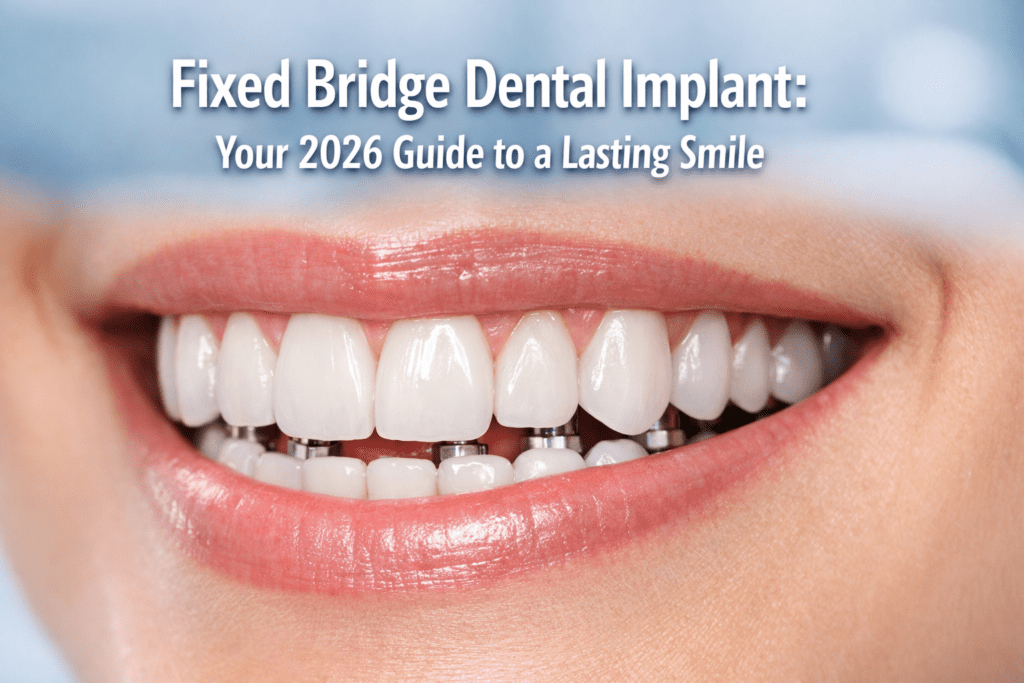
Missing teeth can significantly impact not just your smile, but also your ability to eat, speak, and your overall confidence. For many in Dallas, Texas, a fixed bridge dental implant offers a revolutionary and highly effective solution to restore function and aesthetics. This advanced tooth replacement option stands out from traditional methods by providing unparalleled stability, longevity, and a natural feel. As we move through 2026, advancements in dental technology are making fixed bridge dental implants more predictable, durable, and accessible than ever before, offering a path to a truly revitalized smile and enhanced long-term oral health.
Key Takeaways
- Fixed Bridge Dental Implants offer superior stability and longevity compared to traditional bridges, with potential to last 25+ years.
- Modern materials like zirconia and advanced planning tools like AI are enhancing the aesthetics, fit, and durability of fixed bridge dental implants in 2026.
- The procedure involves surgical placement of dental implants that fuse with your bone, providing a strong foundation for a permanent dental bridge.
- While the initial cost is higher than traditional bridges, the long-term benefits and reduced need for replacement often make fixed bridge dental implants a cost-effective solution.
- Consultation with a qualified dental professional is crucial to determine if you are a suitable candidate and to understand the personalized treatment plan.
Understanding the Fixed Bridge Dental Implant
A fixed bridge dental implant represents a significant leap forward in restorative dentistry, offering a robust and permanent solution for replacing multiple missing teeth. Unlike traditional dental bridges that rely on adjacent natural teeth for support, a fixed bridge dental implant uses surgically placed artificial tooth roots – the dental implants themselves – as anchors. This fundamental difference provides a level of stability and durability that traditional bridges simply cannot match.
Imagine a scenario where you’re missing several teeth in a row. A traditional bridge would require your dentist to reshape the healthy teeth on either side of the gap to serve as abutments, essentially grinding them down to support the prosthetic. With a fixed bridge dental implant, however, small, screw-shaped titanium posts are carefully placed into your jawbone where the missing teeth once were. These implants then integrate with your bone through a process called osseointegration, forming a rock-solid foundation for a custom-made dental bridge. This bridge is then permanently secured to these implants, creating a seamless and functional replacement that looks and feels like your natural teeth [5].
The Components of a Fixed Bridge Dental Implant System
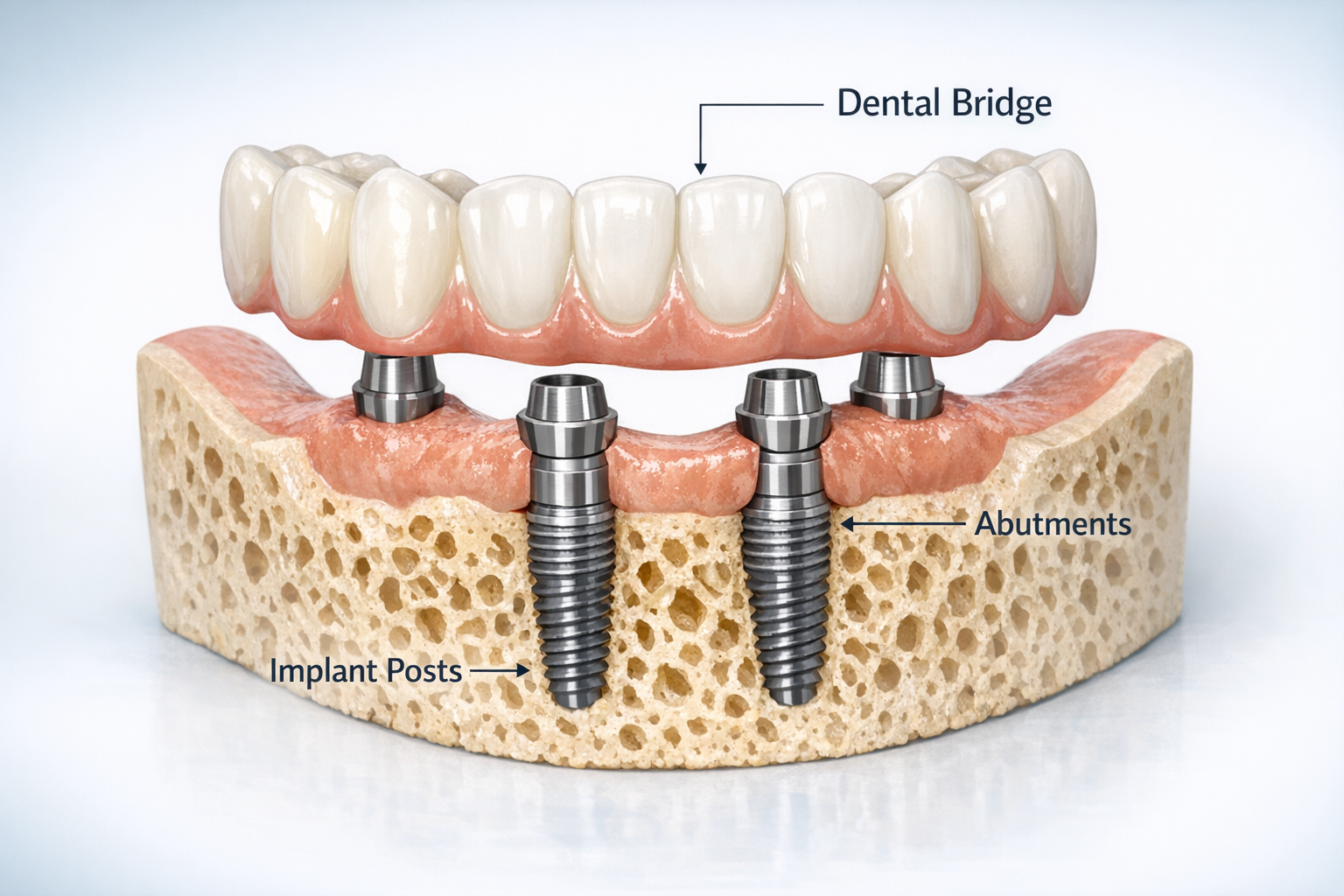
To better understand this sophisticated solution, let’s break down its key components:
- Dental Implants: These are the titanium posts (or sometimes zirconia) that serve as artificial tooth roots. Titanium is highly biocompatible, meaning your body readily accepts it, allowing it to fuse with the jawbone. In 2026, advances in implant engineering, including advanced surface treatments and improved osseointegration techniques, are leading to implants designed to last even longer than the current 20-30 years [1].
- Abutments: Once the implants have fully integrated with the bone, small connectors called abutments are attached to the top of each implant. These abutments act as linking pieces, providing a stable platform for the dental bridge.
- Dental Bridge: This is the visible part of the restoration, a custom-crafted prosthetic appliance that spans the gap created by missing teeth. It consists of artificial teeth (pontics) that are fused together. In 2026, the field is increasingly shifting towards monolithic zirconia bridges and other ceramic-based options, offering enhanced aesthetics, superior corrosion resistance, and a more natural appearance alongside traditional titanium prosthetics [1, 2].
Why Choose a Fixed Bridge Dental Implant?
The decision to opt for a fixed bridge dental implant often comes down to a combination of long-term benefits and advancements in dental technology. For those considering tooth replacement options in Dallas, here’s why this solution is gaining prominence:
- Enhanced Stability and Functionality: Because the bridge is anchored directly into your jawbone, it offers superior stability. This means no more worries about the bridge shifting or slipping, allowing you to eat, speak, and smile with complete confidence.
- Preservation of Jawbone Health: One of the most significant advantages is the prevention of bone loss. When a tooth is lost, the jawbone beneath it can begin to deteriorate because it no longer receives the necessary stimulation. Dental implants mimic natural tooth roots, stimulating the bone and preventing this process, thus maintaining the structure of your jaw and face [5].
- Long-Term Durability: Fixed bridge dental implants are designed to last. With proper care, they can endure for 25 years or even longer, often outlasting traditional bridges which typically require replacement every 5-10 years [3, 4]. This long-term viability often makes them a more cost-effective solution over time, despite a higher initial investment. For a more detailed comparison of costs, you can explore our guide on Dental Implant Versus Bridge Cost: What’s the Smart Choice in 2025?.
- Improved Aesthetics: Modern materials and advanced techniques ensure that your fixed bridge dental implant will look incredibly natural, blending seamlessly with your existing teeth. The shift towards materials like monolithic zirconia significantly contributes to this natural appearance [1, 2].
- No Impact on Adjacent Healthy Teeth: Unlike traditional bridges, there’s no need to alter healthy teeth to support the restoration. This preserves your natural tooth structure and promotes overall long-term oral health.
- Faster Recovery Protocols: In 2026, minimally invasive techniques combined with bioactive coatings on implants are accelerating healing and reducing infection risk, leading to quicker recovery times for patients [1].
- Advanced Bone Atrophy Solutions: For patients with severe maxillary bone loss, cutting-edge solutions like zygomatic and pterygoid implants are increasingly used, offering viable alternatives to extensive bone grafting procedures [2].
The Fixed Bridge Dental Implant Procedure and What to Expect in 2026
Embarking on the journey to receive a fixed bridge dental implant involves several carefully planned stages, ensuring the best possible outcome for your long-term oral health. For patients seeking dental implants in Dallas, understanding this process can help alleviate concerns and set realistic expectations.
Initial Consultation and Planning
The first step is always a comprehensive consultation with an experienced dental professional. During this critical phase, your dentist will conduct a thorough examination of your oral health, including detailed imaging like X-rays and 3D scans. This allows them to assess your jawbone density, identify vital structures, and determine the optimal placement for your dental implants.
In 2026, this planning stage has been revolutionized by technology. We now see AI-assisted planning tools and digital workflows dominating full-arch implant planning. These technologies optimize implant positioning, angulation, and load distribution with incredible precision [2]. Furthermore, camera-based photogrammetry systems (such as PIC Dental or iMetric) are being used to achieve micron-level accurate implant positioning, eliminating the distortion often associated with traditional dental impressions [2]. This ensures a highly customized and precise treatment plan tailored specifically to your needs. For a detailed overview of what to expect during your initial visit, consider reviewing our guide on a Dental Implant Consultation: What to Expect | Complete Guide 2025.
Implant Placement Surgery
Once the treatment plan is finalized, the surgical placement of the dental implants takes place. This procedure is typically performed under local anesthesia, often with sedation options available to ensure your comfort. During the surgery, the dental surgeon will make a small incision in your gum tissue, create a precise space in the jawbone, and carefully insert the titanium implant posts. The gum tissue is then closed over the implants.
The number of implants required for a fixed bridge dental implant varies depending on the number of missing teeth and the specific arch (upper or lower). For example, a “4 implant bridge” or All-on-4 system often uses four strategically placed implants to support a full arch of teeth [7]. The concept of tilted posterior implants is also noteworthy; these are angled into denser bone, which improves stability, reduces cantilever length, and decreases bending forces on the implants and prosthetic screws [2].
Osseointegration and Healing
Following implant placement, a crucial healing period begins, known as osseointegration. This is where the titanium implants biologically fuse with your jawbone, creating a strong and stable foundation. This process typically takes 3 to 6 months. During this time, a temporary bridge or denture might be provided to maintain aesthetics and function, ensuring you don’t have to go without teeth [2, 4].
The recovery process is often smoother than many patients anticipate. For insights into managing discomfort, our Dental Implant Pain Relief Guide: Manage Discomfort in 2026 can be helpful.
Abutment Placement and Bridge Fabrication
Once osseointegration is complete, a second, minor procedure may be necessary to attach the abutments to the implants. In some cases, especially with immediate loading protocols, abutments might be placed at the time of implant surgery. After abutment placement, detailed impressions of your mouth are taken. These impressions, often created with digital scanners for enhanced accuracy, are used by a dental lab to custom-fabricate your permanent dental bridge. The goal is to create a bridge that perfectly matches the shape, size, and color of your natural teeth, ensuring a harmonious and aesthetically pleasing result.
Final Bridge Placement
The final stage involves permanently attaching the custom-made fixed bridge to the abutments. Your dentist will ensure the fit is precise, your bite is comfortable, and the aesthetics are ideal before securing the bridge. This marks the completion of your fixed bridge dental implant treatment, restoring your smile, chewing ability, and confidence for years to come.
Longevity and Maintenance of Your Fixed Bridge Dental Implant
The long-term success of your fixed bridge dental implant largely depends on diligent oral hygiene and regular dental check-ups. Here’s what you need to know:
- Oral Hygiene: Treat your implant-supported bridge much like your natural teeth. Brush twice daily, floss meticulously around and under the bridge, and consider using interdental brushes or a water flosser to clean hard-to-reach areas.
- Regular Dental Visits: Continue to see your Dallas dentist for routine check-ups and professional cleanings. These appointments are vital for monitoring the health of your implants, gums, and overall oral cavity.
- Avoid Harmful Habits: Refrain from biting on extremely hard objects, grinding your teeth (a night guard may be recommended if you do), or using your teeth as tools.
- Clinical Success Rates: All-on-4 systems, a common type of fixed bridge dental implant, show impressive 10-year survival rates of 93-95% depending on the loading strategy, according to a 2023 systematic review [2]. With proper care, these restorations are designed to provide a lasting solution.
- Material Innovation and Biocompatibility: The continuous innovation in materials, including enhanced biocompatibility, means that modern implants are engineered to reduce allergic reactions and rejection risk, expanding treatment options for a broader patient population [1].
Choosing a fixed bridge dental implant is an investment in your long-term oral health and quality of life. By understanding the procedure and committing to proper care, you can enjoy the full benefits of a healthy, beautiful, and functional smile.
Cost, Benefits, and Important Considerations for Fixed Bridge Dental Implants in 2026
When considering a significant dental restoration like a fixed bridge dental implant, it’s natural to weigh the financial investment against the numerous benefits and long-term implications. For residents of Dallas, Texas, understanding these factors is key to making an informed decision about tooth replacement options.
The Cost of a Fixed Bridge Dental Implant
The cost of a fixed bridge dental implant can vary considerably based on several factors, including:
- Number of Implants and Teeth Being Replaced: More implants and a larger bridge will naturally incur higher costs.
- Type of Materials Used: While traditional options are available, the increasing use of advanced materials like monolithic zirconia and other ceramics, which offer superior aesthetics and durability, can influence the price [1, 2].
- Additional Procedures: Some patients may require preliminary procedures such as bone grafting to ensure sufficient jawbone density for implant placement, or tooth extractions. These add to the overall cost [5]. You can learn more about this in our guide on the Unveiling the Cost of 2 Dental Implants with Bone Grafting in 2025.
- Geographic Location and Dentist’s Expertise: The cost of dental implants in Dallas, TX, might differ from other regions, and the experience and specialization of the dental professional can also play a role.
- Anesthesia and Sedation: The type of anesthesia chosen can impact the total cost.
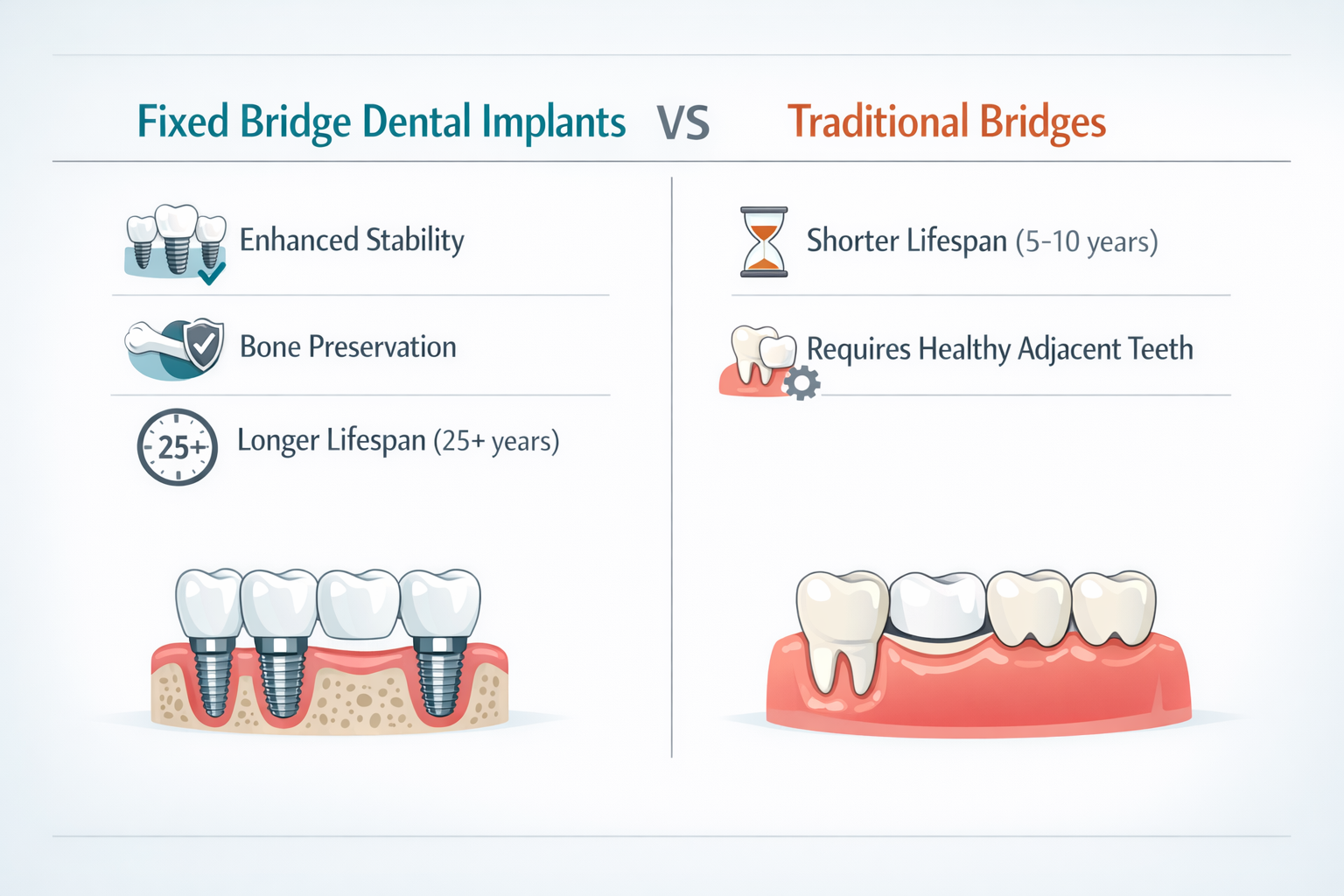
While fixed bridge dental implants are generally more expensive upfront than traditional dental bridges, it’s crucial to consider the long-term value. Traditional bridges typically need replacement every 5-10 years, whereas implants, with proper care, can last 25 years or more [3, 4]. This longevity often makes implants a more cost-effective choice over the lifespan of the restoration. For a detailed breakdown of costs, explore our guide on the Unveiling the True Cost of a Dental Implant Bridge in 2025.
Cost Comparison Snapshot (Illustrative):
| Feature | Fixed Bridge Dental Implant | Traditional Dental Bridge |
|---|---|---|
| Initial Cost | Higher | Lower |
| Longevity | 25+ years (with care) | 5-10 years |
| Jawbone Preservation | Yes | No |
| Adjacent Teeth Alteration | No | Yes (grinding down) |
| Stability | Excellent | Good |
| Long-Term Value | Often more cost-effective | Requires frequent replacement |
Many dental practices in Dallas offer various financing options and payment plans to make dental implants more accessible. It’s always advisable to have a detailed discussion about implant cost in Dallas during your initial consultation.
Benefits Beyond Aesthetics
The advantages of a fixed bridge dental implant extend far beyond simply filling a gap in your smile. They contribute significantly to your overall quality of life:
- Restored Chewing Ability: With the stability provided by implants, you can confidently enjoy all your favorite foods without restriction, improving nutrition and digestion.
- Clearer Speech: Missing teeth can affect speech patterns, leading to lisps or slurred words. A stable bridge restores proper articulation.
- Enhanced Self-Confidence: A complete, natural-looking smile can dramatically boost self-esteem and confidence in social and professional interactions.
- Prevention of Facial Sagging: By preserving the jawbone, implants help maintain the natural contours of your face, preventing the sunken appearance often associated with long-term tooth loss.
- Durability and Reliability: Modern implant systems boast high clinical success rates. A 2025 biomechanical study further confirmed that framework material and cantilever length significantly influence stress distribution, reinforcing that design optimization matters more than implant count alone [2]. This focus on design ensures robust, long-lasting restorations.
- Biocompatibility and Safety: Materials are continuously being engineered to reduce allergic reactions and rejection risk, expanding treatment options for a broader patient population [1]. Patient safety remains a paramount concern in dental implant procedures.
Important Considerations and Risks
While fixed bridge dental implants are highly successful, it’s essential to be aware of certain considerations and potential risks:
- Surgical Procedure: As with any surgical procedure, there are inherent risks, though rare, such as infection, nerve damage, or sinus complications [5]. Your dental professional will discuss these in detail.
- Healing Time: The osseointegration process requires patience, as it can take several months for the implants to fully integrate with the bone.
- Suitability: Not everyone is an ideal candidate for dental implants. Factors like significant bone loss, certain medical conditions (e.g., uncontrolled diabetes, severe gum disease), heavy smoking, or radiation therapy to the head and neck can affect suitability [5]. However, advancements like zygomatic and pterygoid implants are expanding options for patients with severe bone atrophy [2].
- Cost: The initial investment is higher, though financing options are often available. For those exploring options, our guide on Can I Afford Dental Implants Bad Credit? 2025 Financing Guide might be useful.
- Maintenance: While durable, fixed bridge dental implants require consistent oral hygiene and regular dental check-ups to ensure their longevity.
The decision to pursue a fixed bridge dental implant is a personal one, best made in consultation with a qualified dental professional. They can provide a thorough assessment, discuss all available tooth replacement options, including traditional bridges and dentures, and help you determine the best course of action for your long-term oral health.
Conclusion
The fixed bridge dental implant stands as a testament to the remarkable advancements in modern dentistry, offering a comprehensive and enduring solution for missing teeth. In 2026, with innovations in material science, AI-assisted planning, and faster recovery protocols, these restorations are more precise, aesthetically pleasing, and durable than ever before. Choosing a fixed bridge dental implant means investing in more than just a new set of teeth; it means reclaiming your ability to eat comfortably, speak clearly, and smile with renewed confidence, all while safeguarding your long-term oral health by preserving jawbone integrity.
If you are considering options for missing teeth solutions, especially if you reside in the Dallas, Texas area, we strongly encourage you to seek a consultation with a dentist specializing in dental implants. During this consultation, you can discuss your individual needs, explore the detailed dental implant procedure, understand the implant cost in Dallas, and determine if a fixed bridge dental implant is the right choice for you. Your oral health education is paramount, and a professional assessment is the most reliable way to make an informed decision for a healthier, brighter future.
References
[1] Dental Implants In 2026 Advances In Longevity Materials And Faster Recovery – https://trinitydentist.com/dental-implants-in-2026-advances-in-longevity-materials-and-faster-recovery/
[2] All On 4 Vs All On X Dental Implants – https://goldcoastdental.com/blog/all-on-4-vs-all-on-x-dental-implant/
[3] Dental Bridges In Are They Still A Reliable Tooth Replacement Option – https://srisatyadentalhospital.in/dental-bridges-in-are-they-still-a-reliable-tooth-replacement-option/
[4] Reclaim Your Smile In 2026 A Patients Guide To Dental Implants – https://www.wdfdental.com/blog/reclaim-your-smile-in-2026-a-patients-guide-to-dental-implant?hsLang=en
[5] Dental Implants Complete Guide – https://www.magrabihealth.com/blog/dental-implant-complete-guide
[6] The Implant Surge In 2026 And What It Means For Missing Tooth Solutions – https://trinitydentalcares.com/the-implant-surge-in-2026-and-what-it-means-for-missing-tooth-solutions/
[7] 4 Implant Bridge – https://vitrinclinic.com/4-implant-bridge/
[8] New Dental Implants In 2026 – https://www.nuviasmiles.com/blog/new-dental-implant-in-2026
[9] Revolutionizing Dental Restoration Future Implants Bridges – https://sharp-dentistry.com/articles/12871/revolutionizing-dental-restoration-future-implants-bridges/
Leave a Reply
Share your thoughts or ask a question about dental implants. Your email address will not be published.