


The thought of undergoing a dental procedure, especially one as significant as receiving dental implants, can evoke considerable anxiety for many individuals. This fear of dental implants is a common and understandable concern, often stemming from past negative experiences, a general apprehension about dental work, or misinformation about the procedure itself. Understanding these fears and how they can be effectively managed is crucial for anyone considering dental implants as a solution for missing teeth.
Key Takeaways
- Fear of dental implants is widespread and stems from various factors, including pain, cost, and the perceived complexity of surgery.
- Modern dental implant procedures prioritize patient comfort and safety, utilizing advanced technology and anesthesia.
- Dental sedation options, from nitrous oxide to IV sedation, are highly effective in managing anxiety and pain during implant surgery.
- Choosing an experienced dental professional in Dallas is paramount for a smooth and successful implant journey.
- Open communication with your dentist about your fears is the first step toward a personalized and reassuring treatment plan.
- Understanding the dental implant procedure, including recovery and long-term care, can significantly reduce anxiety.
- Exploring financing options can alleviate concerns about the implant cost in Dallas, making the procedure more accessible.
Quick Answer
The fear of dental implants is a valid concern for many patients, typically rooted in worries about pain, the surgical process, and costs. However, modern dentistry offers numerous strategies, including advanced pain management, diverse sedation options, and clear patient education, to effectively address and alleviate these anxieties, making the dental implant procedure a comfortable and manageable experience.
What Causes the Fear of Dental Implants?

The fear of dental implants can arise from a combination of factors, primarily the inherent apprehension many people have about dental procedures, combined with specific concerns related to the perceived invasiveness and permanence of implants. Patients often worry about pain during and after the procedure, the cost involved, and the potential for complications.
Several elements contribute to this apprehension:
- Pain and Discomfort: A common worry is the anticipation of pain, both during the implant surgery and throughout the recovery period. This fear is often exacerbated by past painful dental experiences or anecdotal stories. However, dental implant procedures are typically performed under local anesthesia, ensuring the patient feels no pain during the surgery itself. Post-operative discomfort is usually mild and manageable with prescribed medication.
- The Surgical Nature: Dental implants involve a surgical procedure to place a titanium post into the jawbone. The idea of surgery can be intimidating, leading to anxiety about incisions, drilling, and the overall invasiveness. Modern techniques, such as 3D guided dental implants, enhance precision and minimize invasiveness, contributing to faster healing and less discomfort.
- Cost Concerns: The investment required for dental implants in Dallas can be a significant source of stress. Patients may fear hidden fees or an inability to afford the treatment, especially for comprehensive solutions like full mouth dental implants. Transparency in pricing and clear discussions about dental implant financing options are essential to mitigate this fear.
- Lack of Information: Misconceptions about the dental implant procedure, recovery, and long-term success rates can fuel anxiety. Patients may not fully understand what to expect, leading to exaggerated fears. Comprehensive oral health education helps demystify the process.
- Loss of Control: Some patients experience anxiety in dental settings due to a feeling of vulnerability or loss of control while in the dental chair. This can be addressed through open communication and allowing patients to signal discomfort or needing a break.
For individuals with deep-seated dental phobia or generalized anxiety, the idea of any dental visit, let alone implant surgery, can be overwhelming. Recognizing these underlying causes is the first step toward developing effective coping strategies and ensuring a comfortable experience.
How Can Dental Anxiety and Fear of Dental Implants Be Managed?
Managing dental anxiety and the fear of dental implants effectively involves a multi-faceted approach that prioritizes patient comfort, clear communication, and appropriate clinical techniques. The goal is to transform what might seem like a daunting procedure into a calm and manageable experience.
Here are key strategies:
- Open Communication with Your Dentist: The most crucial step is to openly discuss your fears and concerns with your dental professional. A patient-first dentist in Dallas will listen empathetically, answer all your questions, and tailor the treatment plan to address your specific anxieties. This dialogue builds trust and helps the dental team understand how best to support you.
- Sedation Options: Modern dentistry offers a range of safe and effective sedation options for dental implants in Dallas TX to alleviate anxiety and discomfort during the procedure.
- Nitrous Oxide (Laughing Gas): A mild sedative inhaled through a mask, it quickly induces relaxation and a sense of well-being. Its effects wear off rapidly after the mask is removed.
- Oral Sedation: Administered as a pill taken before the appointment, oral sedation helps you feel calm and drowsy. You’ll remain conscious but deeply relaxed, often with little memory of the procedure.
- IV Sedation (Intravenous Sedation): Delivered directly into the bloodstream, IV sedation provides a deeper level of relaxation, often making you feel like you’re asleep. This is ideal for significant anxiety or longer procedures.
- General Anesthesia: In rare cases, for extensive procedures or extreme phobia, general anesthesia may be administered by an anesthesiologist, rendering you completely unconscious.
- Advanced Pain Management: Beyond sedation, dentists employ local anesthetics to numb the treatment area completely, ensuring no pain is felt during the actual surgery. Post-operative pain management protocols are also in place, with clear instructions and prescriptions to control any discomfort. Techniques for painless dental implant techniques in Dallas TX are continually evolving.
- Pre-Procedure Preparation: Knowing what to expect significantly reduces anxiety. Your dental team will provide detailed instructions for before, during, and after your implant surgery. This includes dietary guidelines, medication instructions, and information on what to bring to your appointment.
- Relaxation Techniques: Some patients benefit from practicing relaxation techniques, such as deep breathing exercises, guided meditation, or listening to calming music during their appointment. Many clinics are equipped with amenities like headphones to enhance comfort.
- Choosing the Right Provider: Selecting a dental professional in Dallas with extensive experience in implant dentistry and a compassionate approach to patient care is vital. Look for clinics that emphasize patient comfort and have positive reviews regarding anxiety management.
By combining these strategies, individuals with a fear of dental implants can approach their treatment with confidence, knowing their comfort and well-being are the top priority.
Understanding the Dental Implant Procedure and Safety

A clear understanding of the dental implant procedure and the rigorous safety measures in place can significantly diminish the fear of dental implants. The process is highly standardized, performed by skilled professionals, and designed with patient well-being at its core, making it a safe and predictable solution for missing teeth.
Here’s what to know about the implant surgery process and its safety:
- Initial Consultation and Planning: The journey begins with a thorough consultation, including a comprehensive oral examination, 3D imaging (like CBCT scans), and a review of your medical history. This detailed planning ensures the precise placement of the implant, minimizing risks. It’s during this stage that your dentist will discuss if you need a bone graft for dental implants in Dallas, which is sometimes necessary to ensure sufficient bone density for the implant.
- Implant Placement Surgery: This outpatient procedure involves making a small incision in the gum to expose the jawbone. A precise hole is then gently drilled into the bone, and the dental implant — a small, biocompatible titanium post — is carefully placed. The gum tissue is then closed. This stage is performed under local anesthesia, often supplemented with sedation, so you will not feel pain.
- Osseointegration: After placement, a healing period of several months is required. During this time, the implant fuses with the jawbone in a process called osseointegration, forming a strong, stable foundation for the new tooth. This biological bonding is crucial for the long-term success of the implant.
- Abutment Placement and Crown Attachment: Once osseointegration is complete, a small connector piece called an abutment is attached to the implant. Finally, a custom-made crown, designed to match your natural teeth, is secured onto the abutment. This completes your new, fully functional tooth.
- High Success Rates: Dental implants boast exceptionally high success rates, typically over 95%, when performed by experienced professionals. Their long-term oral health benefits are well-documented, making them a reliable choice for tooth replacement options.
- Sterilization and Infection Control: Dental clinics adhere to strict sterilization protocols and infection control guidelines established by health authorities to prevent complications. Patient safety is paramount.
- Qualified Professionals: Dental implant procedures are performed by highly trained general dentists, oral surgeons, or periodontists who have specialized expertise in implant dentistry. Their experience significantly contributes to the safety and success of the procedure. When considering dental implants in Dallas, ensuring your provider is experienced and reputable is a key factor.
Understanding each step helps demystify the process, replacing apprehension with confidence in the safety and efficacy of modern dental implant treatments.
Overcoming Specific Fears: Pain, Cost, and Recovery
Addressing specific anxieties about pain, cost, and recovery is vital for anyone grappling with the fear of dental implants. Dental Implant Education – Dallas TX is committed to providing clear, reassuring information to help you navigate these common concerns.
Addressing Pain Concerns
- During the Procedure: As mentioned, local anesthesia ensures you won’t feel pain during the implant placement. Many Dallas dentists also offer various sedation options for dental implants, ranging from nitrous oxide to IV sedation, to keep you relaxed and comfortable. These methods effectively eliminate discomfort and reduce anxiety.
- After the Procedure: Post-operative discomfort is typically mild and comparable to that of a tooth extraction. Your dentist will provide specific instructions for pain management, usually involving over-the-counter pain relievers or a prescription for a few days. Swelling and minor bruising are normal and subside quickly. For more information, our guide on Demystifying Dental Implant Pain offers detailed insights.
Navigating Cost Concerns
- Transparency is Key: Reputable dental practices in Dallas provide transparent breakdowns of all costs associated with dental implants, including the implant, abutment, and crown. They will discuss the factors that influence why Dallas dental implant prices vary so widely.
- Financing Options: Most clinics offer flexible payment plans, including 0% interest financing through third-party providers like CareCredit, making the procedure more affordable. Discussing dental implant financing options in Dallas during your consultation can alleviate financial stress.
- Insurance and Deductions: While dental implant insurance coverage can be limited, some plans offer partial reimbursement. Additionally, dental implants may be eligible for 2026 Dallas dental implant tax deductions as medical expenses. It’s always best to inquire about your specific insurance and financial situation. When comparing dental implants vs dentures cost comparison in Dallas TX, consider the long-term value of implants.
Understanding Recovery and Long-Term Care
- Initial Healing: The initial recovery period for dental implant placement is usually a few days to a week. You may experience some swelling, minor bleeding, and discomfort, all of which are manageable with proper care. You’ll receive clear instructions on diet, oral hygiene, and activity restrictions.
- Osseointegration Period: The most crucial part of recovery is osseointegration, where the implant fuses with your jawbone. This process takes several months, and adherence to your dentist’s guidelines during this time is essential for success.
- Long-Term Oral Health: Once fully restored, dental implants are designed to last for decades, often a lifetime, with proper care. This includes diligent brushing, flossing, and regular dental check-ups, just like natural teeth. Maintaining excellent oral hygiene is key to preventing complications like bad breath from dental implants or infections.
By addressing these common fears with factual information and practical solutions, patients can approach the decision for dental implants with greater confidence and less apprehension.
Conclusion
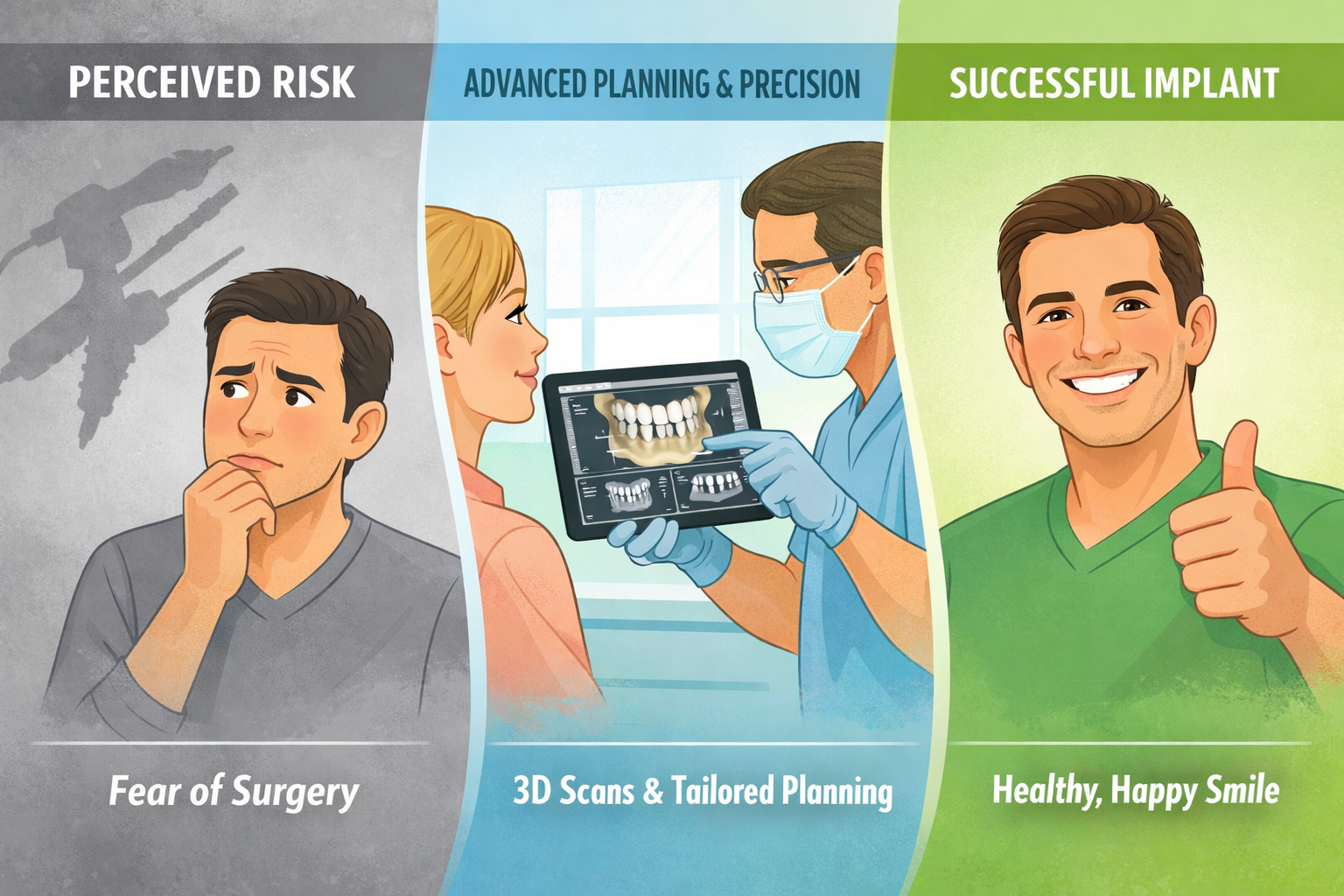
The fear of dental implants is a natural and common concern, but it does not have to be a barrier to achieving a healthy, complete smile. In 2026, advances in dental technology, pain management, and patient care have made the dental implant procedure more comfortable, predictable, and successful than ever before. For residents in Dallas, numerous experienced professionals are dedicated to providing comprehensive oral health education and personalized treatment plans to alleviate anxieties.
By engaging in open communication with your dentist, understanding the meticulous steps of the implant surgery process, and exploring available sedation and financing options, you can transform your dental implant journey into a positive experience. Remember, opting for dental implants is an investment in your long-term oral health and overall well-being. Don’t let apprehension about the procedure prevent you from considering one of the most effective tooth replacement options available today.
Actionable Next Steps:
- Schedule a Consultation: The best first step is to schedule a consultation with an experienced dental professional specializing in dental implants in Dallas. This allows you to discuss your specific concerns, get a personalized assessment, and understand all aspects of the procedure.
- Discuss Your Fears Openly: Be honest about your fears regarding pain, cost, or the surgical process. Your dental team can then provide tailored solutions and reassurance.
- Explore Sedation Options: Inquire about the various sedation options available to ensure your comfort during the procedure.
- Understand the Cost & Financing: Ask for a detailed cost breakdown and explore financing plans to make the investment manageable.
- Educate Yourself: Utilize resources like Dental Implant Education – Dallas TX to better understand the procedure, recovery, and long-term care, empowering you to make an informed decision.
Related Reading
- Sedation Options for Dental Implants Dallas TX: Costs, Types
- Painless Dental Implant Techniques Dallas TX: Sedation Optio
- Why Dallas Dental Implant Prices Vary So Widely: Provider Ex
- Dental Implants vs Dentures Cost Comparison in Dallas TX: Lo
- Demystifying Dental Implant Pain: Your 2025 Guide to a Confident Smile
FAQ

Is dental implant surgery painful?
No, dental implant surgery is typically not painful. Local anesthesia is used to numb the treatment area completely, and various sedation options are available to ensure your comfort and relaxation during the procedure.
How long does the dental implant procedure take?
The actual implant placement surgery for a single implant usually takes about 1-2 hours. However, the overall process, including healing and crown placement, can span several months due to the osseointegration period.
Can I get dental implants if I have extreme dental anxiety?
Yes, you can. Dentists specializing in dental implants in Dallas are highly experienced in managing dental anxiety through various sedation techniques (nitrous oxide, oral, or IV sedation) and a compassionate, patient-first approach.
What are the risks associated with dental implants?
Dental implants have a very high success rate. Risks are minimal but can include infection, nerve damage, or sinus issues, all of which are rare and often preventable with proper planning and an experienced surgeon.
How much do dental implants cost in Dallas?
The cost of dental implants in Dallas varies based on factors like the number of implants, materials, and complexity. A single implant can range from $3,000 to $6,000. Many clinics offer financing plans to make them affordable.
Will my dental insurance cover dental implants?
Dental insurance coverage for implants varies widely. Some plans offer partial coverage, while others do not. It’s best to check with your insurance provider and consult with your dental office’s financial coordinator.
What is the recovery time for dental implants?
Initial recovery after implant placement typically involves a few days to a week of mild discomfort and swelling. The full healing period, where the implant fuses with the bone (osseointegration), takes 3-6 months before the final crown is placed.
Sources
- American Academy of Implant Dentistry. (2026). Dental Implants: The Modern Answer.
- American Dental Association. (2026). Oral Health Topics: Dental Implants.
Leave a Reply
Share your thoughts or ask a question about dental implants. Your email address will not be published.