

When considering tooth replacement options, a common and important question for many individuals, particularly those researching dental implants in Dallas, is whether do dental implants feel like real teeth when eating steak or hard foods? The short answer is yes, after a complete healing period, dental implants are designed to function and feel remarkably similar to your natural teeth, allowing you to enjoy a wide range of foods, including steak and other hard-to-chew items, with confidence and comfort.
Key Takeaways
- After full healing, dental implants offer a bite strength and sensation very similar to natural teeth.
- The healing process, called osseointegration, typically takes 3-6 months before hard foods can be safely consumed.
- Implants provide superior stability compared to dentures, eliminating slipping or shifting during meals.
- Post-surgery, a strict soft-food diet is crucial to prevent complications and ensure proper healing.
- Gradual reintroduction of foods is key, moving from soft to semi-soft before attempting hard or chewy items.
- Proper chewing technique and avoiding excessively hard or sticky foods are important for long-term implant longevity.
- Regular oral hygiene and professional check-ups are essential to maintain implant health and function.
- Consultation with a dentist or oral surgeon is vital to determine suitability and understand the full implant procedure.
Quick Answer
Yes, once fully integrated with your jawbone, dental implants feel remarkably like real teeth when eating steak or hard foods, offering a strong, stable bite and natural chewing sensation. This allows patients to enjoy a full diet without the discomfort or limitations often associated with other missing teeth solutions. The key is allowing adequate time for complete healing and following your dentist’s post-operative instructions.
The Science Behind Dental Implant Comfort: How Implants Mimic Natural Teeth
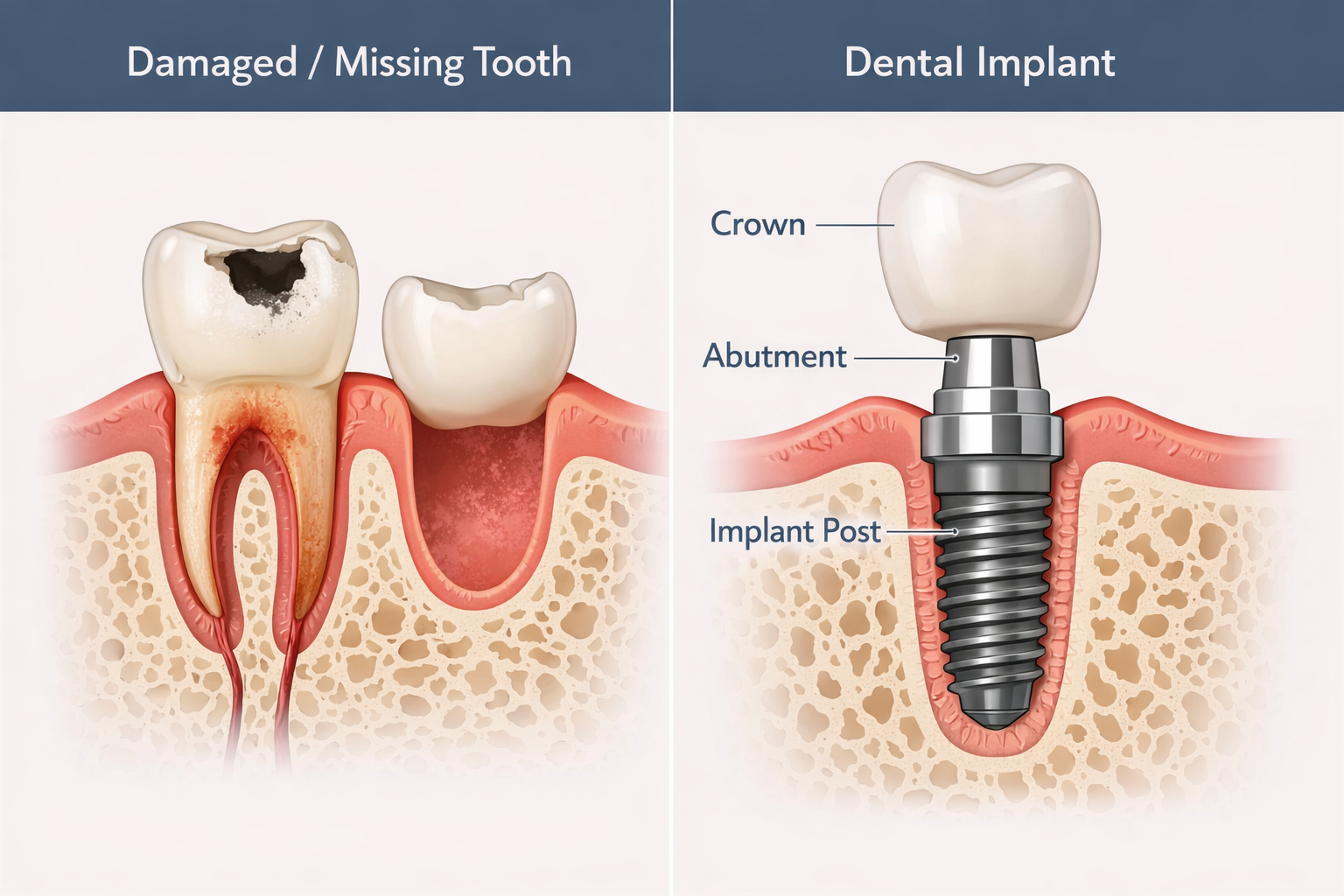
Dental implants feel like real teeth because they replicate the structure of a natural tooth, from root to crown. Unlike traditional dentures that rest on the gums, a dental implant consists of a titanium post surgically placed into the jawbone, acting as an artificial tooth root. Over several months, this titanium post fuses with the surrounding bone in a process called osseointegration. This creates a strong, stable foundation that can withstand significant chewing forces, much like a natural tooth root.
The sensation of chewing comes from the connection between the tooth root and the jawbone, which transmits pressure feedback to the brain. Because the implant integrates directly with the bone, it provides a similar level of sensory input and stability. This means when you bite into foods like steak, the force is distributed through the implant to the bone, mimicking the natural chewing mechanism. The result is a chewing experience that is very close to having your original teeth, providing both physical comfort and psychological confidence.
What to Expect During the Healing Period Before Eating Hard Foods
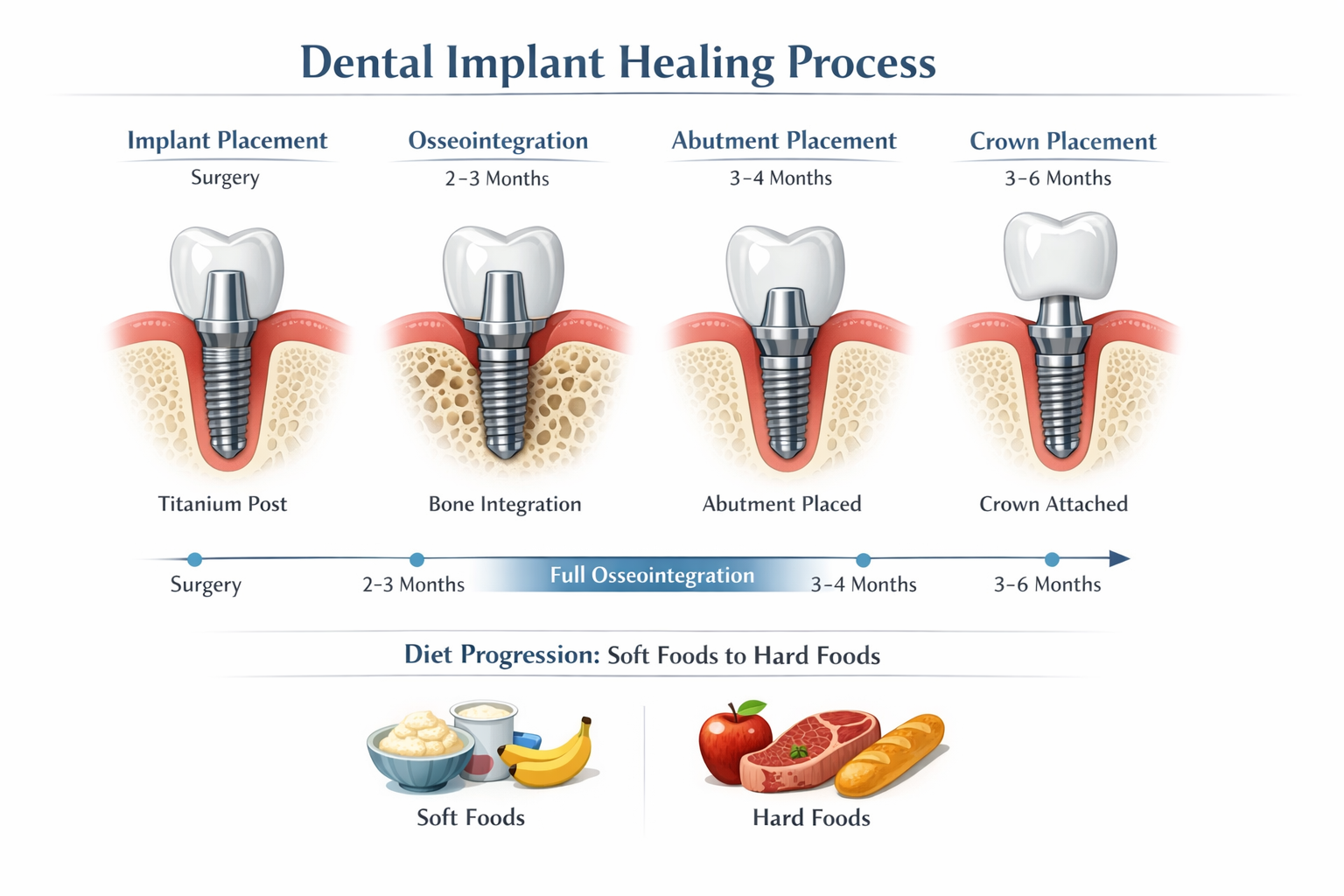
Immediately following your dental implant procedure, it is crucial to adhere to a soft-food diet to allow the surgical site to heal properly and for osseointegration to occur without disturbance. This initial phase is critical for the long-term success of your implant.
| Phase | Timeline | Recommended Foods | Foods to Avoid |
|---|---|---|---|
| Initial Recovery | First 1-2 weeks | Mashed potatoes, yogurt, scrambled eggs, soups (lukewarm), smoothies, soft pasta | Steak, nuts, raw vegetables, hard candies, crunchy snacks, sticky foods, very hot or cold items |
| Osseointegration | 3-6 months (post-surgery) | Gradually introduce semi-soft foods like cooked vegetables, fish, soft chicken, rice | Tough meats, chewy breads, popcorn, anything requiring excessive chewing, hard candies, ice (permanently) |
| Full Integration | 6+ months | Most foods, including tender cuts of steak, firm fruits, and a varied, healthy diet | Hard candies, ice, bones (any food that could break a natural tooth) |
During the 3-6 month osseointegration period, the titanium implant post becomes a permanent part of your jawbone. Rushing to eat hard foods during this time can disrupt the healing process, potentially leading to implant failure. Your dentist will guide you on when it’s safe to gradually introduce harder foods. For more details on recovery, you might find our guide on Post-Op Dental Implant Instructions: 2026 Recovery Guide helpful.
Enjoying Steak and Hard Foods with Dental Implants
Once your dental implants have fully healed and integrated with your jawbone—a process typically taking 3 to 6 months—you can generally enjoy steak and other hard foods with confidence. Patients often report that their bite strength and chewing ability return to a level comparable to their natural teeth. This means you can comfortably chew tender cuts of steak, firm vegetables, and crunchy fruits without worry.
For the best experience, especially when first reintroducing hard foods, consider these tips:
- Choose Tender Cuts: Opt for cuts like filet mignon, ribeye, or sirloin, which are generally easier to chew than tougher cuts.
- Cut into Small Pieces: Always cut steak and other hard foods into small, manageable pieces to reduce strain on your implants and natural teeth.
- Chew Evenly: Distribute chewing pressure across both sides of your mouth to avoid overworking one area. This can help preserve long-term implant stability.
- Mindful Eating: Pay attention to how your implants feel. If you experience discomfort, stop and consult your dental professional.
- Permanent Avoidance: Even after full healing, it’s wise to permanently avoid extremely hard items like ice, unpopped popcorn kernels, or hard candies, as these can damage implant crowns or even natural teeth. Sticky foods like caramel should also be consumed with caution, as they can pull on restorations.
The ability to enjoy a diverse diet is one of the significant benefits of dental implants, enhancing your quality of life. For more on patient experiences, consider reading Is Dental Implant Worth It Reddit: Real User Experiences and Expert Analysis 2025.
Dental Implants vs. Other Tooth Replacement Options for Chewing
When comparing tooth replacement options, dental implants stand out for their superior stability and chewing efficiency, particularly when it comes to enjoying challenging foods like steak.
| Feature | Dental Implants | Traditional Dentures | Dental Bridges |
|---|---|---|---|
| Stability for Chewing | Excellent; anchored directly in jawbone, no slipping. | Poor; can slip, shift, and cause gum irritation. | Good; cemented to adjacent teeth, but can put stress on them. |
| Bite Strength | Very close to natural teeth. | Significantly reduced (10-20% of natural bite strength). | Good, but not as strong as implants due to reliance on adjacent teeth. |
| Bone Preservation | Stimulates jawbone, preventing bone loss. | Does not prevent bone loss; can accelerate it over time. | Does not prevent bone loss in the missing tooth area. |
| Comfort | Highly comfortable, feels like natural teeth. | Can cause discomfort, soreness, and rubbing. | Generally comfortable, but can feel bulky initially. |
| Food Limitations | Minimal after healing; allows most foods. | Significant limitations, especially for hard or sticky foods. | Minor; generally allows most foods, but avoid excessive strain. |
| Maintenance | Brush and floss like natural teeth; regular dental visits. | Daily cleaning, adhesives, soaking. | Special flossing tools needed; can be harder to clean. |
Dental implants in Dallas offer a long-term oral health solution that not only replaces missing teeth but also restores full chewing function. This capability is particularly evident with options like All-on-4 implants, which are specifically designed to handle hard foods like steak once osseointegration is complete, offering greater bite power and stability than traditional dentures. This robust solution contributes significantly to improved digestion and overall nutritional intake.
Maintaining Your Dental Implants for Long-Term Functionality

To ensure your dental implants continue to feel and function like real teeth when eating steak or any other food for many years to come, diligent care is essential. Just like natural teeth, implants require consistent maintenance and attention to oral hygiene.
Daily Oral Hygiene
- Brushing: Brush your implants and remaining natural teeth twice a day using a soft-bristled toothbrush and non-abrasive toothpaste. This helps remove plaque and food debris.
- Flossing: Regular flossing is critical. Use dental floss designed for implants, or consider interdental brushes or water flossers, to clean around the implant crown and along the gum line where plaque can accumulate.
- Mouthwash: An antimicrobial mouthwash can help reduce bacteria in your mouth, contributing to overall gum health, which is vital for supporting your implants.
Professional Care
- Regular Dental Check-ups: Schedule routine check-ups with your dentist, typically every six months. These appointments allow your dental professional to monitor the health of your implants, assess your oral hygiene, and address any potential issues early.
- Professional Cleanings: Dental hygienists can perform specialized cleanings designed for implants, using tools that won’t scratch or damage the implant surfaces.
Lifestyle Factors
- Avoid Damaging Habits: Refrain from chewing on ice, pens, or other hard objects that could chip or crack your implant crowns, just as they could natural teeth.
- Manage Bruxism: If you grind or clench your teeth (bruxism), inform your dentist. They might recommend a dental implant night guard to protect your implants from excessive force, which could lead to complications like peri-implantitis or crown fracture.
- Healthy Diet: While implants allow you to enjoy a full diet, maintaining a balanced, nutritious diet supports overall oral and systemic health, which is beneficial for implant longevity.
By committing to these maintenance practices, you can maximize the lifespan and functionality of your dental implants, ensuring they continue to provide the comfort and confidence of natural teeth for decades. This diligent approach is part of ensuring long-term oral health for all patients.
When to Consult Your Dentist in Dallas
While dental implants are designed for durability and comfort, there are specific situations where you should promptly consult your dentist, especially if you reside in Dallas, TX. Early intervention can prevent minor issues from becoming significant problems.
- Persistent Pain or Discomfort: If you experience ongoing pain, throbbing, or discomfort around your implant site, particularly when chewing, this warrants immediate attention. Some initial discomfort is normal after surgery, but it should subside.
- Swelling, Redness, or Bleeding: Any signs of inflammation, such as unusual redness, swelling, or bleeding around the implant or gums, could indicate an infection like peri-implantitis. Addressing this early is crucial.
- Loose or Wobbly Feeling: If your implant or the crown on top of it feels loose or wobbly, this is a serious concern. While rare, it could signify a problem with osseointegration or the implant components.
- Difficulty Chewing: If you find it increasingly difficult to chew foods that you once managed easily, or if you feel an uneven bite, this suggests a potential issue that needs professional evaluation.
- Damage to the Implant Crown: If your implant crown chips, cracks, or breaks, it needs repair or replacement. Our guide on Dental Implant Crown Replacement Cost Dallas | 2026 Guide can provide more information on this.
- Bad Breath or Unpleasant Taste: Persistent bad breath or a foul taste in your mouth specifically related to an implant site can be a symptom of bacterial buildup or infection, as discussed in Bad Breath from Dental Implants: Causes & Solutions 2026.
For any concerns related to your dental implants in Dallas, seeking timely consultation with a qualified dental professional is the best course of action. They can accurately diagnose the problem and recommend appropriate treatment to protect your investment and maintain your long-term oral health.
Frequently Asked Questions About Dental Implants and Eating
How long does it take for dental implants to feel natural when eating?
It typically takes 3 to 6 months for dental implants to fully integrate with the jawbone (osseointegration) and for patients to feel a natural chewing sensation, similar to real teeth.
Can I eat anything I want with dental implants?
Once fully healed, you can eat most foods, including steak and hard foods. However, permanently avoid extremely hard items like ice or hard candies, as they can damage crowns or natural teeth.
Do dental implants require special cleaning after meals?
No, dental implants should be cleaned with the same daily oral hygiene routine as natural teeth: brushing twice a day and flossing daily. Special floss or interdental brushes may be recommended for cleaning around the implant.
Is there any discomfort when biting hard with implants?
After complete healing, there should be no discomfort when biting into hard foods. If you experience pain, consult your dentist immediately, as it may indicate an underlying issue.
Can I eat steak right after dental implant surgery?
No, you must strictly adhere to a soft-food diet immediately after surgery to allow the implant site to heal and prevent complications. Hard foods like steak should be avoided for several months.
Do dental implants slip or move when I chew?
No, dental implants are surgically anchored into the jawbone, providing a stable and secure foundation that does not slip or move, unlike traditional dentures.
Are there any foods that can damage dental implants?
Yes, extremely hard foods (ice, hard candies, popcorn kernels) and very sticky foods (caramel, gummy candies) can potentially damage implant crowns or cause issues.
Do All-on-4 implants offer the same chewing ability?
Yes, All-on-4 implants are designed to restore significant chewing power and stability, often allowing patients to eat a full diet, including steak and other challenging foods, after complete healing.
Conclusion
The question of “do dental implants feel like real teeth when eating steak or hard foods?” is a valid one, and the answer is overwhelmingly positive after the full healing process. Dental implants offer a transformative solution for missing teeth, providing unparalleled stability, comfort, and chewing efficiency that closely mimics natural dentition. This enables individuals to enjoy their favorite meals, including challenging items like steak, without reservation or discomfort.
For anyone in Dallas considering this tooth replacement option, understanding the dental implant procedure, the necessary healing period, and the importance of proper oral hygiene is key to long-term success. If you’re looking for solutions for missing teeth or wish to explore dental implants in Dallas, it’s always recommended to seek a professional consultation with a qualified dentist or oral surgeon. They can assess your specific oral health needs, discuss implant cost in Dallas, and guide you toward an informed decision that enhances your long-term oral health and quality of life.
References
- Misch, C. E. (2008). Contemporary Implant Dentistry (3rd ed.). Mosby Elsevier.
- Carlsson, G. E., & Omar, R. (2010). Masticatory ability in patients with dental implants. Journal of Oral Rehabilitation, 37(12), 957–964.
- American Academy of Periodontology. (2019). Dental Implants: Post-Operative Care. Retrieved from https://www.perio.org/consumer/dental-implants
- Dental Implant Education – Dallas TX. (2026). Post-Op Dental Implant Instructions: 2026 Recovery Guide.
Leave a Reply
Share your thoughts or ask a question about dental implants. Your email address will not be published.