

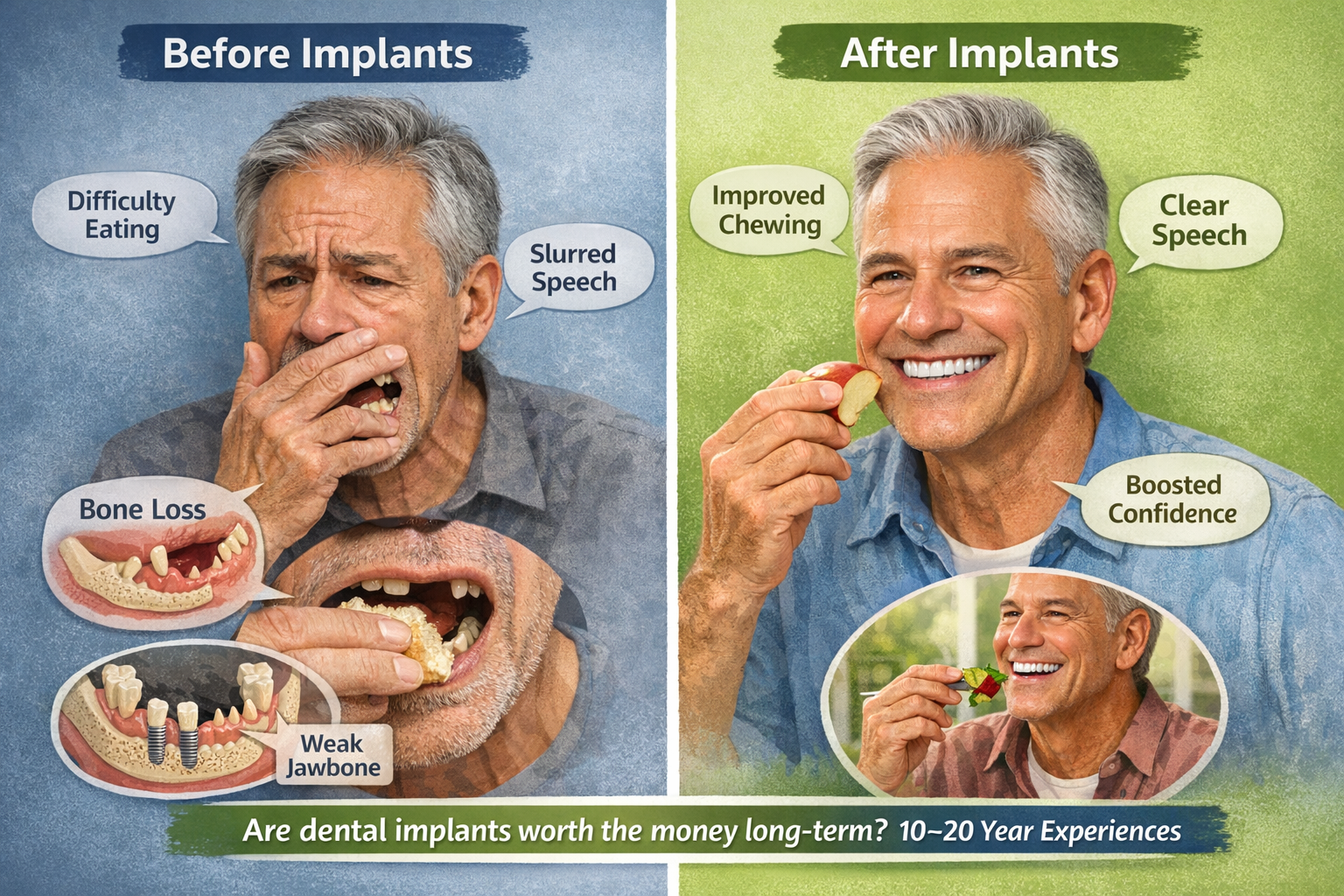
When considering tooth replacement options, a common and critical question arises: “Are dental implants worth the money long-term (10–20 year experiences)?” For many individuals in Dallas, Texas, the initial investment in dental implants can seem significant. However, a comprehensive look at their durability, success rates, functional benefits, and impact on long-term oral health reveals that dental implants offer exceptional value and are often considered a worthwhile investment over decades.
Key Takeaways
- Dental implants boast high long-term success rates, with 90-95% survival over 10 years and approximately 78-88% at 20 years, surpassing many other medical devices [1, 2].
- The titanium implant post itself can last 20-30 years or even a lifetime due to osseointegration, while the crown typically needs replacement every 15-20 years [1].
- The investment is justified by restored chewing function, improved speech, enhanced aesthetics, and preservation of jawbone structure, preventing further oral health complications.
- Factors like excellent oral hygiene, regular dental check-ups, and avoiding smoking significantly contribute to implant longevity [1].
- While initial costs may be higher than alternatives like dentures or bridges, dental implants often prove more cost-effective over a 10–20 year period due to their durability and minimal maintenance needs [4].
- Advanced diagnostic tools and surgical techniques have further enhanced the predictability and long-term success of dental implant procedures [3].
- Consultation with a qualified dentist in Dallas is crucial to assess individual suitability, understand the dental implant procedure, and discuss implant cost in Dallas.
Quick Answer
Yes, dental implants are overwhelmingly worth the money long-term, consistently demonstrating high success rates and lasting for 10 to 20 years, and often much longer, due to their unique ability to integrate with the jawbone. Their durability, functional superiority, and positive impact on overall oral health make them a valuable investment that often outweighs the initial cost when evaluated over decades.
How Do Dental Implants Perform Over 10-20 Years?
Dental implants perform exceptionally well over 10-20 years, with clinical studies consistently showing high success and survival rates that often exceed other tooth replacement options and even many other medical prosthetic devices. The implant’s ability to fuse with the jawbone provides a stable, long-lasting foundation for artificial teeth [1].
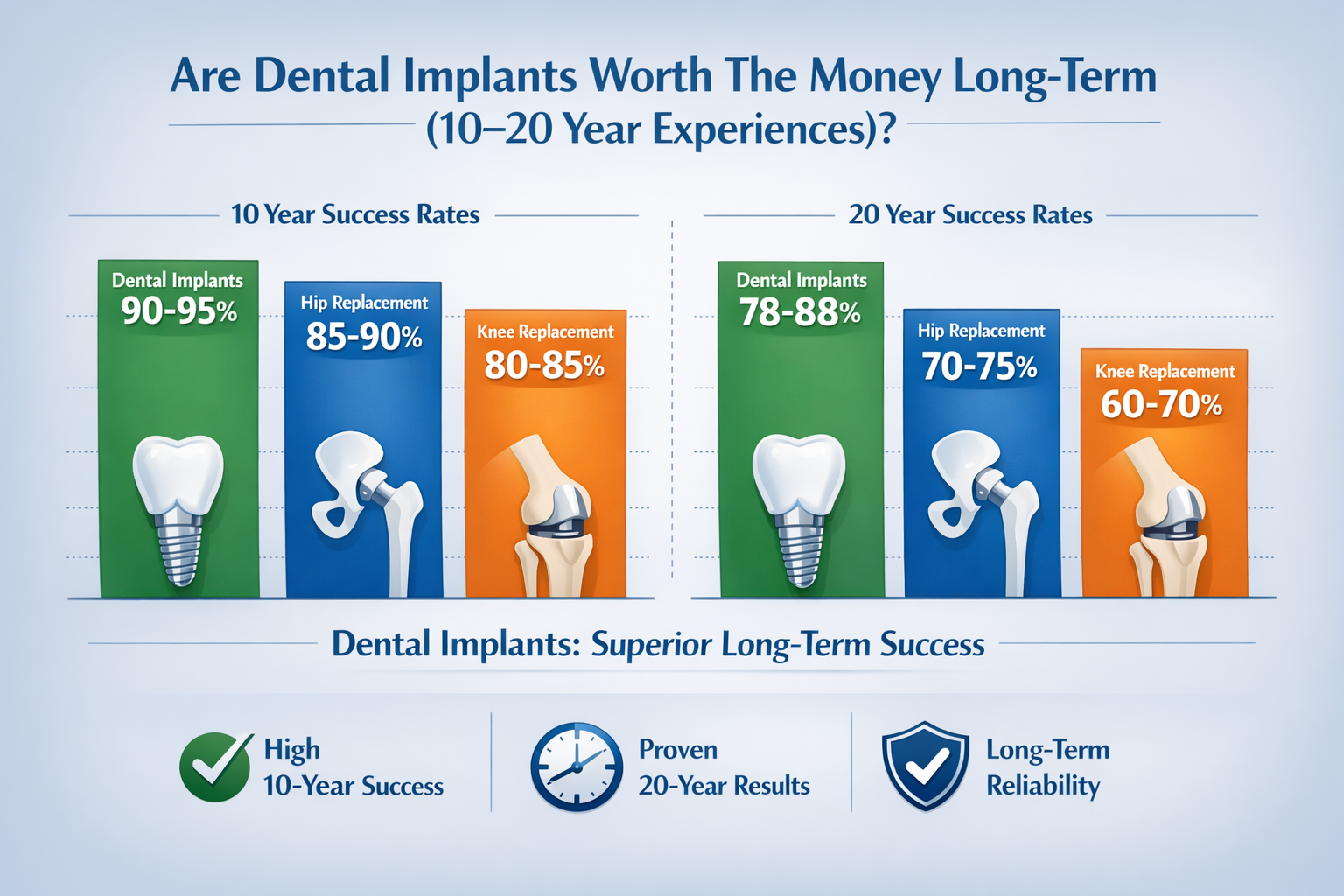
Modern dental implants are designed for longevity. Studies indicate that implants maintain a high level of functionality, with survival rates typically ranging from 90-95% over a 10-year period [1]. Looking further, a comprehensive meta-analysis revealed that approximately 4 out of 5 implants continue to function successfully even after two decades, with survival rates between 78-88% depending on the specific analysis methodology [2]. This impressive long-term performance is a key reason why many patients consider dental implants in Dallas a superior solution for missing teeth.
Longevity Compared to Other Medical Devices
To put this into perspective, dental implants demonstrate superior long-term survival rates when compared to other common orthopedic replacements. For instance:
- Dental Implants: 80-95% survival at 20 years [2].
- Hip Replacements: 60.4-77.7% survival at 20 years [2].
- Knee Replacements: 70-82% survival at 25 years [2].
This comparison highlights the robust and reliable nature of dental implant technology, making them a very durable long-term solution. If you’re weighing tooth replacement options, understanding this long-term stability is critical for informed decision-making.
What Components of a Dental Implant Last the Longest?
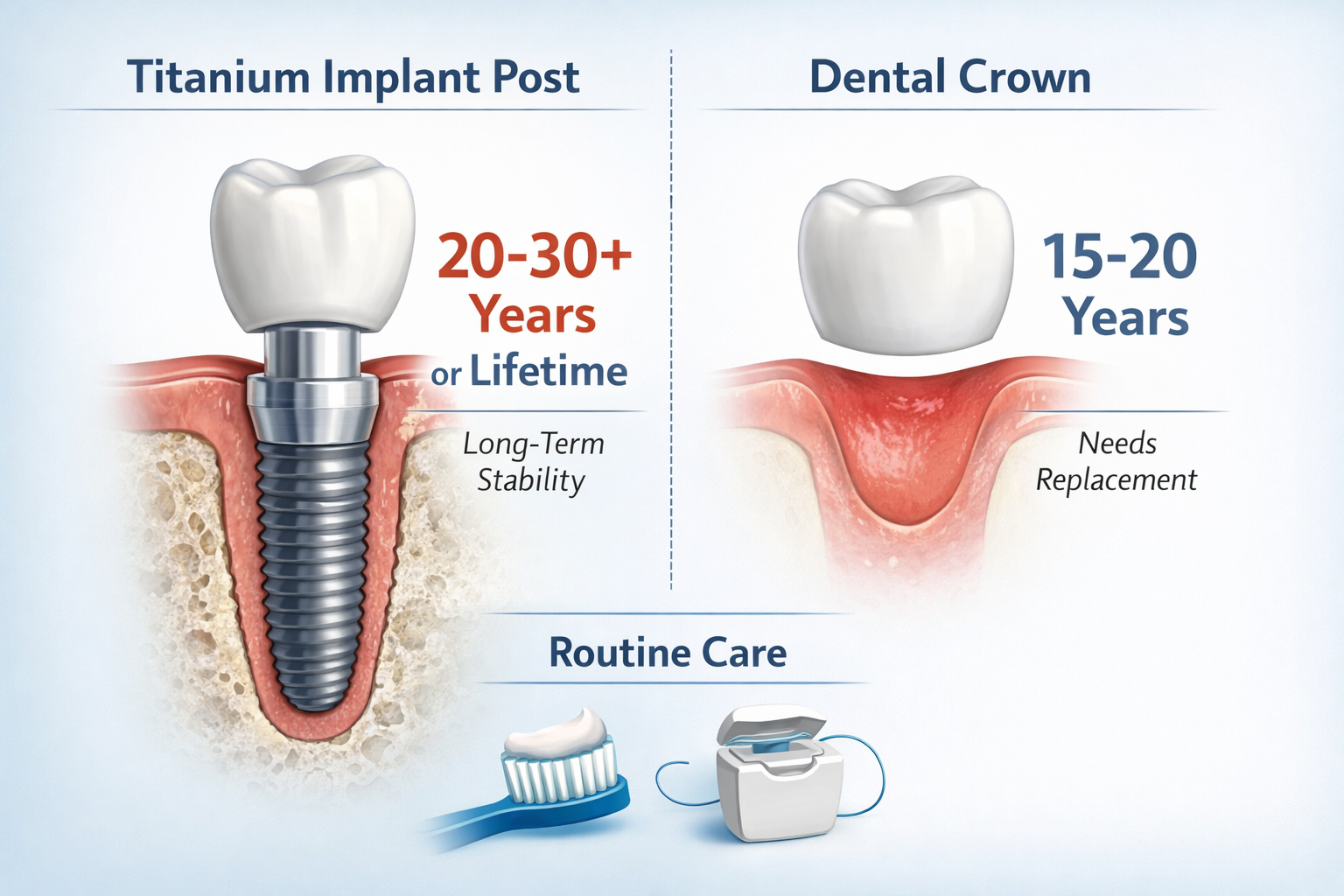
The titanium implant post, which is surgically placed into the jawbone, is the component of a dental implant designed to last the longest, often functioning for 20-30 years or even a lifetime through a process called osseointegration [1]. The visible restoration, known as the crown, typically has a shorter lifespan and may require replacement.
The core of a dental implant system consists of three main parts:
- The Implant Post (Fixture): This is a small, screw-shaped titanium post that acts as an artificial tooth root. Because titanium is biocompatible, it fuses directly with the jawbone, a process known as osseointegration. Once integrated, this post becomes a permanent part of your anatomy. Many patients can expect their implant posts to last 25 years or more, often for life, provided proper care and good oral health are maintained [1].
- The Abutment: This is a connector piece that sits on top of the implant post and extends above the gum line. It’s designed to securely hold the final restoration (crown, bridge, or denture). Abutments are generally very durable, made from titanium or zirconia, and typically last as long as the implant post itself, though damage can occur from extreme forces.
- The Crown (Prosthesis): This is the visible, tooth-like cap that is cemented or screwed onto the abutment. Crowns are typically made from porcelain, ceramic, or zirconia and are subject to normal wear and tear from chewing. While exceptionally strong, dental crowns usually require replacement after 15-20 years due to wear, chipping, or changes in bite [1]. This is similar to natural tooth crowns which can also wear down over time.
Therefore, when considering the long-term value, it’s important to differentiate between the almost permanent implant post and the periodically replaceable crown. The structural integrity provided by the implant post is the primary long-term investment.
What Factors Influence Dental Implant Longevity Beyond 10-20 Years?
Several key factors significantly influence dental implant longevity beyond the initial 10-20 year period, including a patient’s oral hygiene habits, lifestyle choices such as smoking, regular dental check-ups, and the quality of the initial implant surgery and materials. Addressing these elements proactively can extend the life of your dental implants.
Patient-Specific Factors
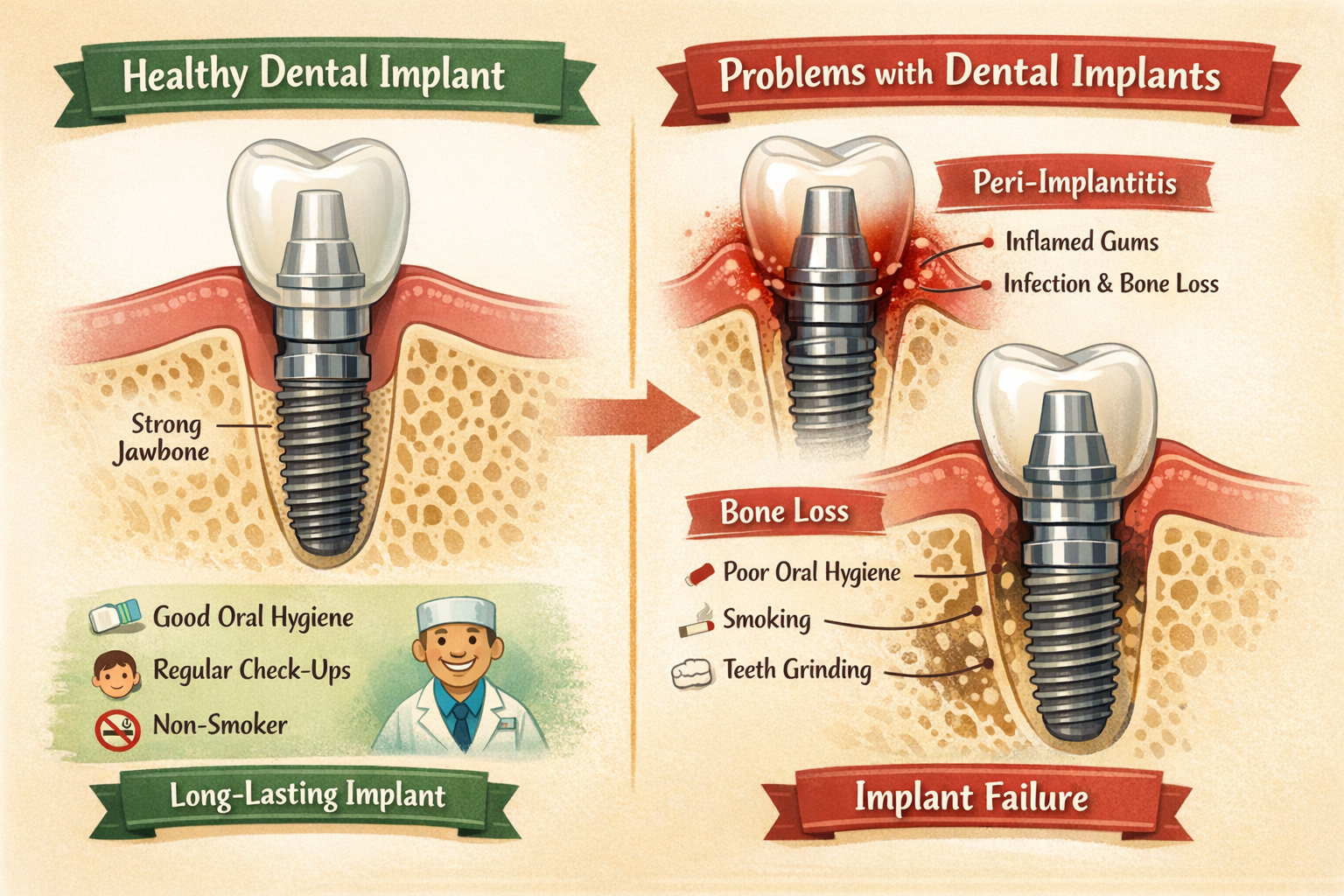
- Oral Hygiene: This is perhaps the most critical factor. Consistent and thorough brushing and flossing, similar to care for natural teeth, prevents the buildup of plaque and bacteria around the implant. Poor oral hygiene can lead to peri-implantitis, a gum disease that can cause bone loss around the implant and potentially lead to failure [1]. For maintaining your investment, understanding proper cleaning techniques, especially for multi-unit restorations like All-on-4 dental implants, is essential.
- Regular Dental Check-ups: Routine visits to your dentist in Dallas for professional cleanings and examinations are vital. These appointments allow your dentist to monitor the implant, detect early signs of issues like infection, and provide necessary adjustments or interventions. These check-ups help catch problems before they become significant [1]. For instance, appropriate dental implant X-ray frequency is key for monitoring bone health.
- Smoking: Smoking significantly compromises blood flow to the gums and can weaken the bond between the implant and bone, drastically reducing success rates. Smokers experience approximately 11% implant failure rates compared to 5% in non-smokers [1]. Quitting smoking is strongly recommended for anyone considering or having dental implants.
- Teeth Grinding (Bruxism): Chronic teeth grinding or clenching can place excessive stress on dental implants, potentially leading to complications like crown damage or even implant failure over time. Wearing a dental implant night guard can protect implants from this stress.
- Overall Health: Systemic conditions such as uncontrolled diabetes or autoimmune diseases can affect healing and the body’s ability to maintain bone density, potentially impacting implant longevity.
Clinical and Material Factors
- Initial Osseointegration: Most early implant failures occur within the first 12 months, usually due to poor bone integration or infection. A successful initial fusion between the implant and jawbone is fundamental for long-term stability [1].
- Quality of Materials and Surgical Technique: The use of high-quality implant materials and precise surgical placement by an experienced dental professional greatly contributes to success. Advanced diagnostic tools like cone-beam CT scans and digital design software have significantly improved planning and reduced complications, enhancing long-term outcomes [3]. This meticulous approach is characteristic of top providers of dental implants in Dallas.
By understanding and actively managing these factors, patients can maximize the lifespan of their dental implants, ensuring they remain a valuable asset to their oral health for many years to come.
What are the Long-Term Benefits and Return on Investment for Dental Implants?
The long-term benefits of dental implants extend far beyond just replacing missing teeth, offering a significant return on investment through improved oral health, enhanced quality of life, and often, greater cost-effectiveness compared to alternative treatments over a 10-20 year period.
Health and Functional Benefits
- Restored Chewing Function: Dental implants function like natural teeth, allowing you to eat a wide variety of foods without discomfort or restrictions. This improves nutrition and overall digestive health.
- Improved Speech: Missing teeth or ill-fitting dentures can affect speech clarity. Implants provide a stable foundation, allowing for natural speech patterns.
- Preservation of Jawbone: When a tooth is lost, the jawbone beneath it can resorb and shrink over time, altering facial structure. Dental implants stimulate the jawbone, preventing this bone loss and maintaining facial contours [4]. This is a critical benefit that differentiates implants from bridges or dentures.
- Enhanced Aesthetics: Implants look, feel, and function like natural teeth, restoring a confident and aesthetically pleasing smile. This boosts self-esteem and social comfort.
- Protection of Adjacent Teeth: Unlike dental bridges, implants do not require altering neighboring healthy teeth, preserving their natural structure.
- Minimal Maintenance: Dental implants are resistant to decay and require similar care to natural teeth (brushing, flossing, regular check-ups). They often require less long-term intervention than bridges or dentures [4].
Financial and Quality of Life Return on Investment
While the initial implant cost in Dallas can be higher than other missing teeth solutions, the long-term perspective reveals significant value:
| Feature | Dental Implants | Traditional Bridge | Dentures |
|---|---|---|---|
| Lifespan (Average) | 15-20 years (crown), 20-30+ years (post) [1] | 5-15 years | 5-10 years (often need relining/replacement) |
| Bone Preservation | Yes (stimulates bone) | No (bone loss continues underneath) | No (bone loss continues, often accelerated) |
| Maintenance & Repair | Minimal, crown replacement every 15-20 years [1] | Potential decay on anchor teeth, recementing | Frequent relining, potential breakage, adhesive costs |
| Comfort & Stability | Excellent, feels like natural tooth | Good, but relies on adjacent teeth | Variable, can slip, cause sores, affect eating/speaking |
| Cost-Effectiveness | Higher upfront, lower long-term due to durability [4] | Lower upfront, higher long-term due to replacements/issues | Lowest upfront, can be higher long-term with replacements/adhesives |
Over a 10-20 year period, the repeated costs associated with replacing bridges, relining or replacing dentures, and addressing potential complications to adjacent teeth can often accumulate to surpass the initial investment in dental implants. The peace of mind, improved oral health, and sustained quality of life provided by dental implants represent an invaluable return. Many individuals find that the ability to eat, speak, and smile with confidence makes dental implants a truly worthwhile long-term investment. If you’re comparing dental implants vs dentures cost comparison in Dallas TX, consider this comprehensive perspective.
Conclusion
When evaluating “Are dental implants worth the money long-term (10–20 year experiences)?”, the answer is a resounding yes for many individuals. Their remarkable durability, high success rates over decades, and profound benefits to oral health and quality of life firmly establish them as a superior and cost-effective tooth replacement option in the long run. While the initial investment in dental implants in Dallas might seem substantial, their ability to restore full chewing function, preserve jawbone, enhance aesthetics, and reduce the need for extensive future dental work provides an excellent return on investment over 10, 20, and even more years.
For anyone in Dallas, Texas, dealing with missing teeth, exploring dental implant solutions is a crucial step towards long-term oral health. We encourage you to seek a consultation with a qualified dental professional. An experienced dentist can assess your individual needs, discuss the dental implant procedure, provide an accurate estimate of the implant cost in Dallas, and help you determine if dental implants are the right choice for your unique situation. Making an informed decision today can lead to a lifetime of confident smiles and optimal oral health.
FAQ
Q: How long do dental implants typically last?
A: Dental implant posts typically last 20-30 years, often for a lifetime, while the attached crowns usually need replacement every 15-20 years due to normal wear and tear [1].
Q: Do dental implants require special maintenance?
A: No, dental implants require the same care as natural teeth: consistent brushing, flossing, and regular dental check-ups and professional cleanings [1].
Q: What is the success rate of dental implants over 10-20 years?
A: Dental implants have a high success rate, typically 90-95% over 10 years and around 78-88% over 20 years [1, 2].
Q: Can dental implants get infected years later?
A: Yes, dental implants can get infected years later, a condition called peri-implantitis, often due to poor oral hygiene or other contributing factors. Regular check-ups are crucial for prevention. Can Dental Implants Get Infected Years Later?
Q: Are dental implants more expensive than other tooth replacement options in the long run?
A: While initially more expensive, dental implants can be more cost-effective over 10-20 years than bridges or dentures due to their durability and lower need for replacements or adjustments [4].
Q: What happens if I wait too long to get dental implants?
A: Waiting too long can lead to further bone loss in the jaw, potentially requiring bone grafting before implant placement, which adds to the cost and treatment time. What Happens If You Wait Too Long for Dental Implants?
Q: Is it true that smoking affects implant longevity?
A: Yes, smoking significantly reduces implant success rates and longevity, increasing the risk of failure due to compromised healing and blood flow [1].
References
[1] How Long Do Dental Implants Last – https://www.minotdentalpartners.com/blog/how-long-do-dental-implants-last/
[2] Pmc11416373 – https://pmc.ncbi.nlm.nih.gov/articles/PMC11416373/
[3] Dental Implant Trends United States – https://www.allinthefamilydental.com/blog/dental-implant-trends-united-states/
[4] The Long Term Value Of Dental Implants – https://www.phdental.com/oral-health-news/2026/january/the-long-term-value-of-dental-implants/
Leave a Reply
Share your thoughts or ask a question about dental implants. Your email address will not be published.